
PRIX STUDIO / STRATEGY, DESIGN & TECHNOLOGY
Website Themes and Templates
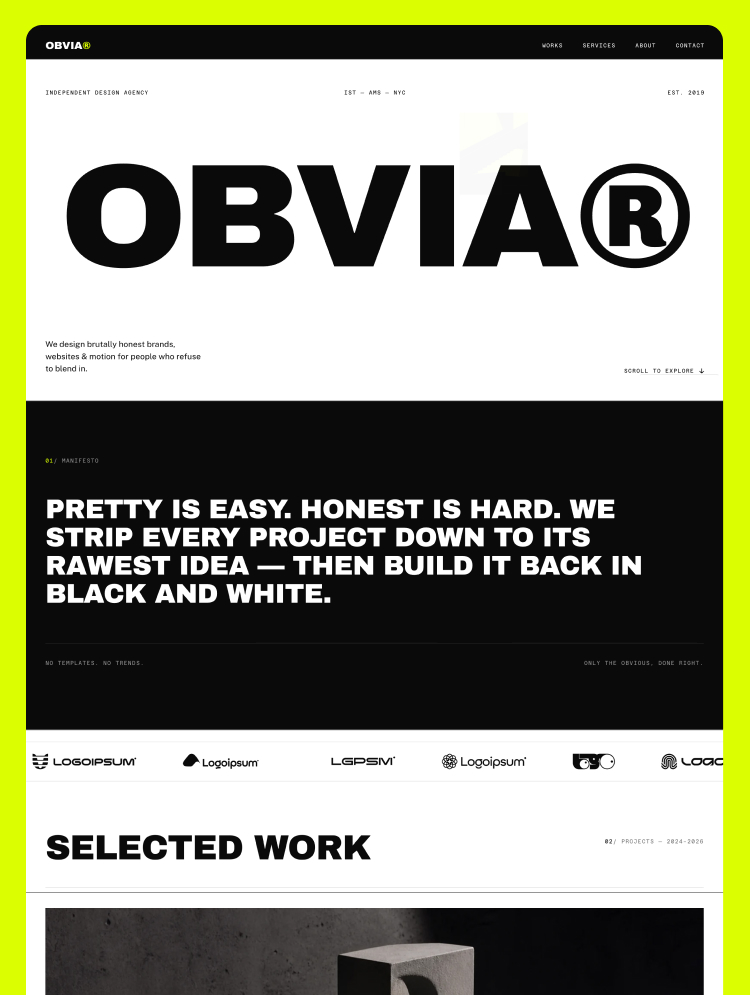
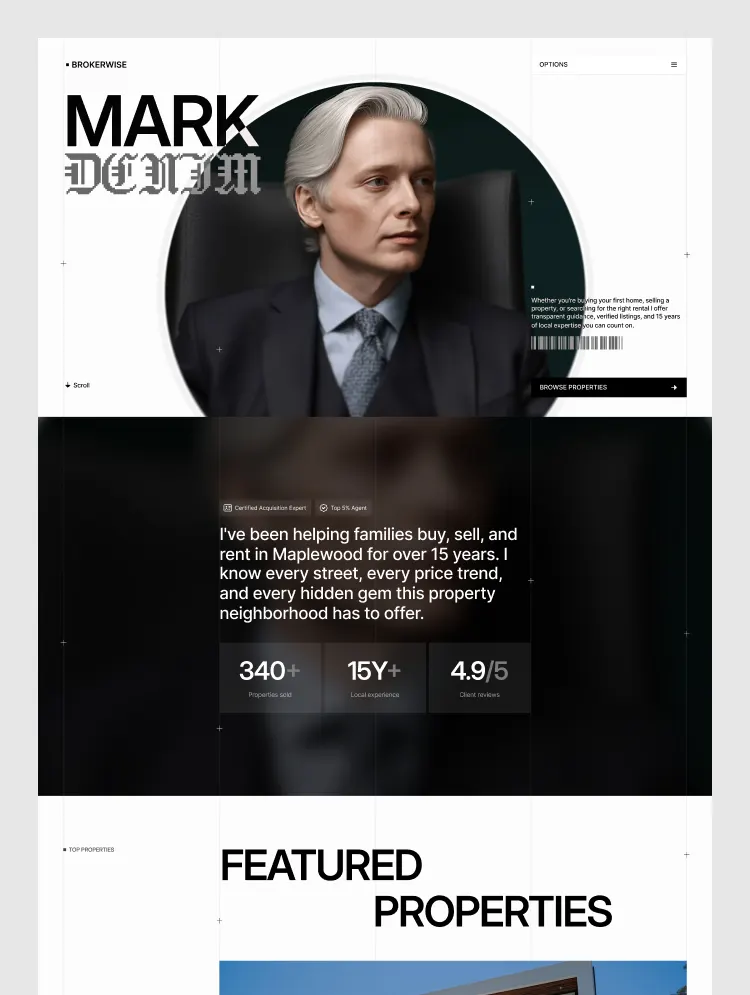
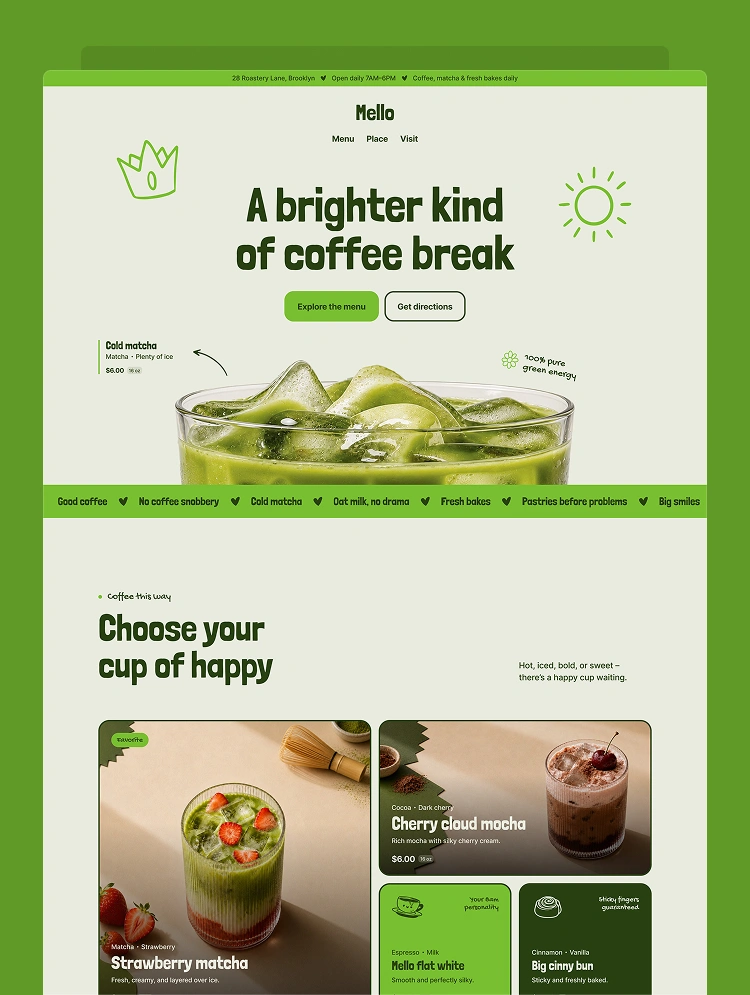
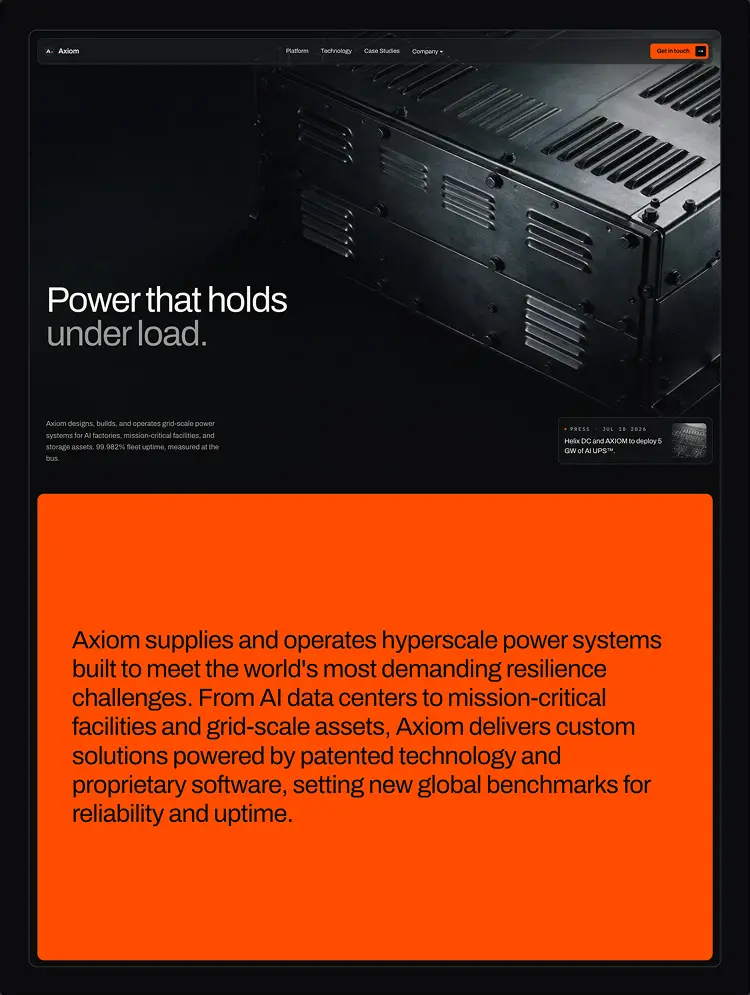
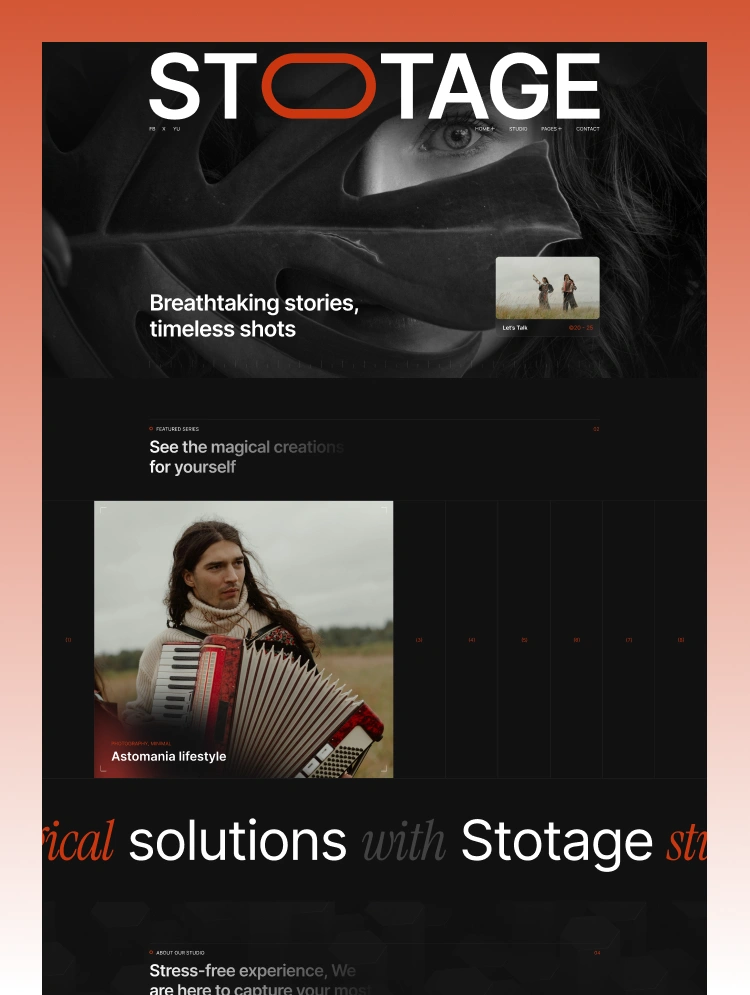
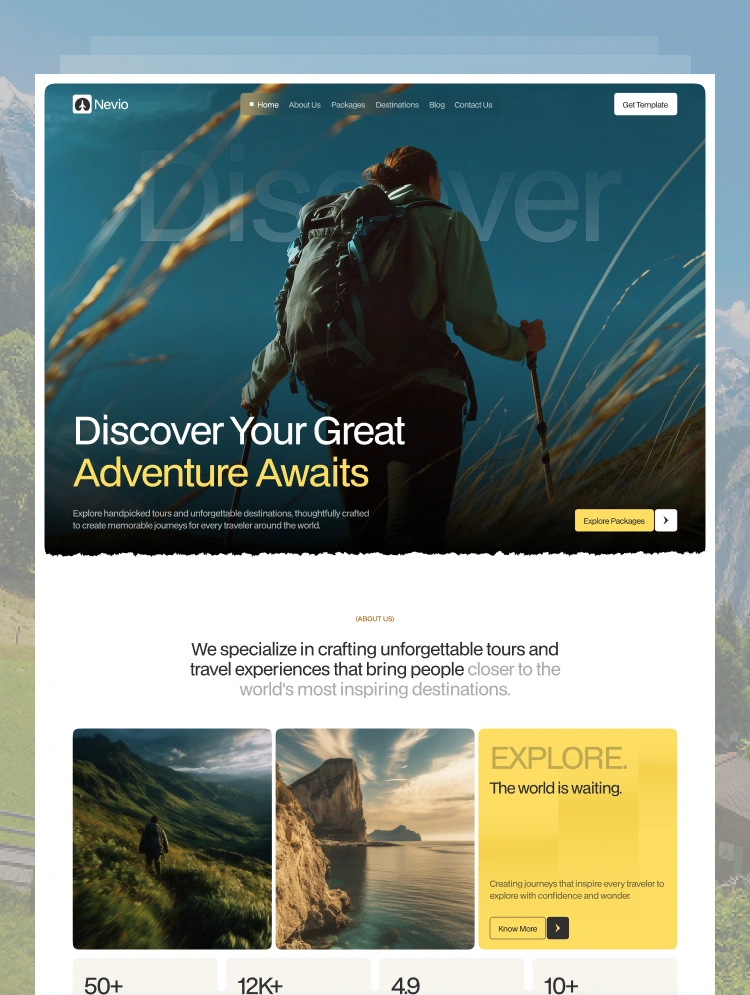
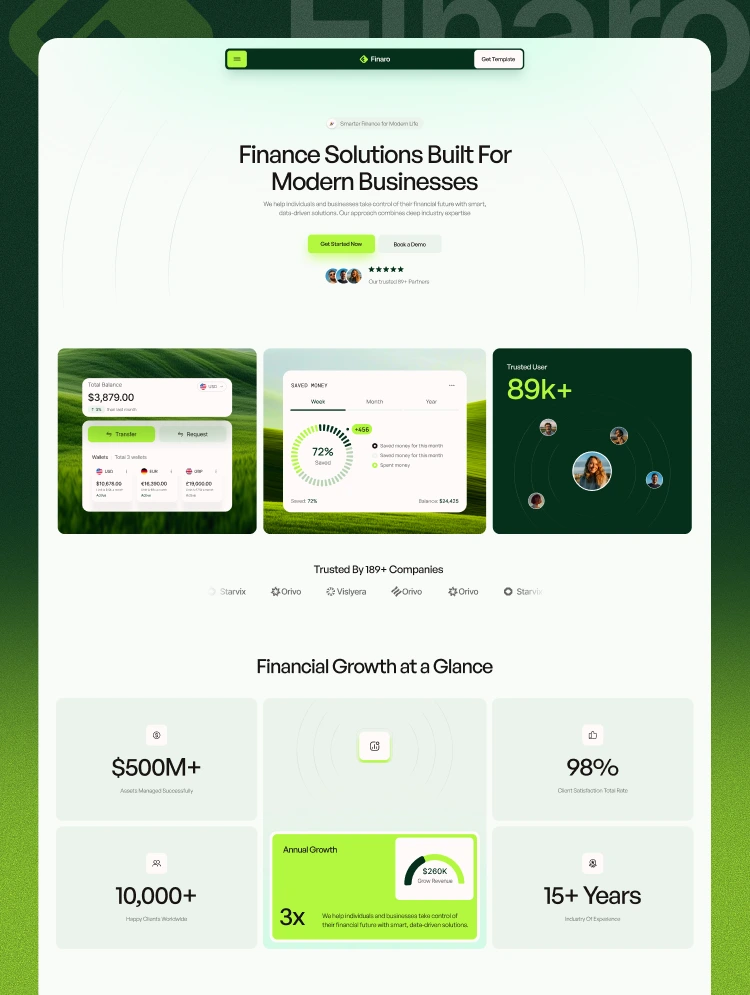
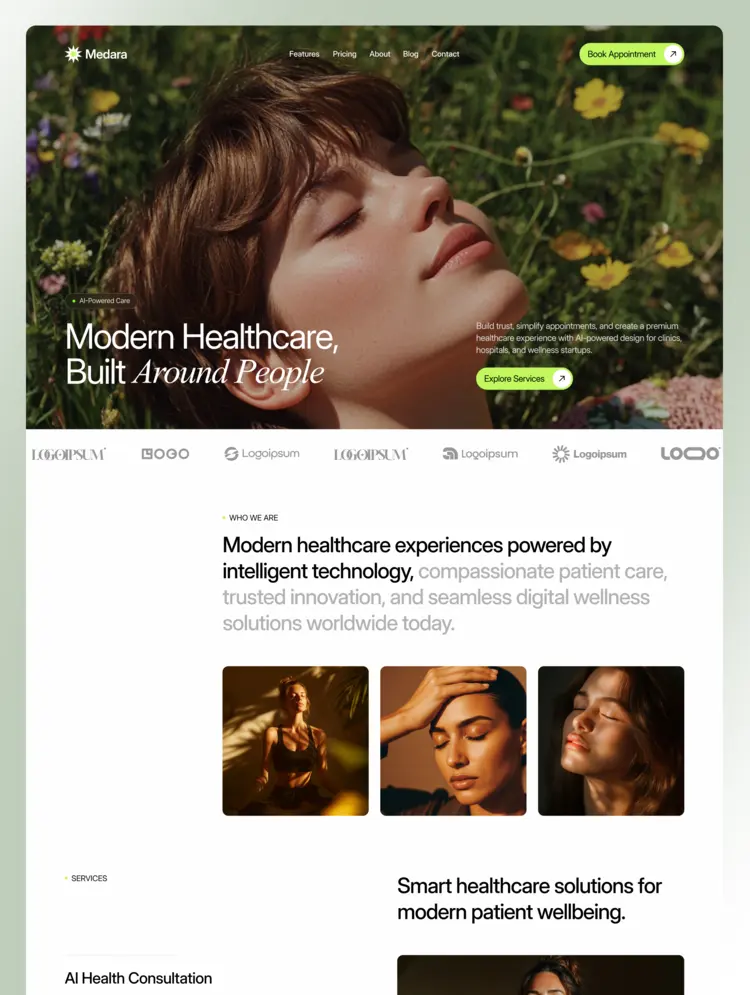
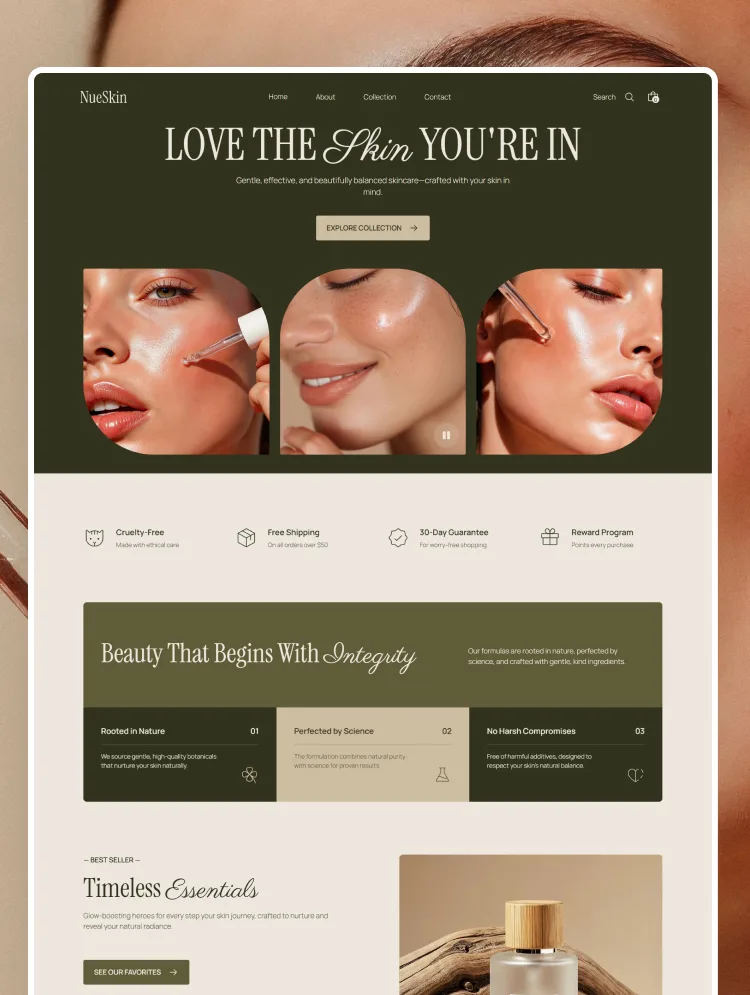
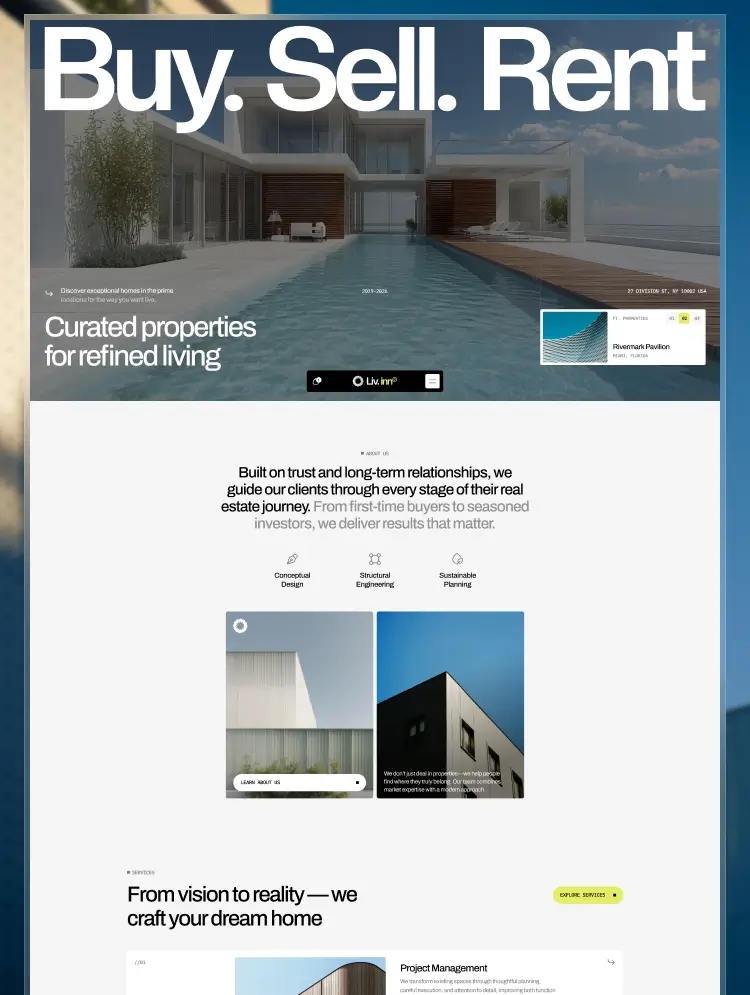
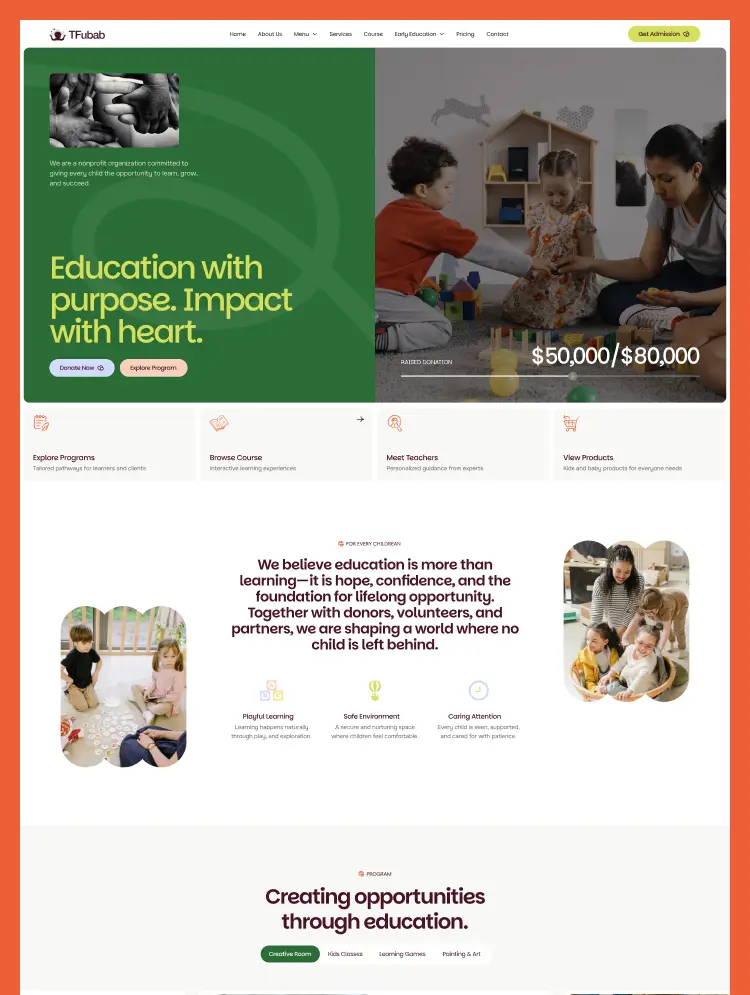
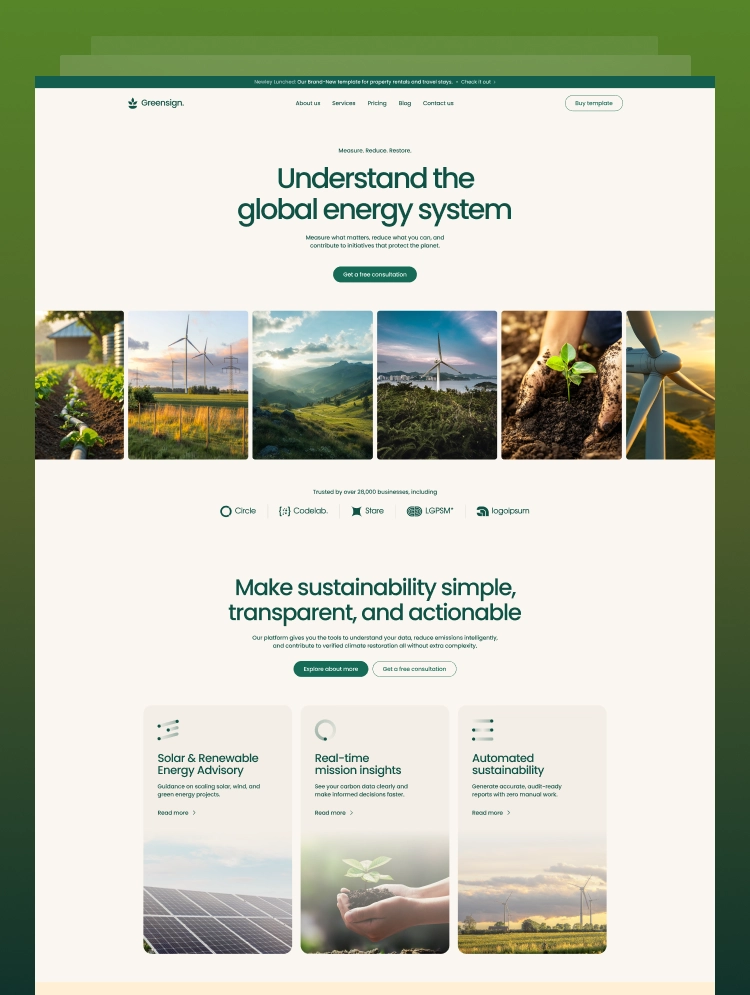
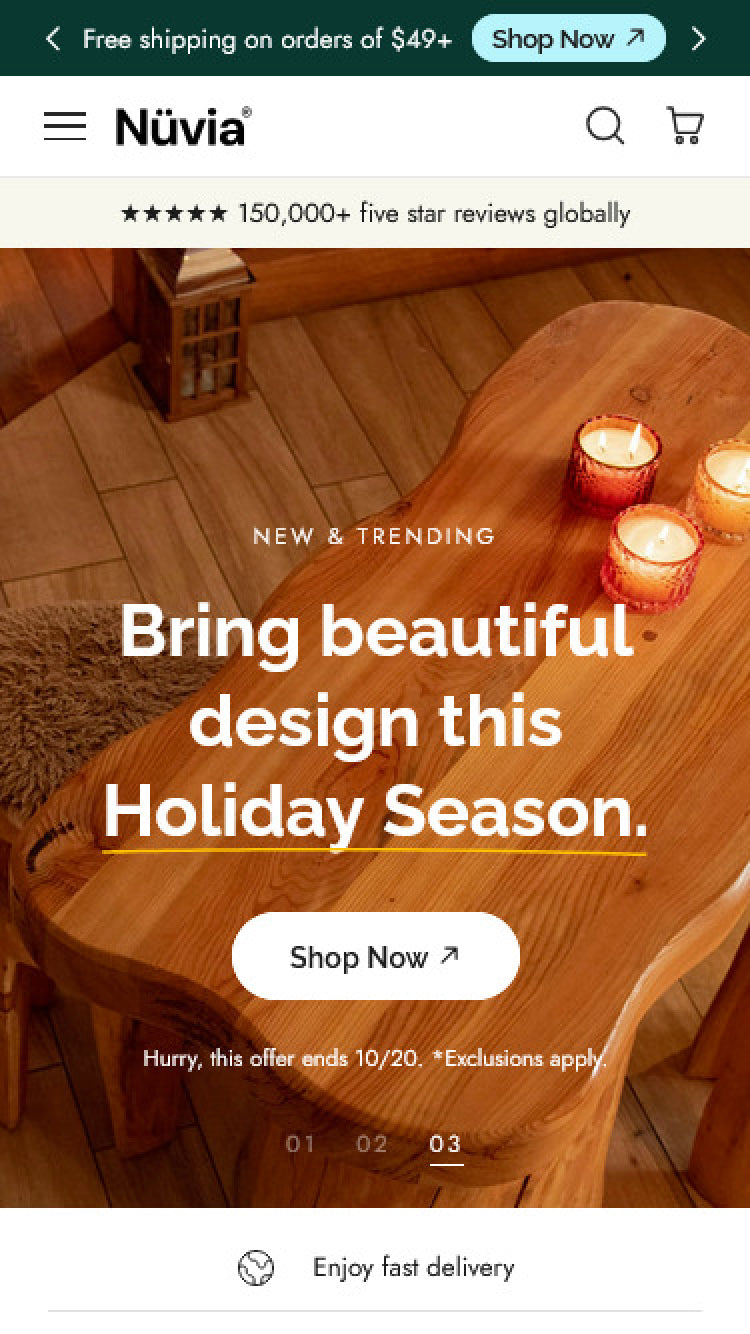
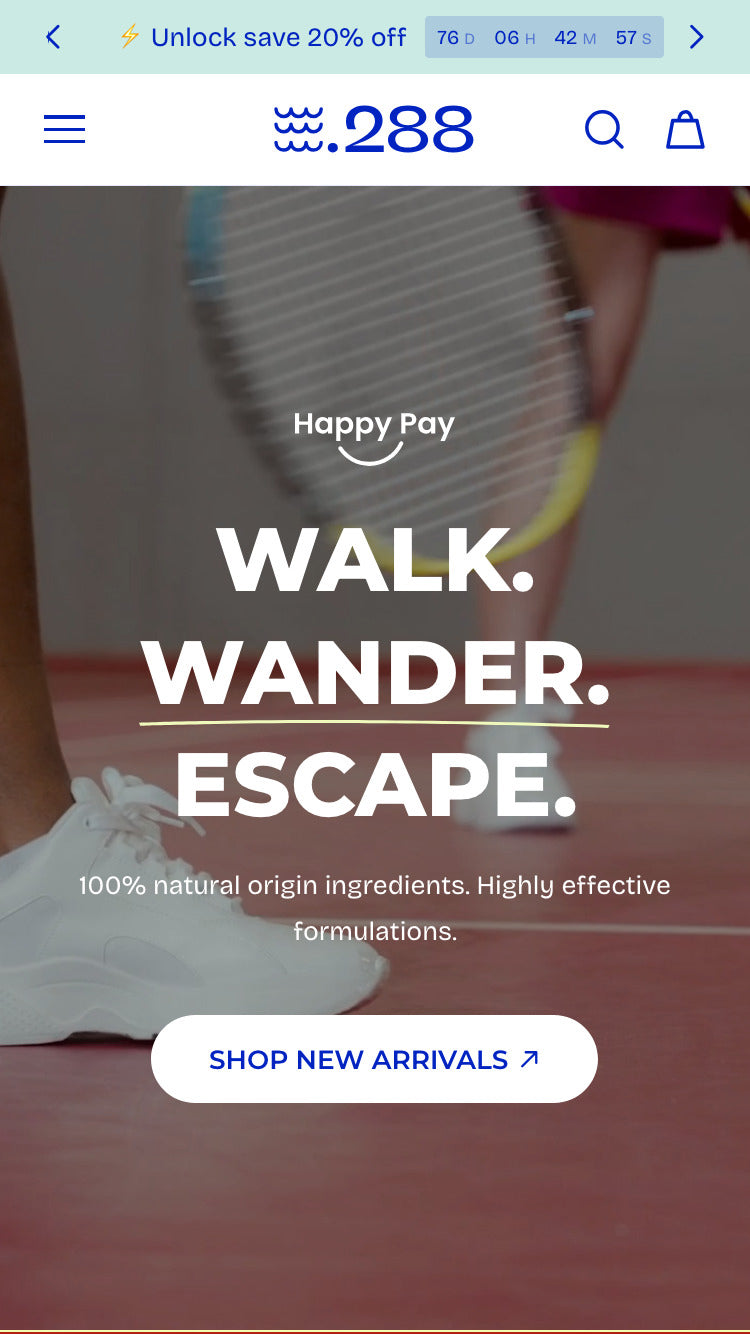
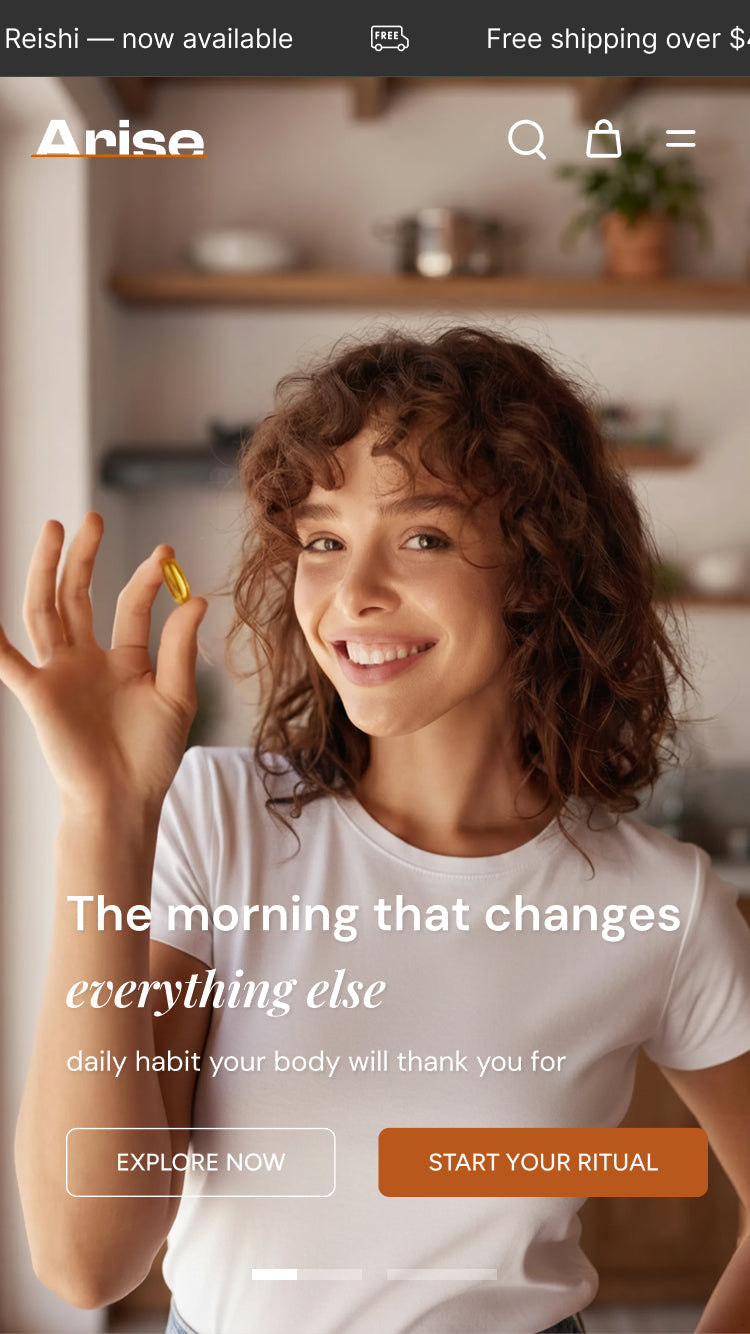
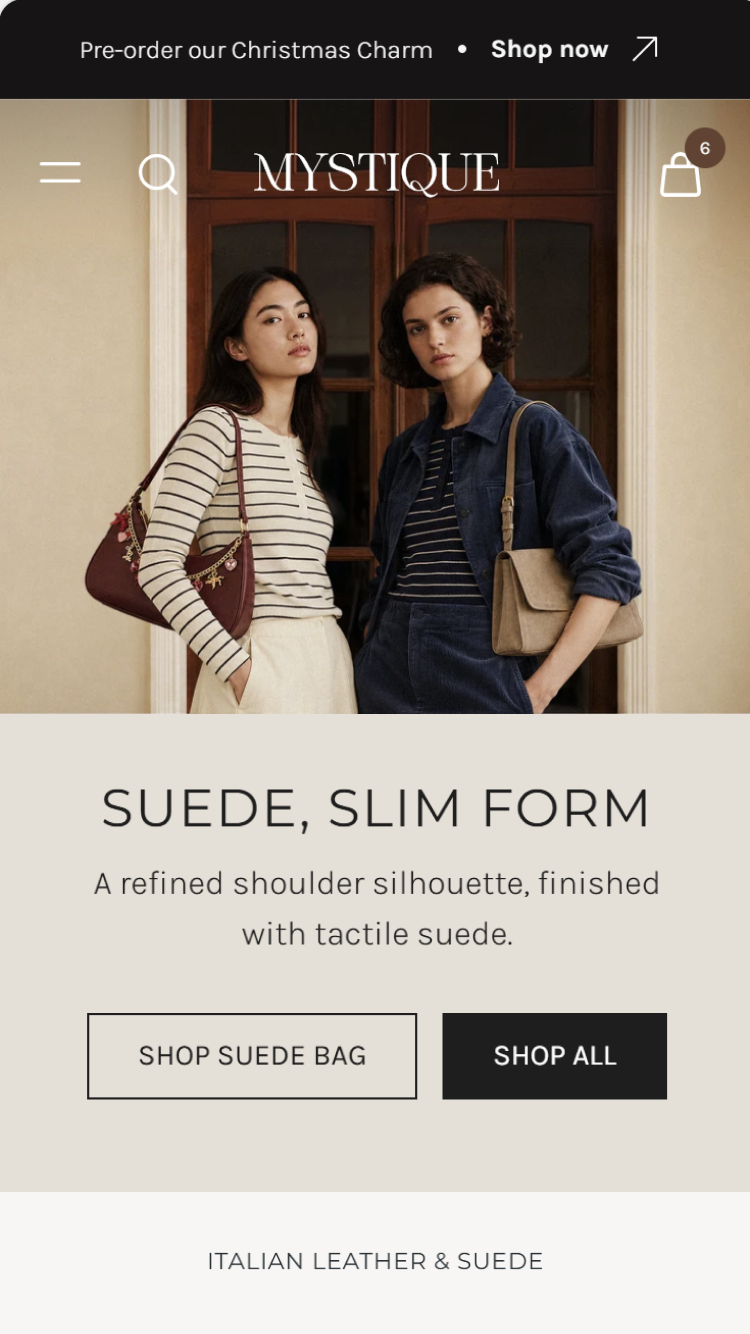
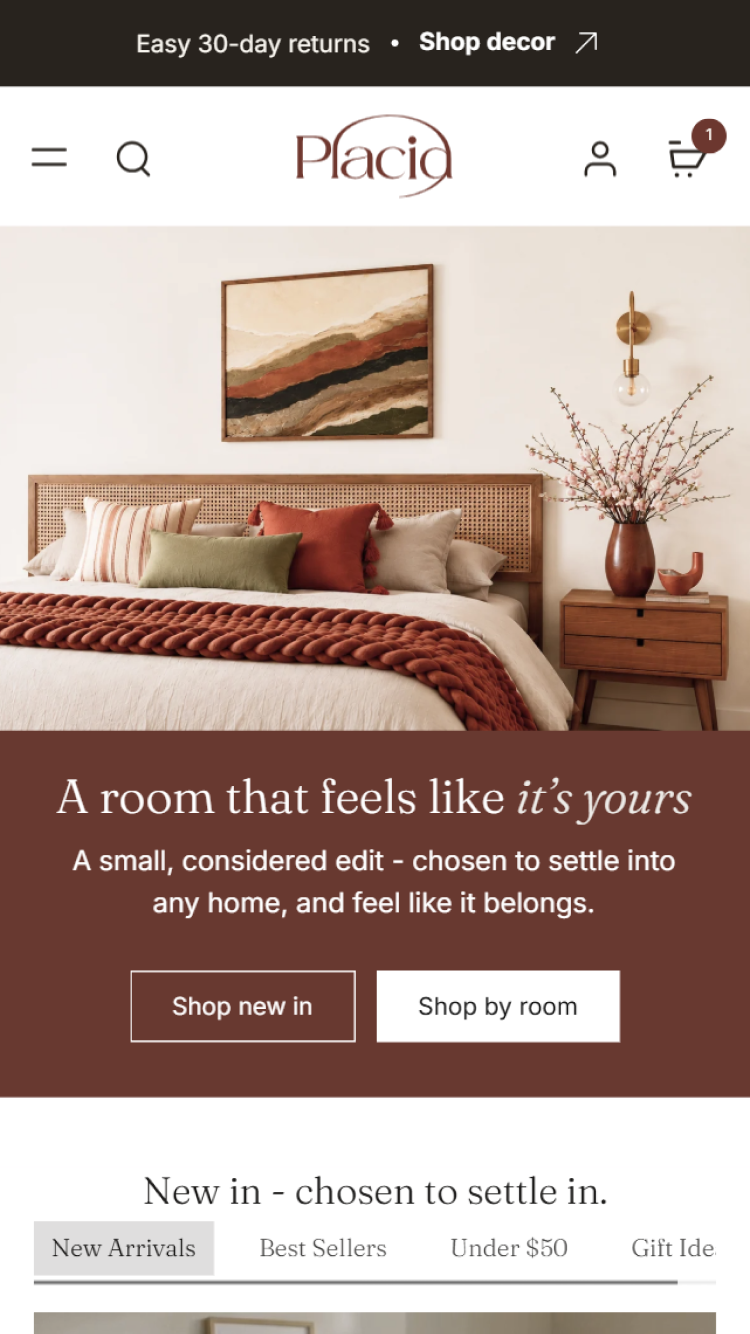
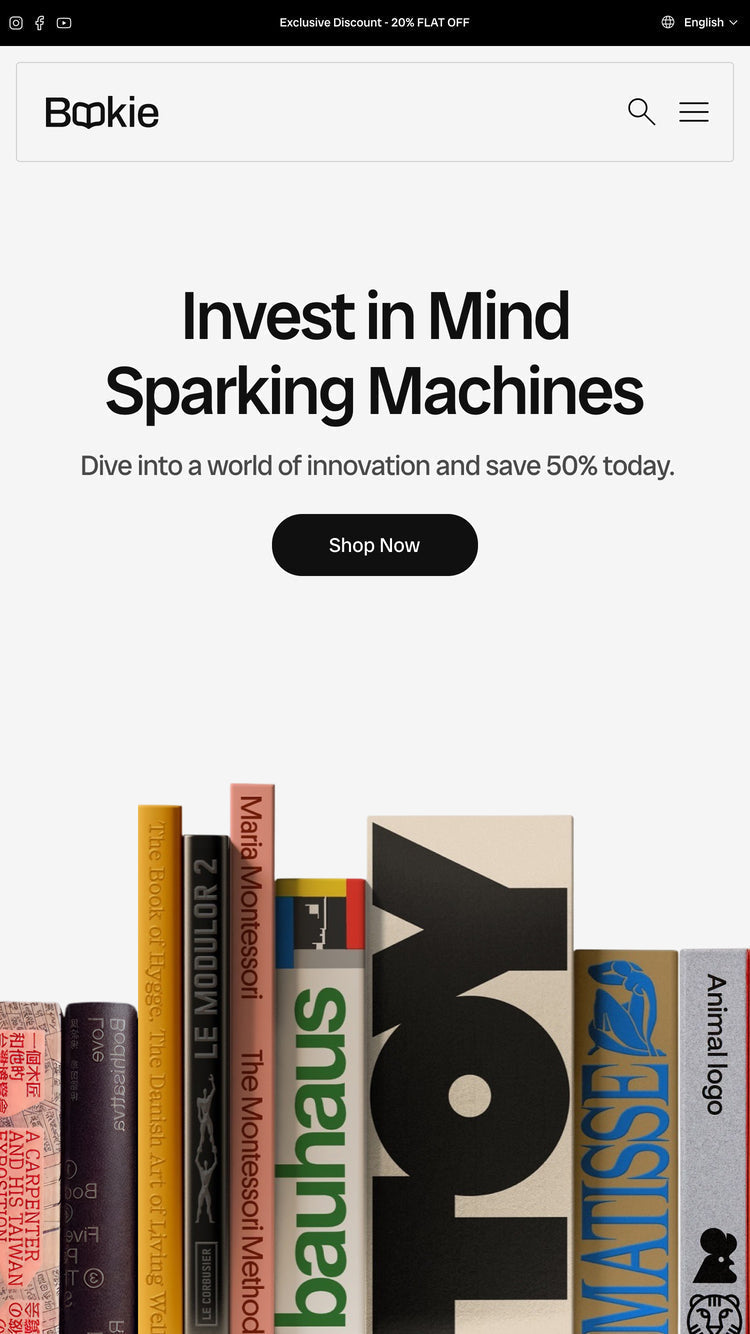
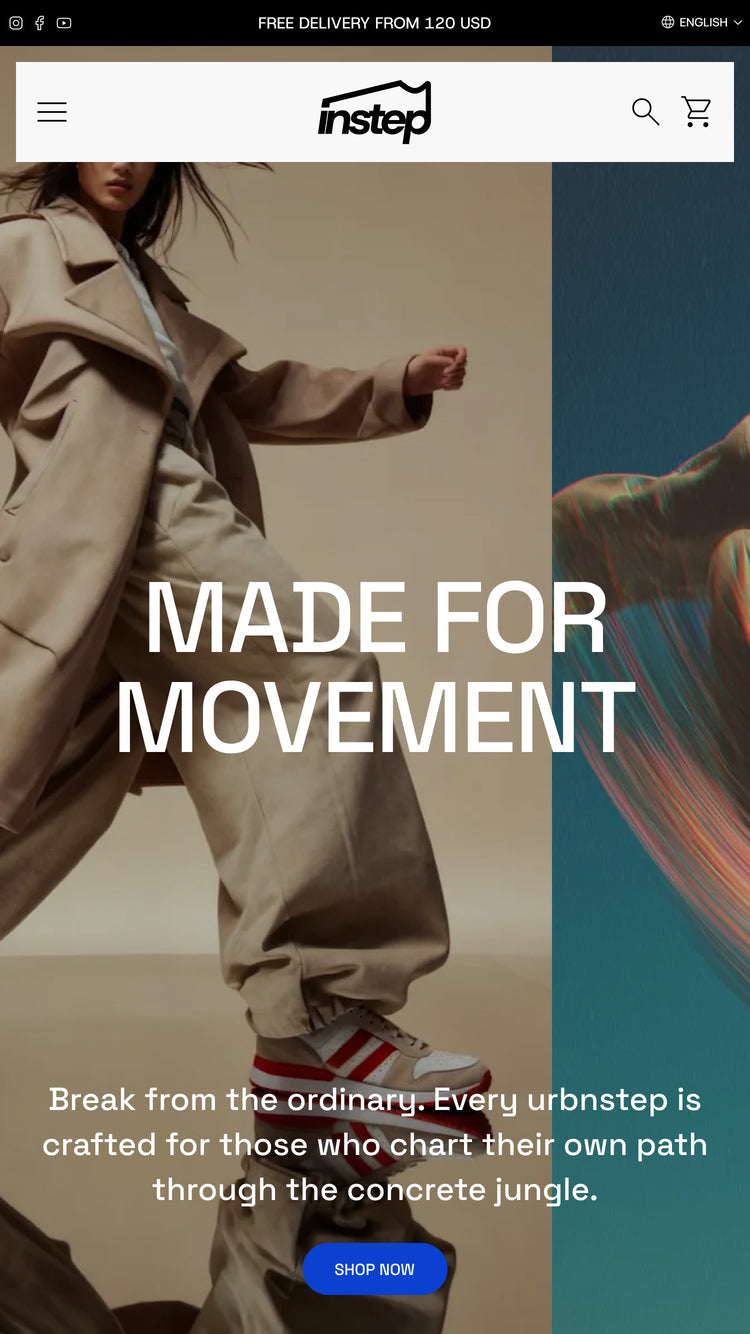
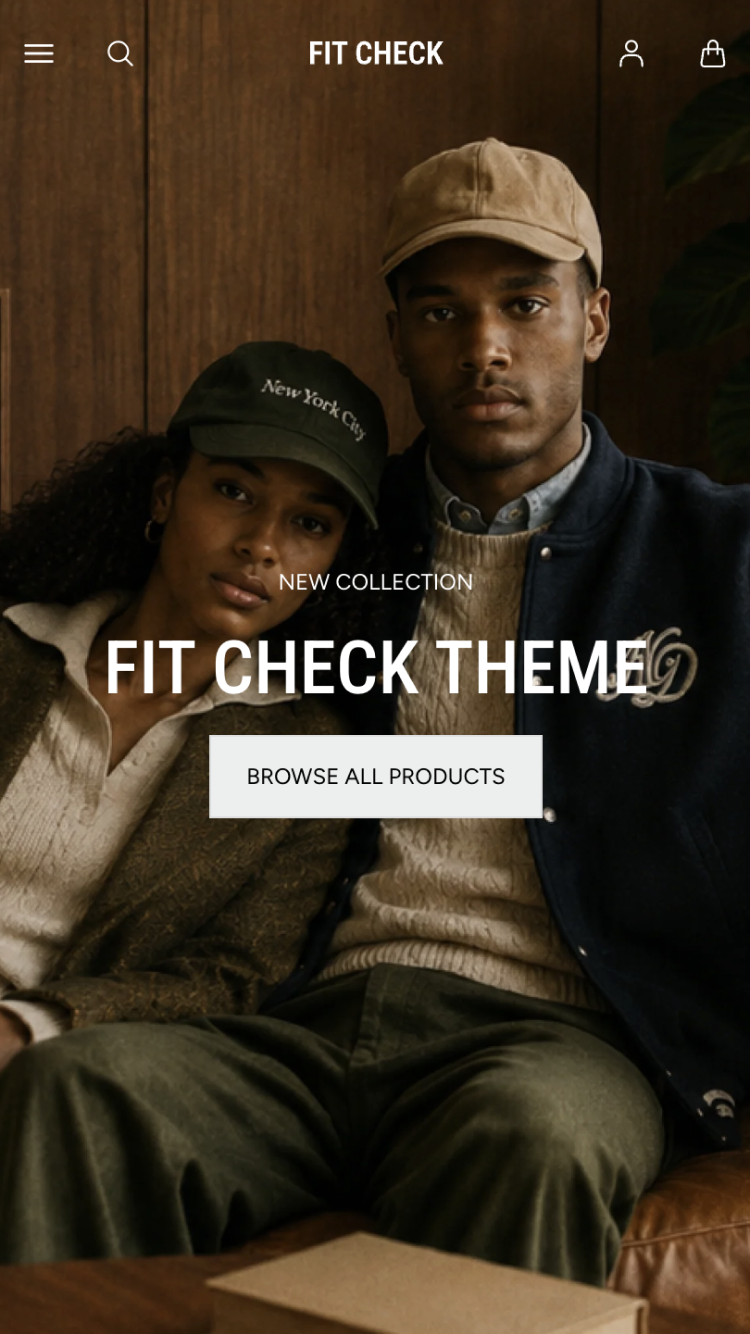
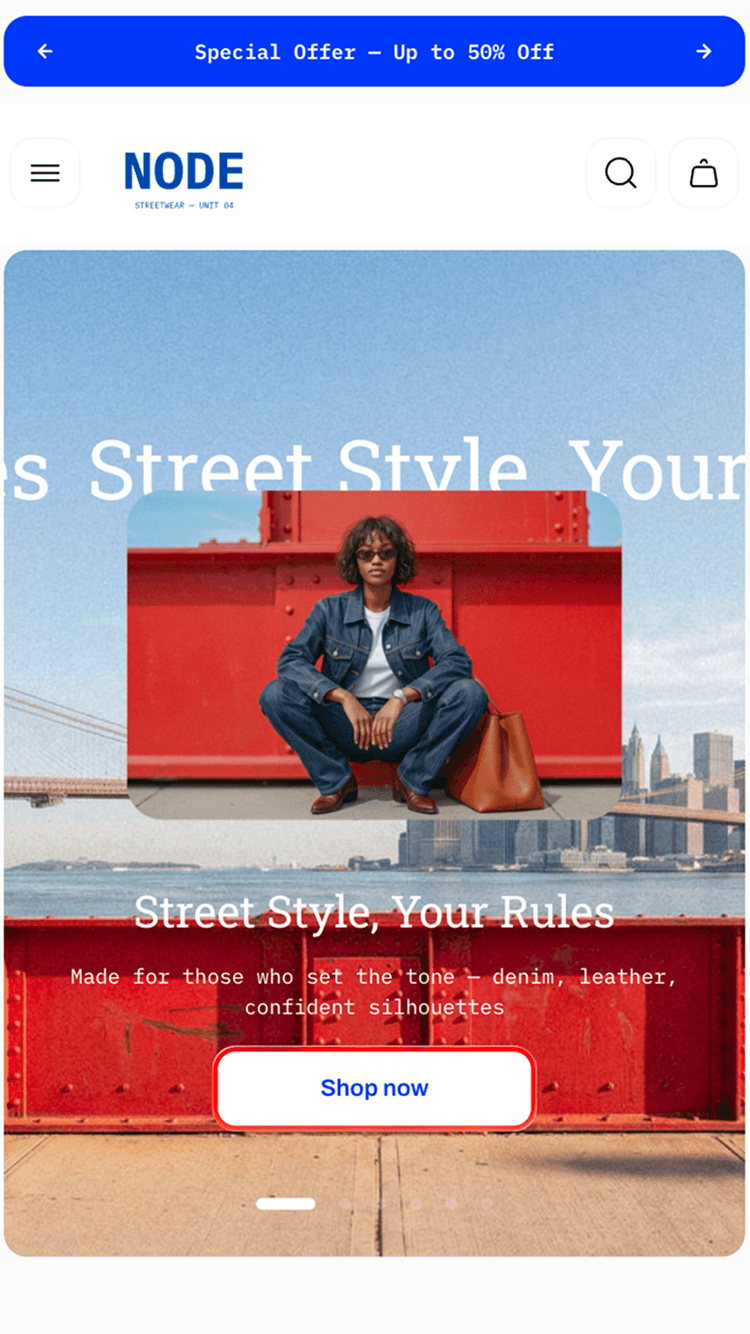
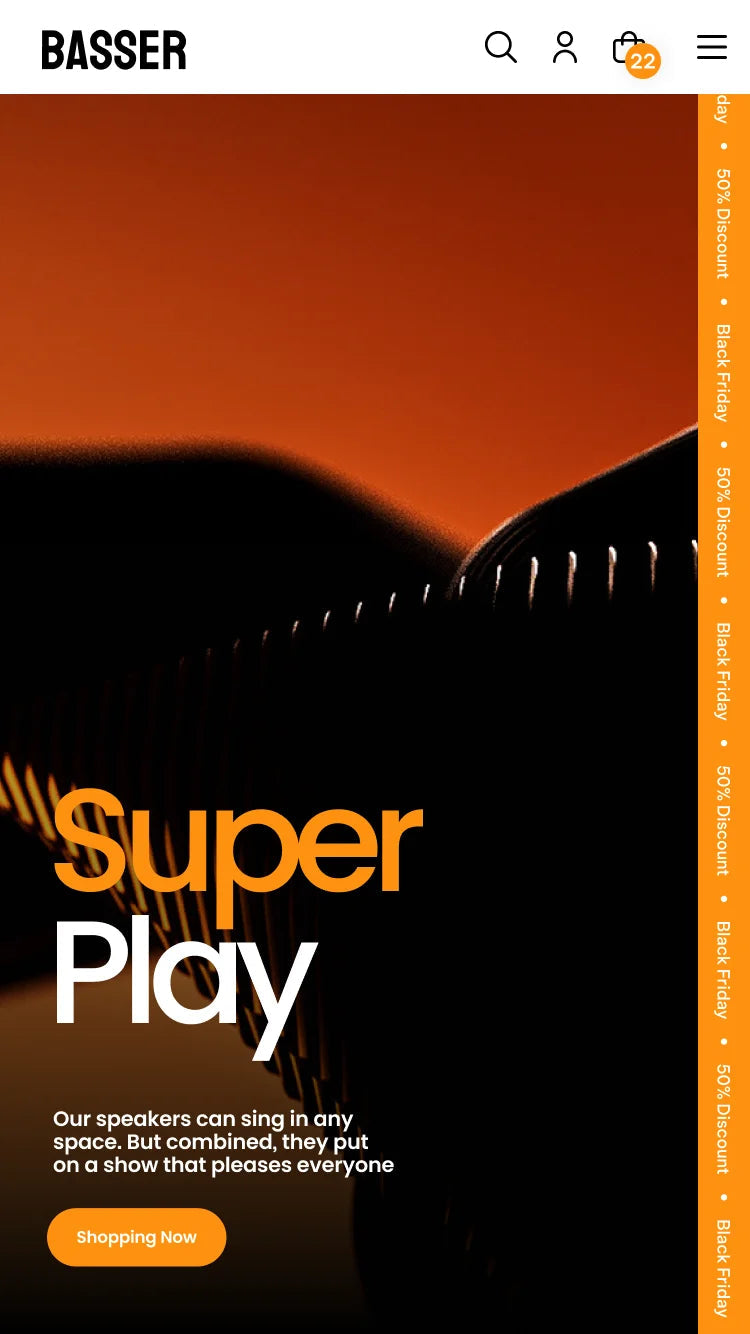
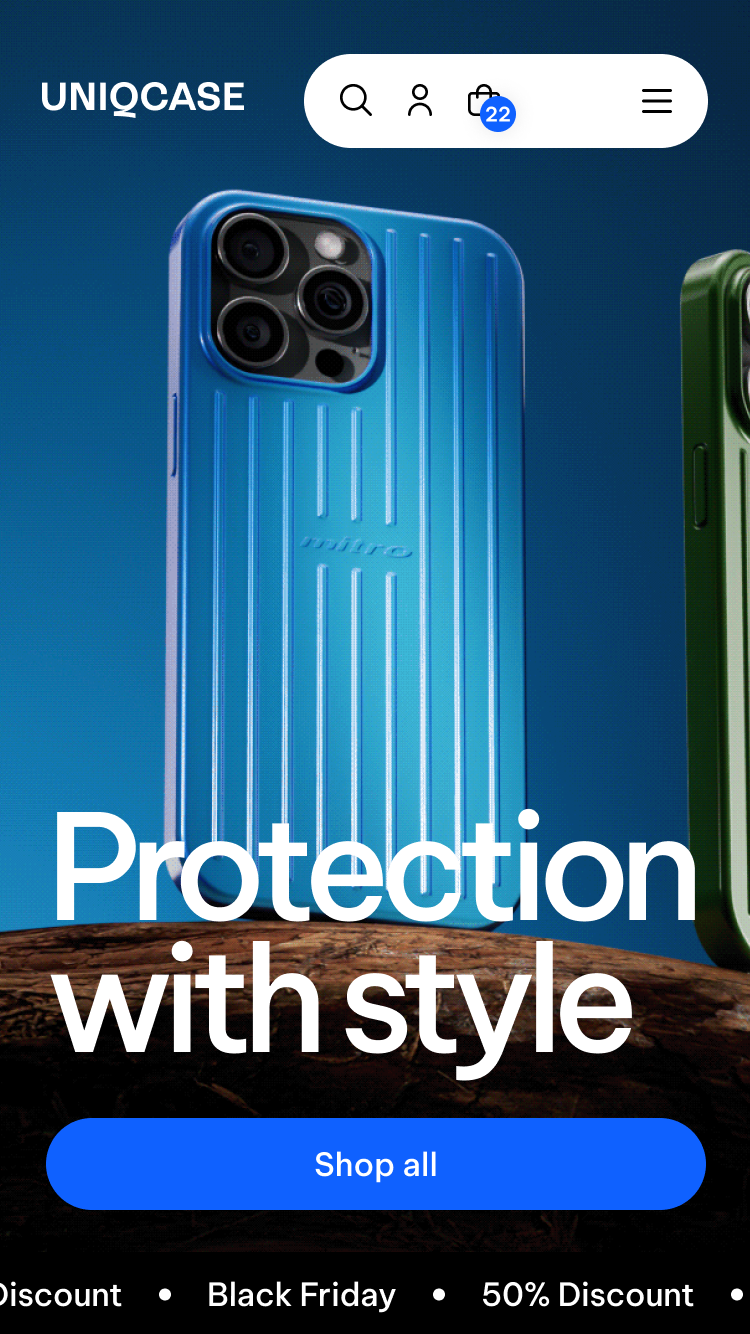
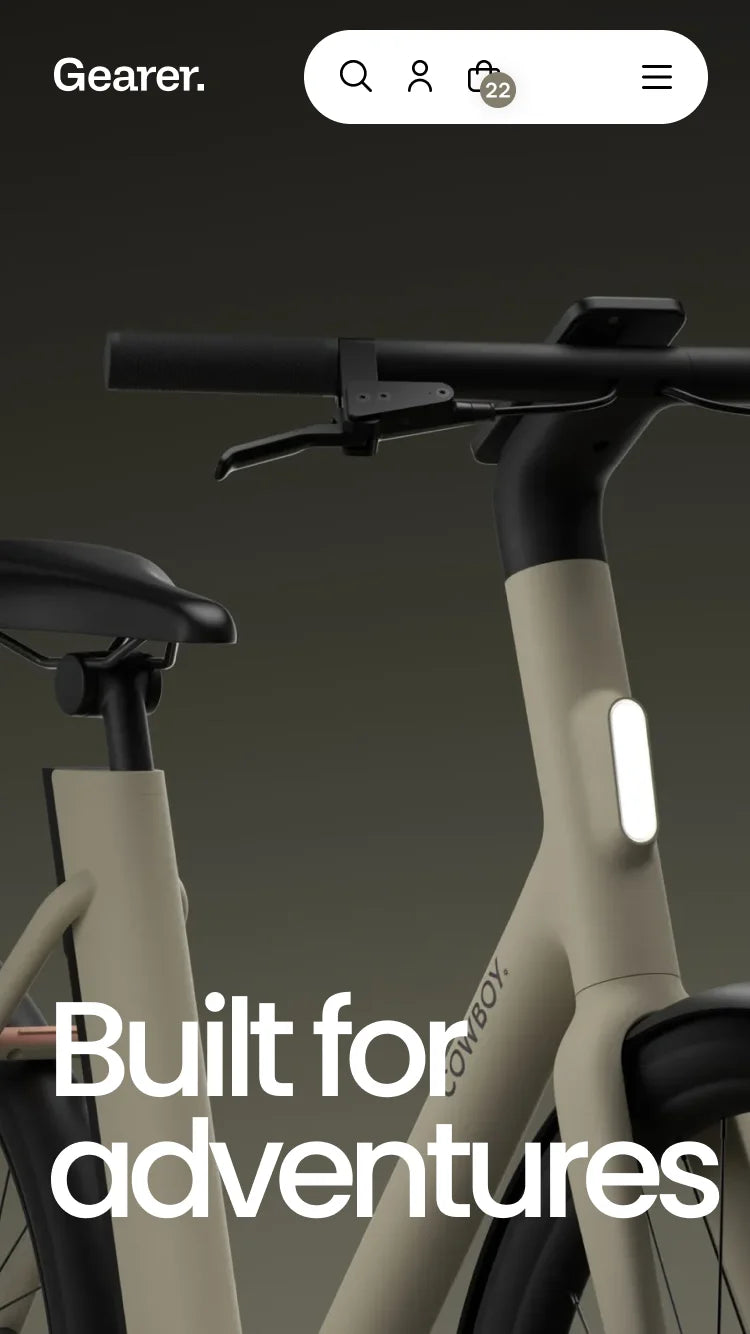
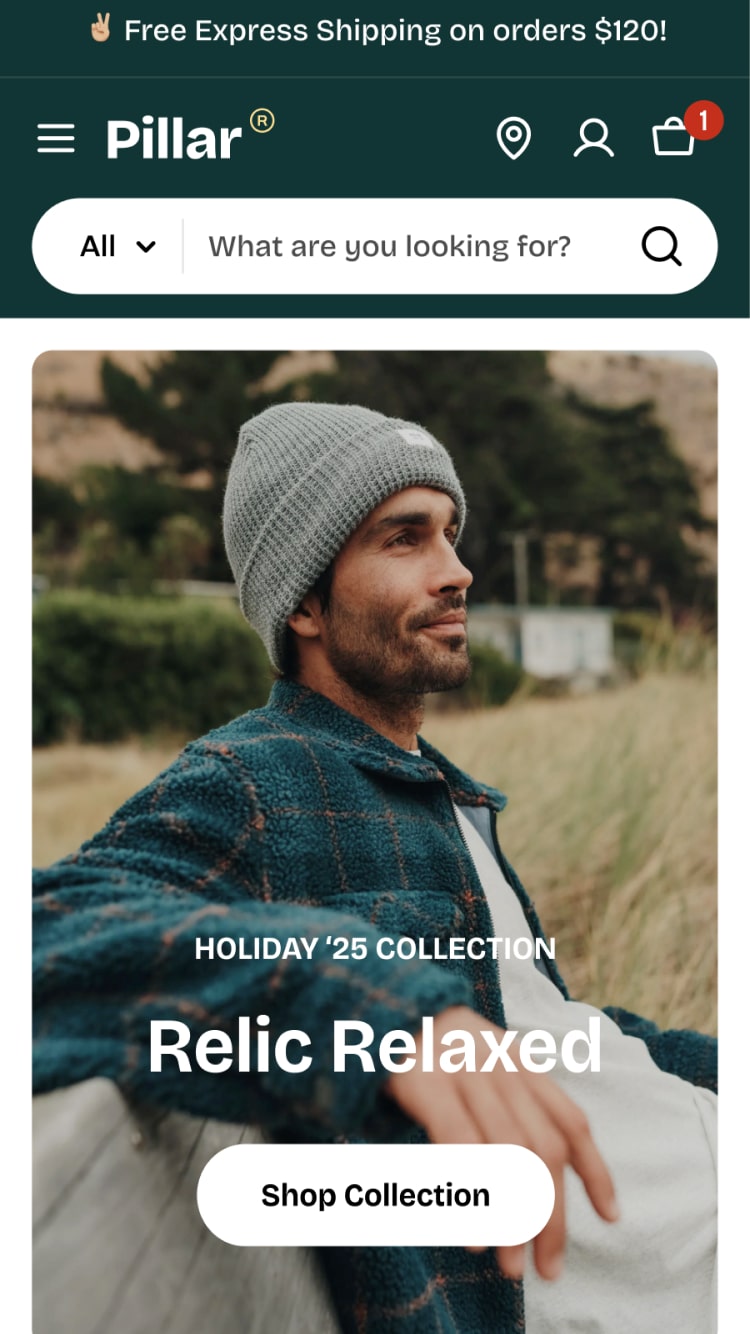
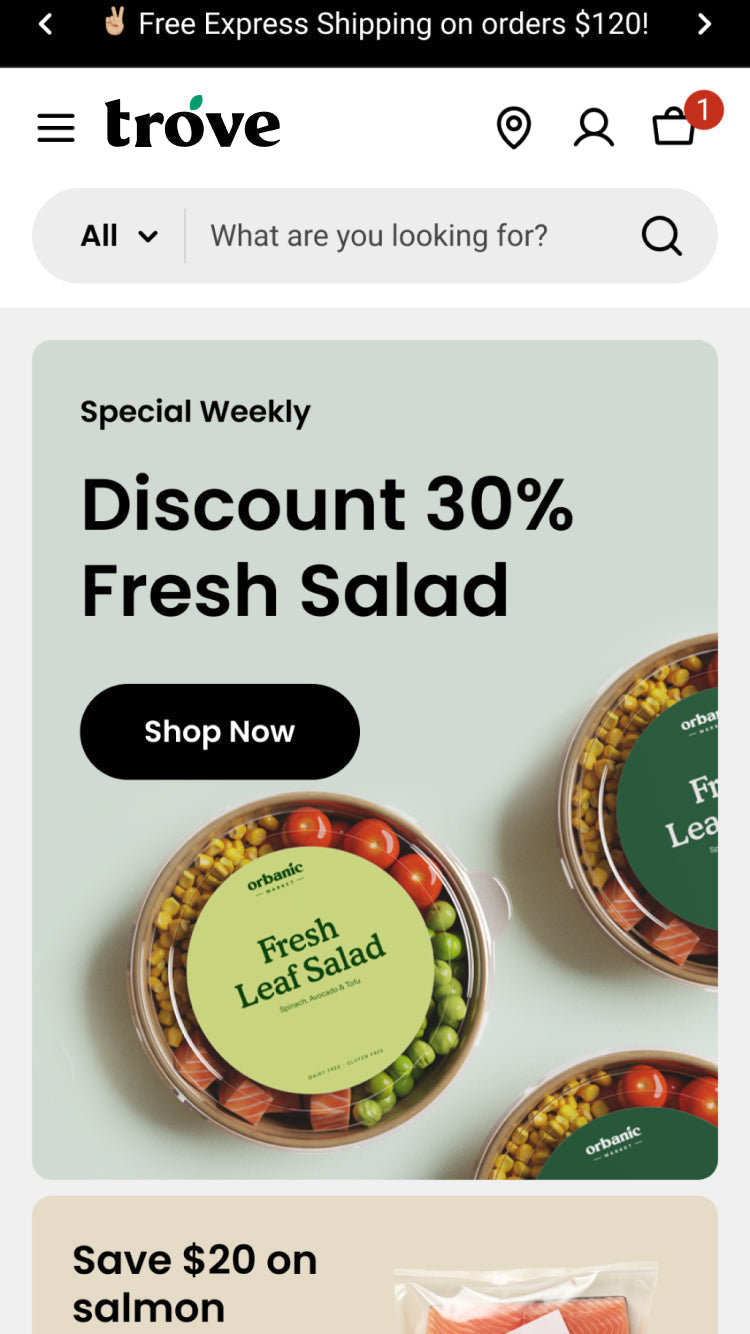
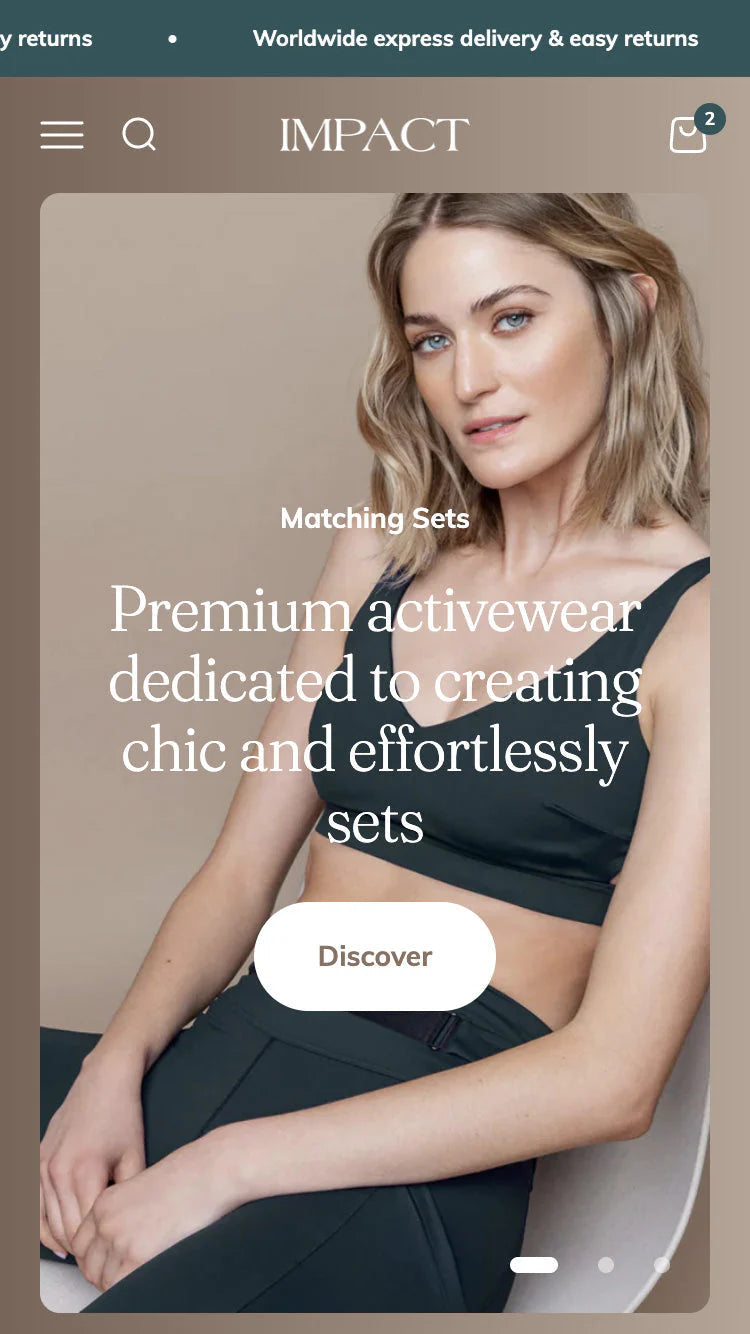
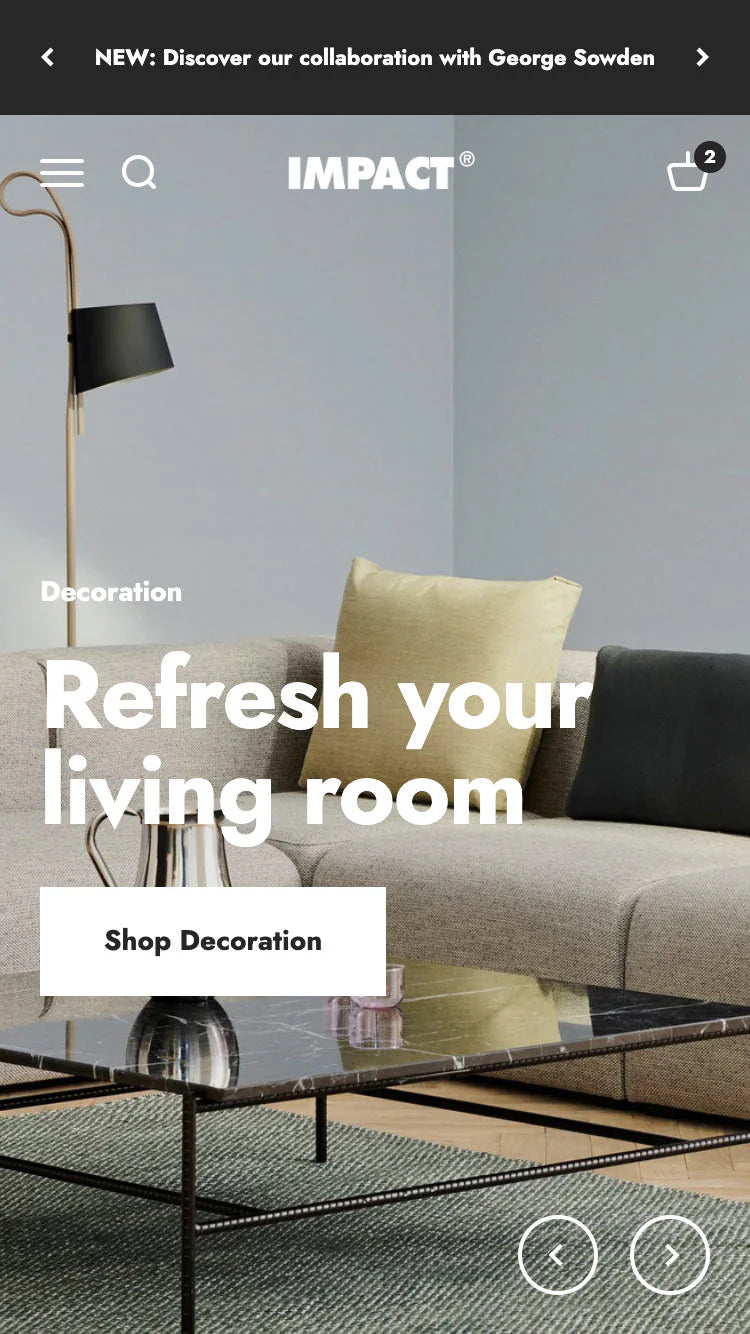
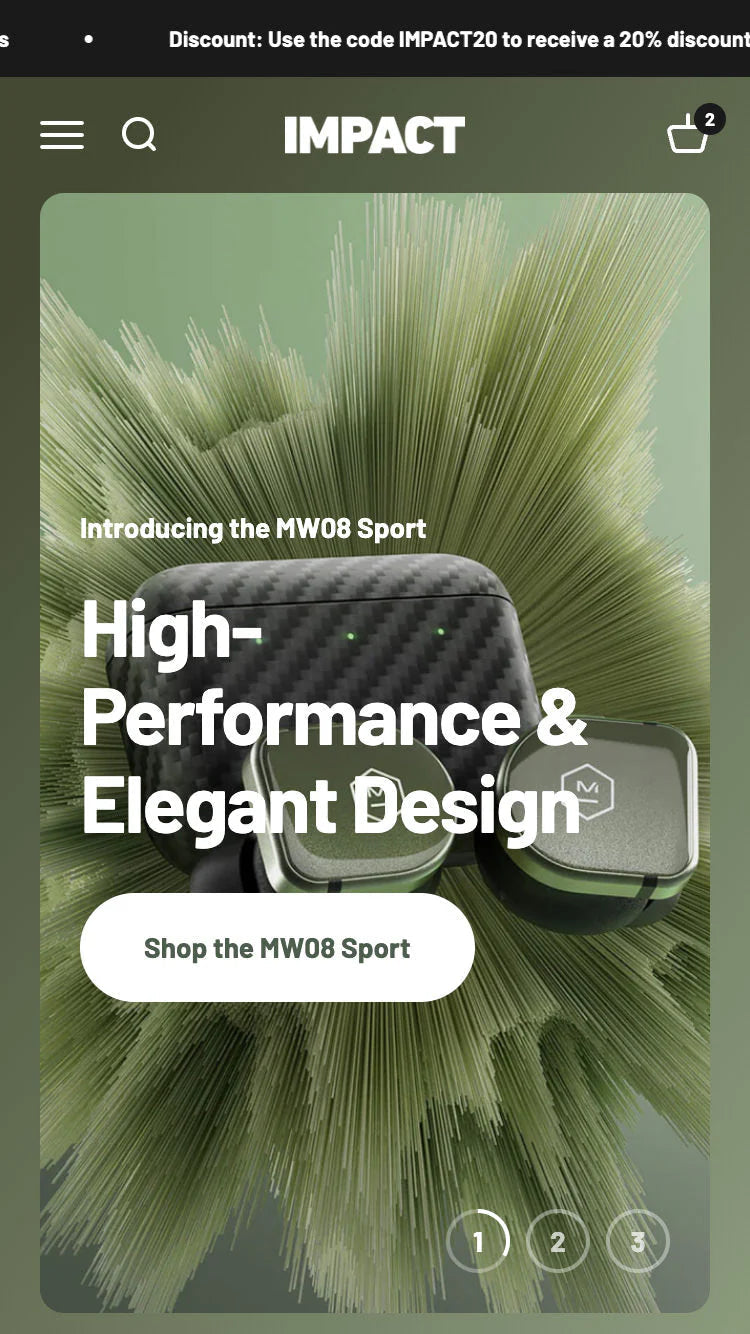
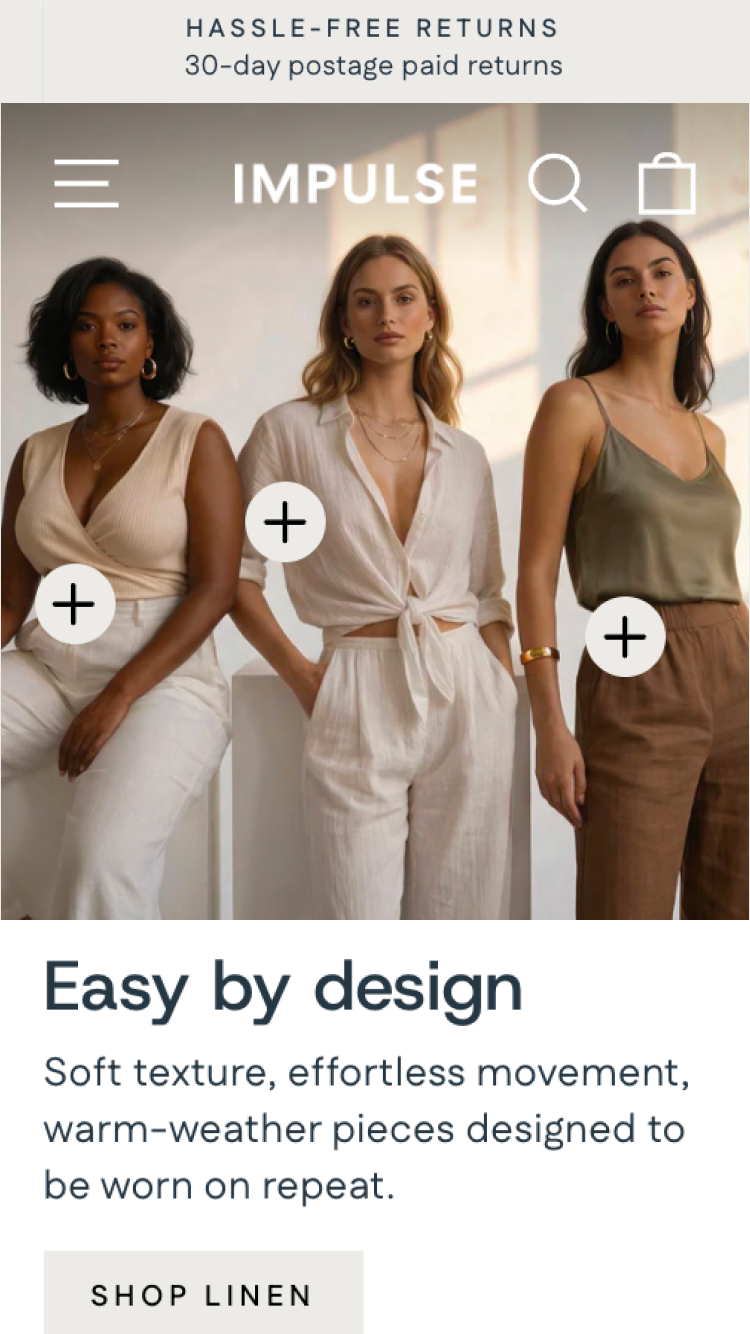
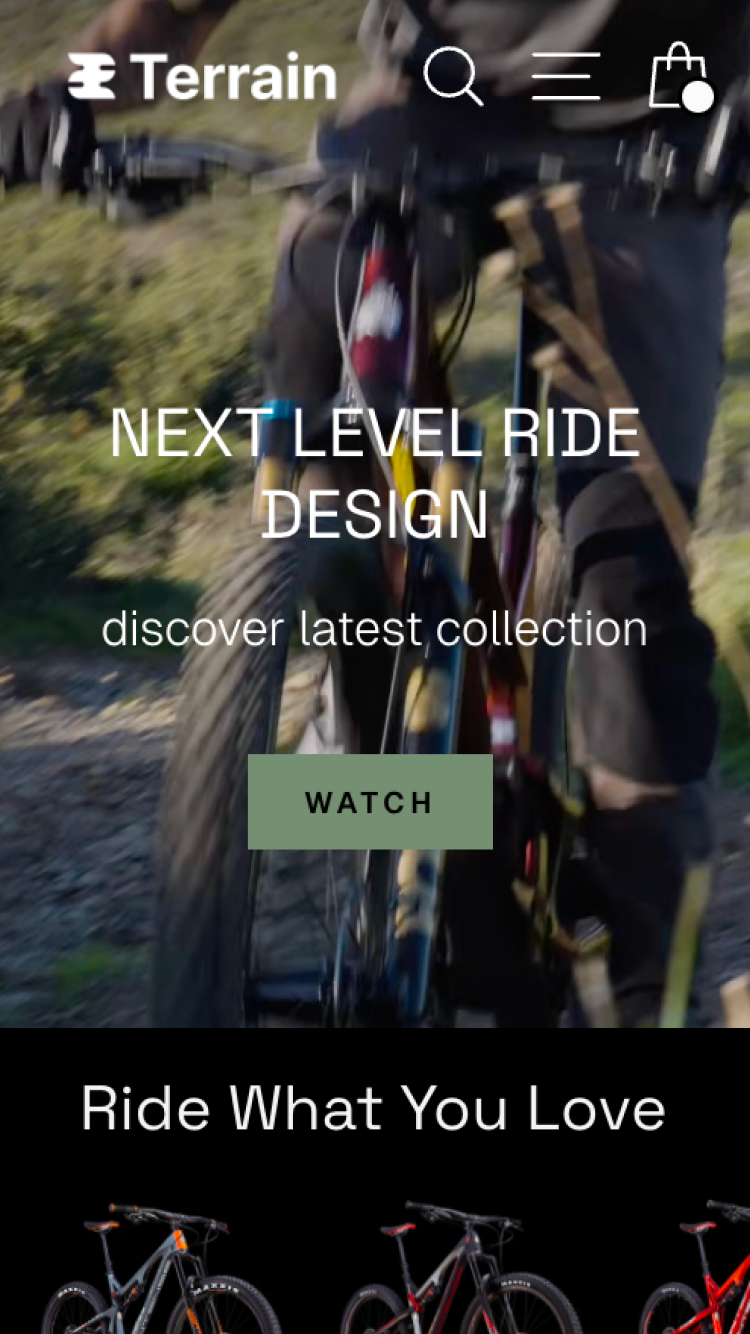
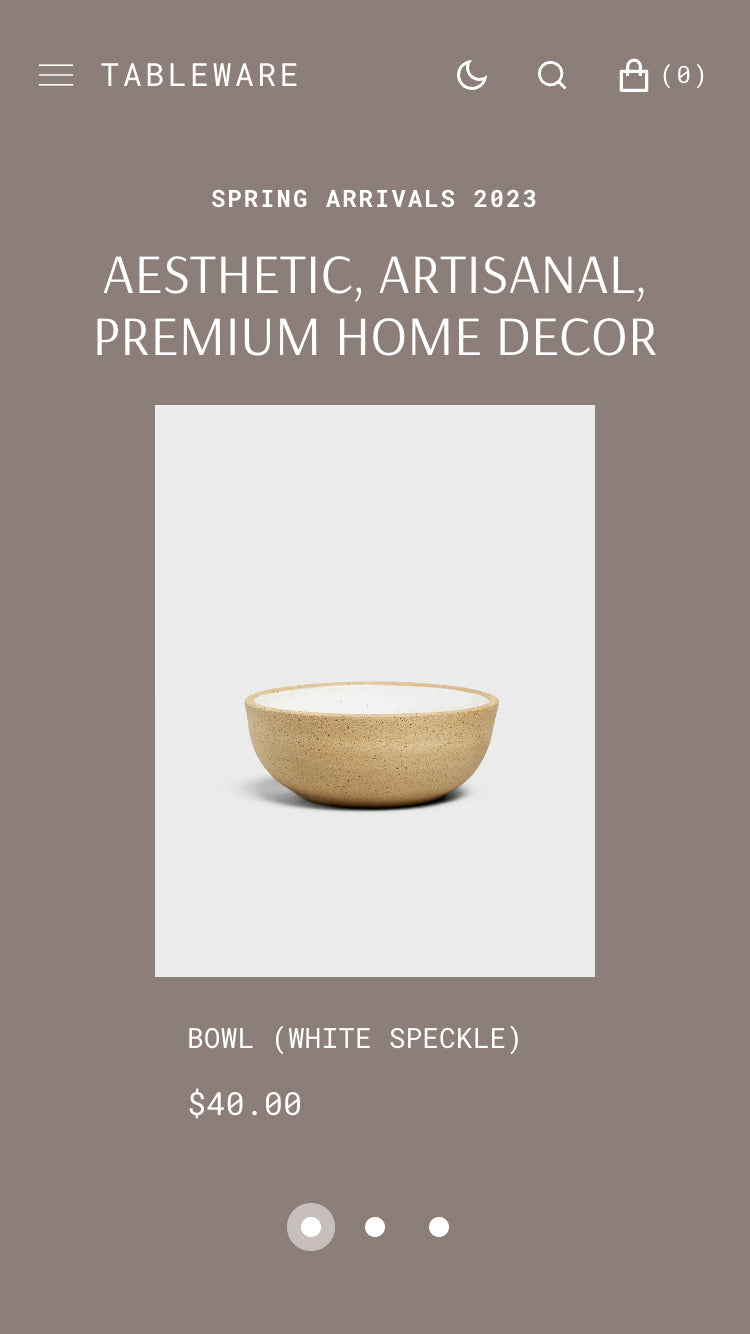
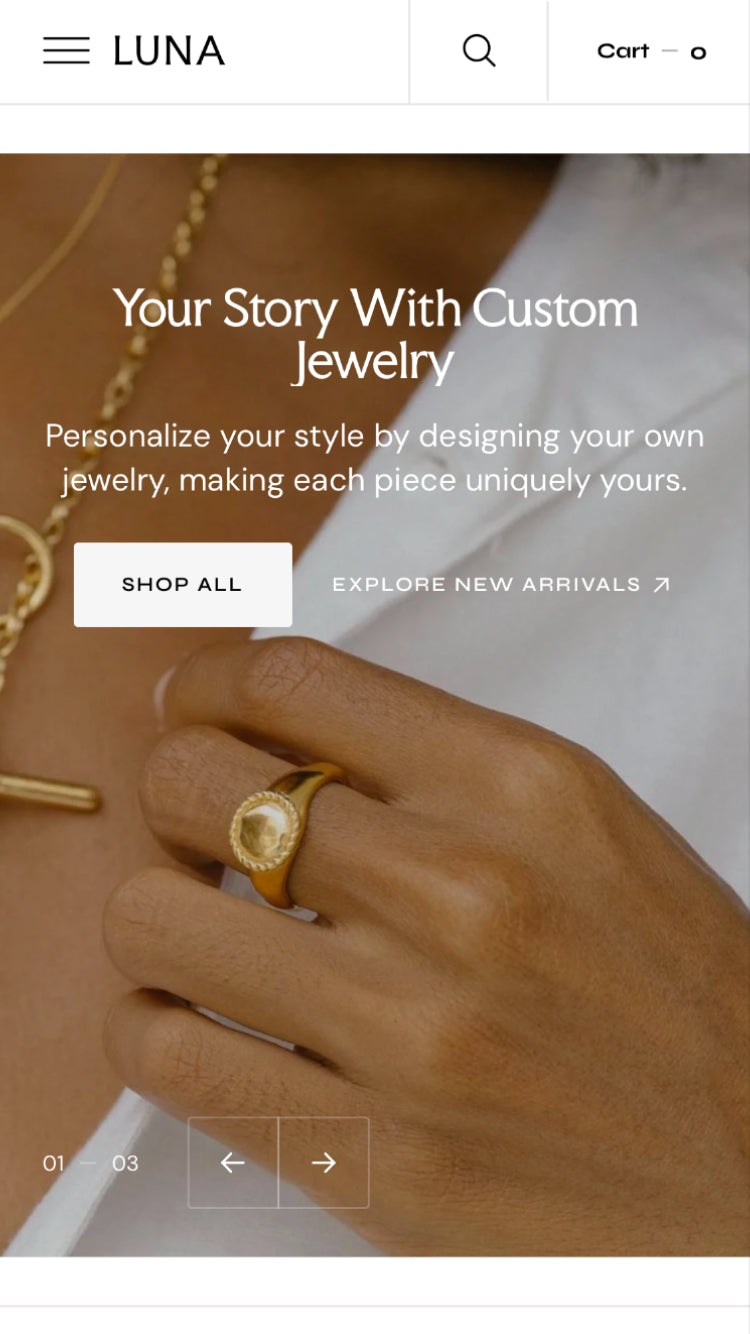
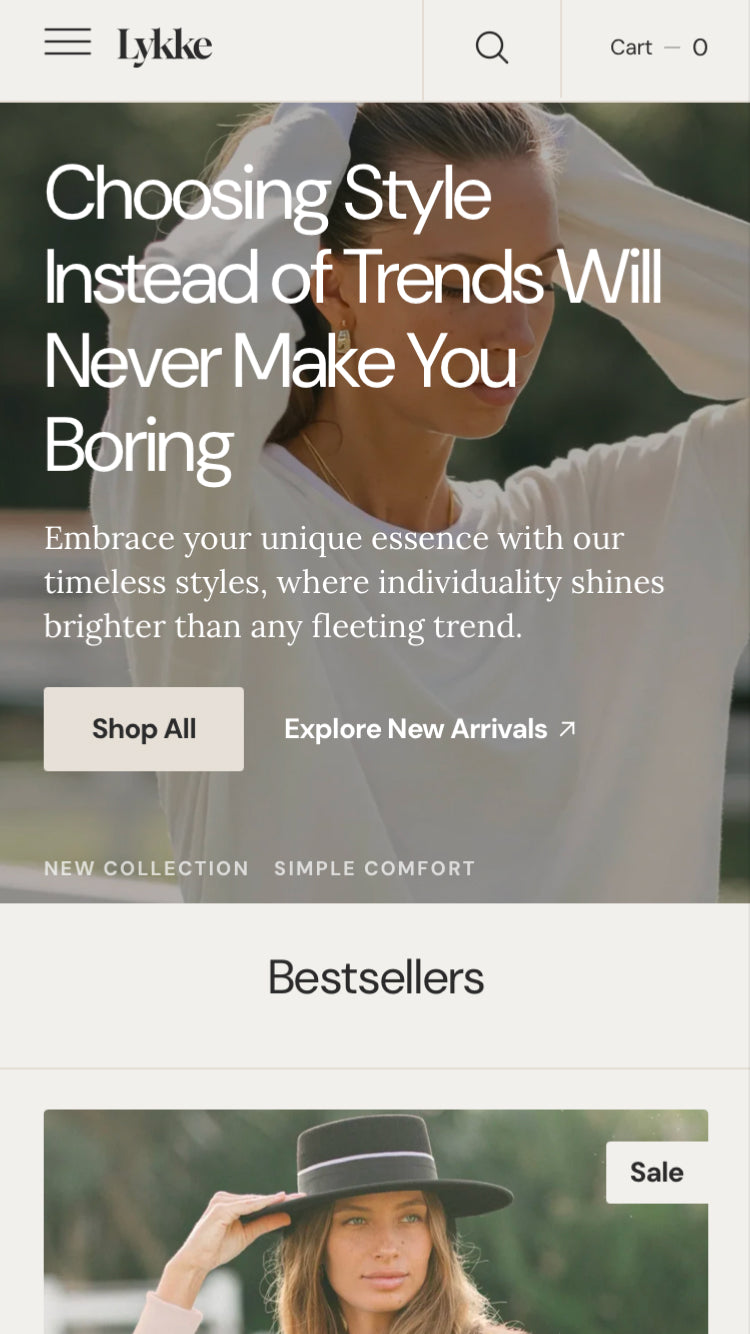
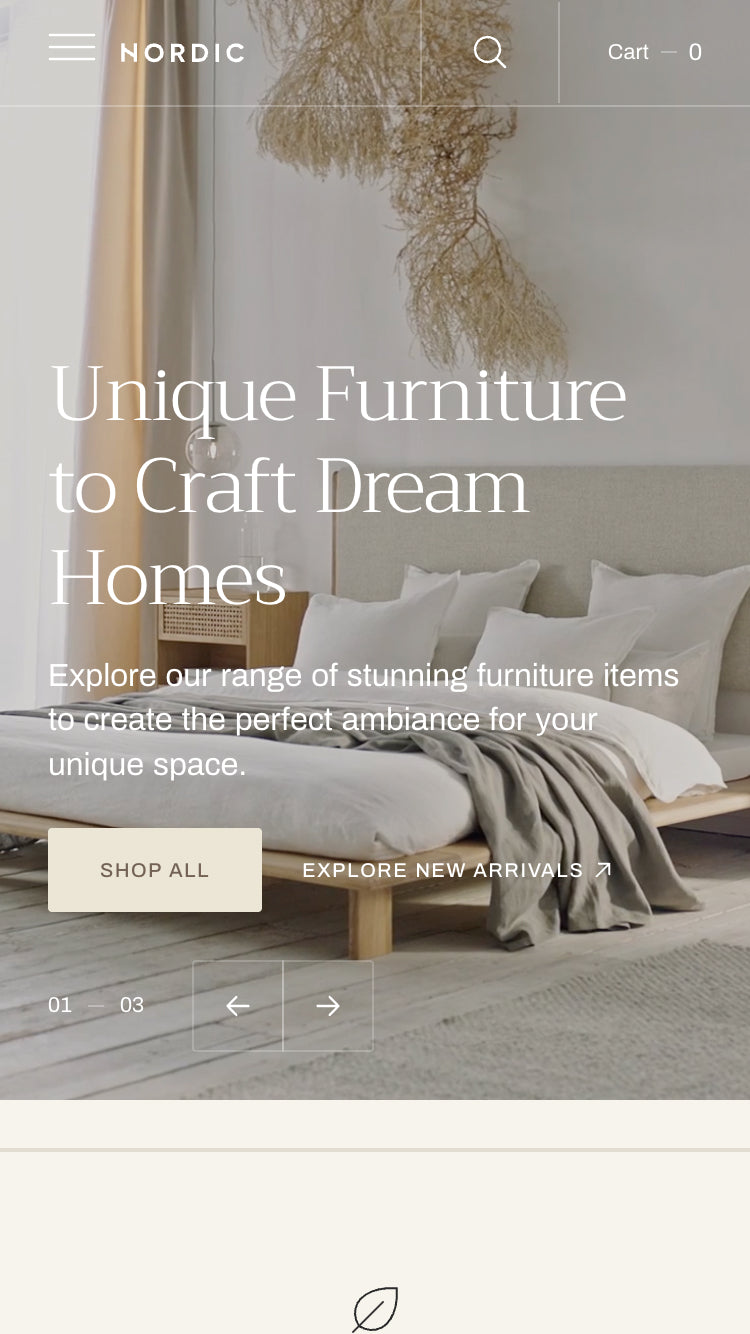
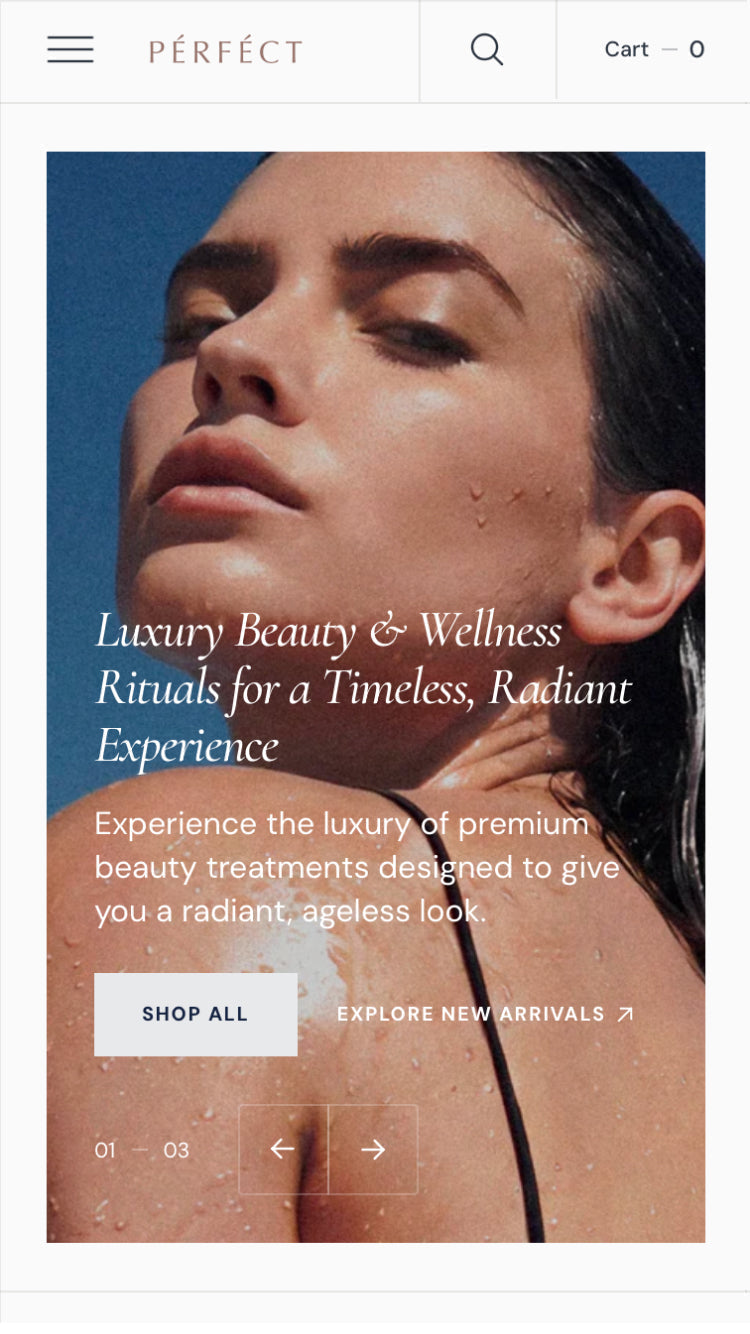
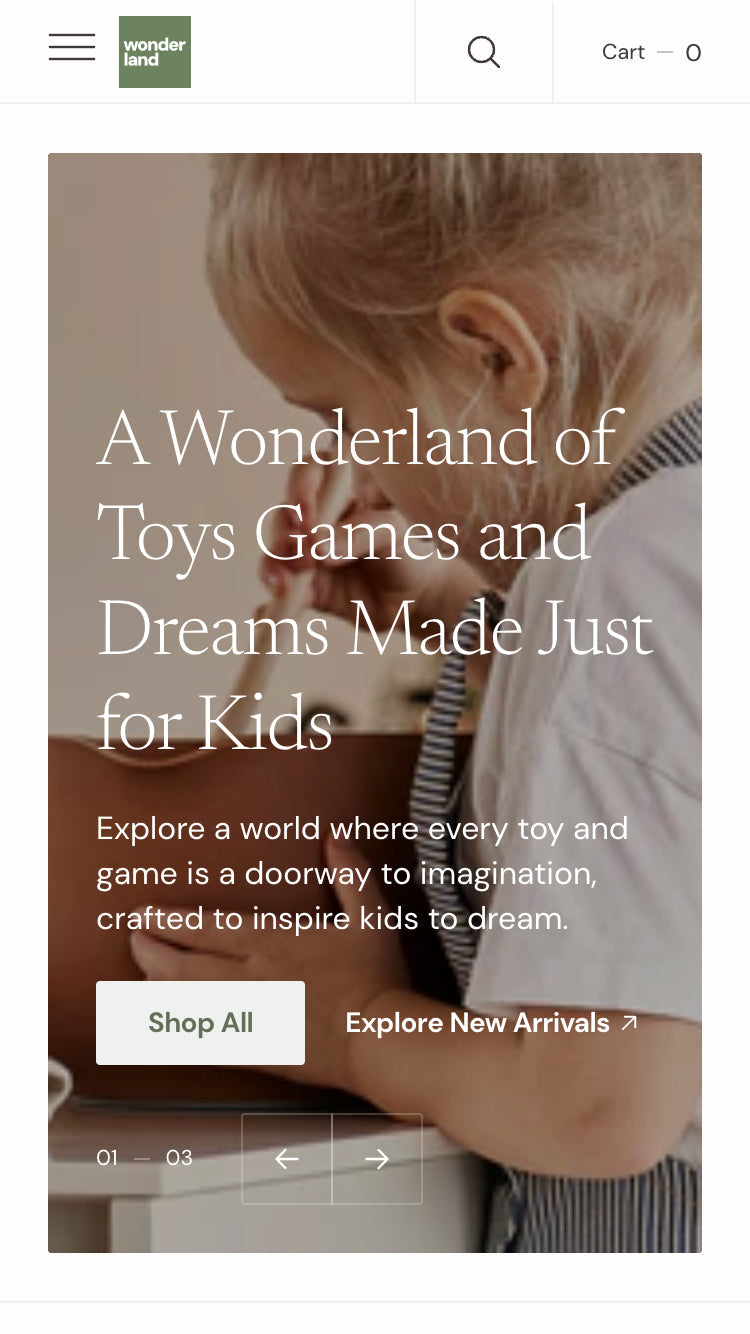
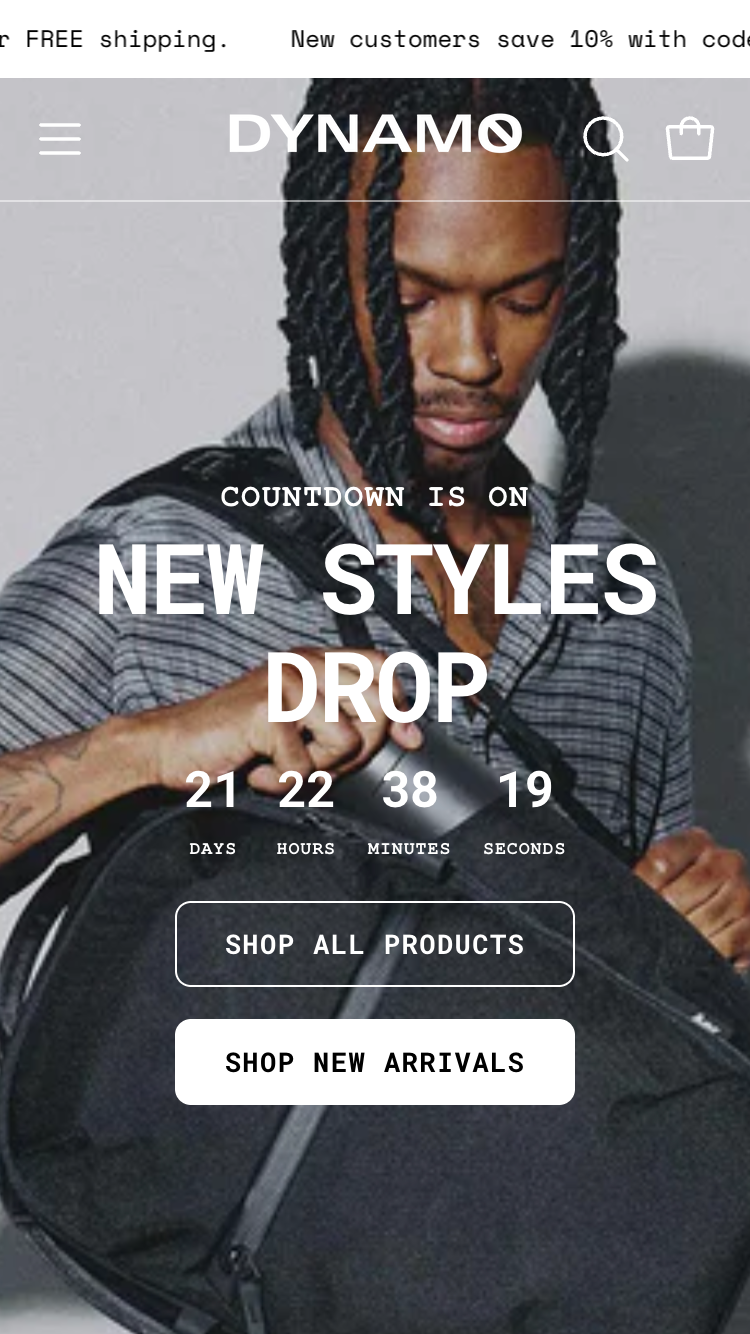
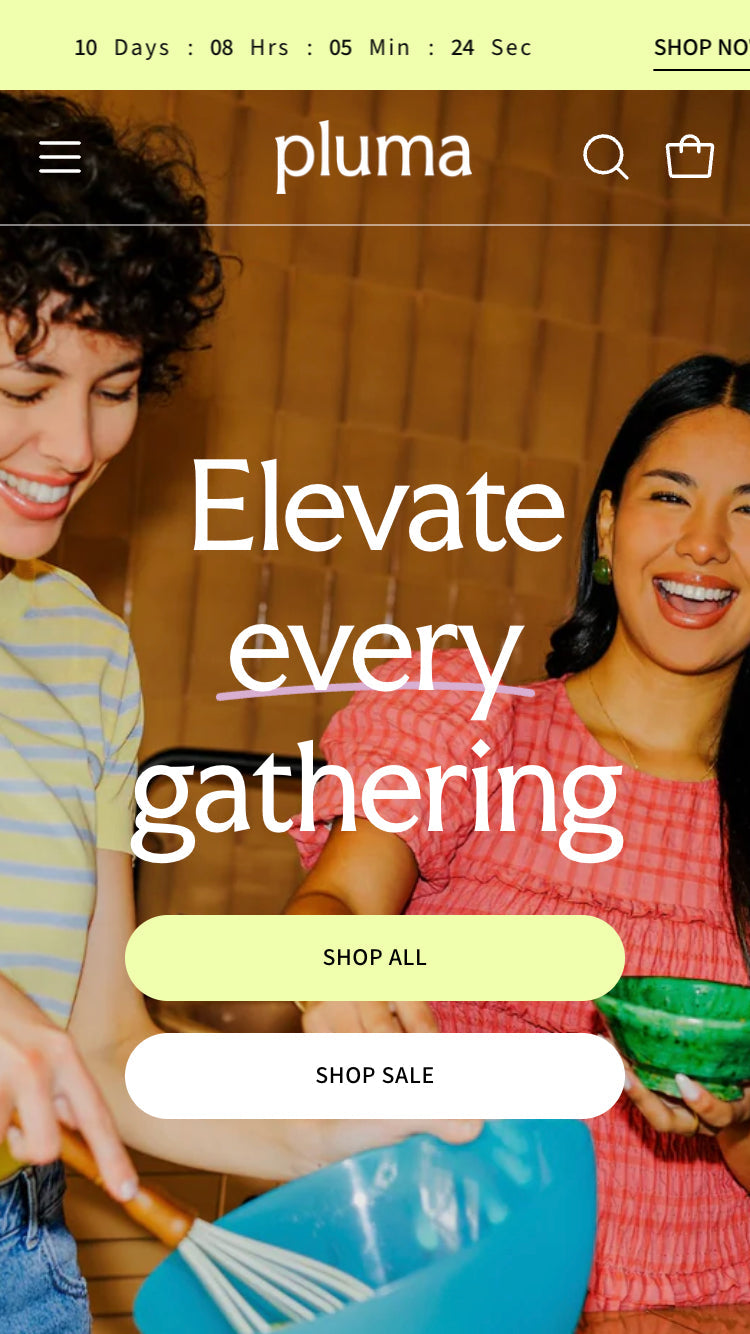
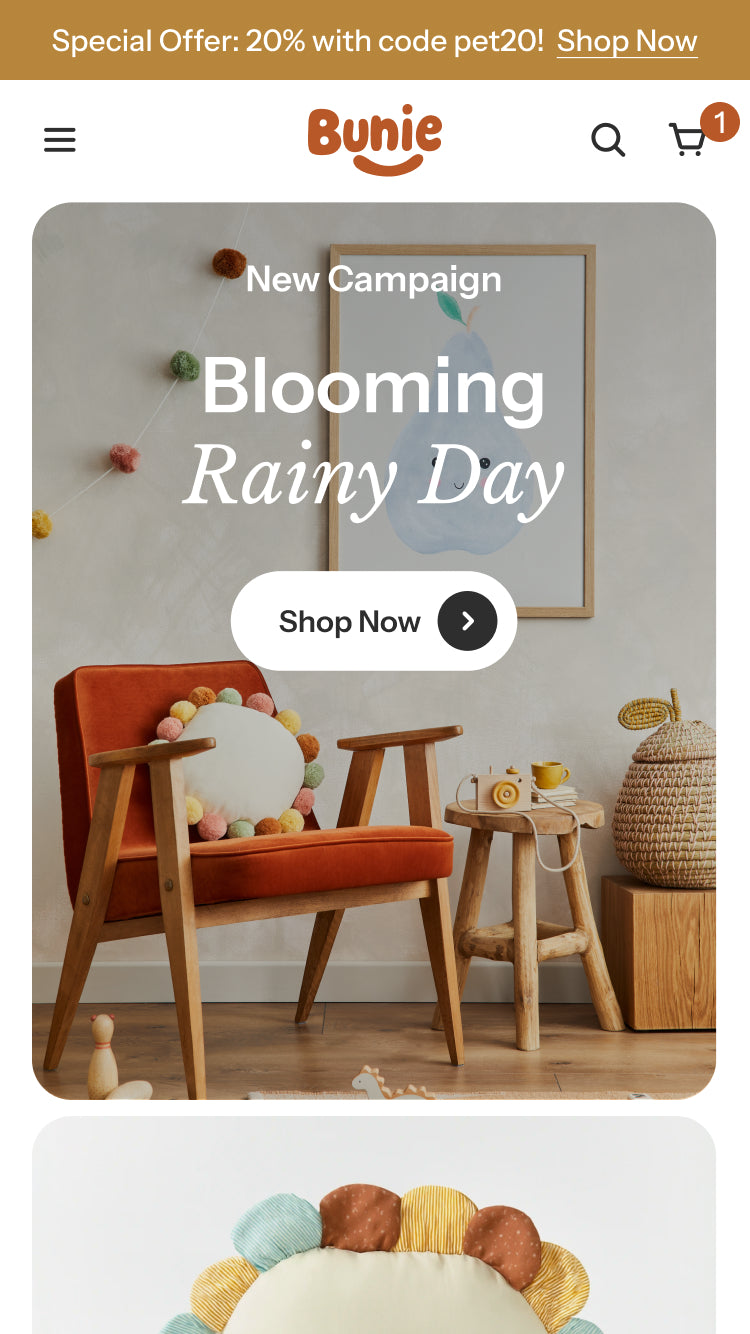
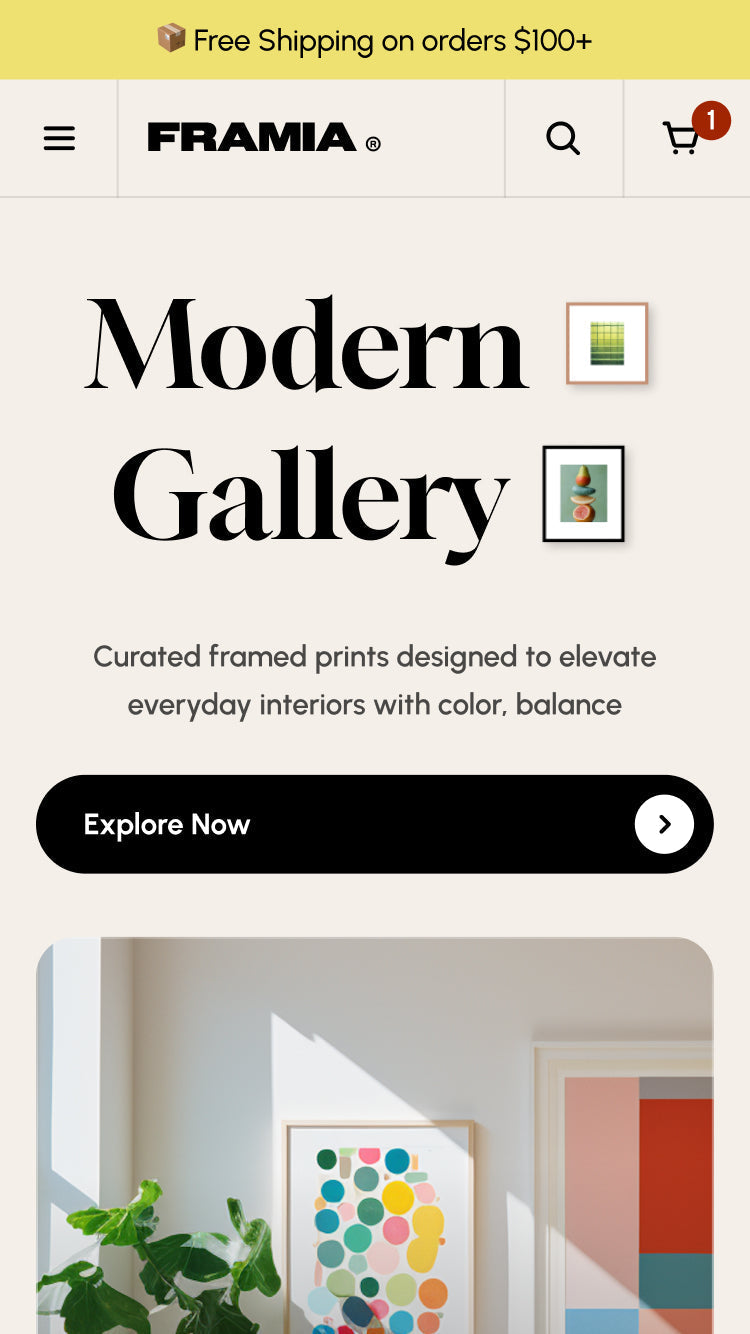
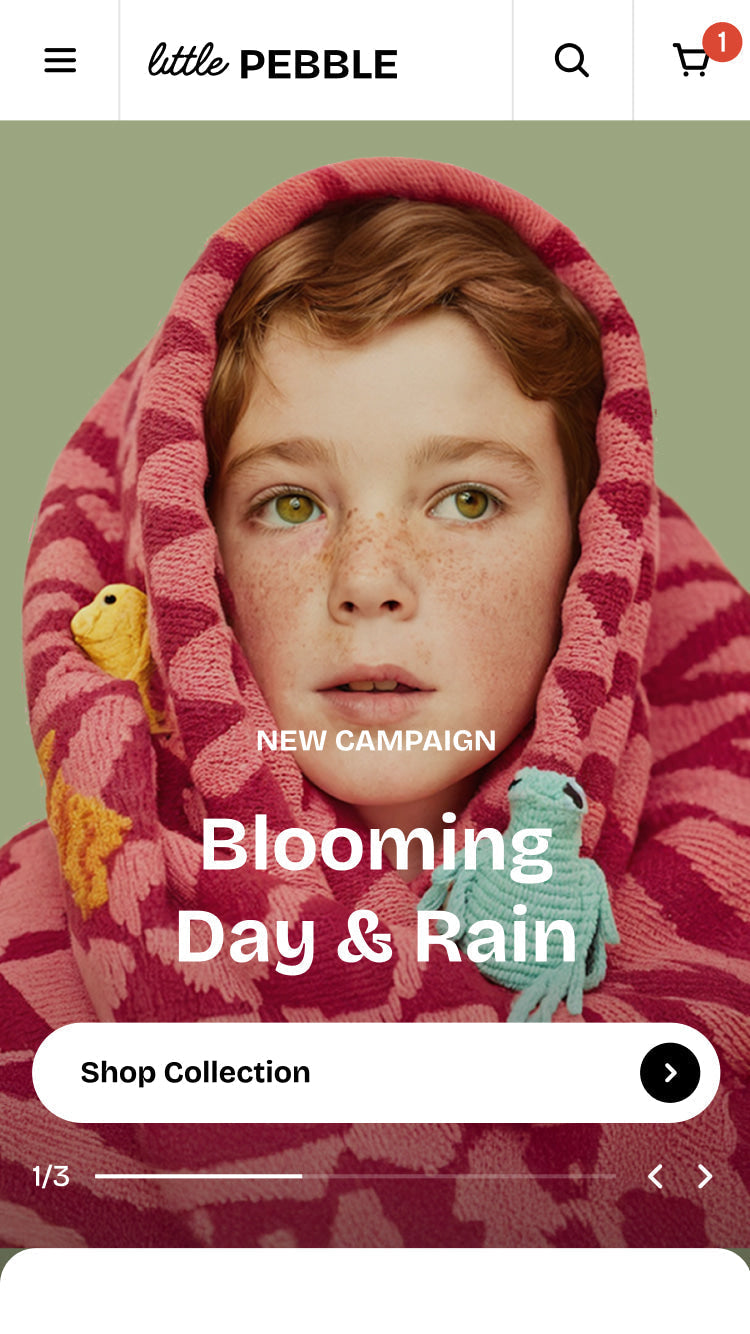
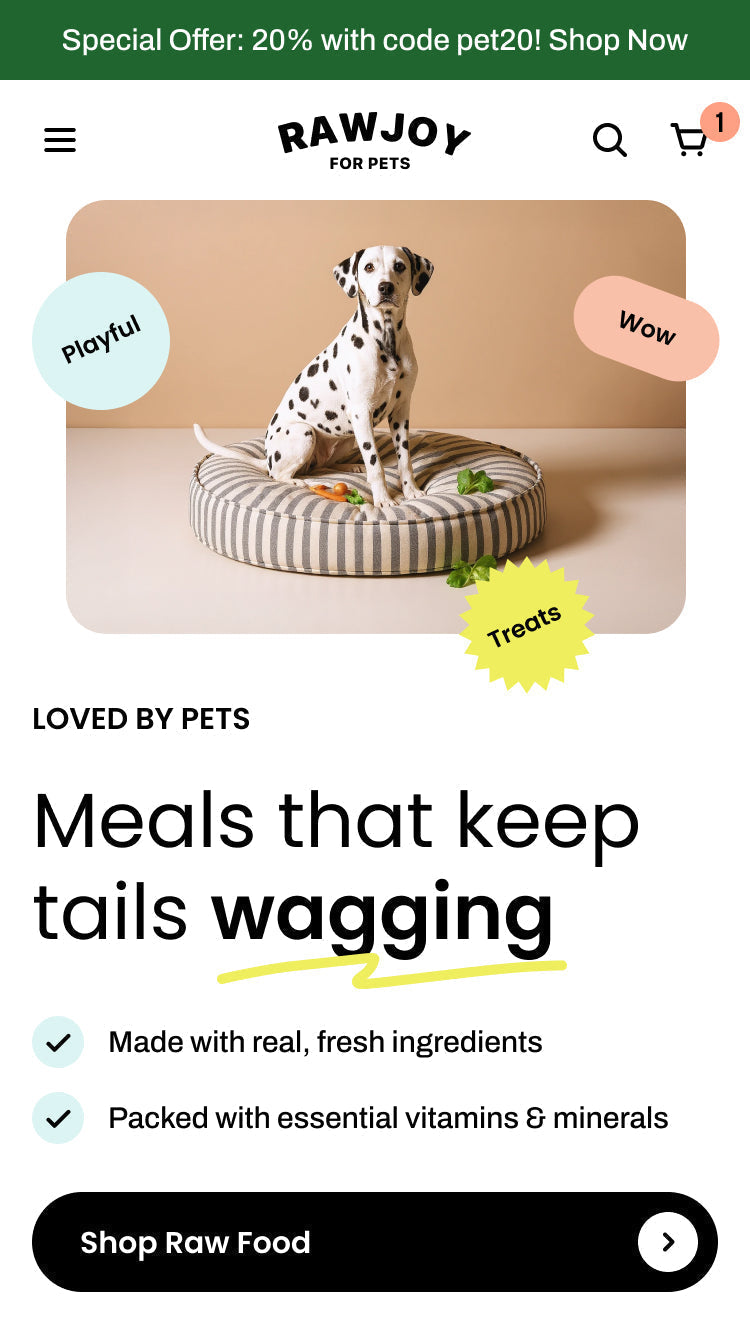
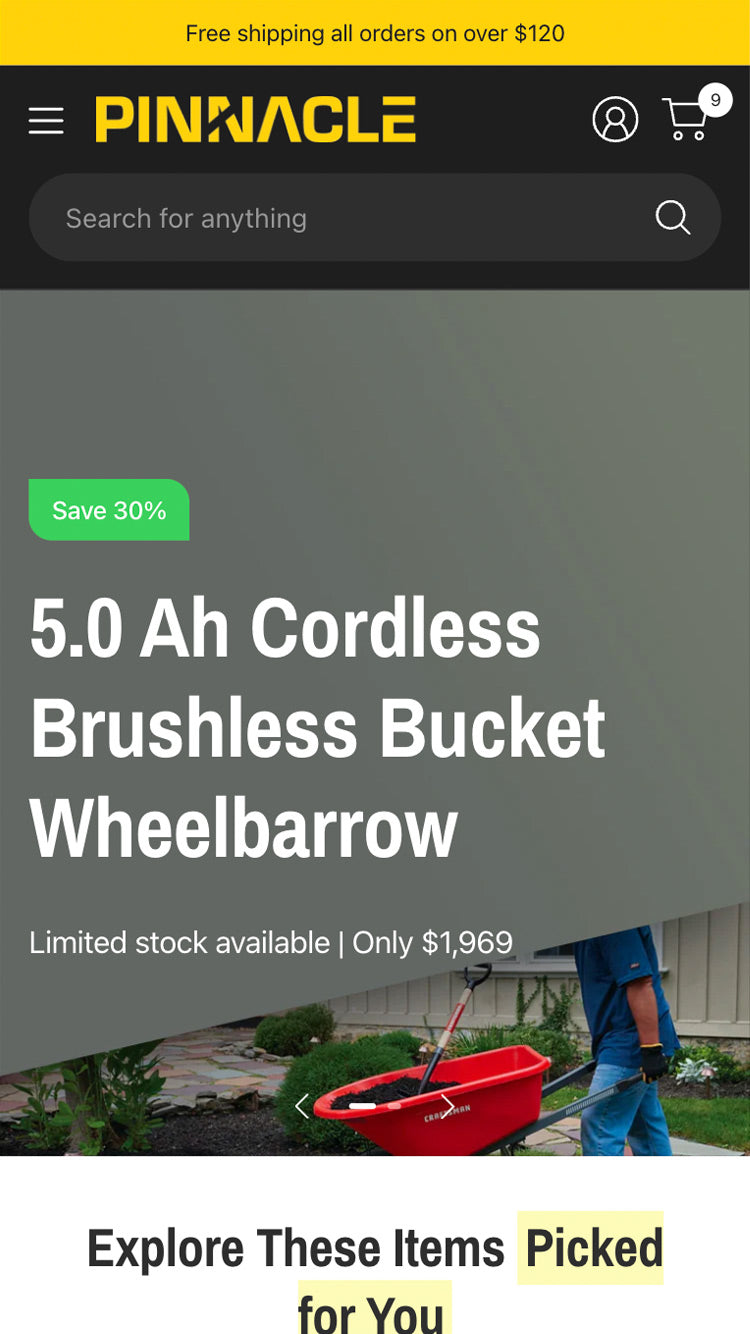
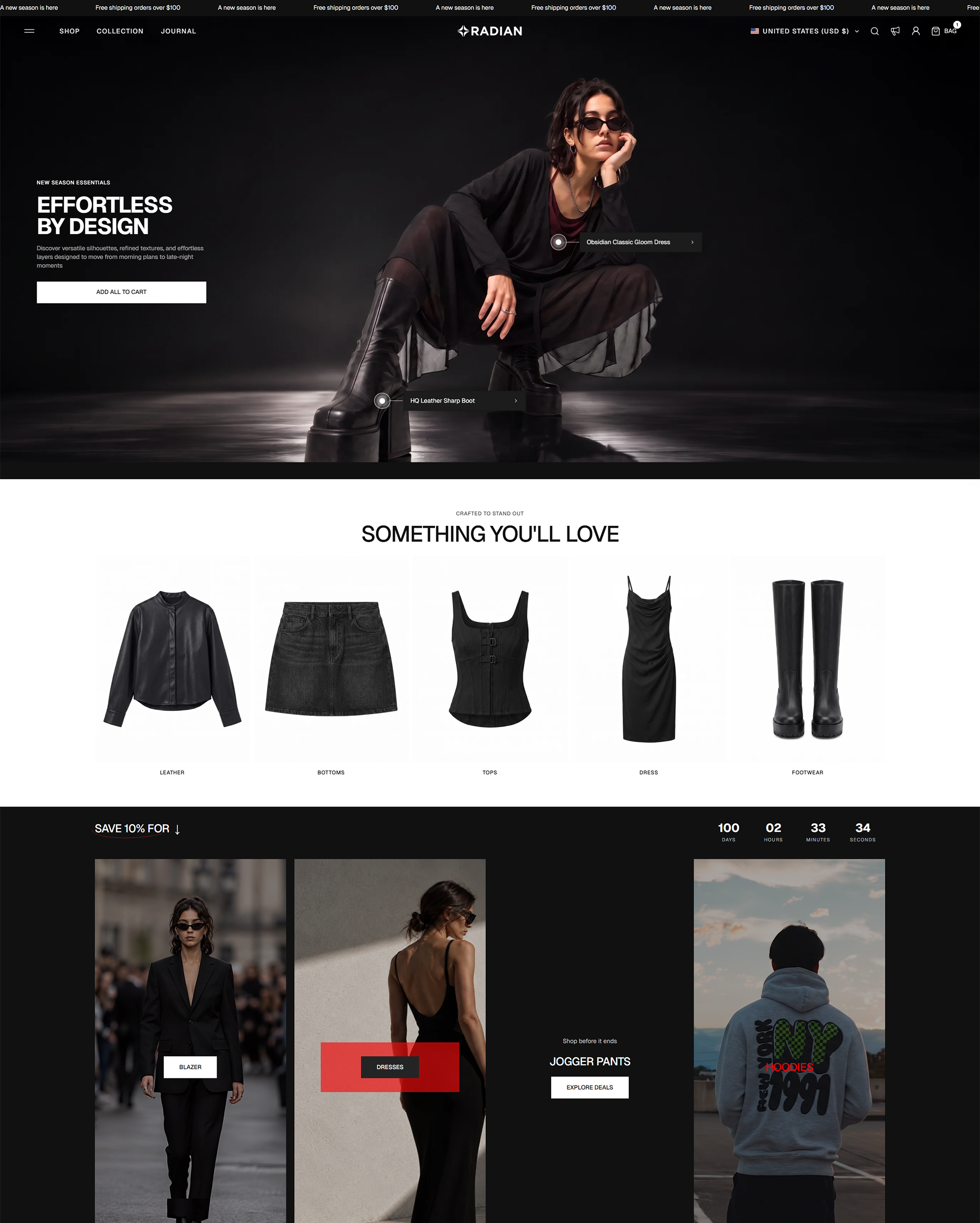
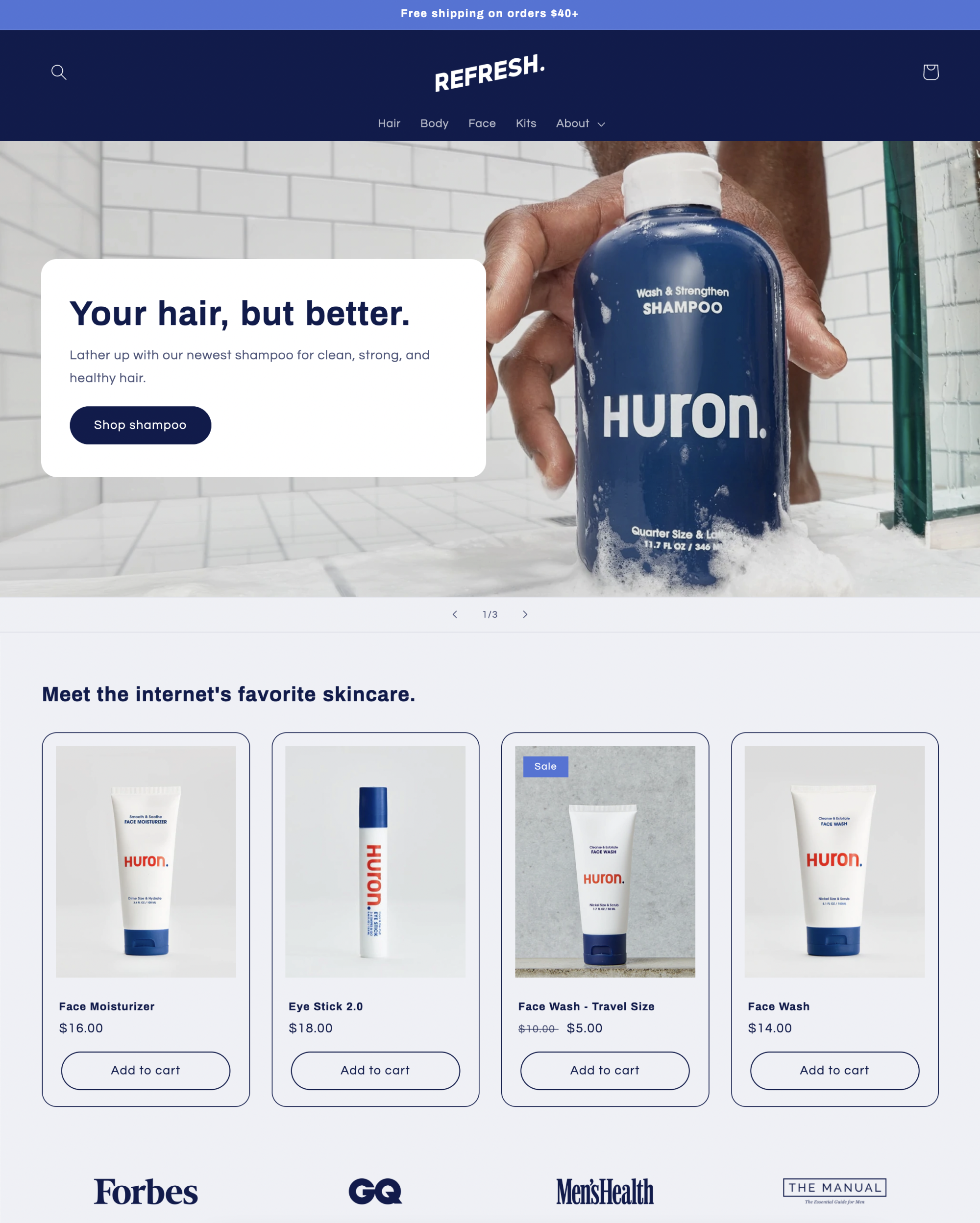
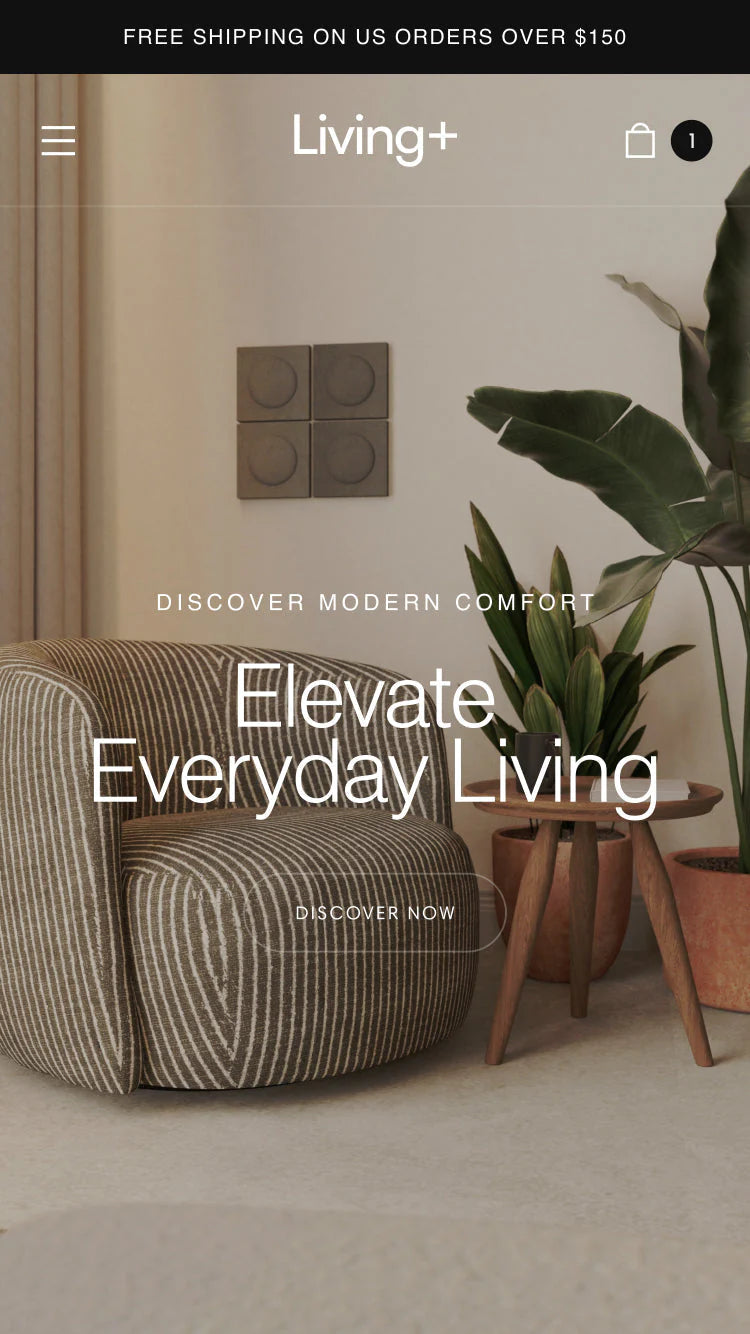
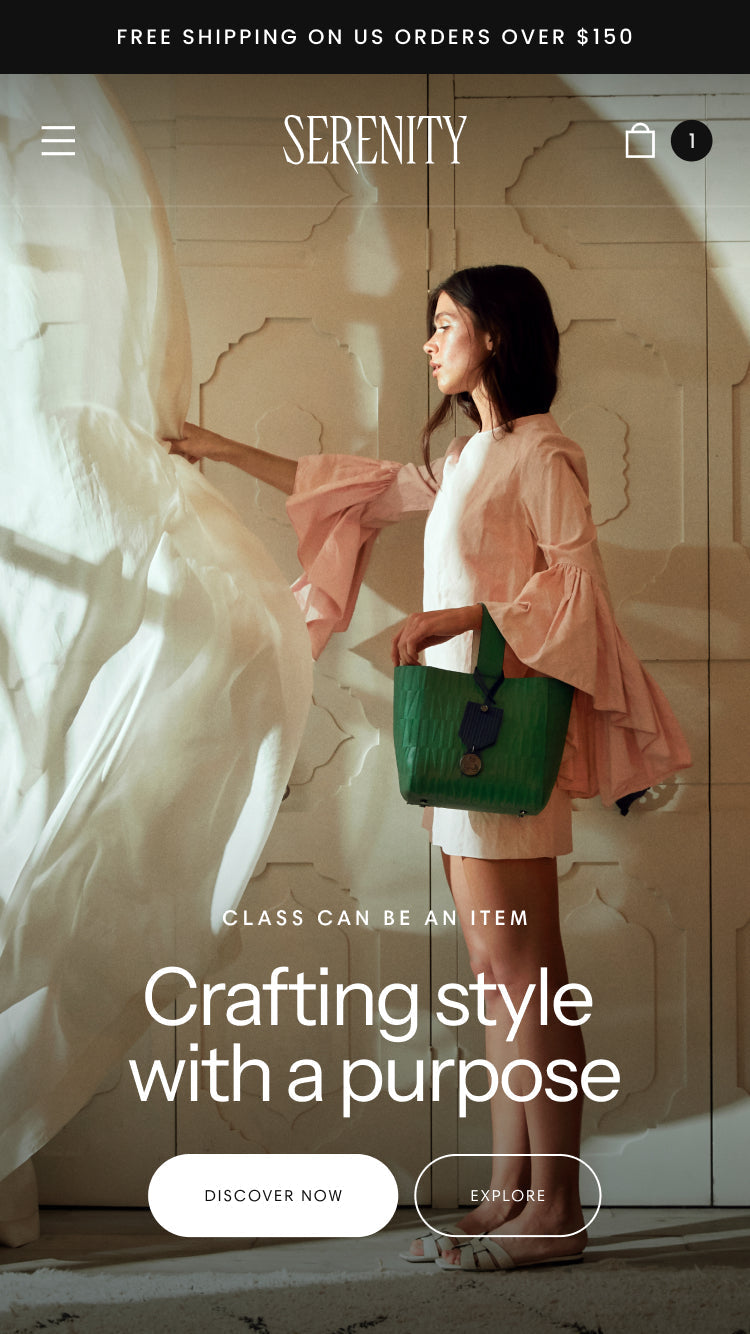
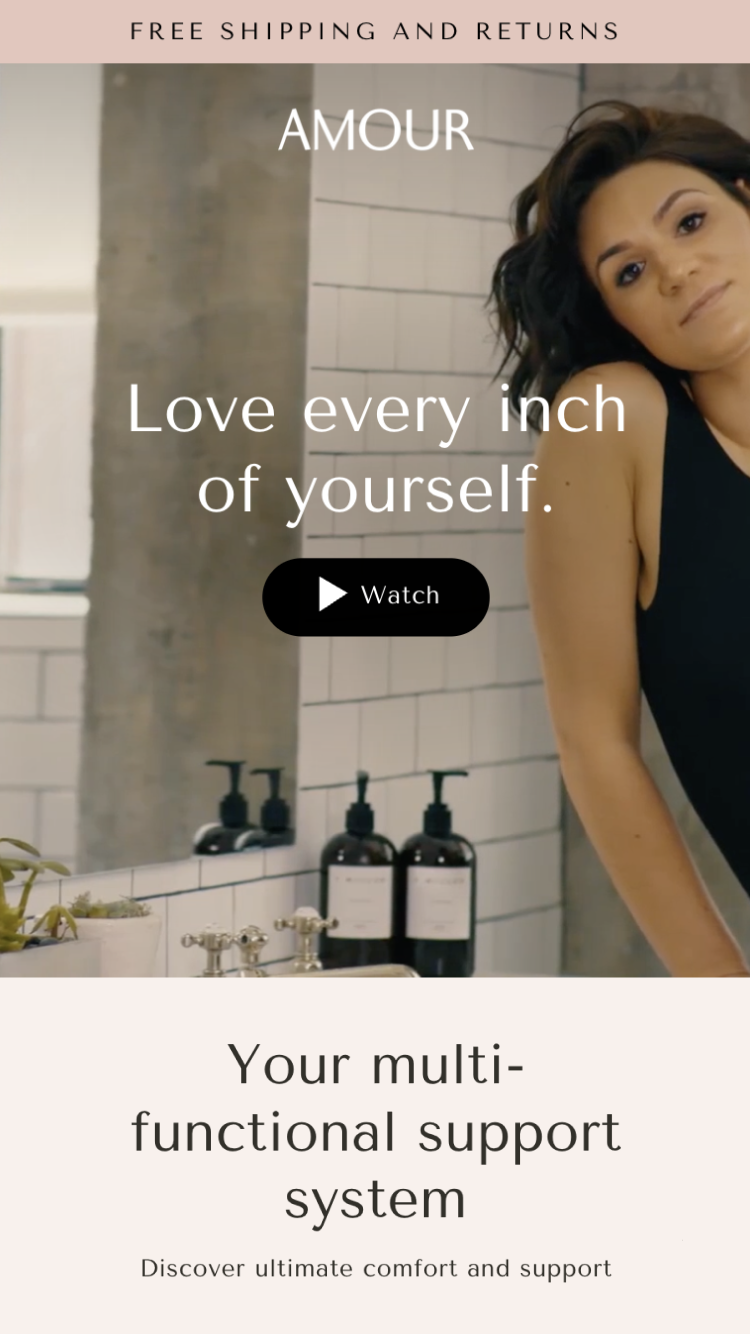
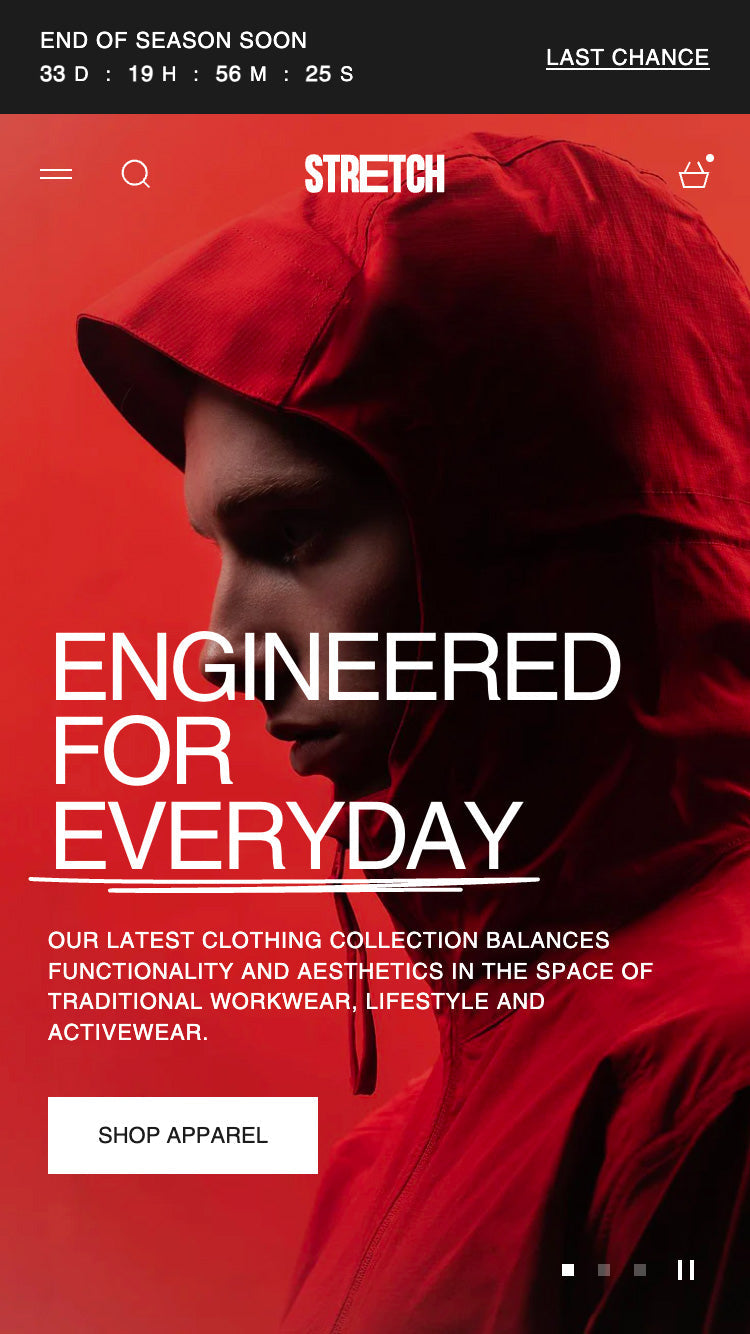
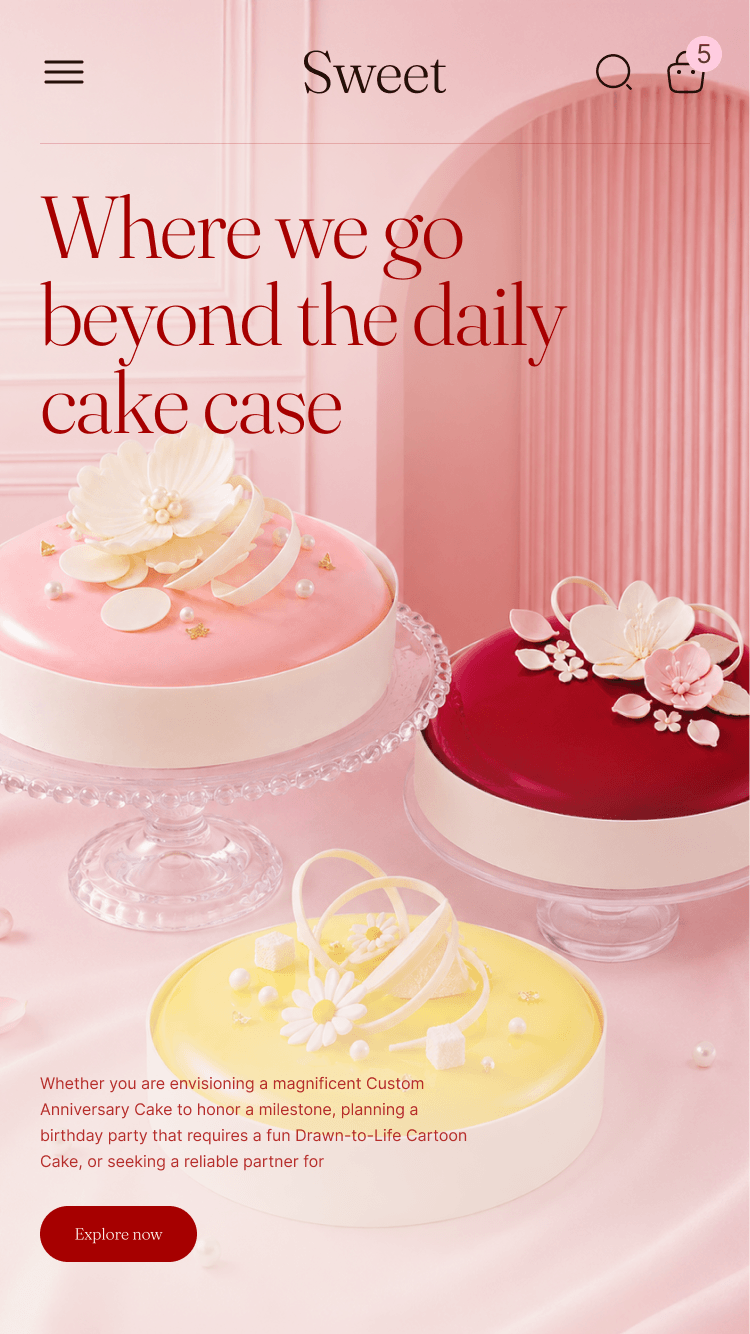
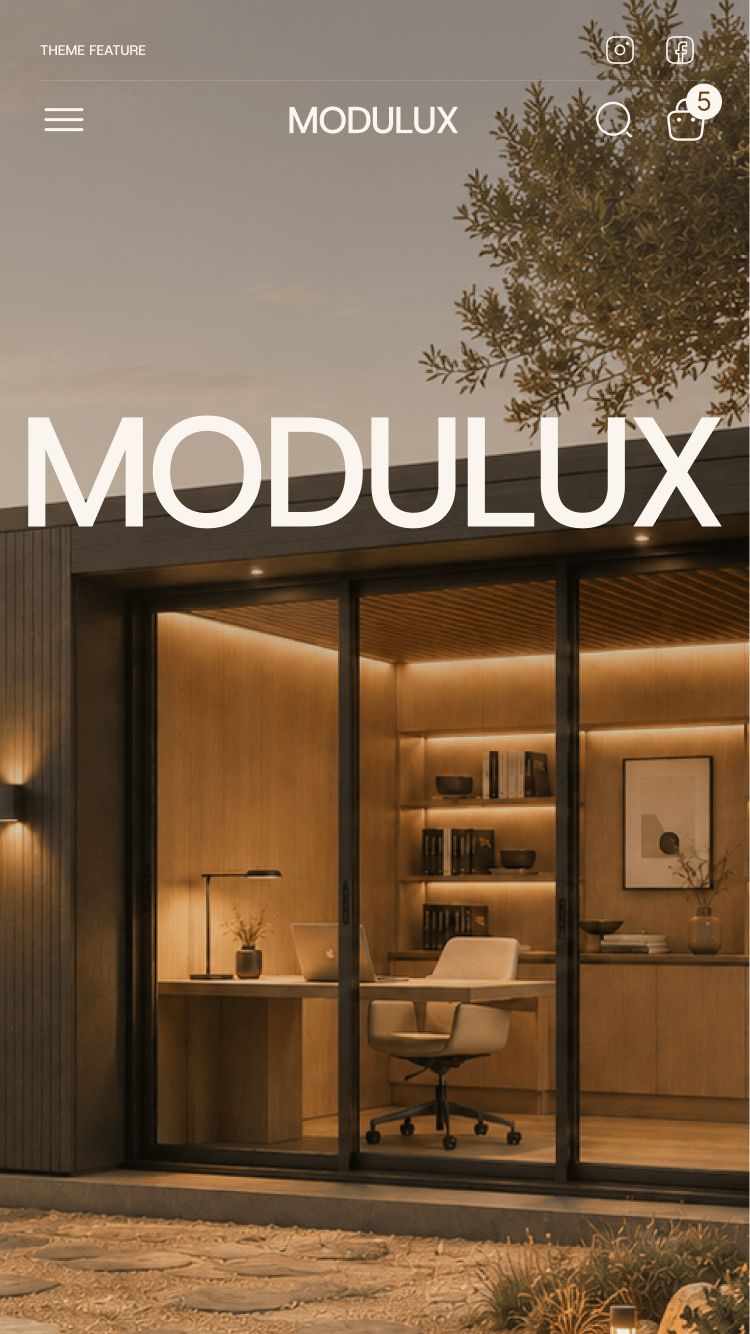
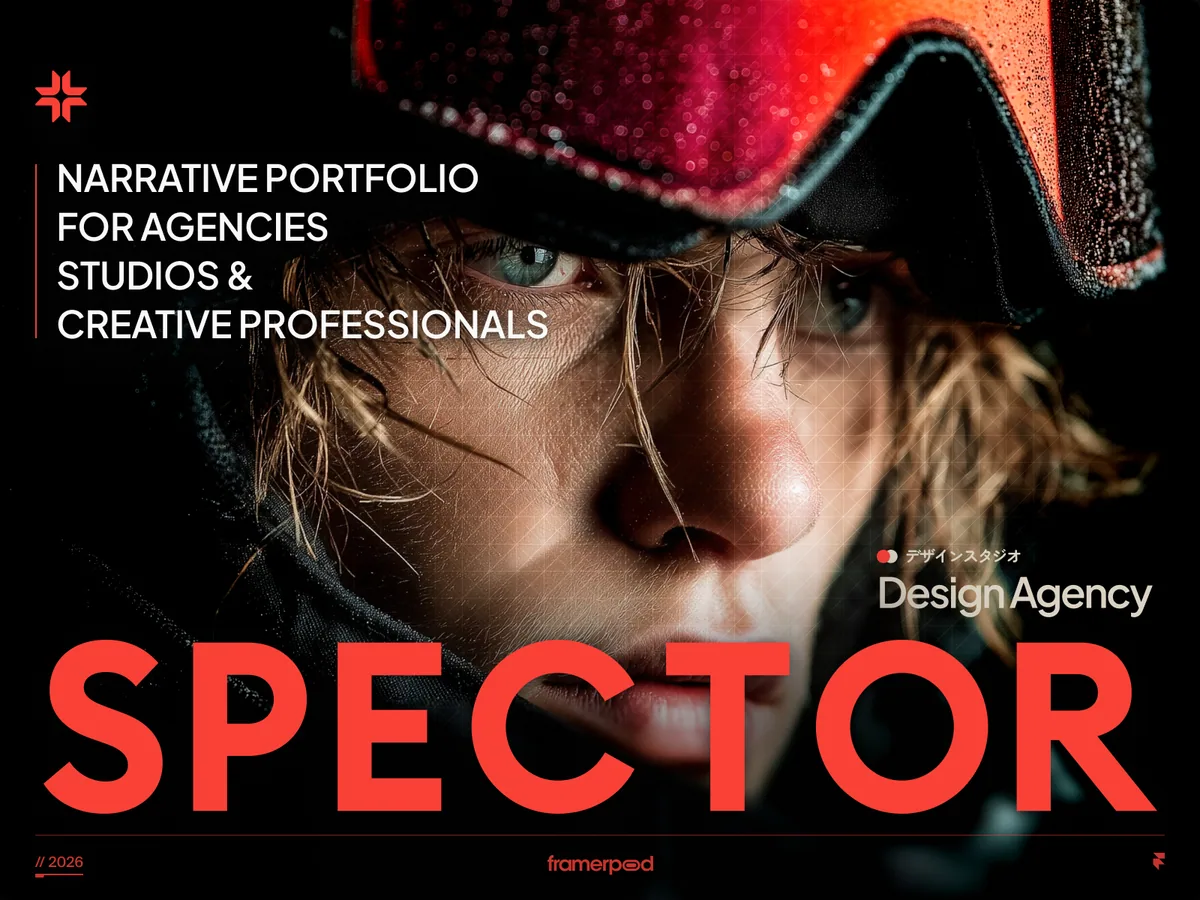
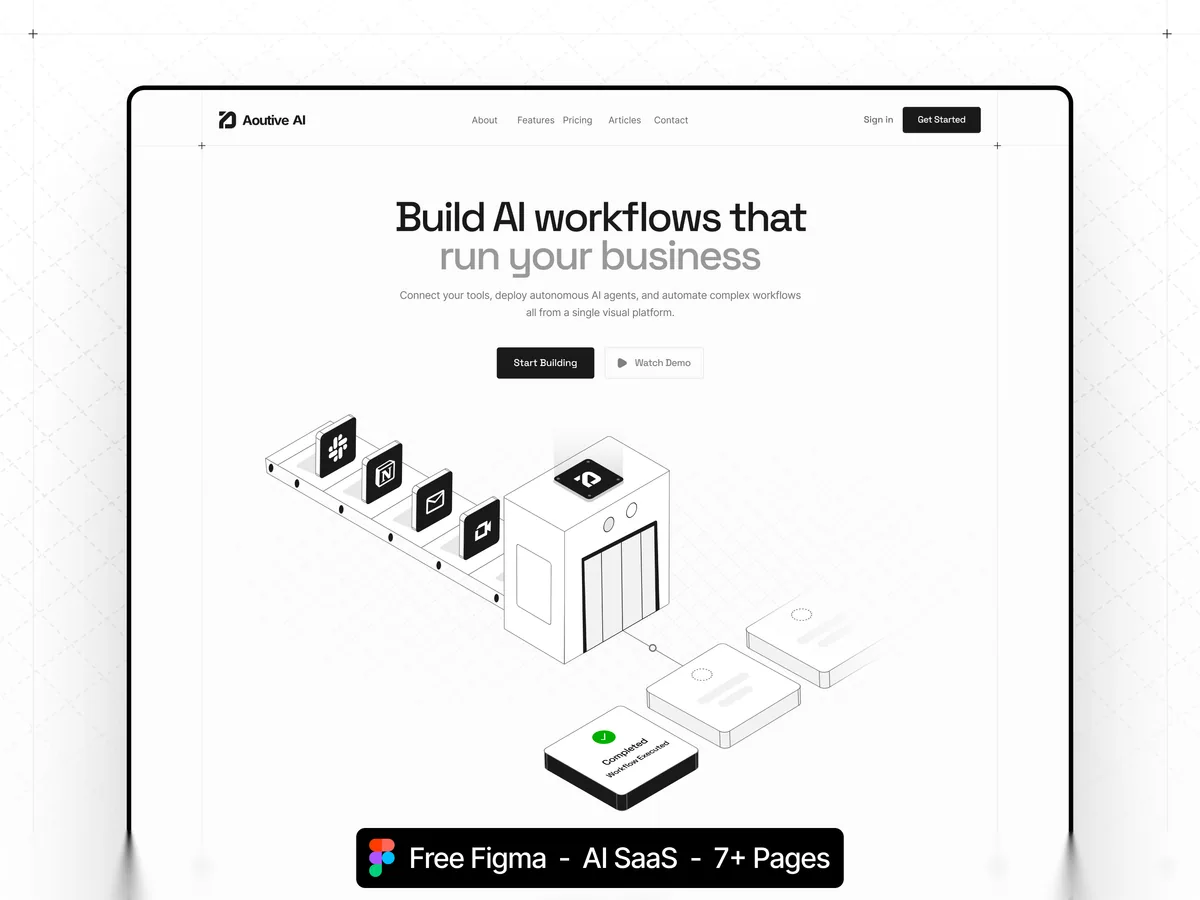
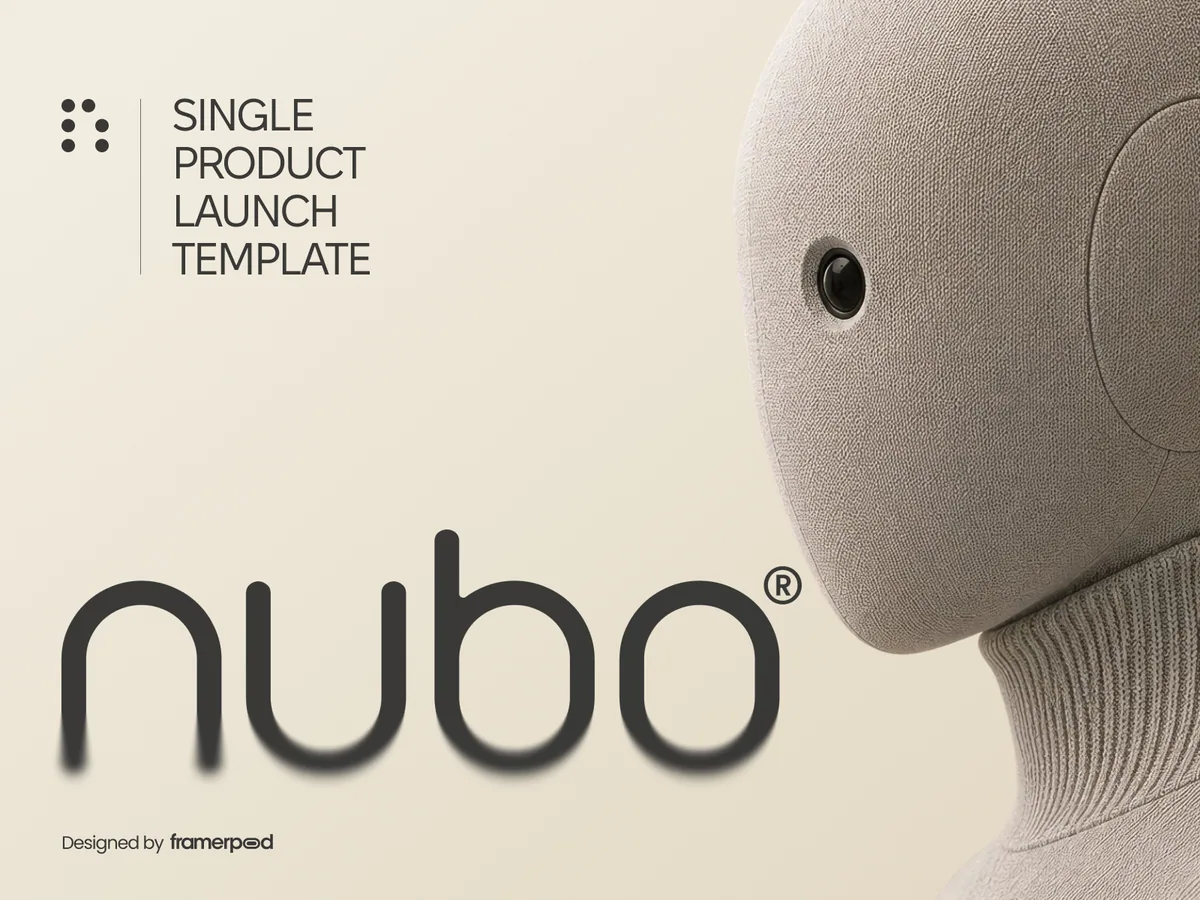
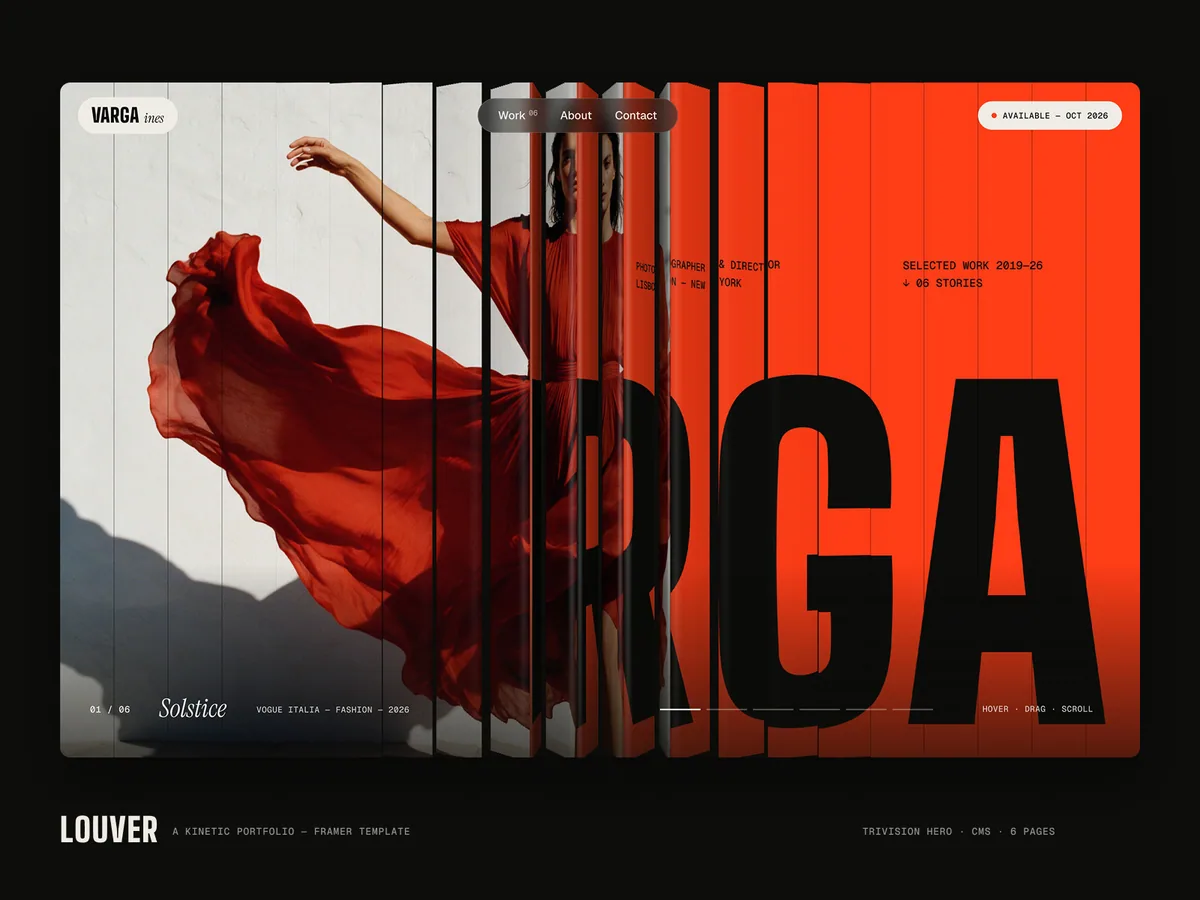
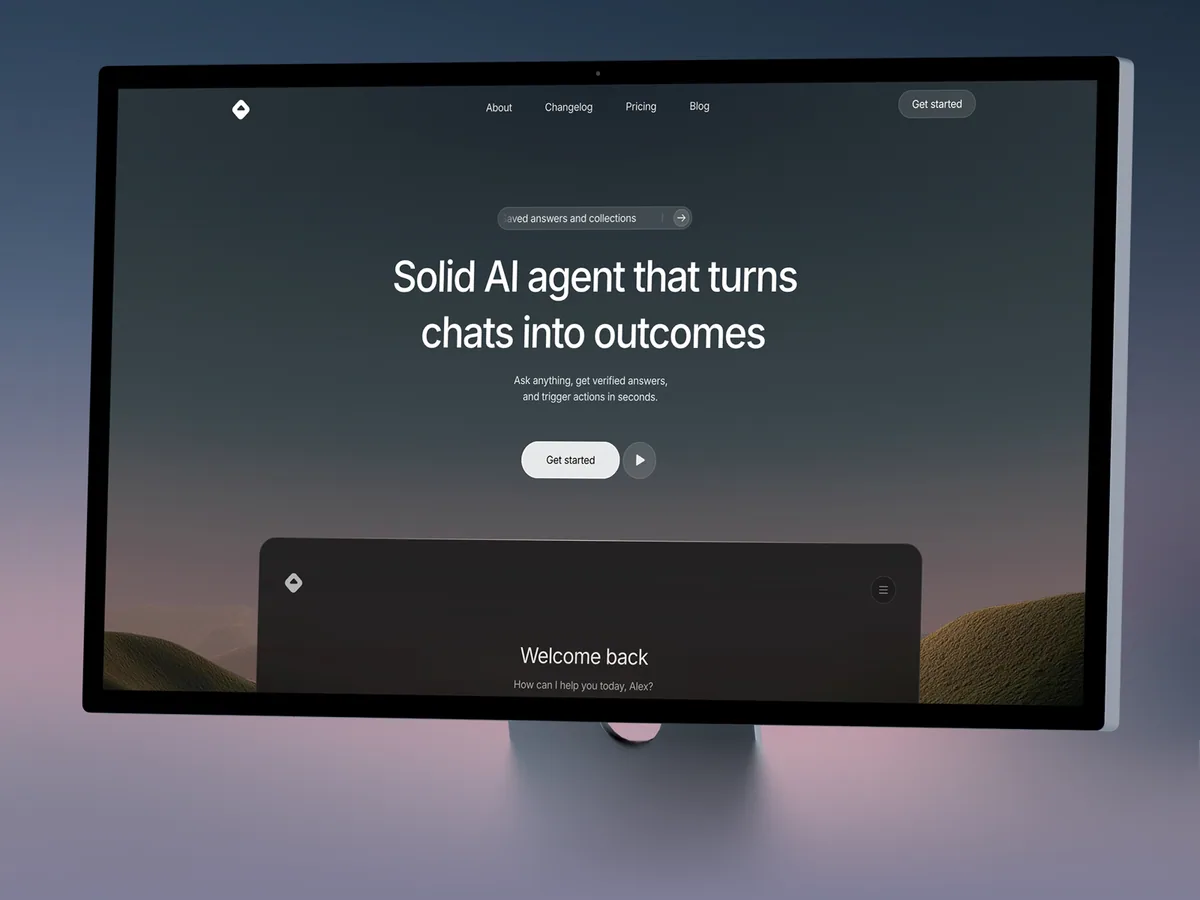
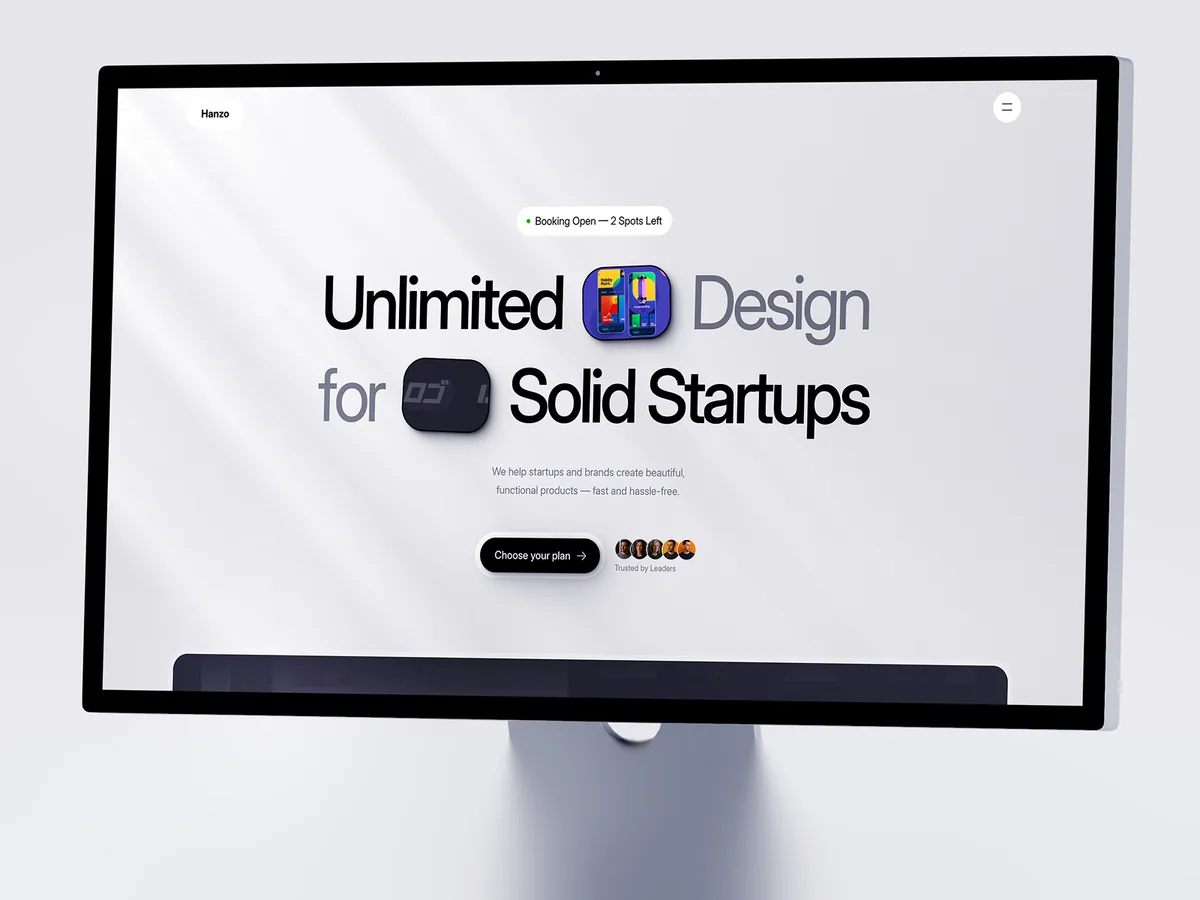
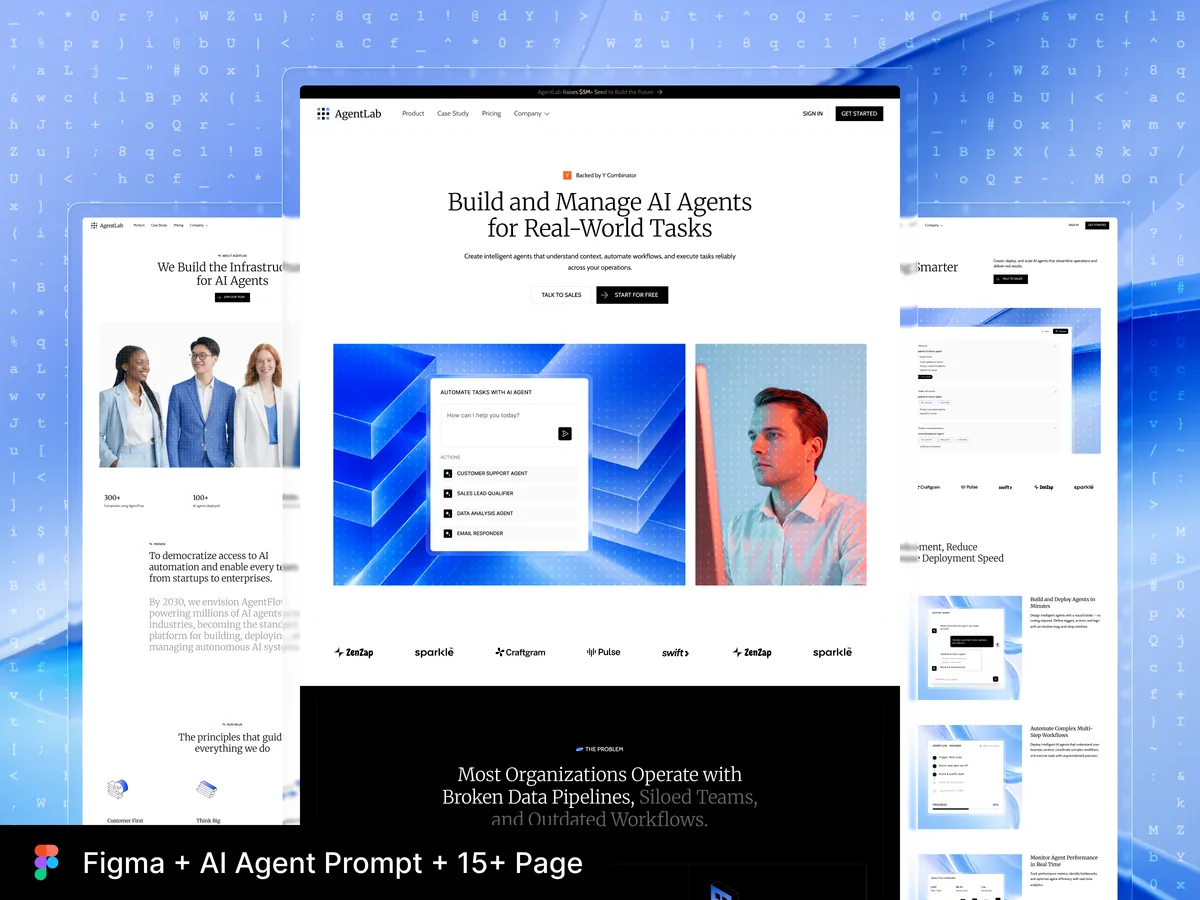
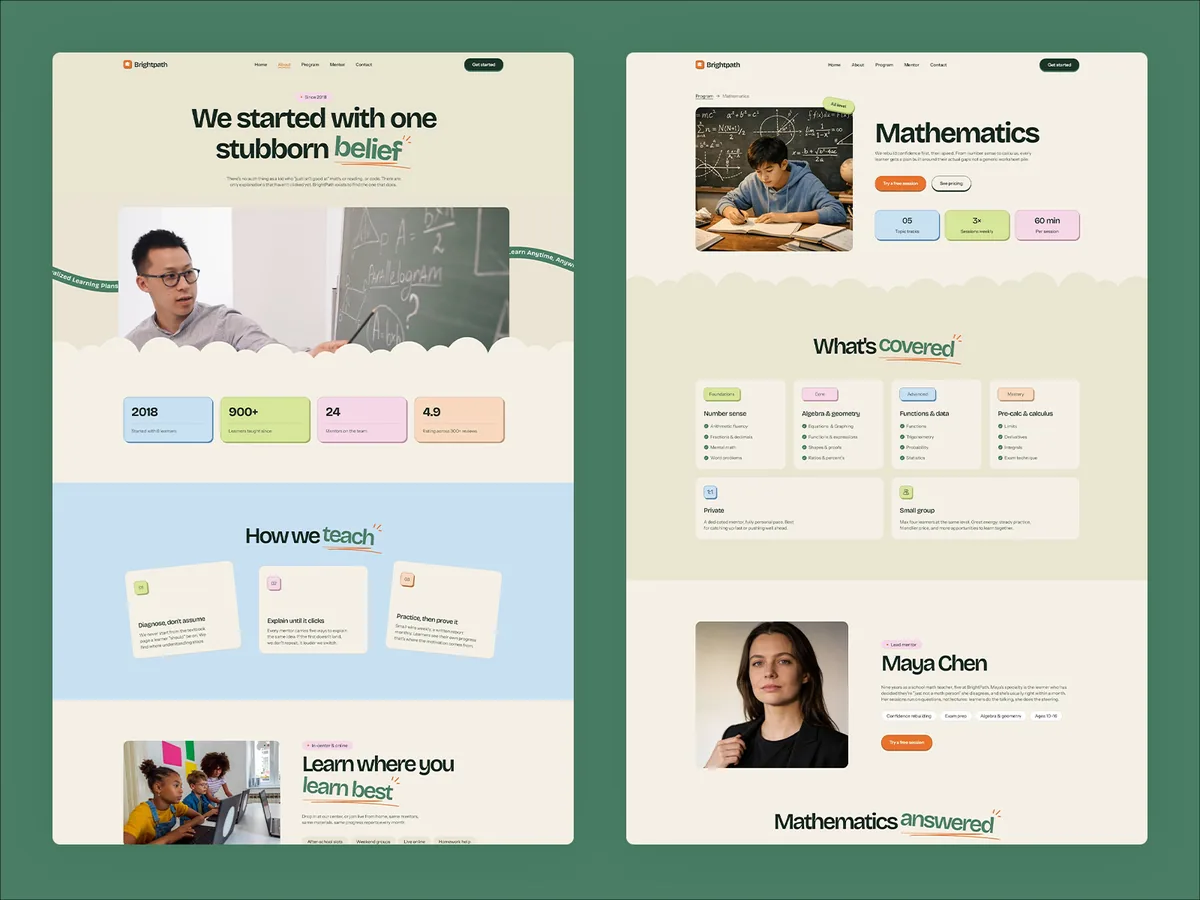
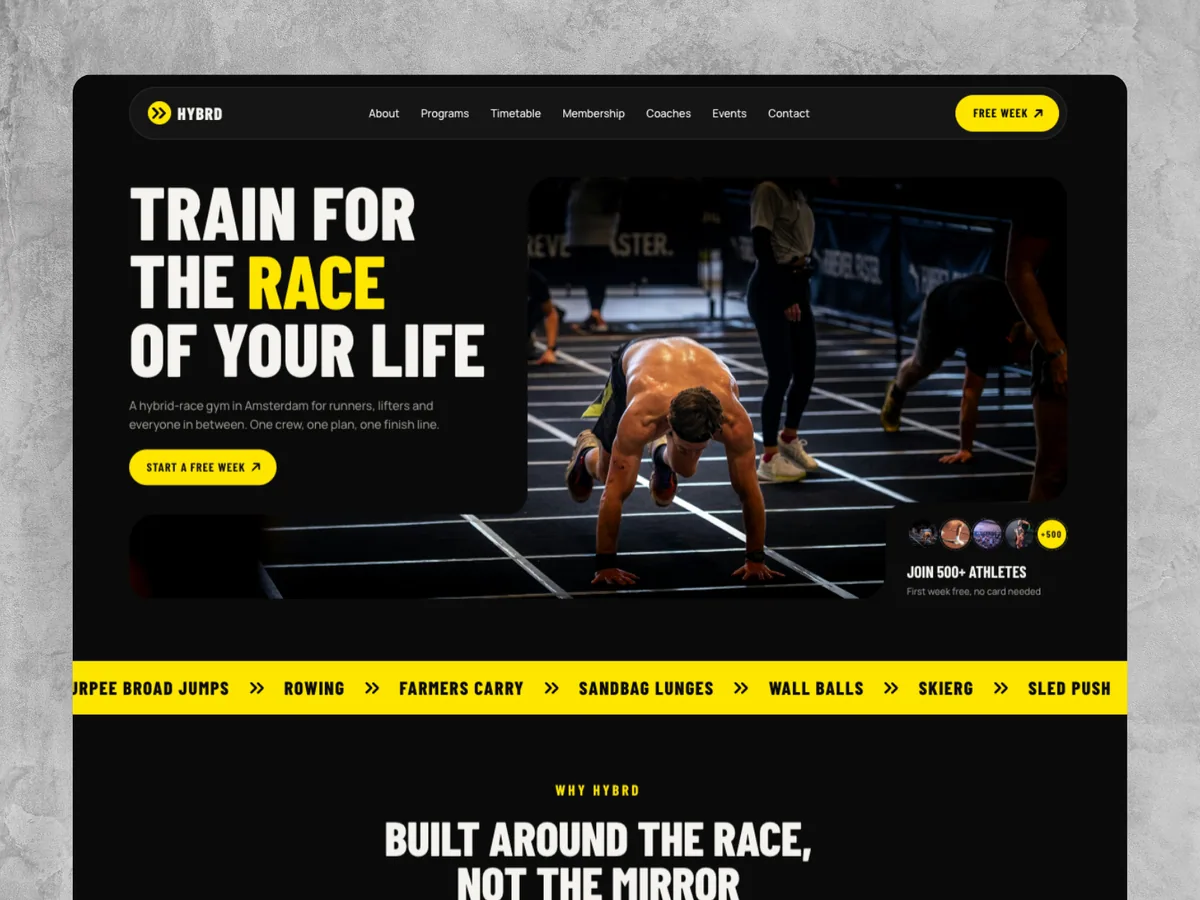
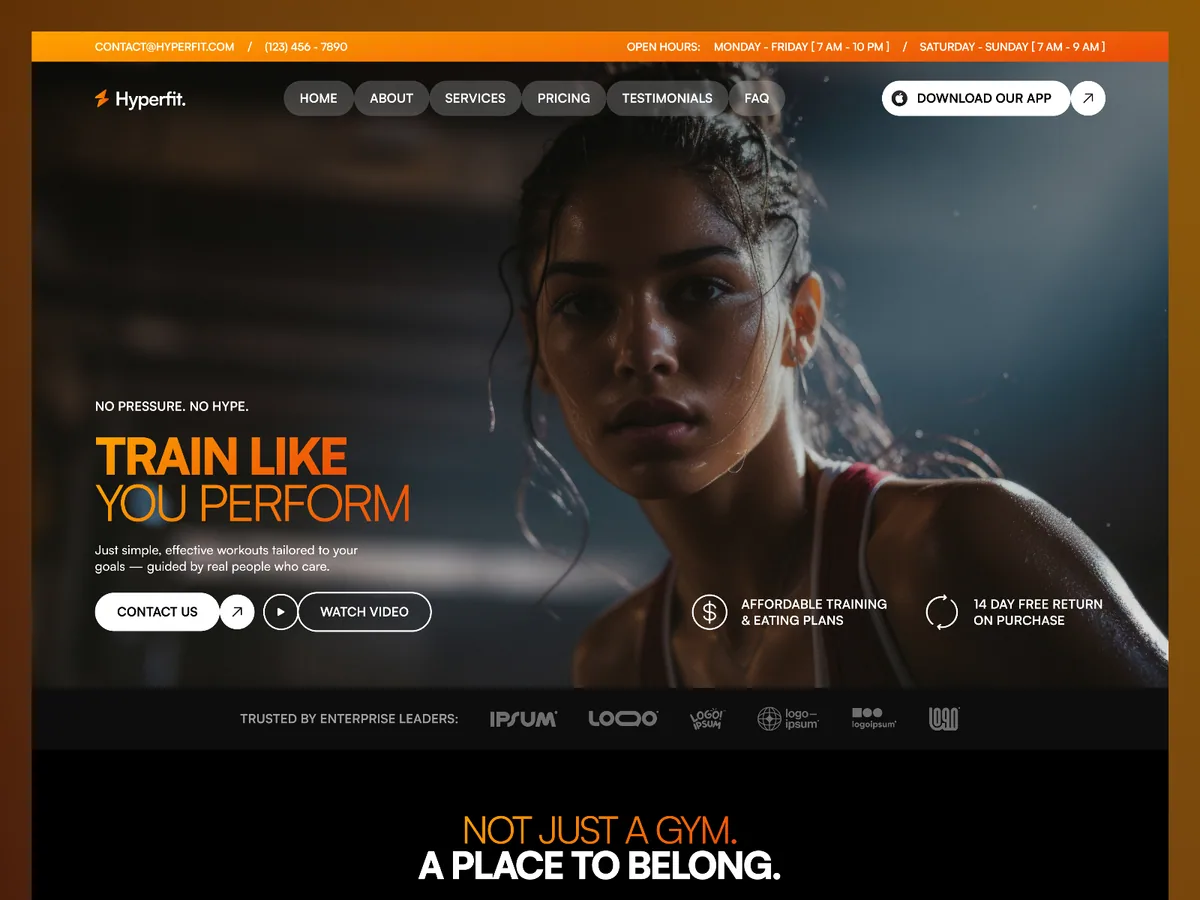
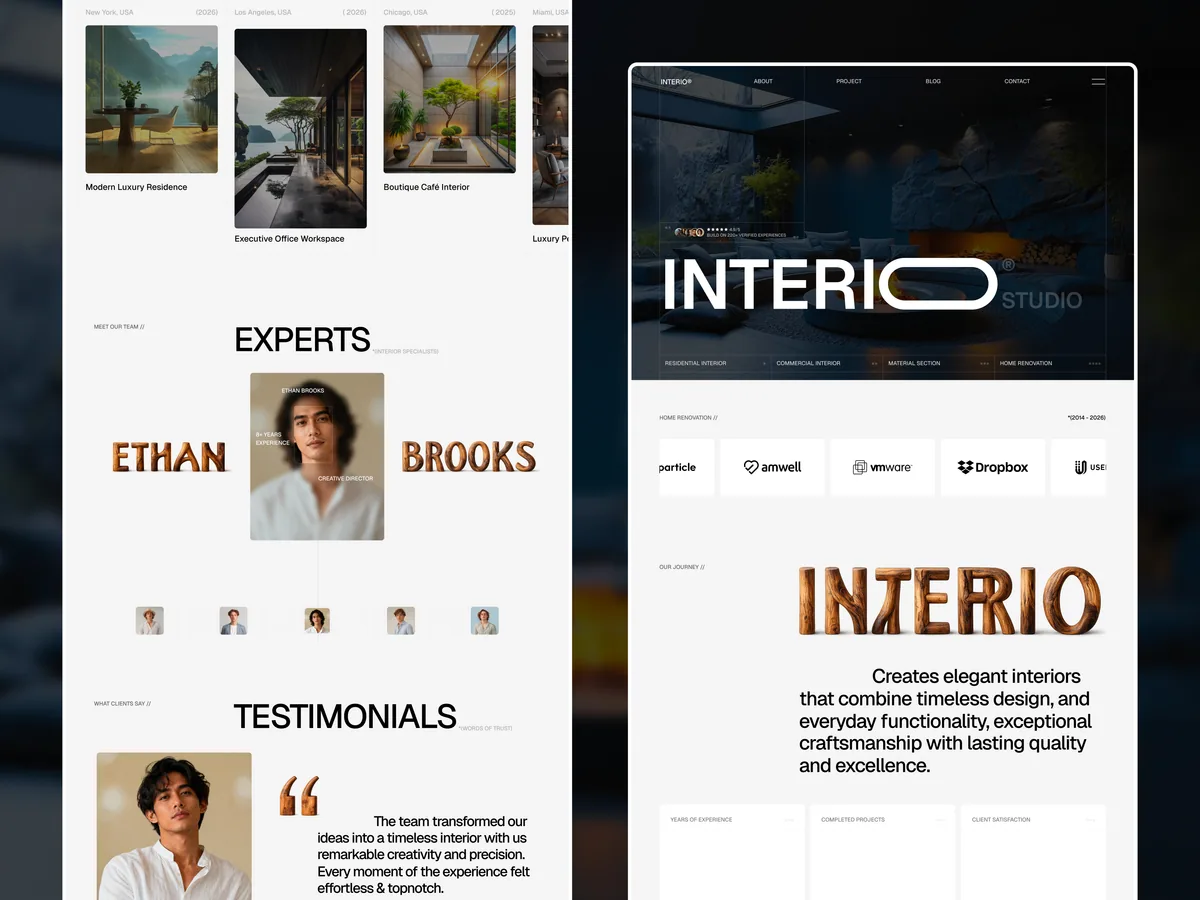
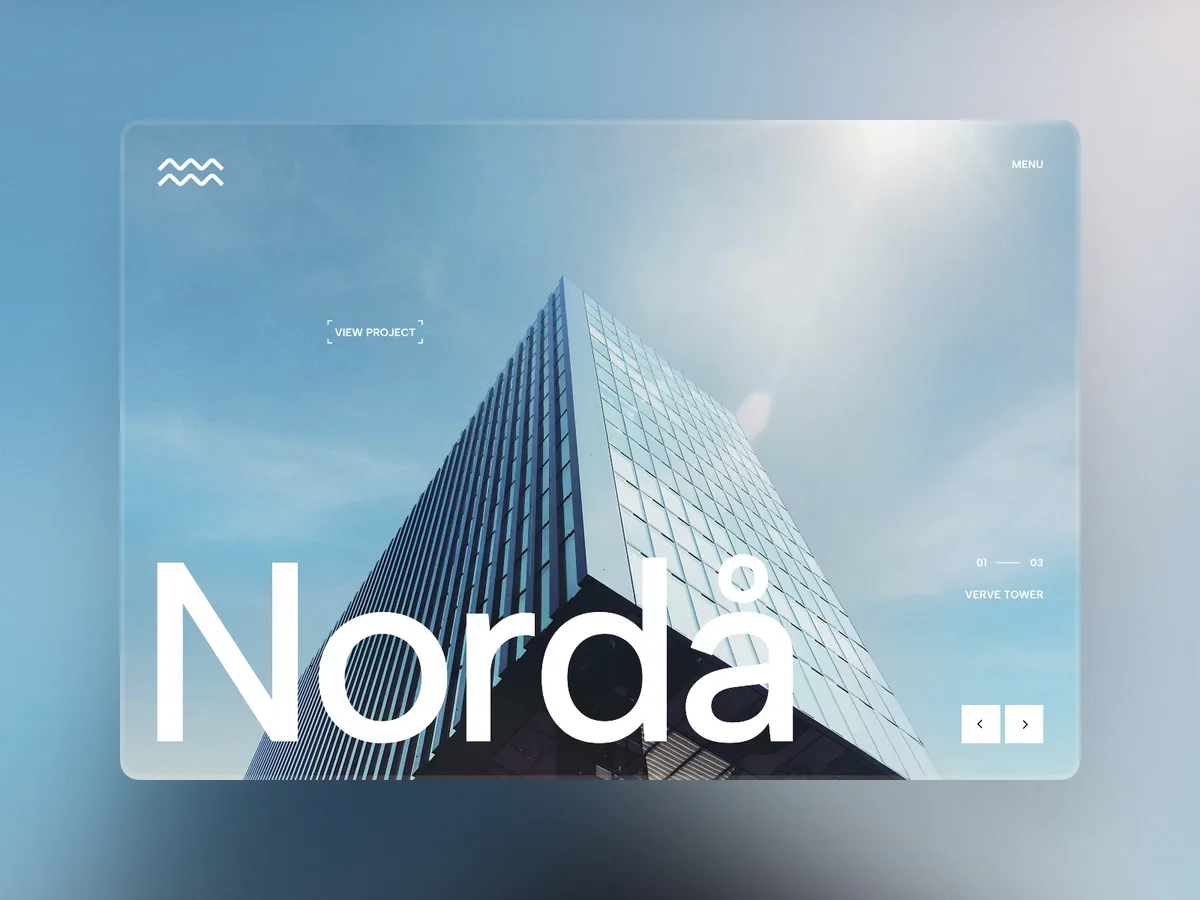
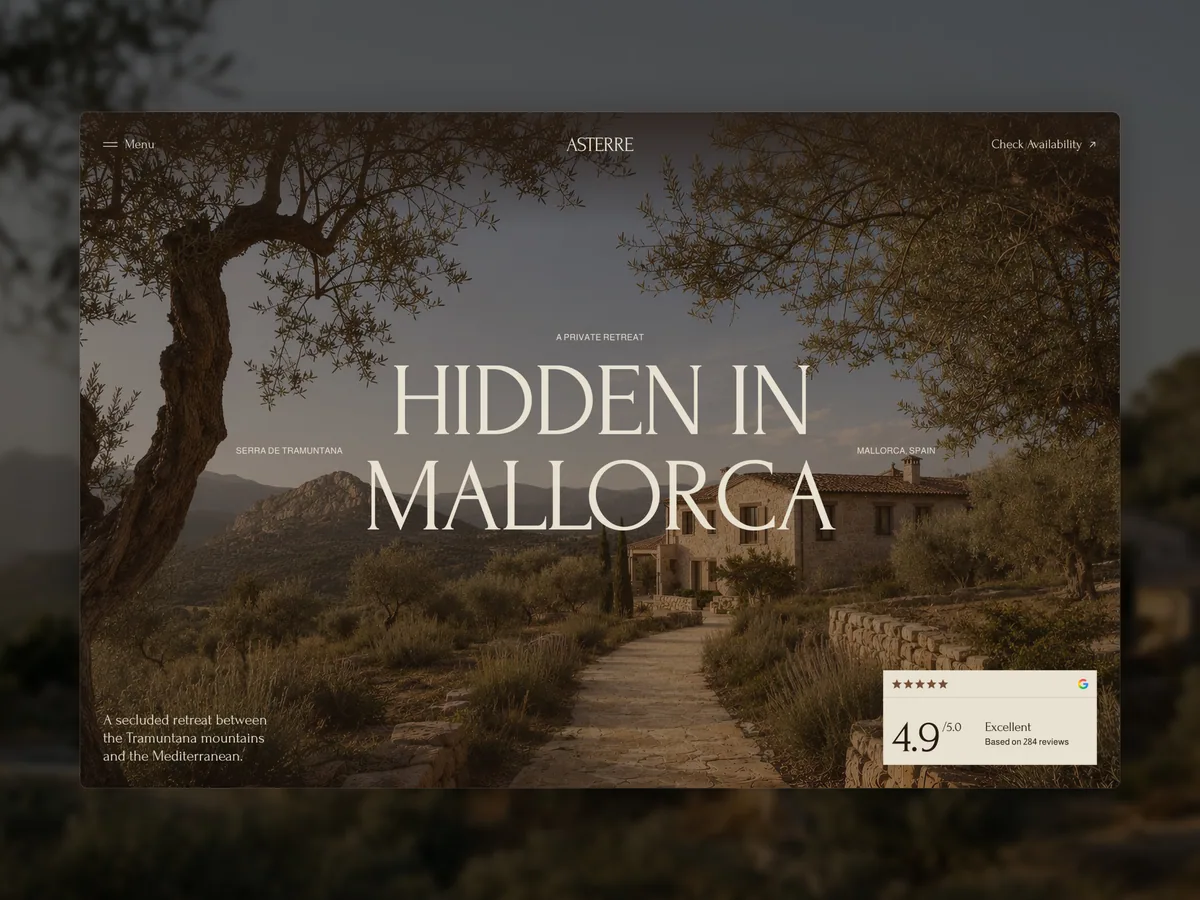
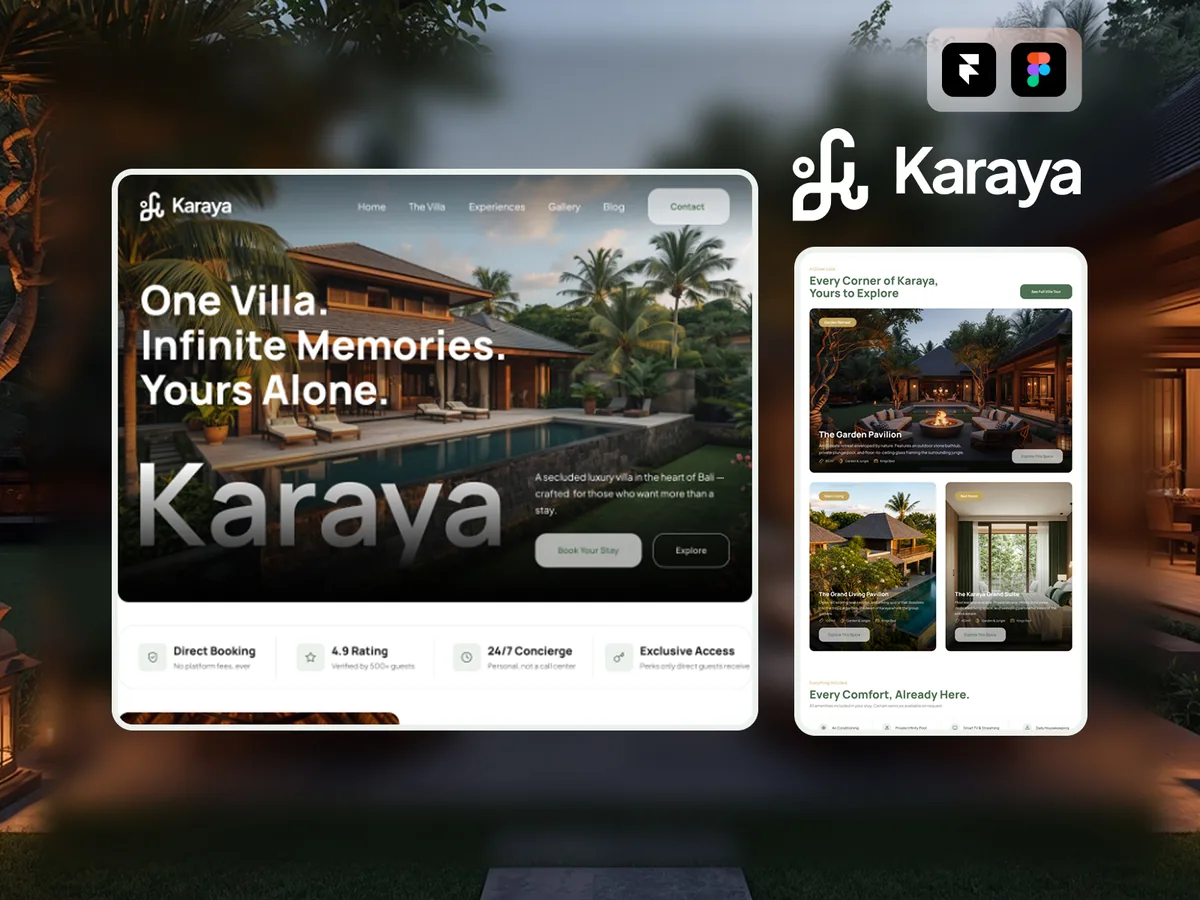
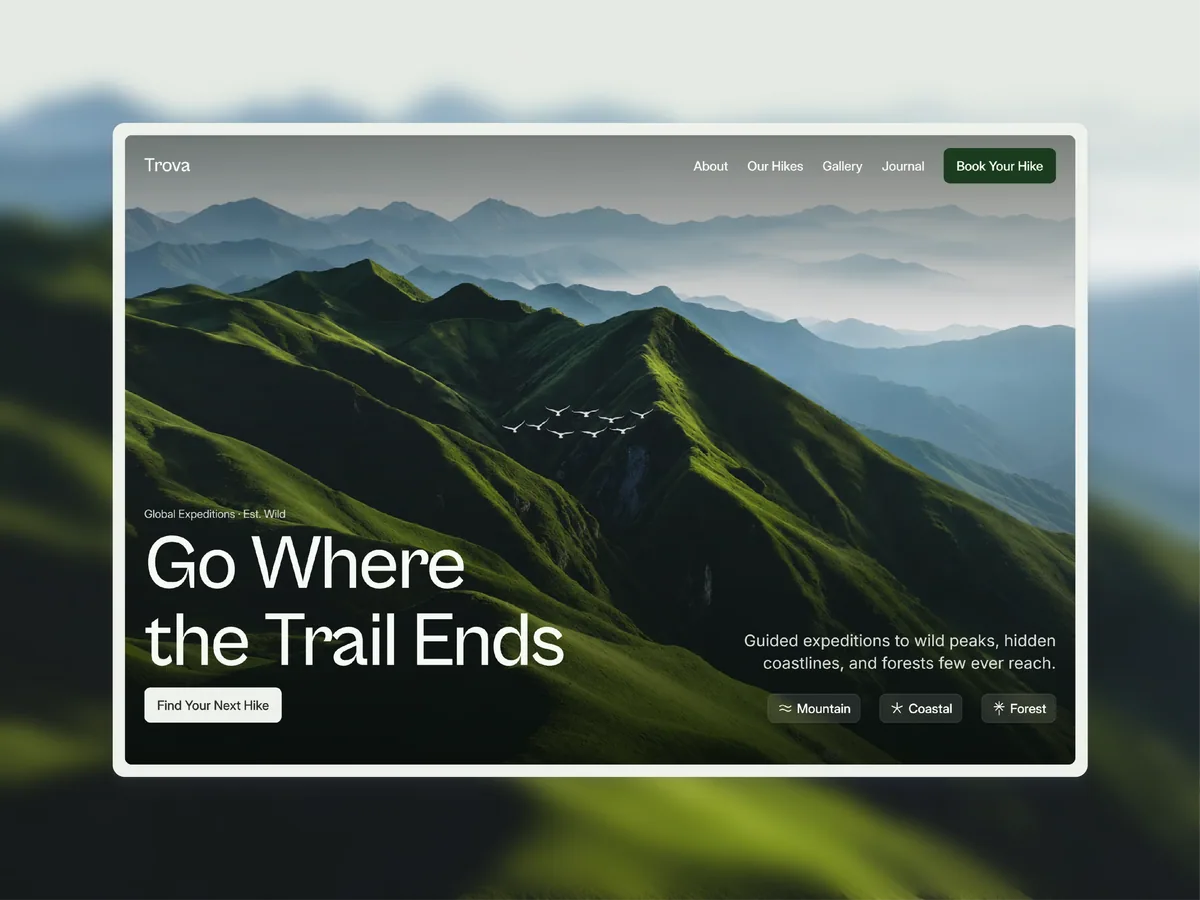
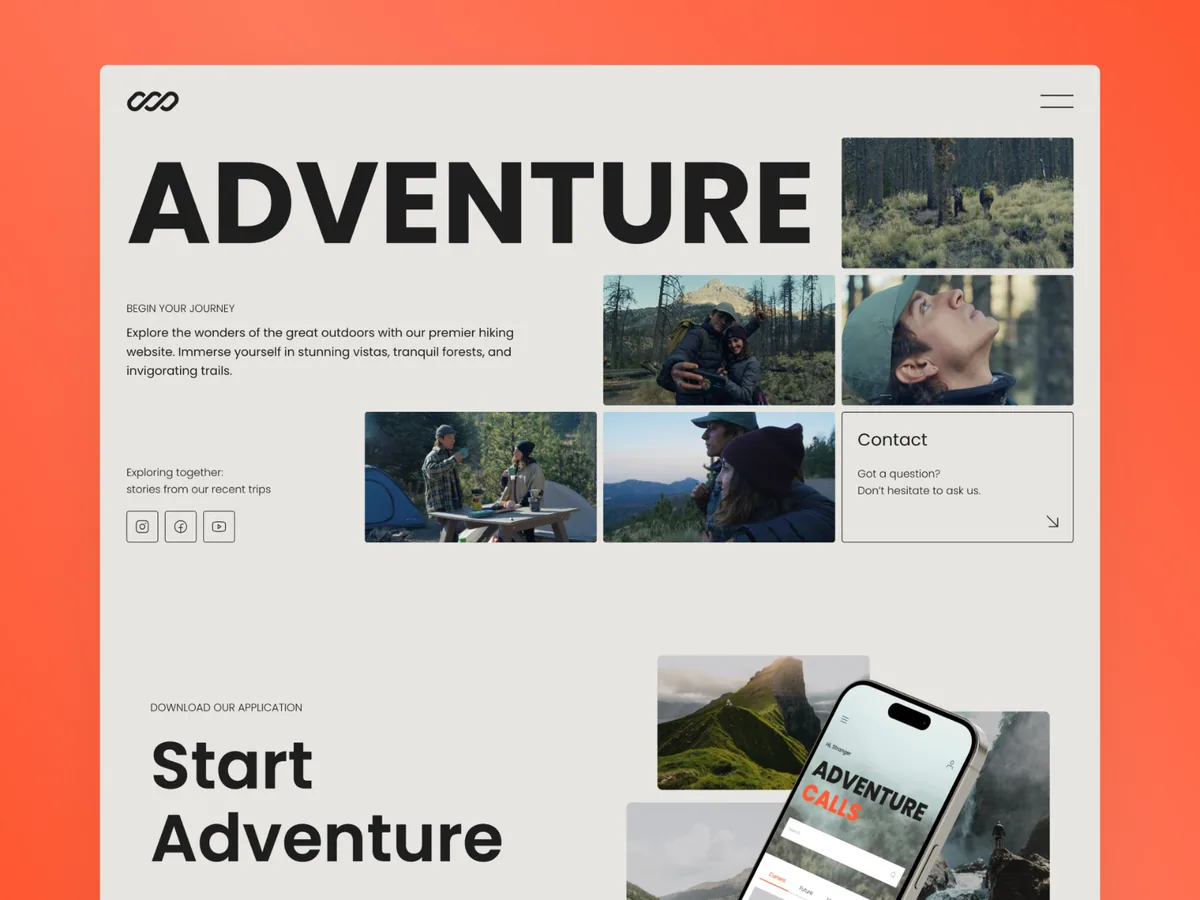
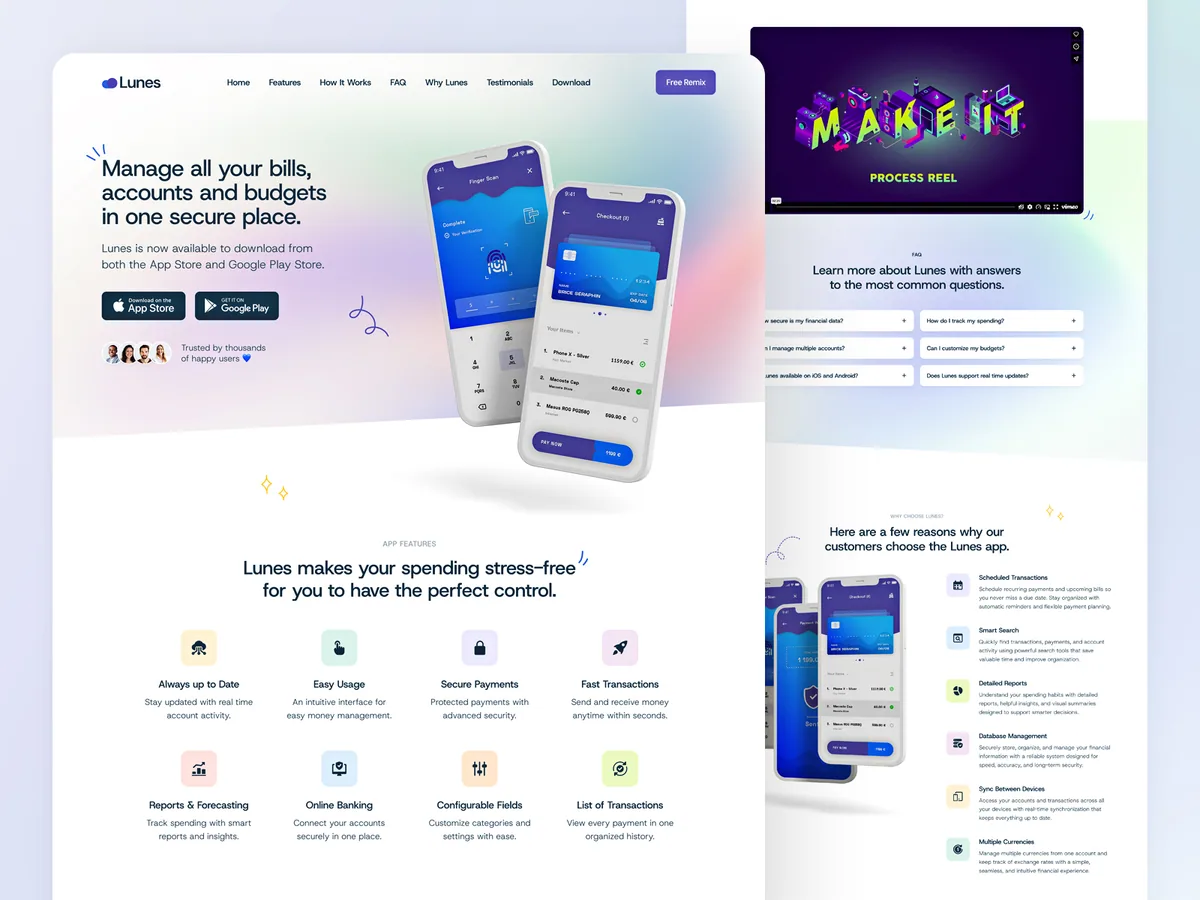
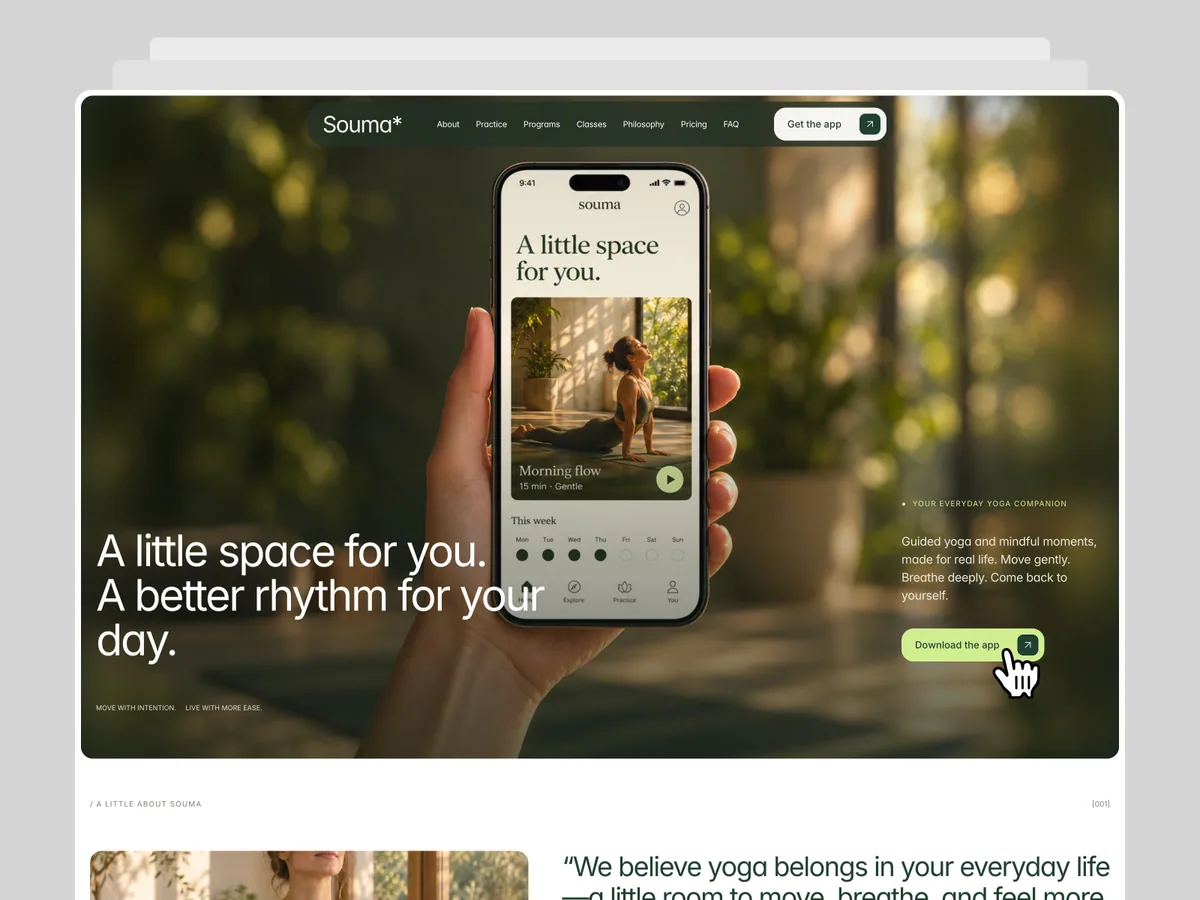
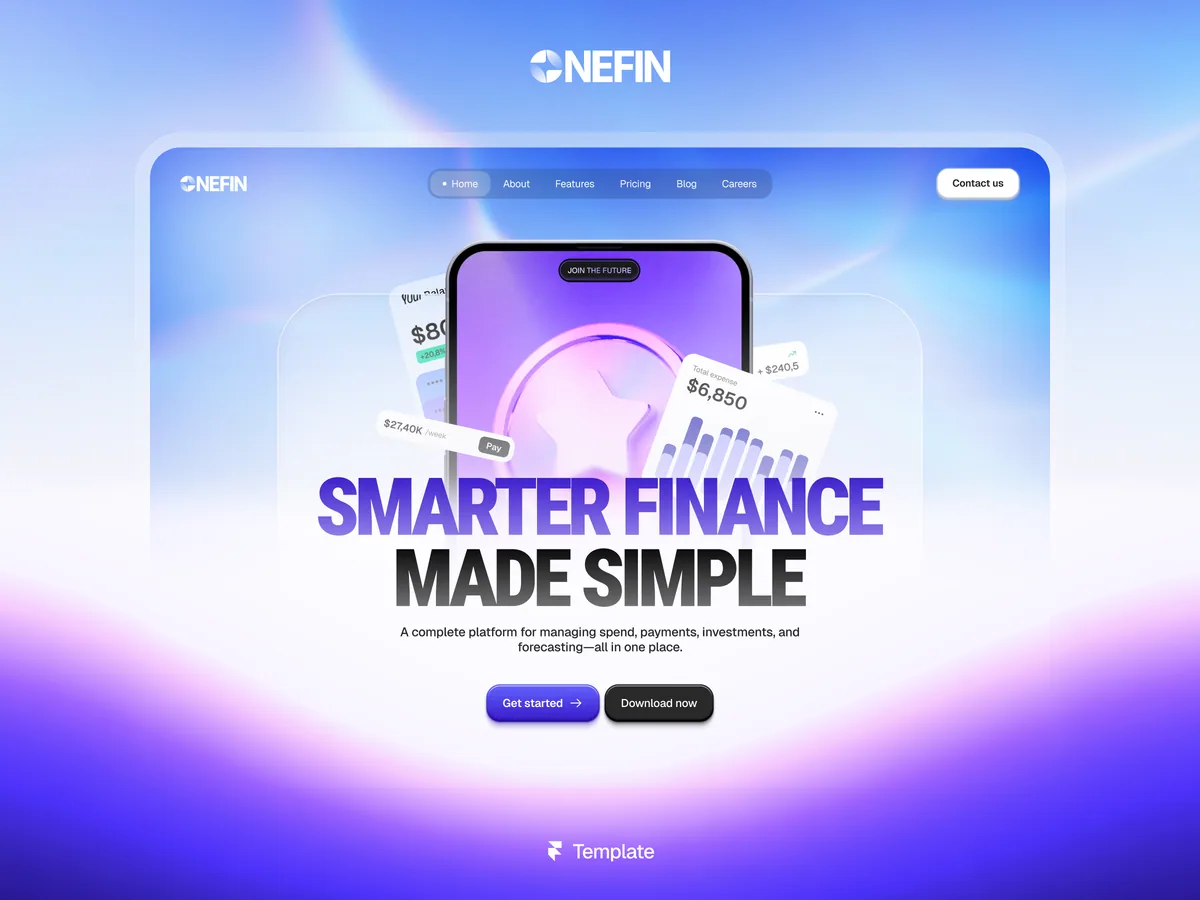
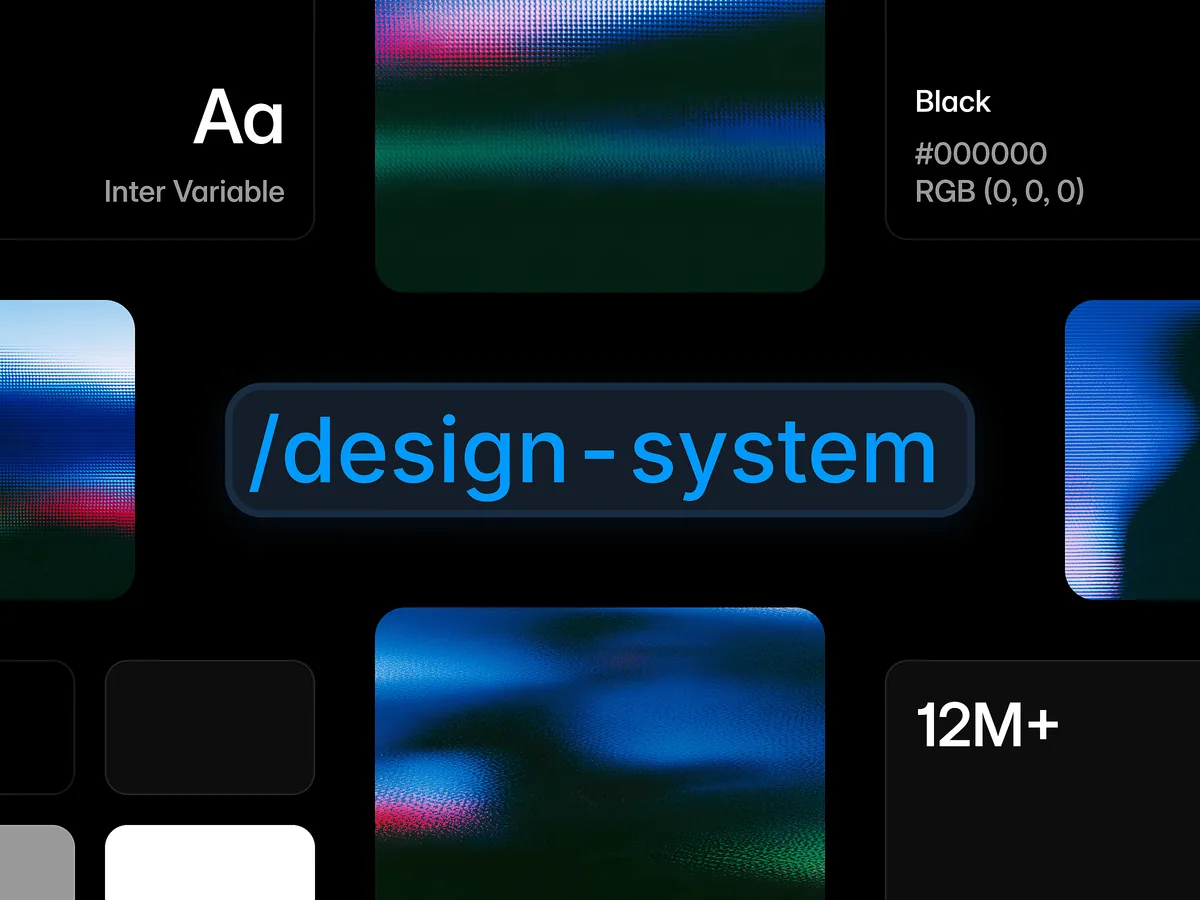
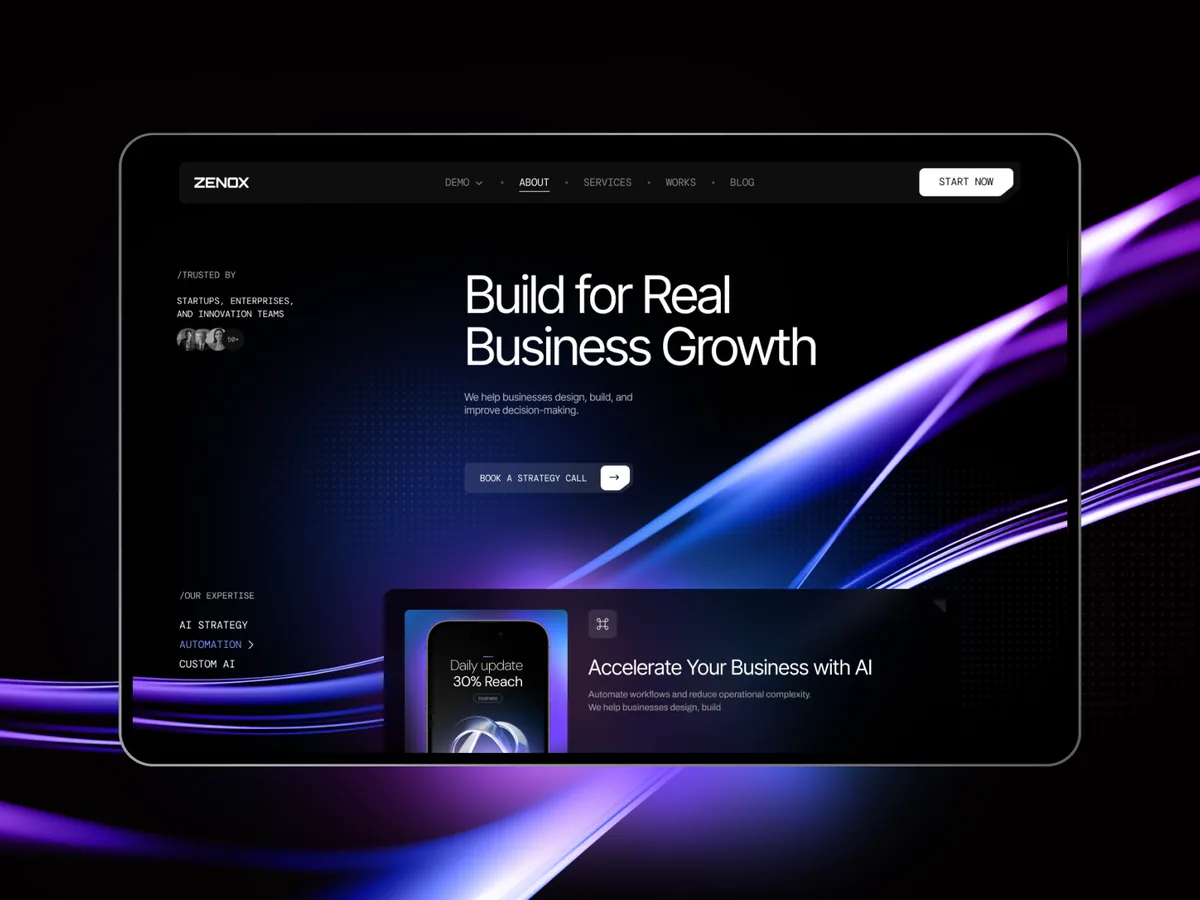
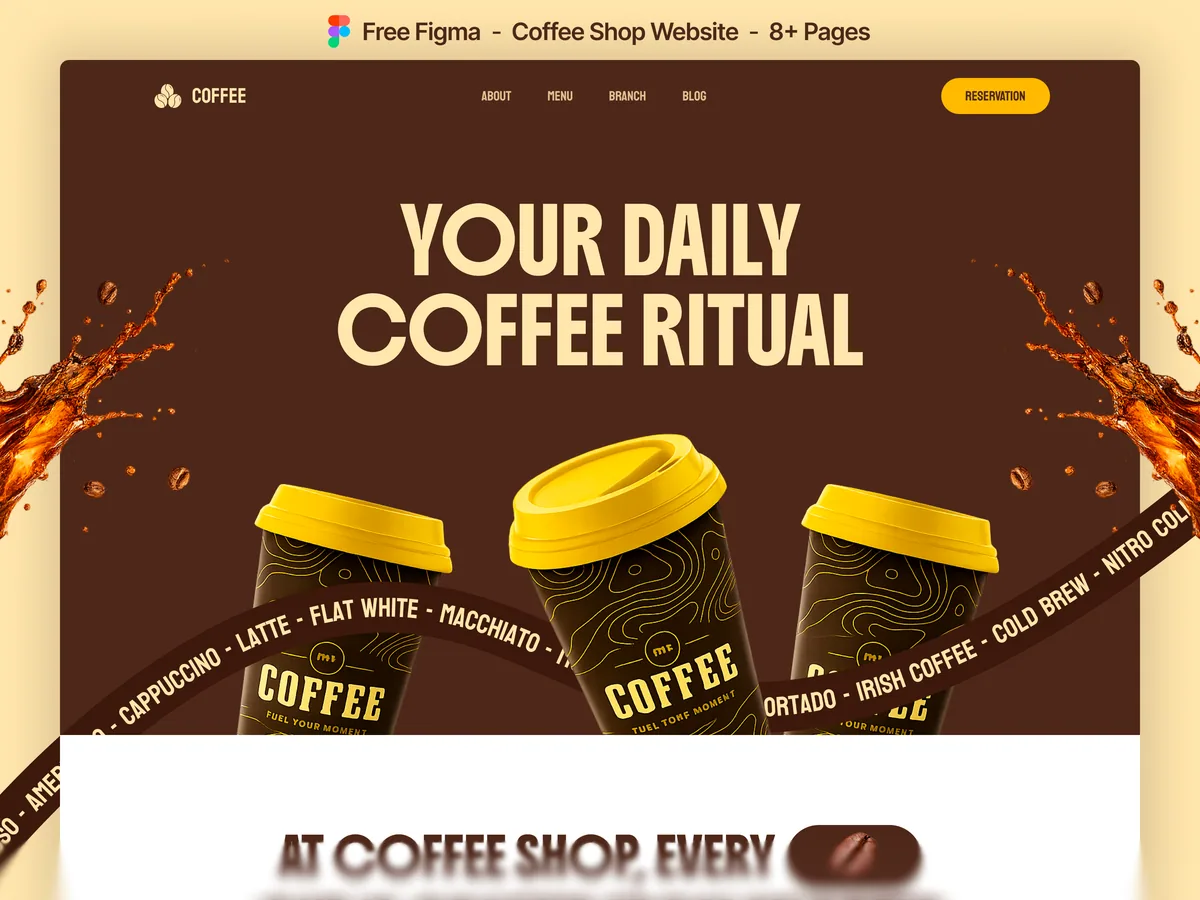
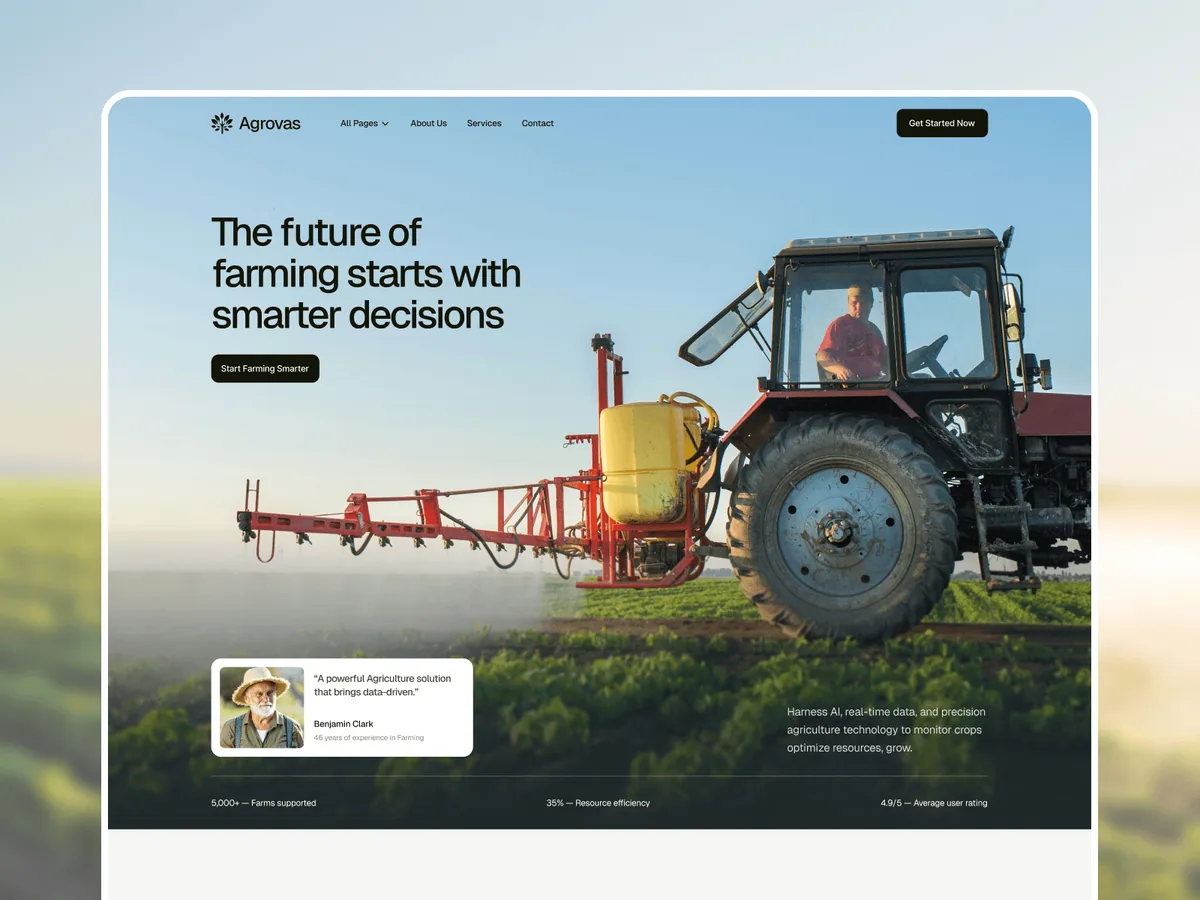
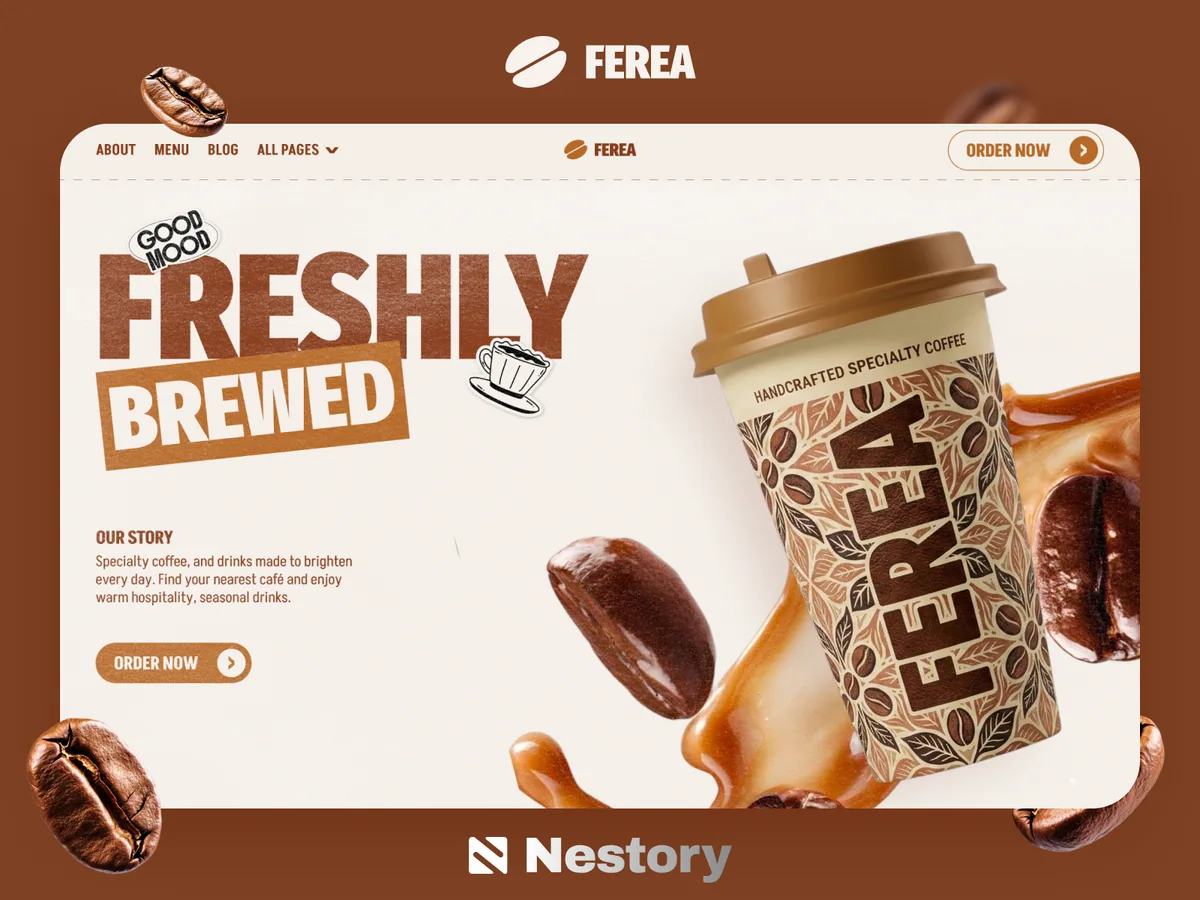
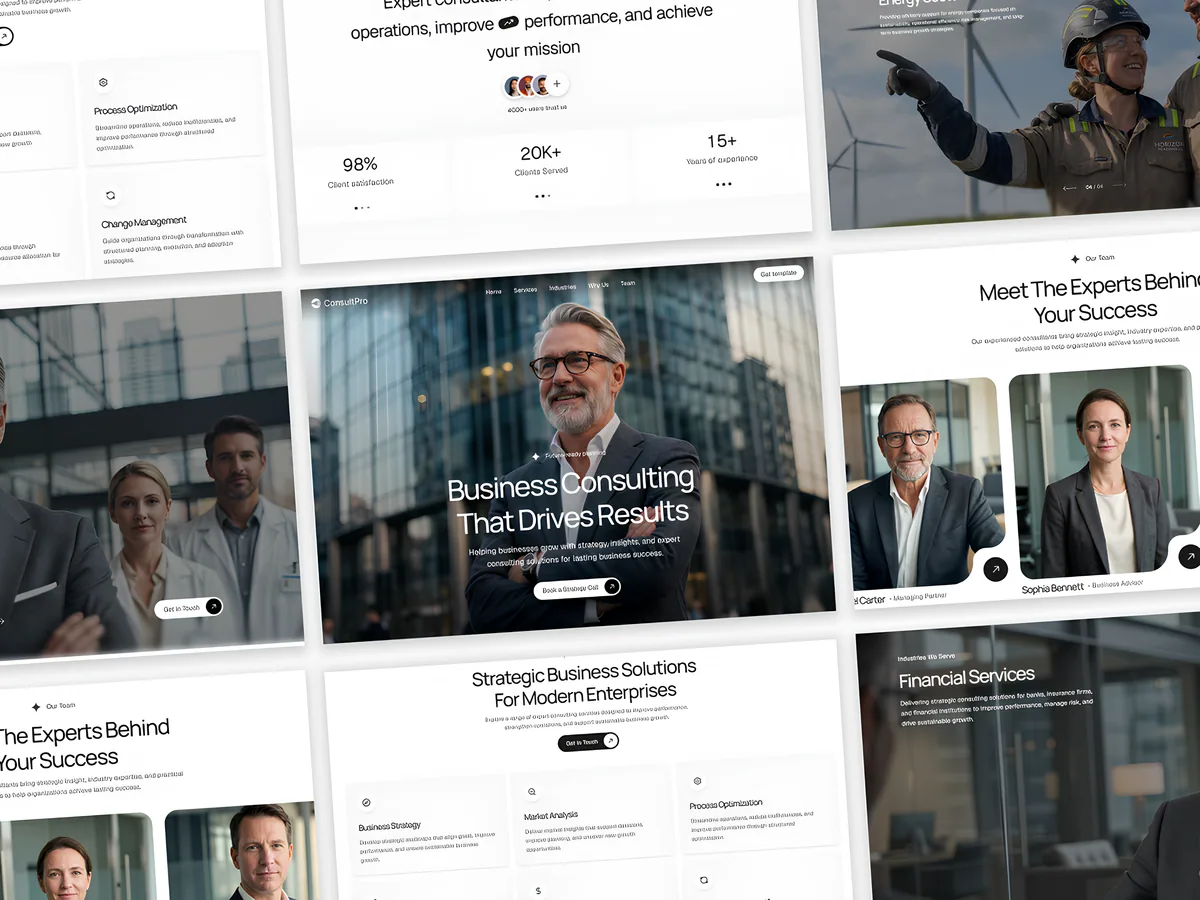
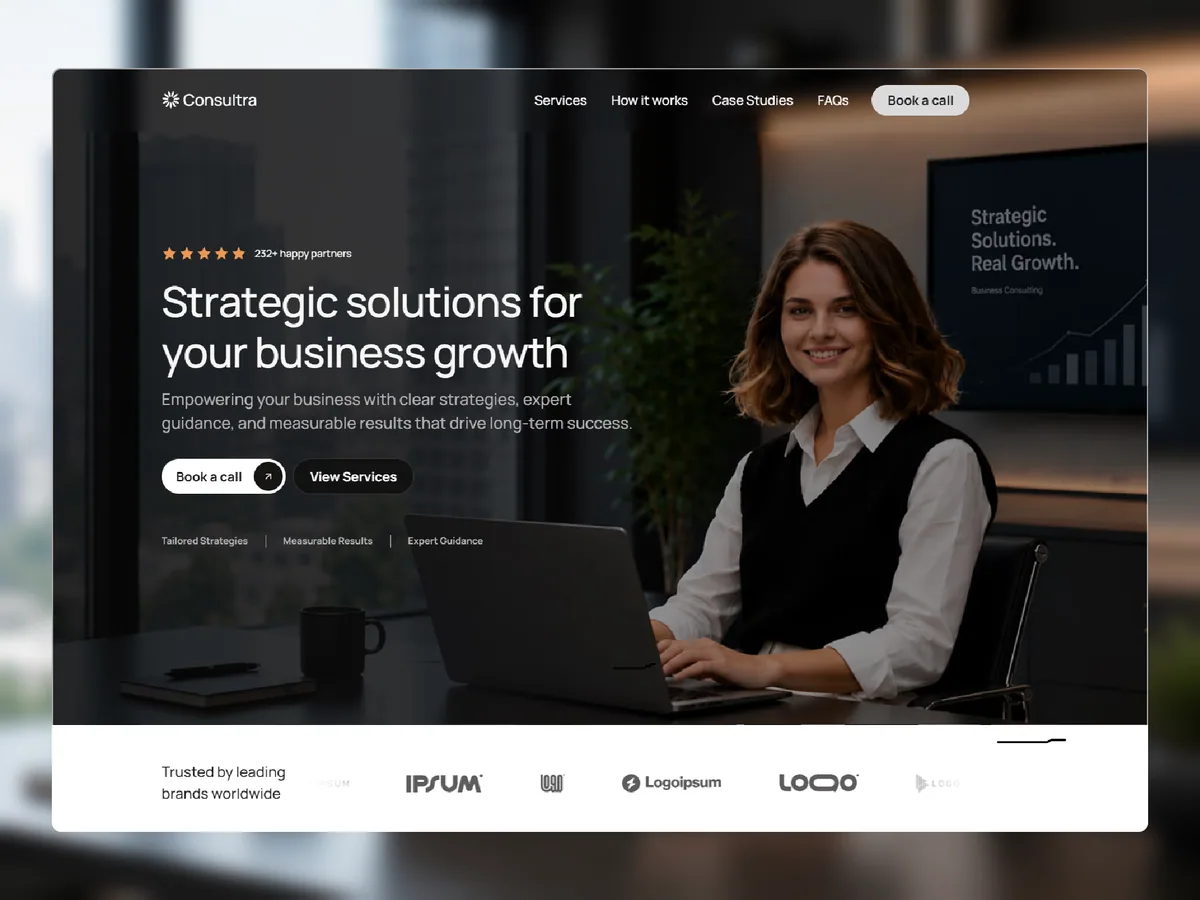
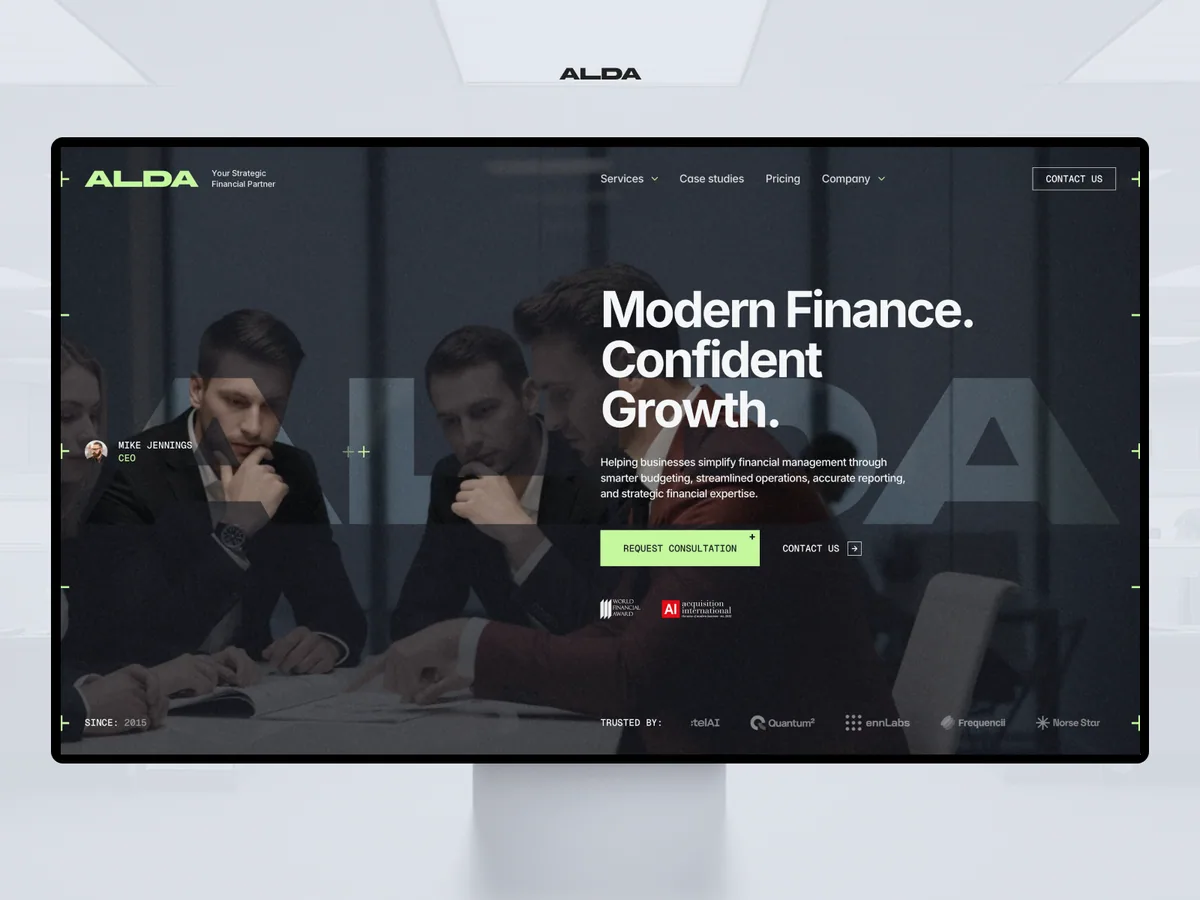
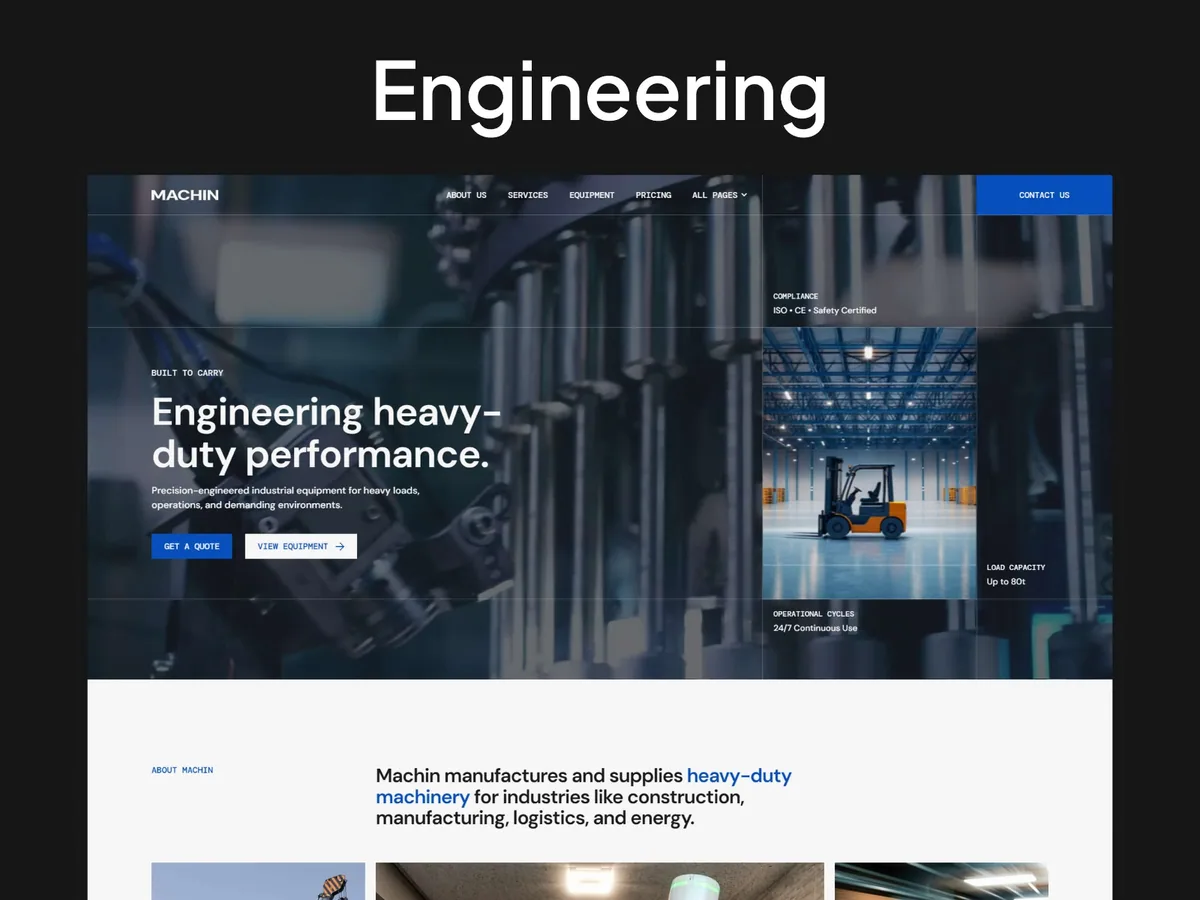
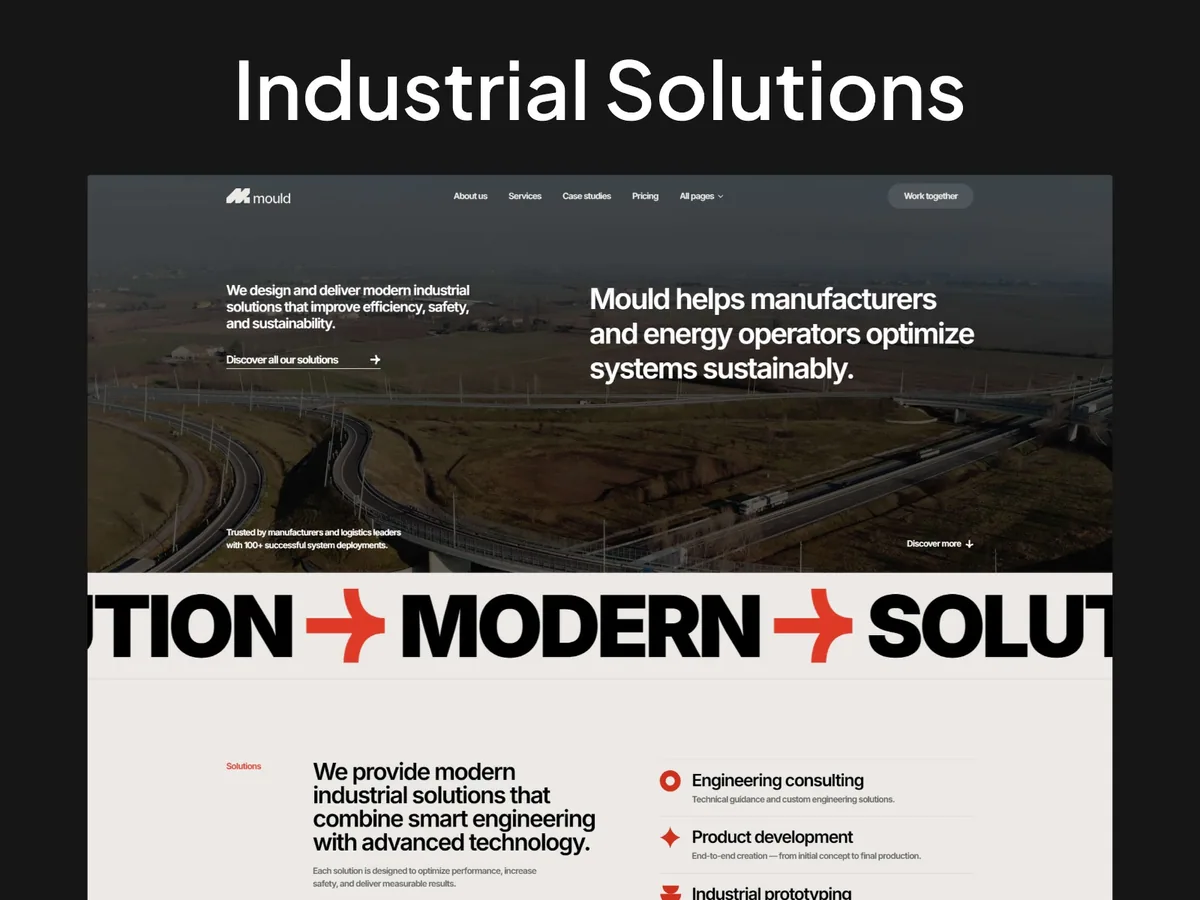
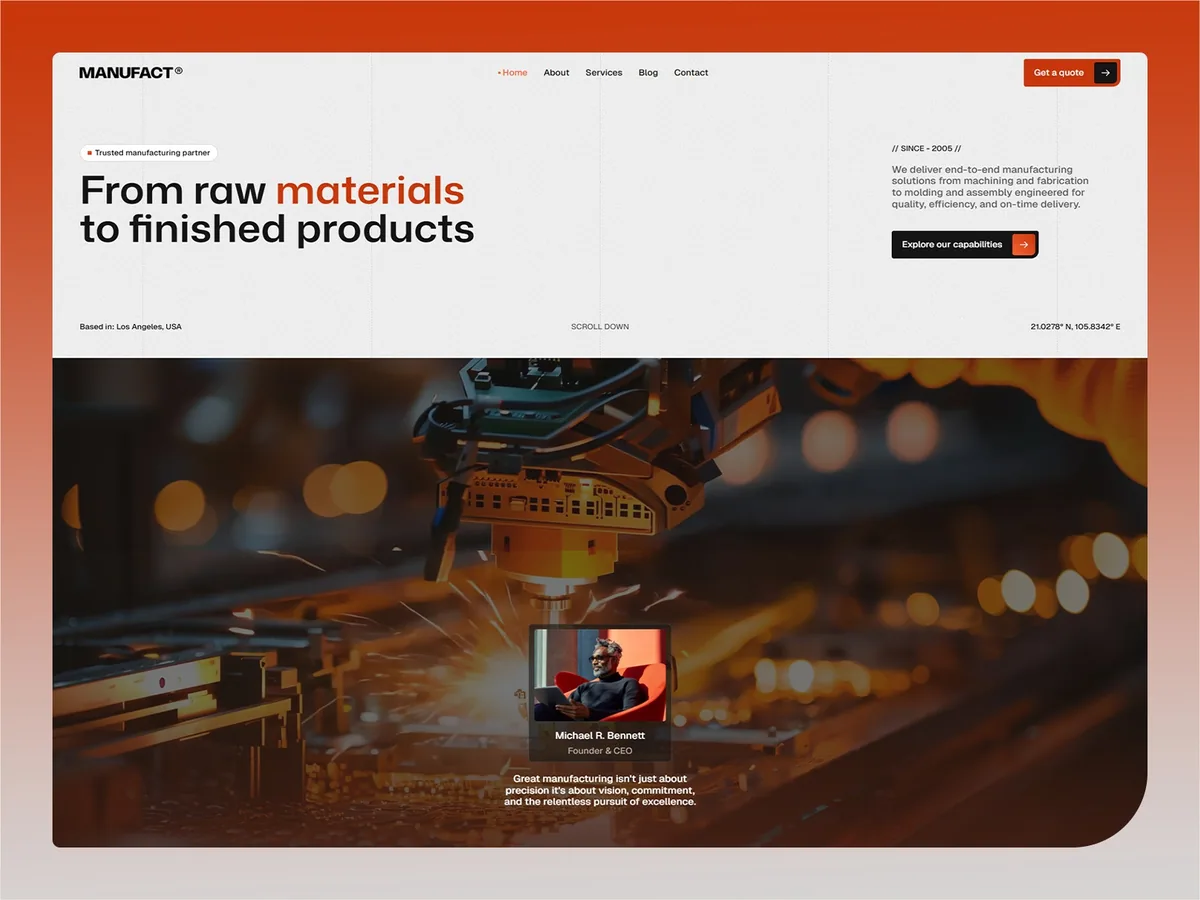
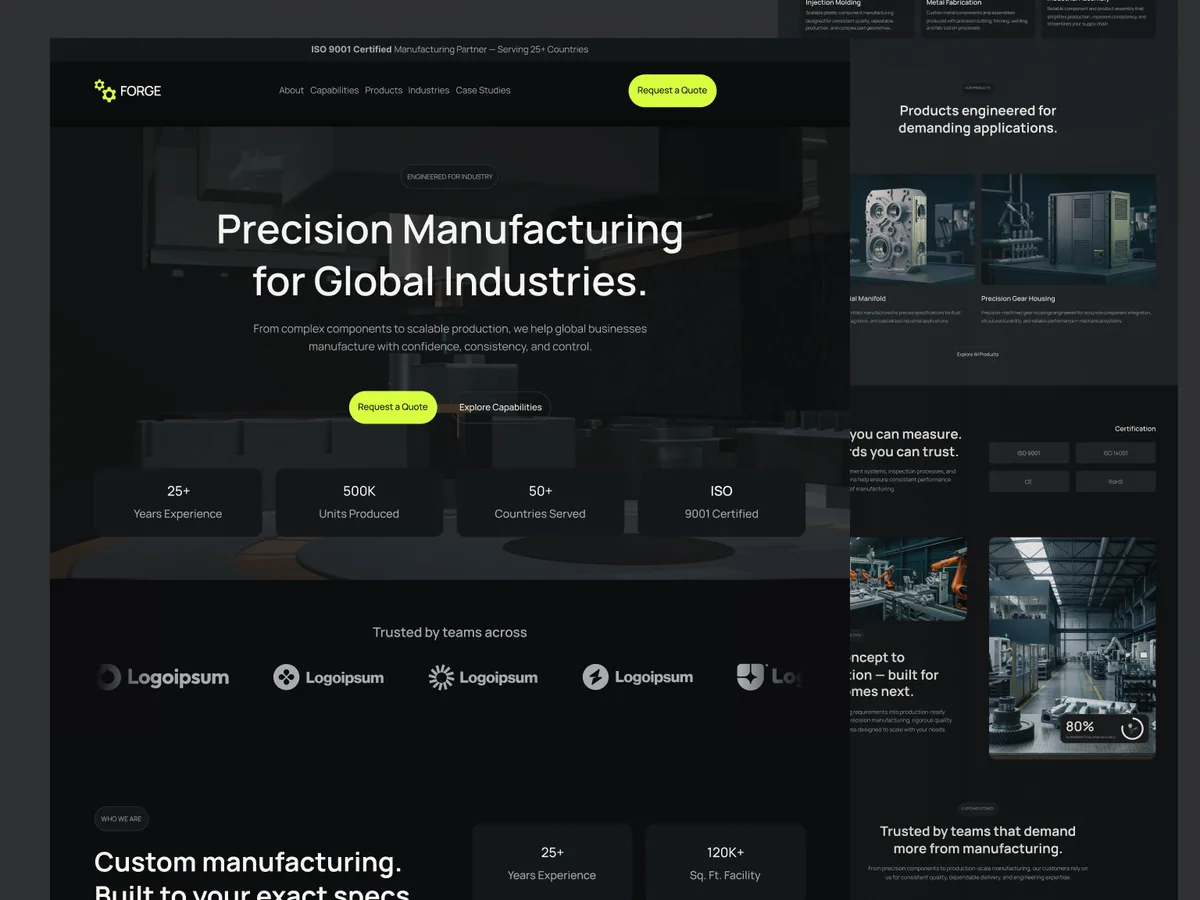
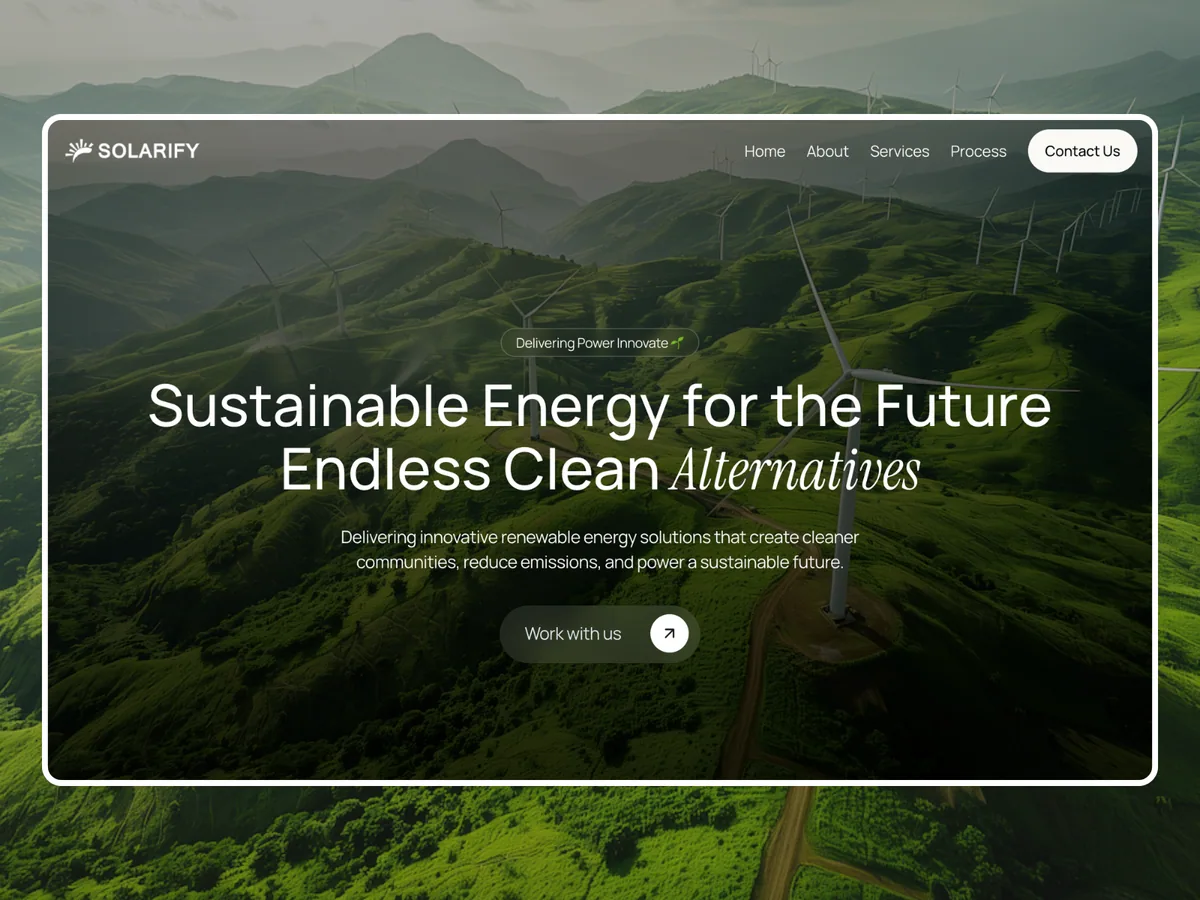
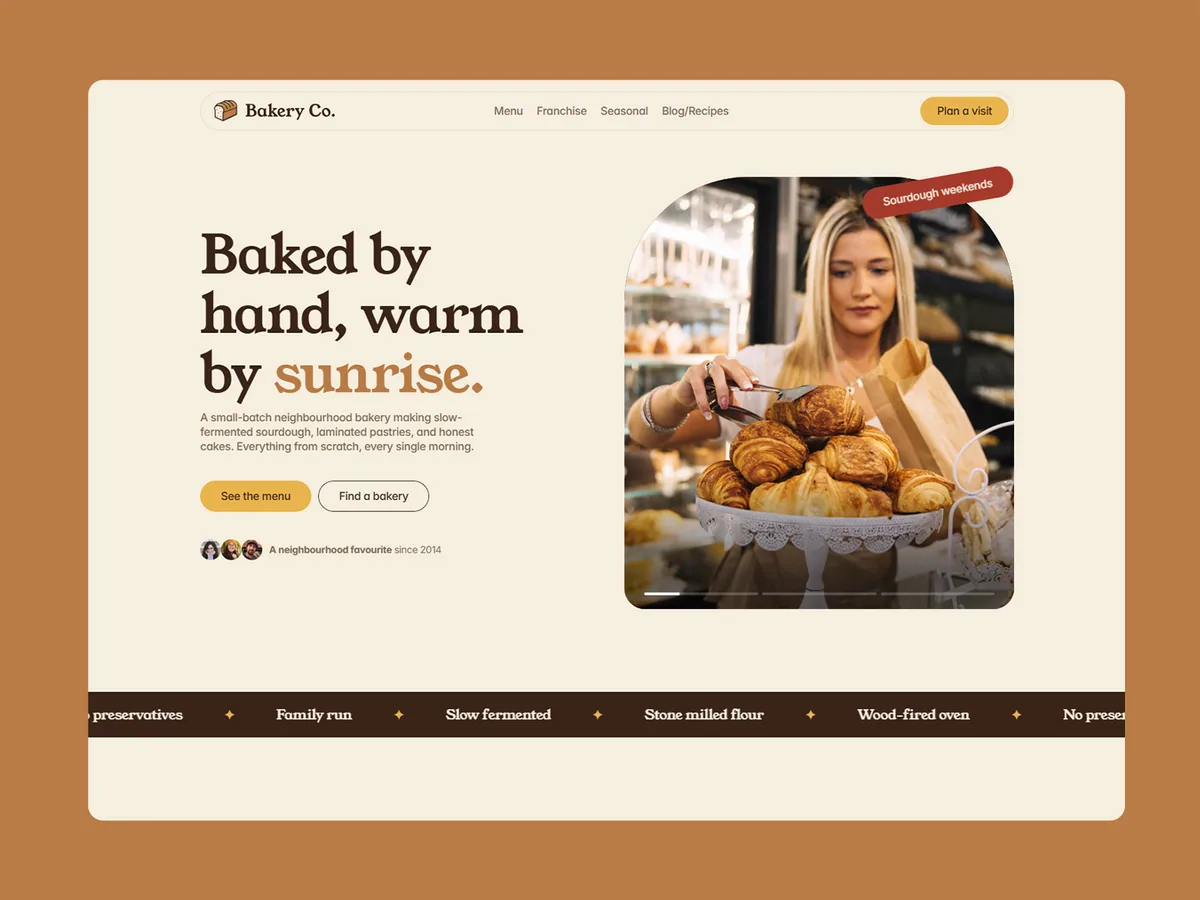
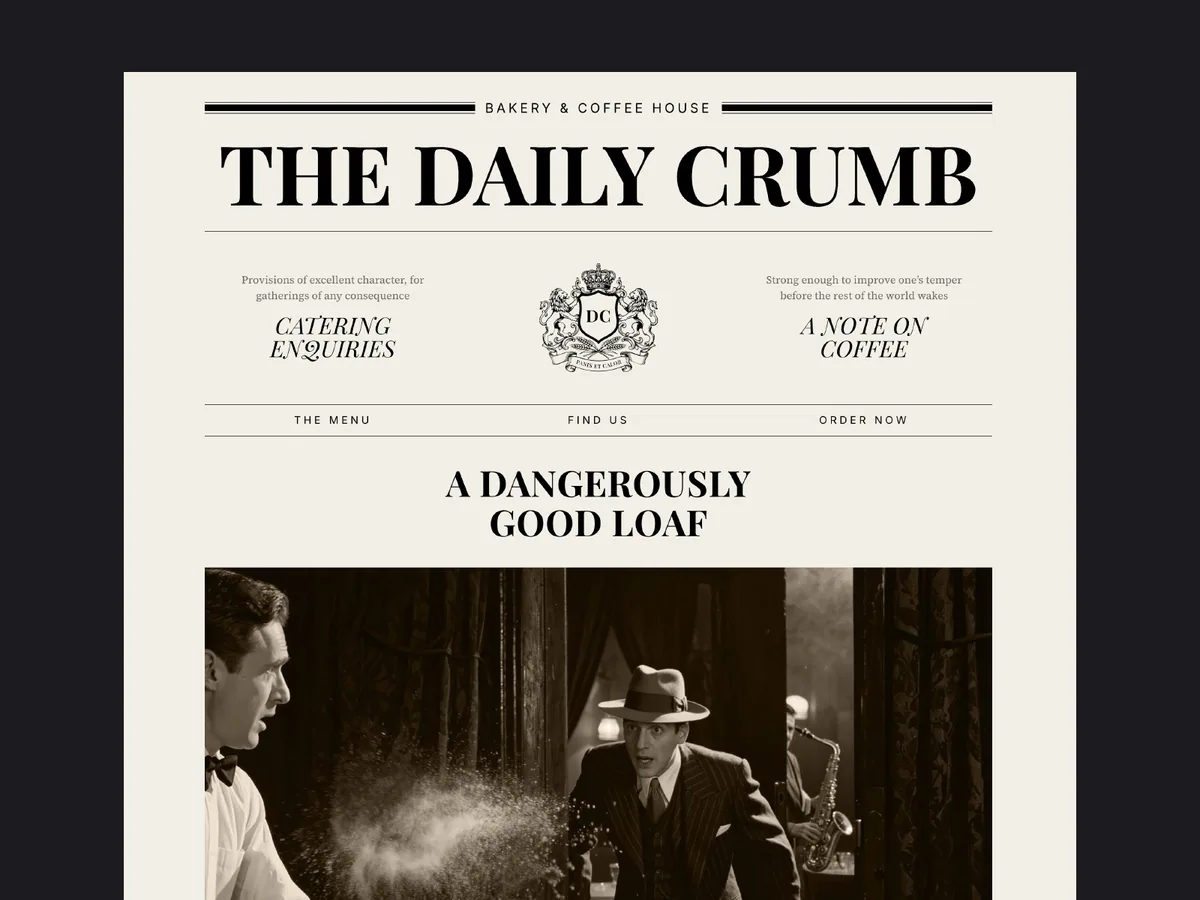
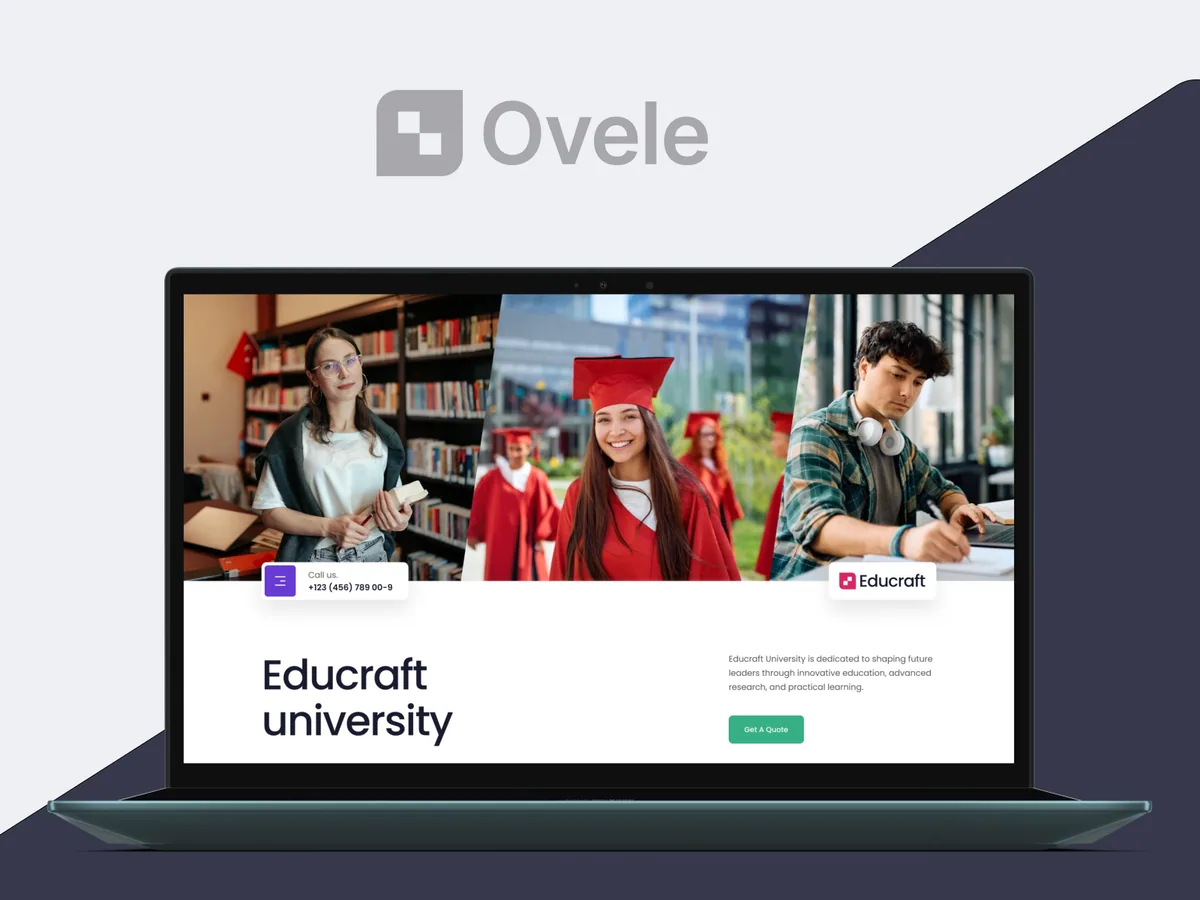
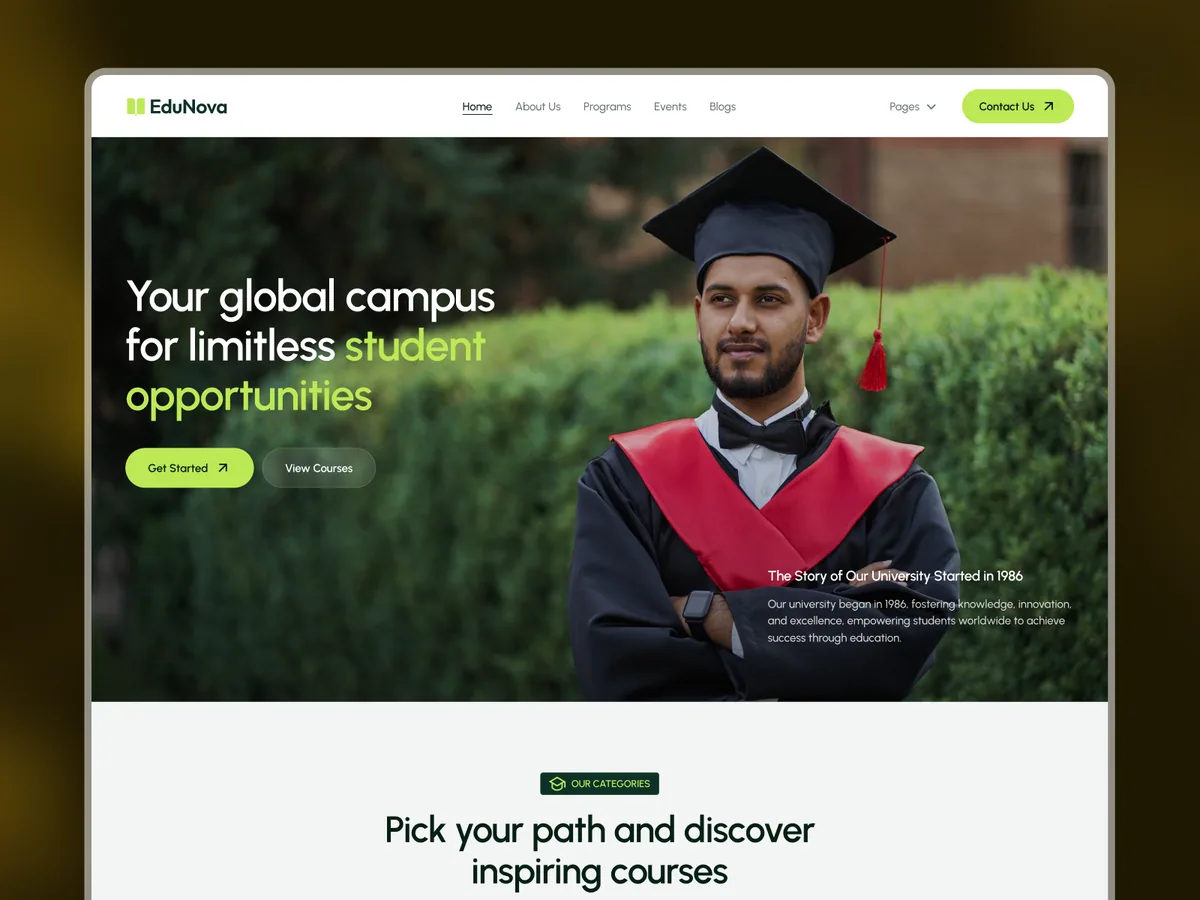
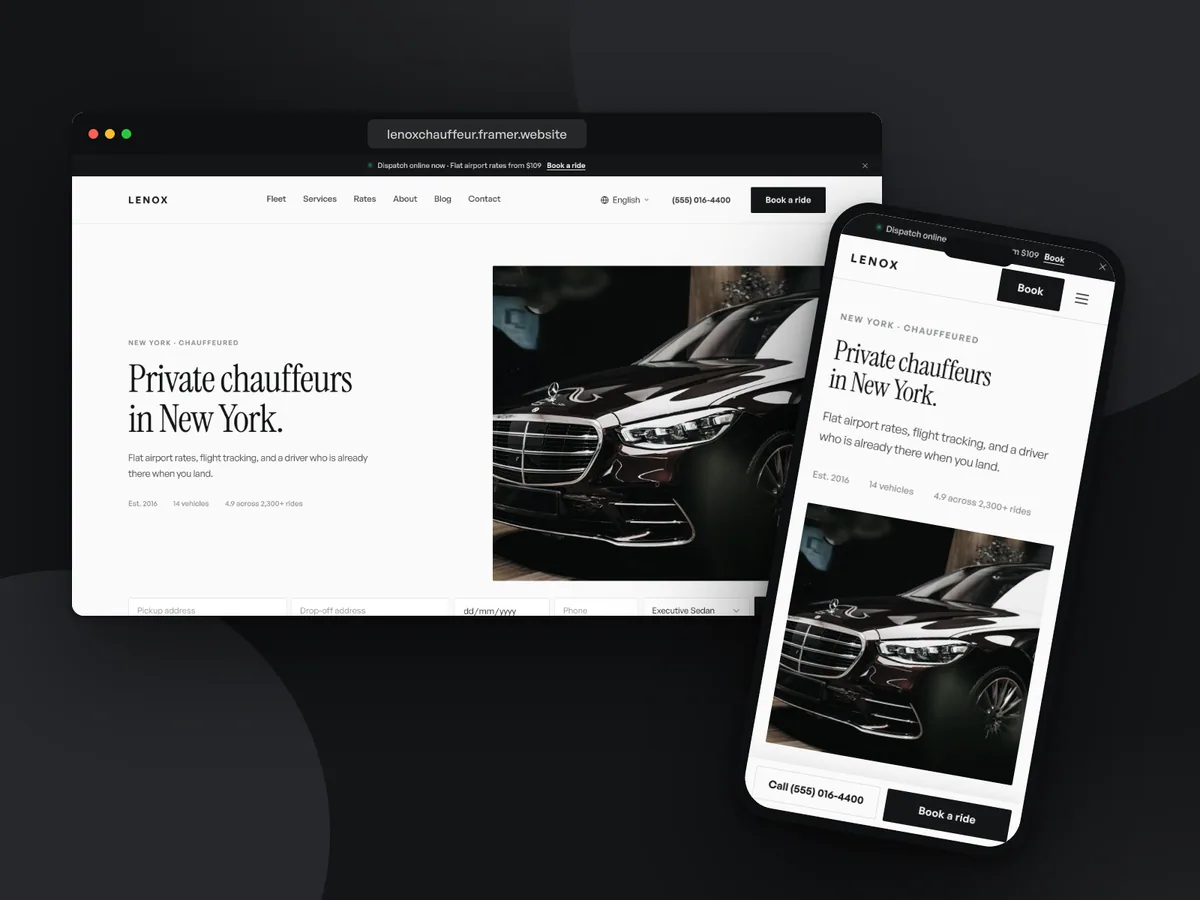
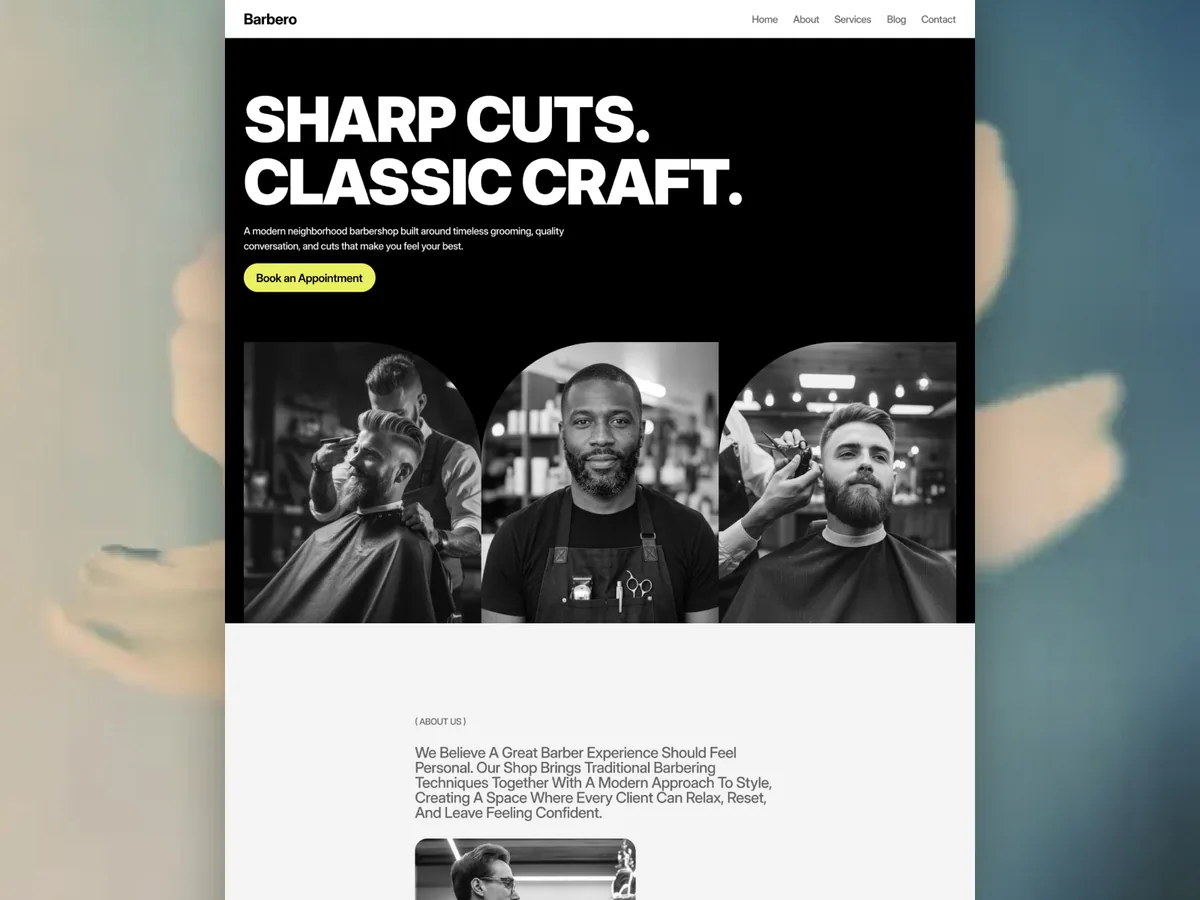
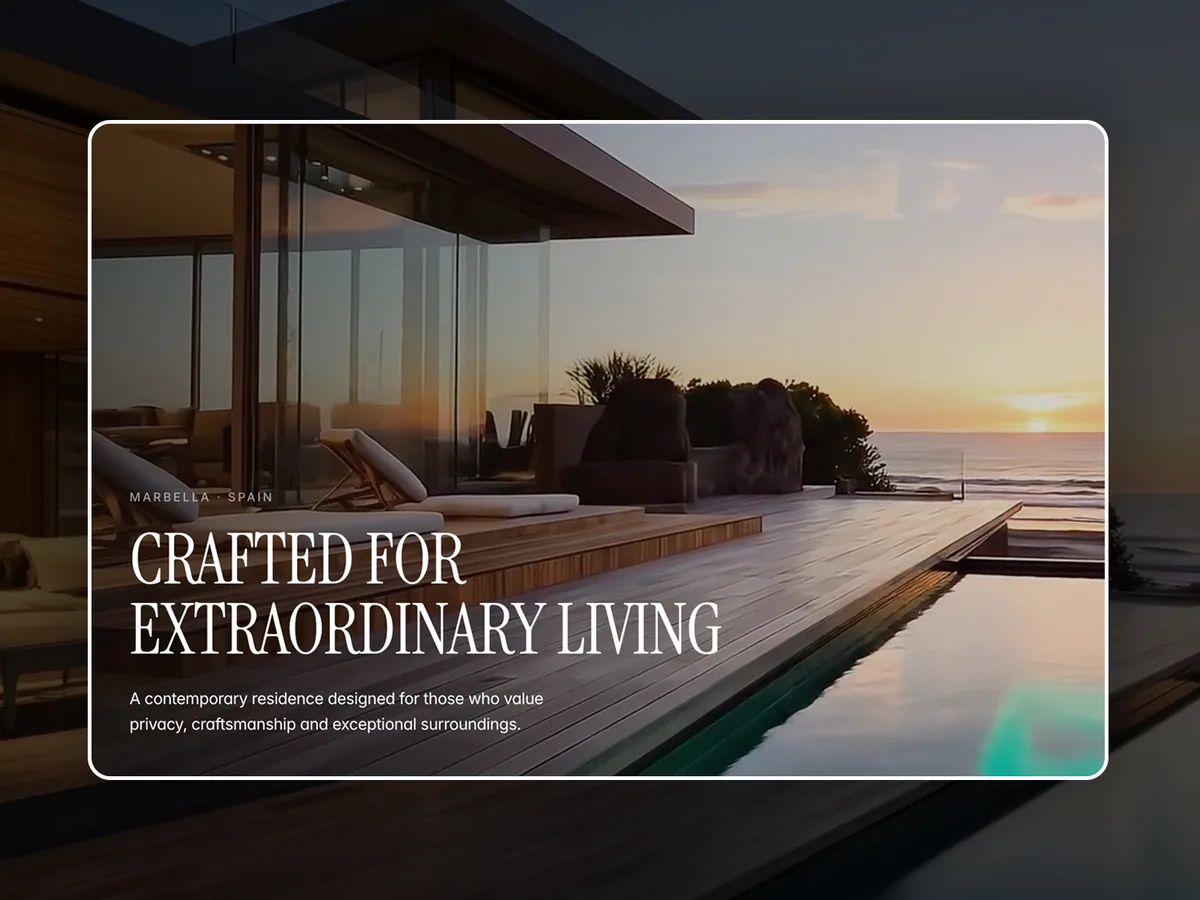
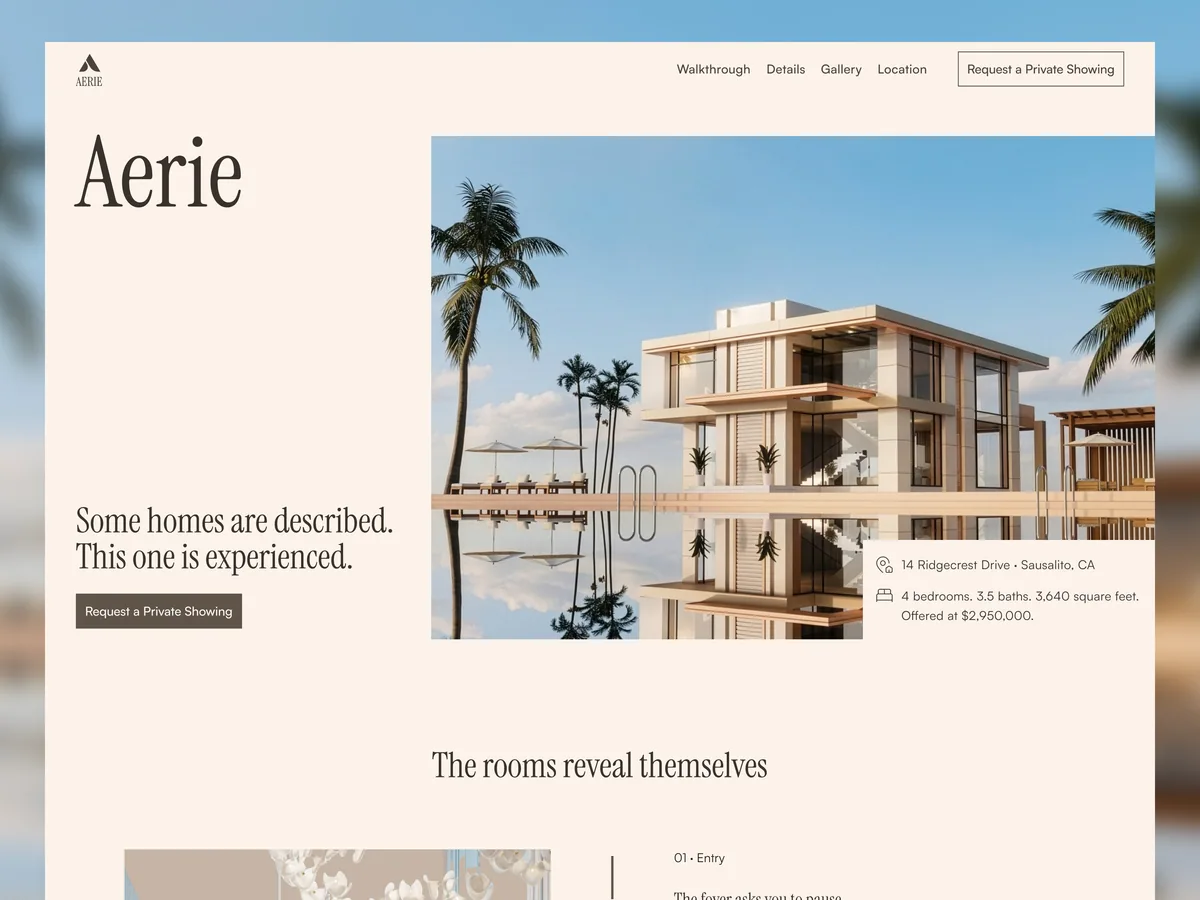
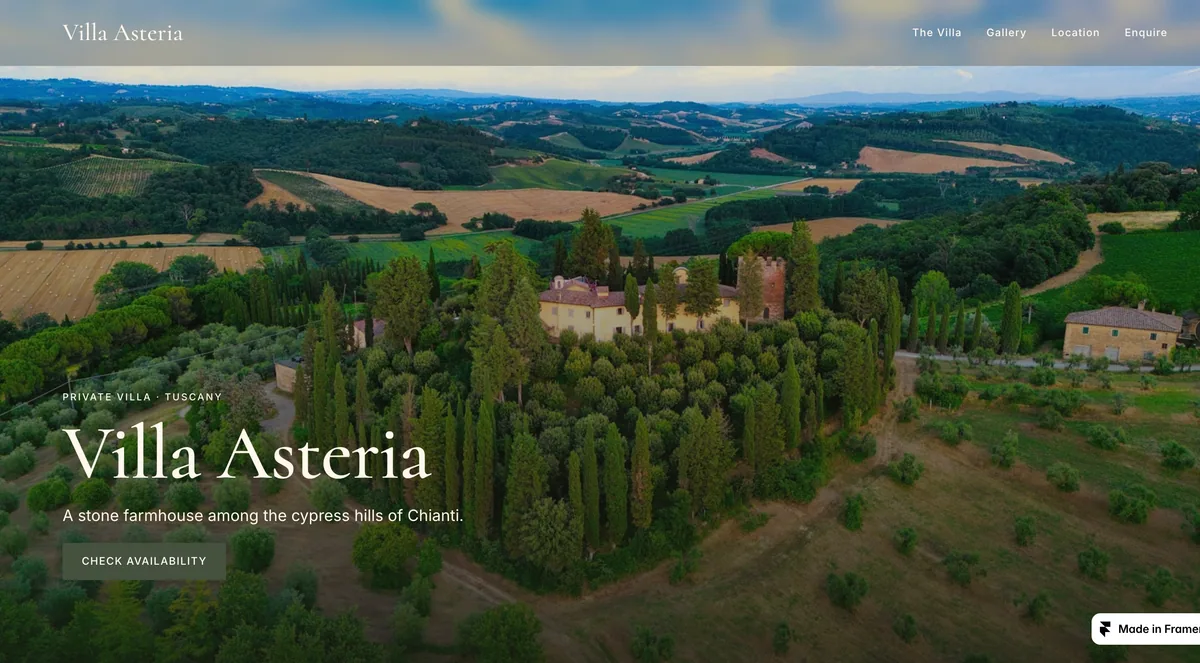
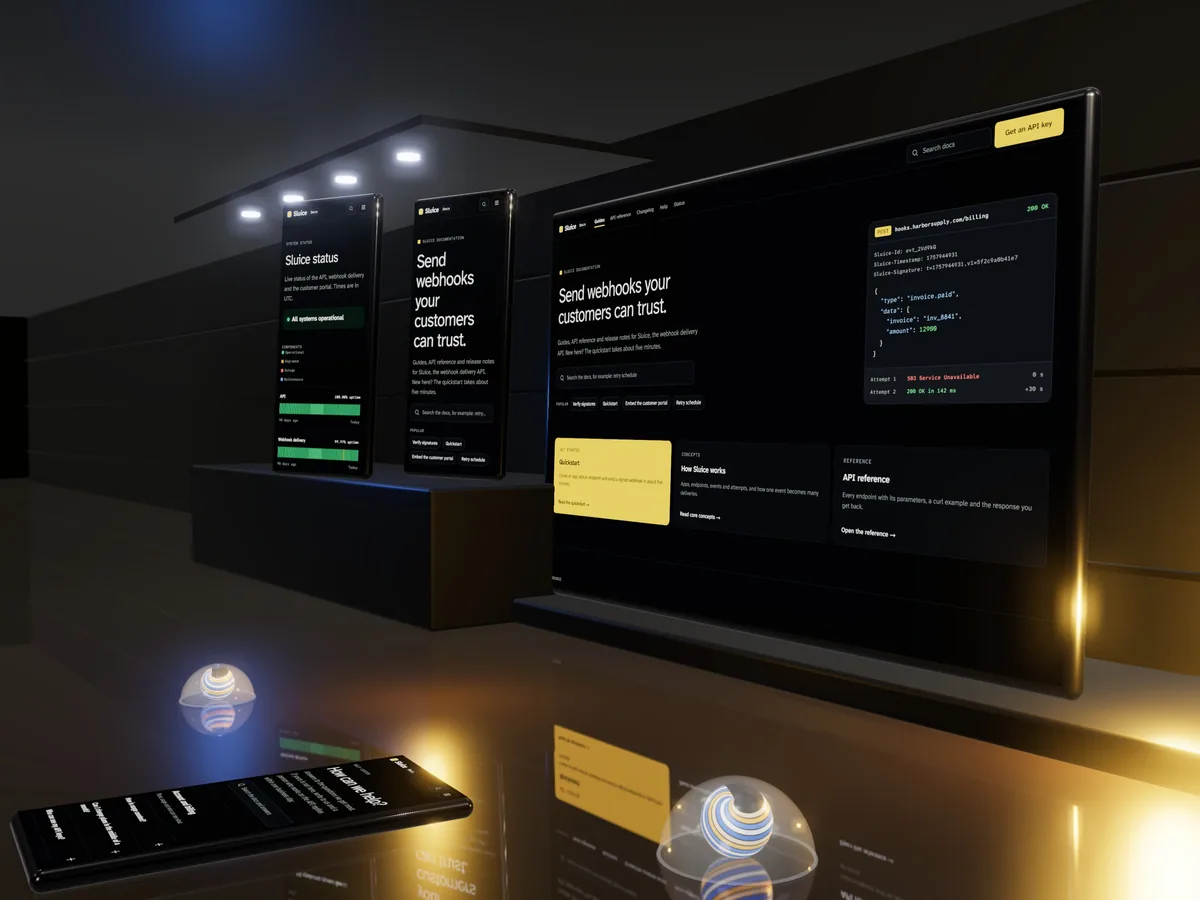
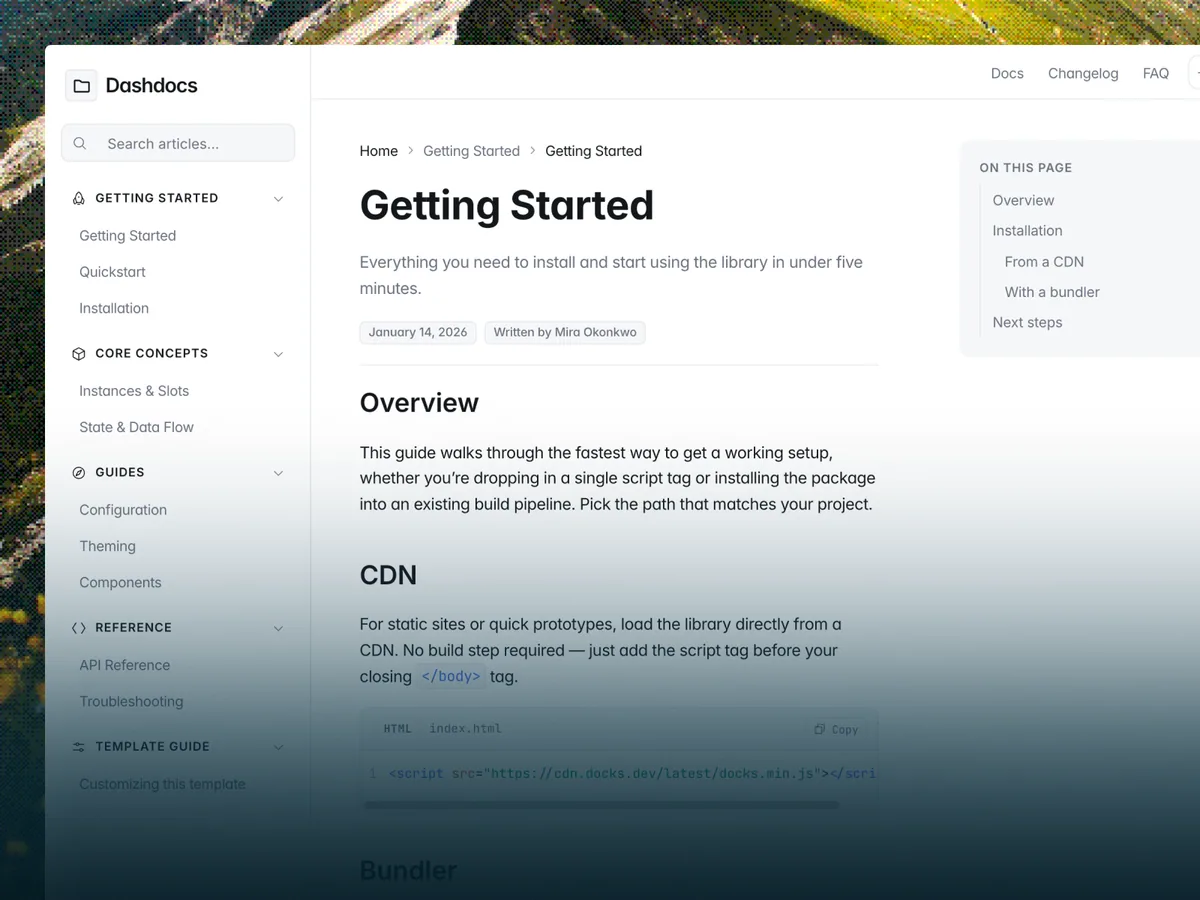
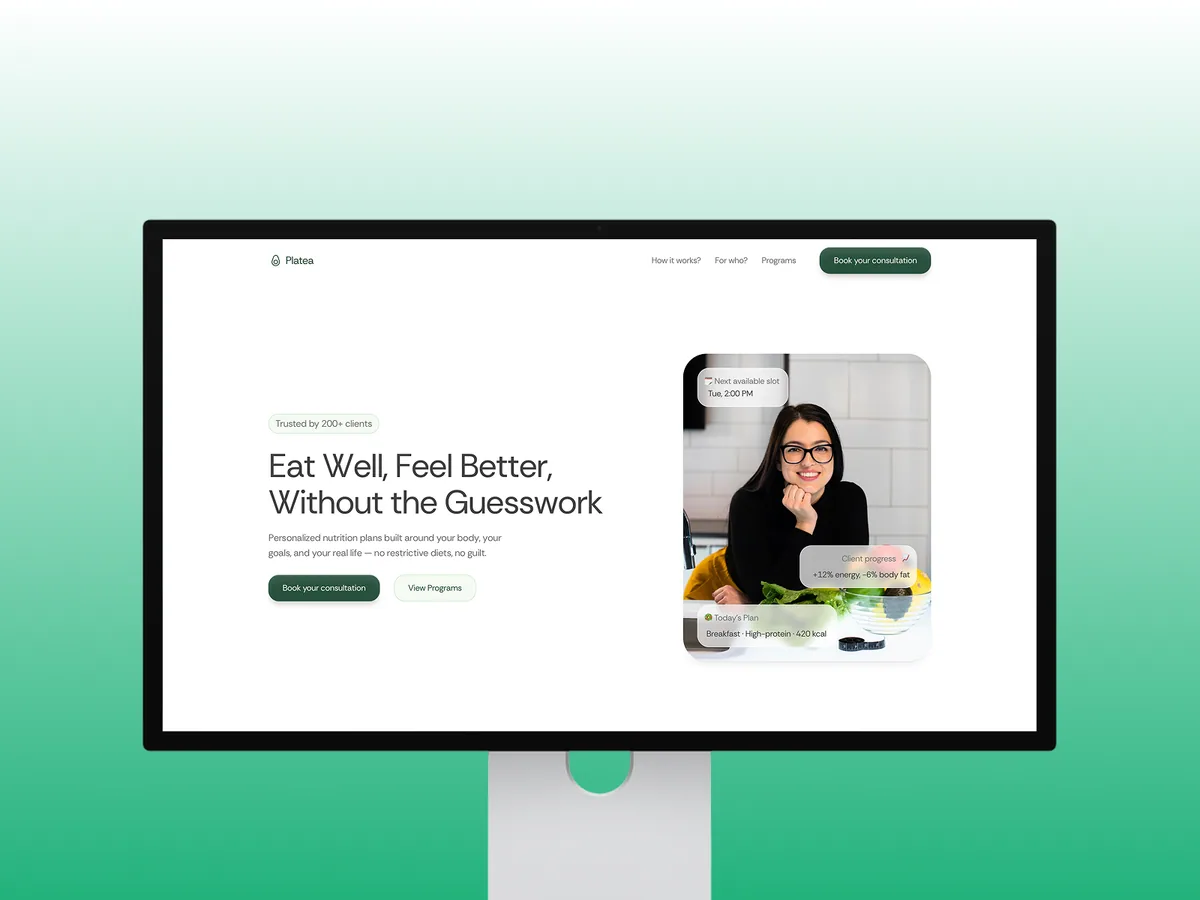
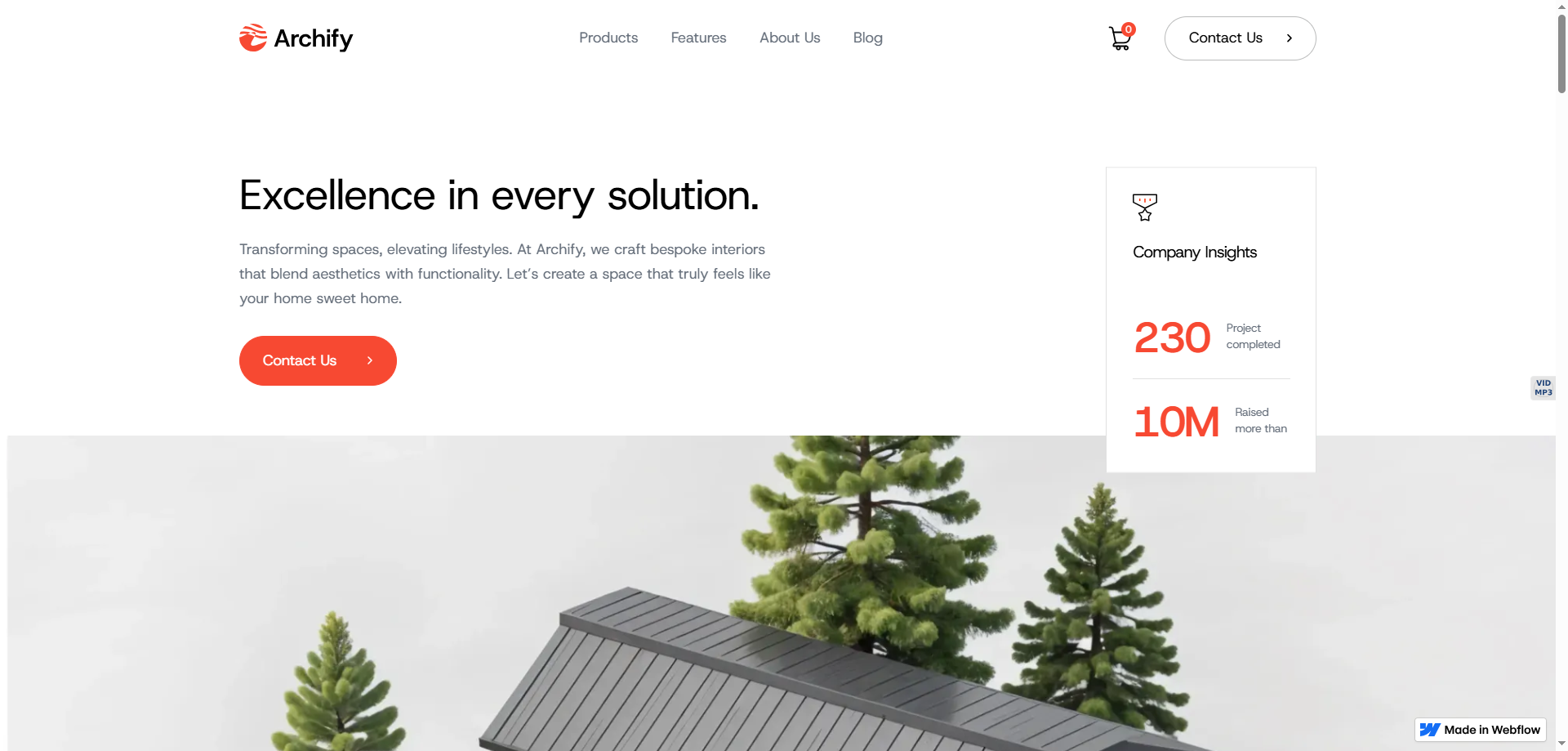
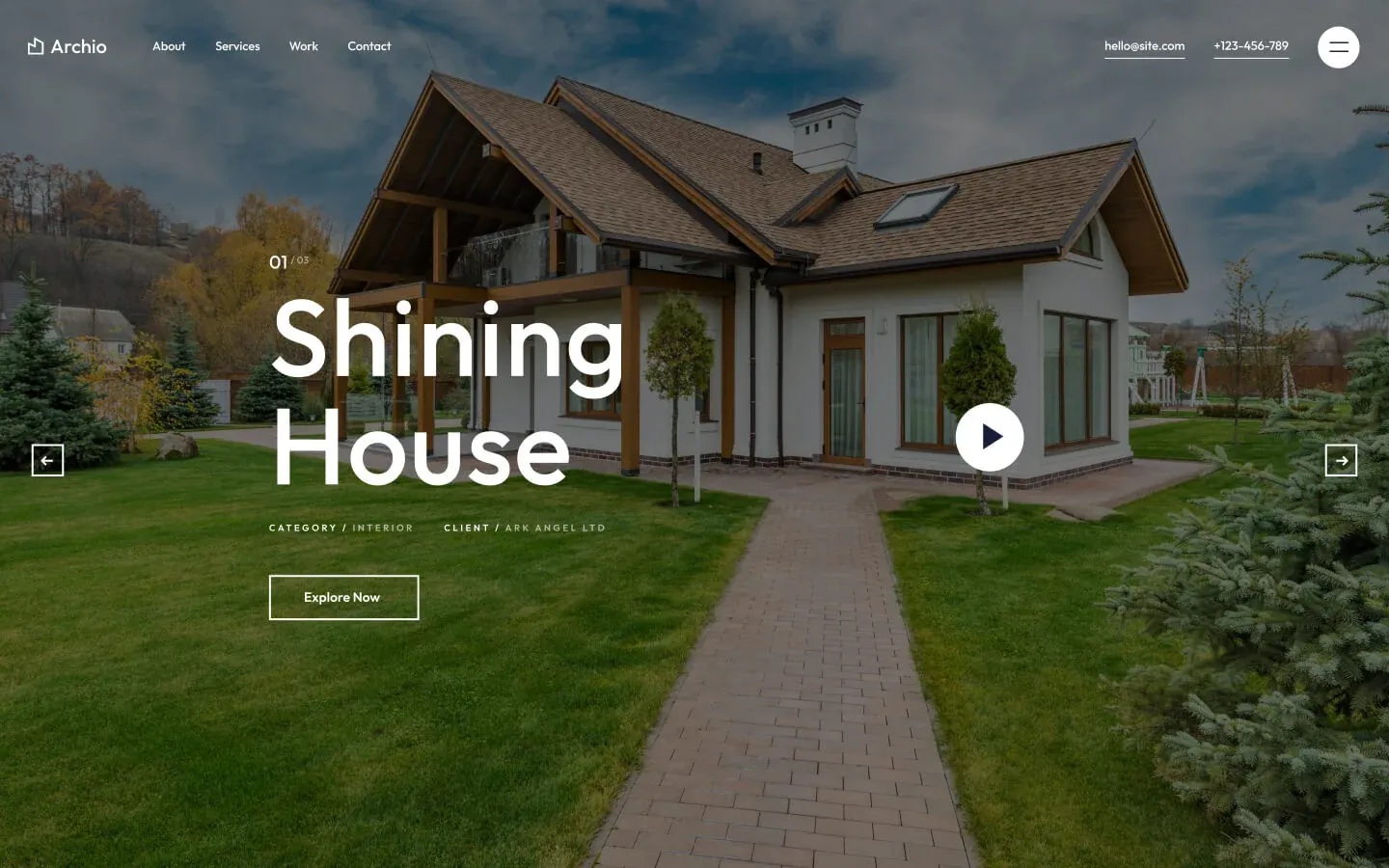
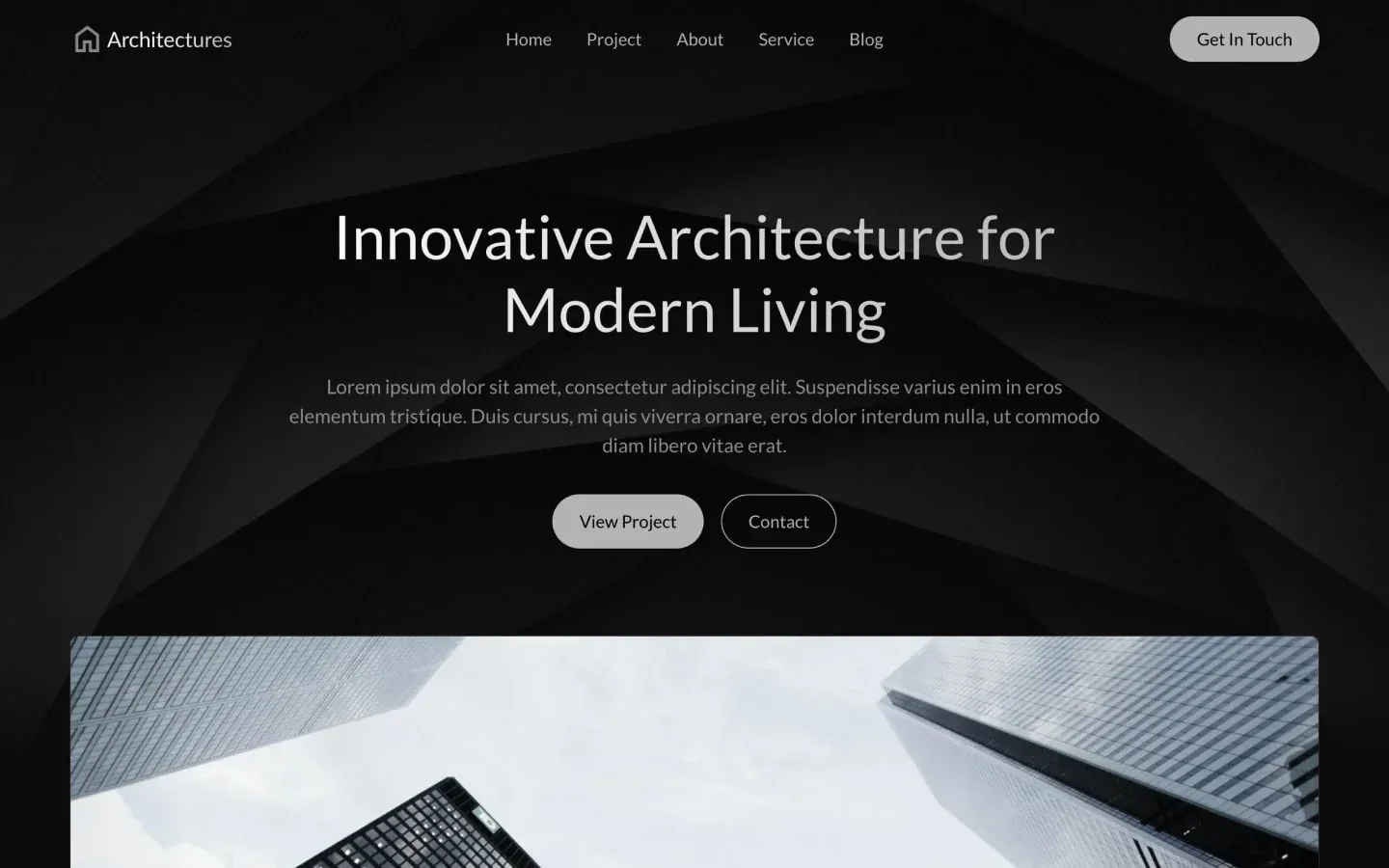
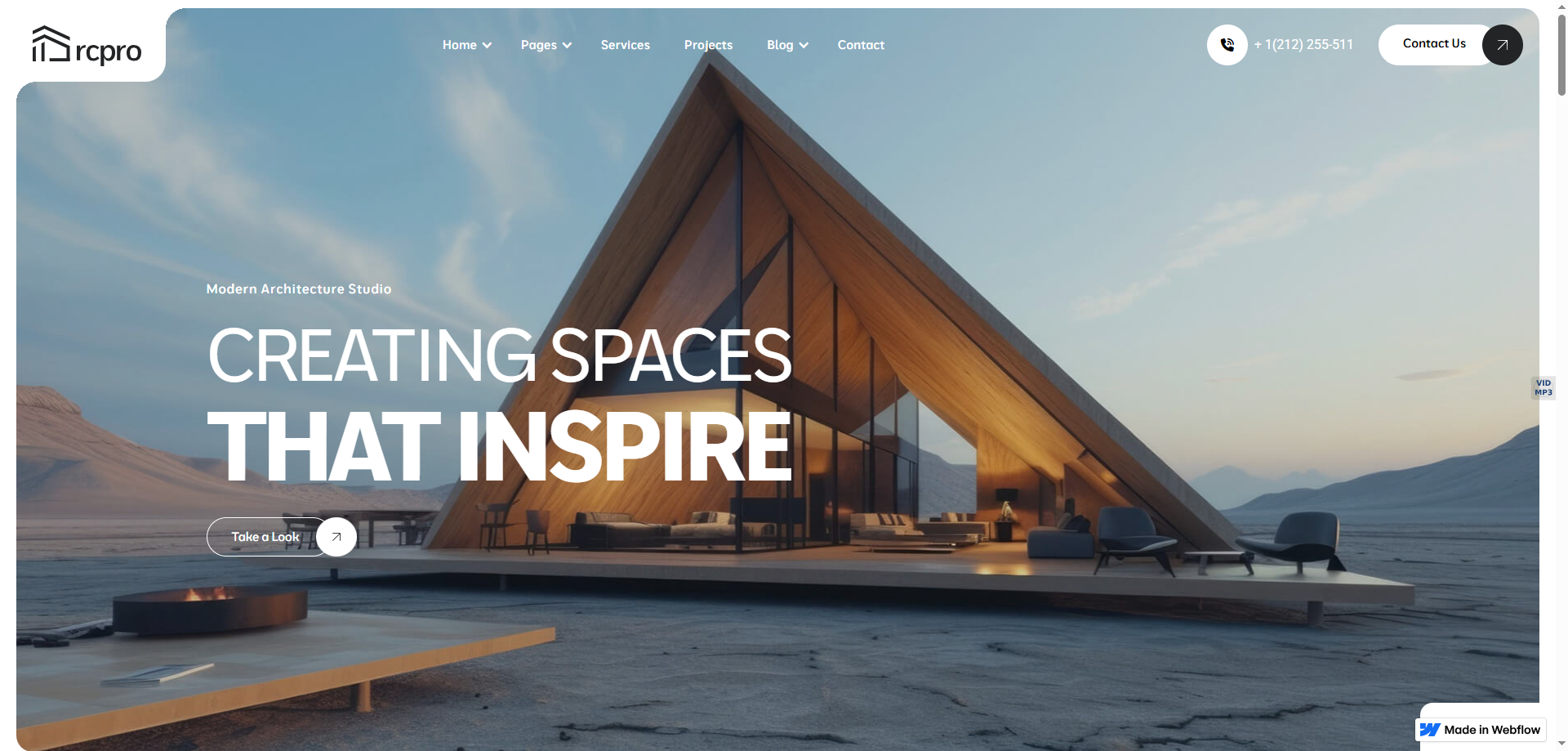
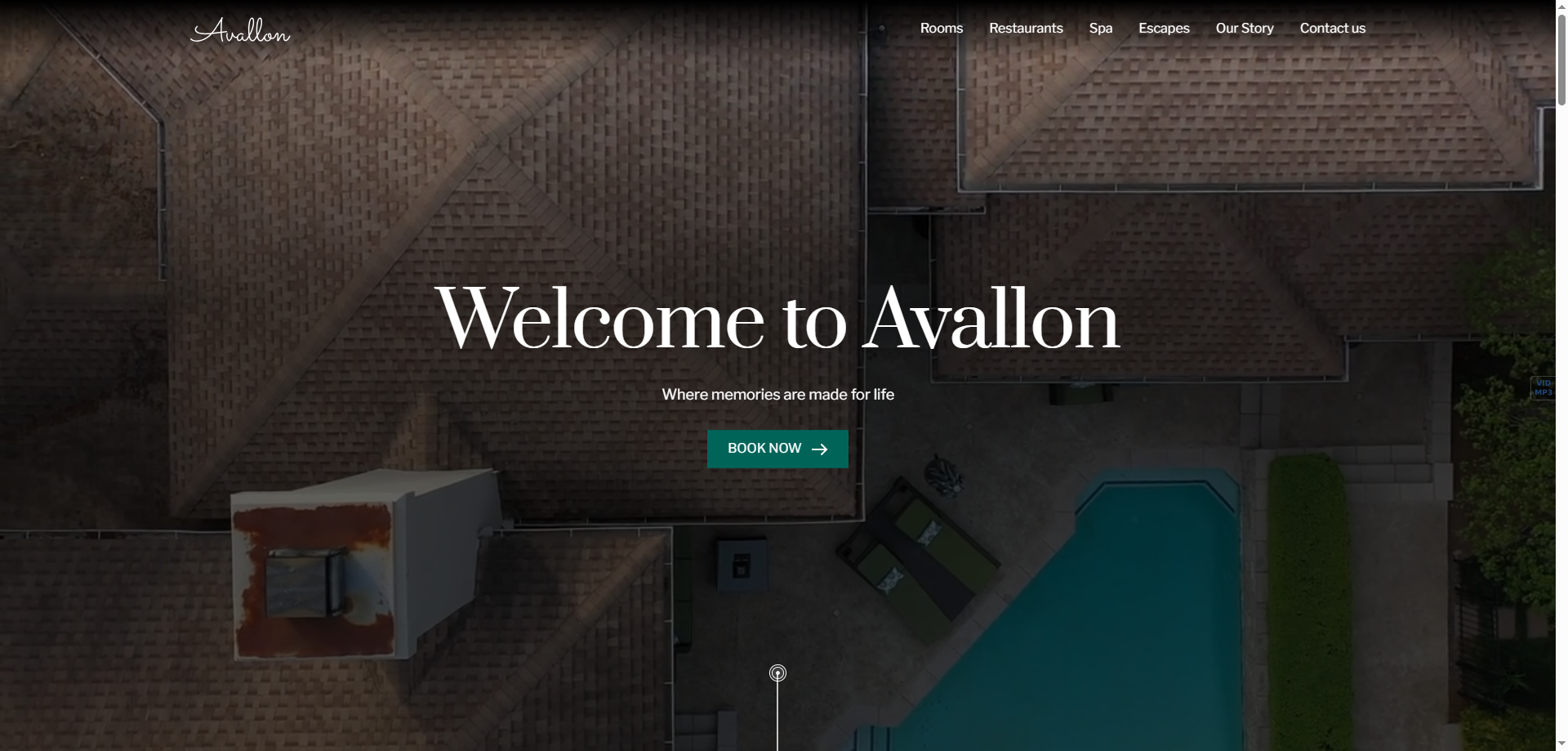
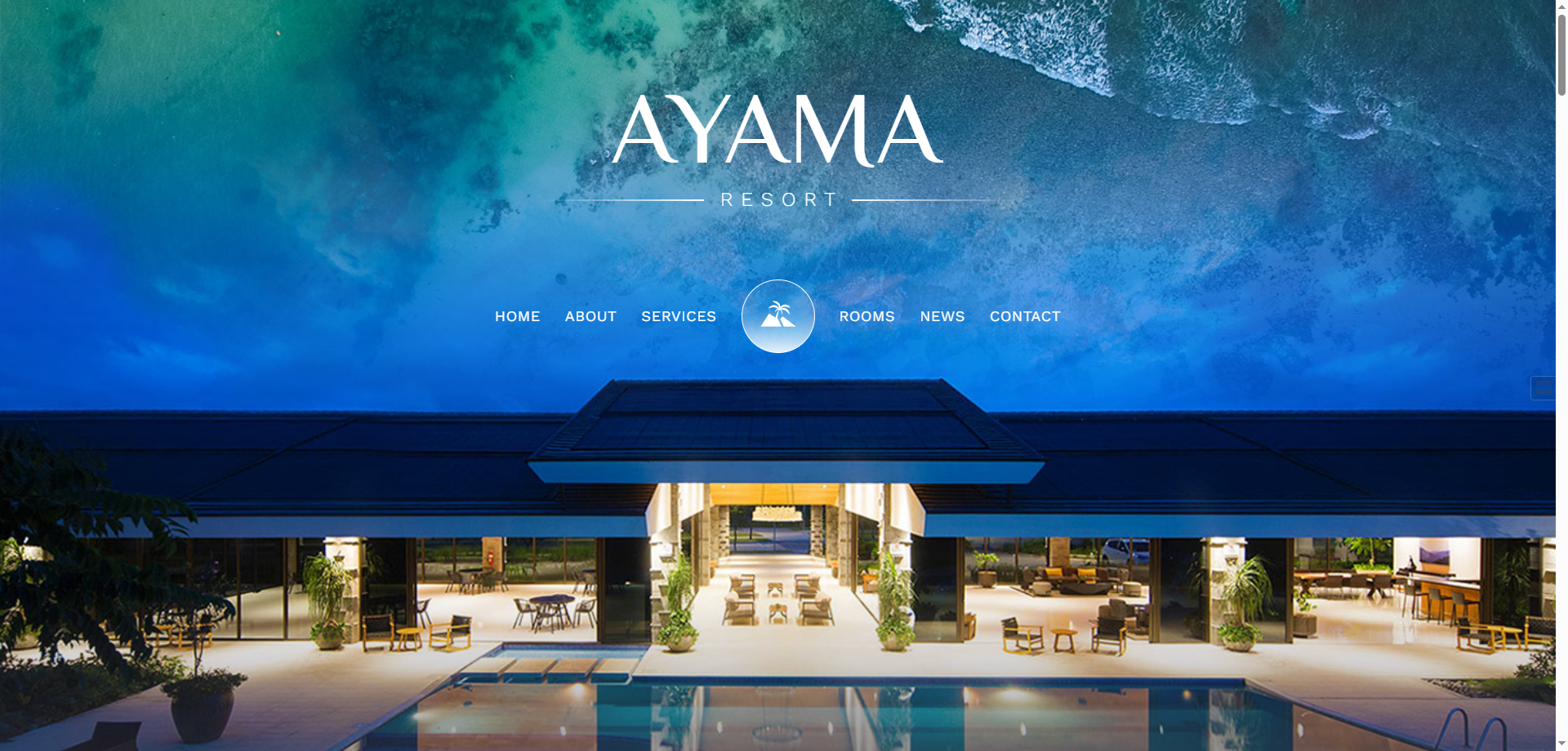
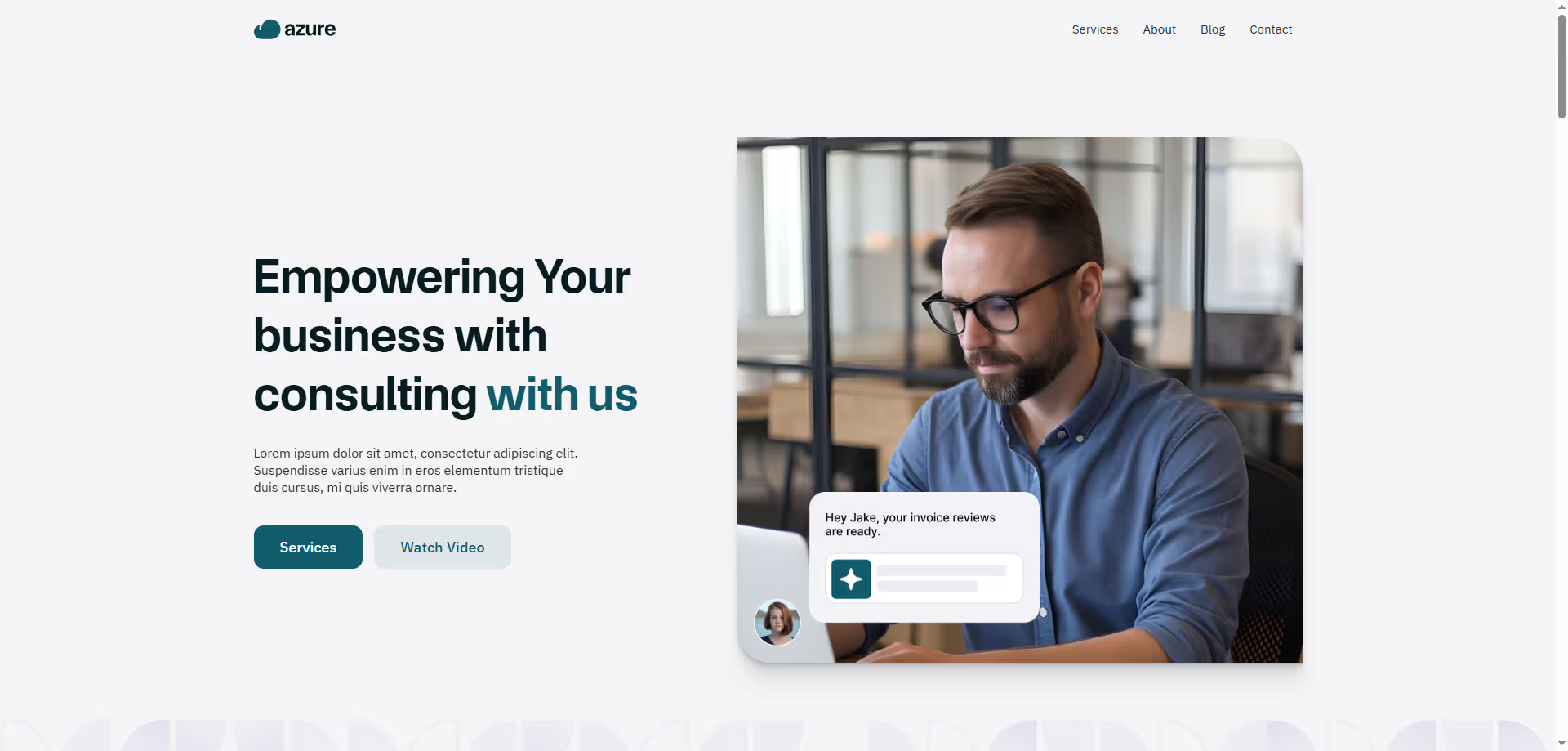
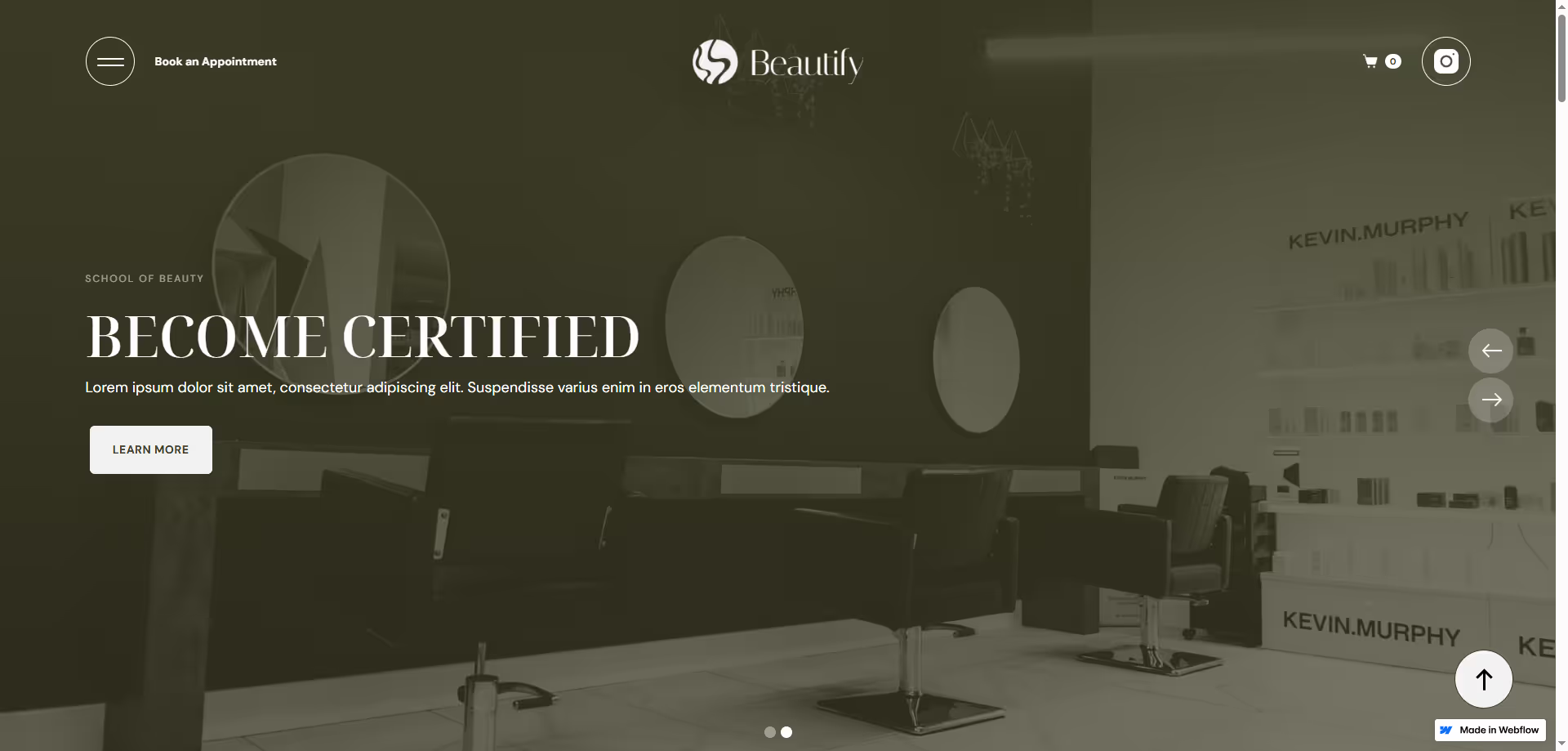
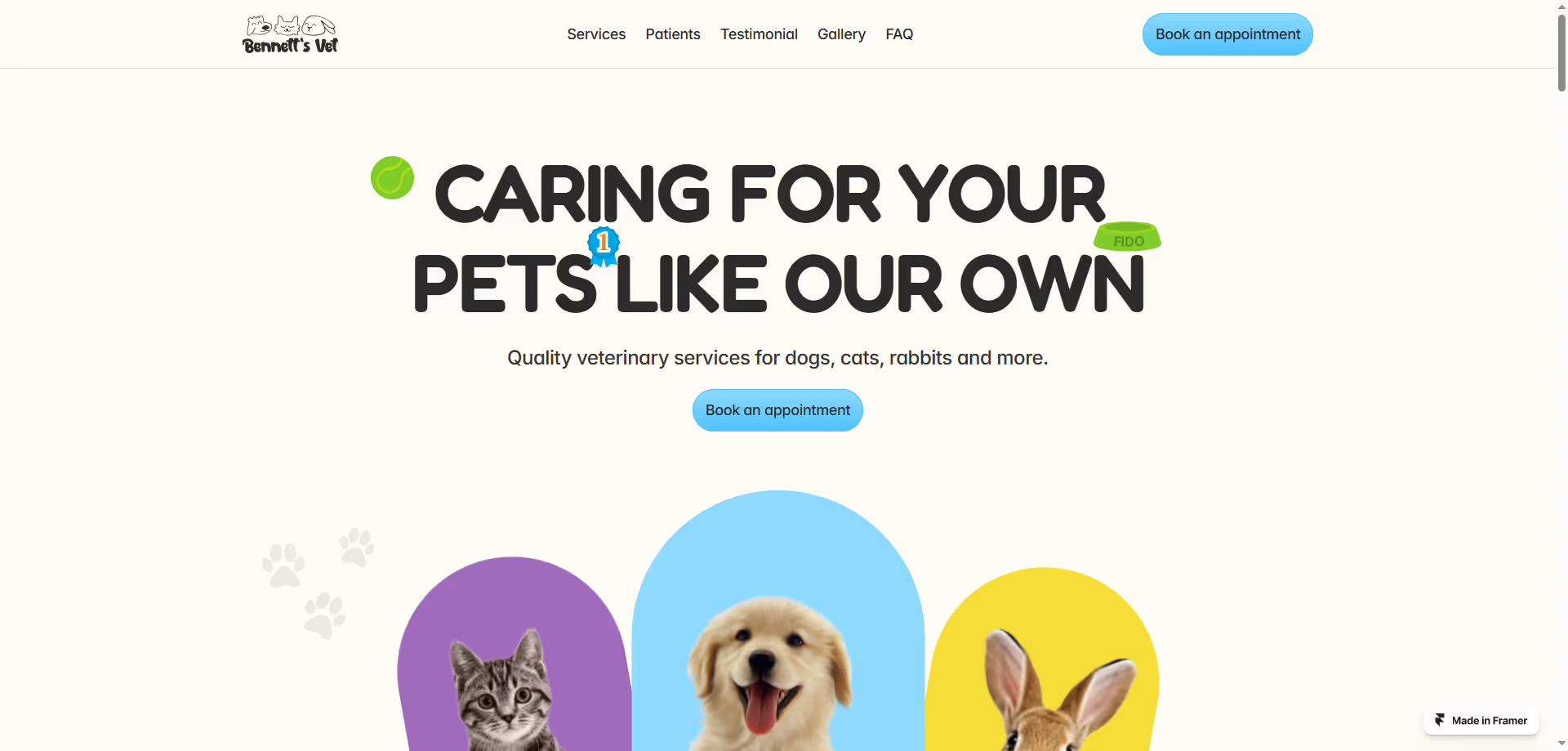
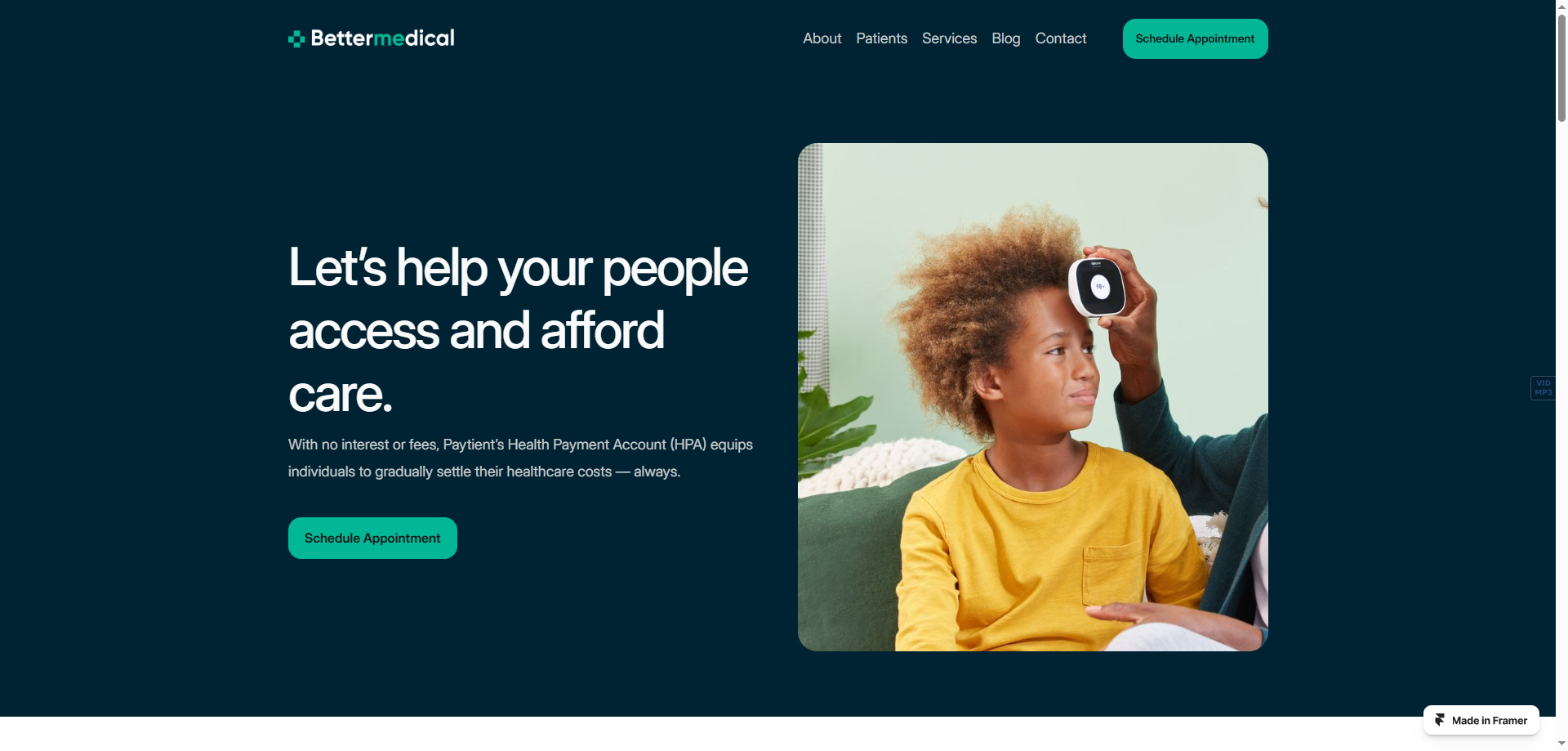
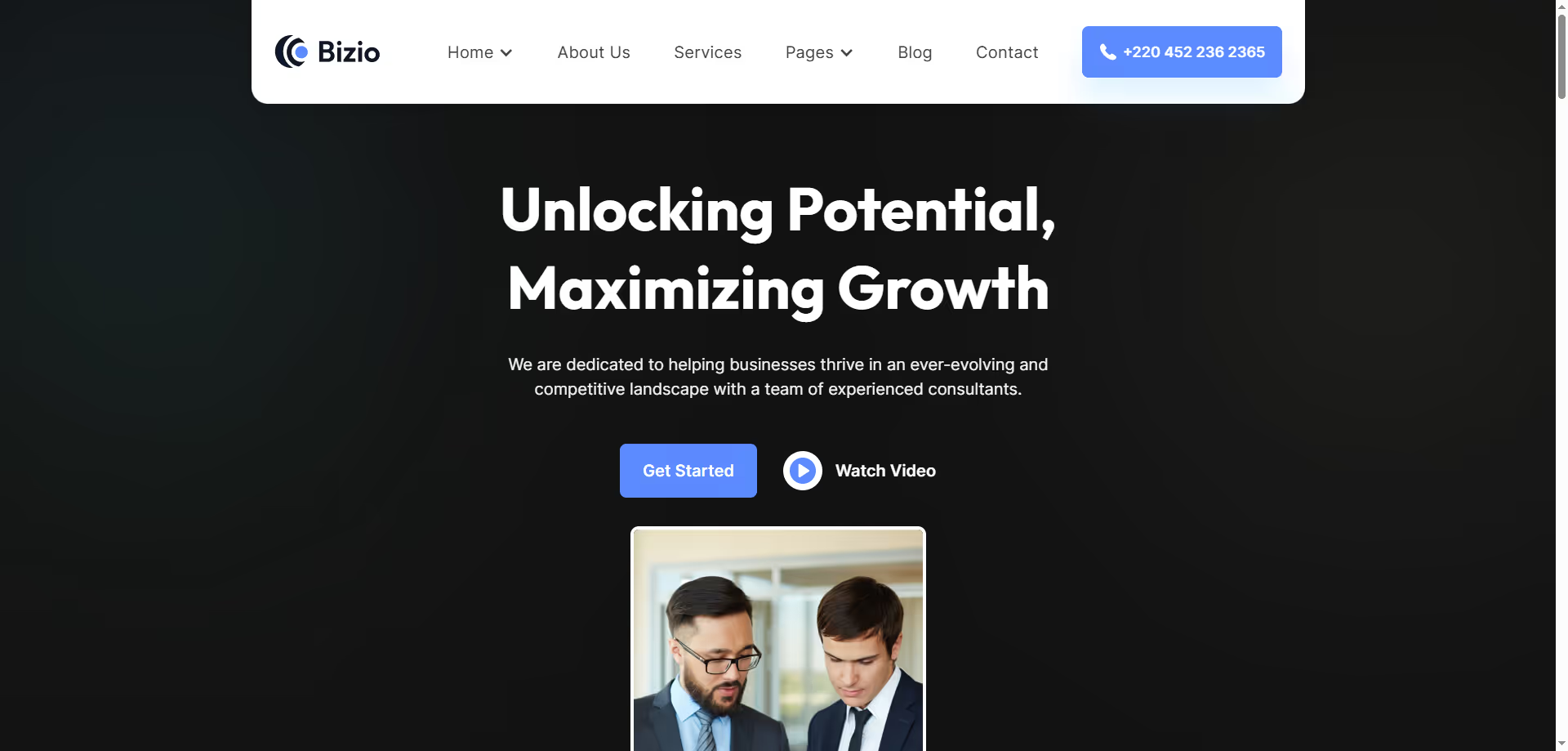
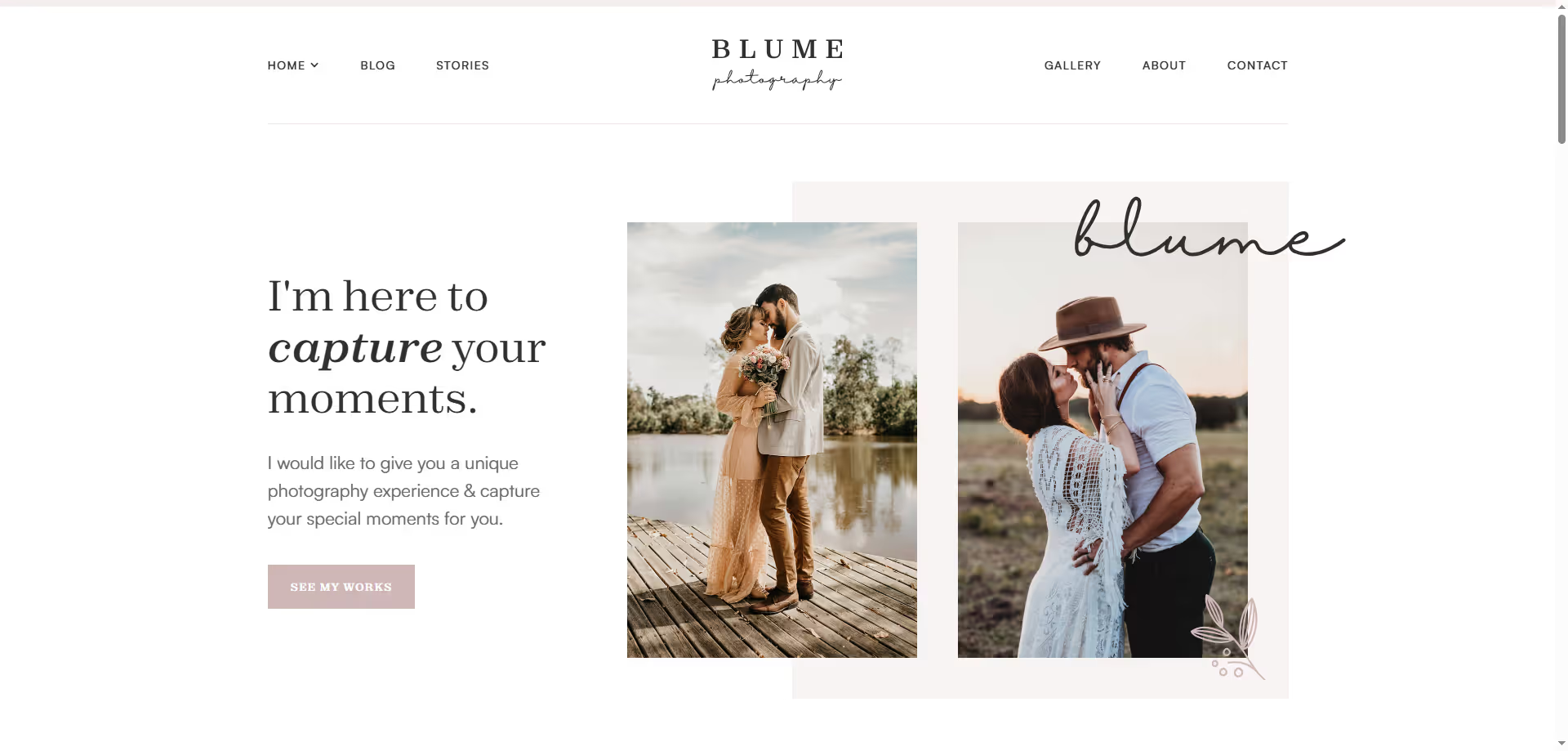
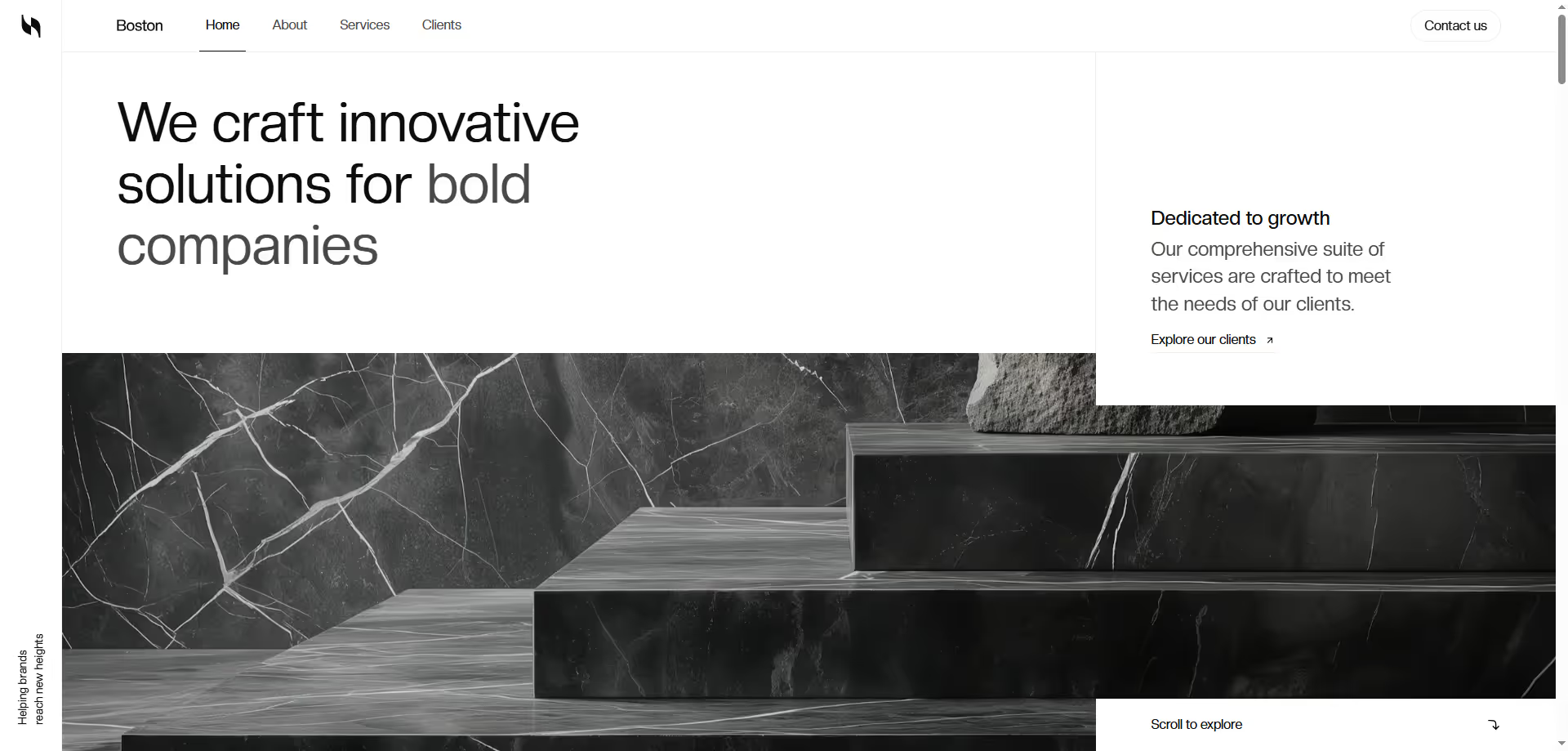
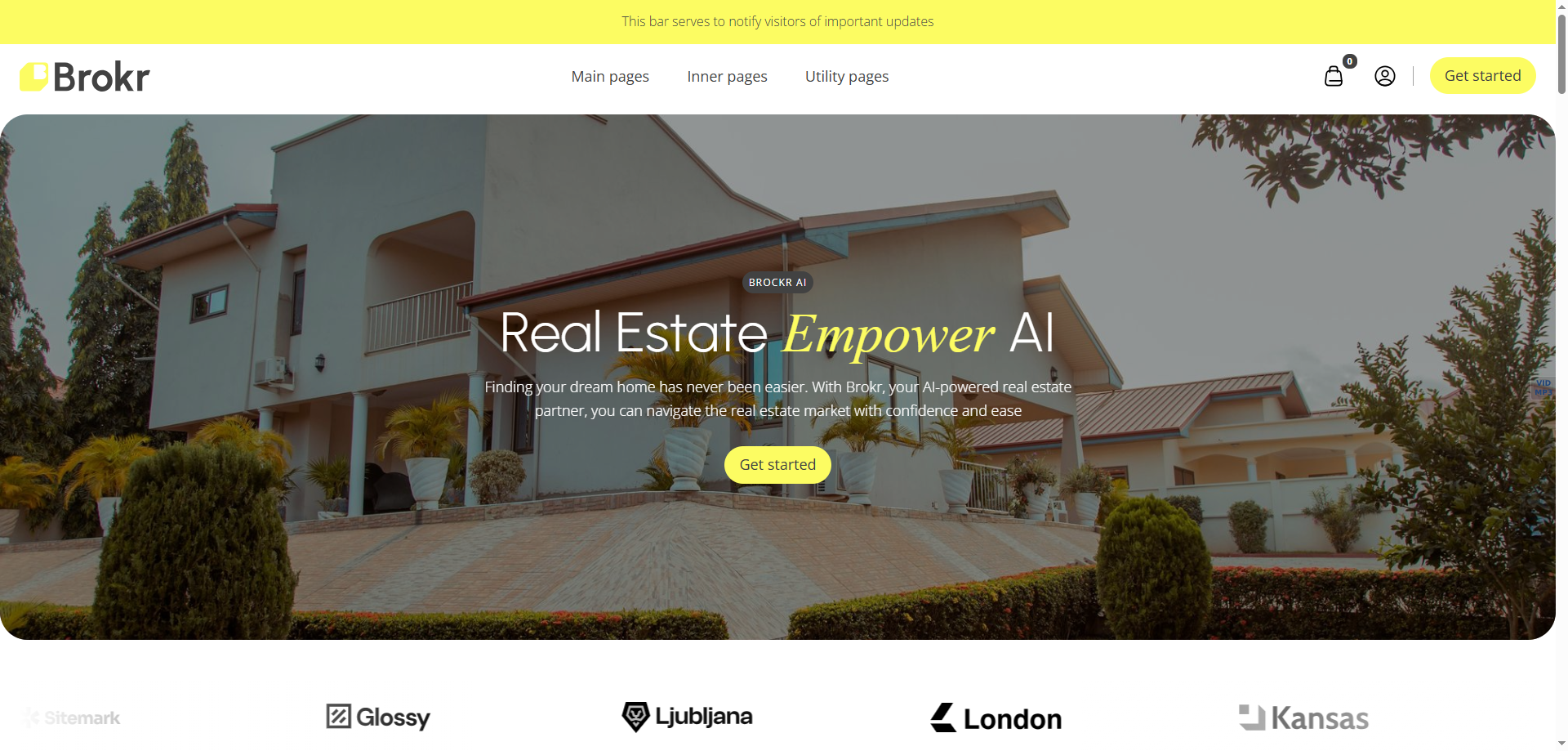
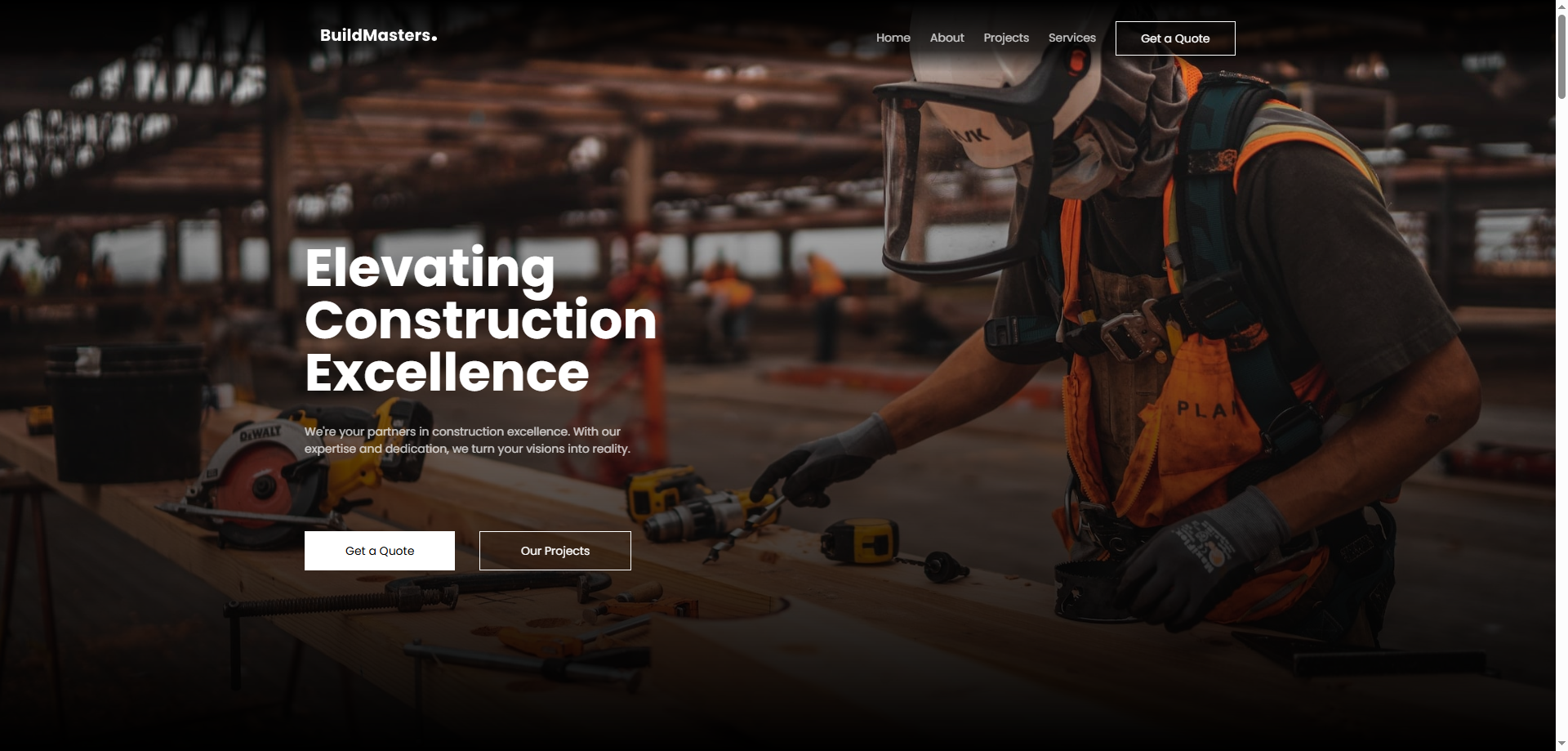
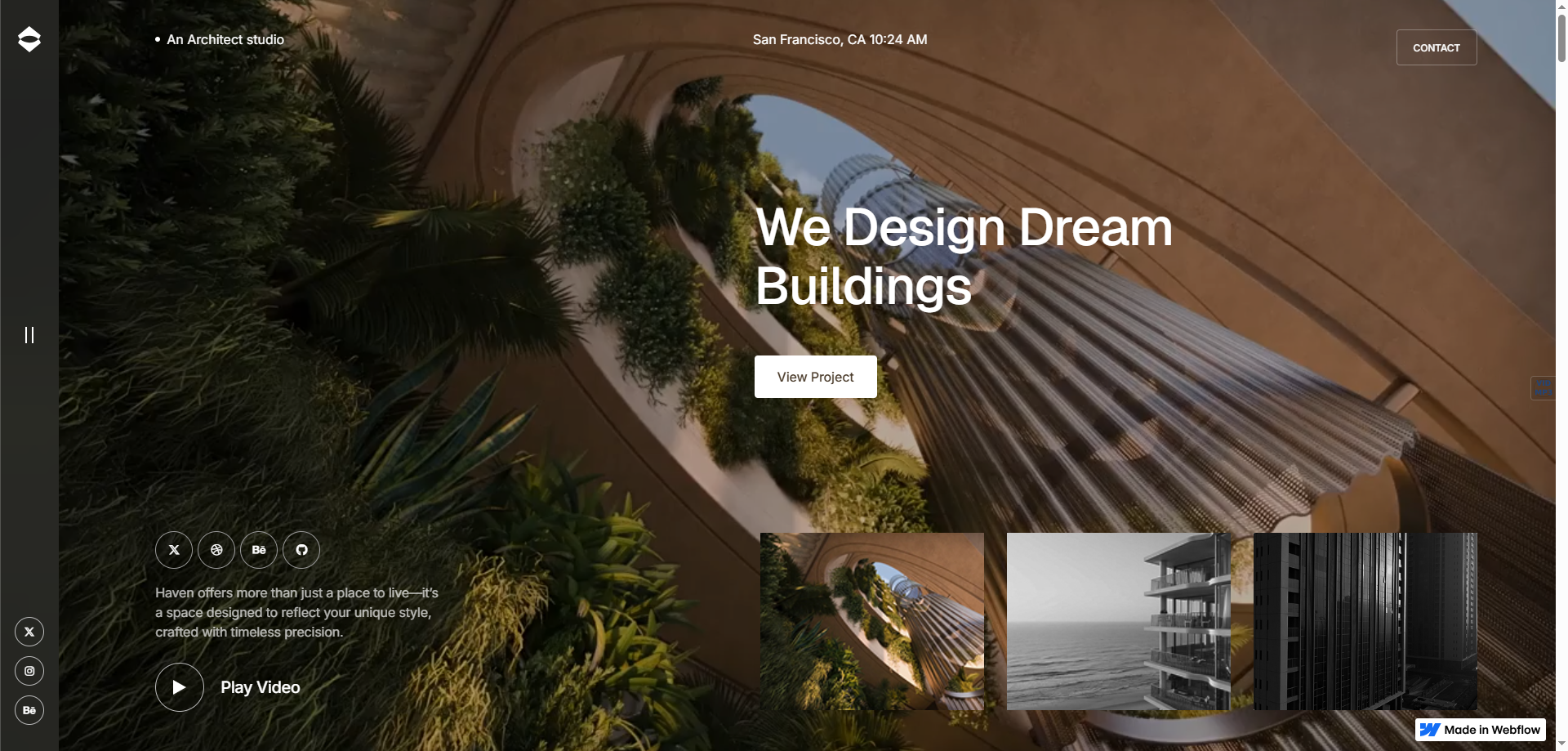
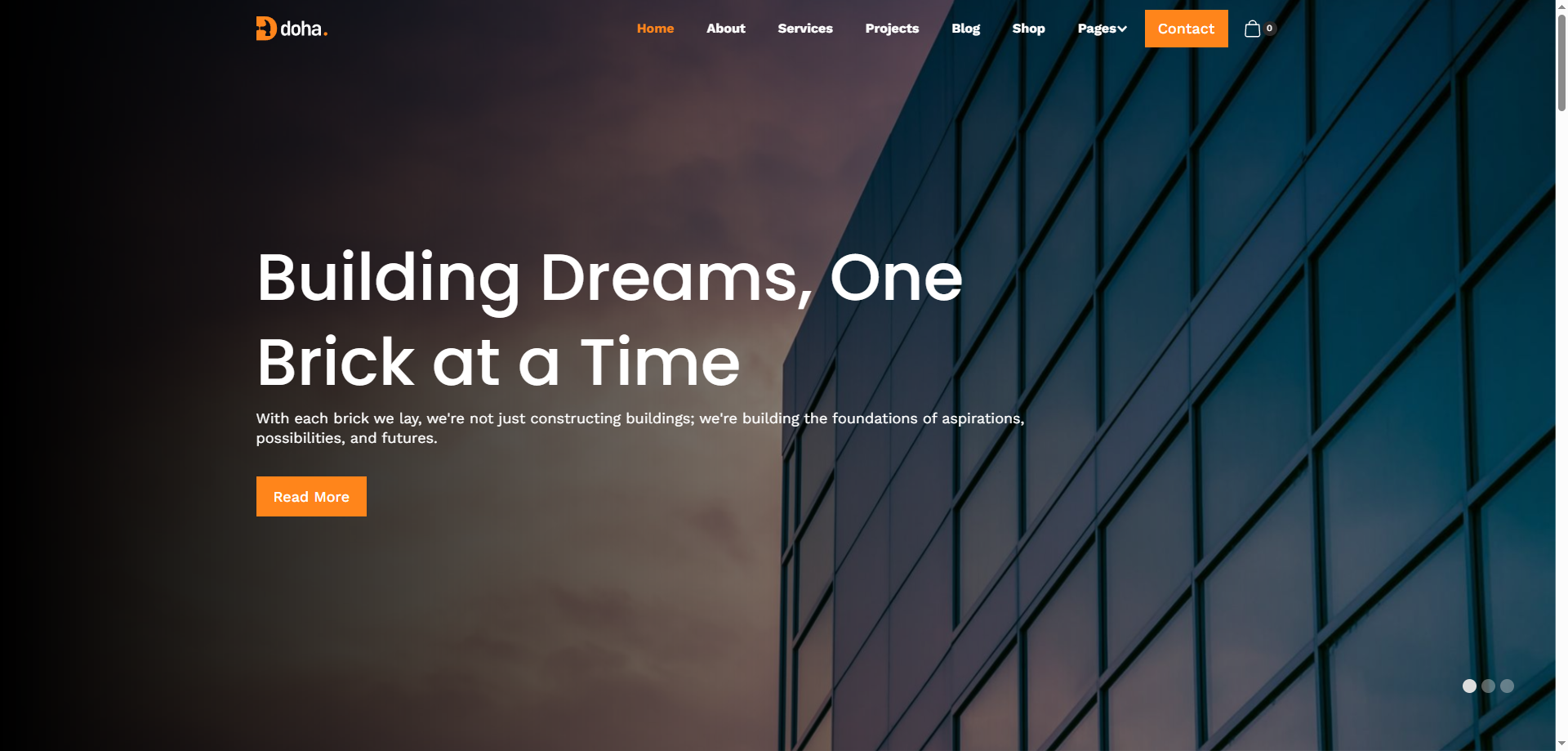
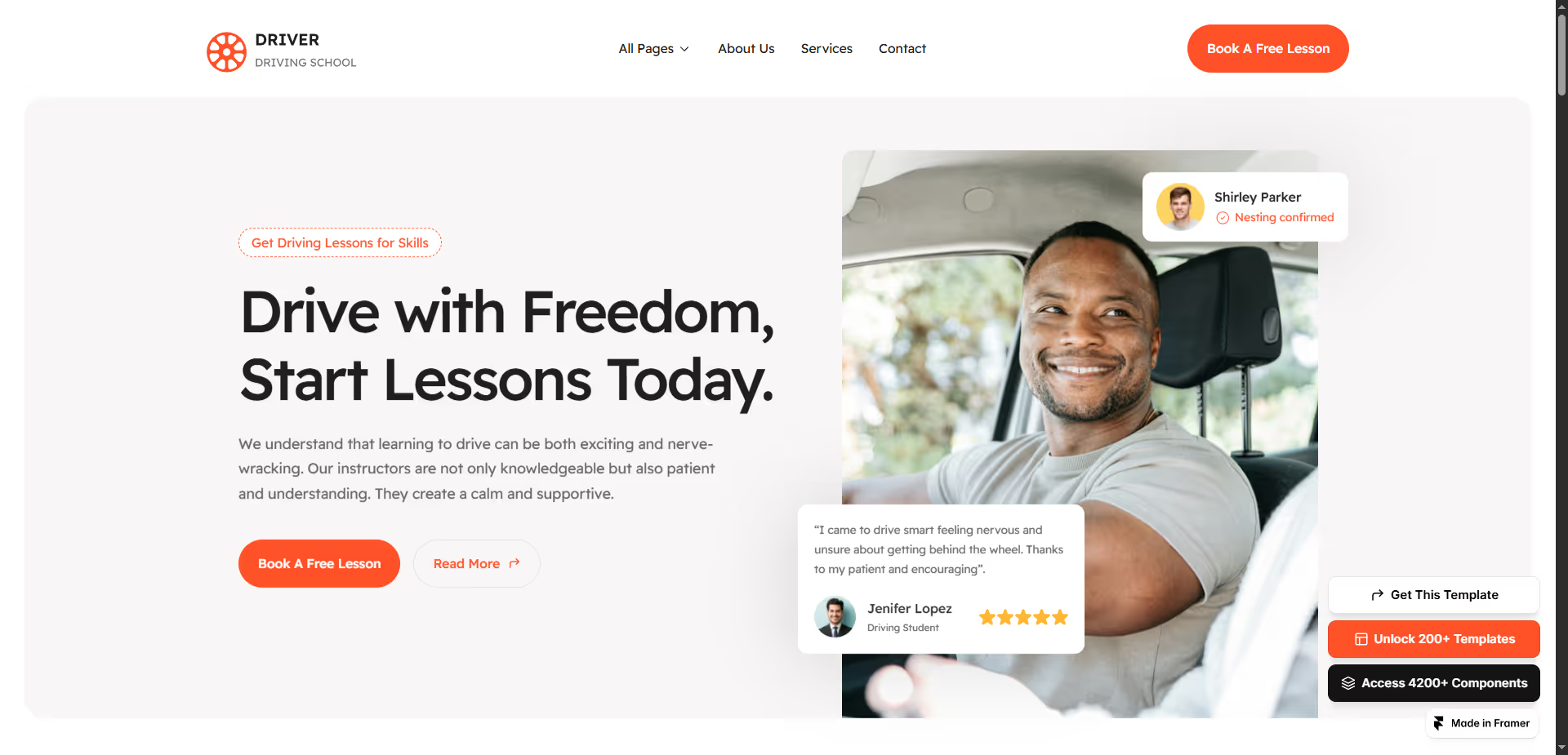
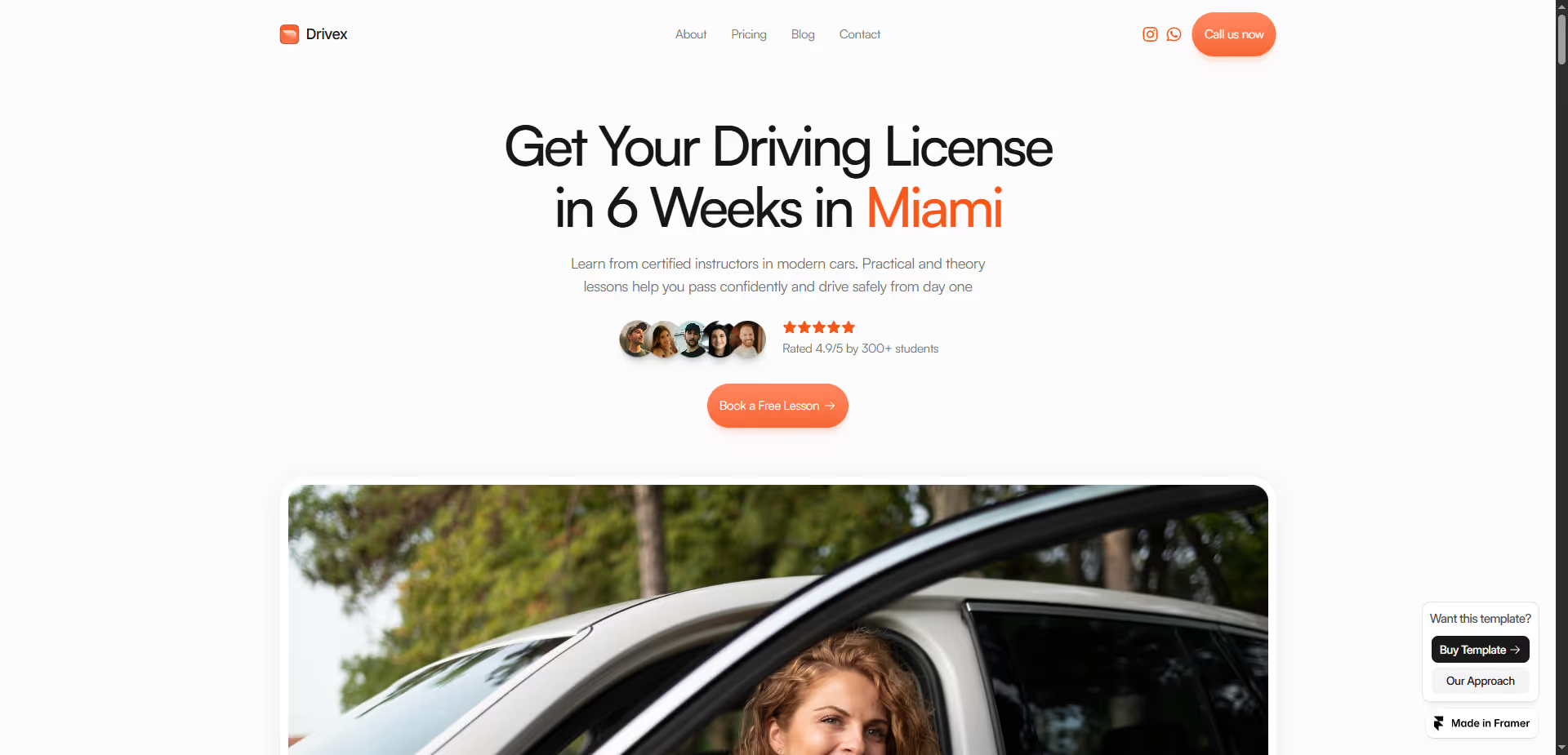
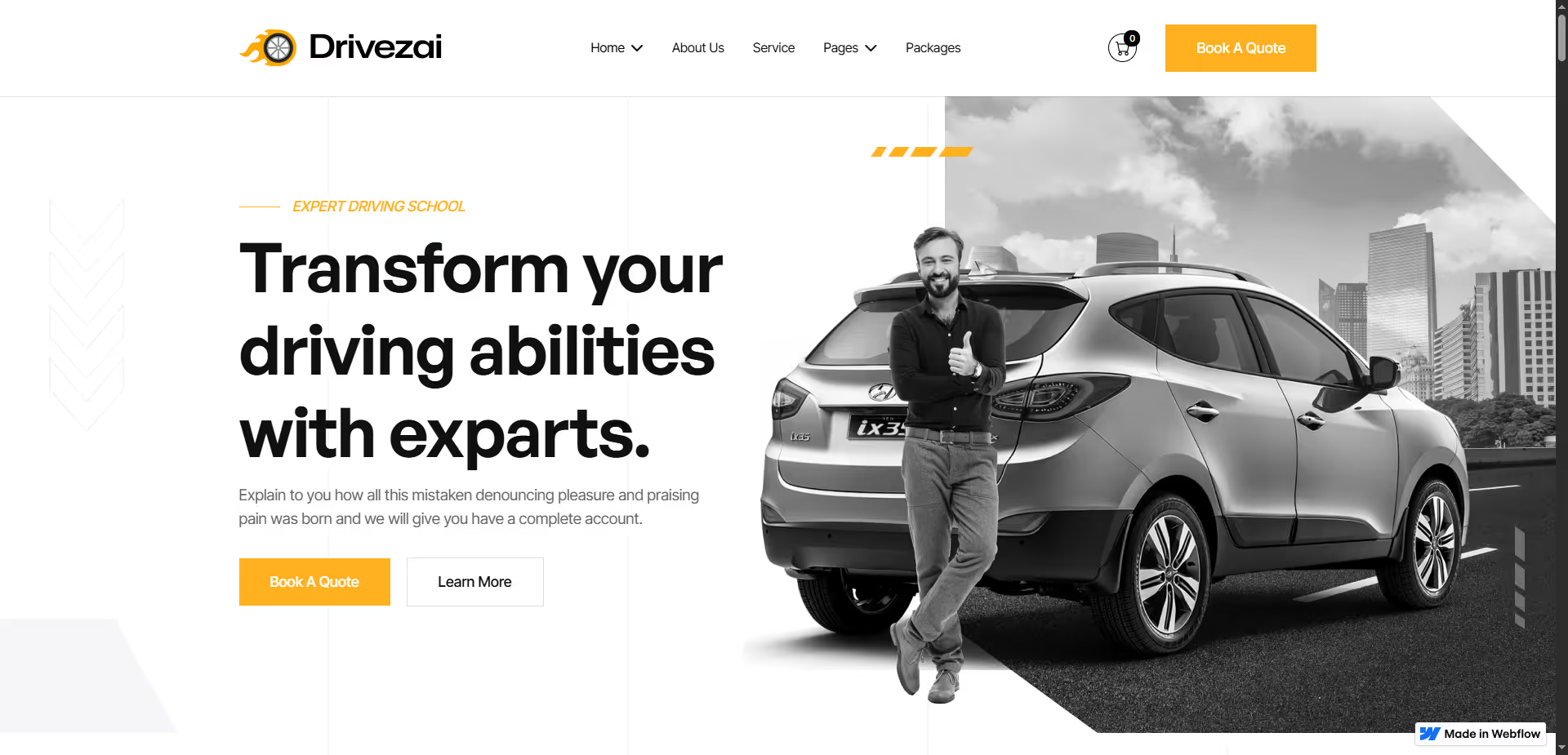
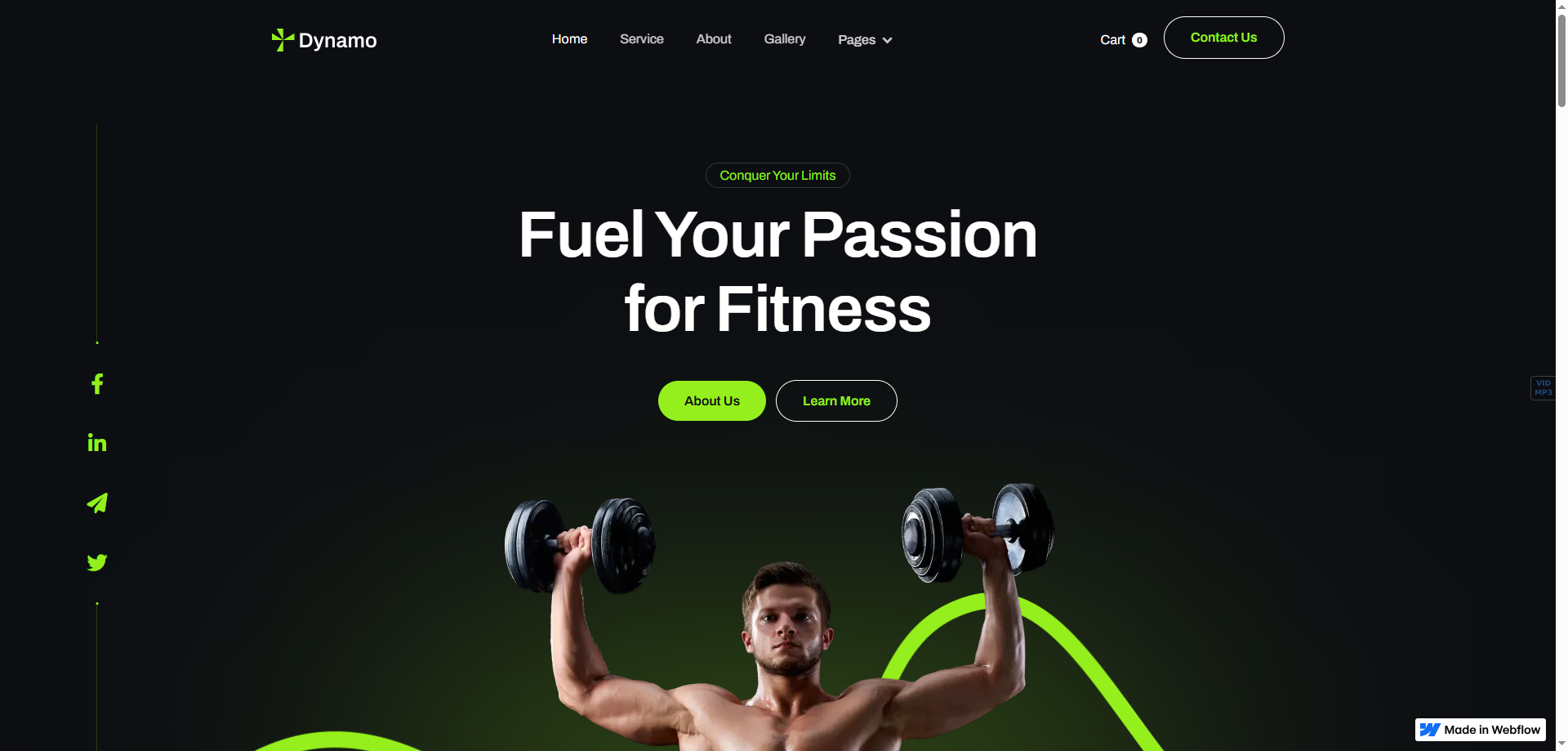
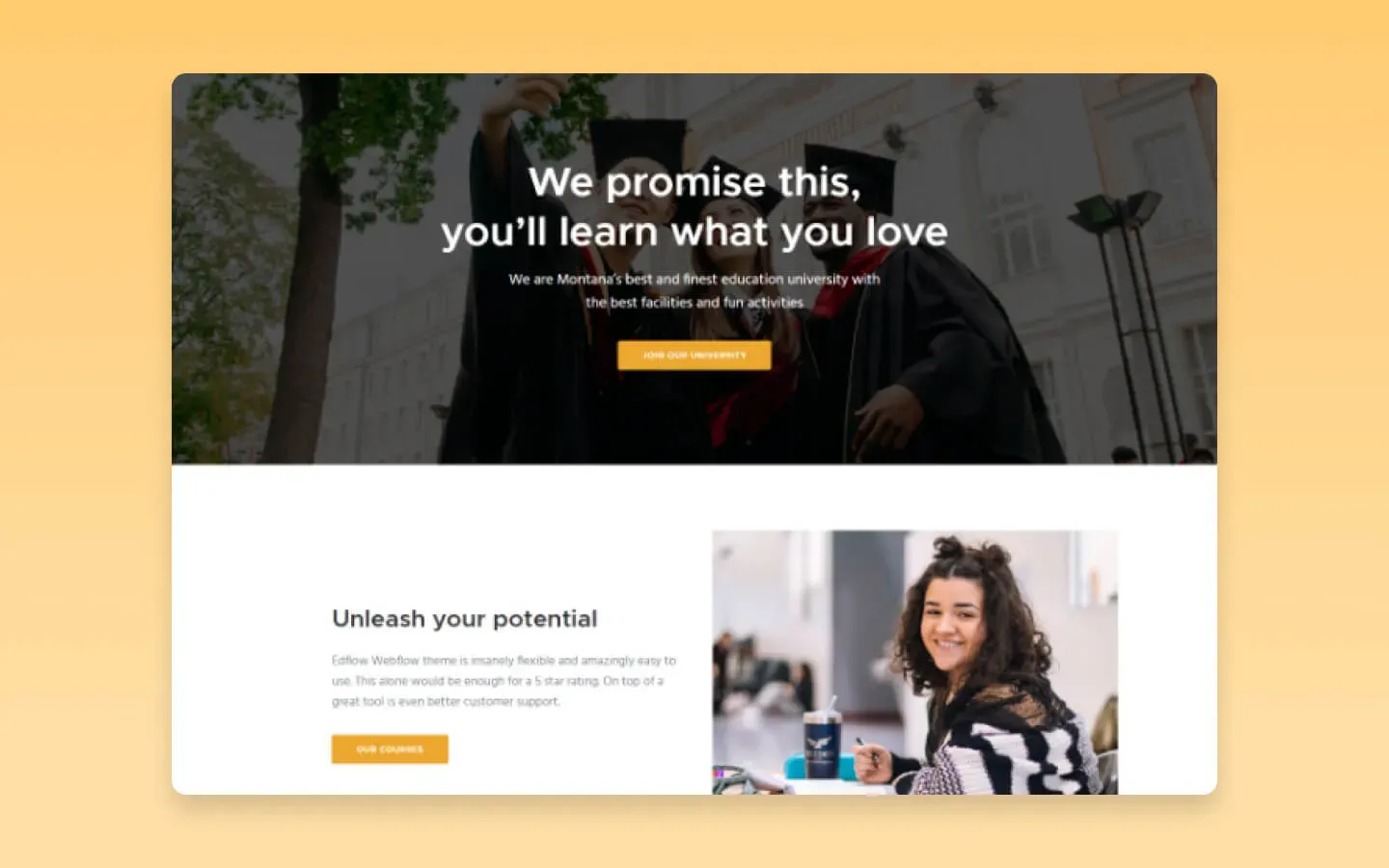
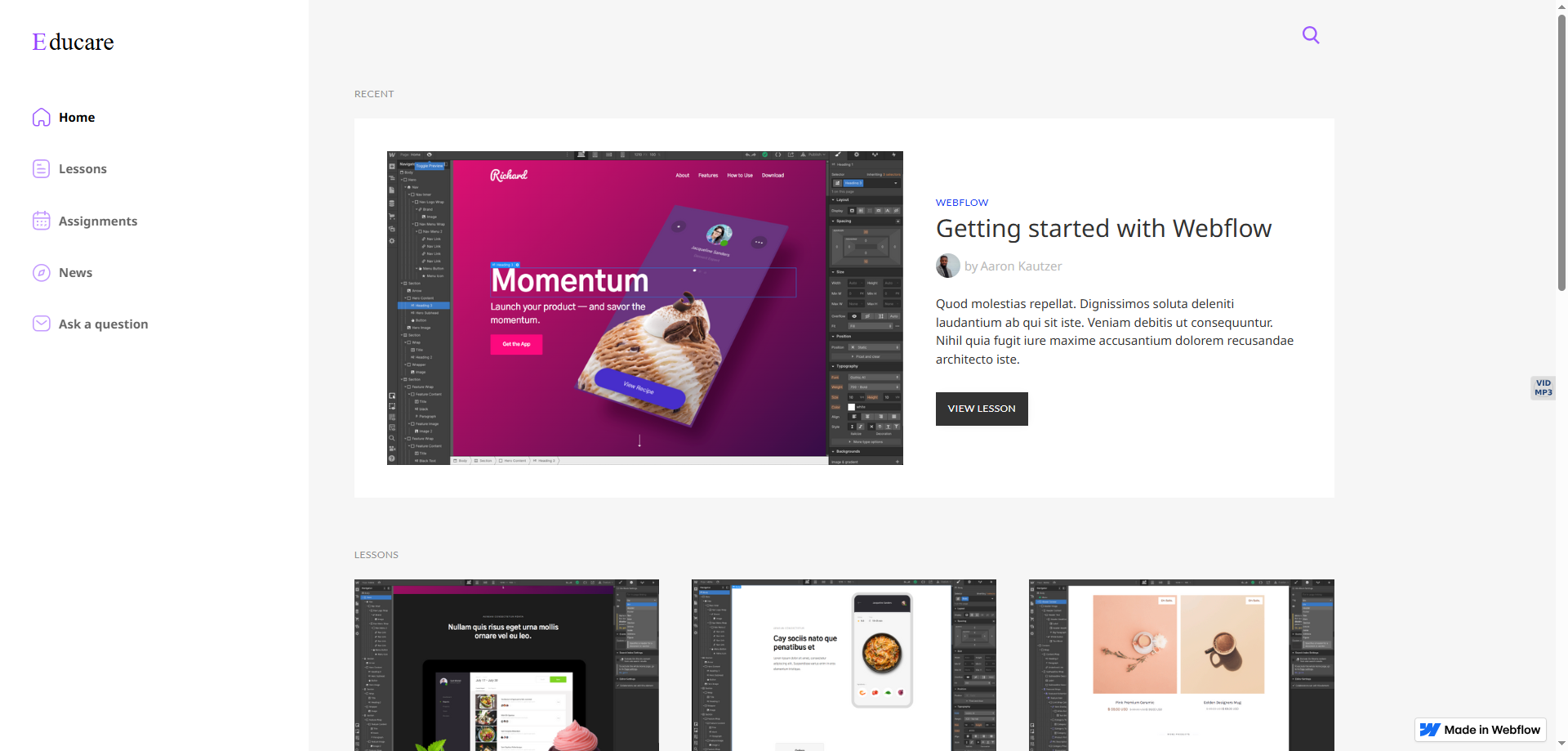
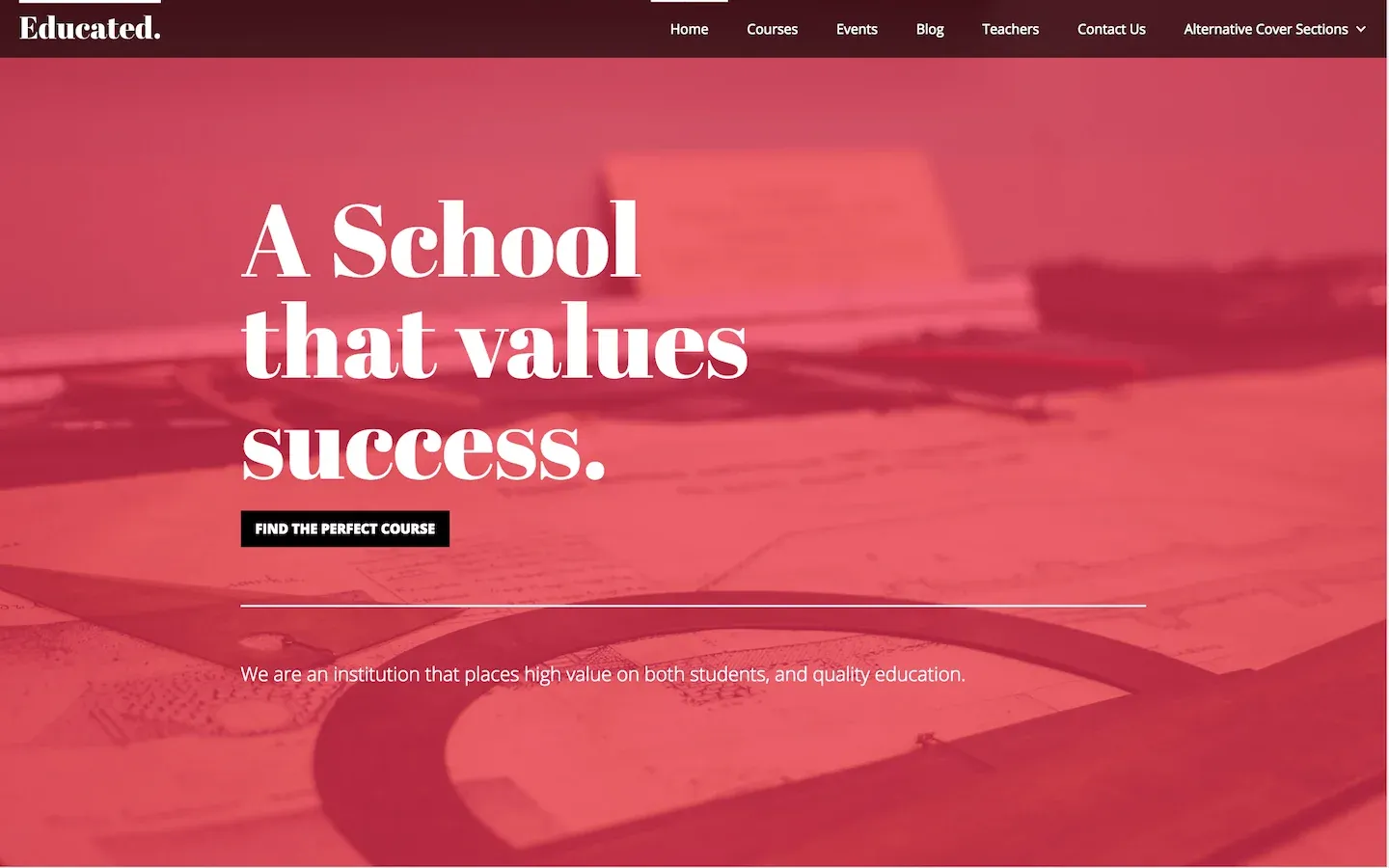
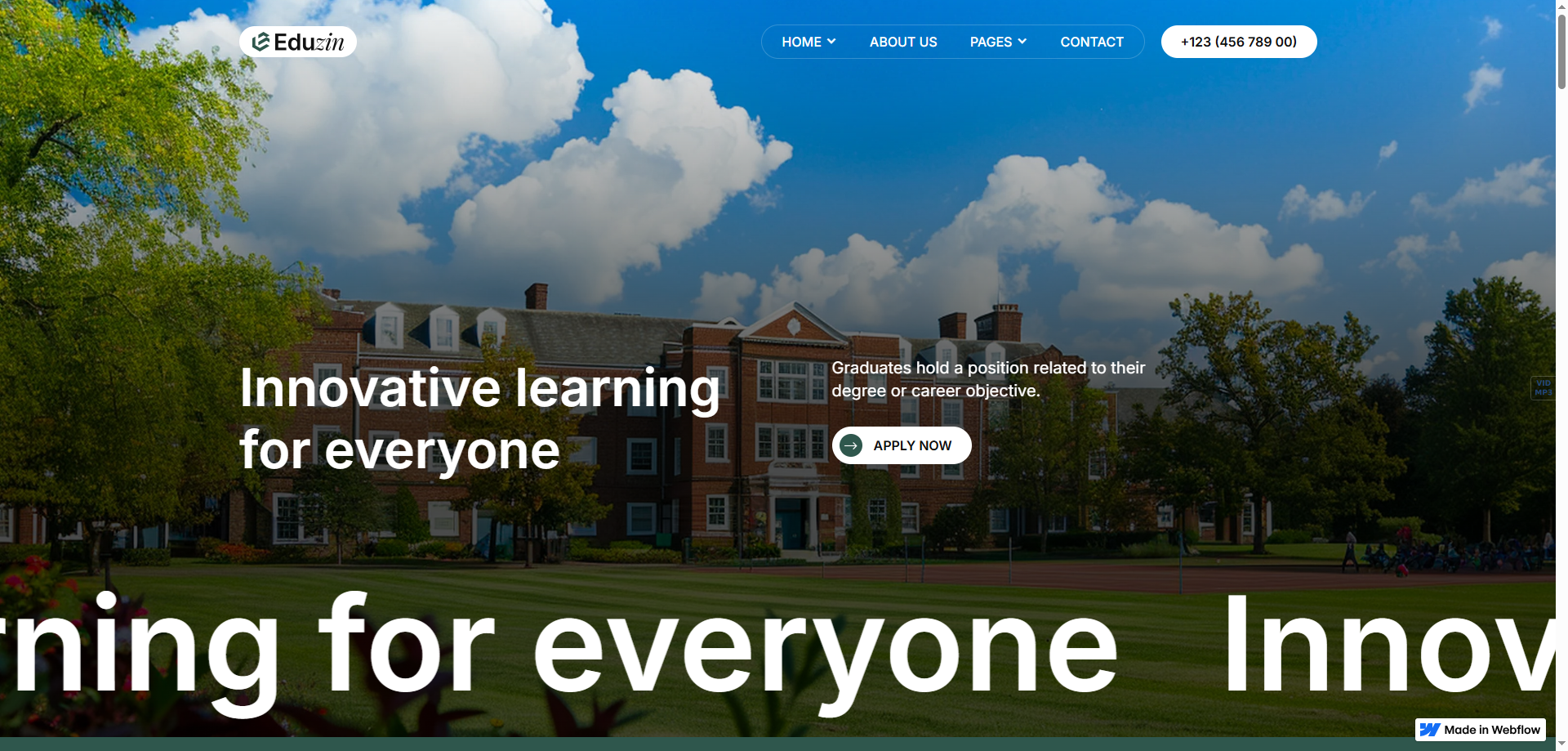
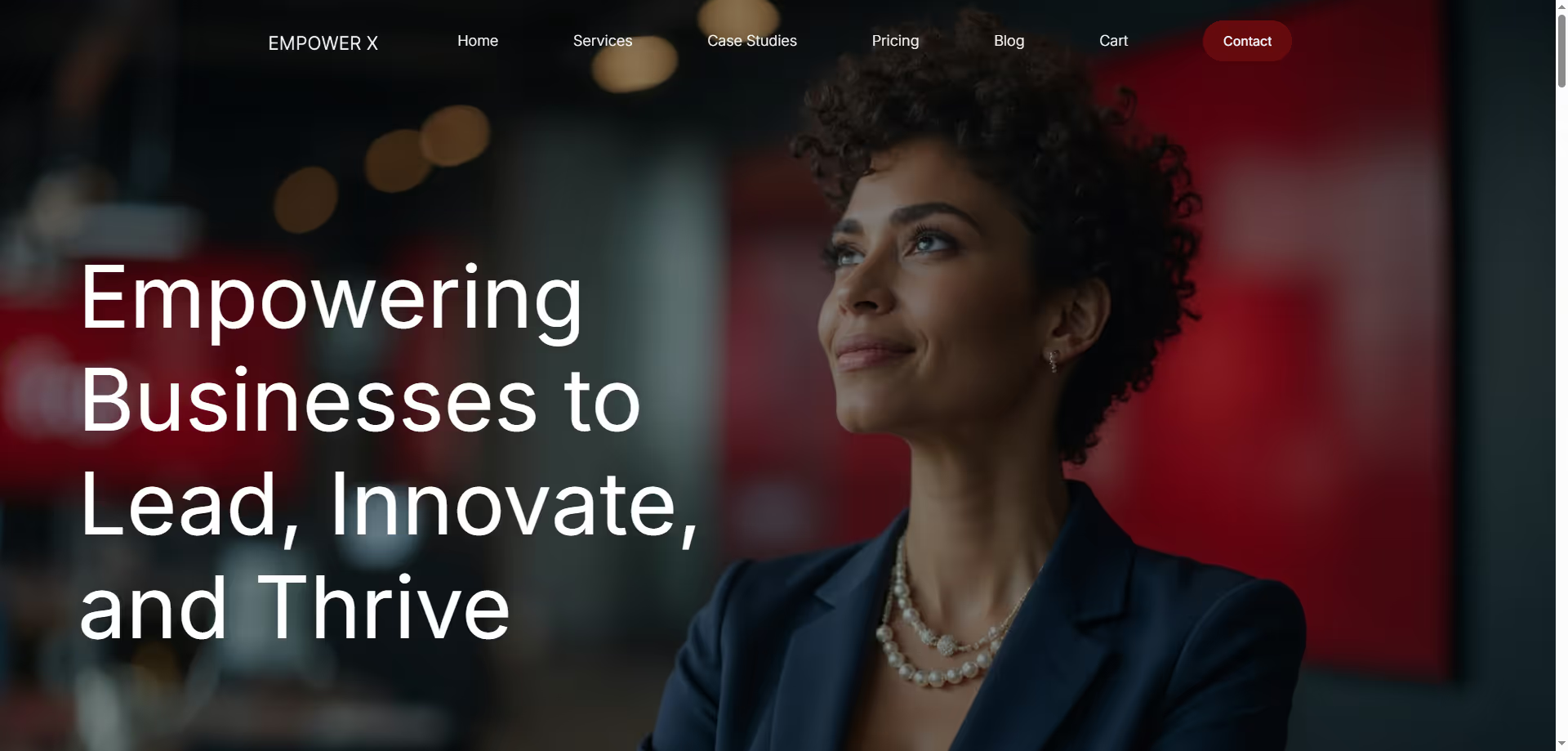
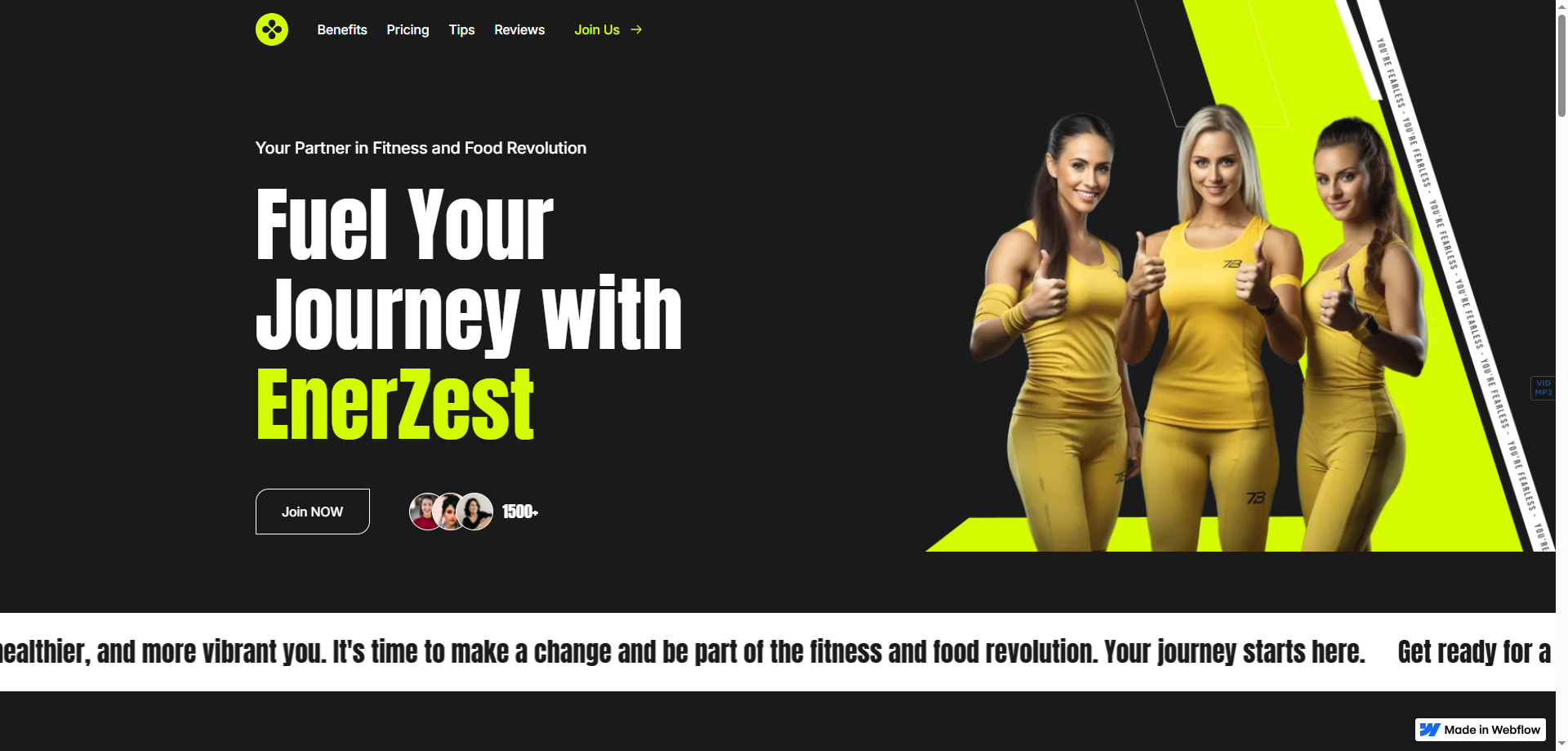
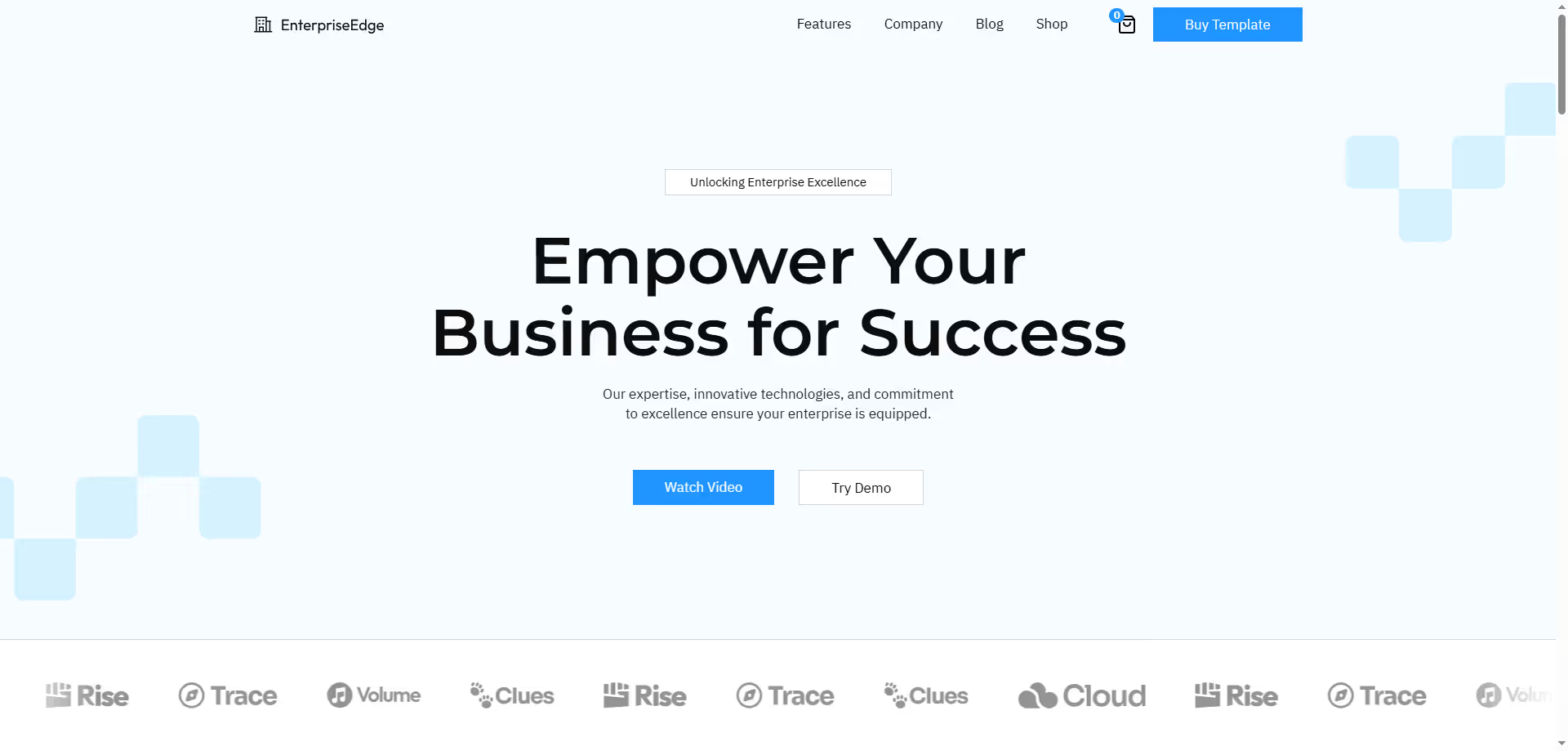
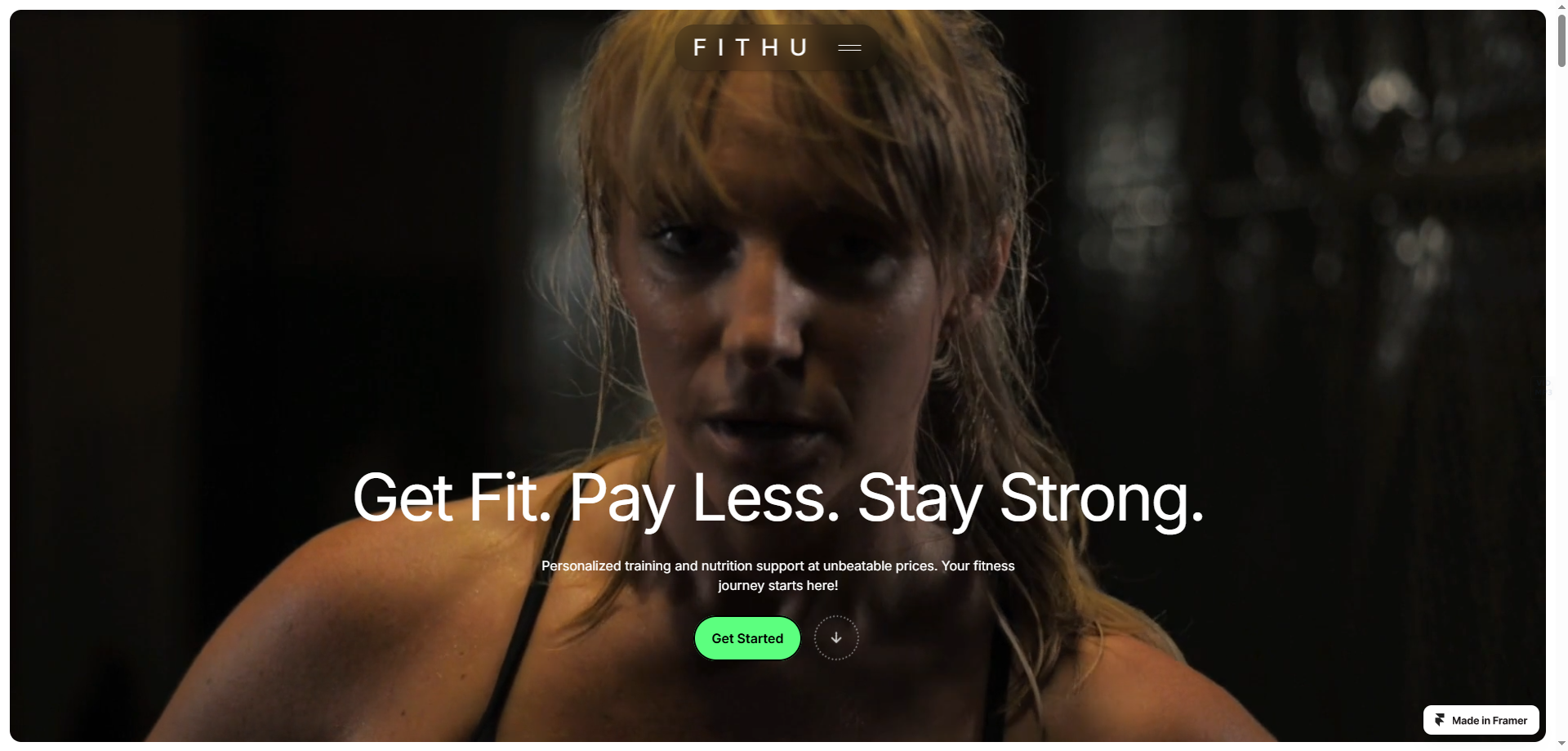
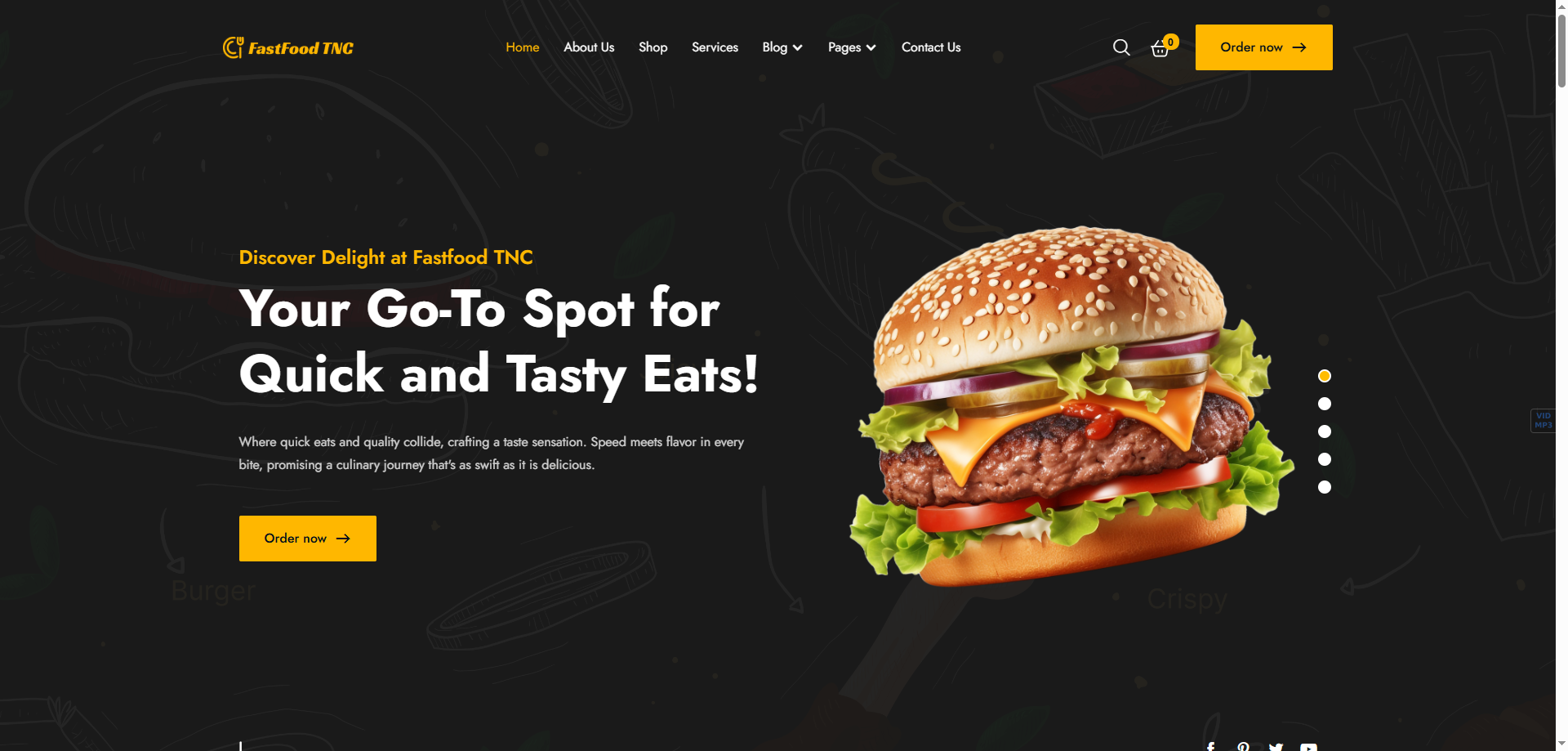
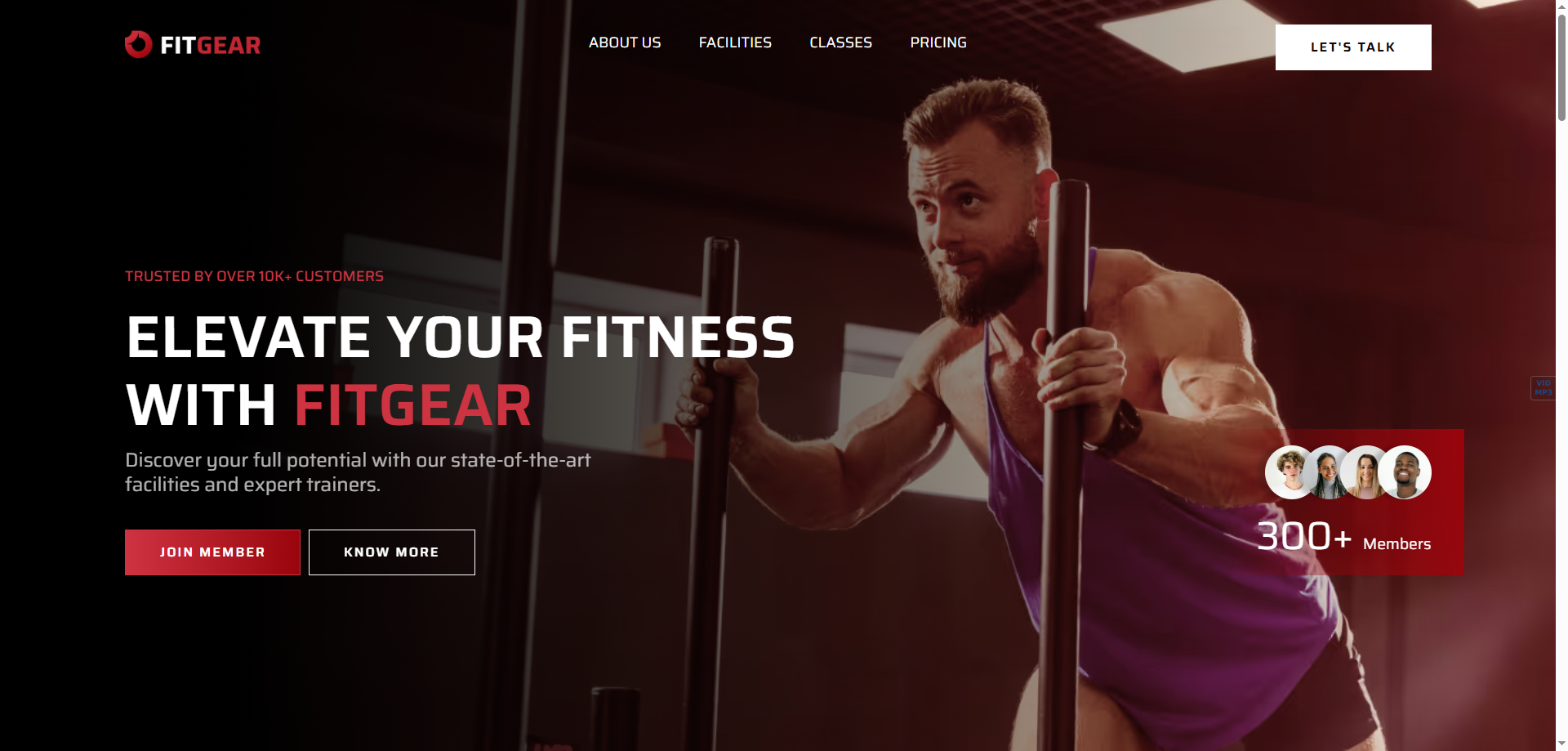
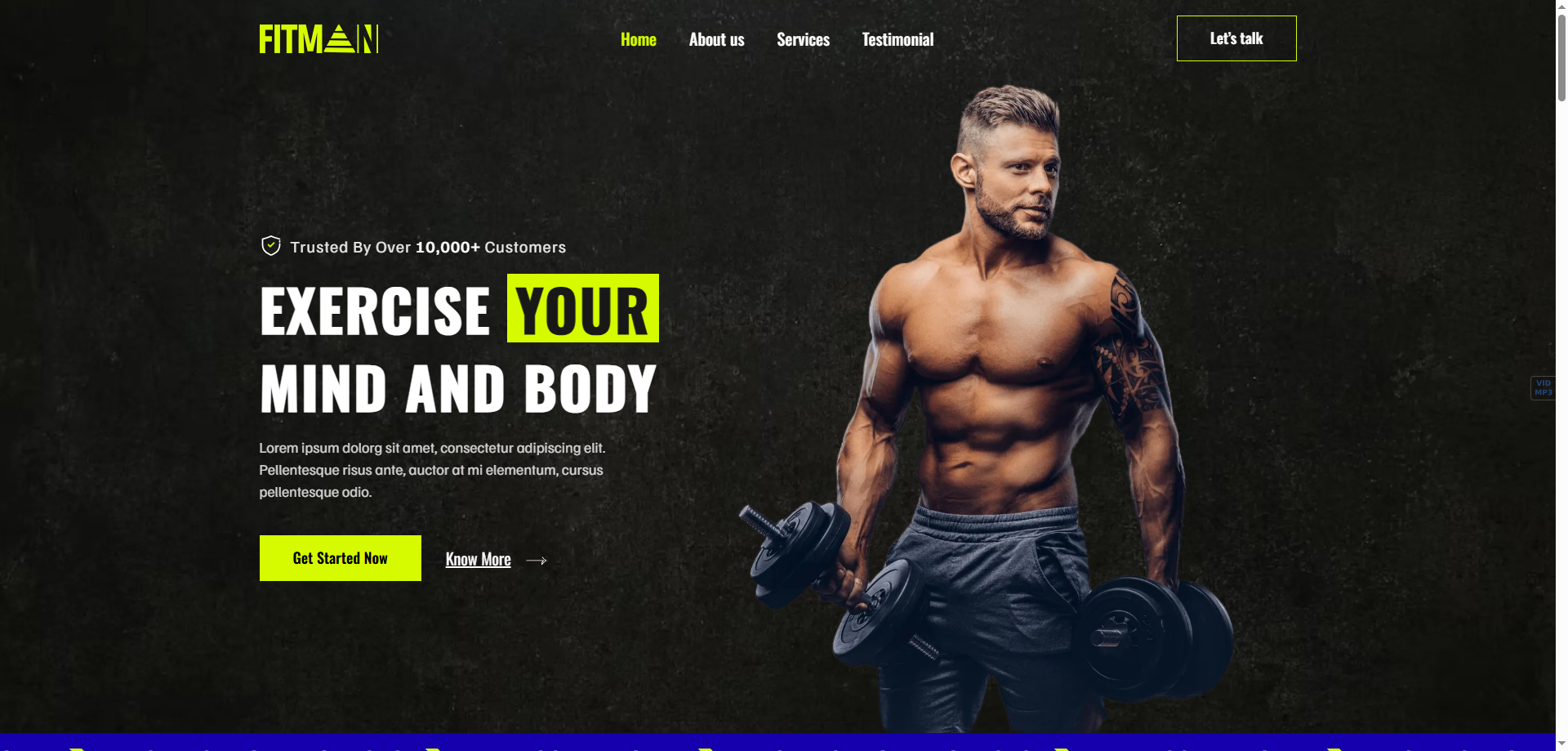
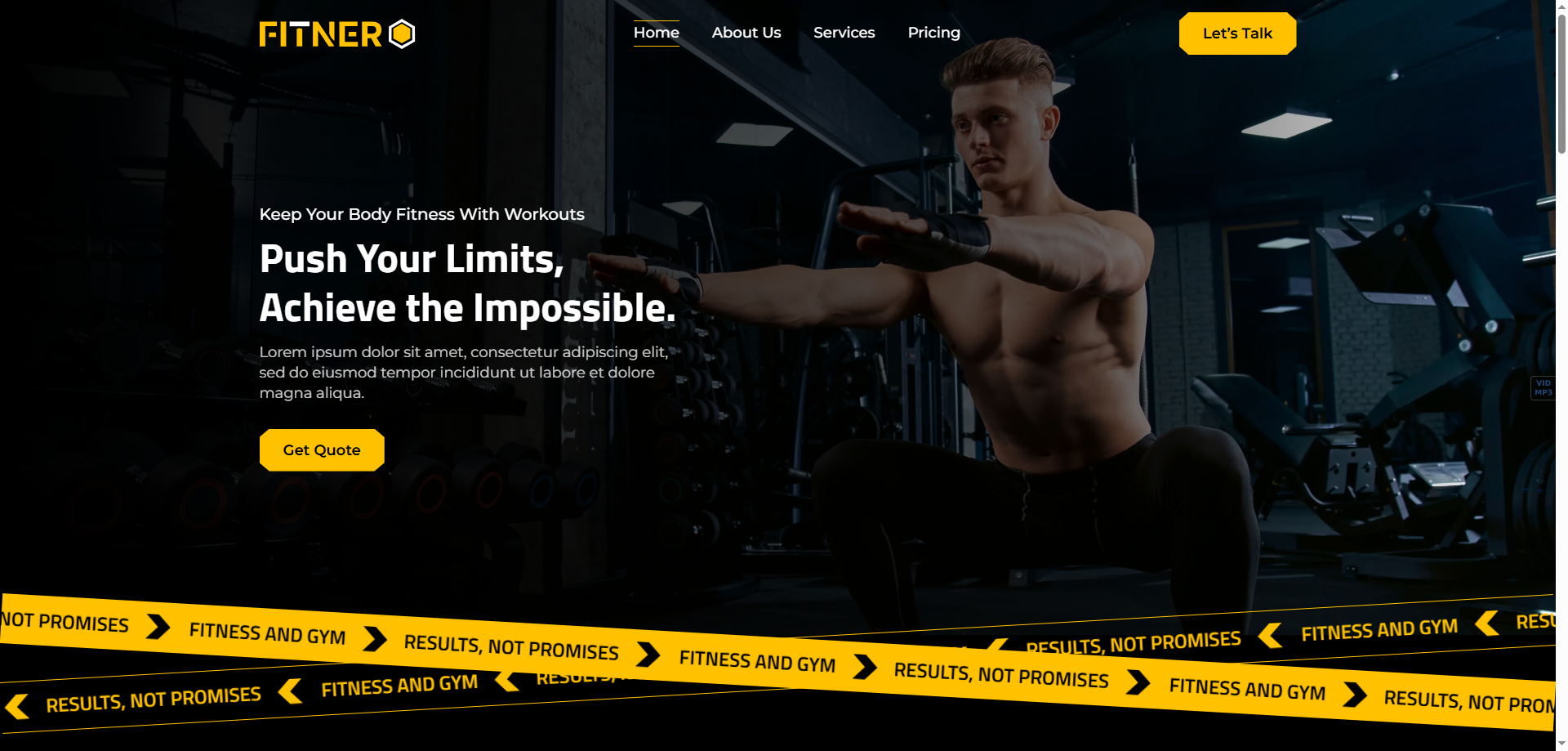
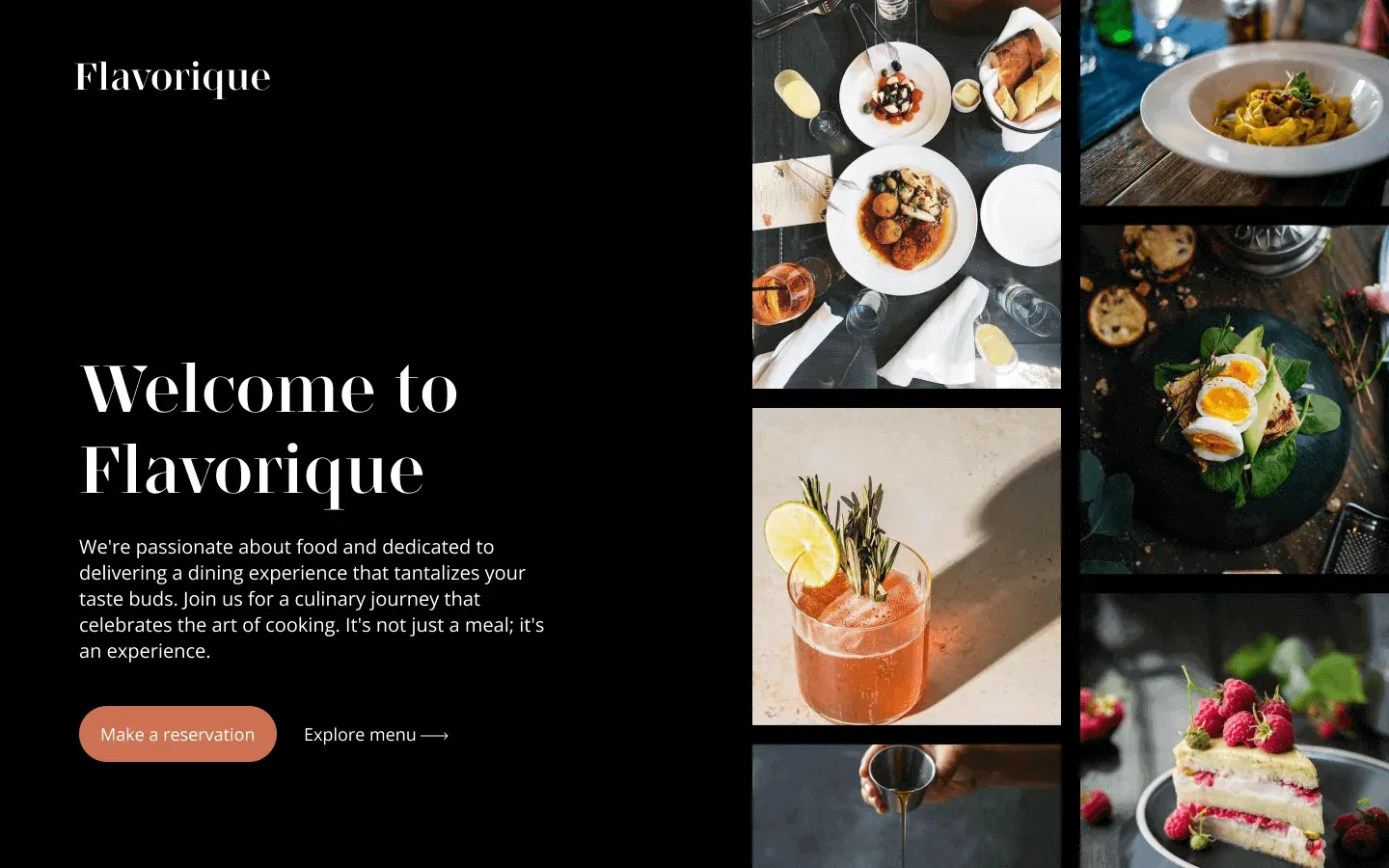
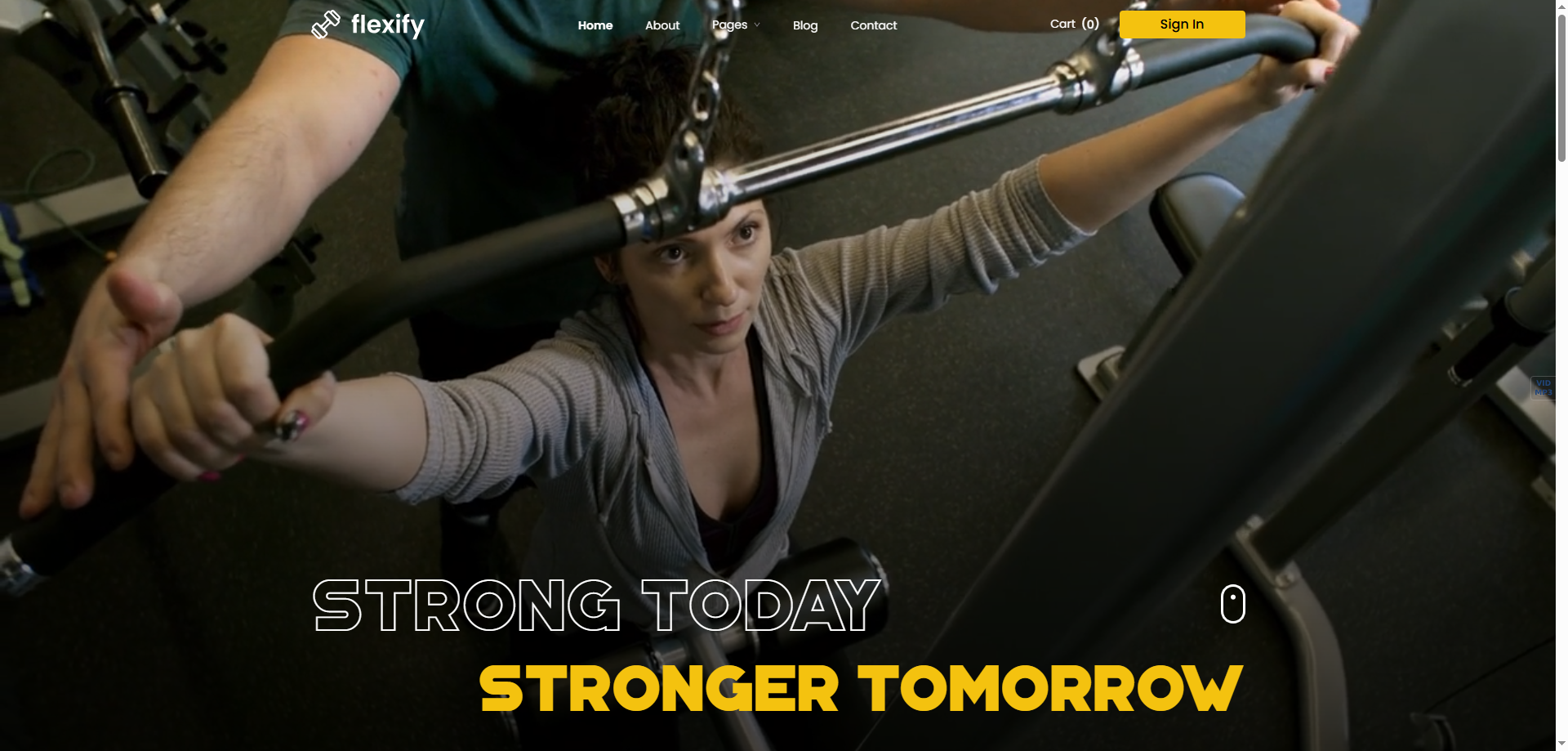
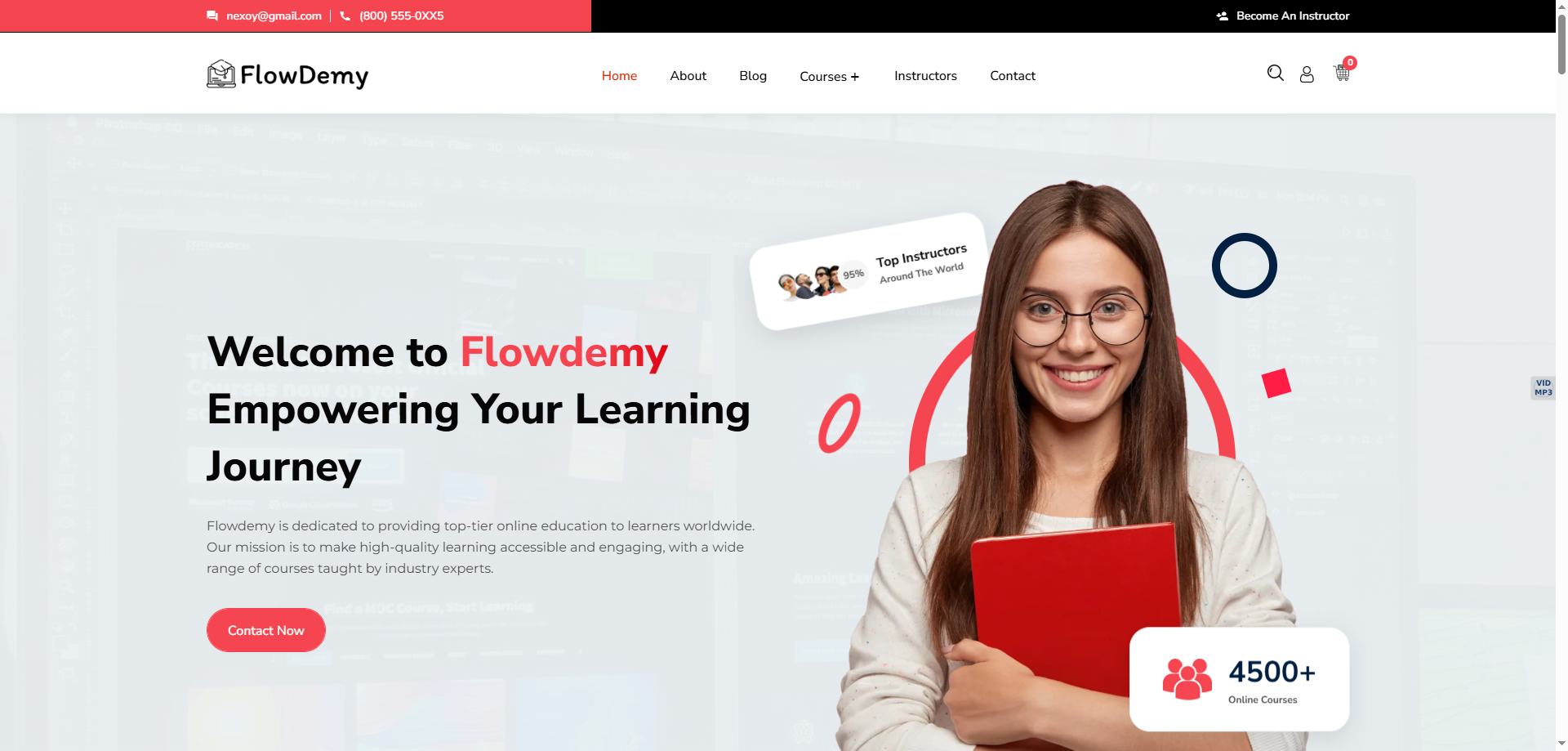
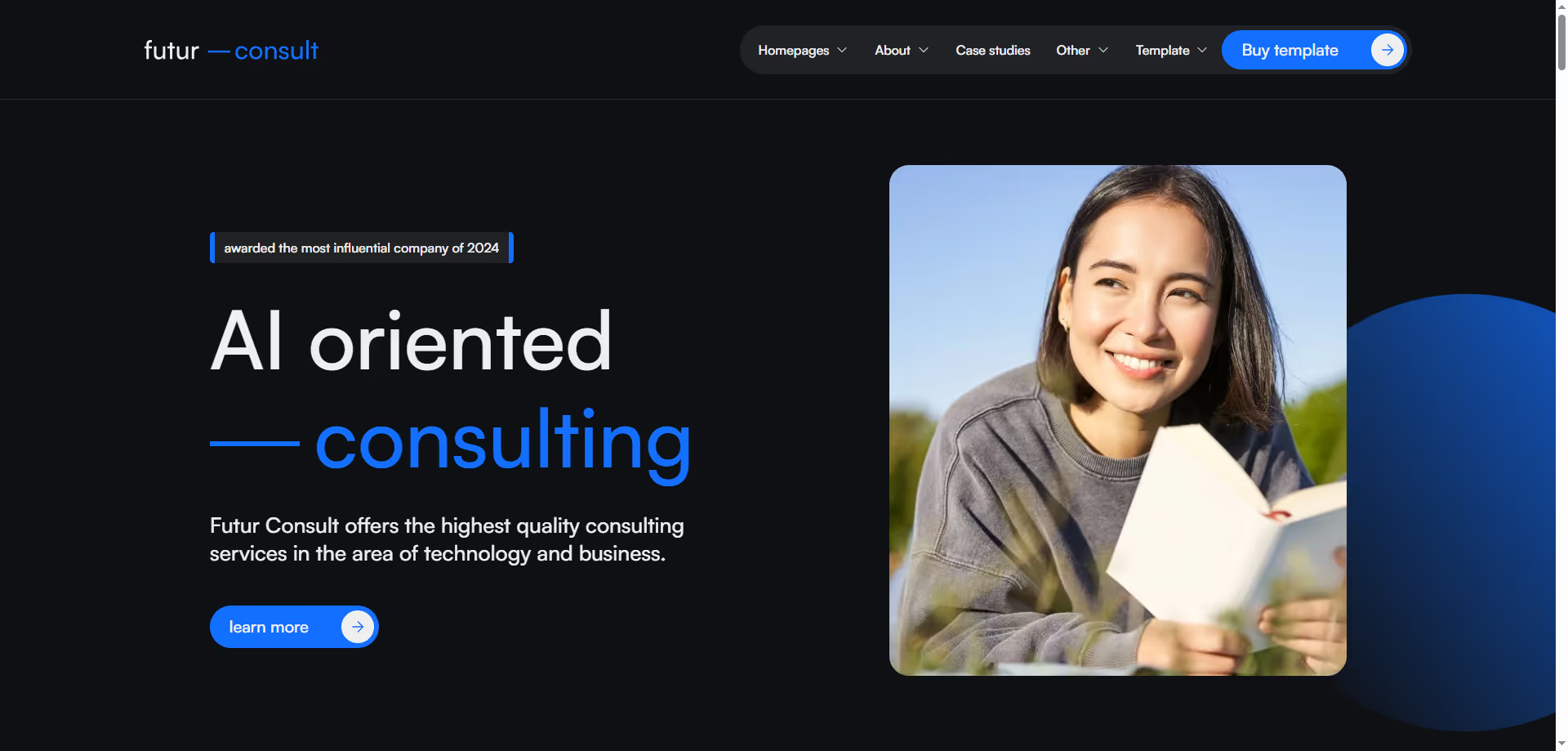
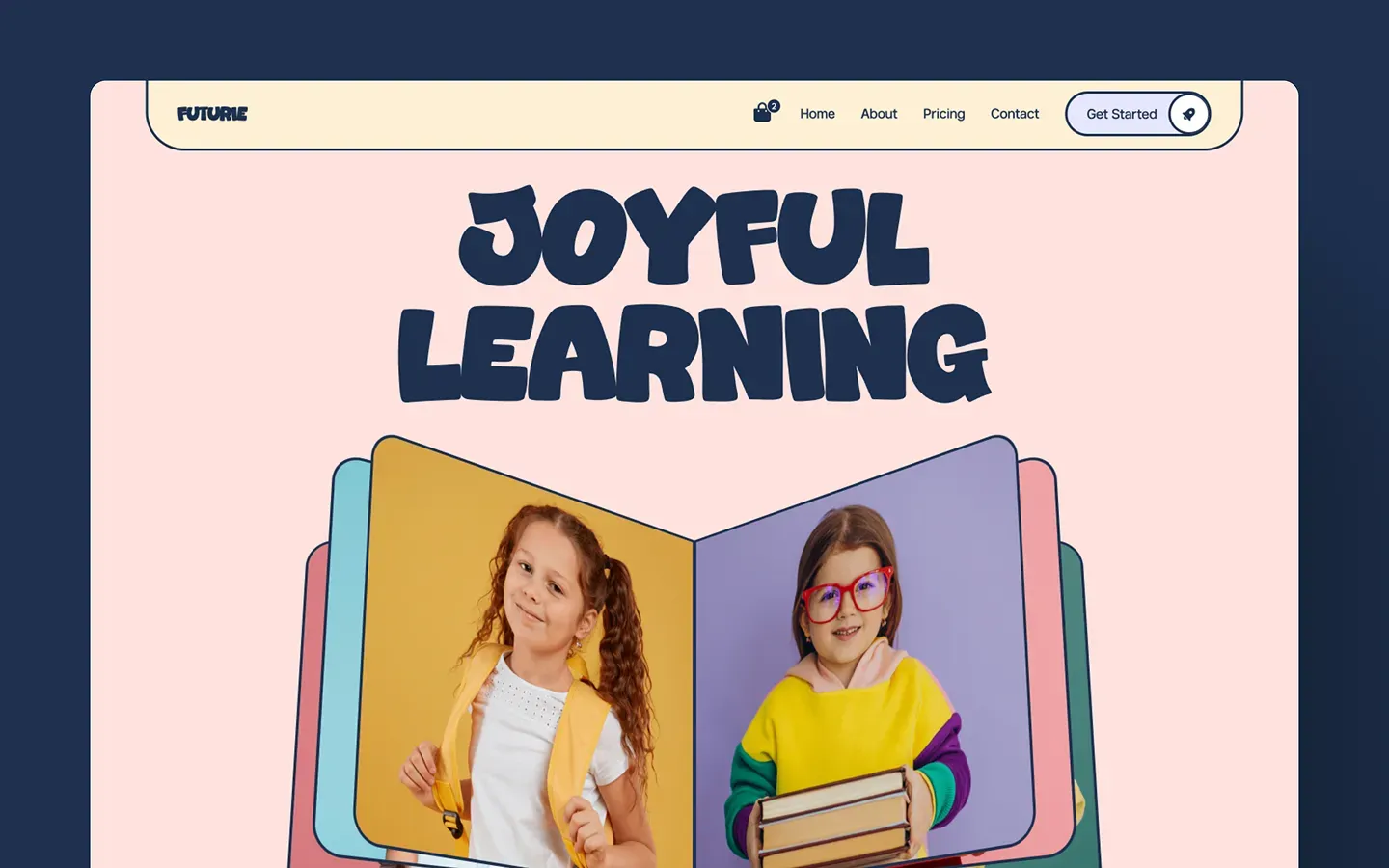
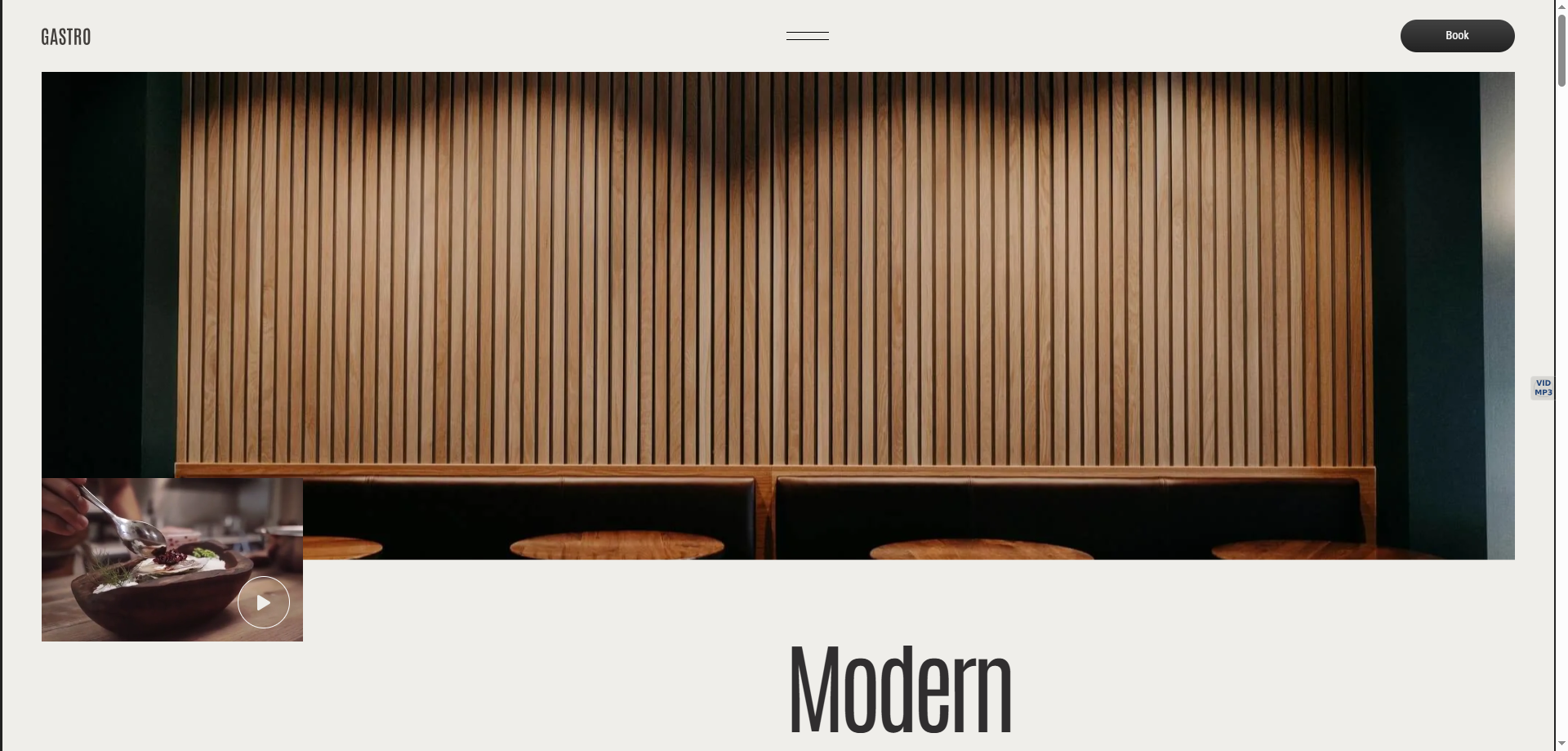
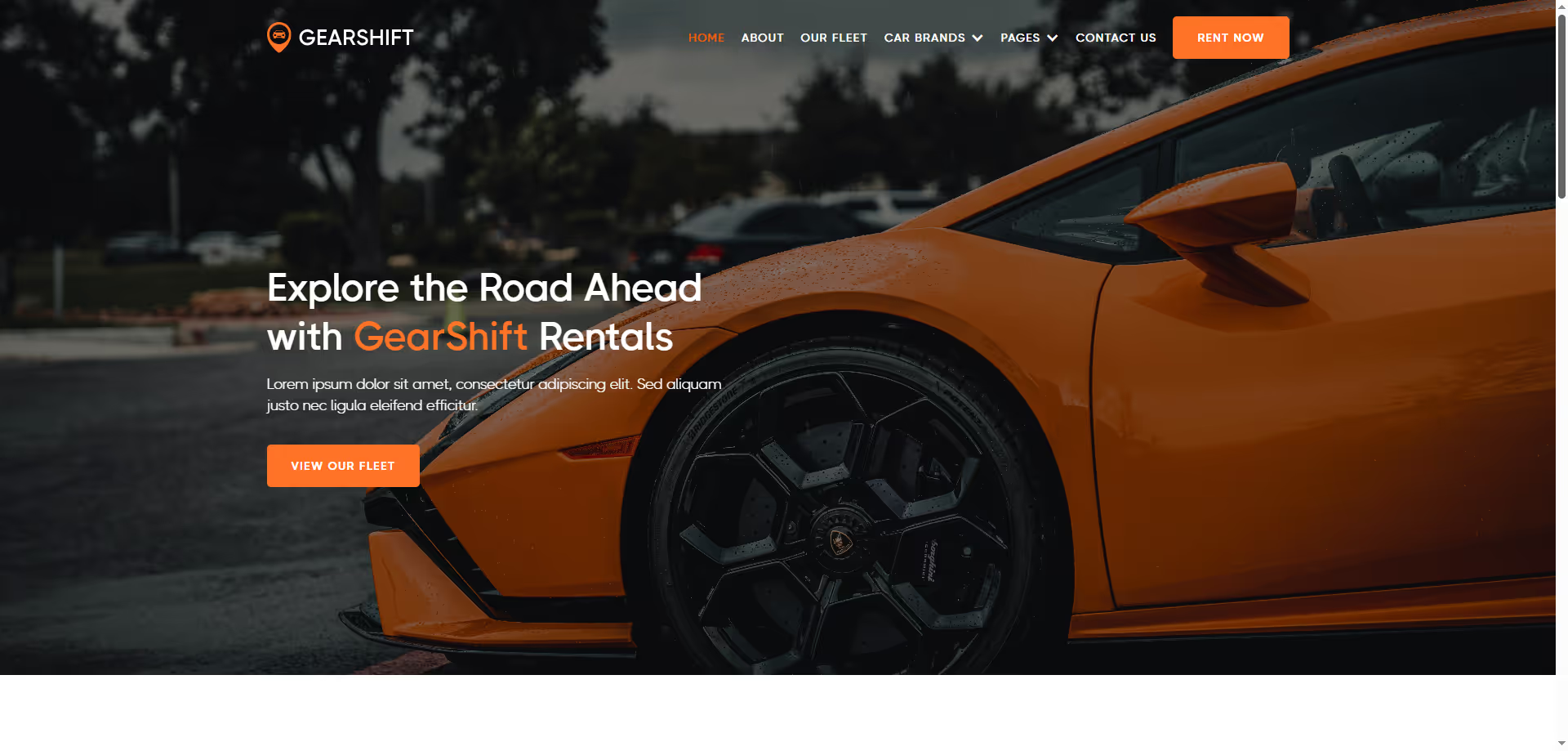
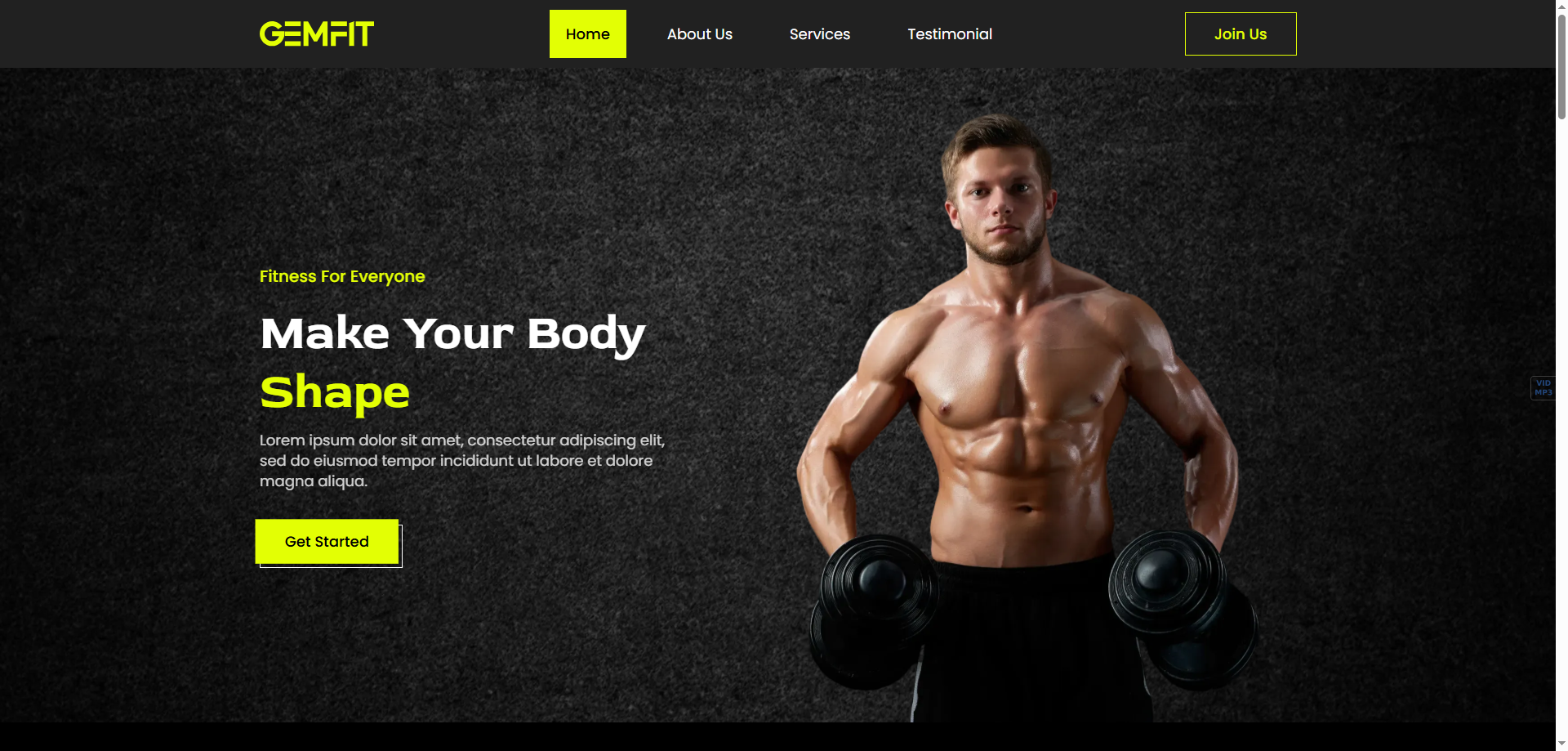
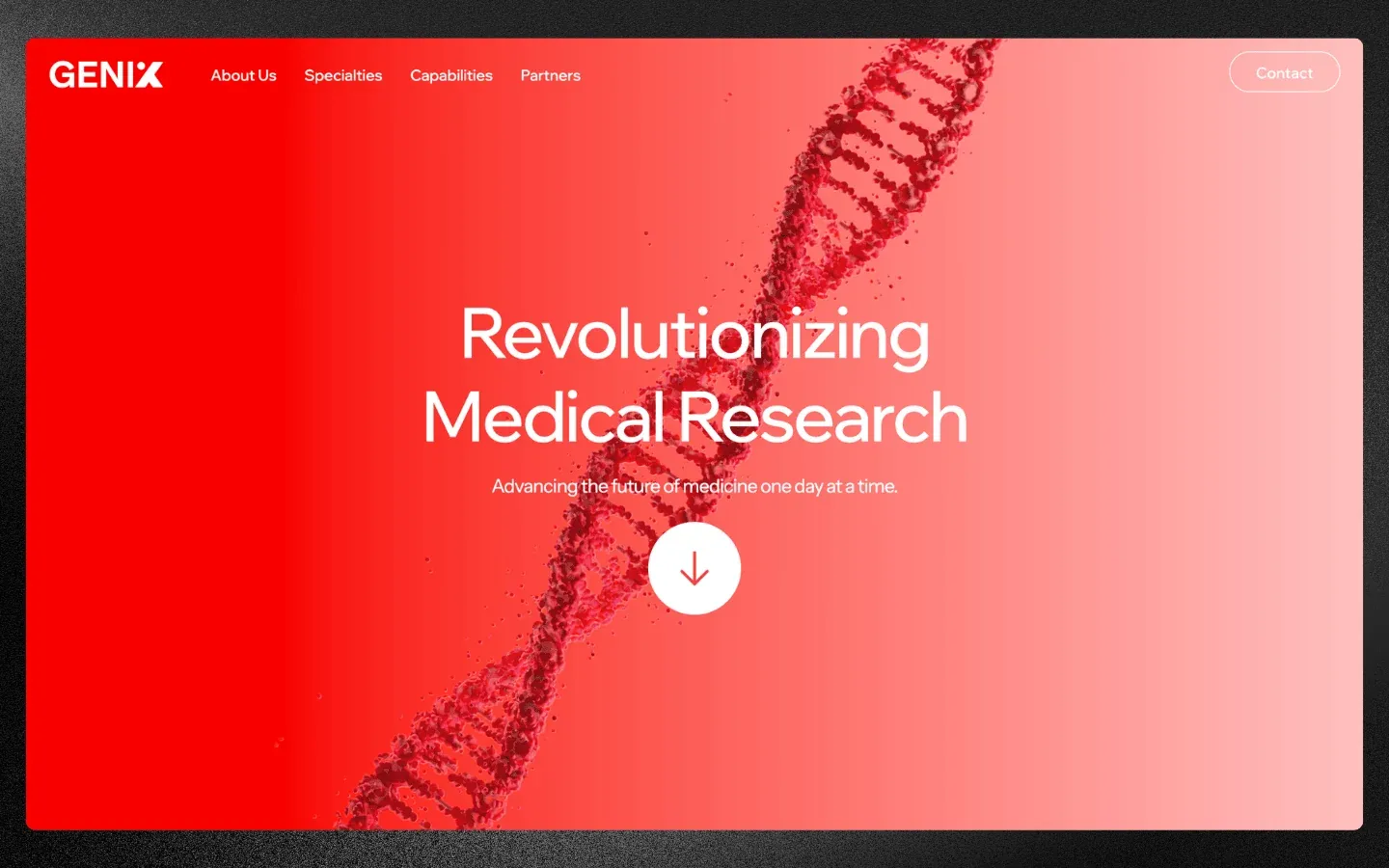
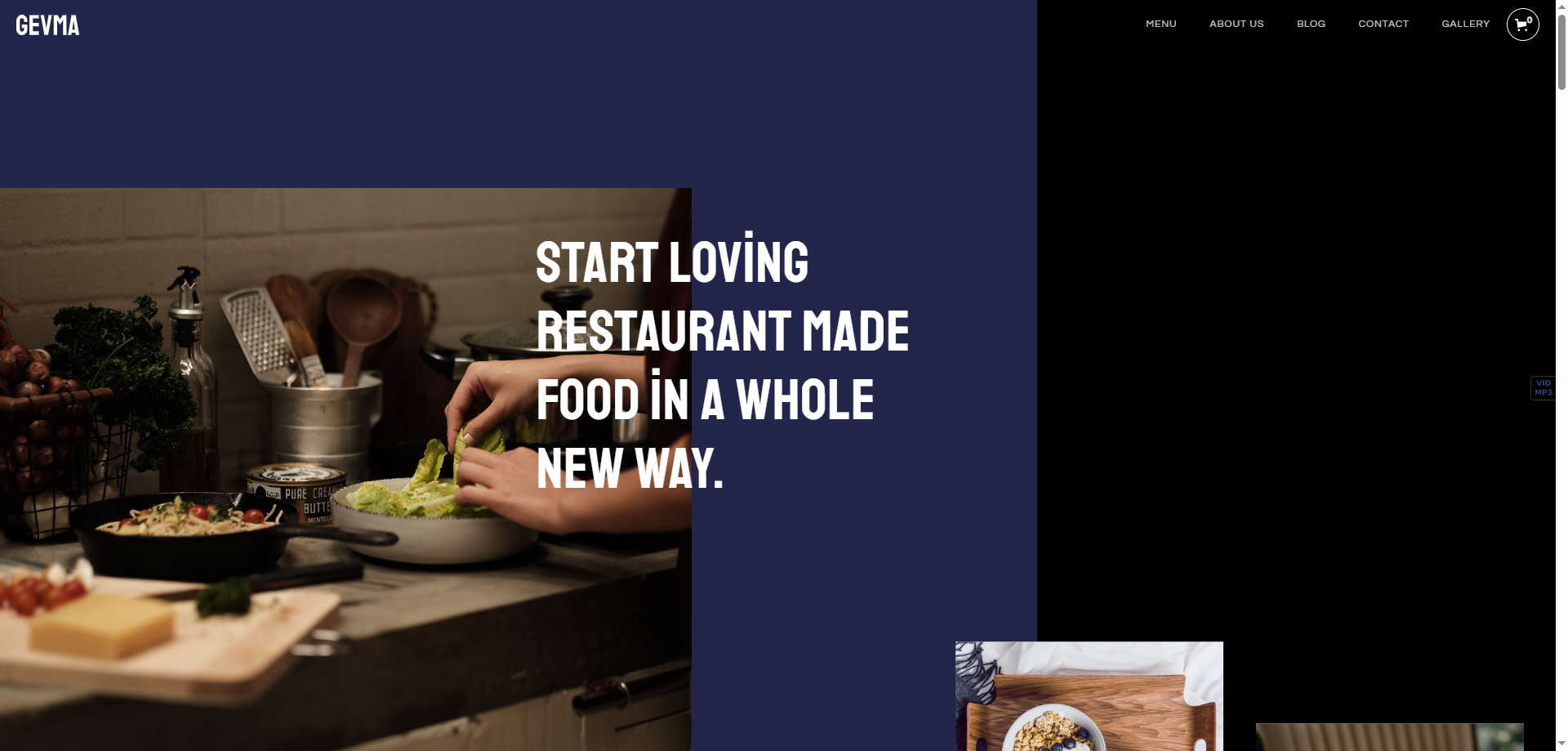
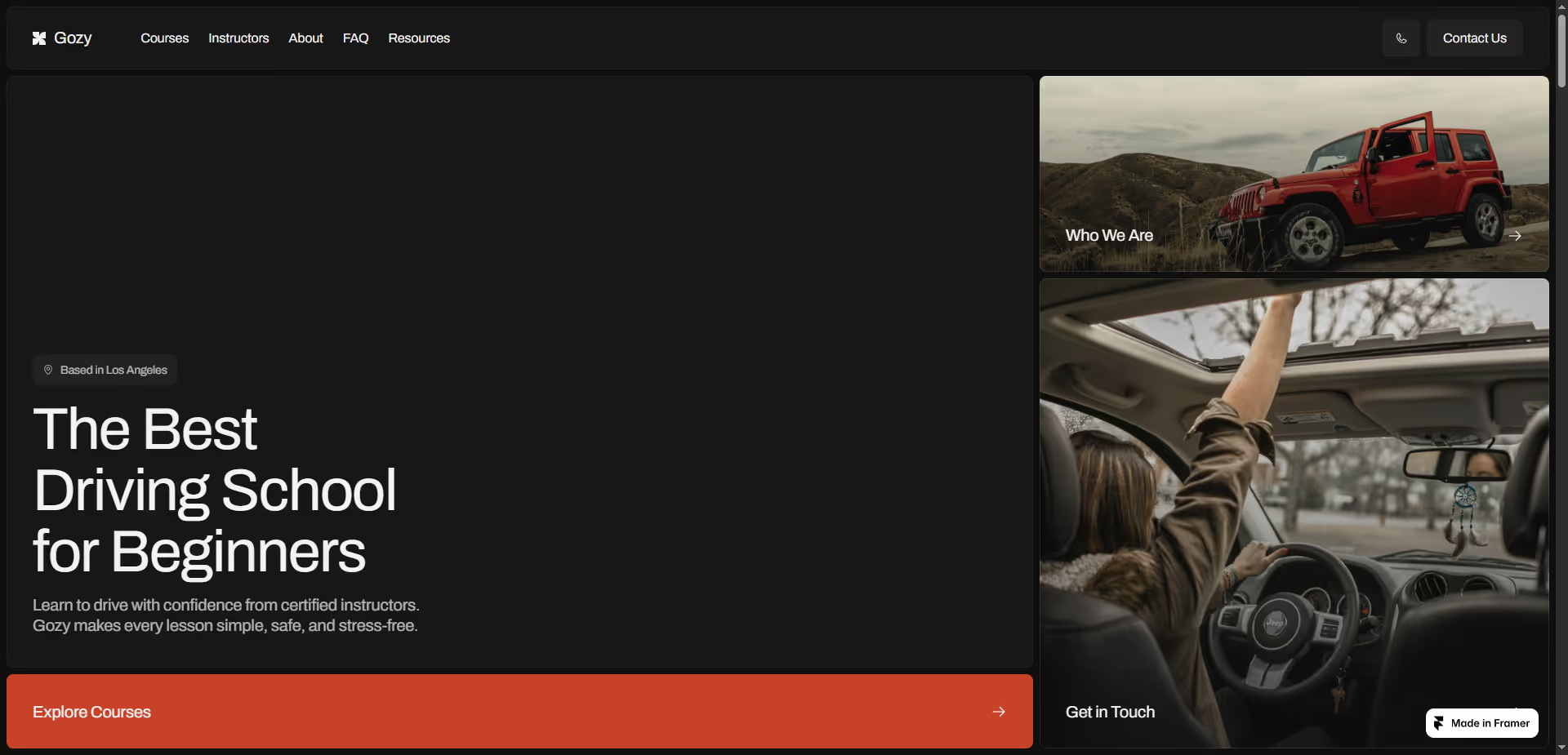
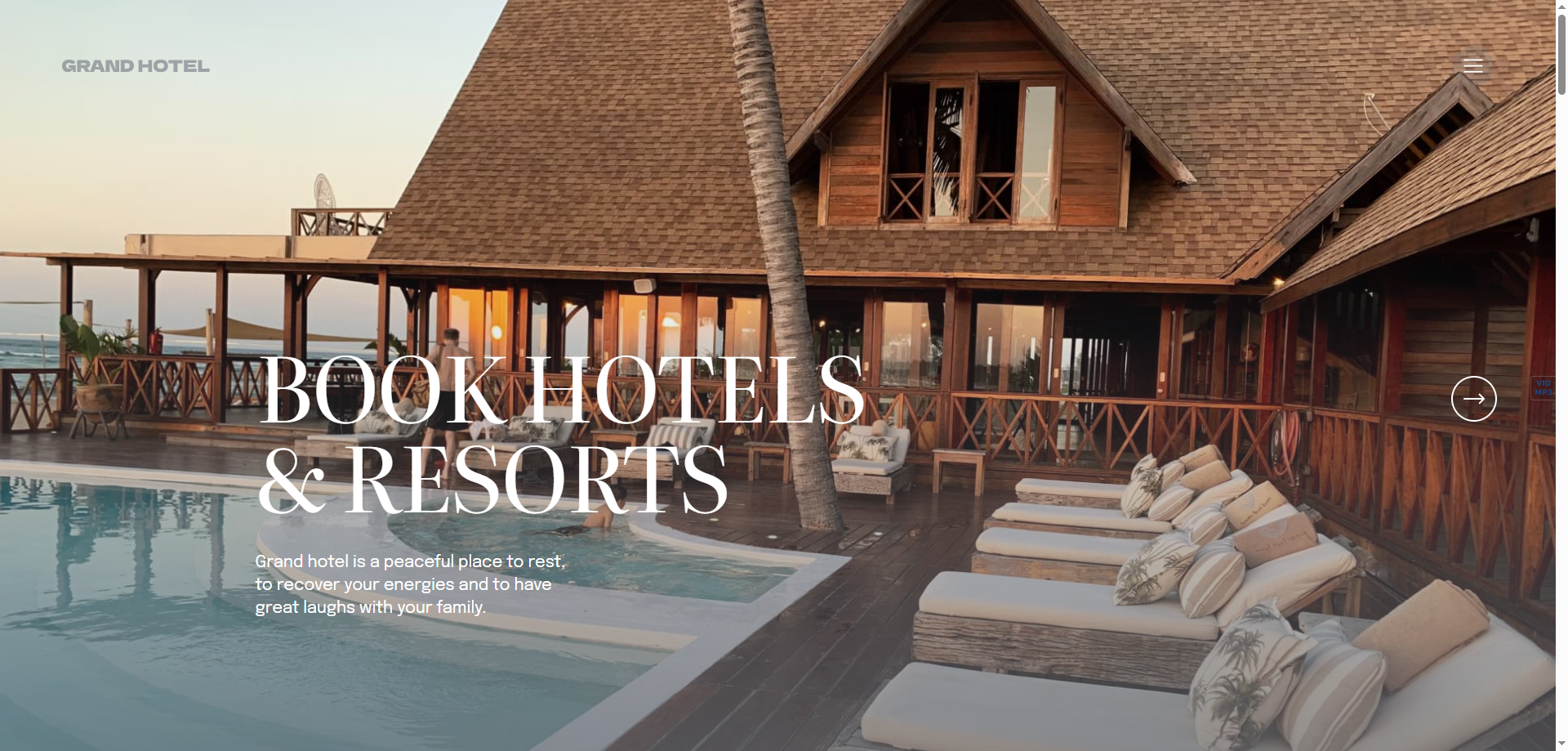
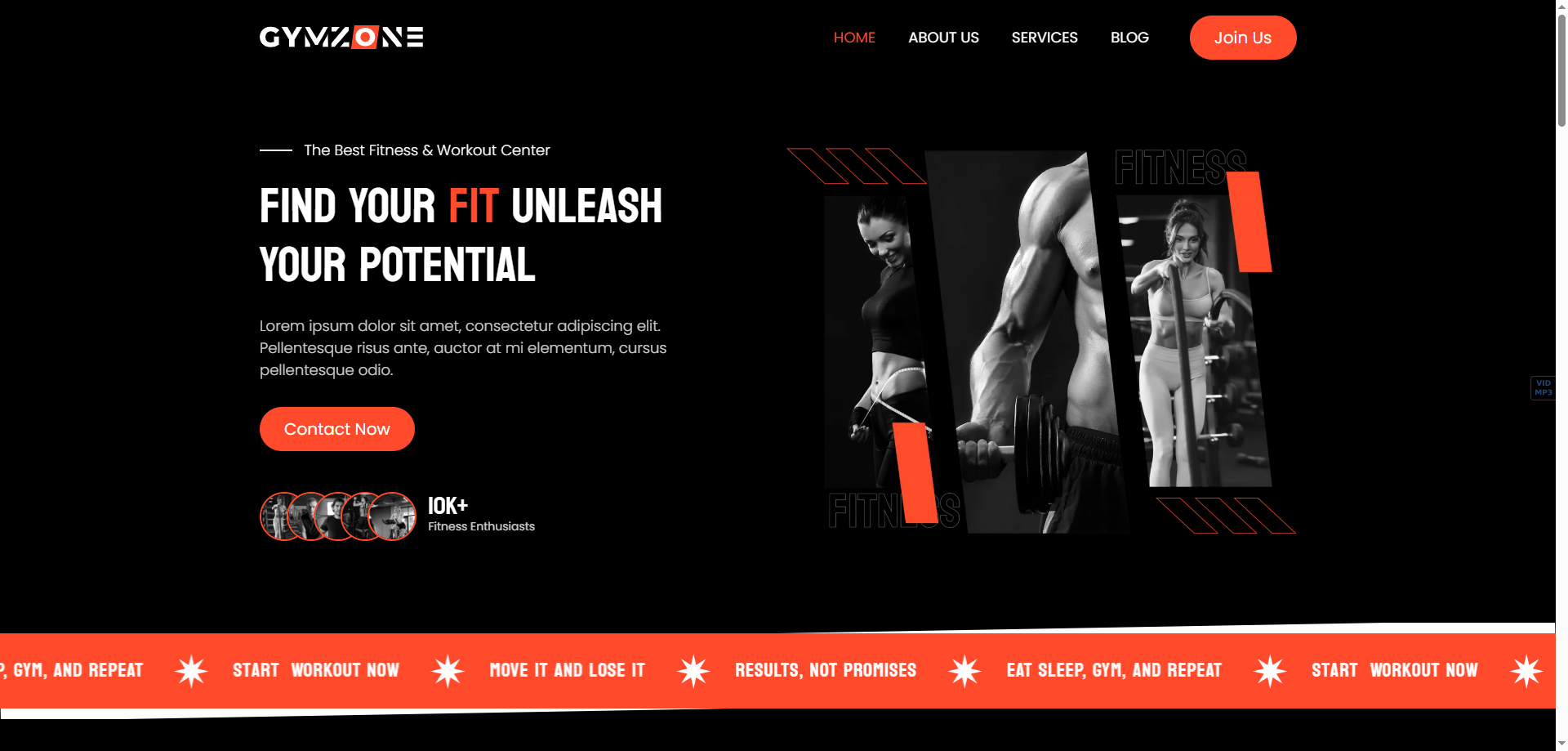
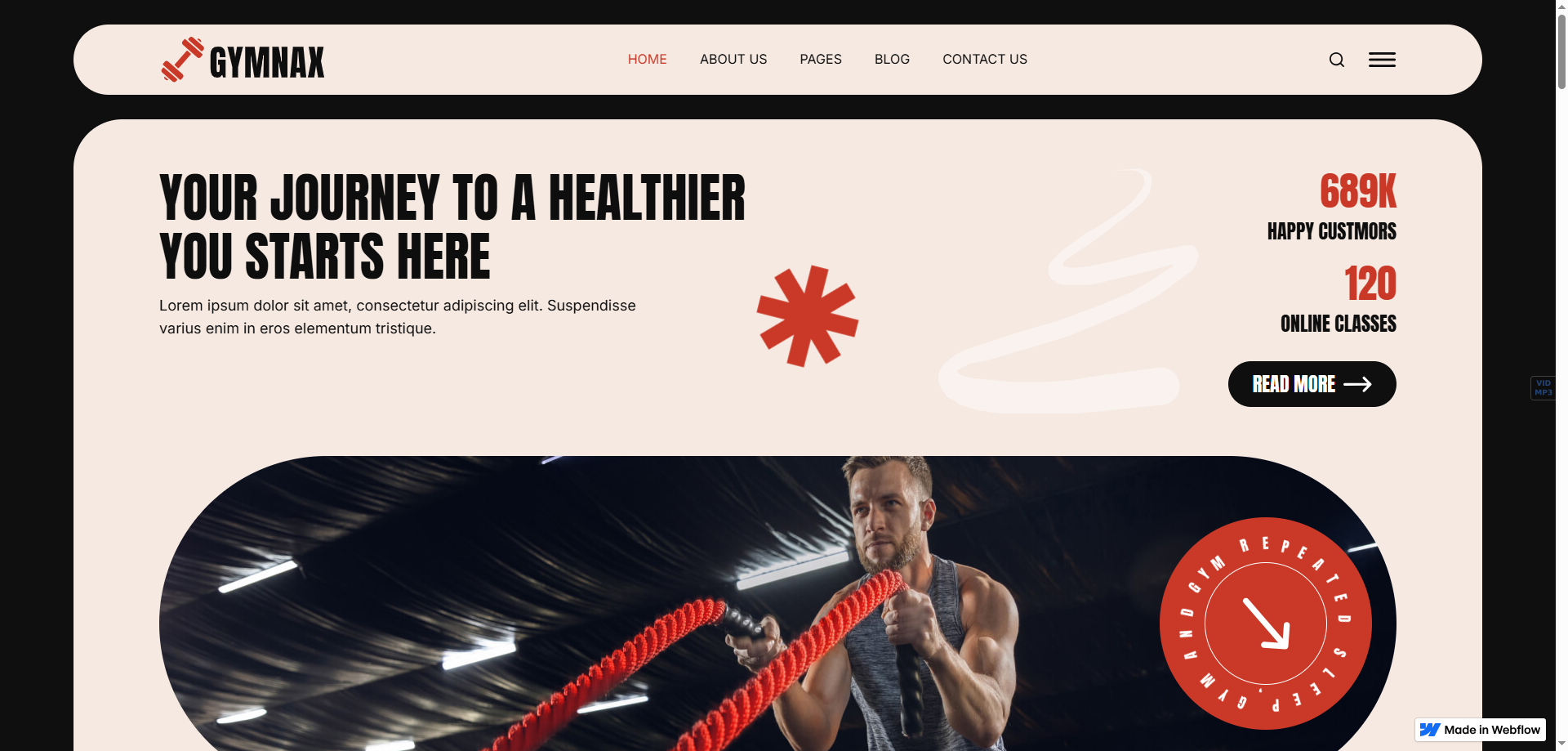
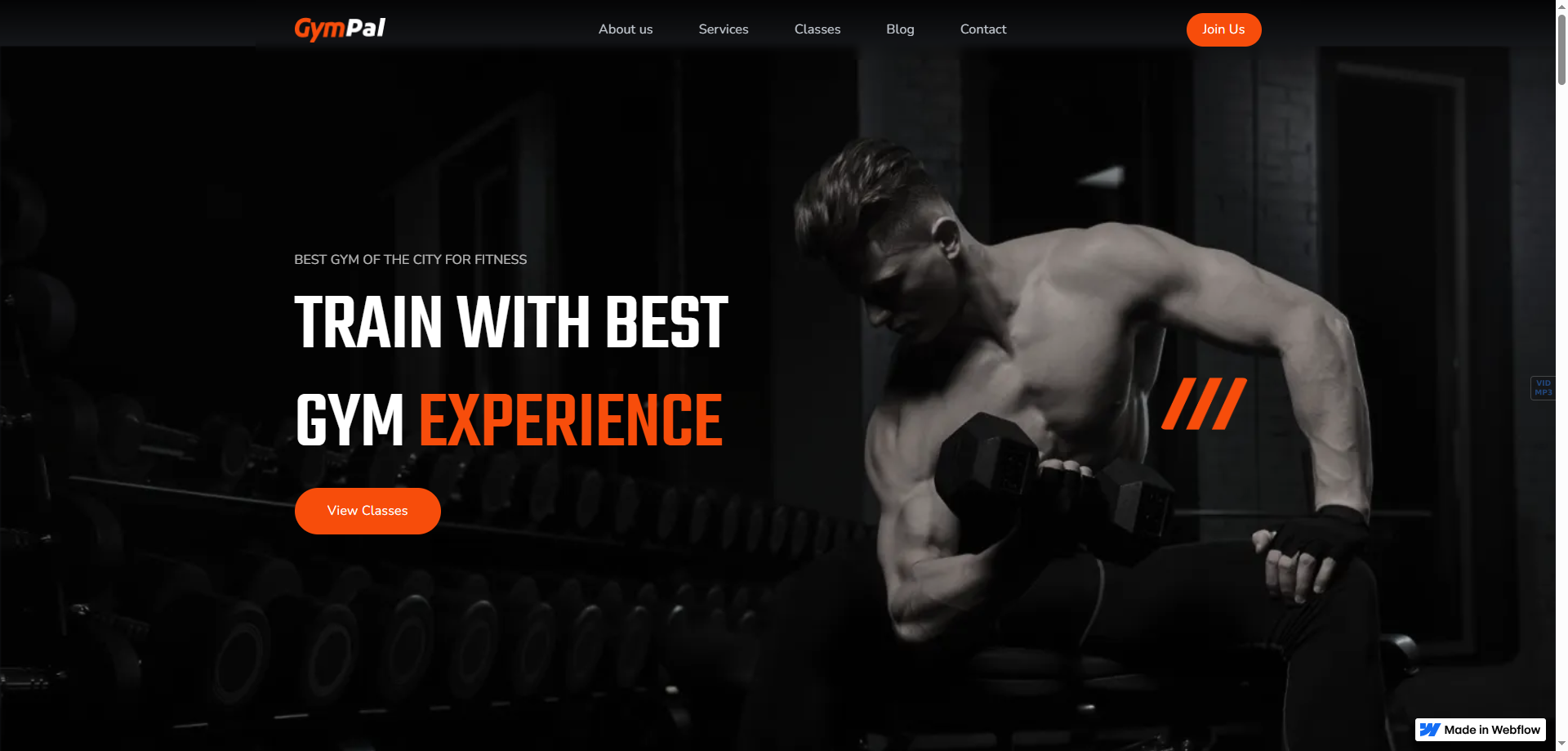
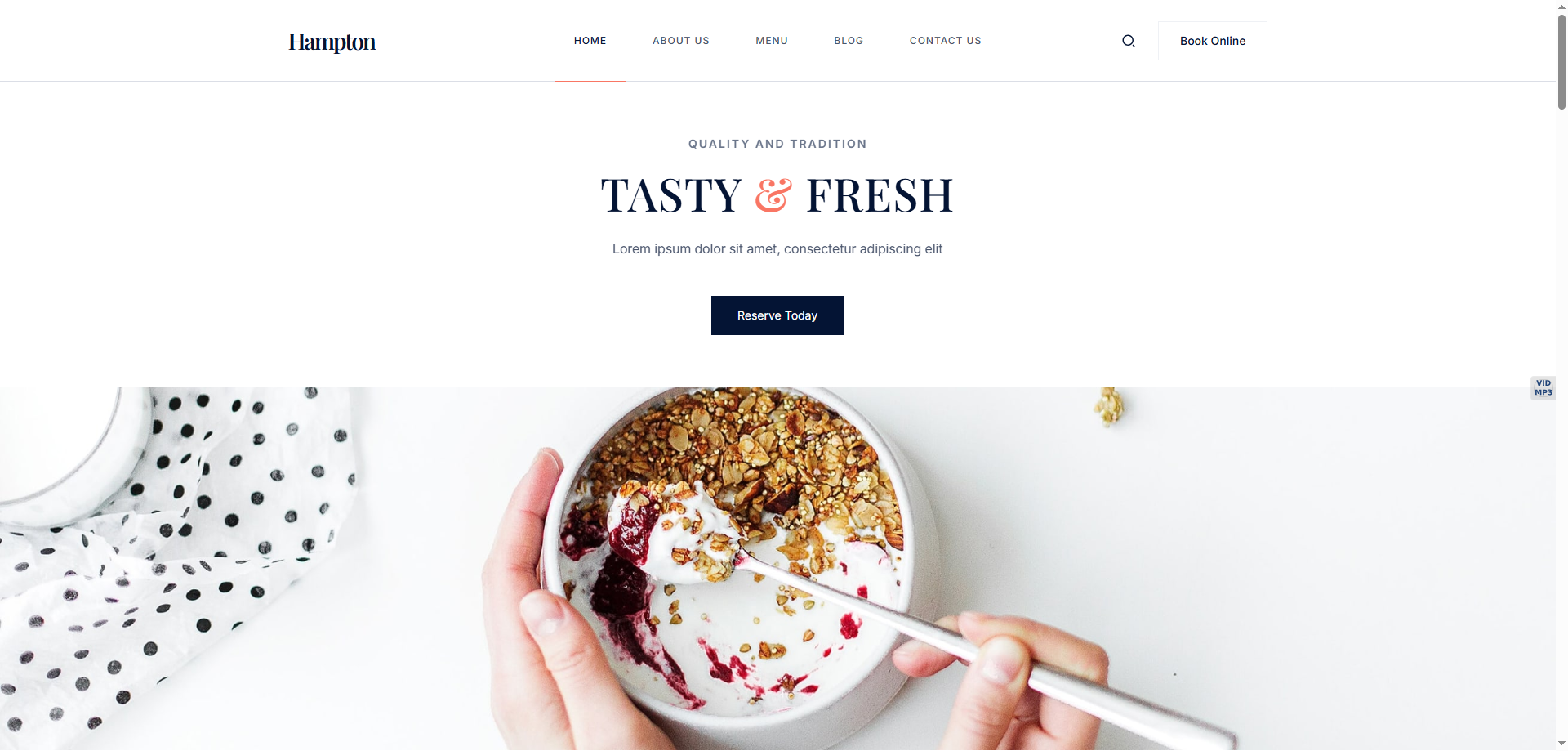
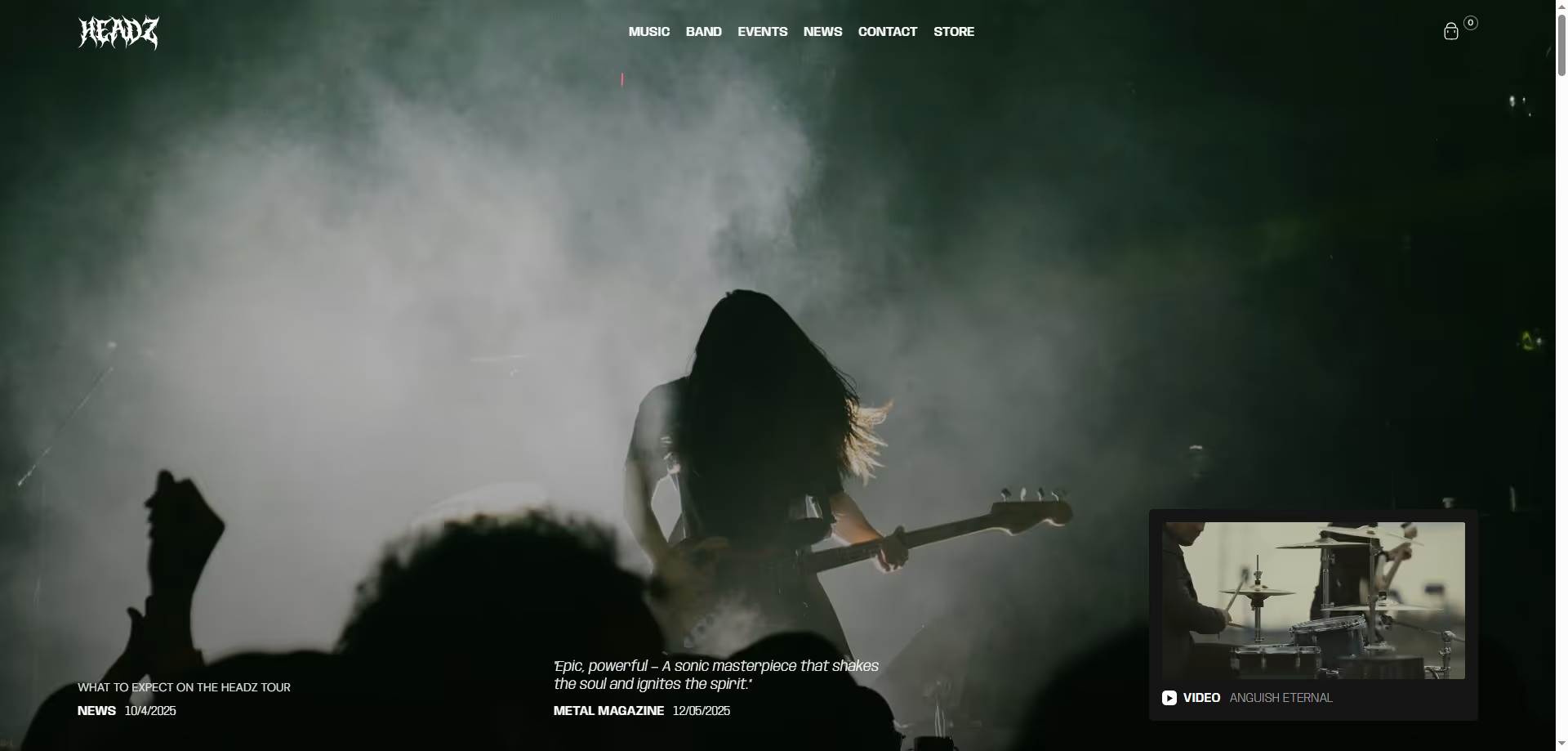
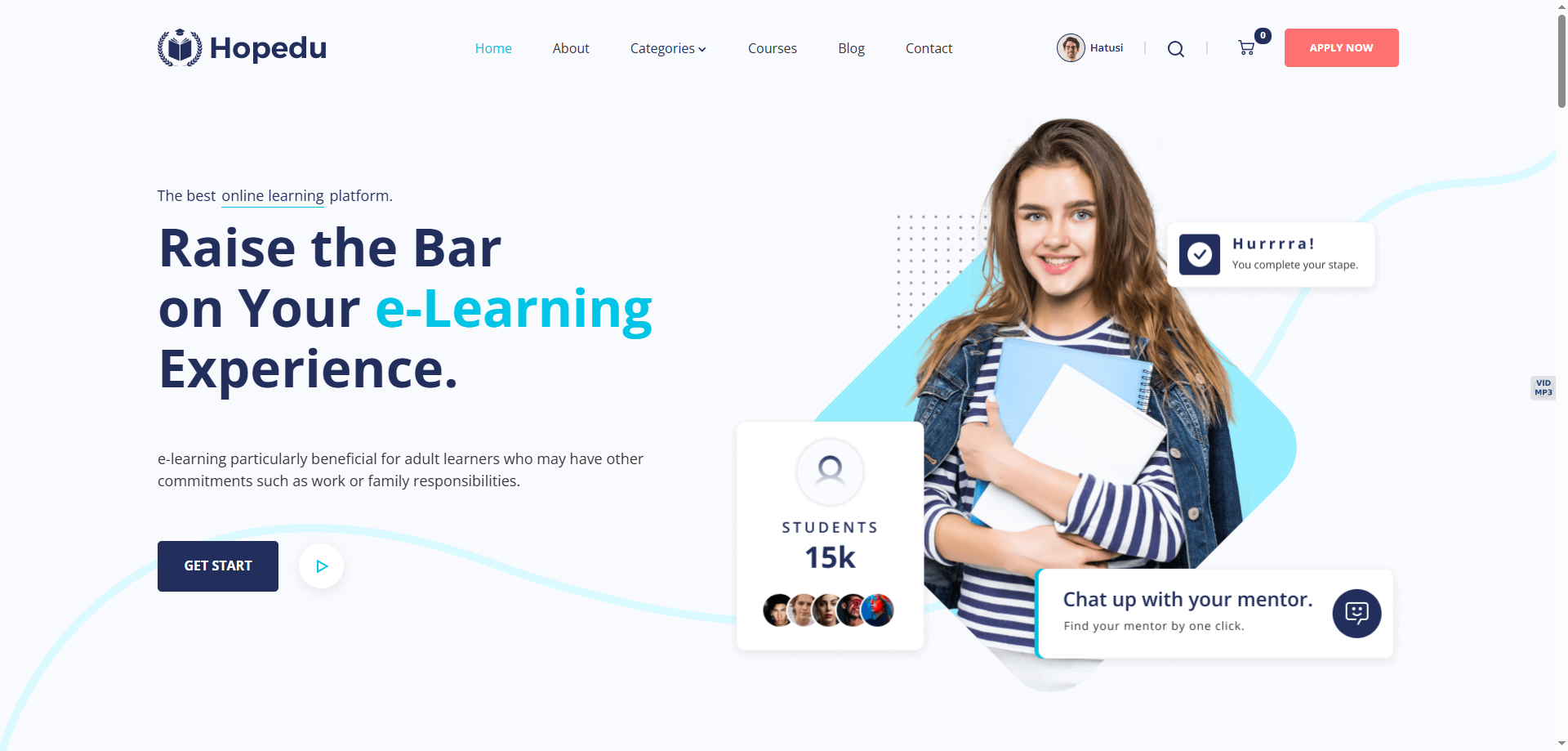
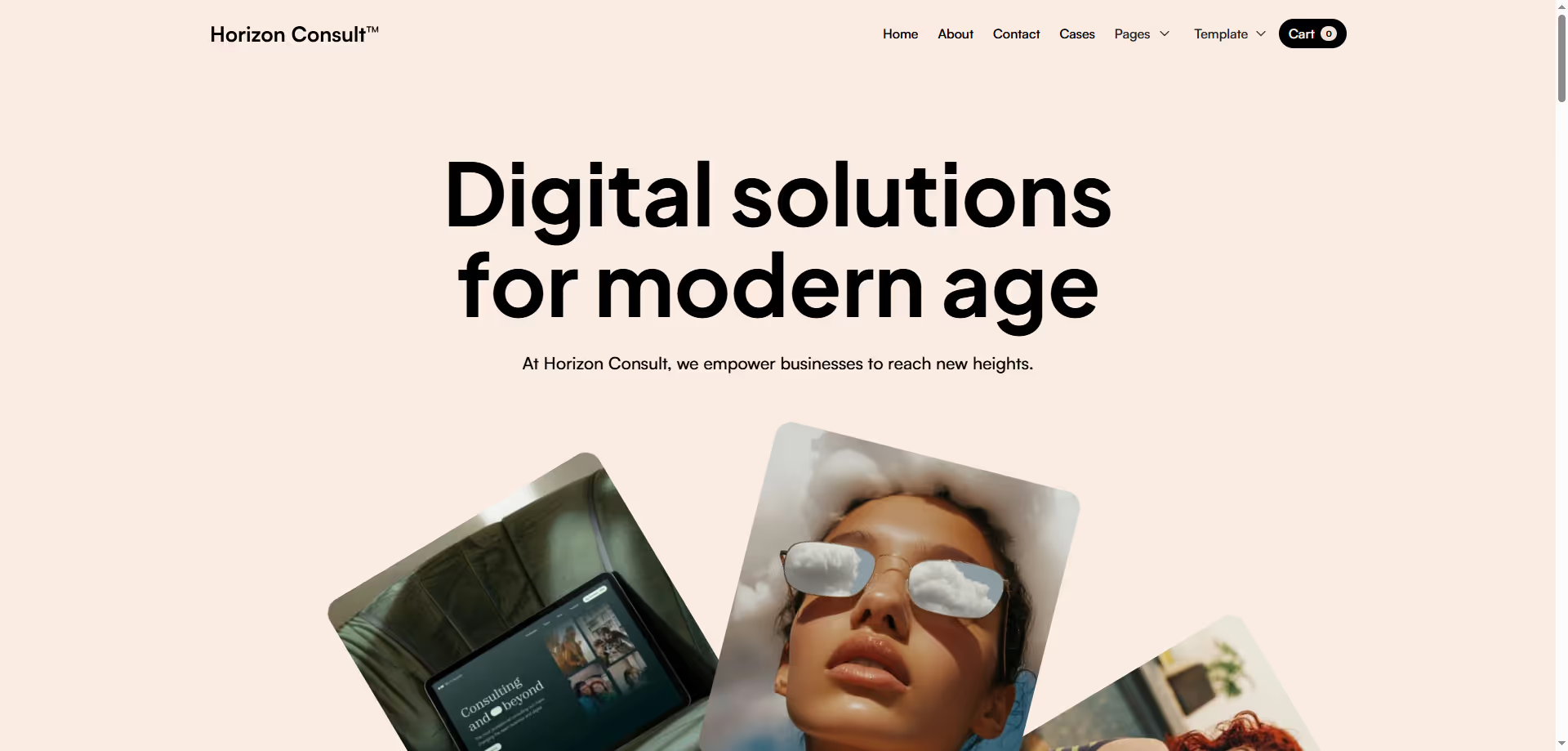
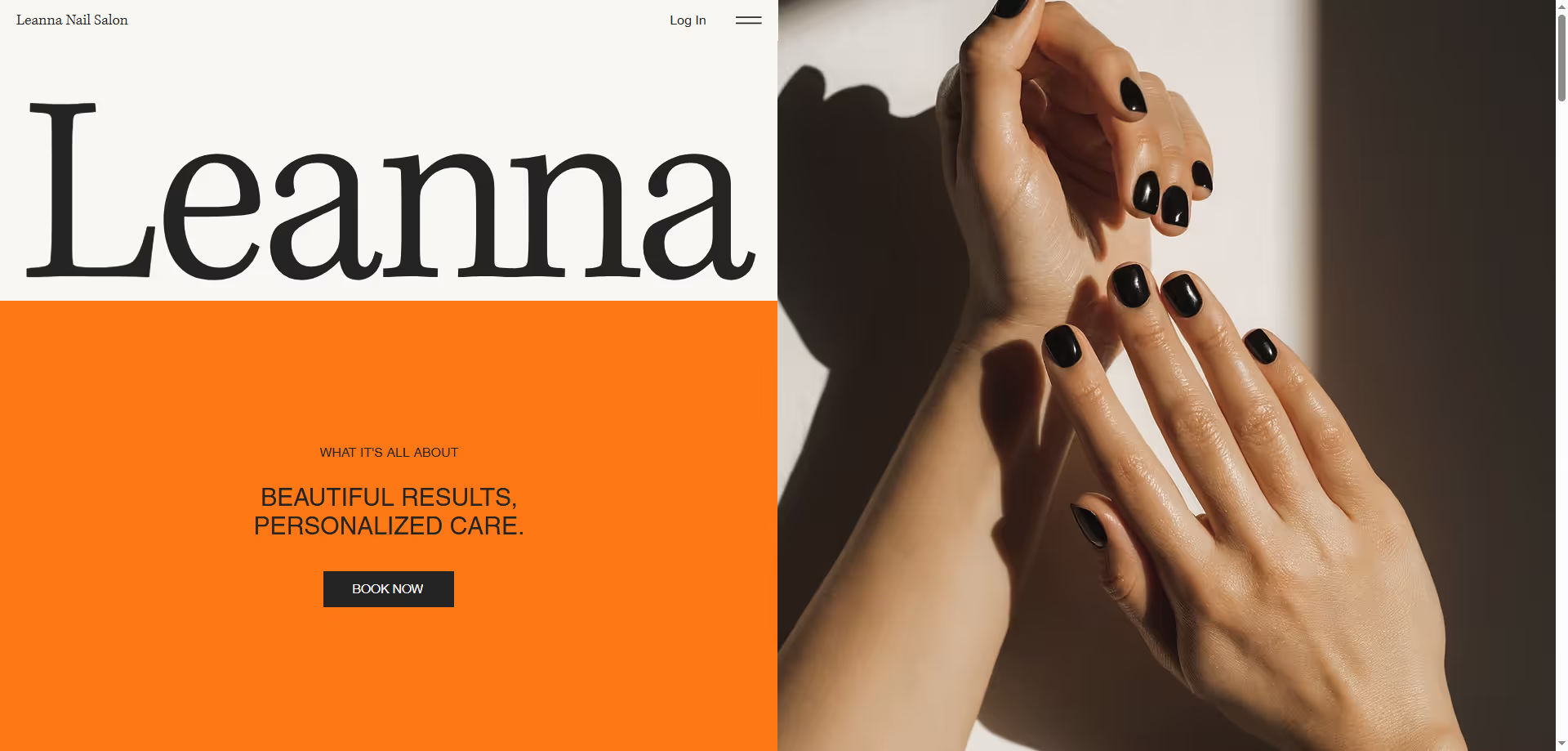
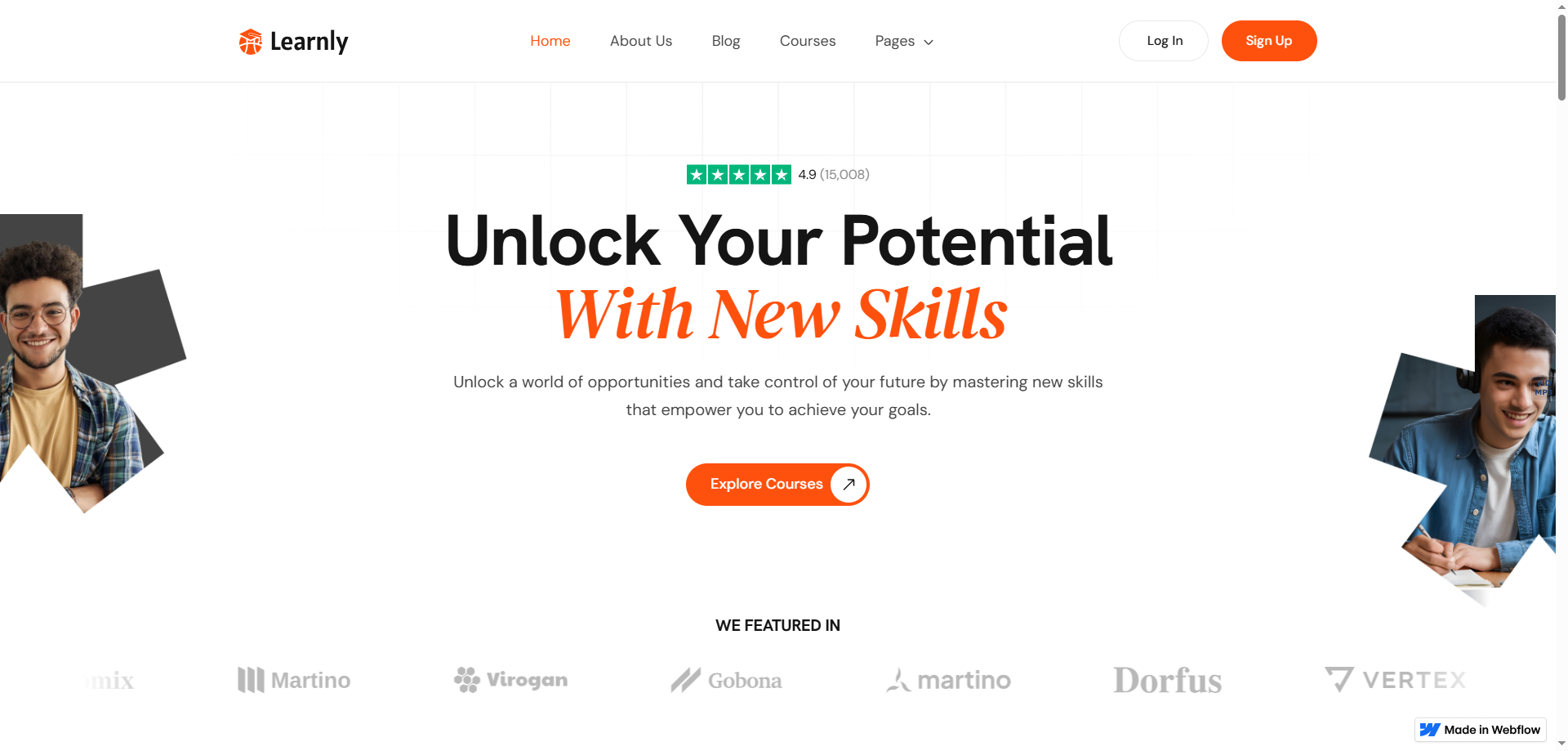
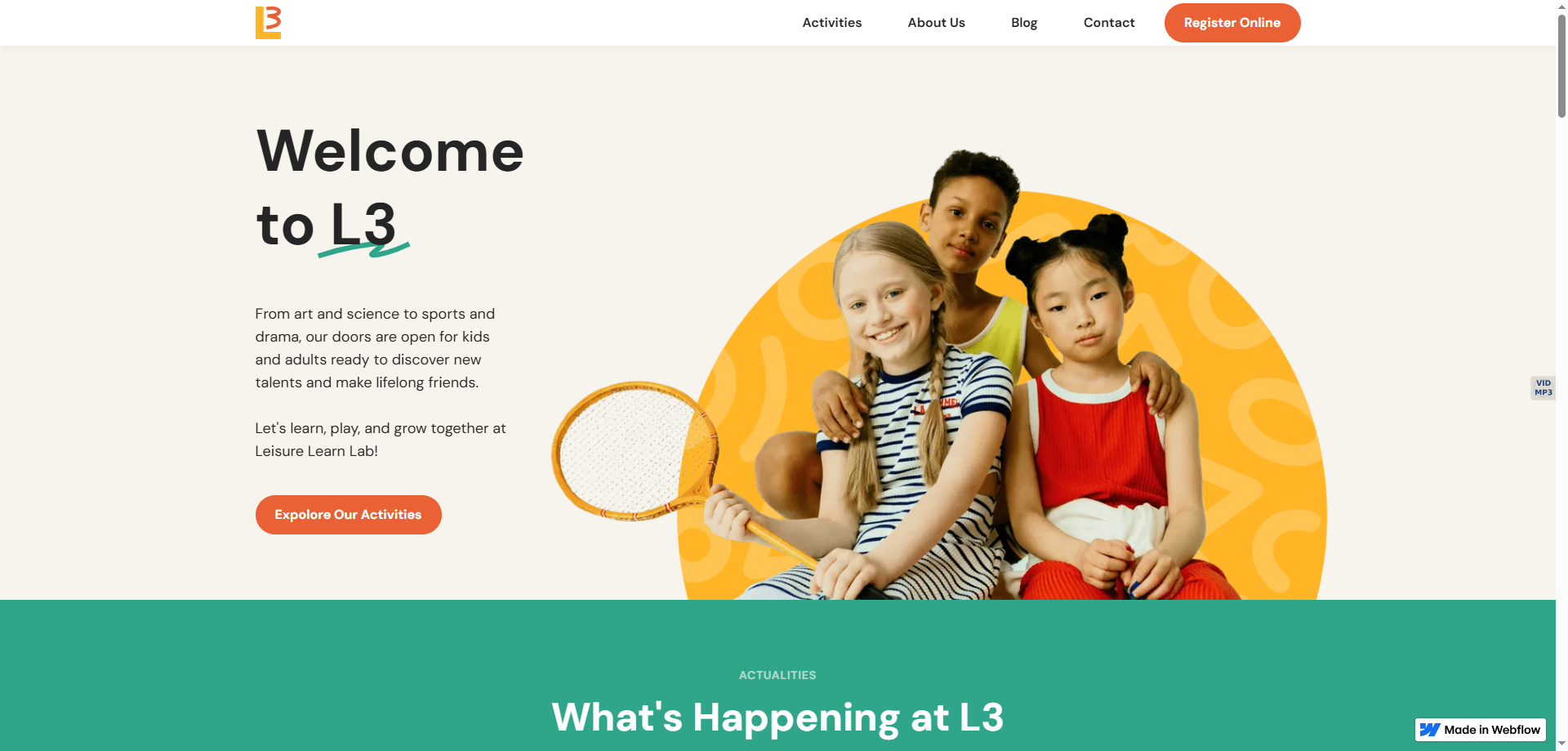
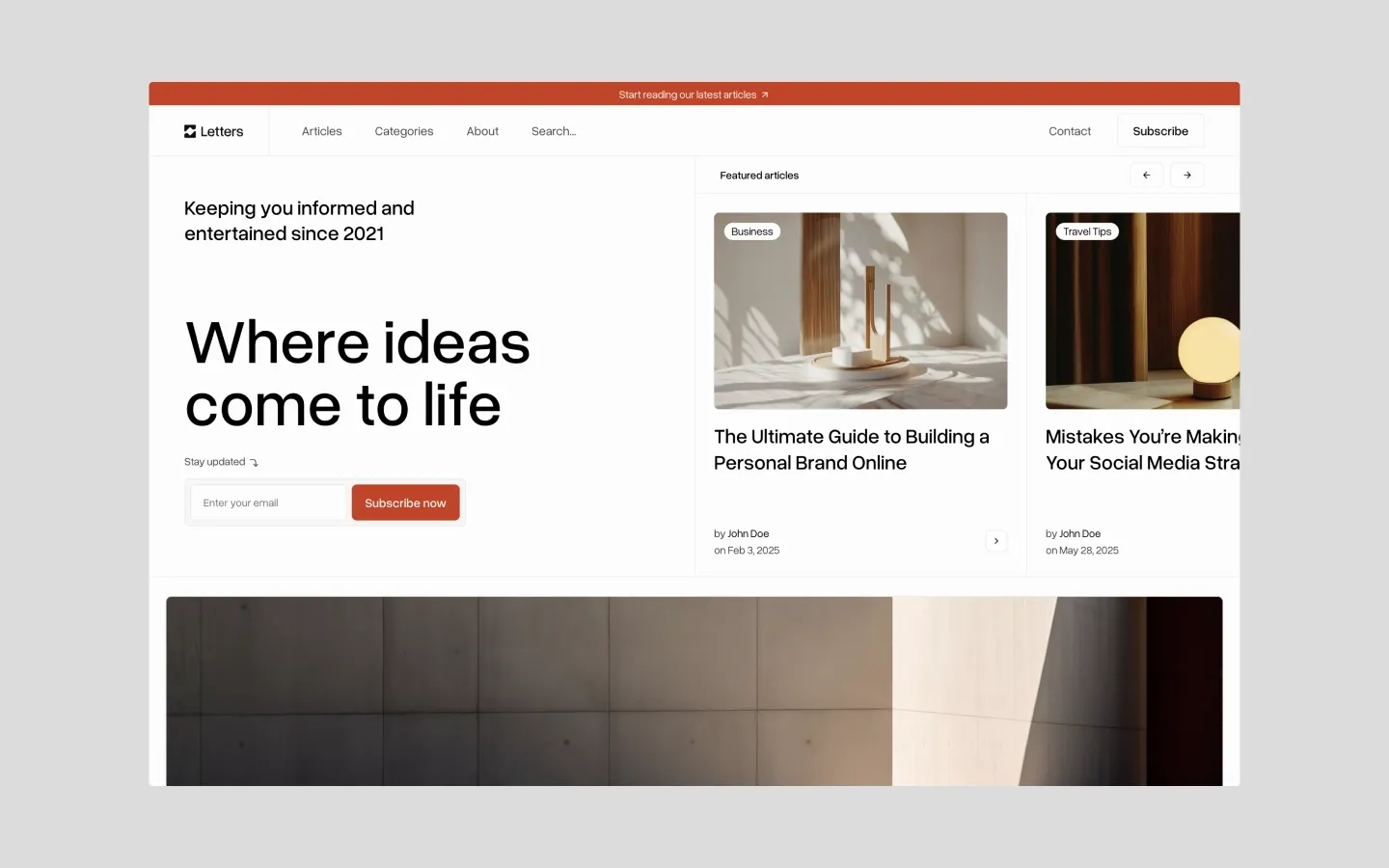
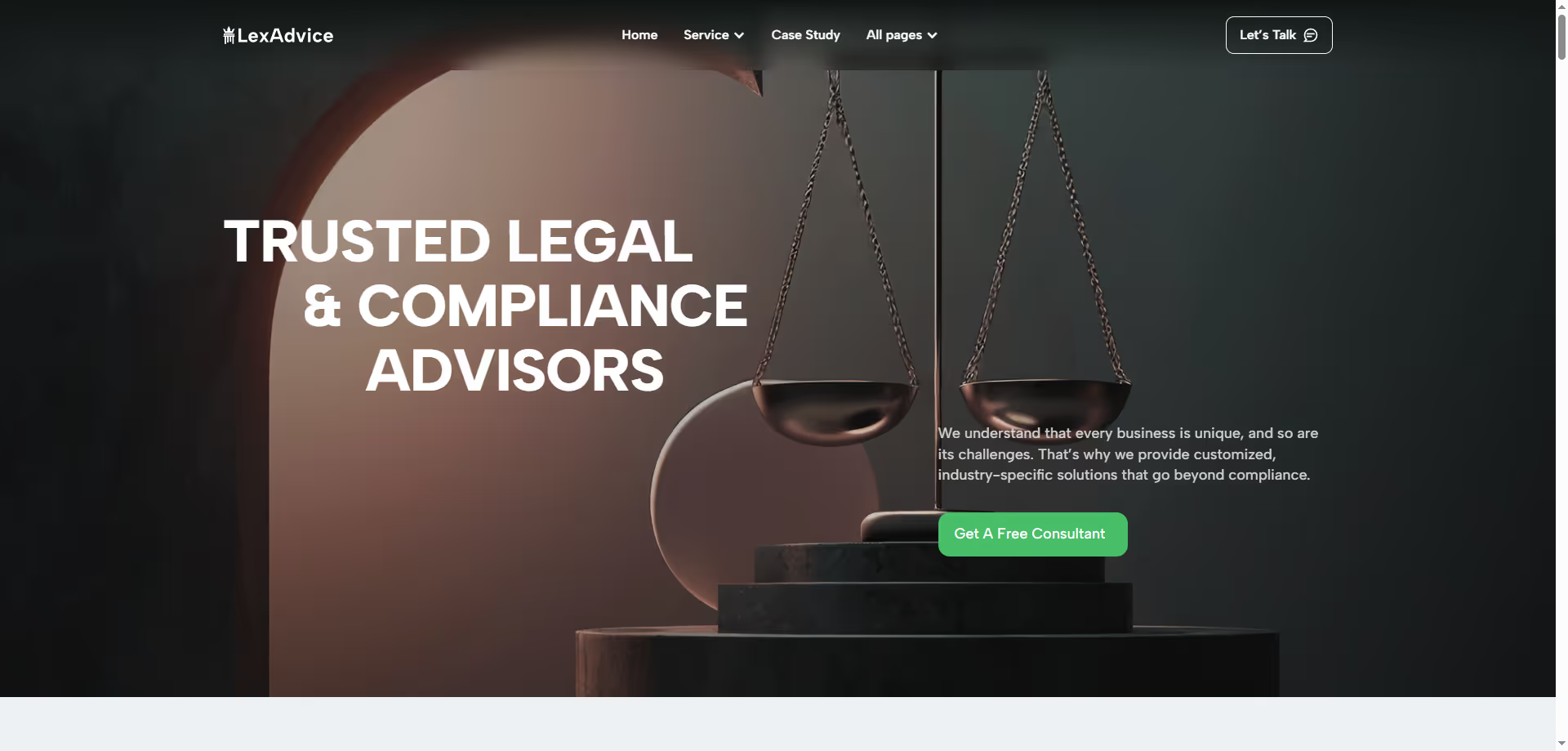
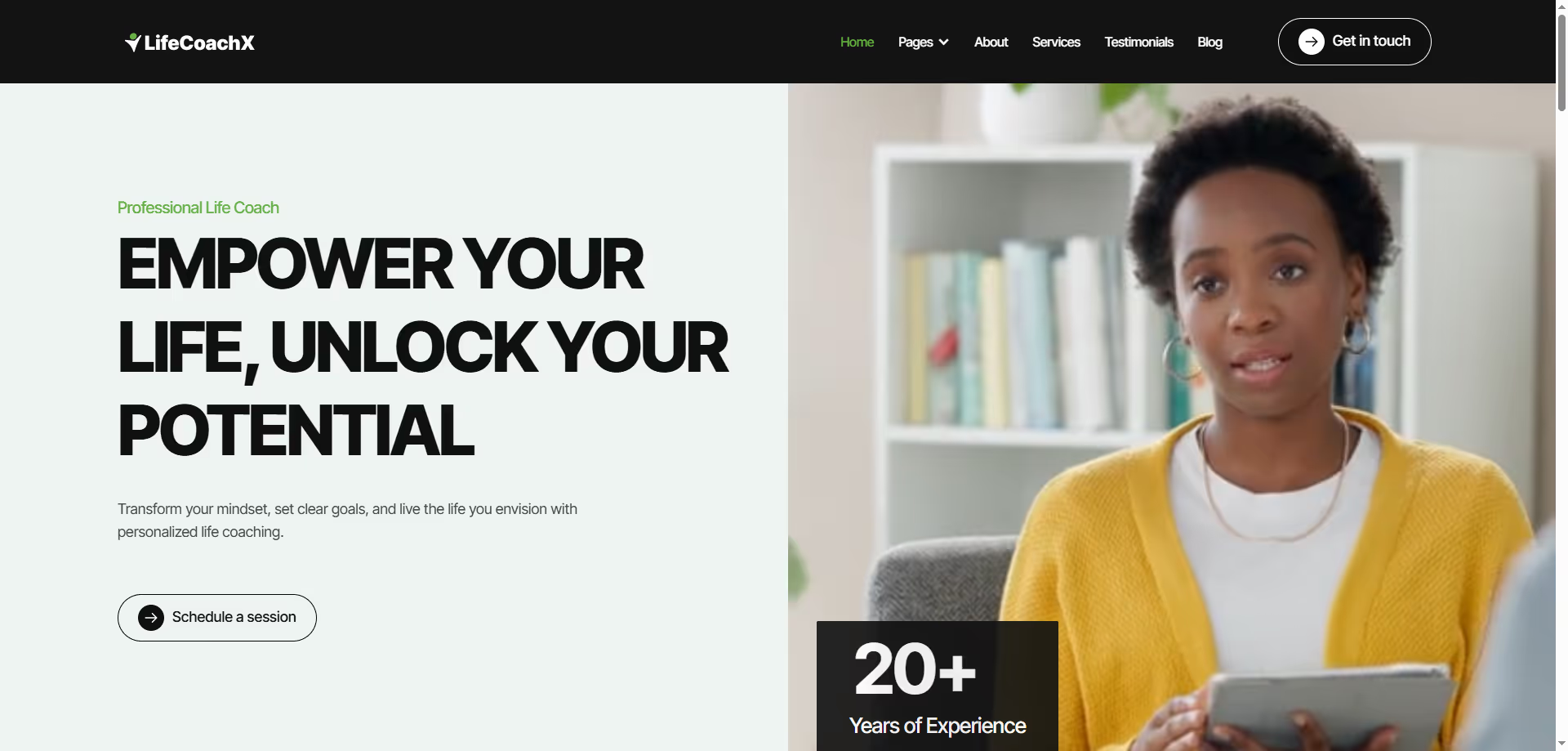
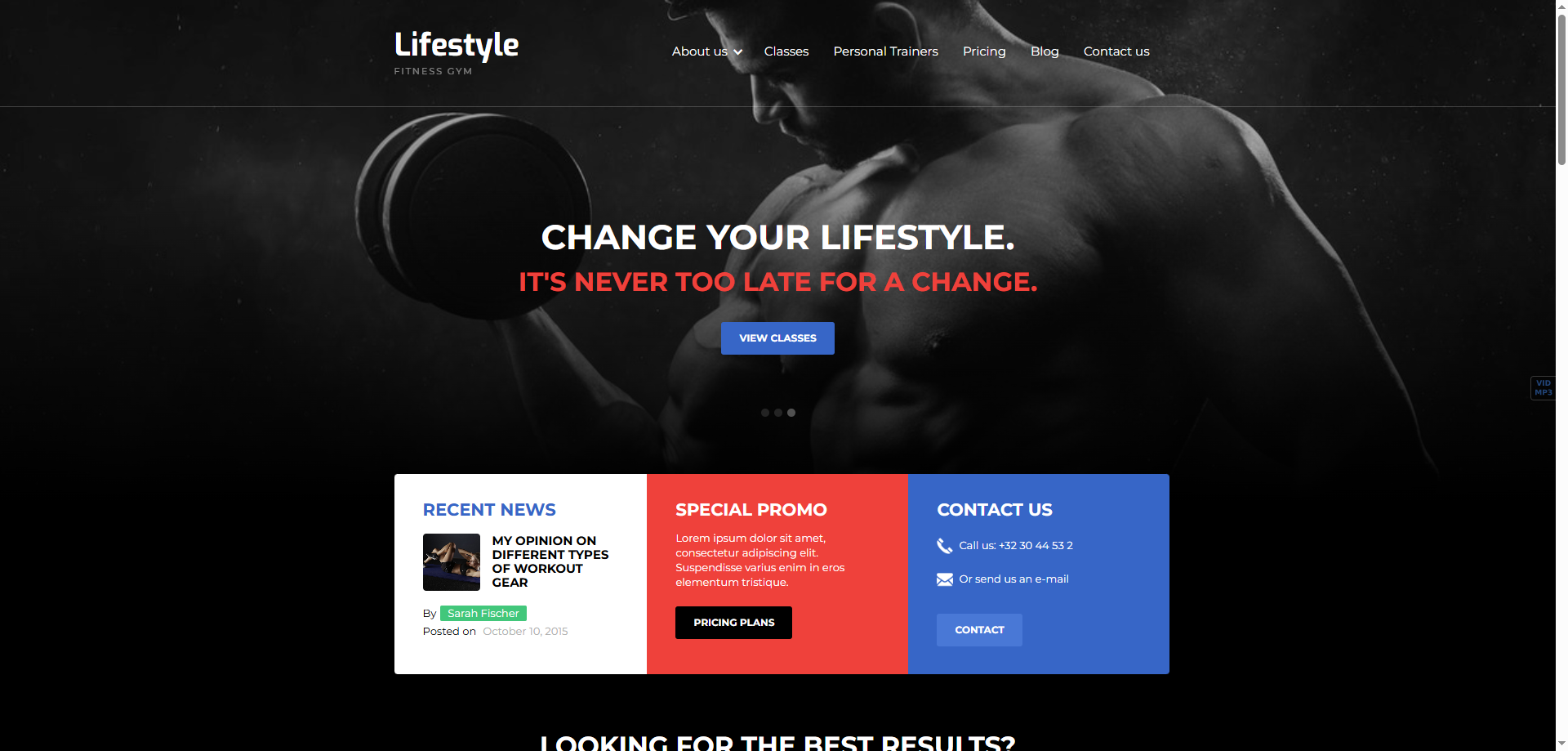
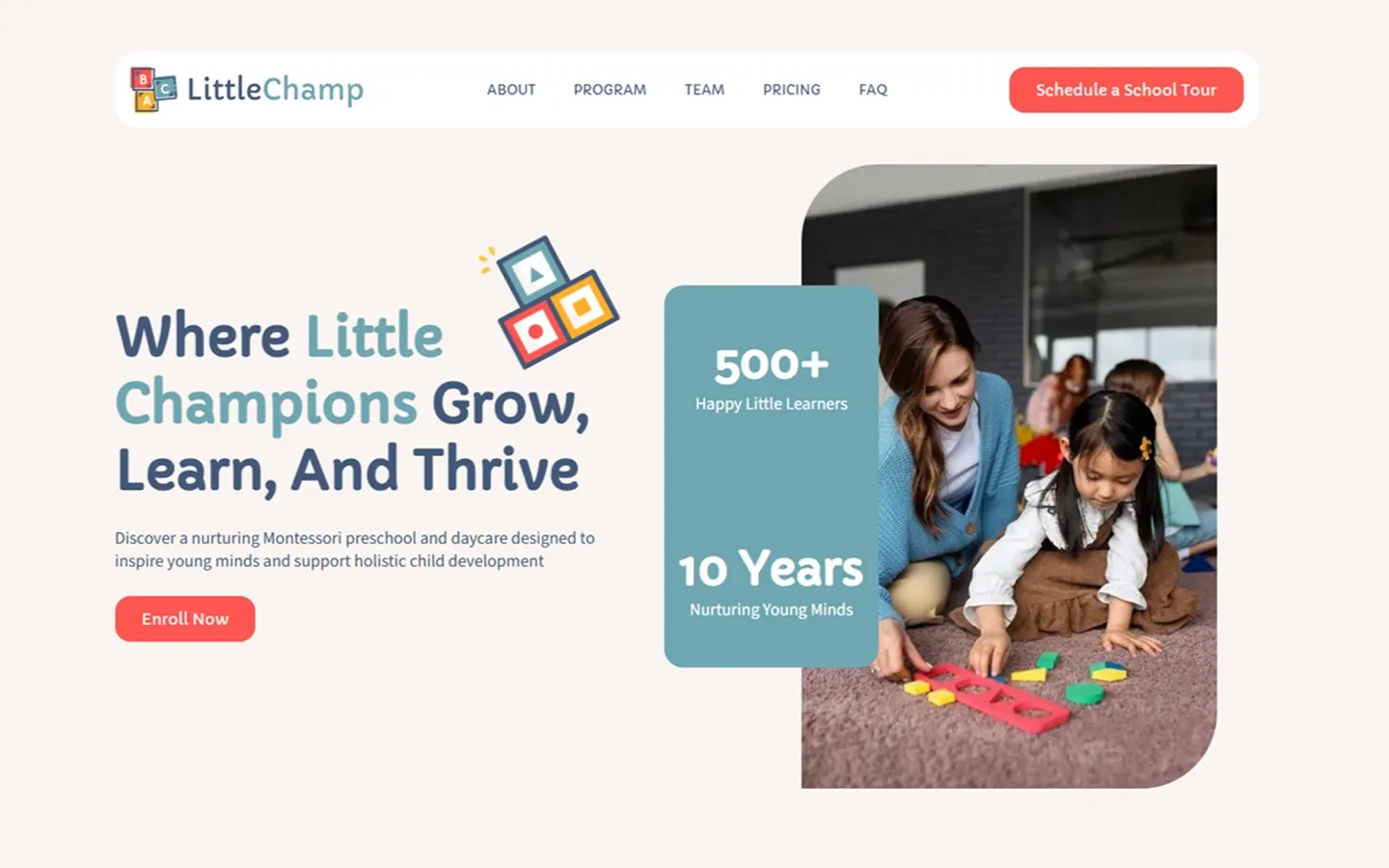
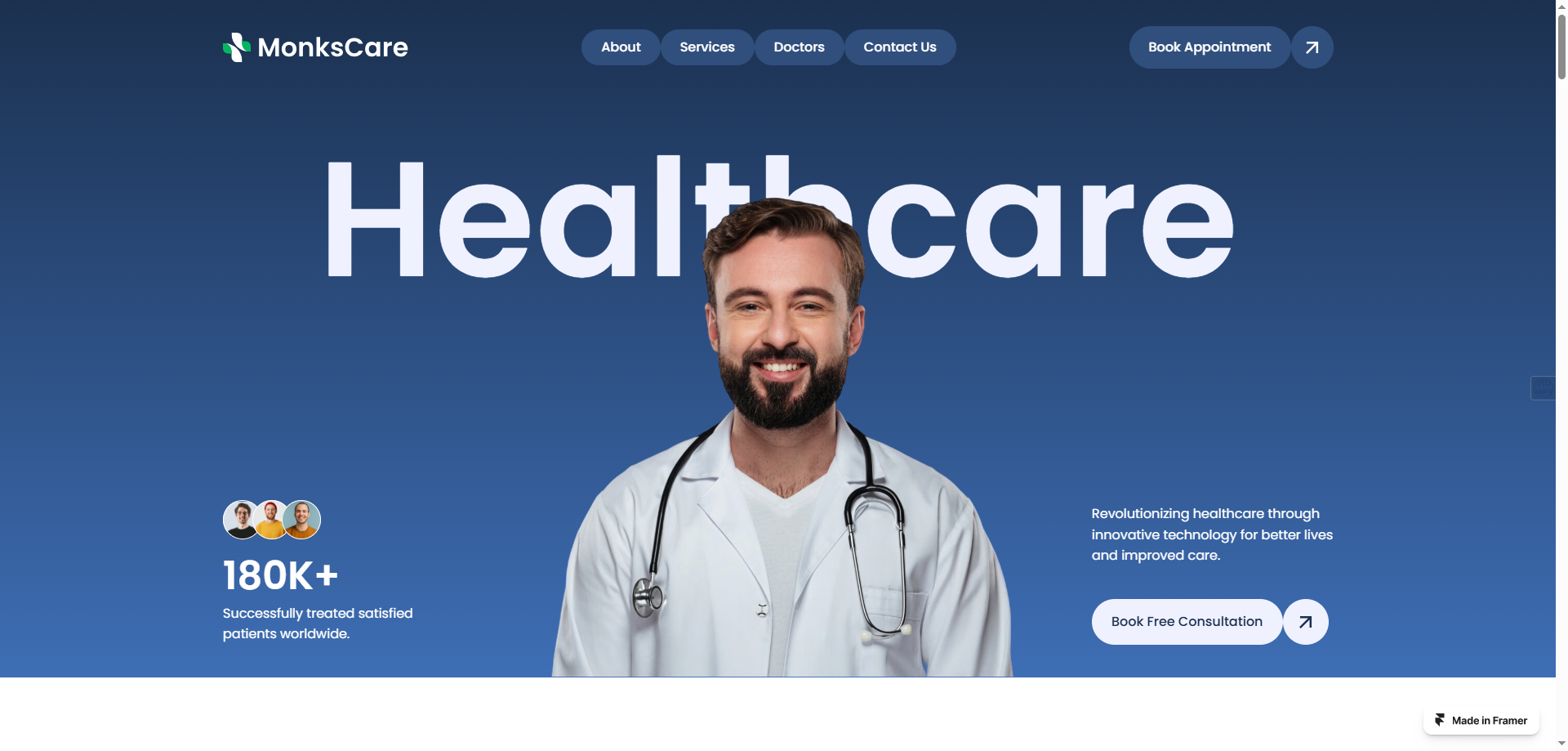
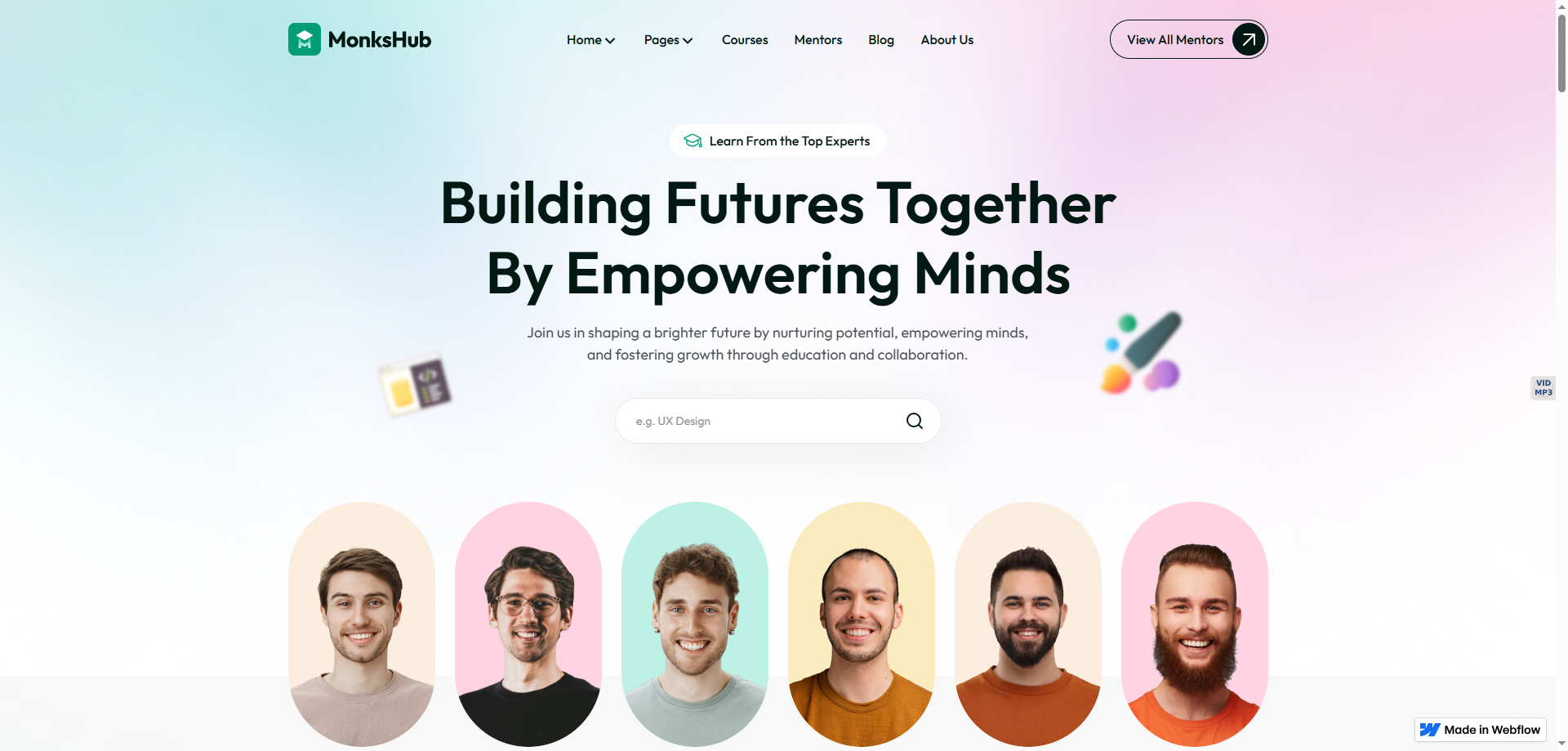
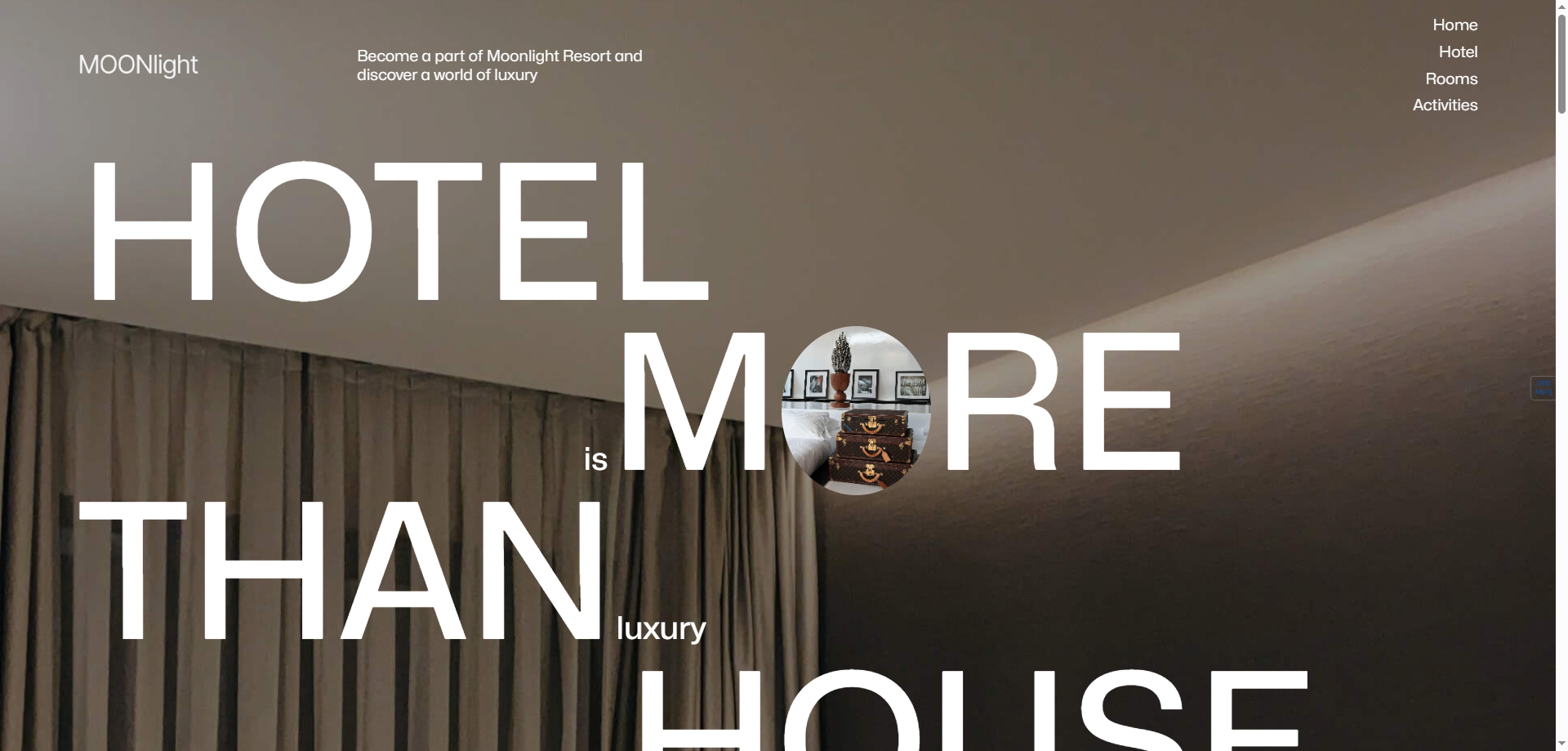
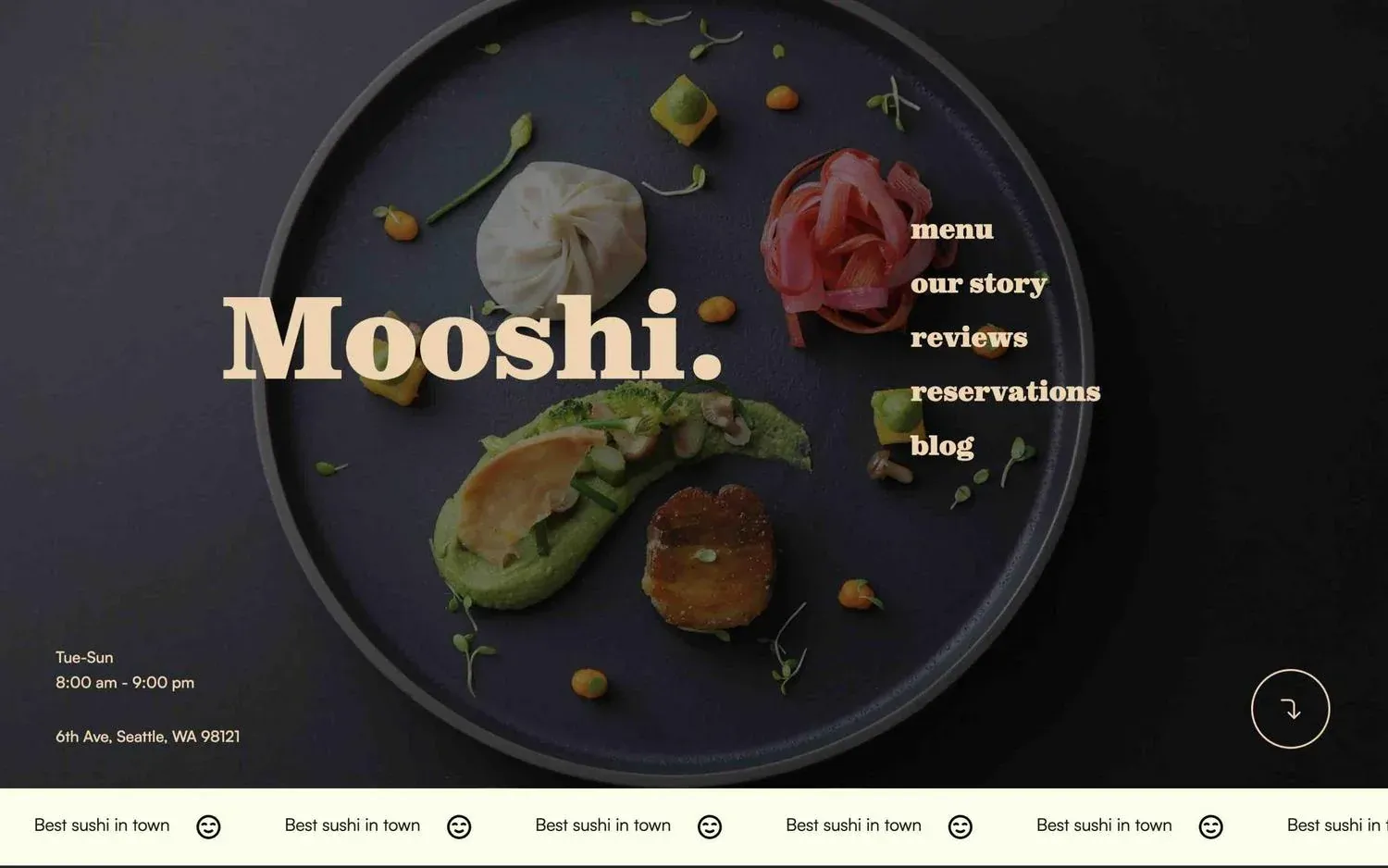
Website themes and templates provide an installable starting layout. The previews here come from verified design records belonging to their providers; this is not a free-file distribution service or a claim that Prix Studio owns every product. Start by finding a layout that fits your content, then review licensing and implementation. Industry, purpose and technology filters narrow the same catalogue without treating a finished website, a design licence and a setup service as interchangeable purchases.
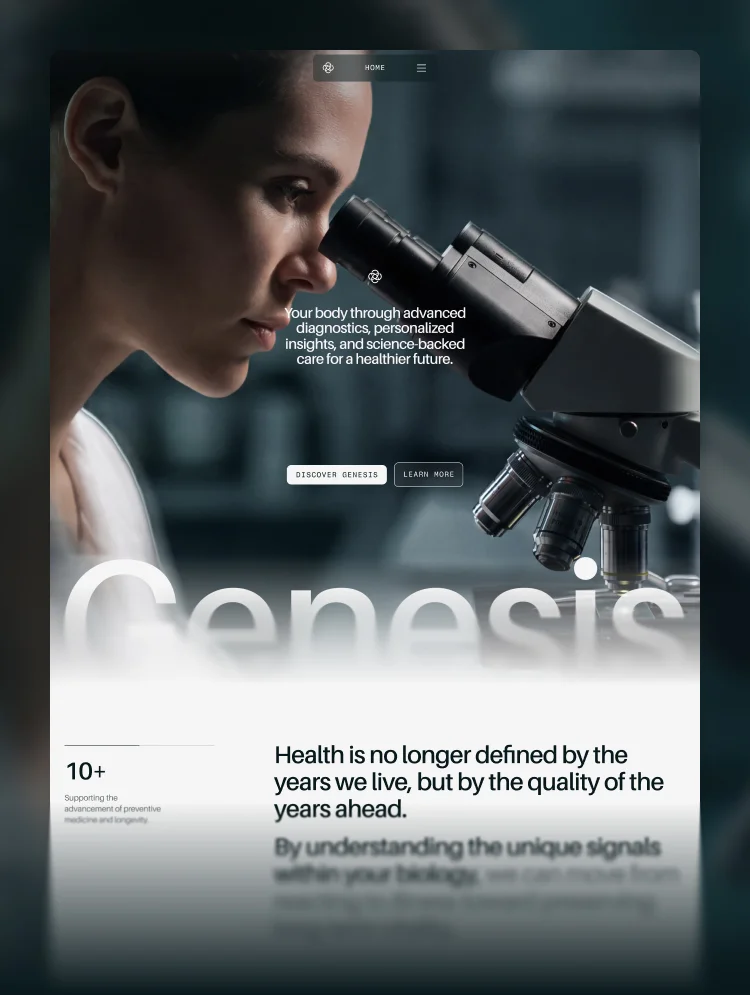
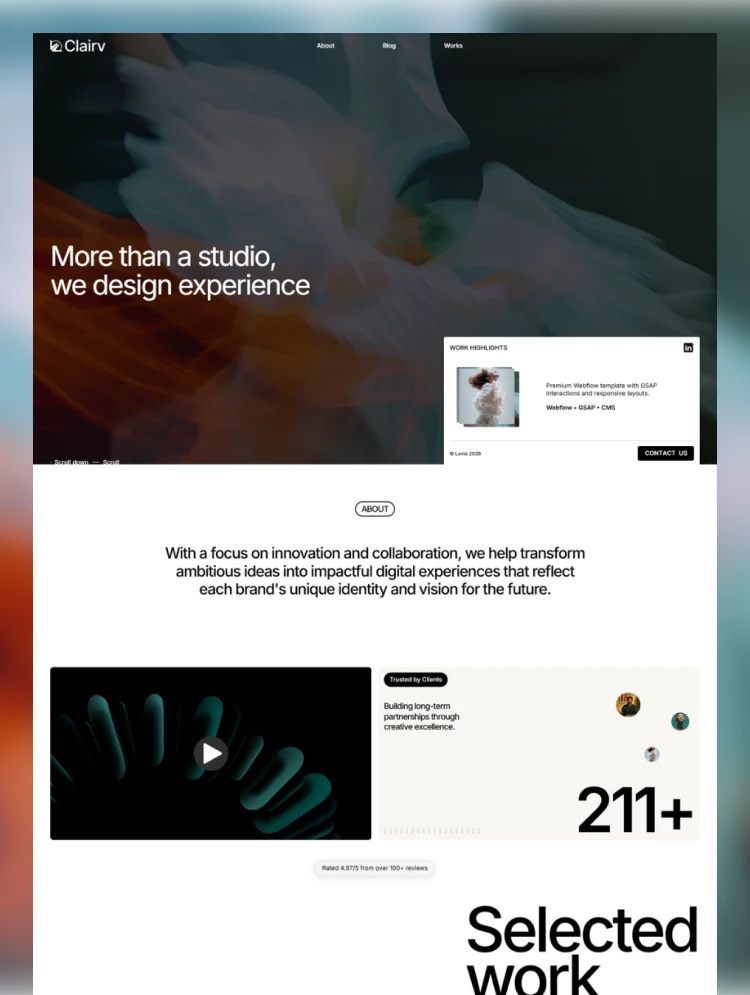
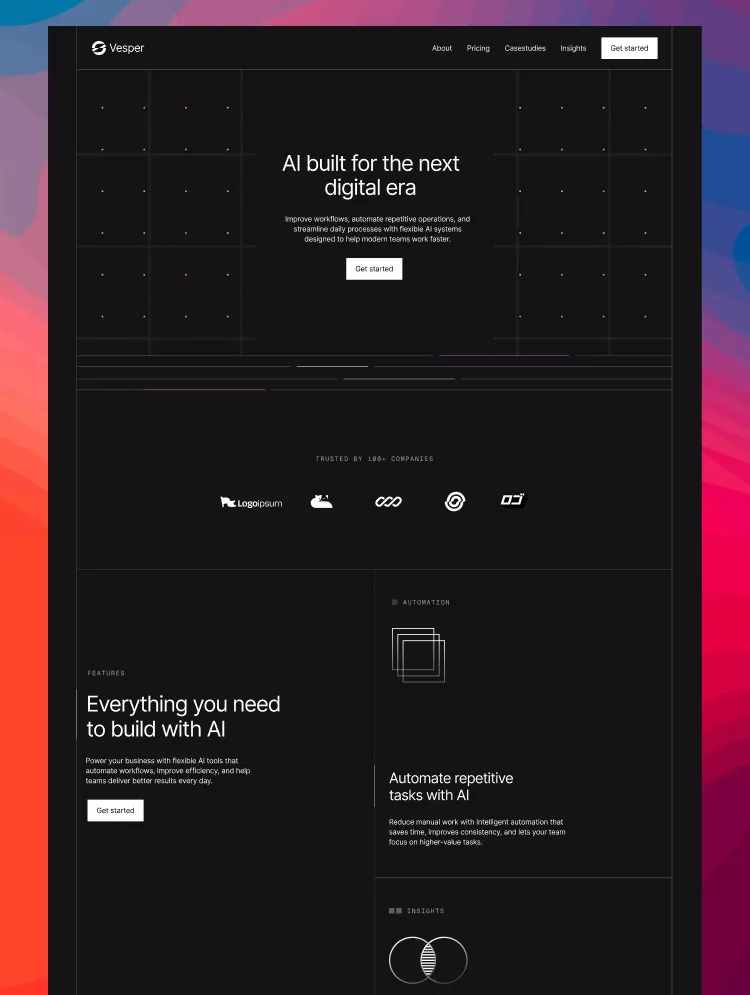
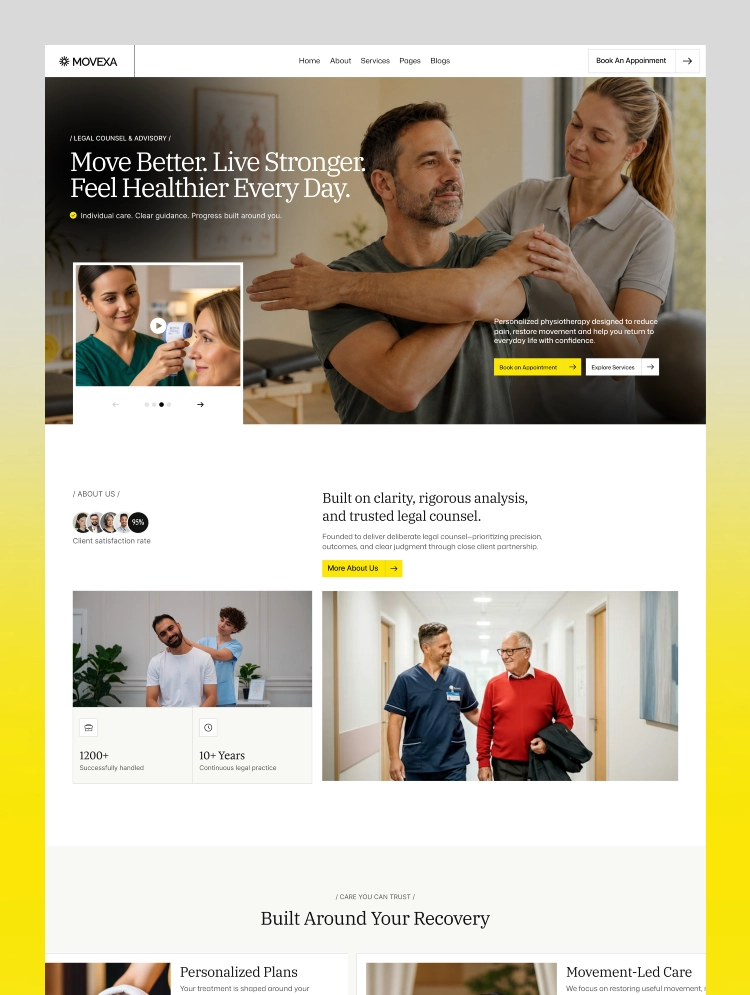
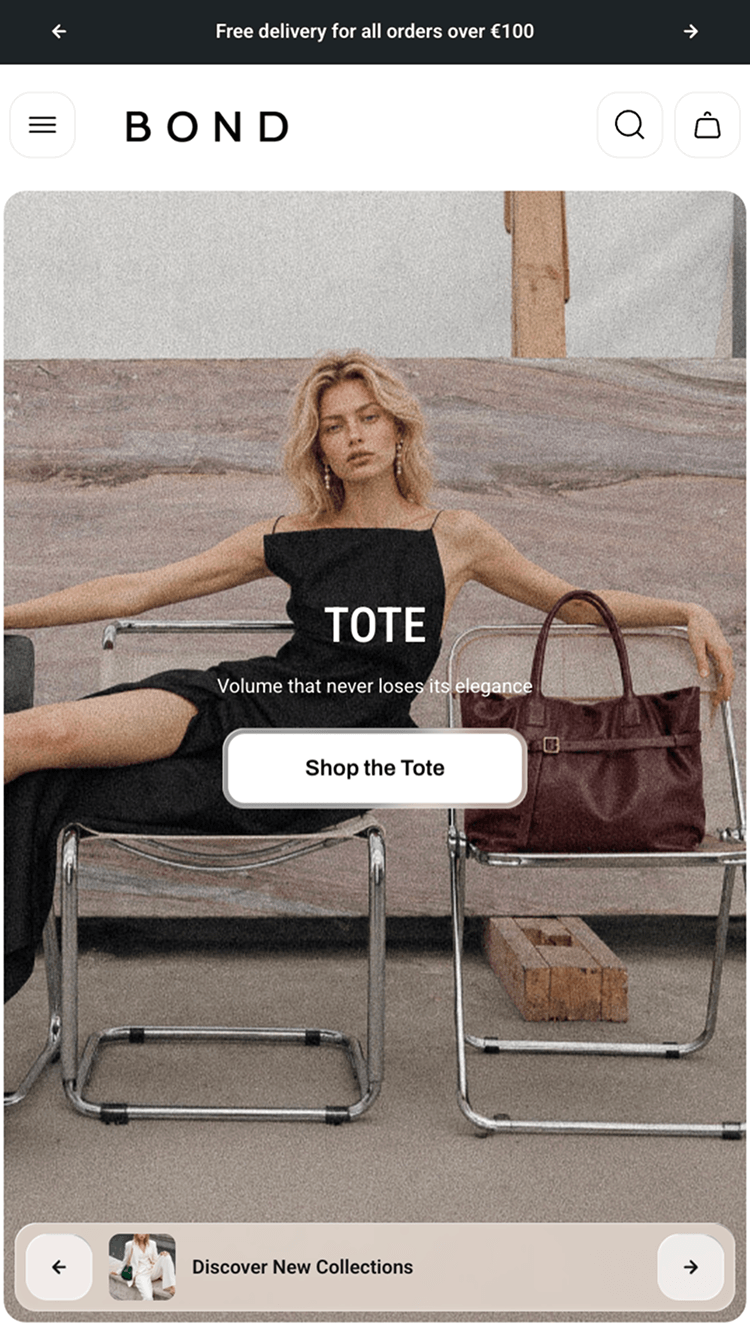
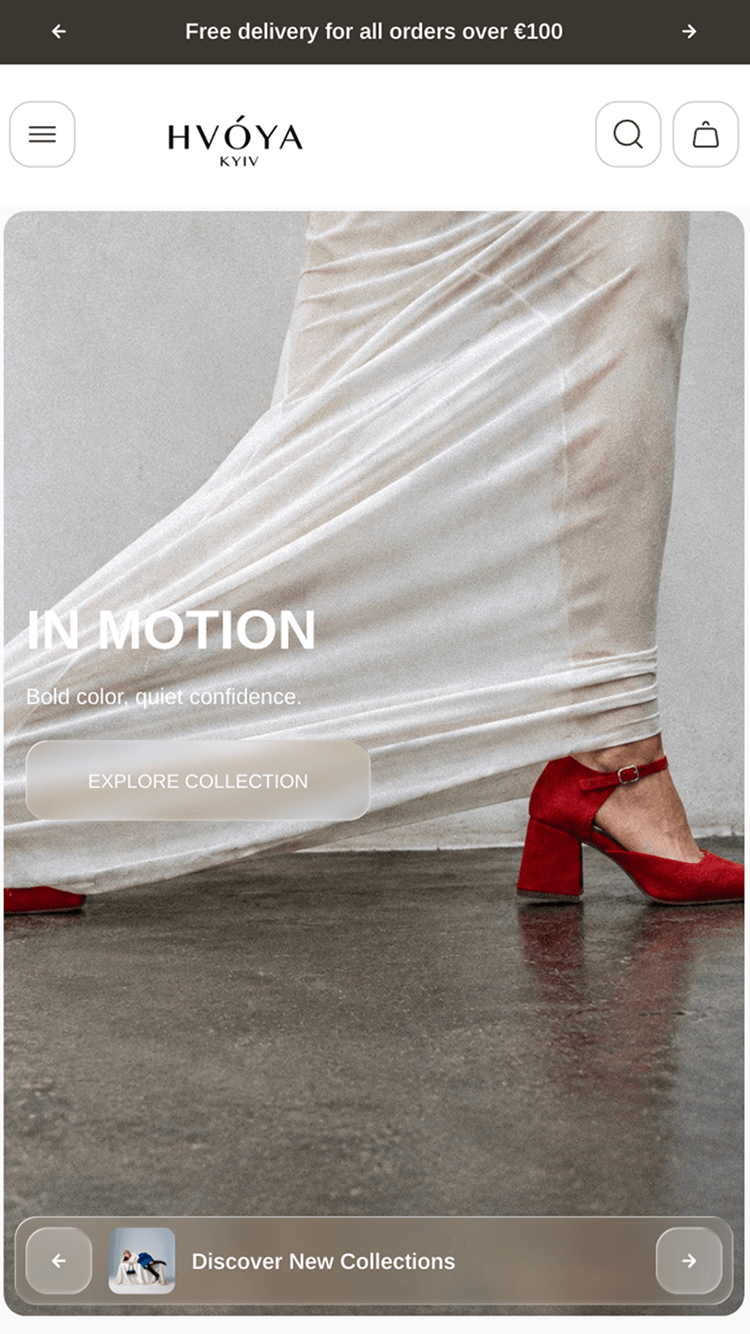
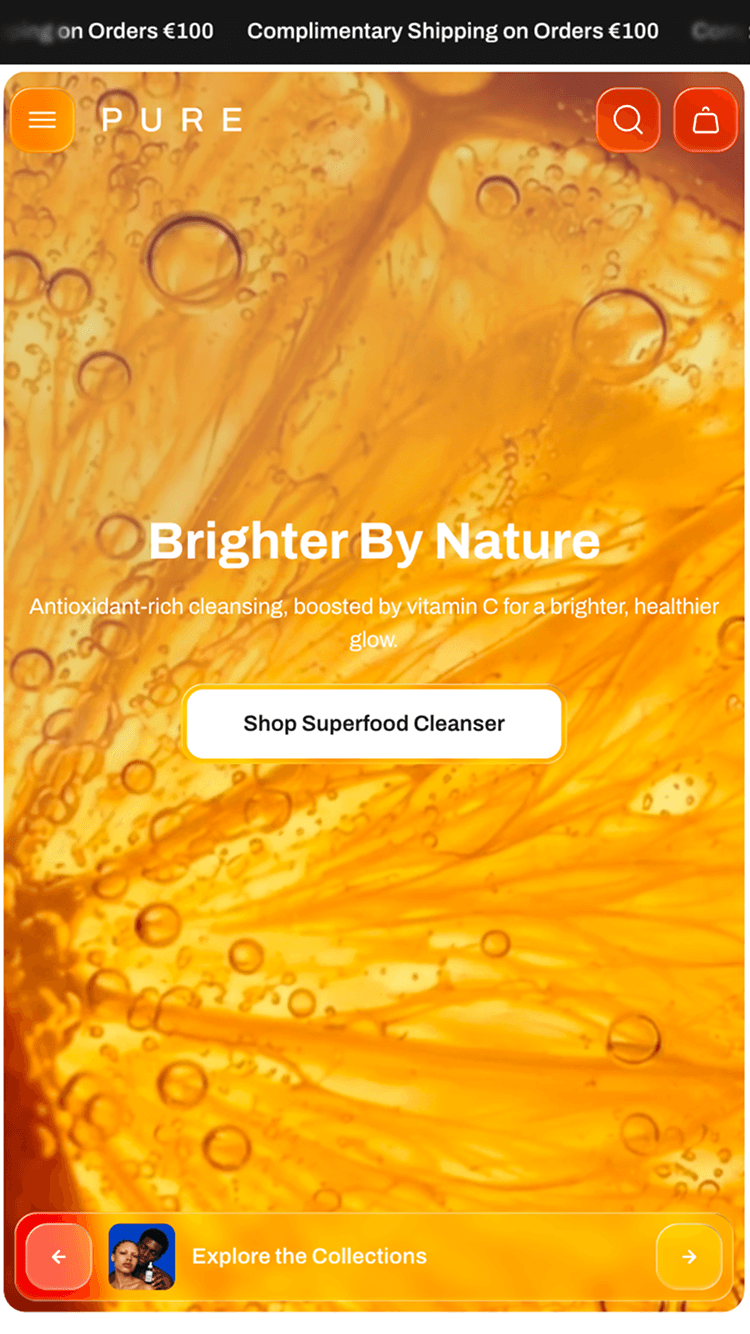
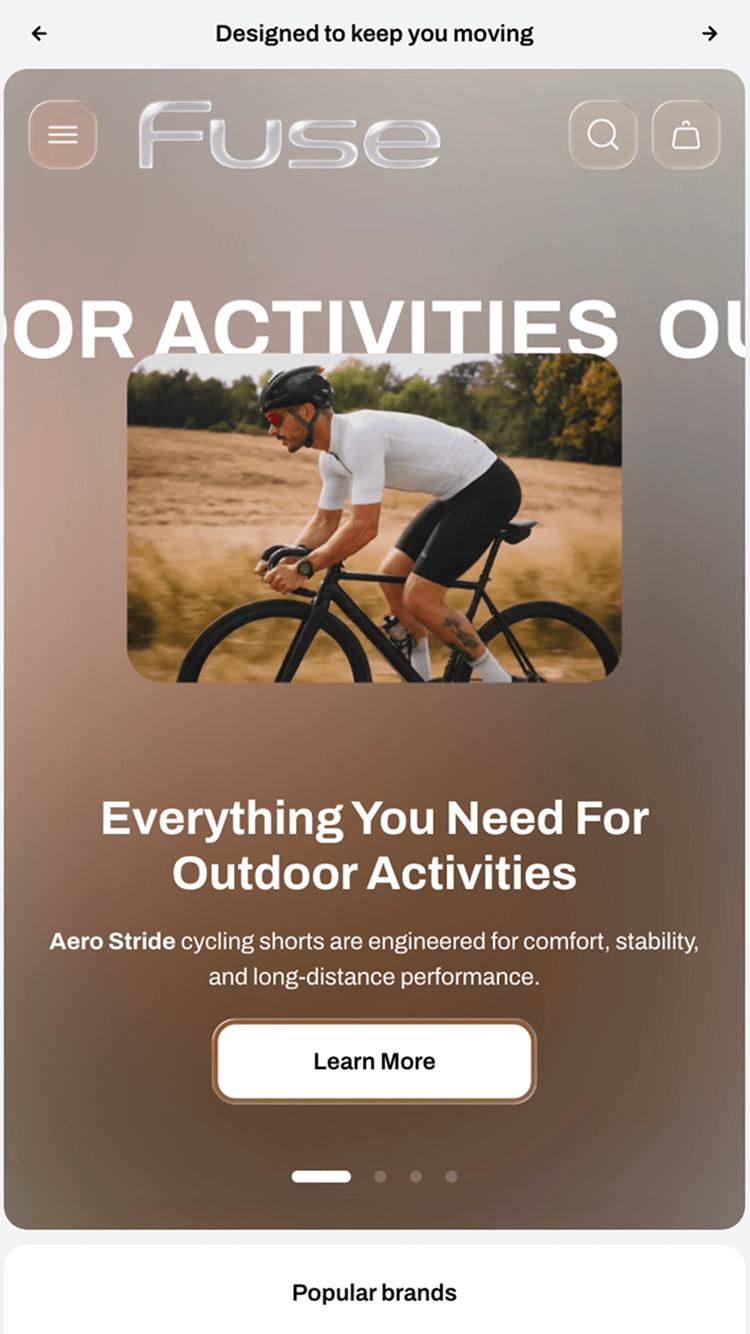
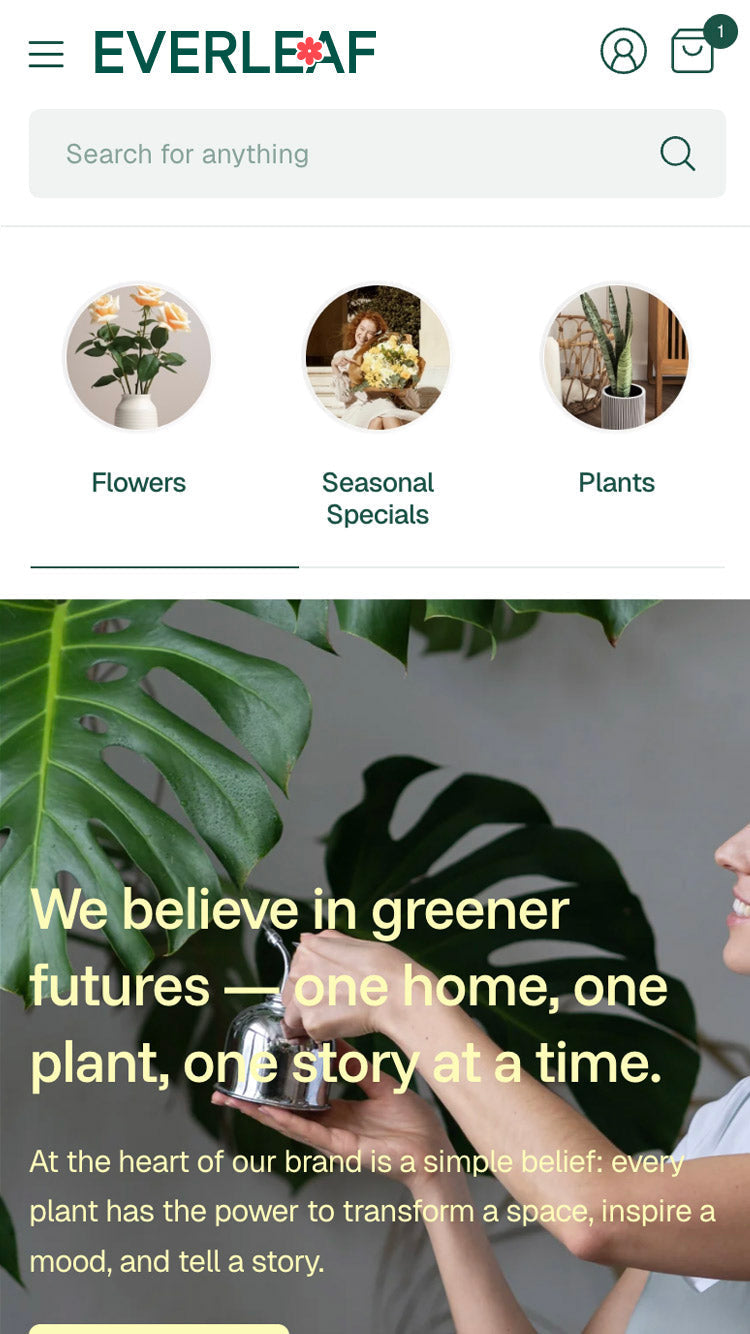
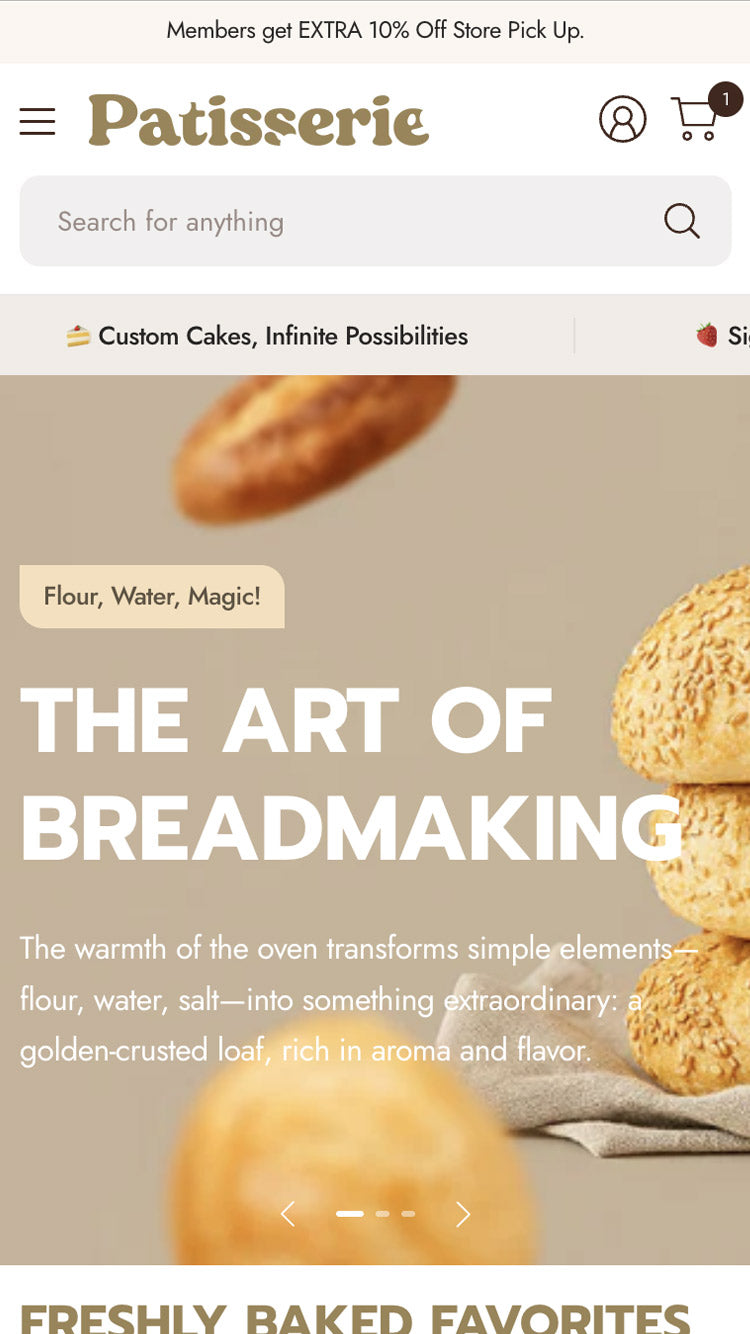
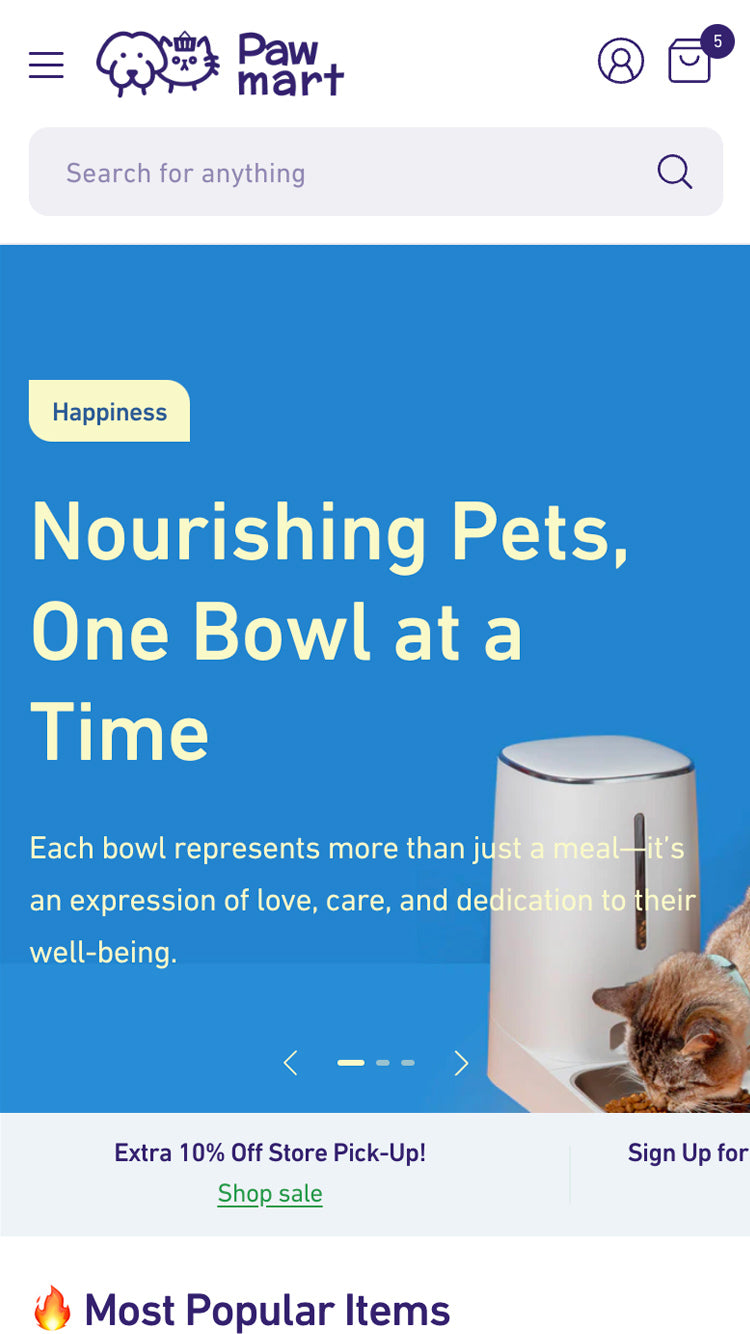
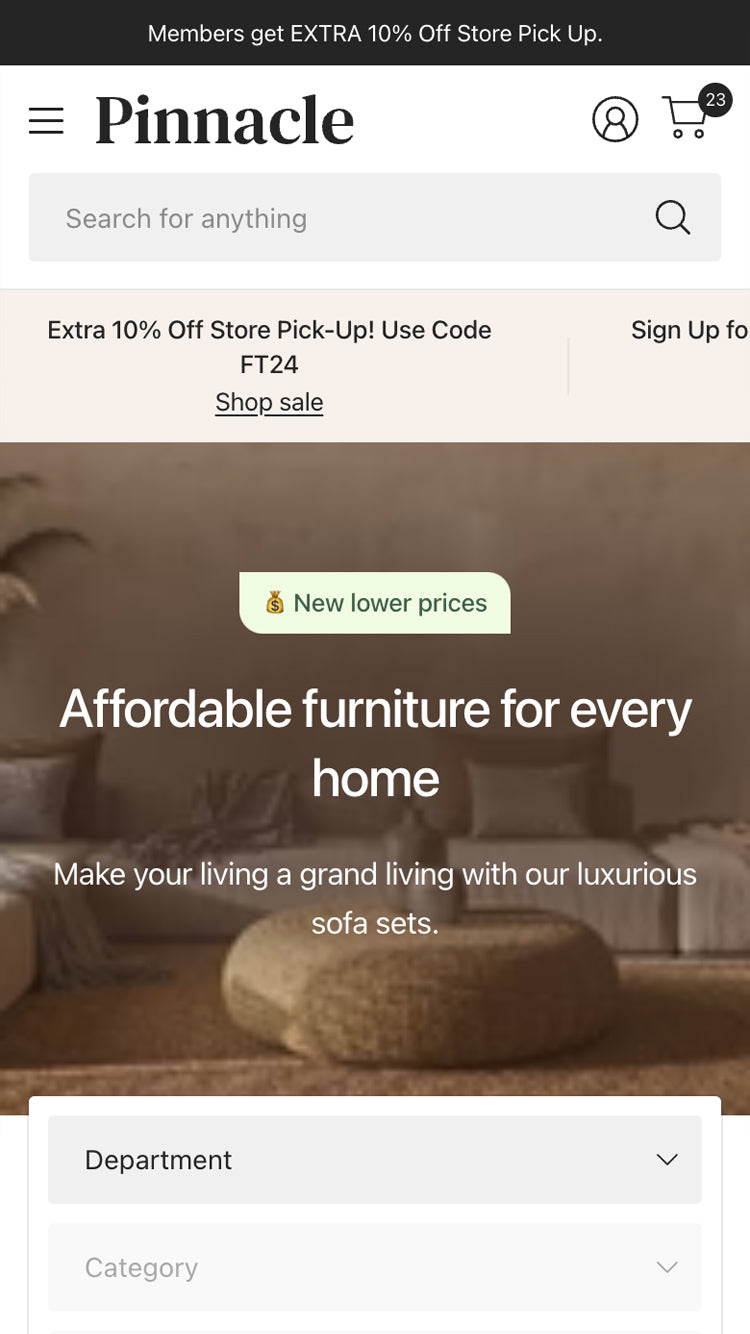
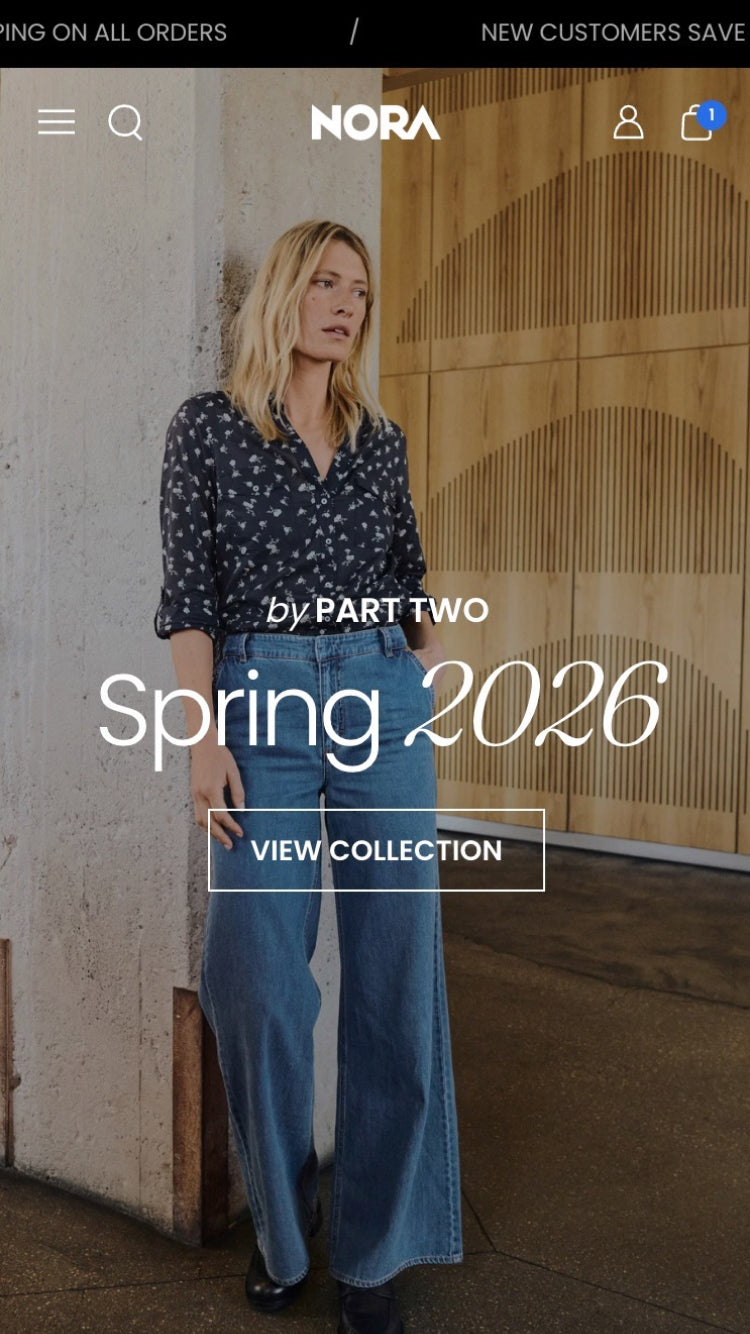
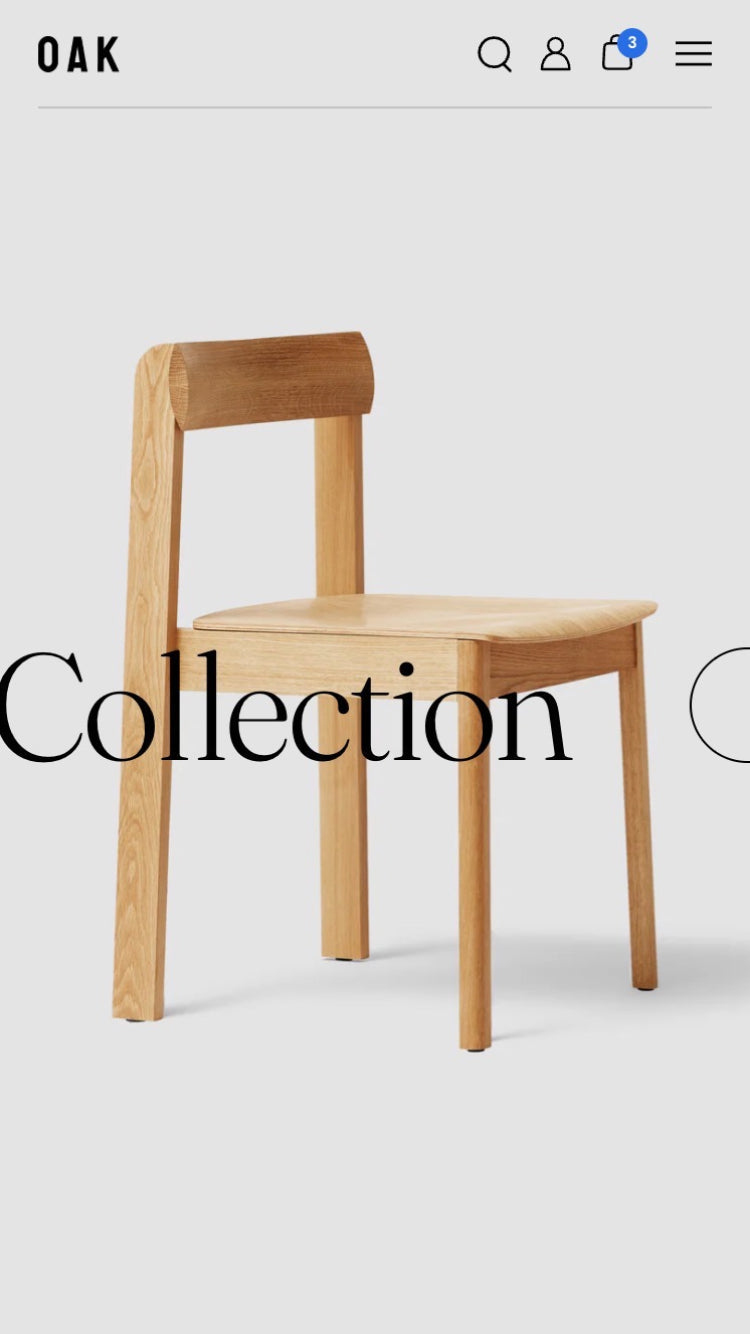
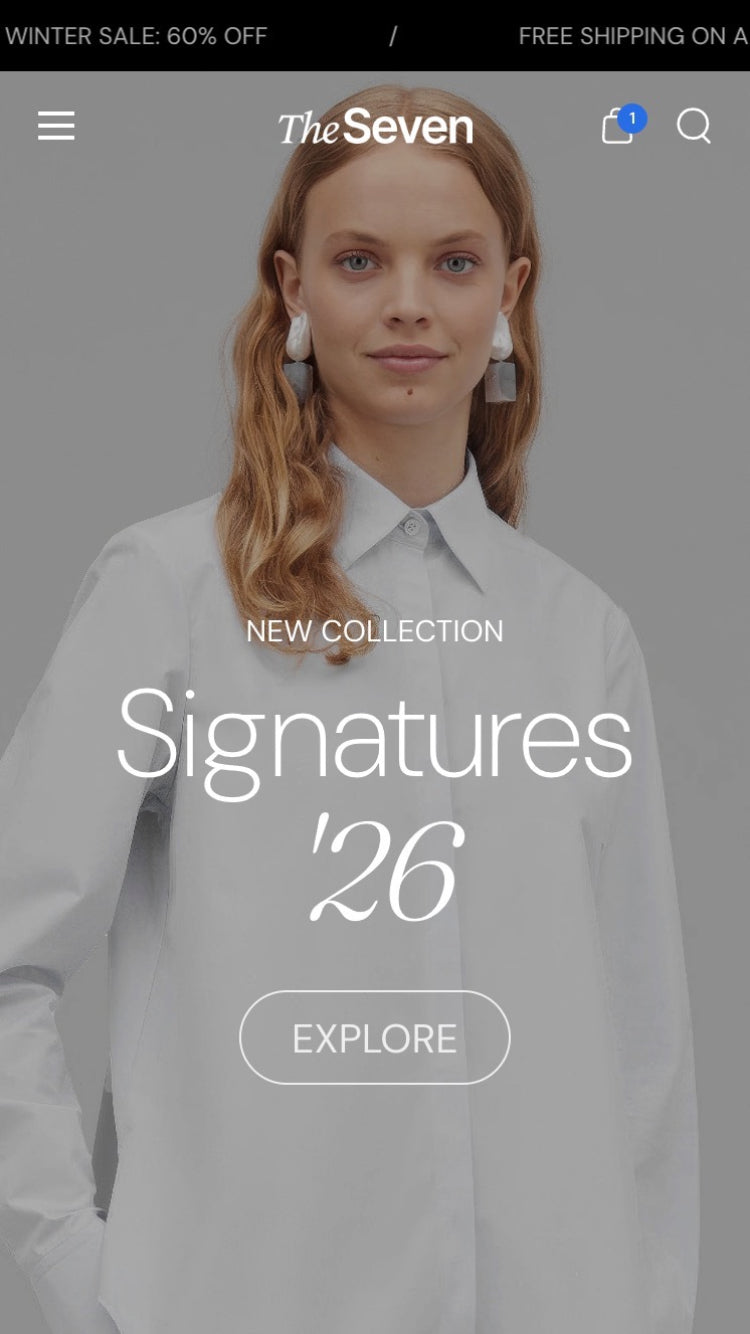
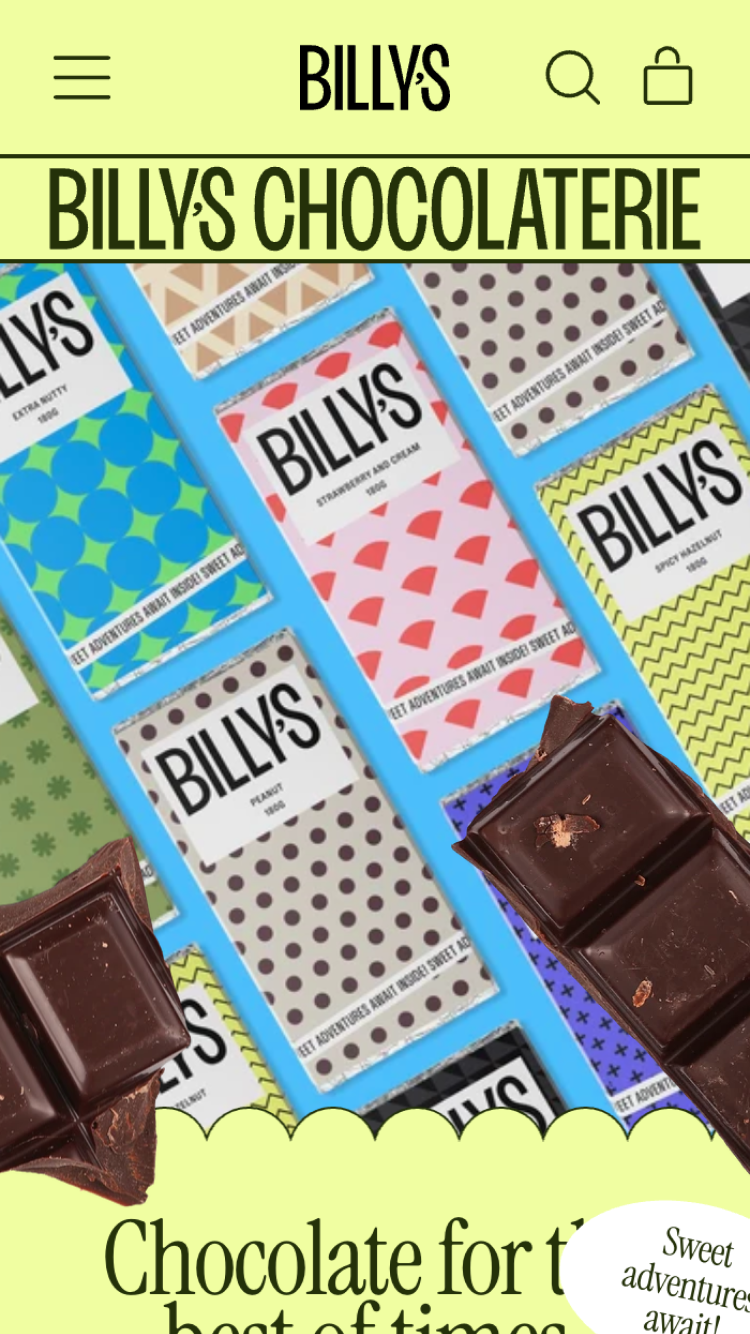
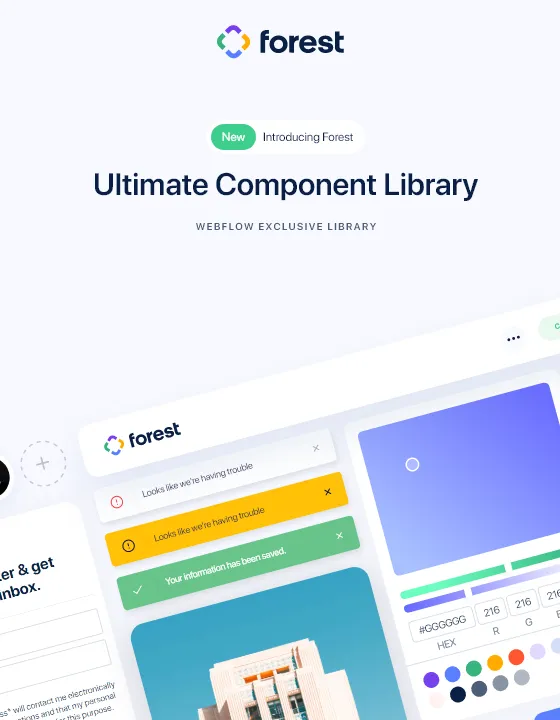
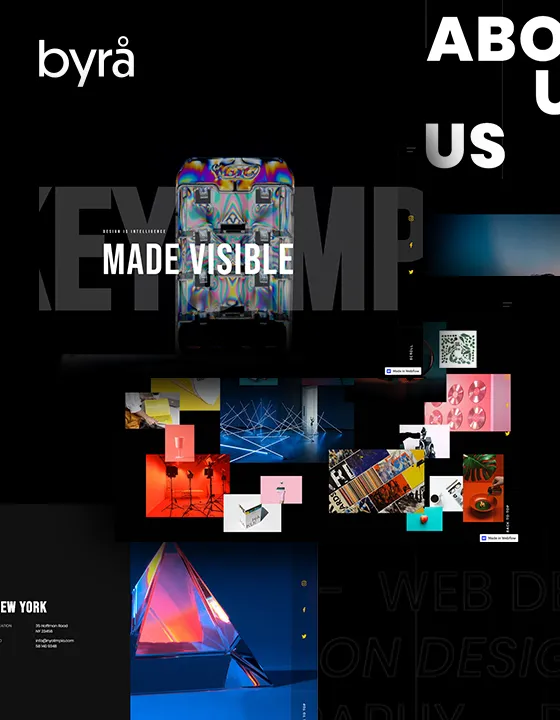
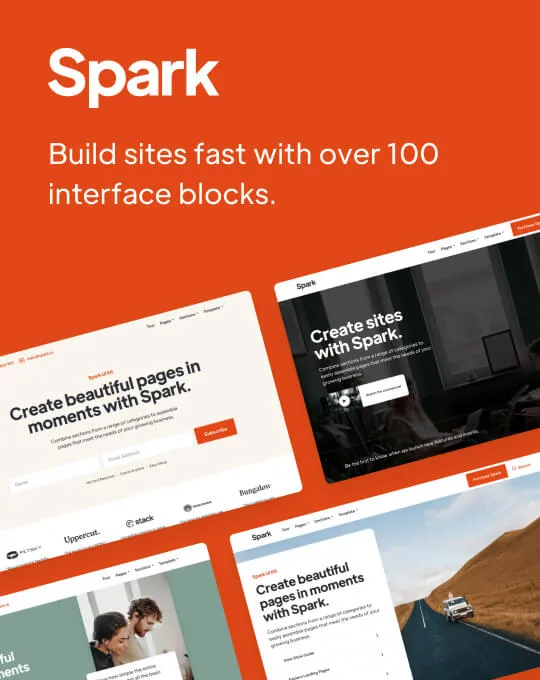
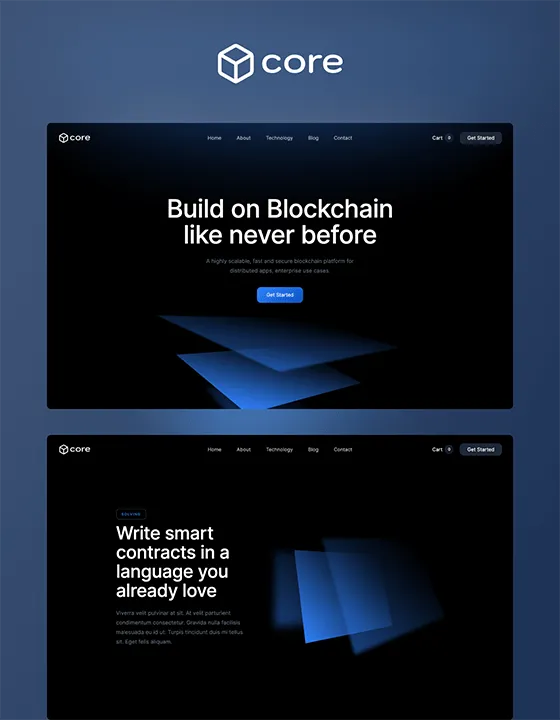
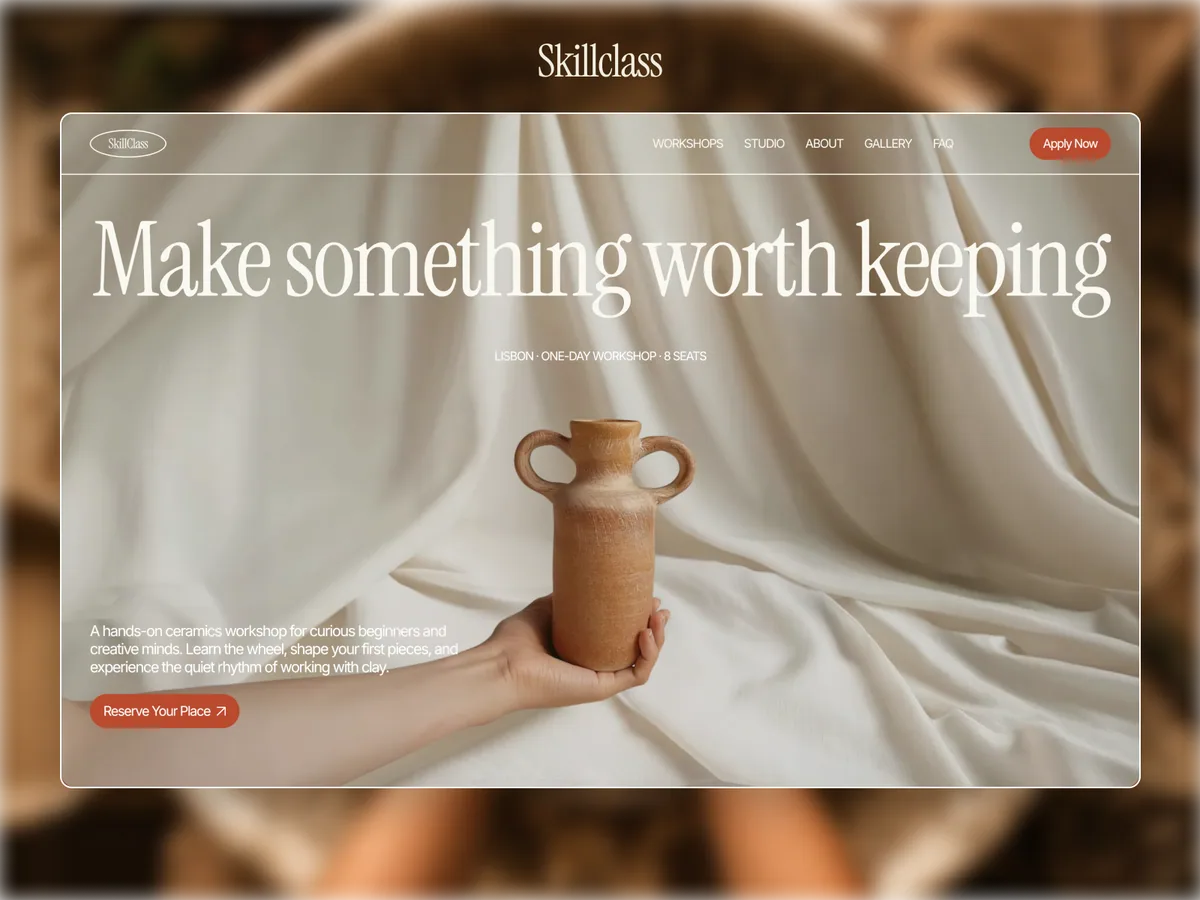
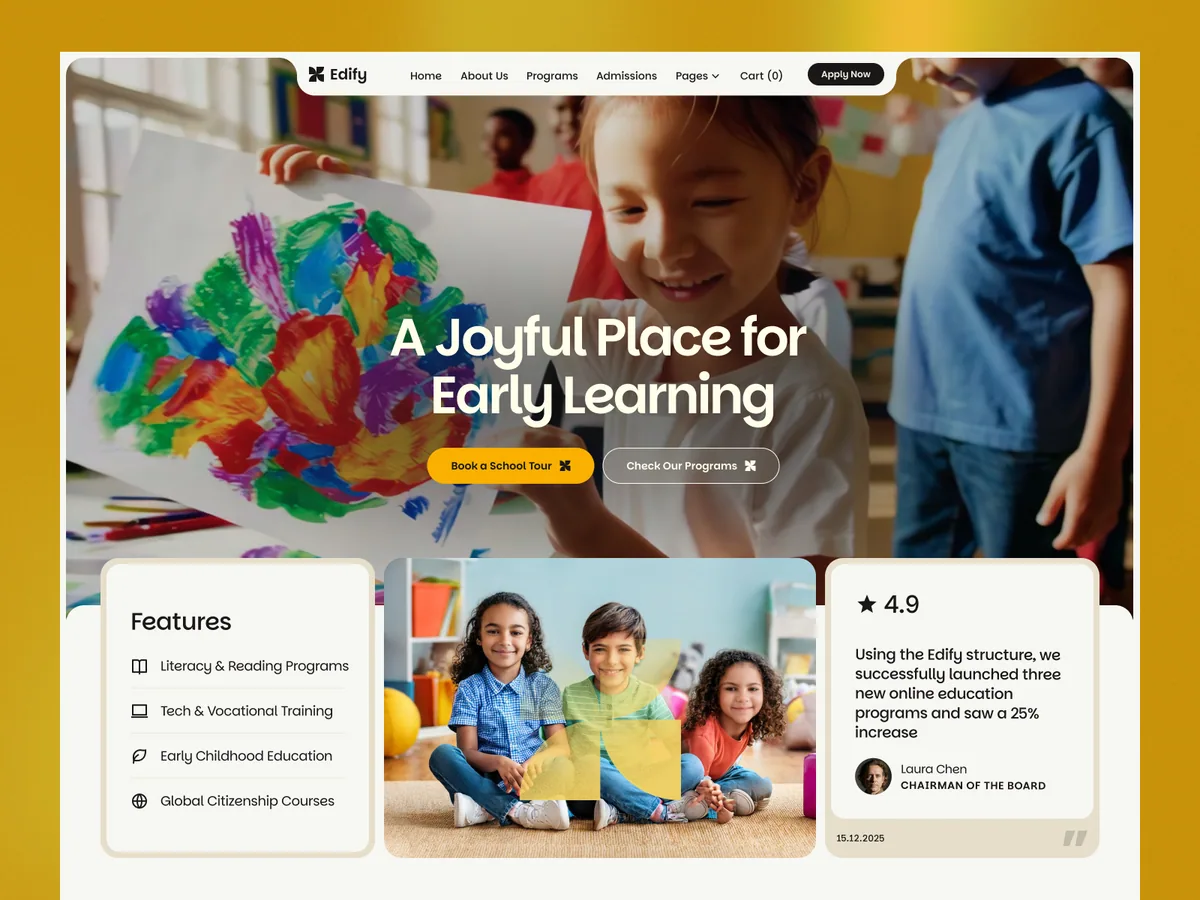
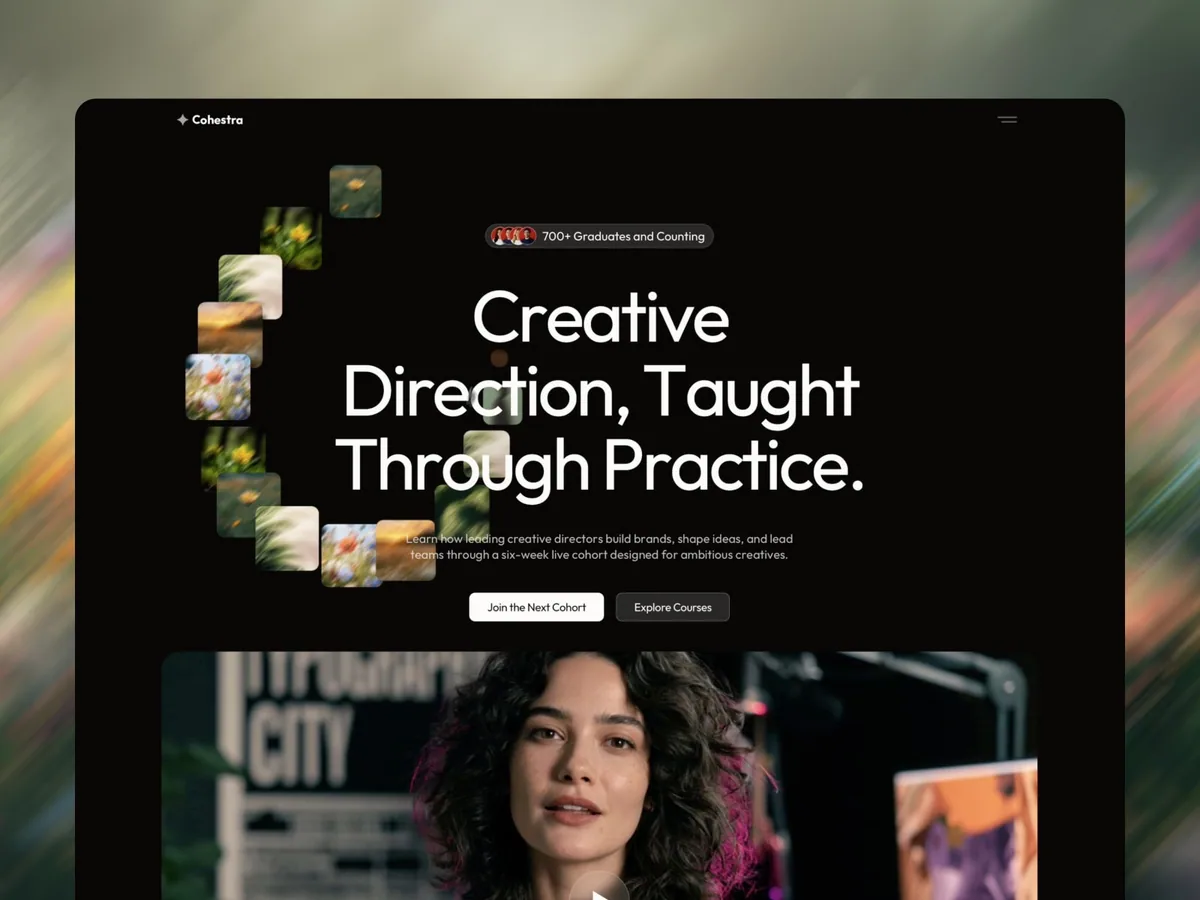
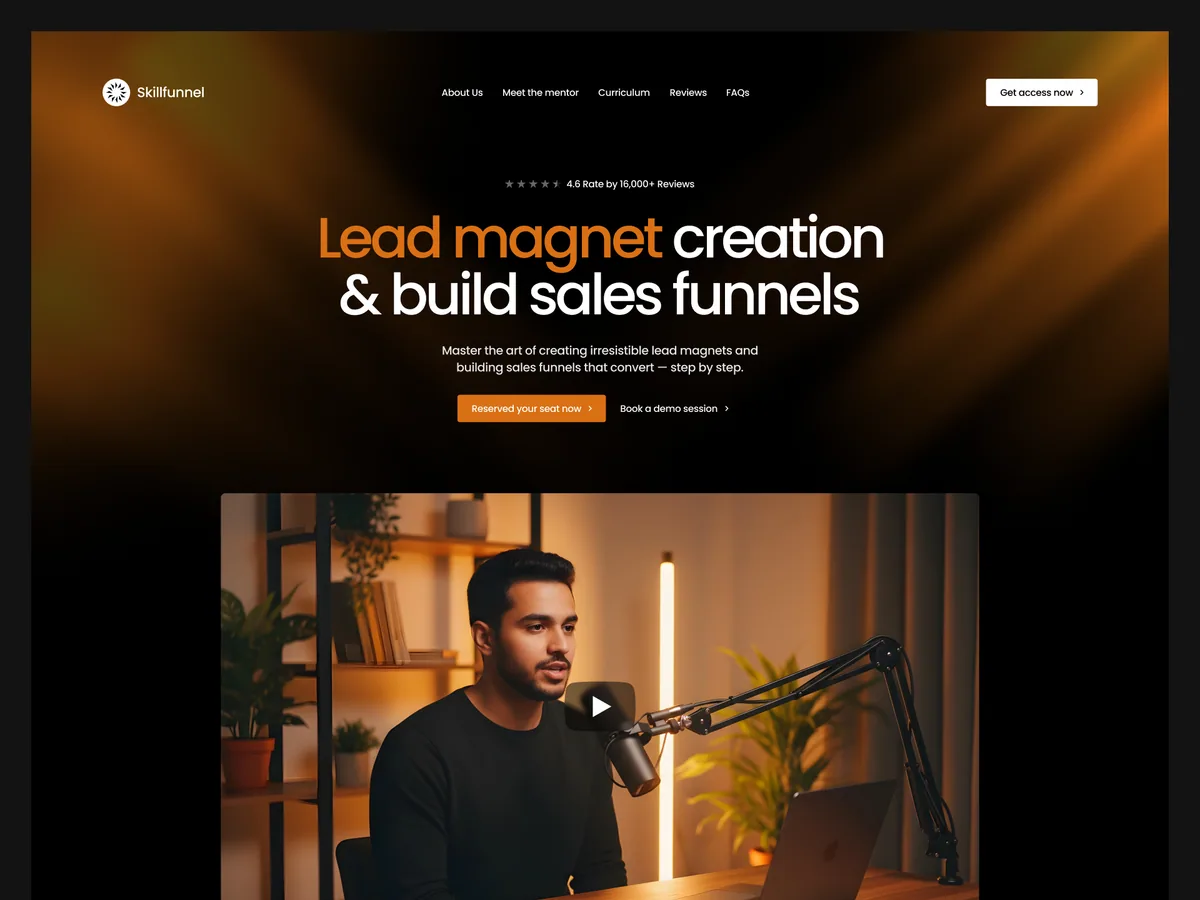
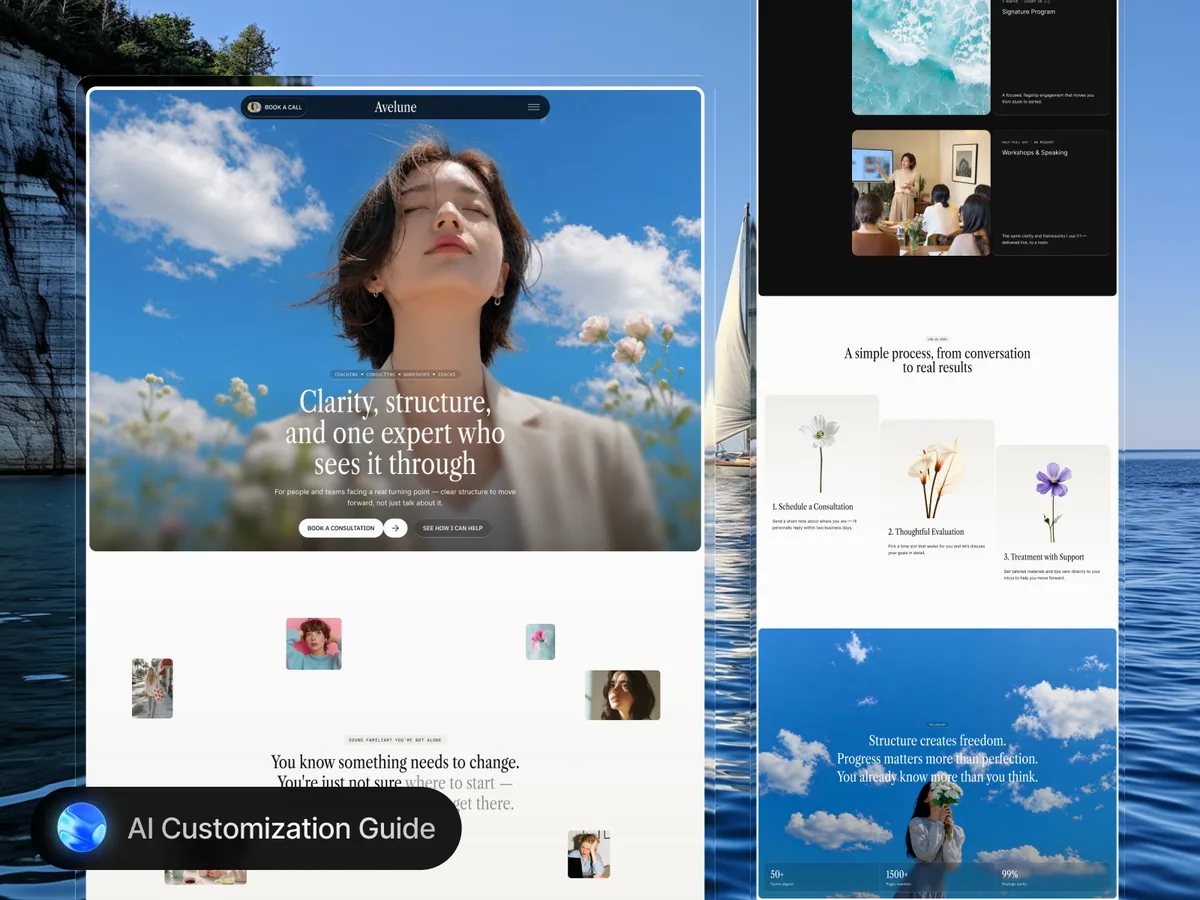
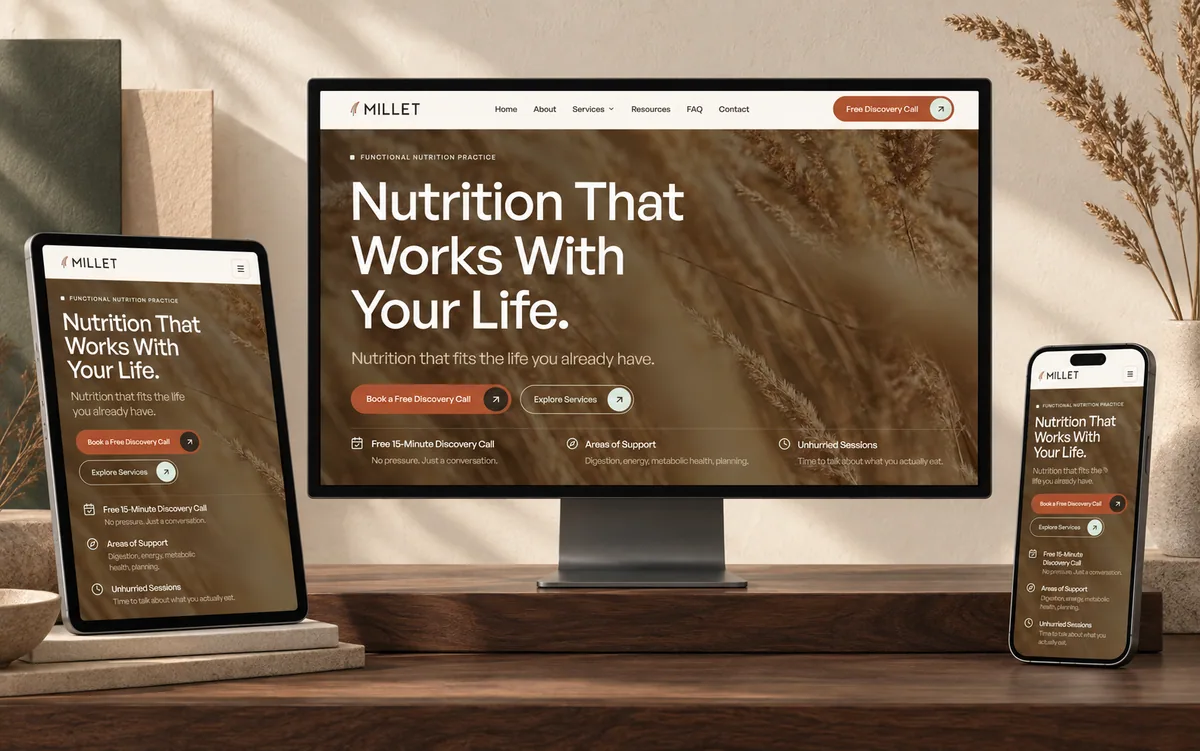
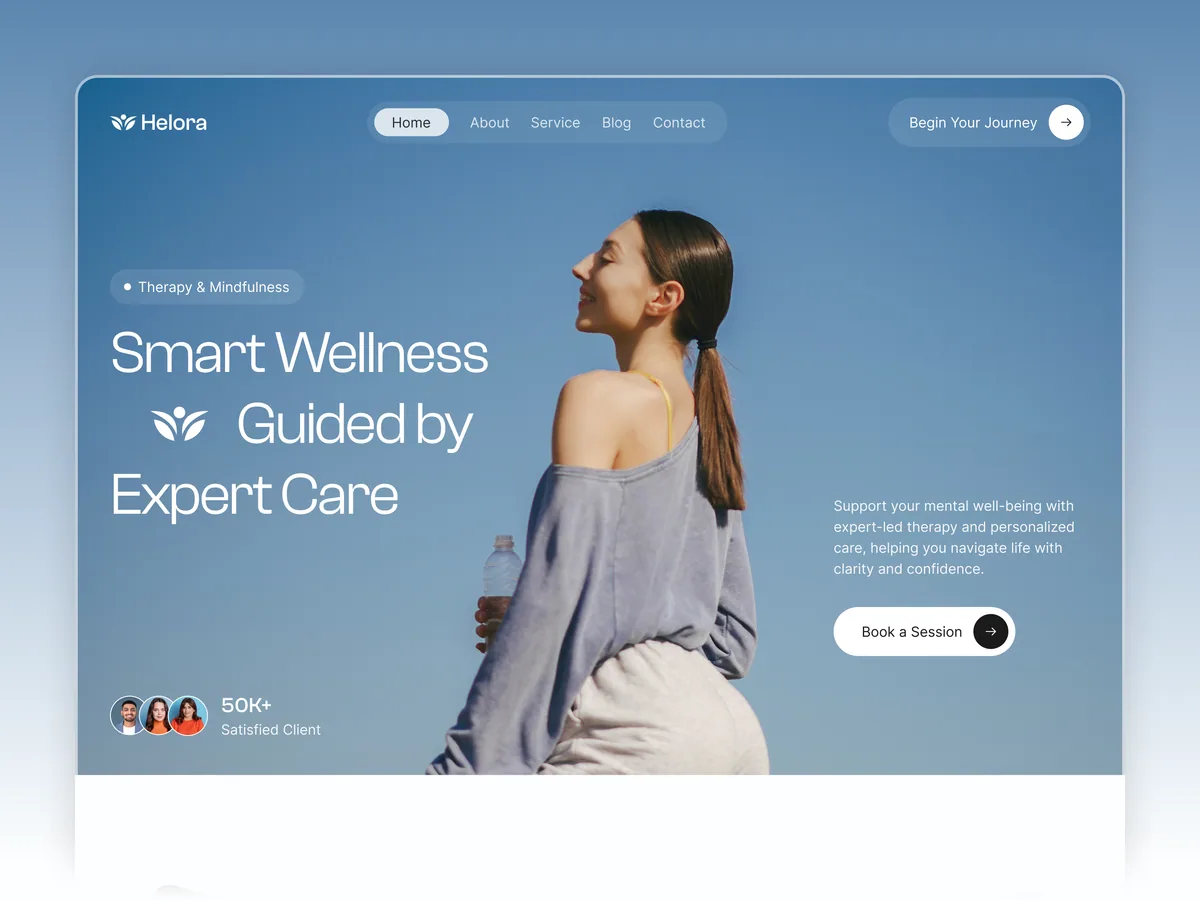
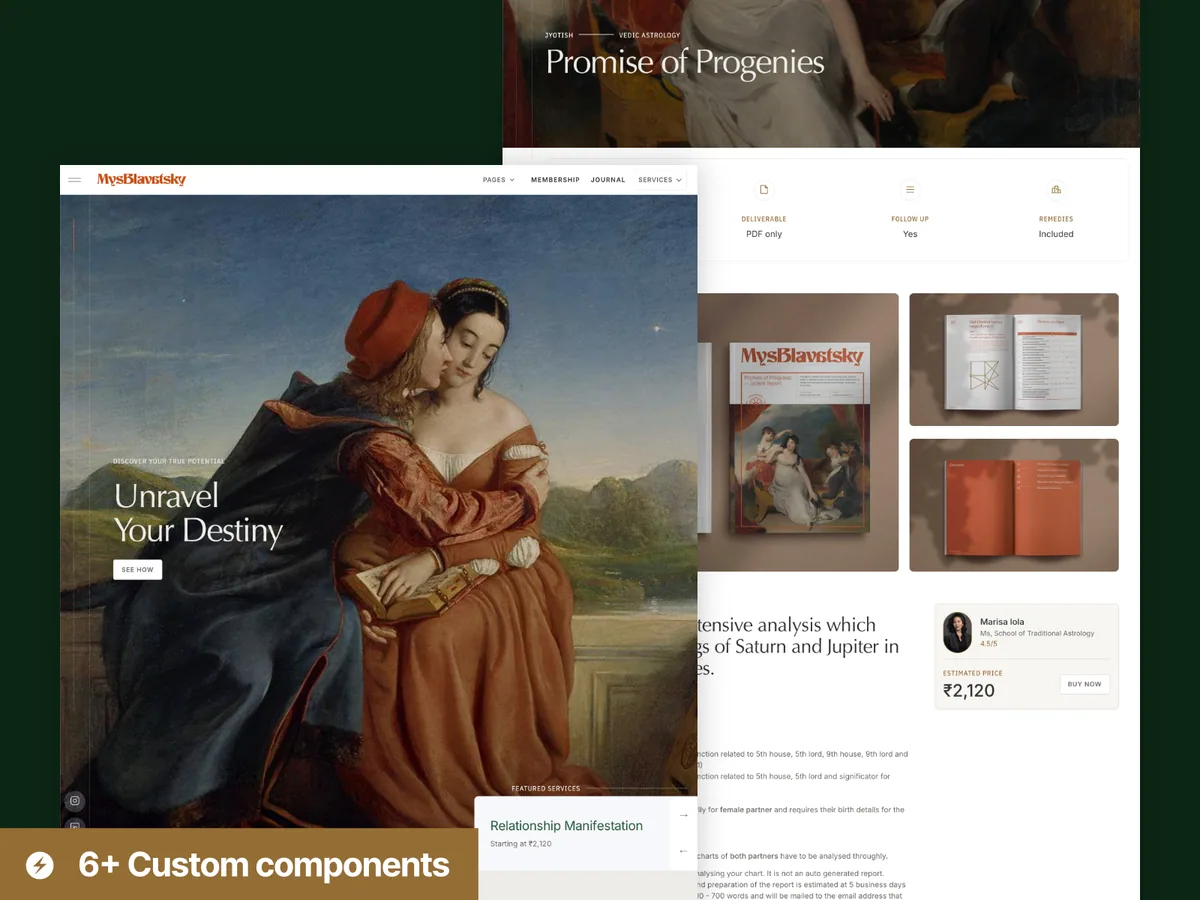
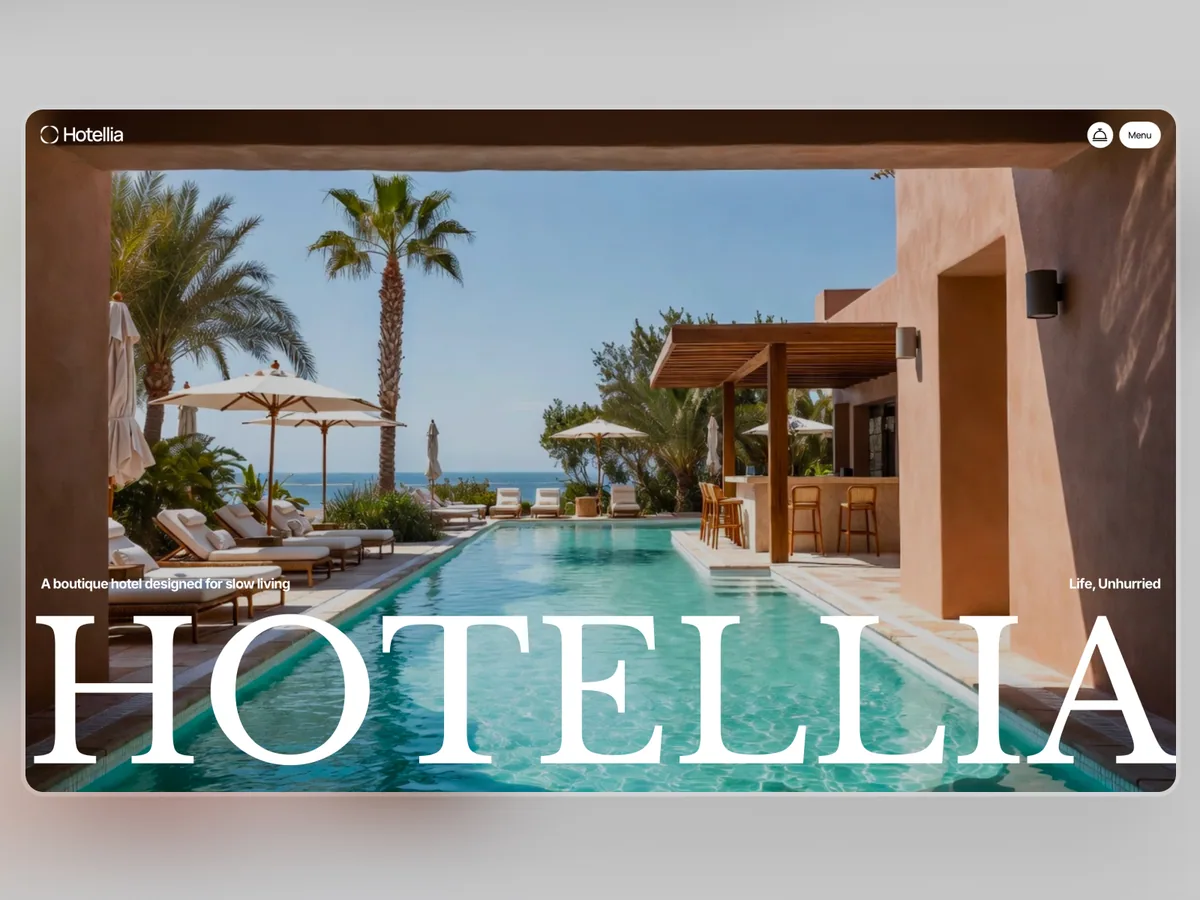
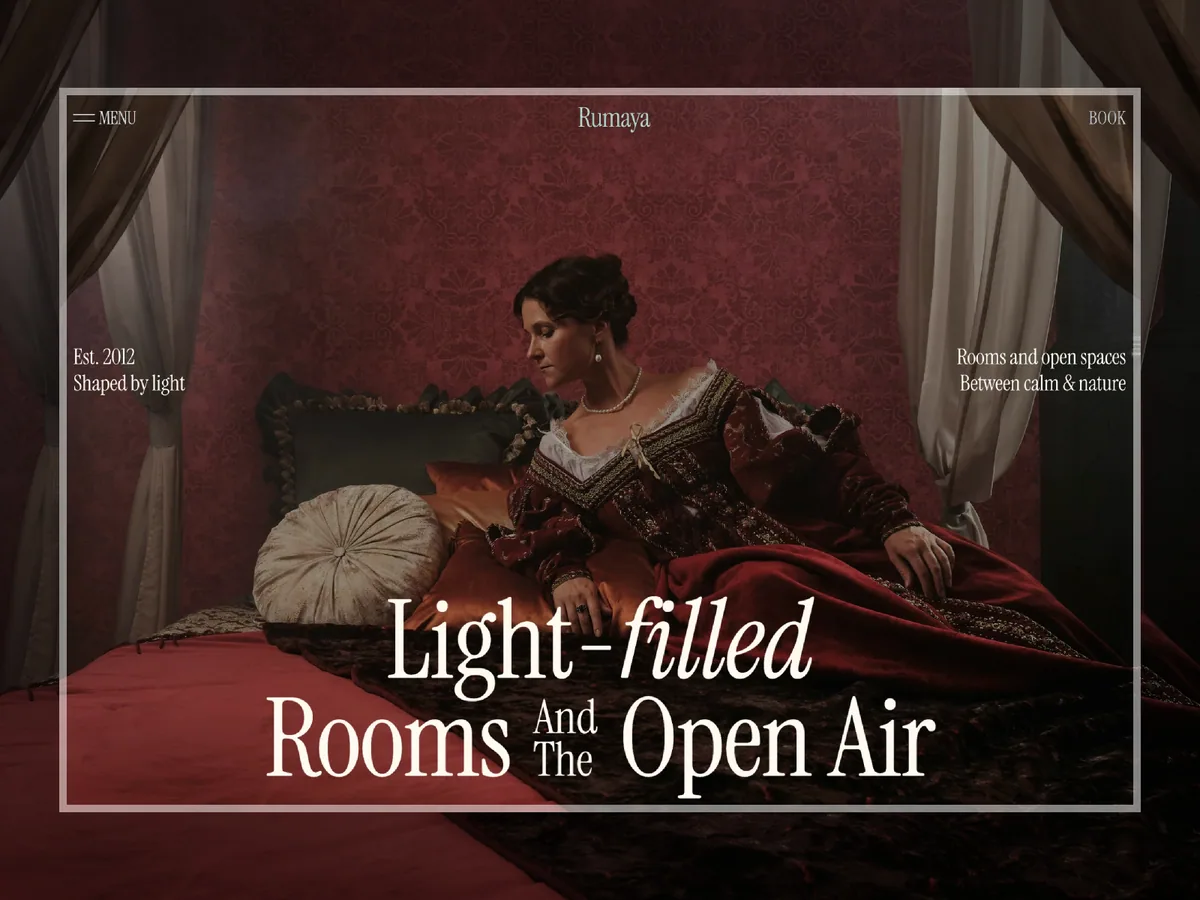
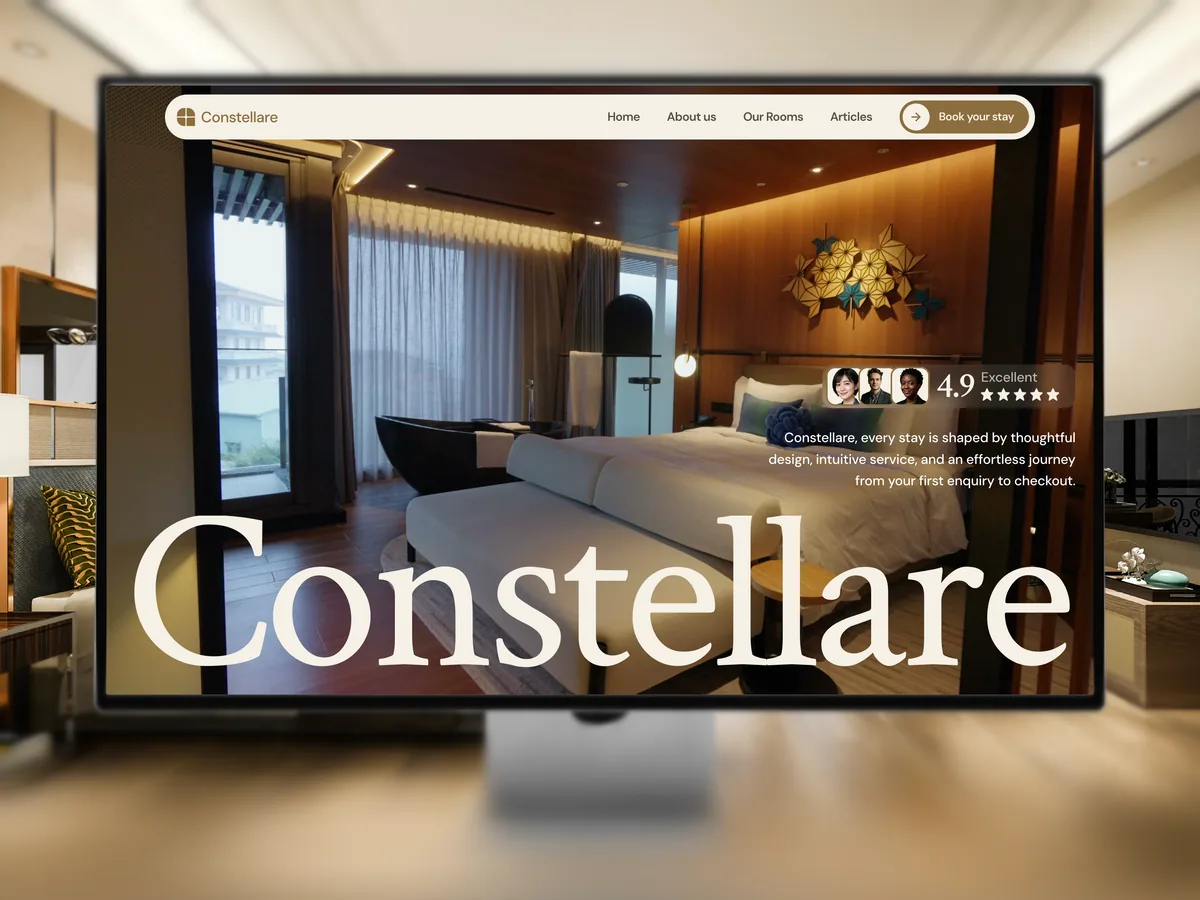
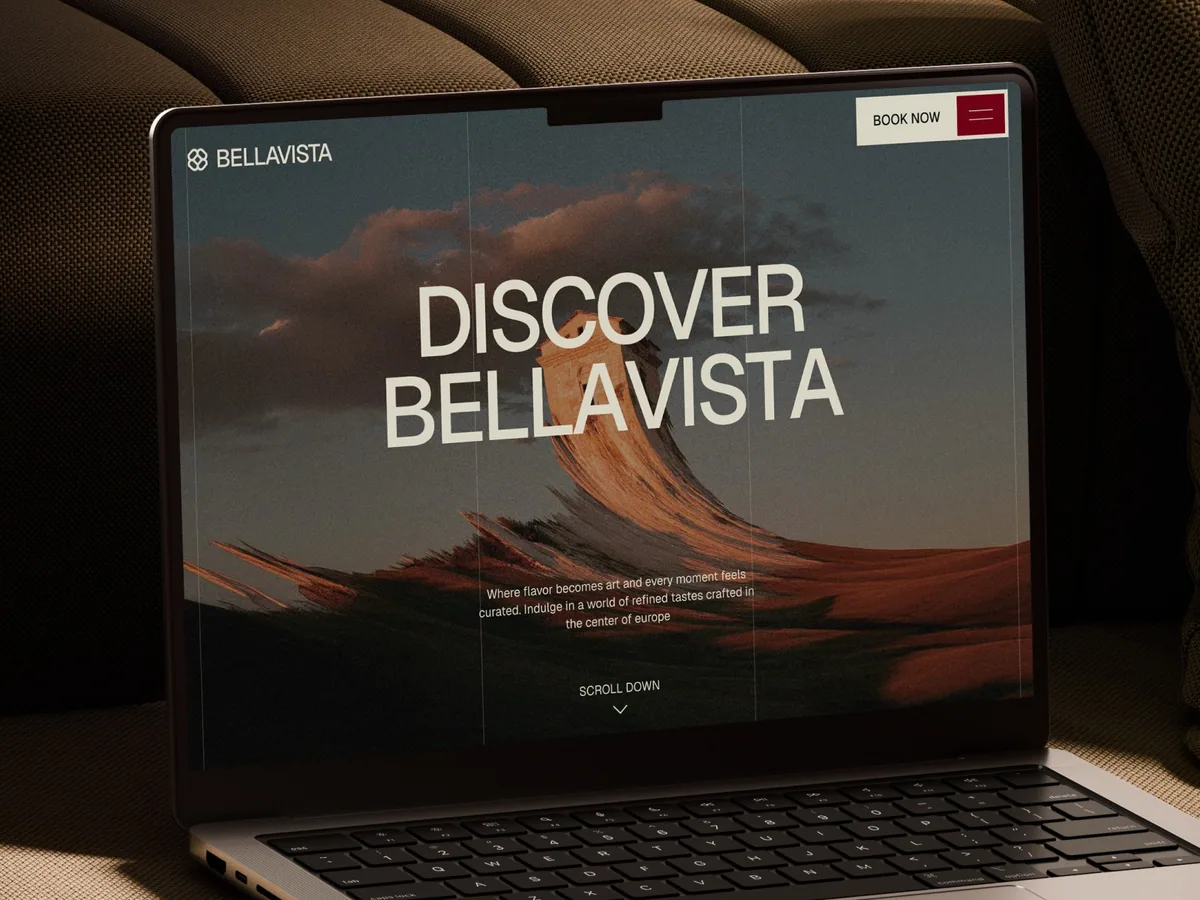
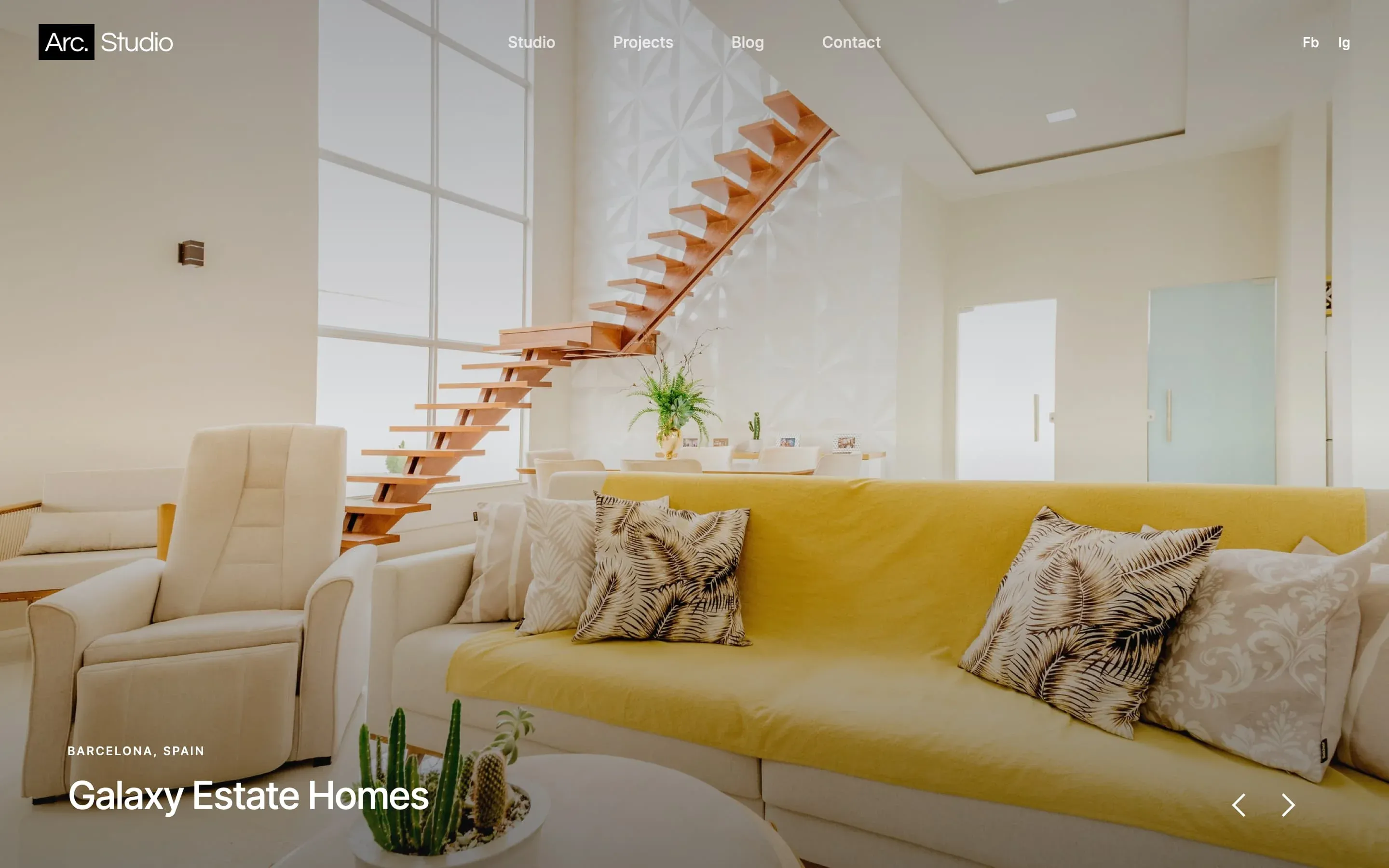
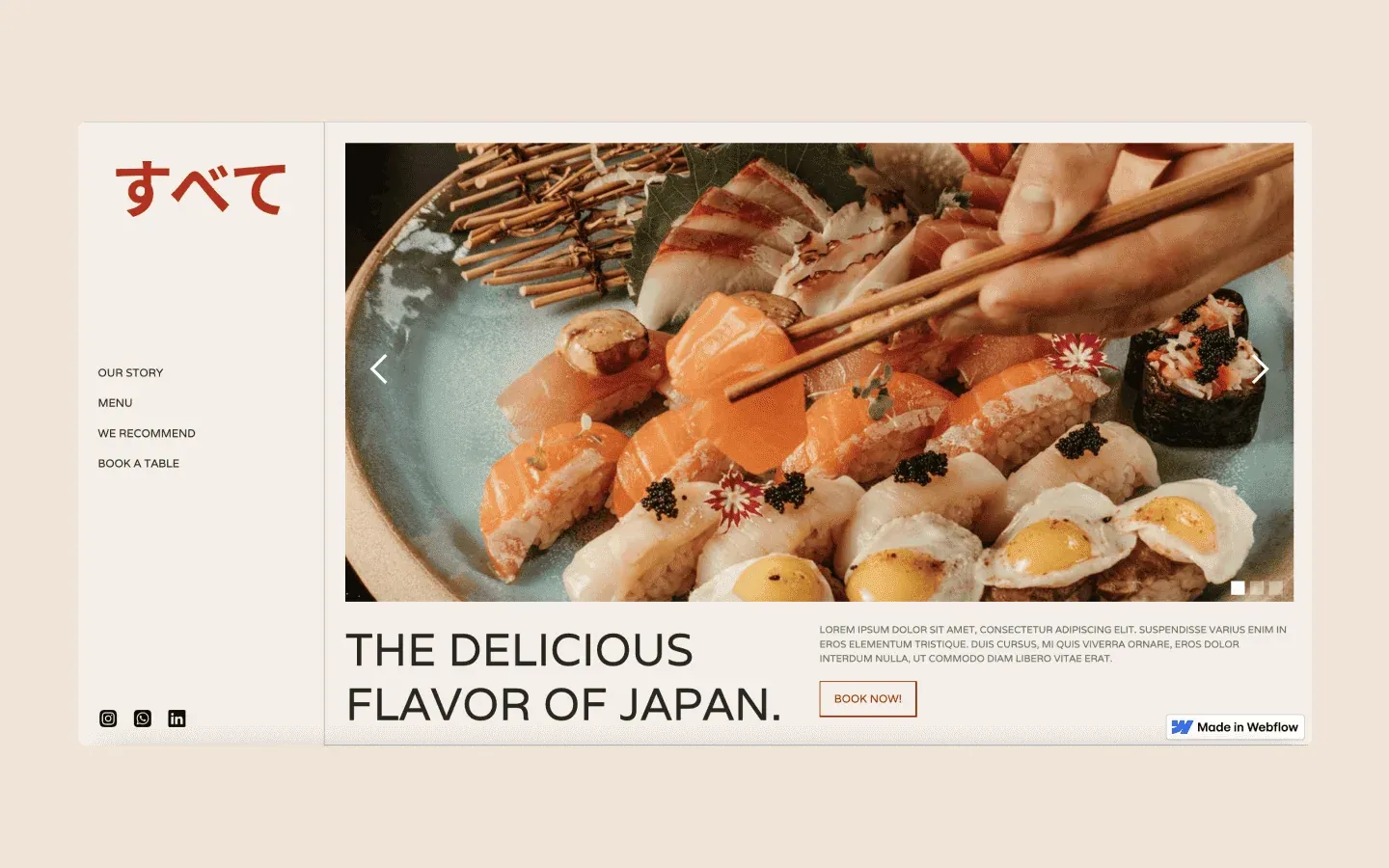
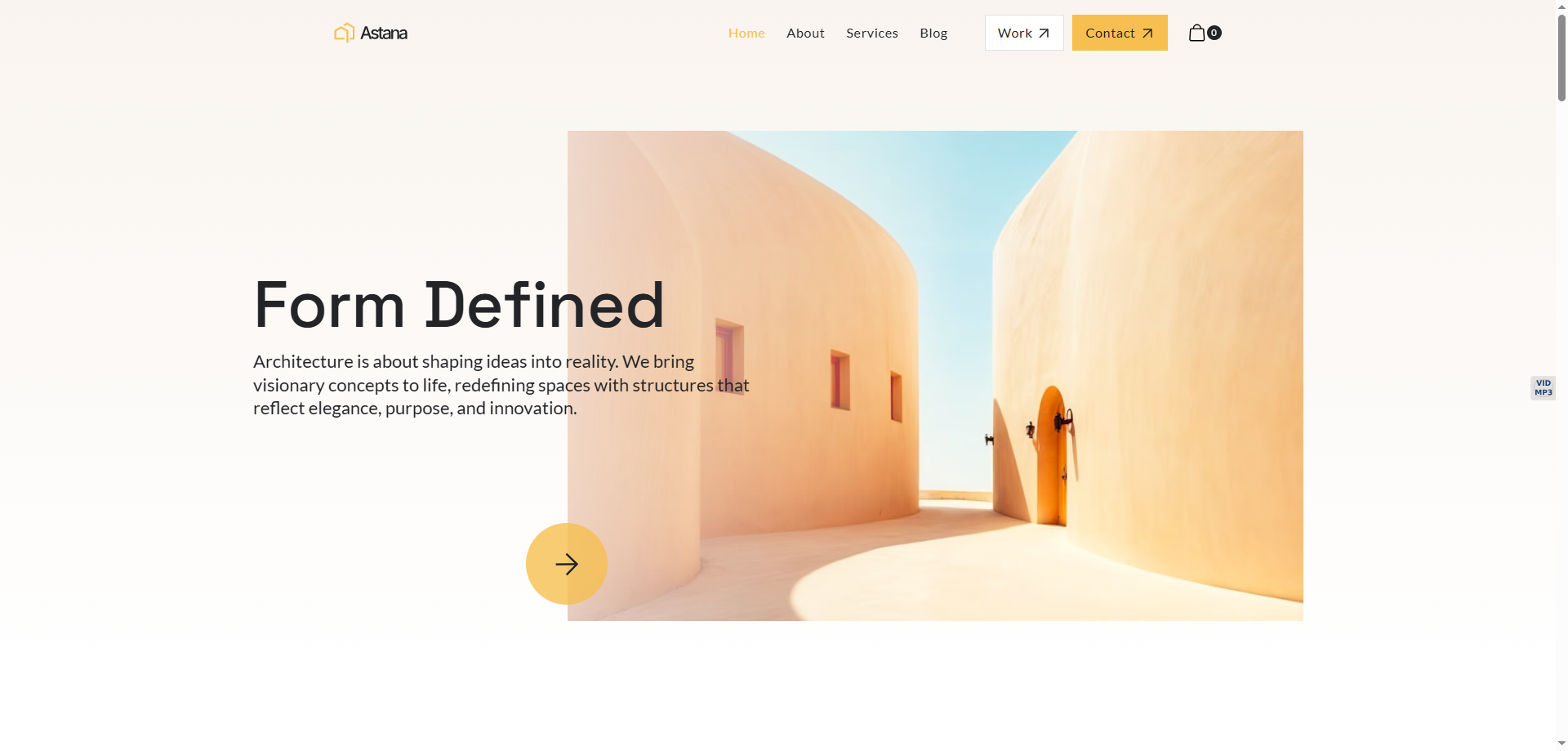
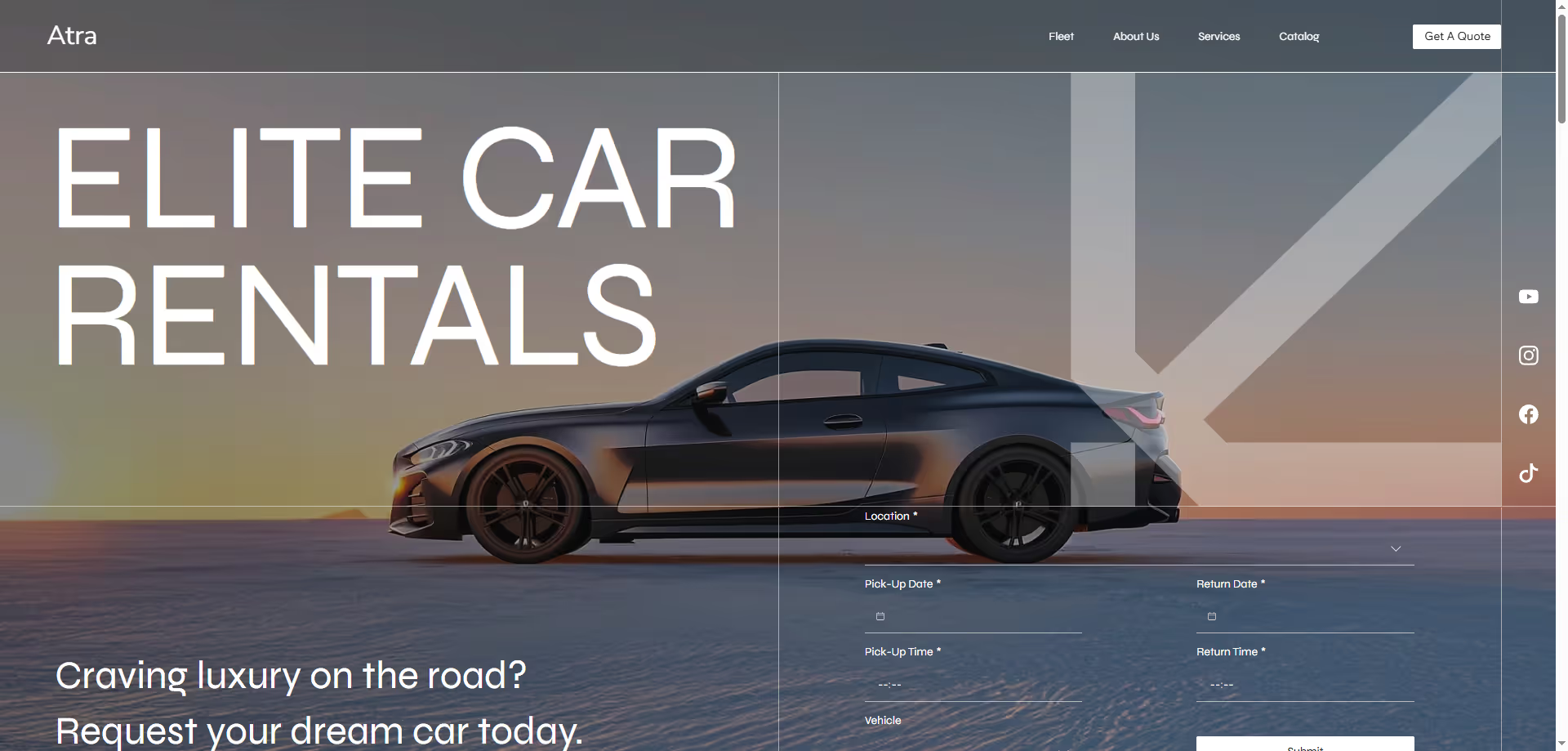
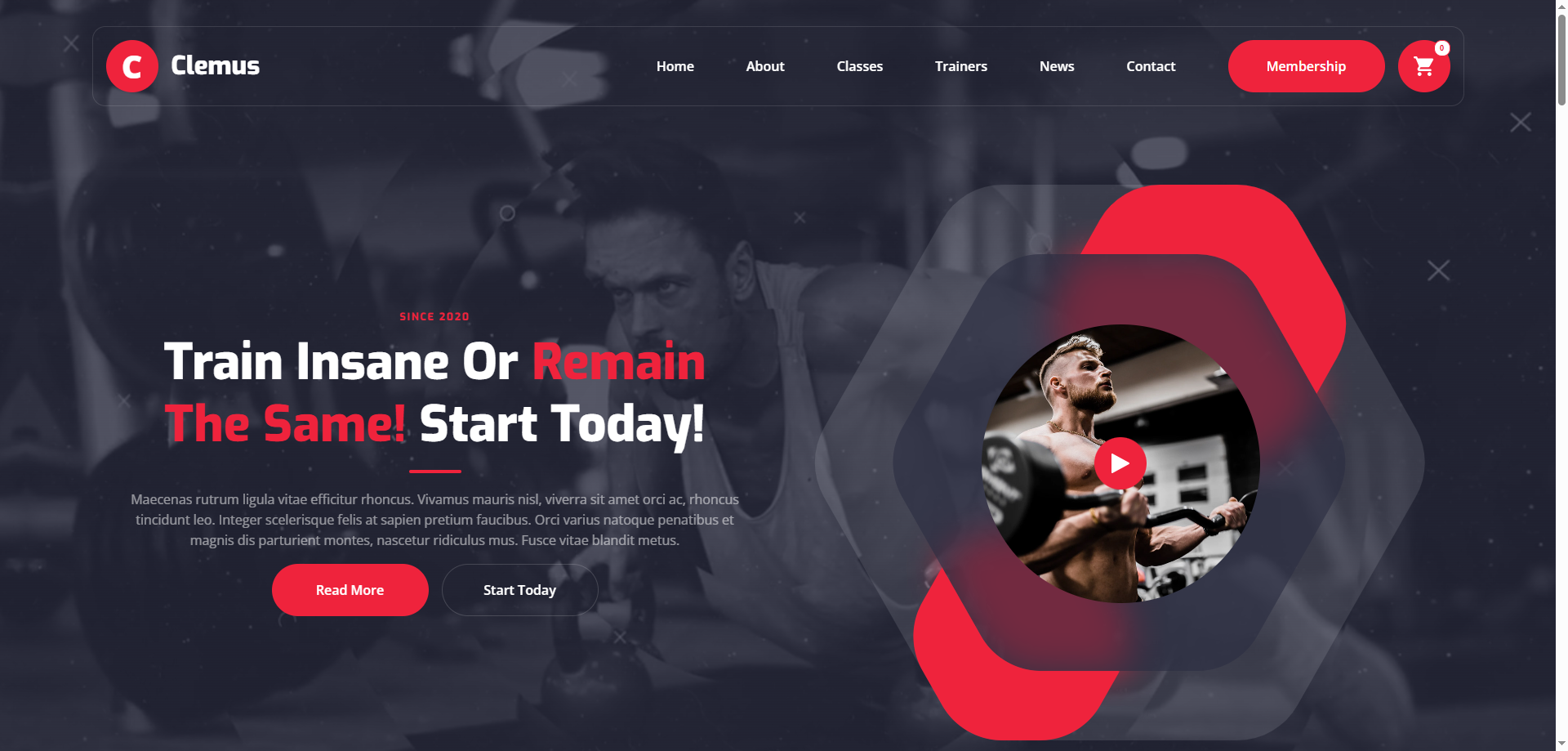
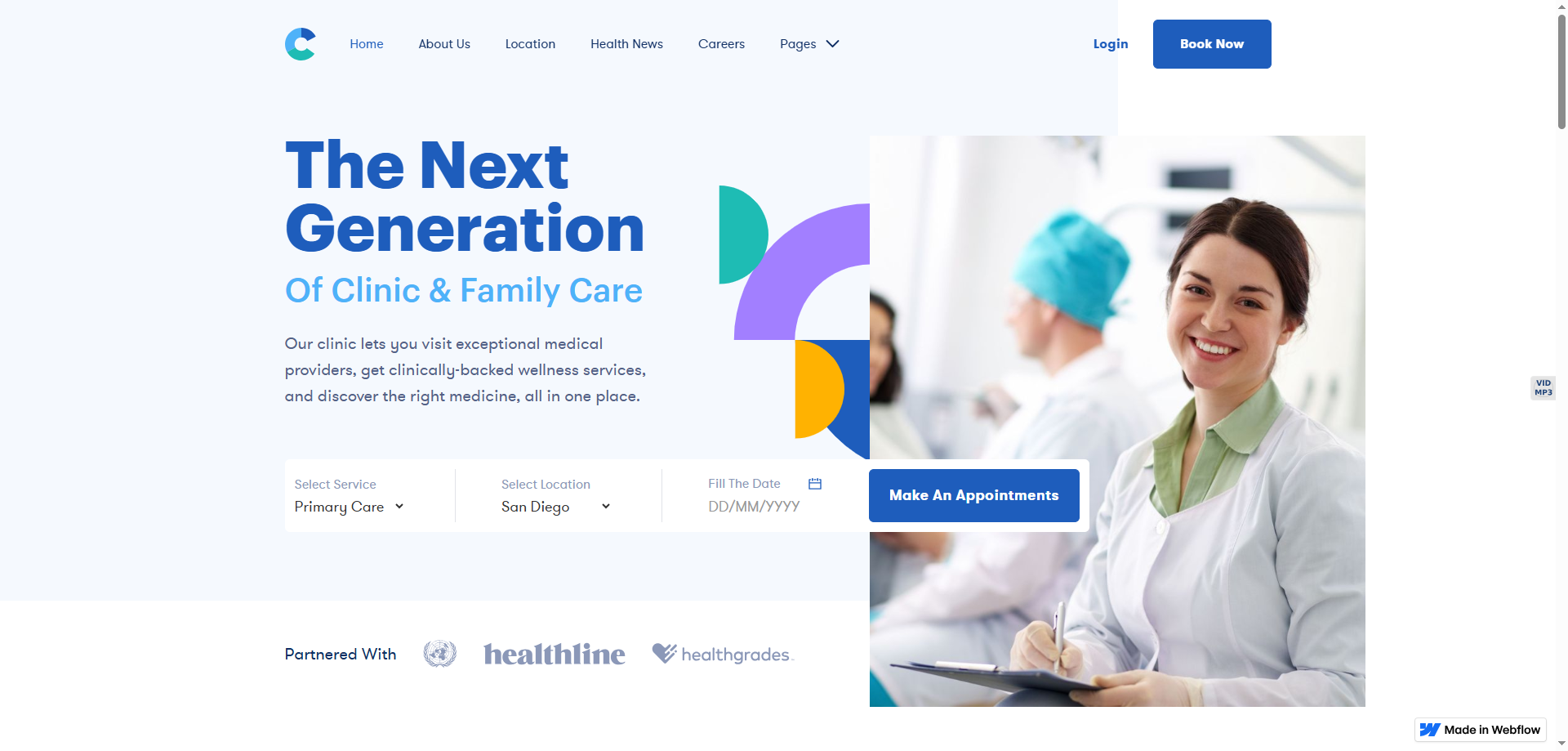
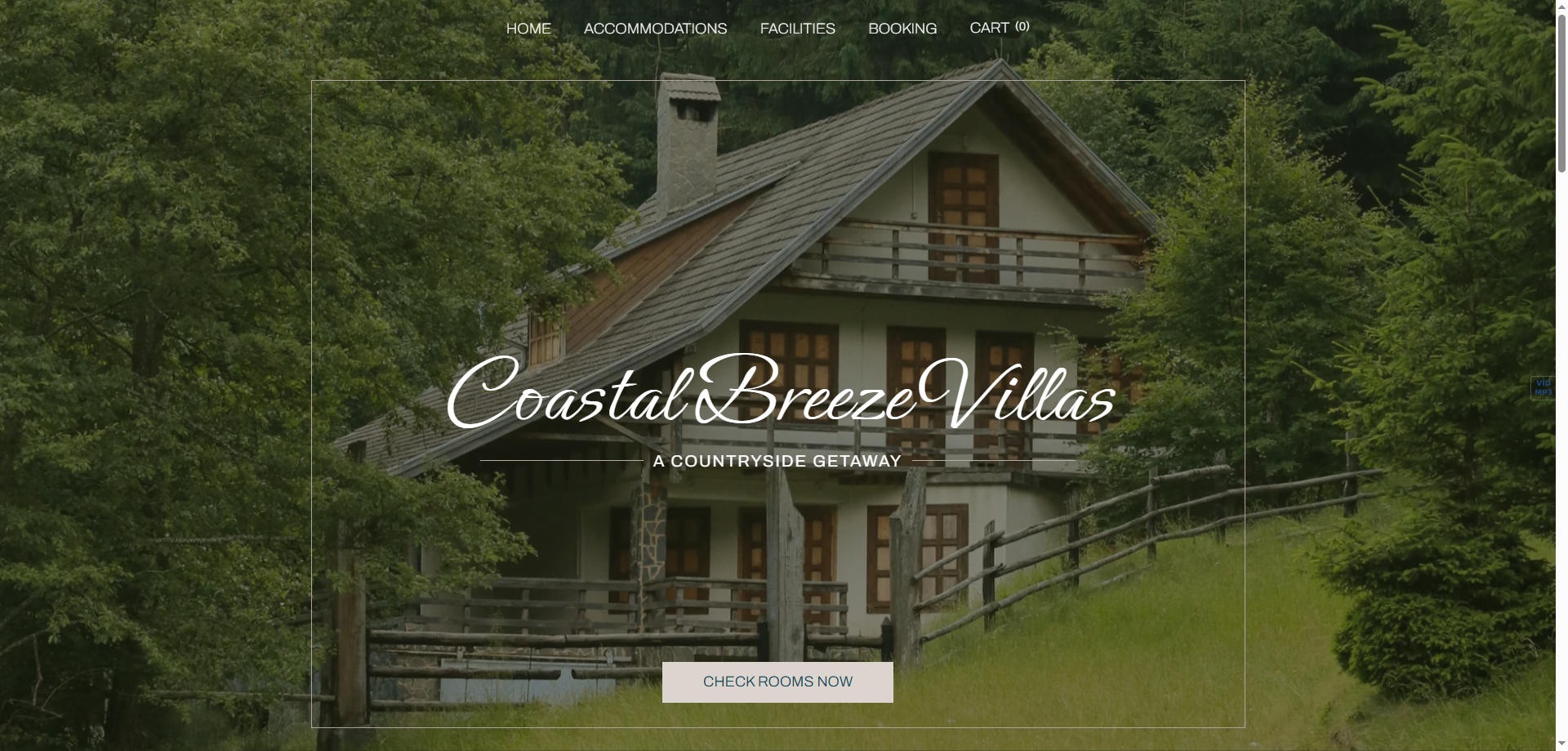
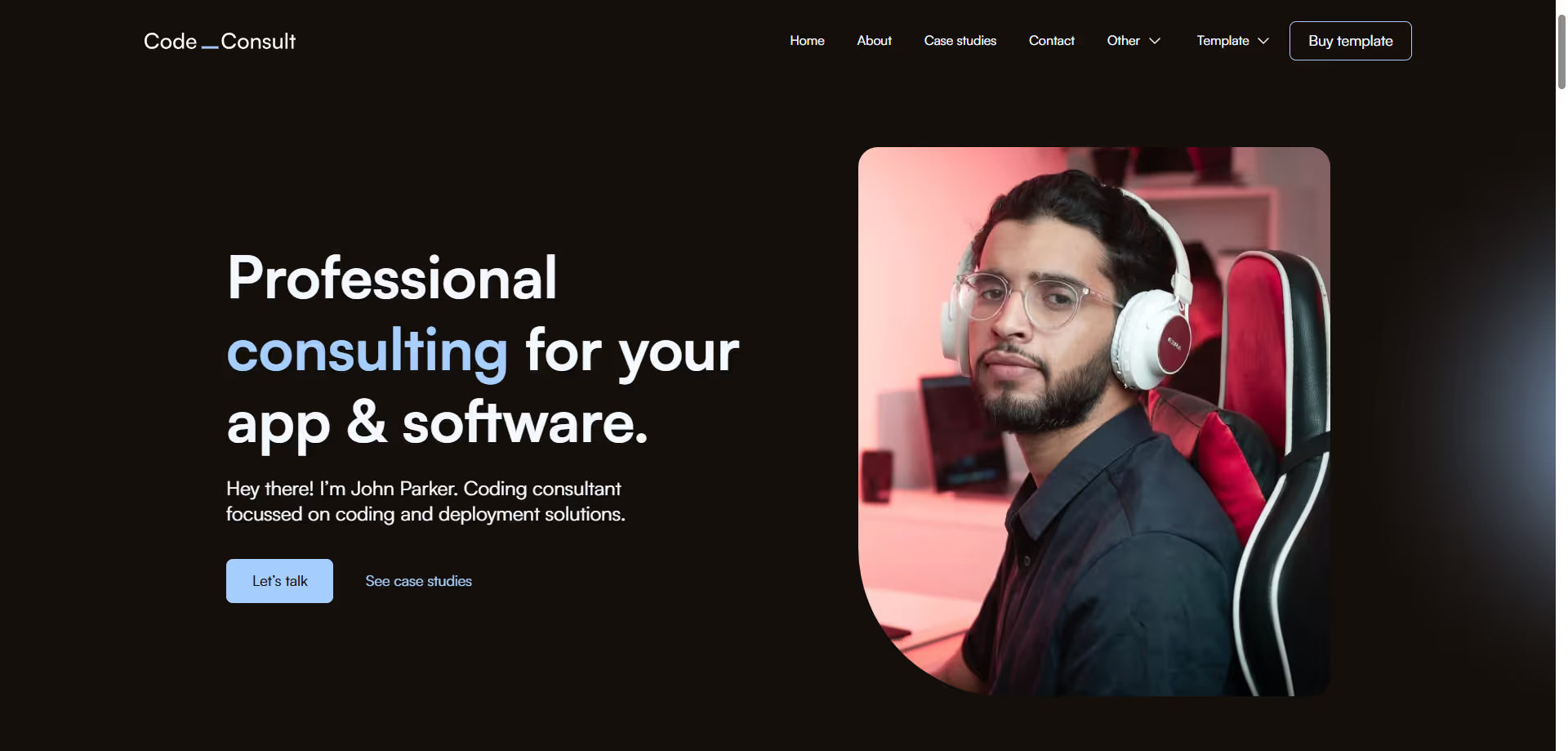
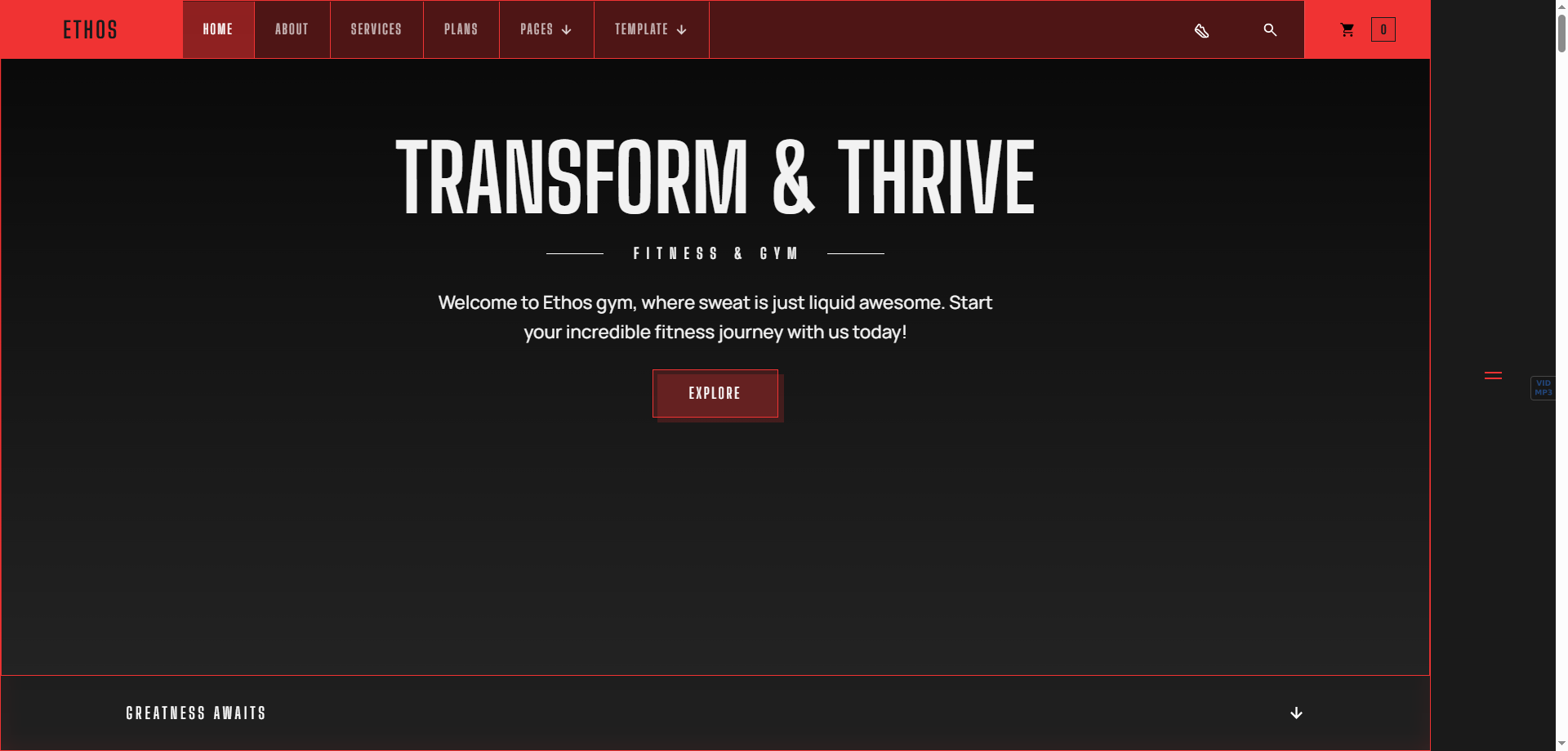
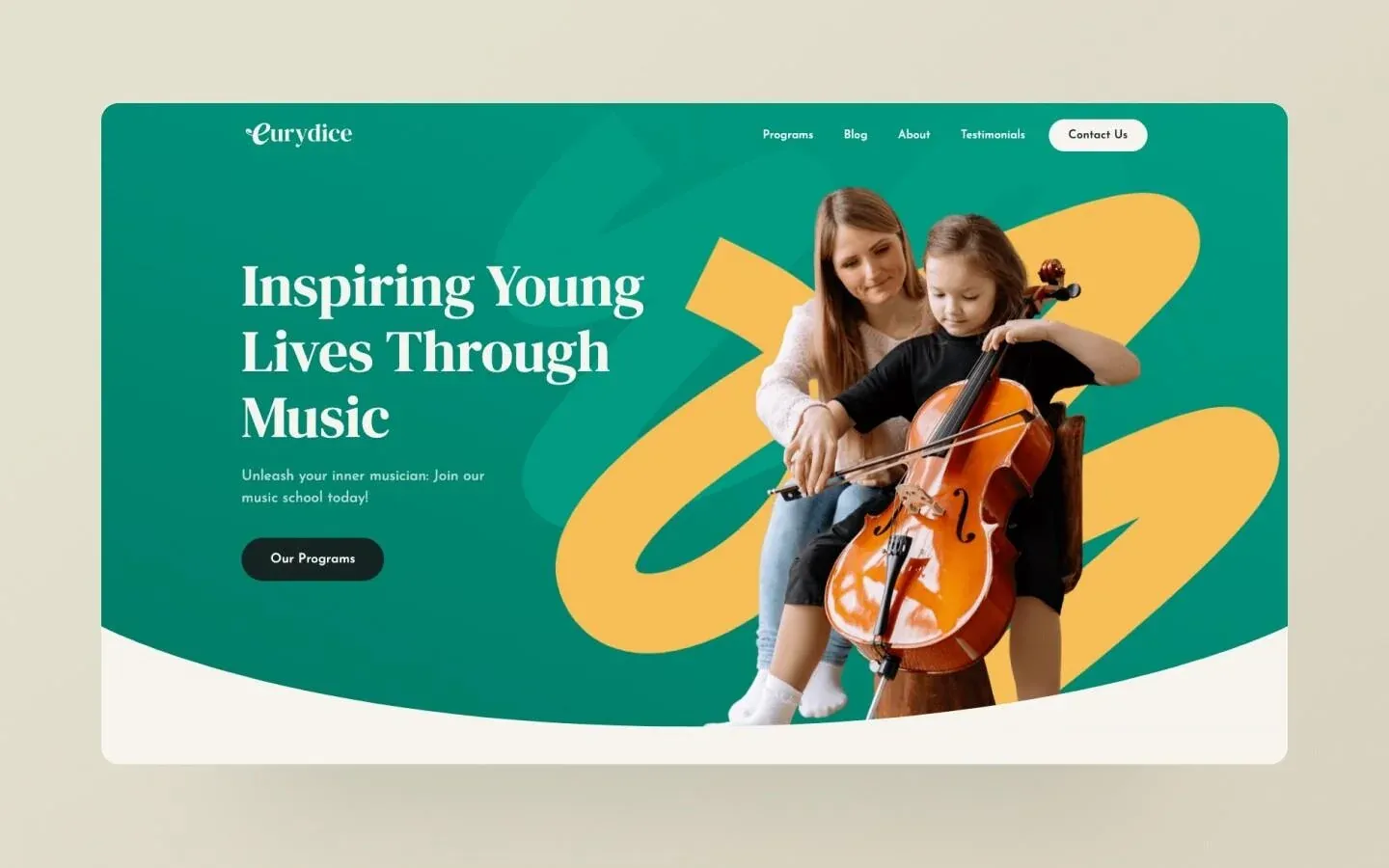
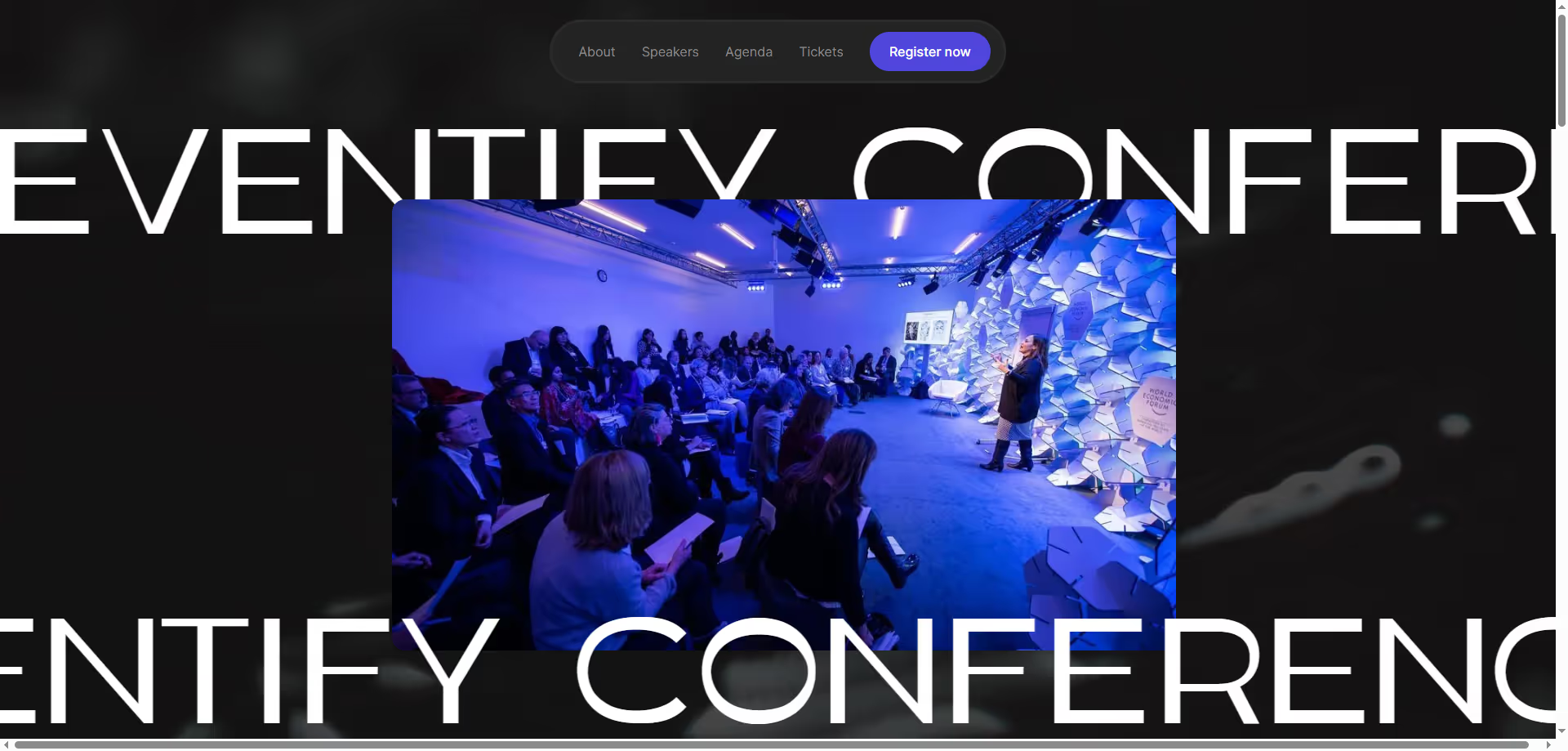
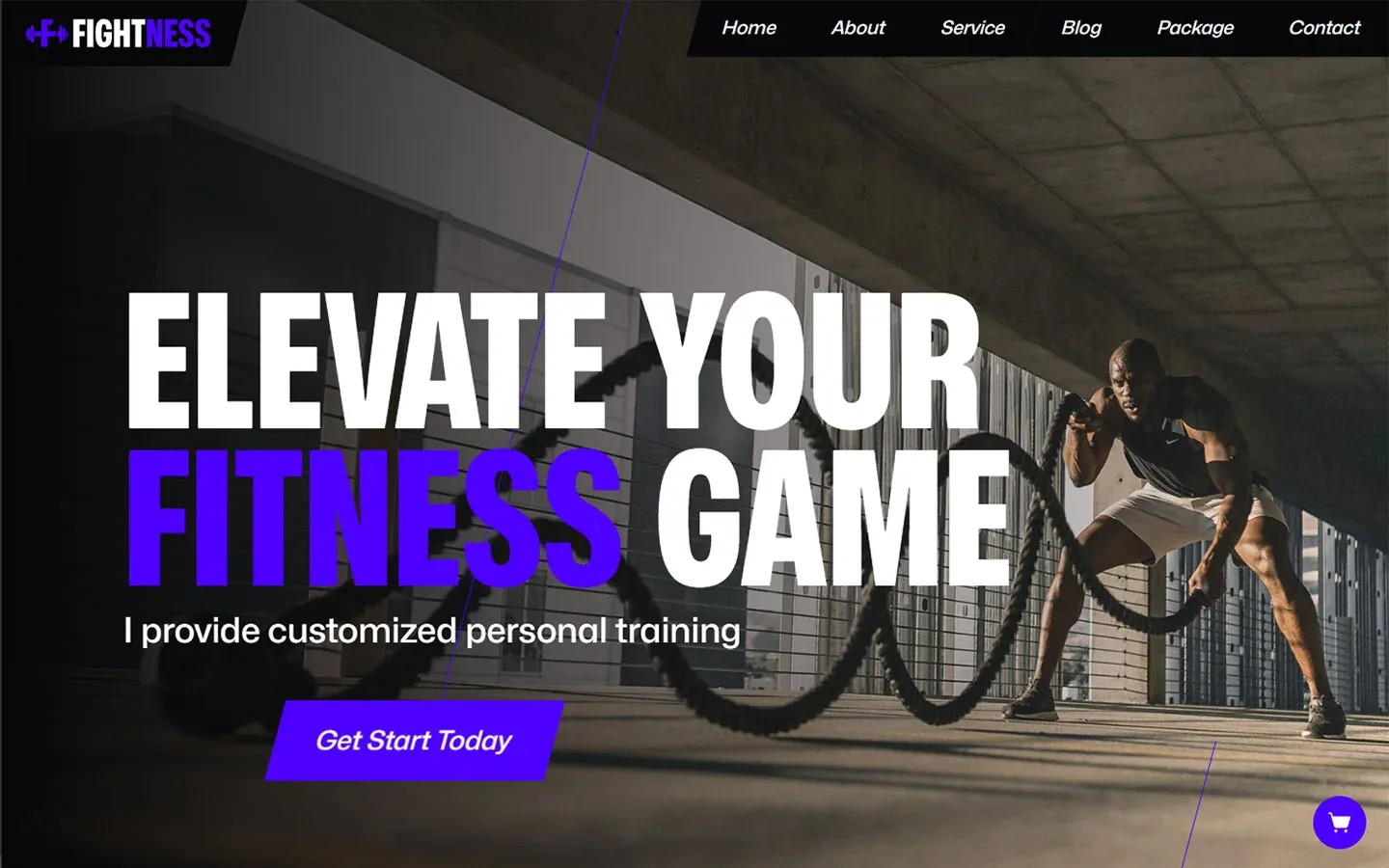
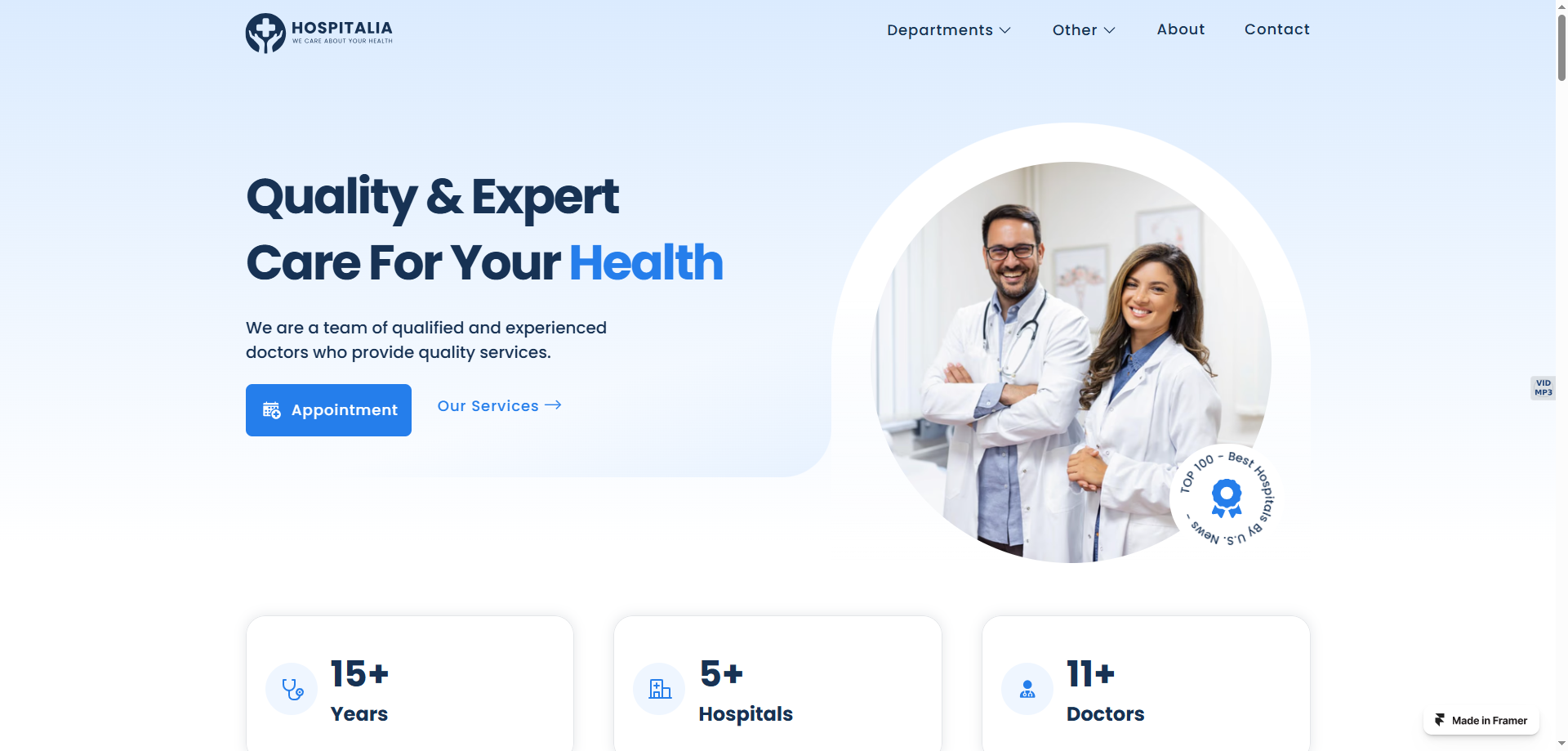
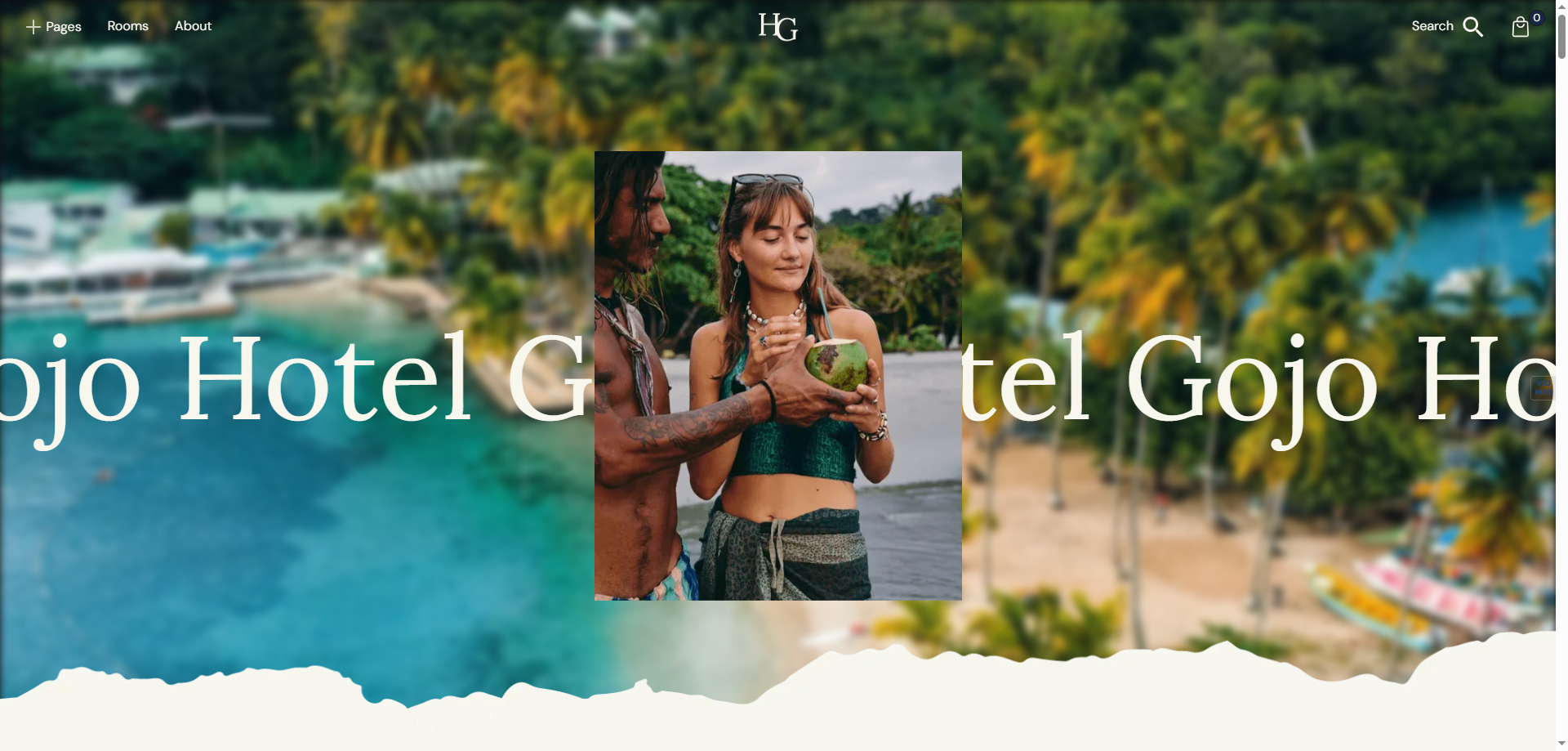
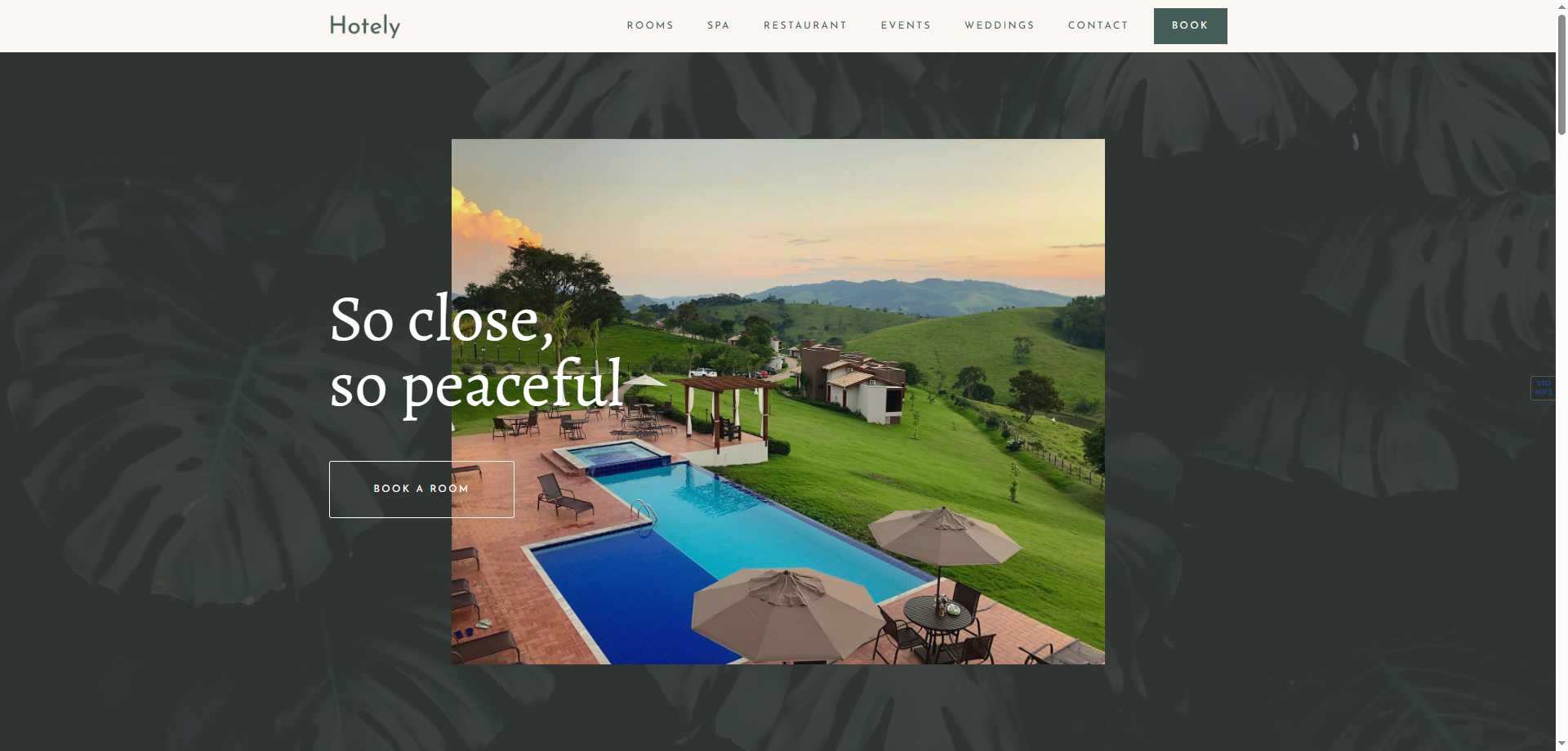
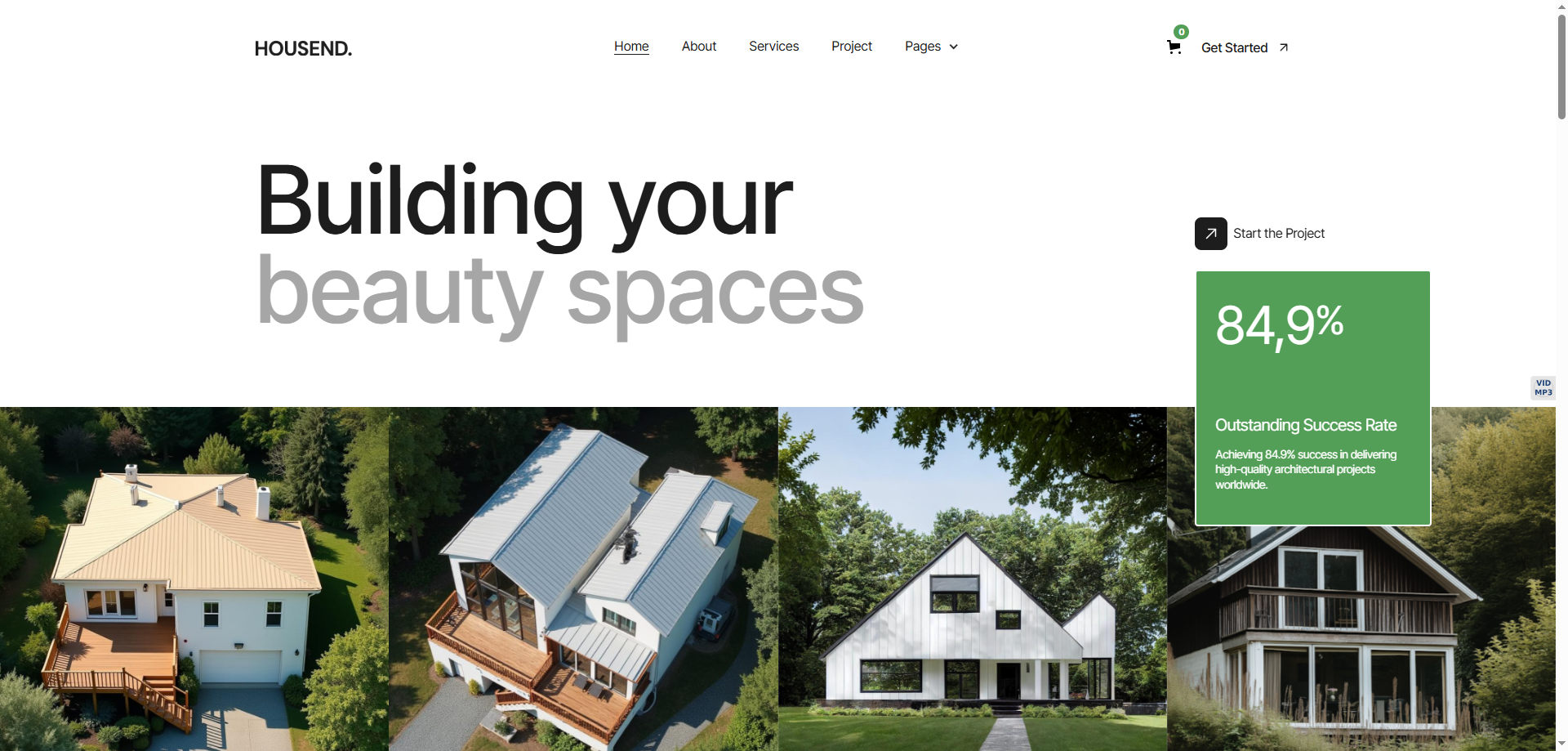
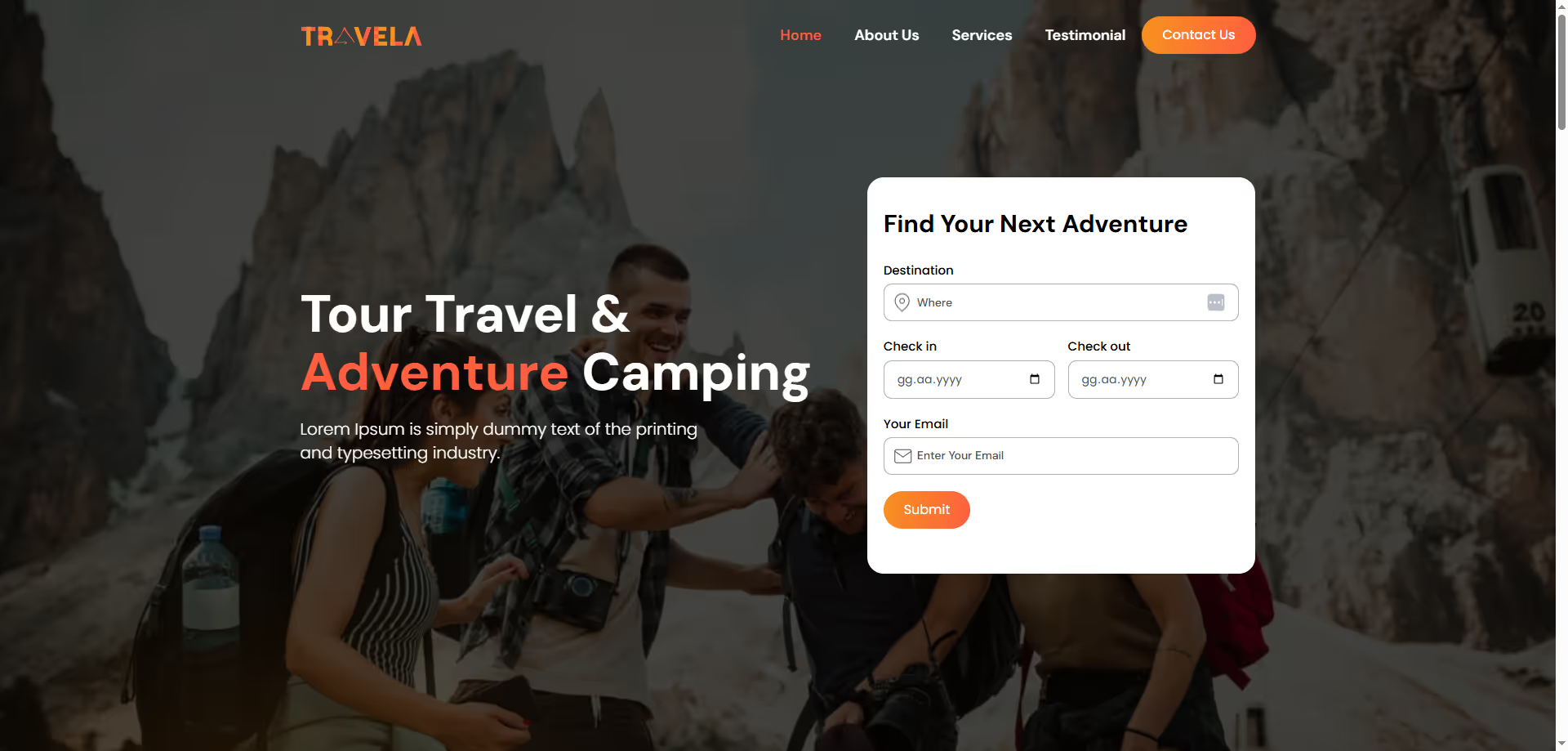
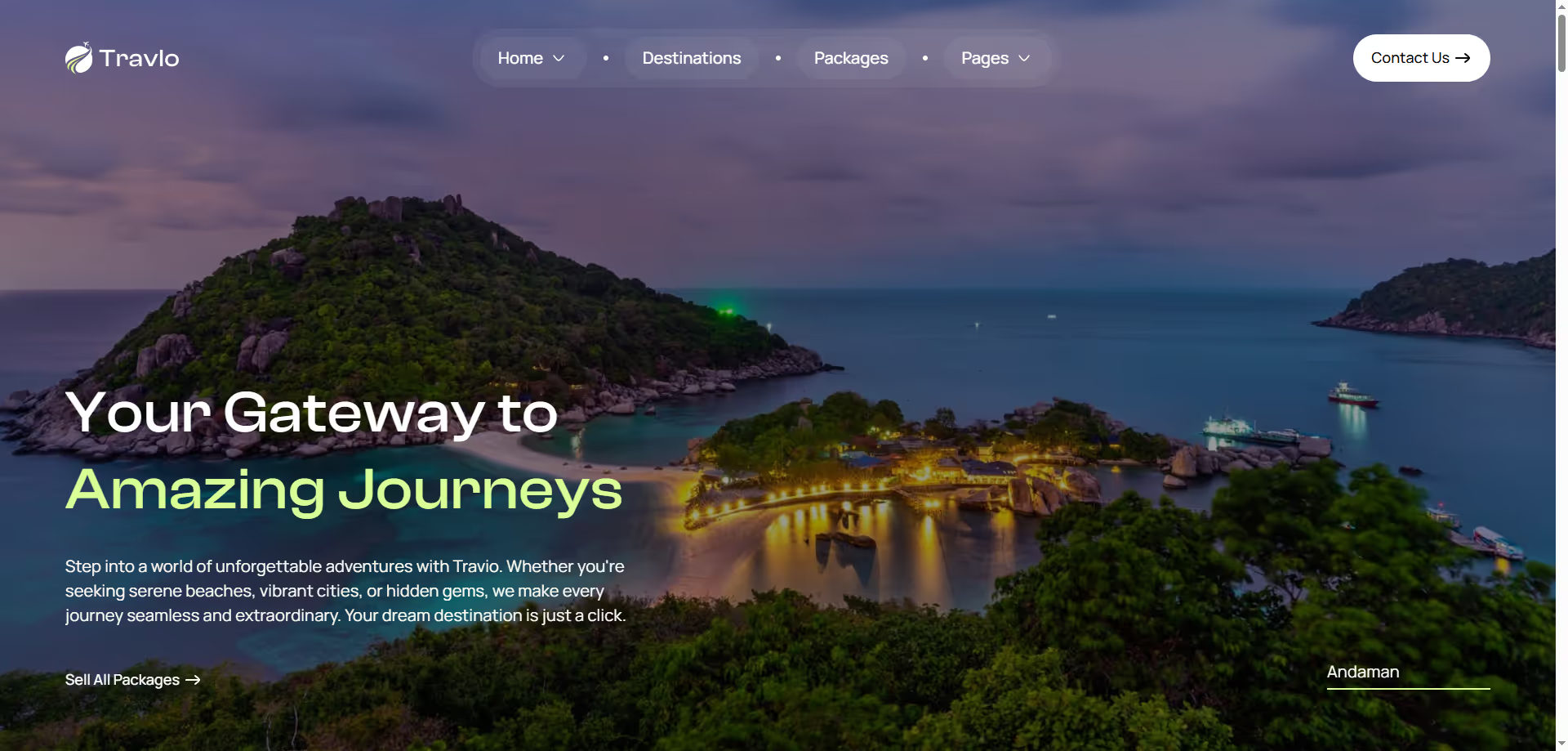
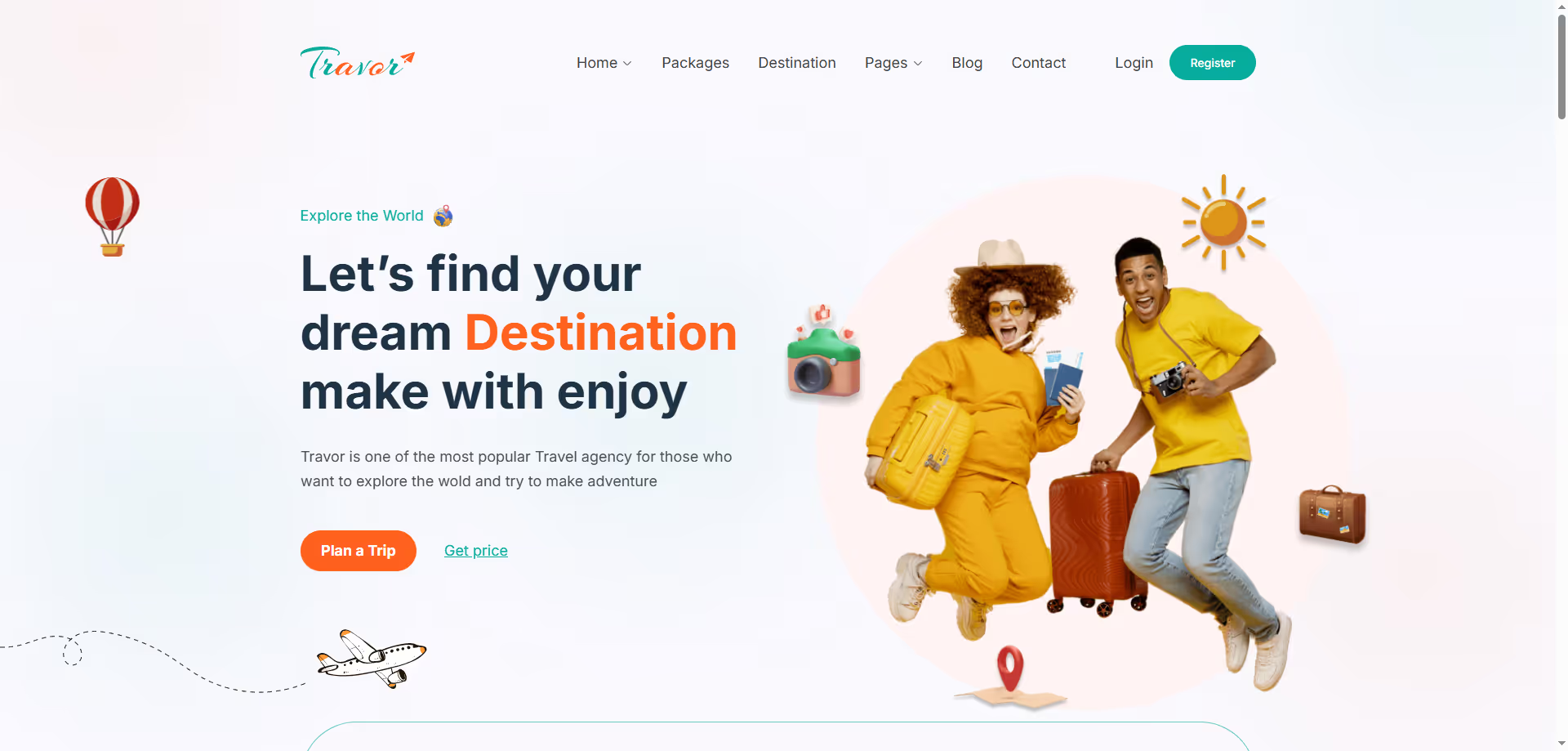
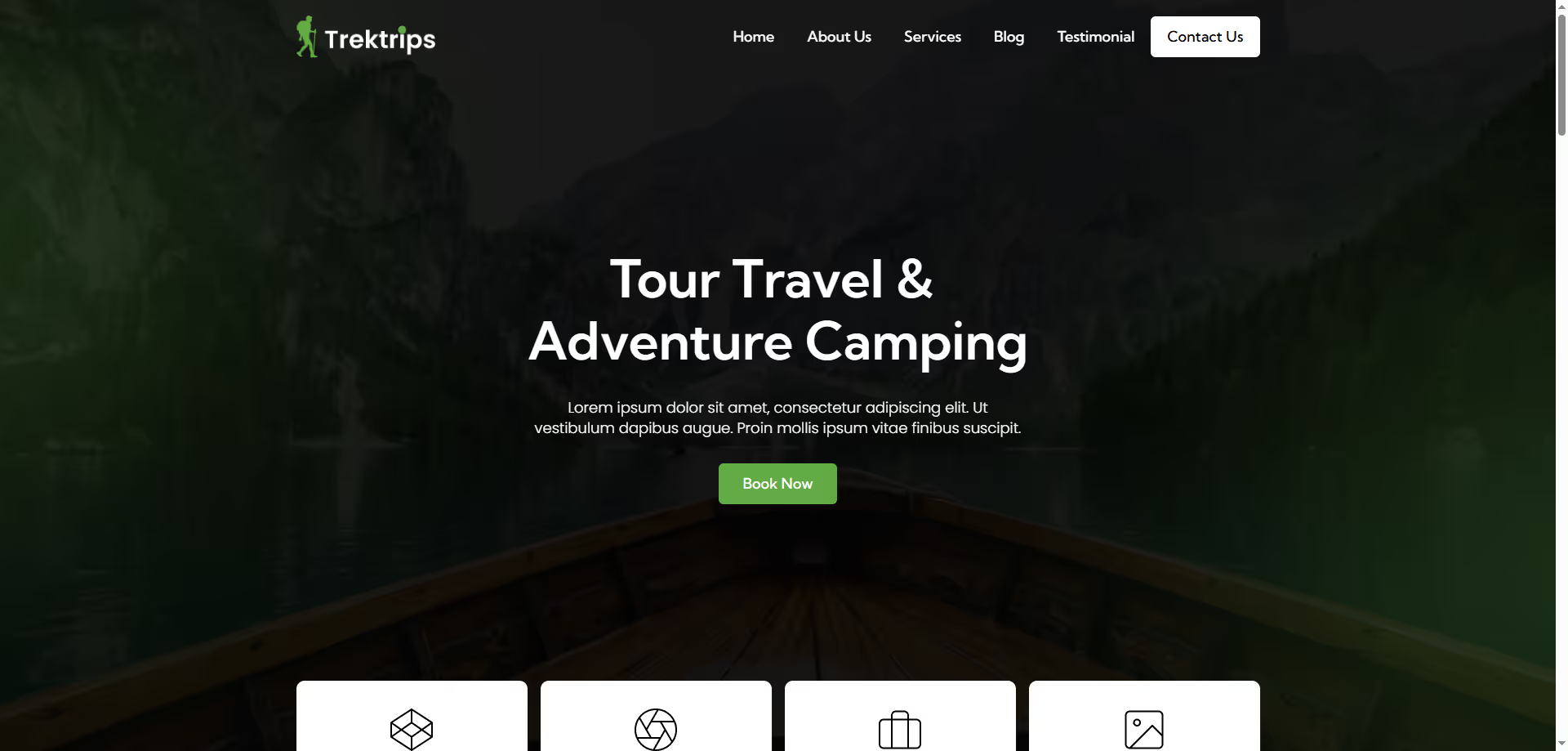
Explore theme design references
Provider licences and current terms apply. Previews are design captures; live transactions are disabled. Review website setup.

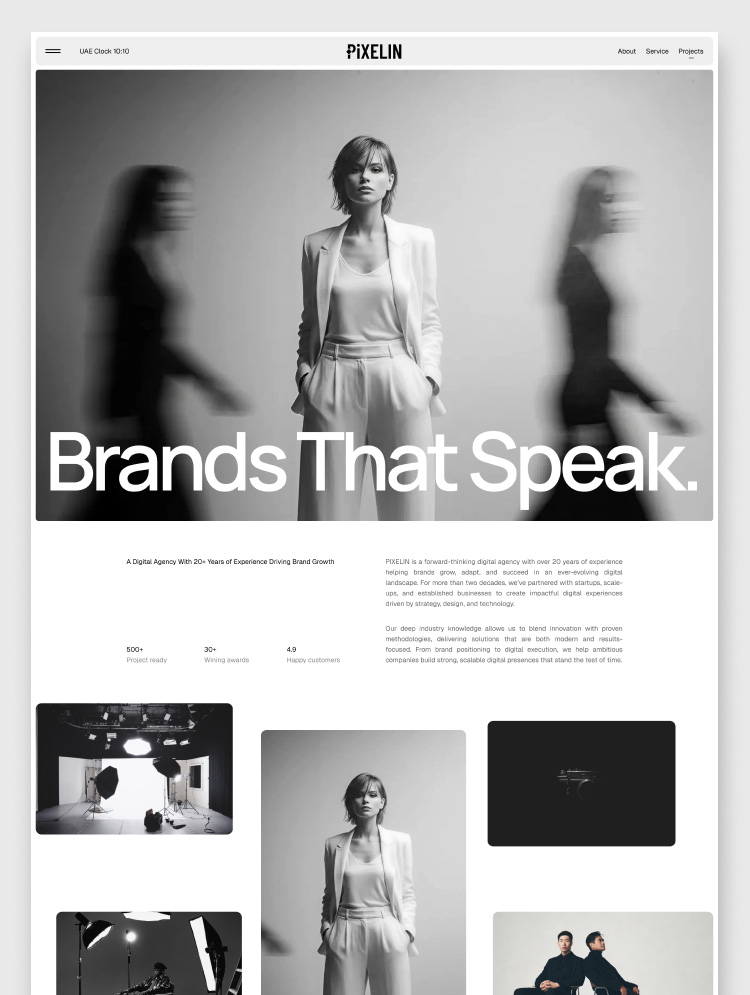
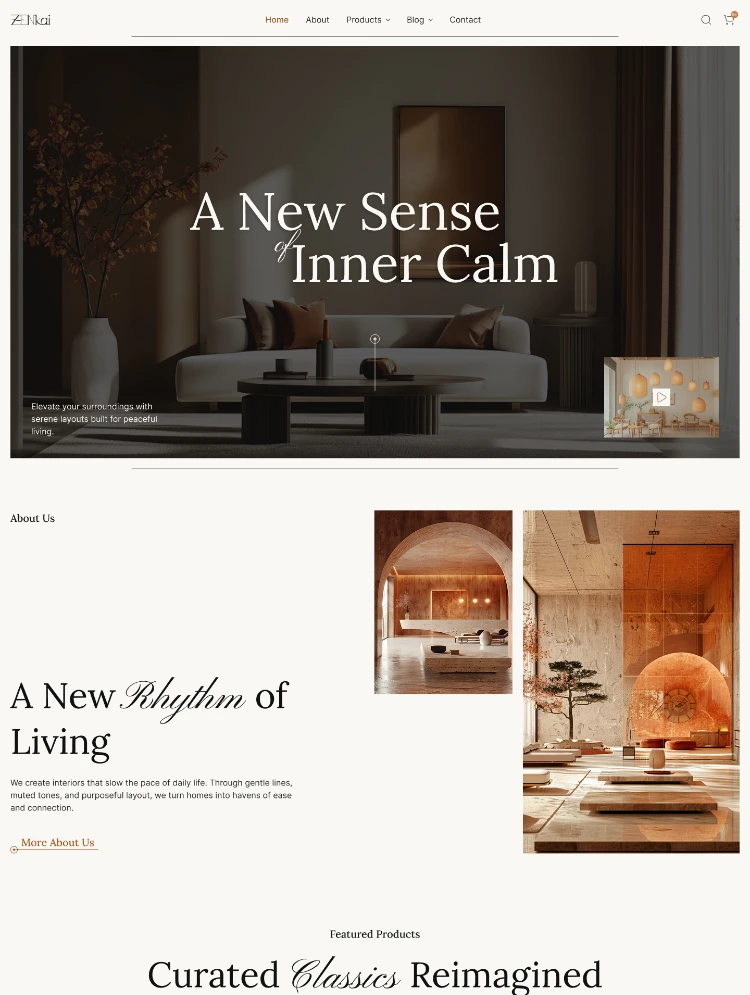
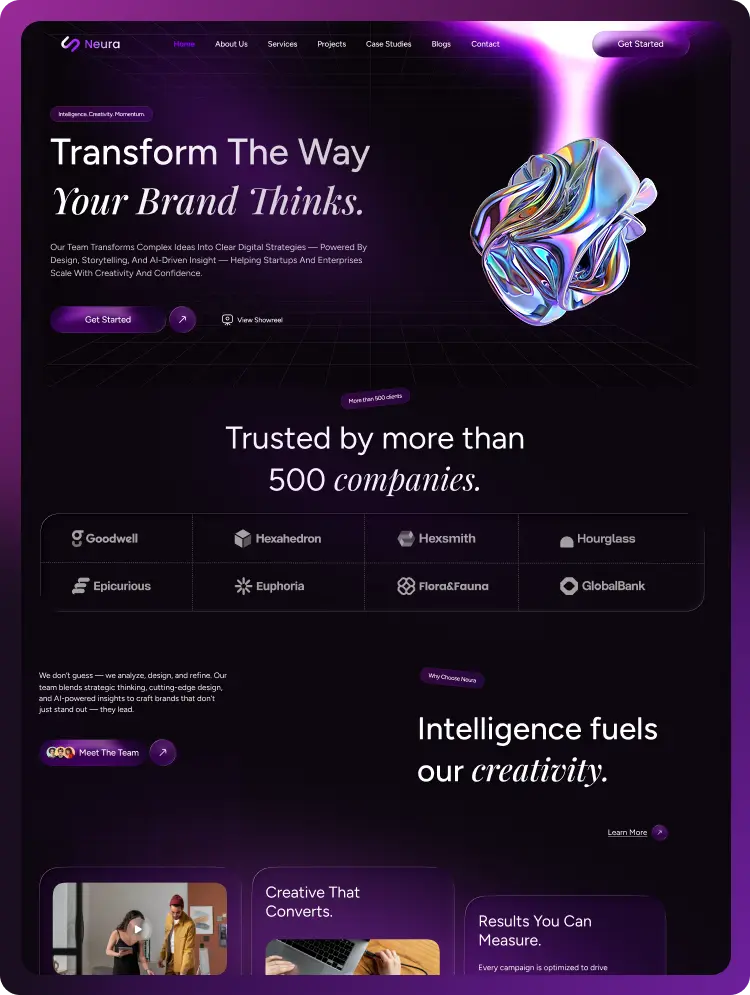
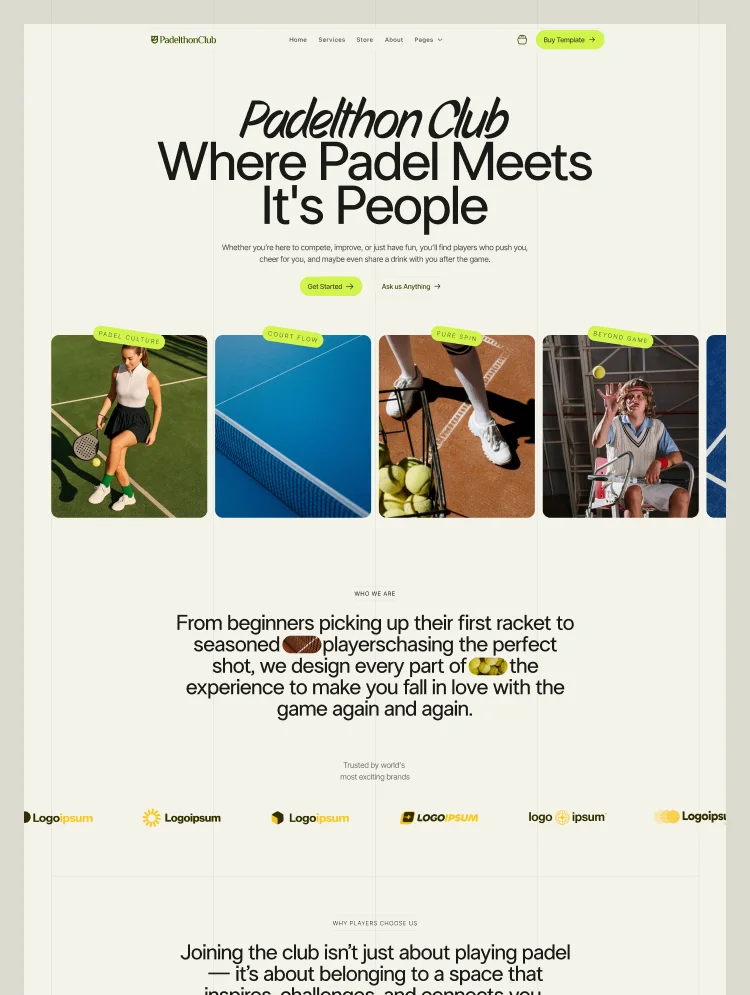
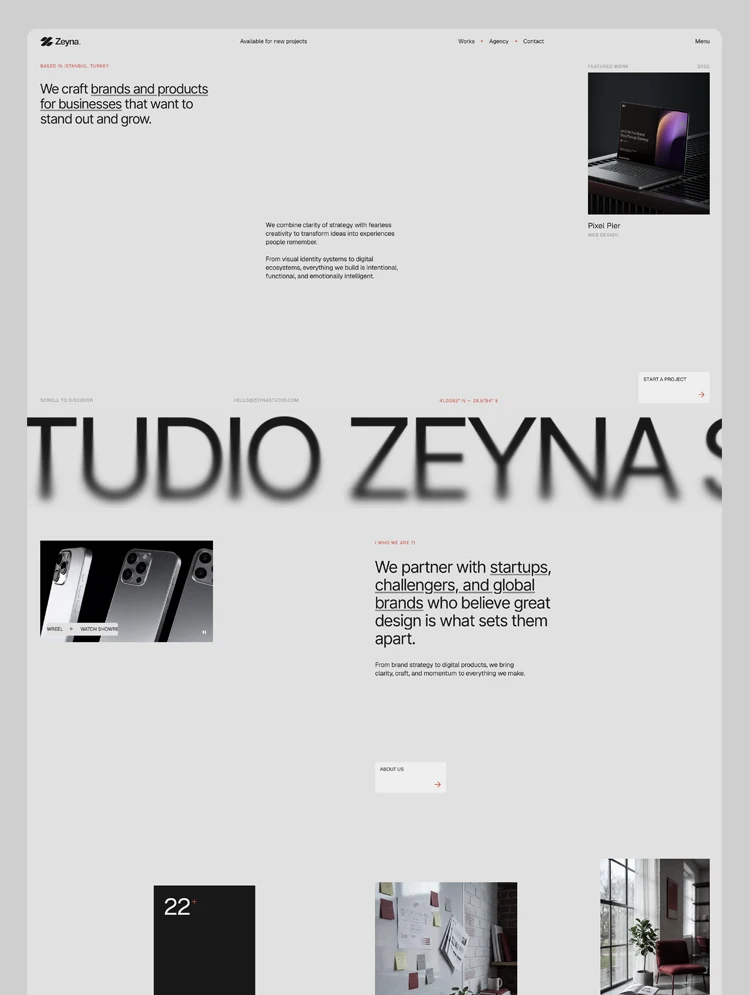
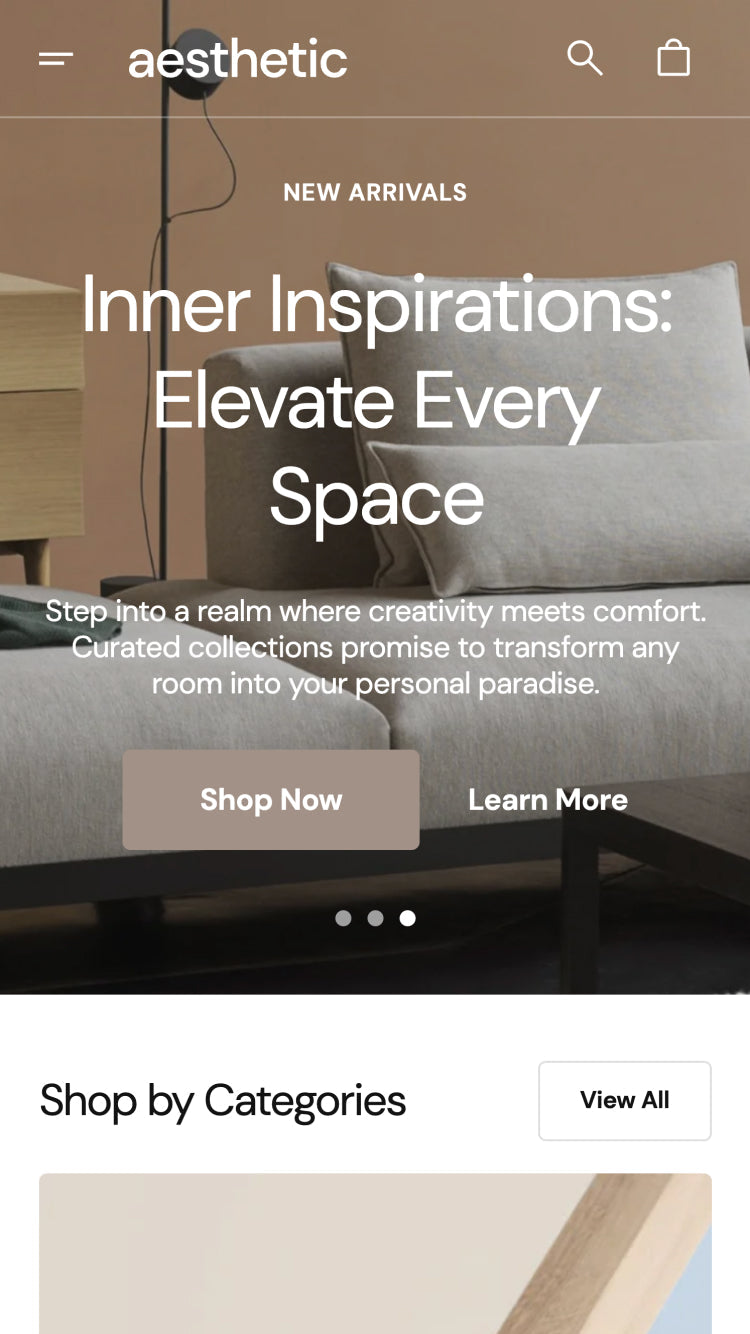
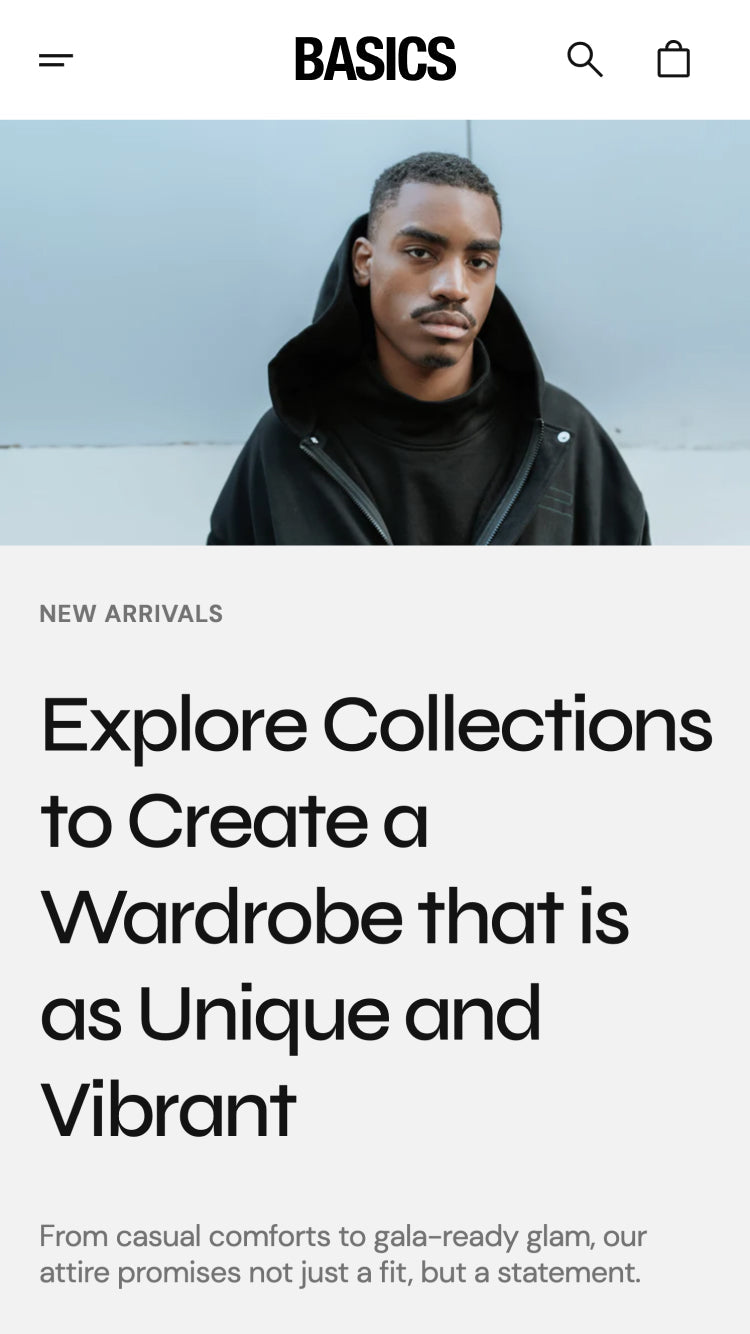


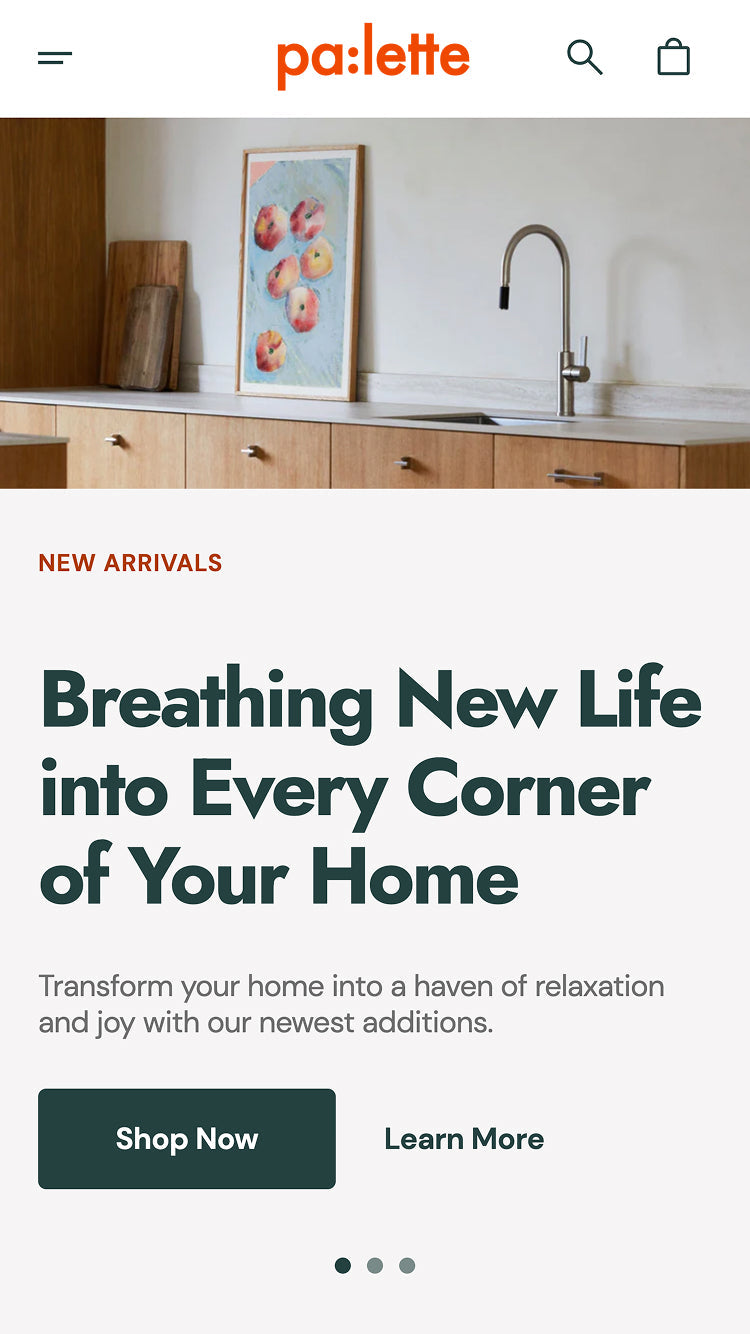
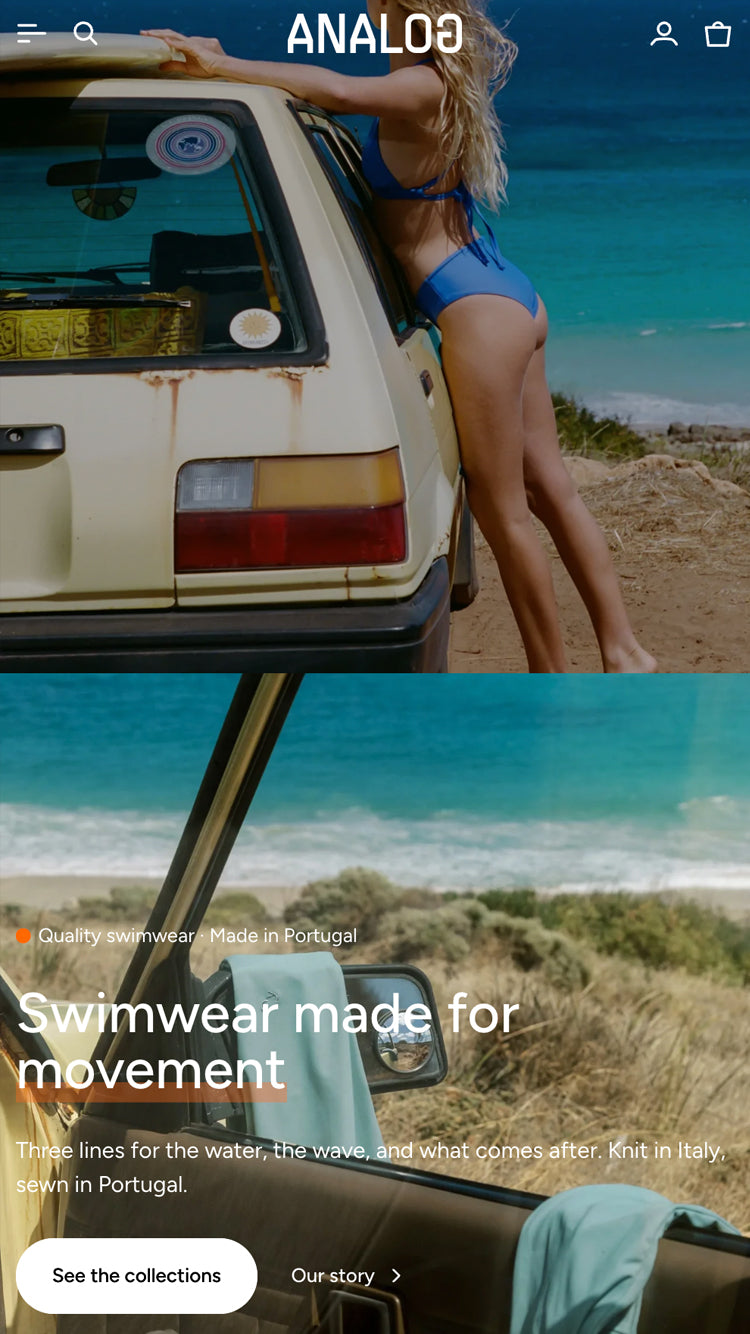
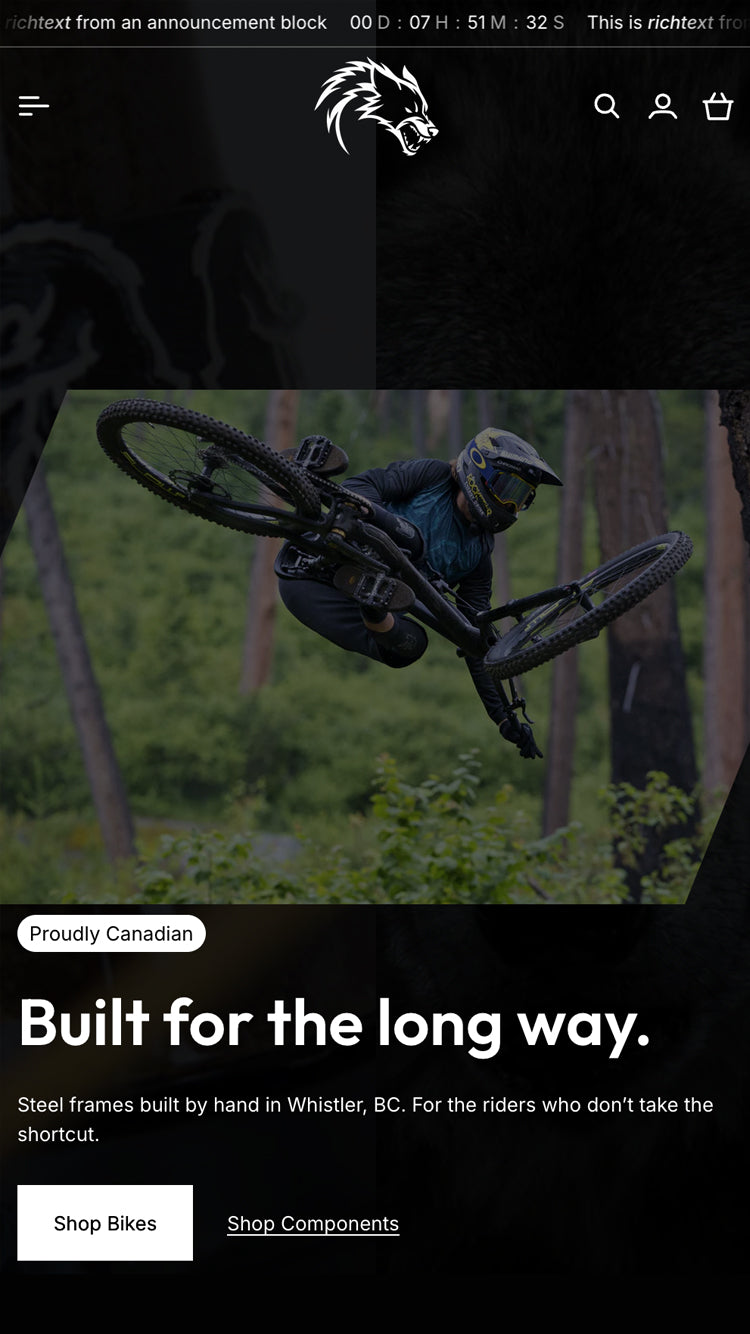
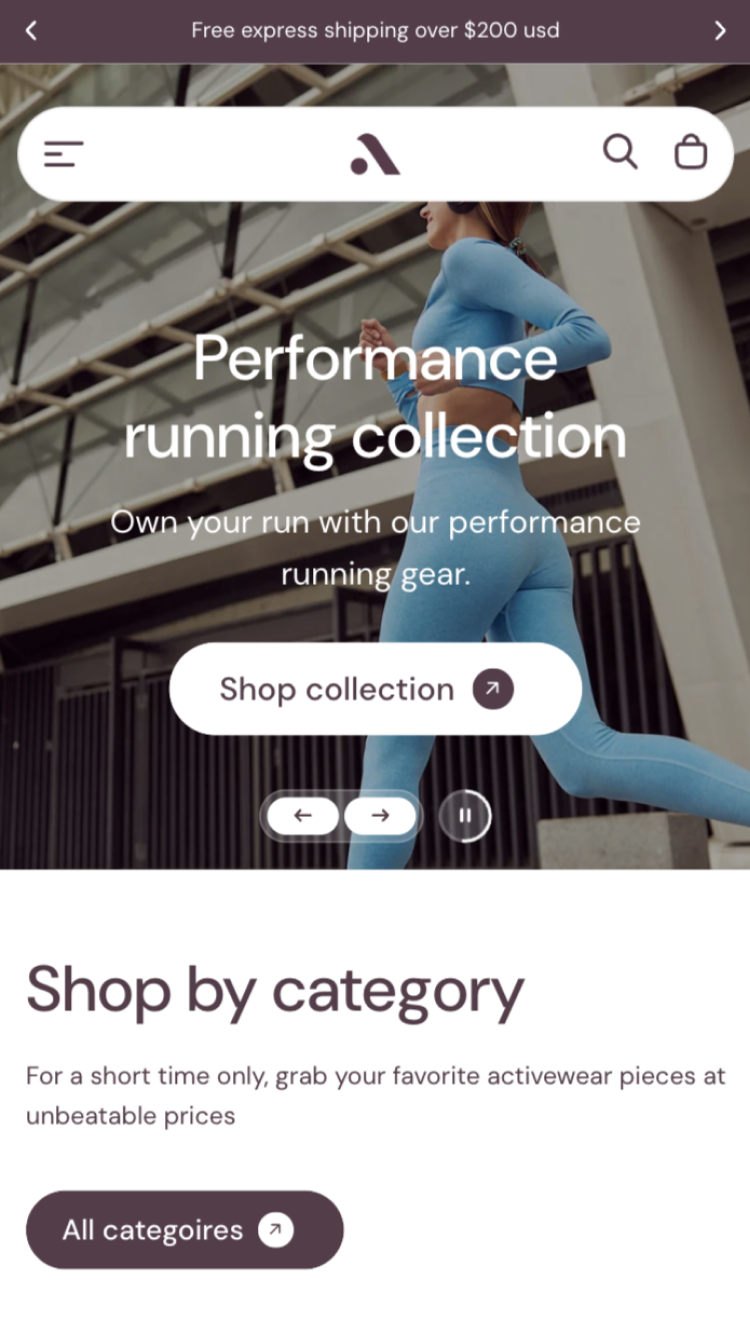
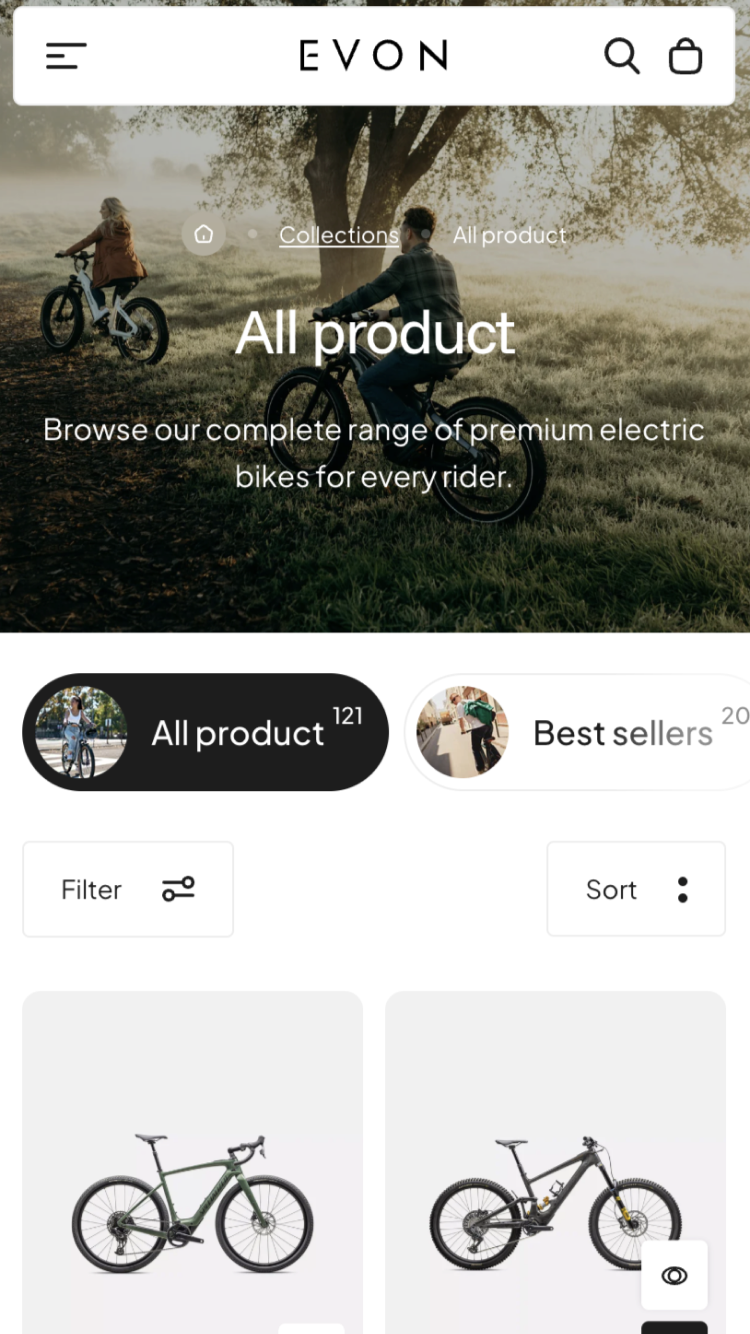
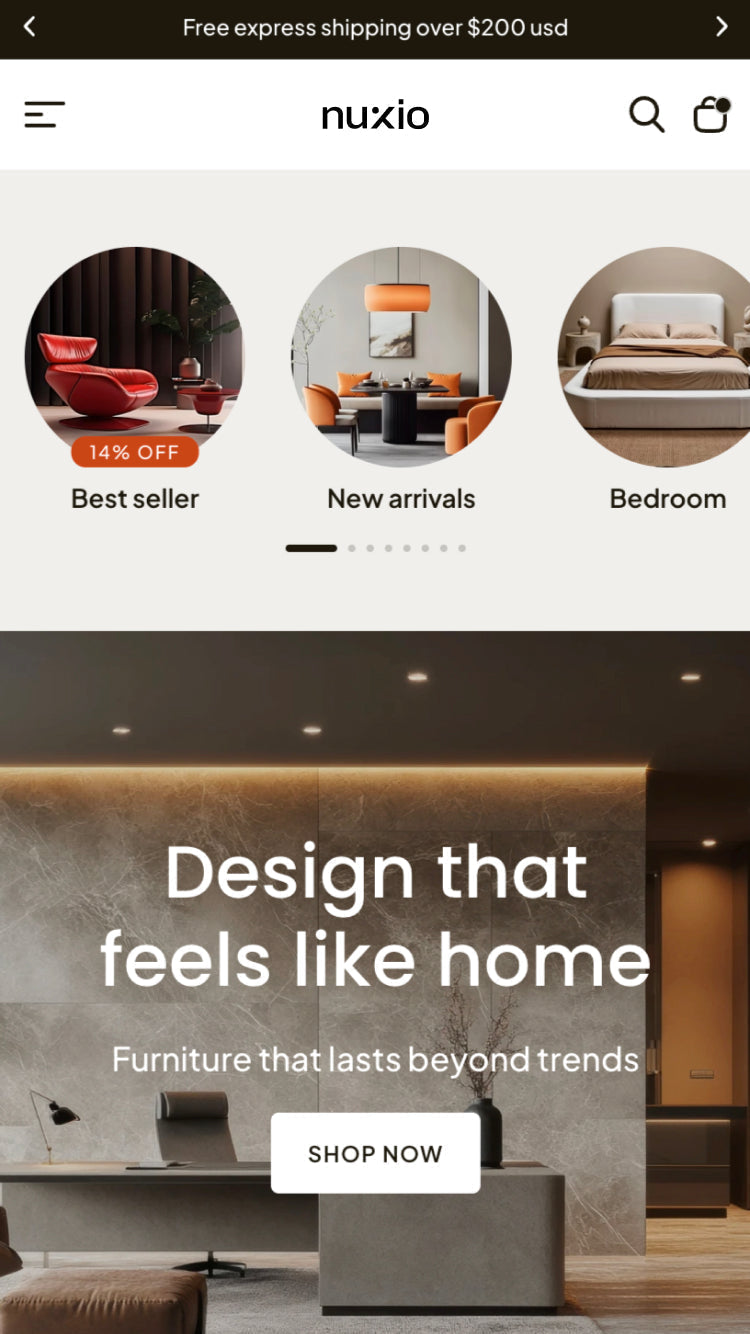

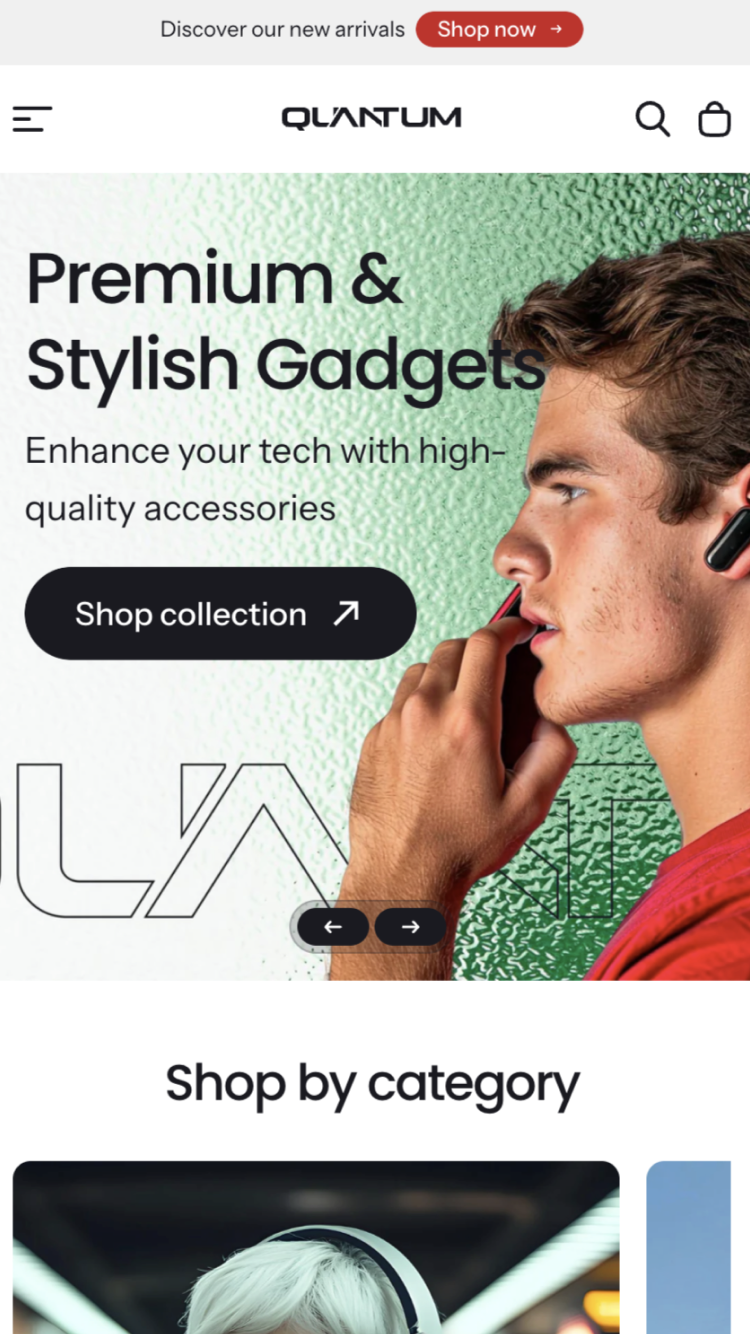

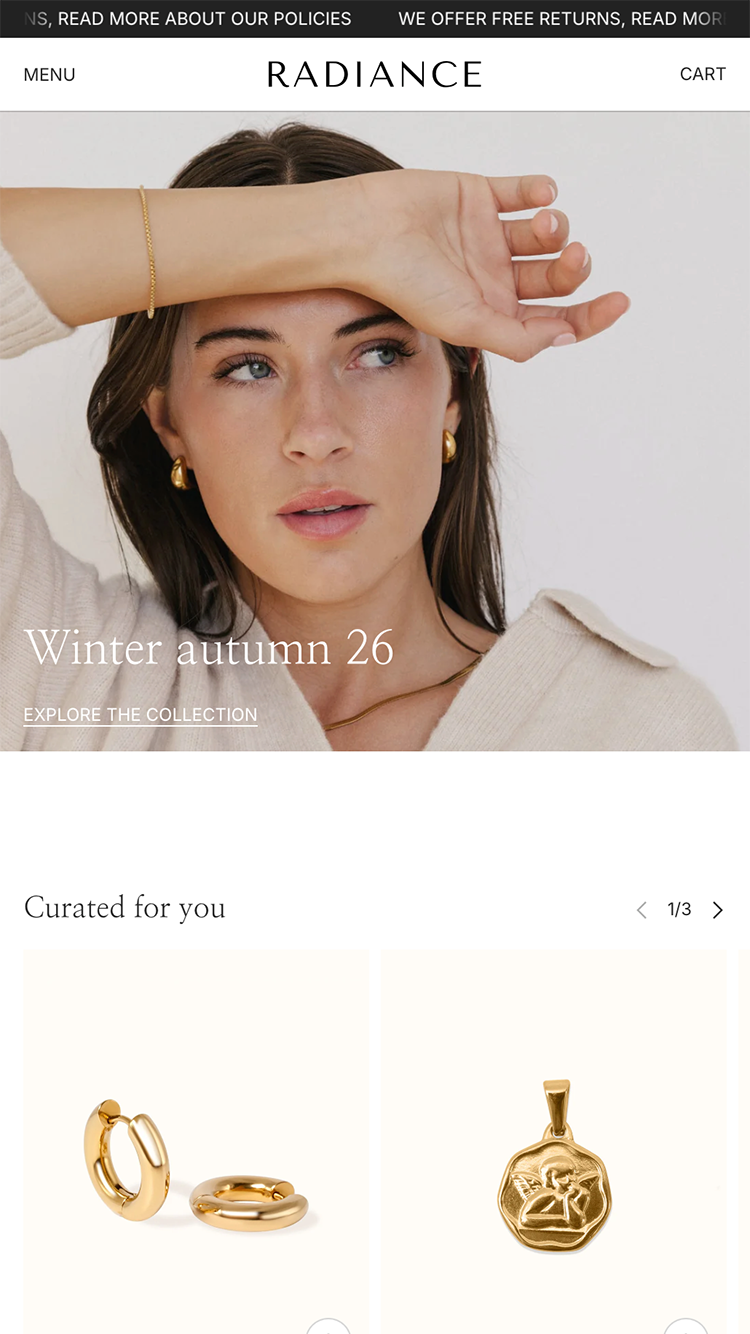
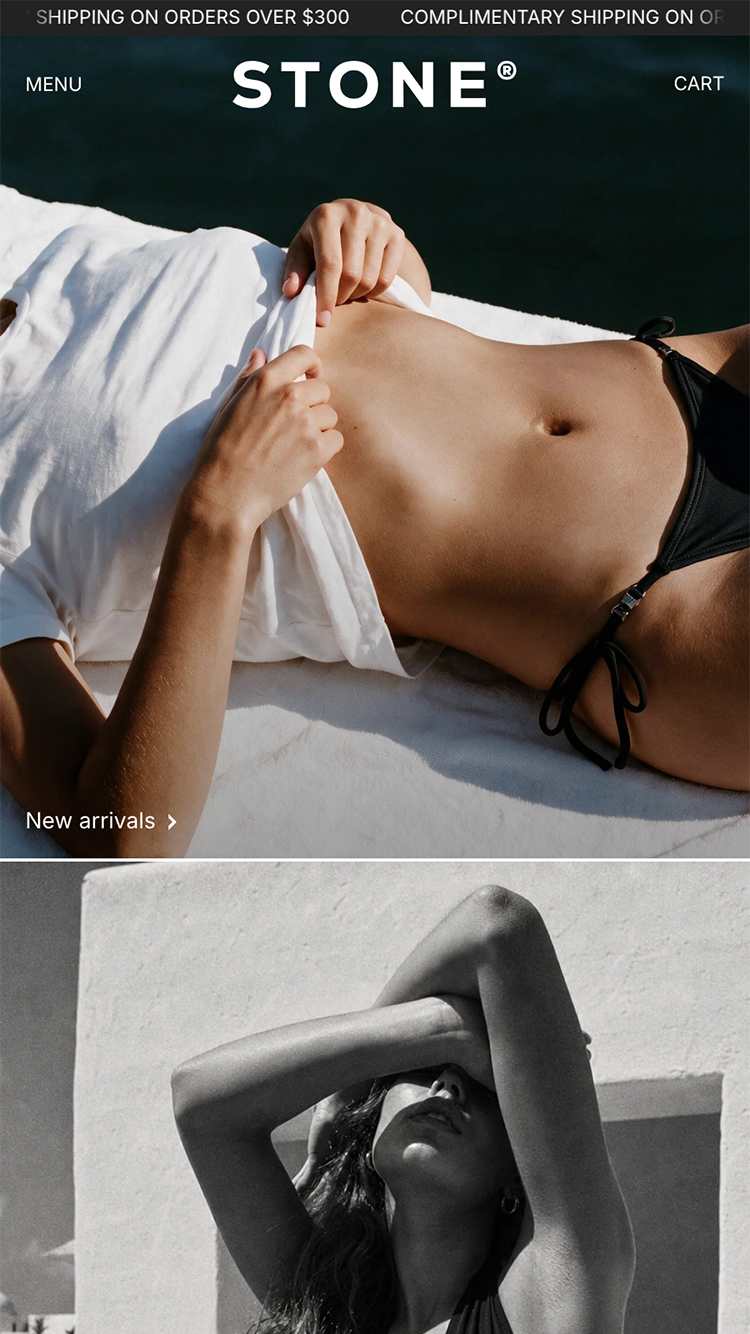
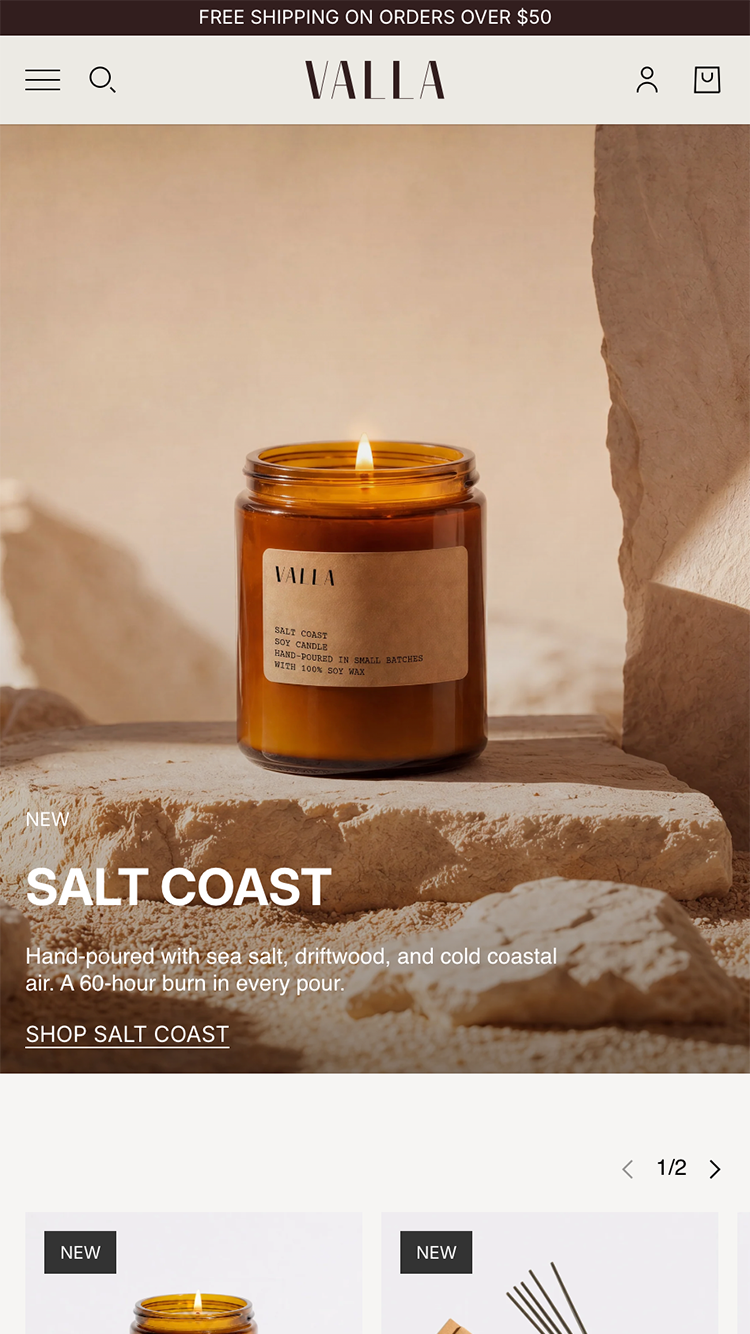
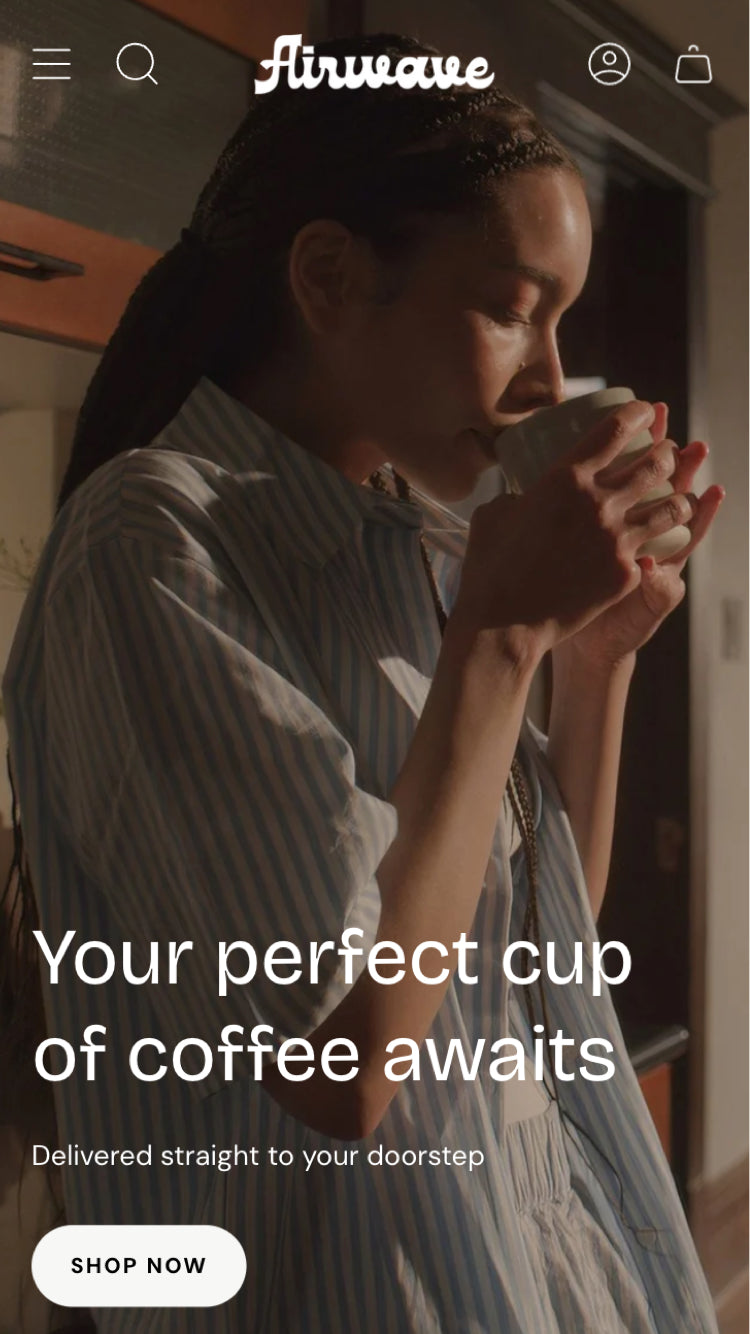
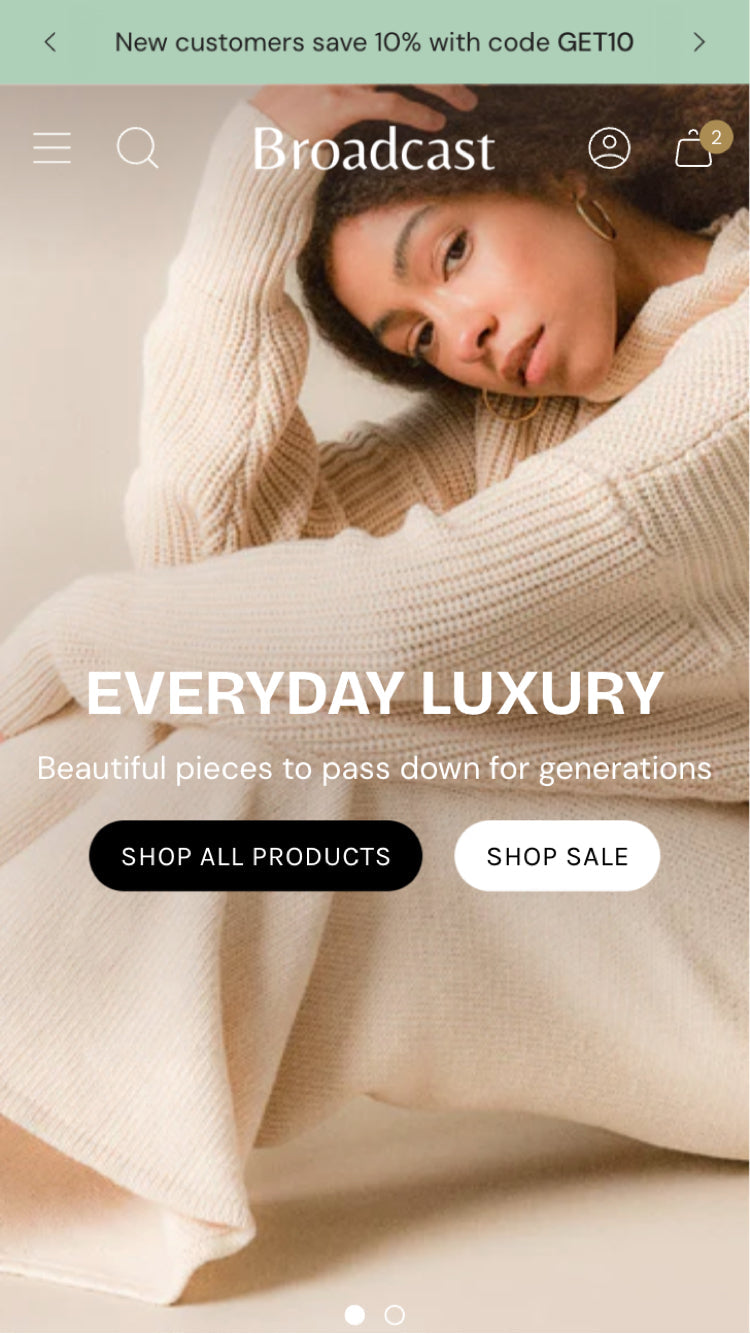

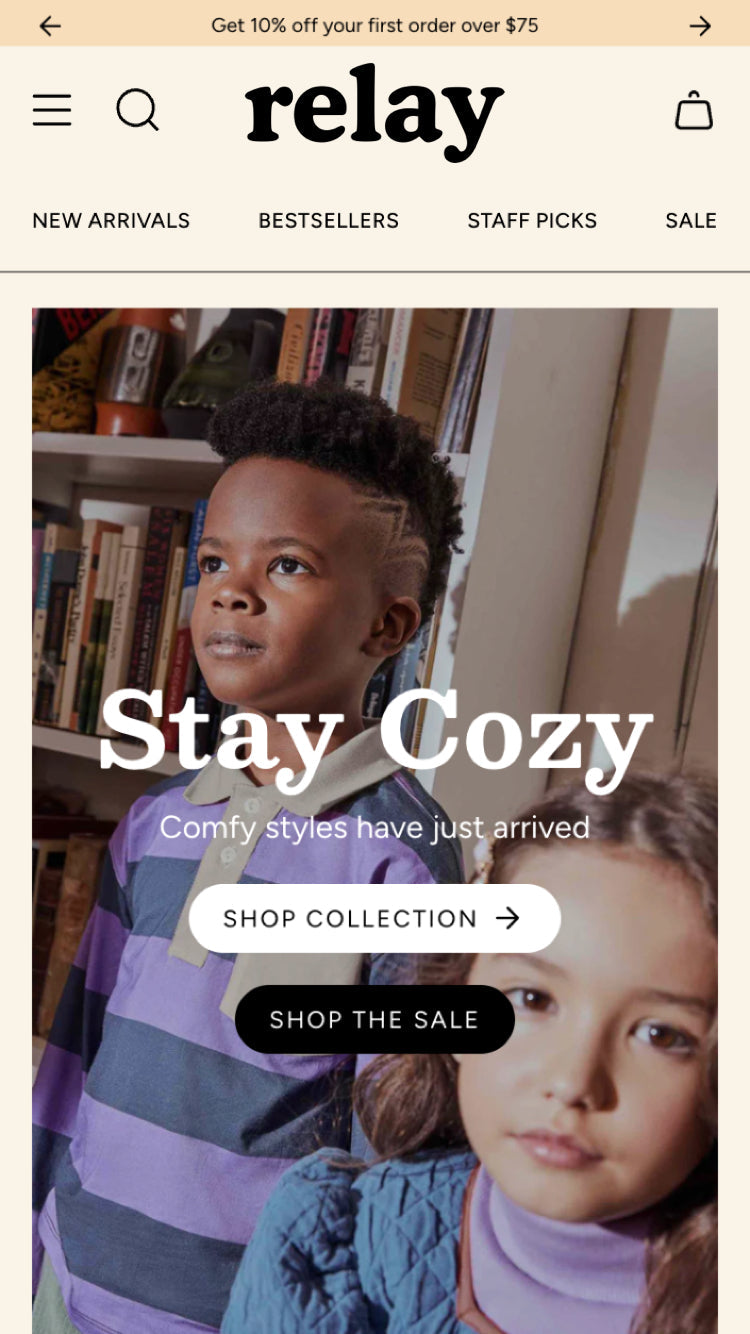

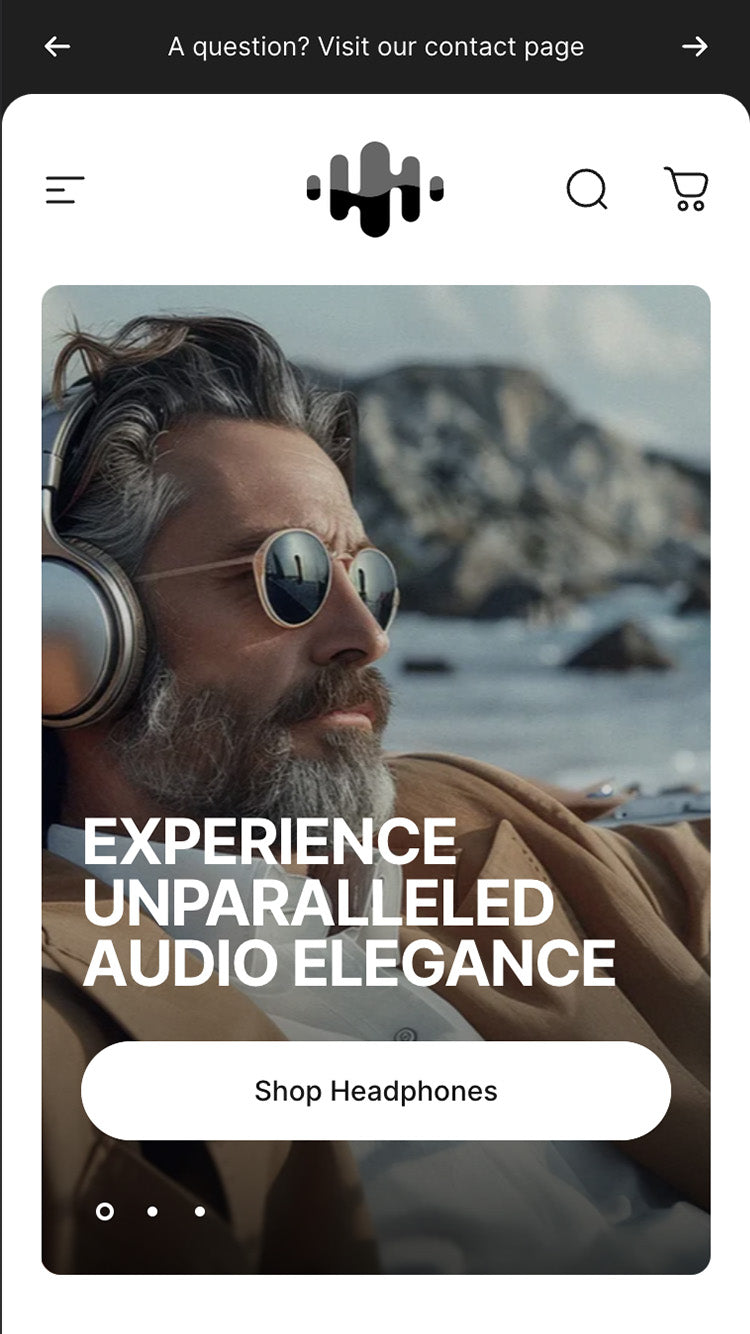
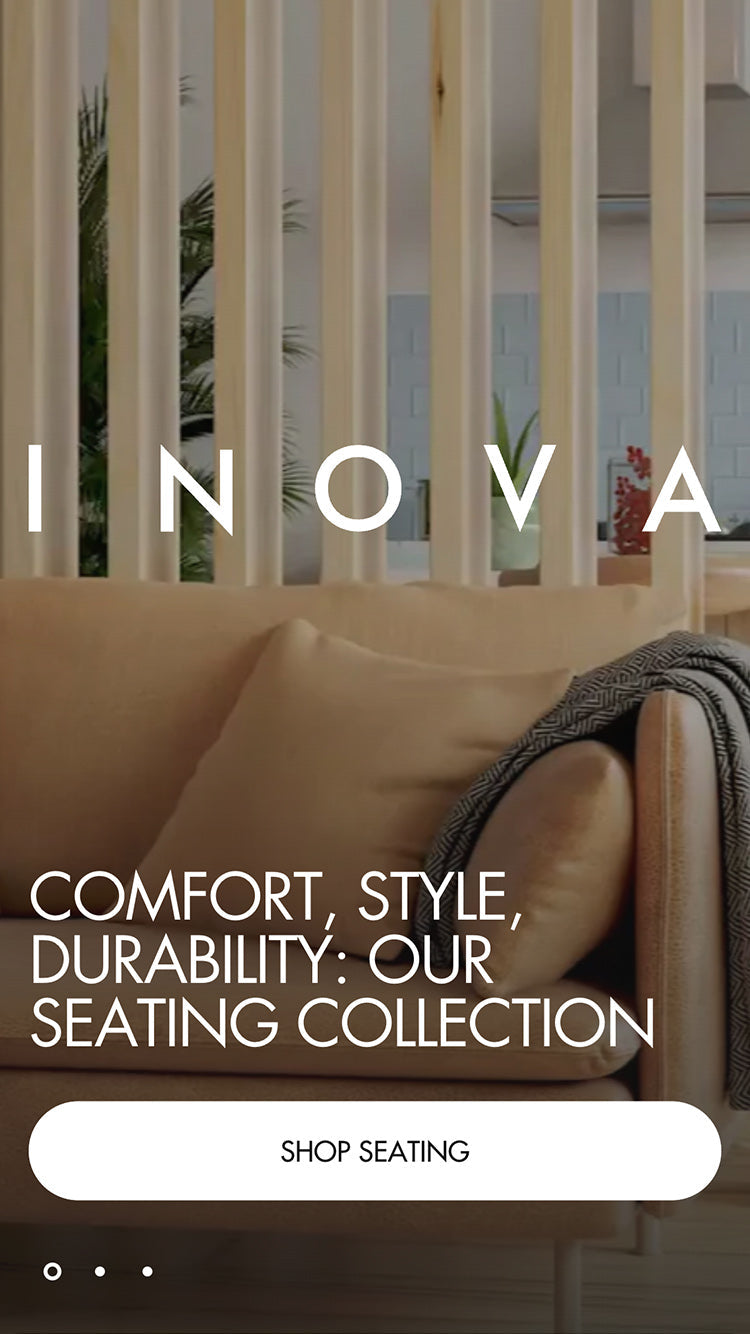

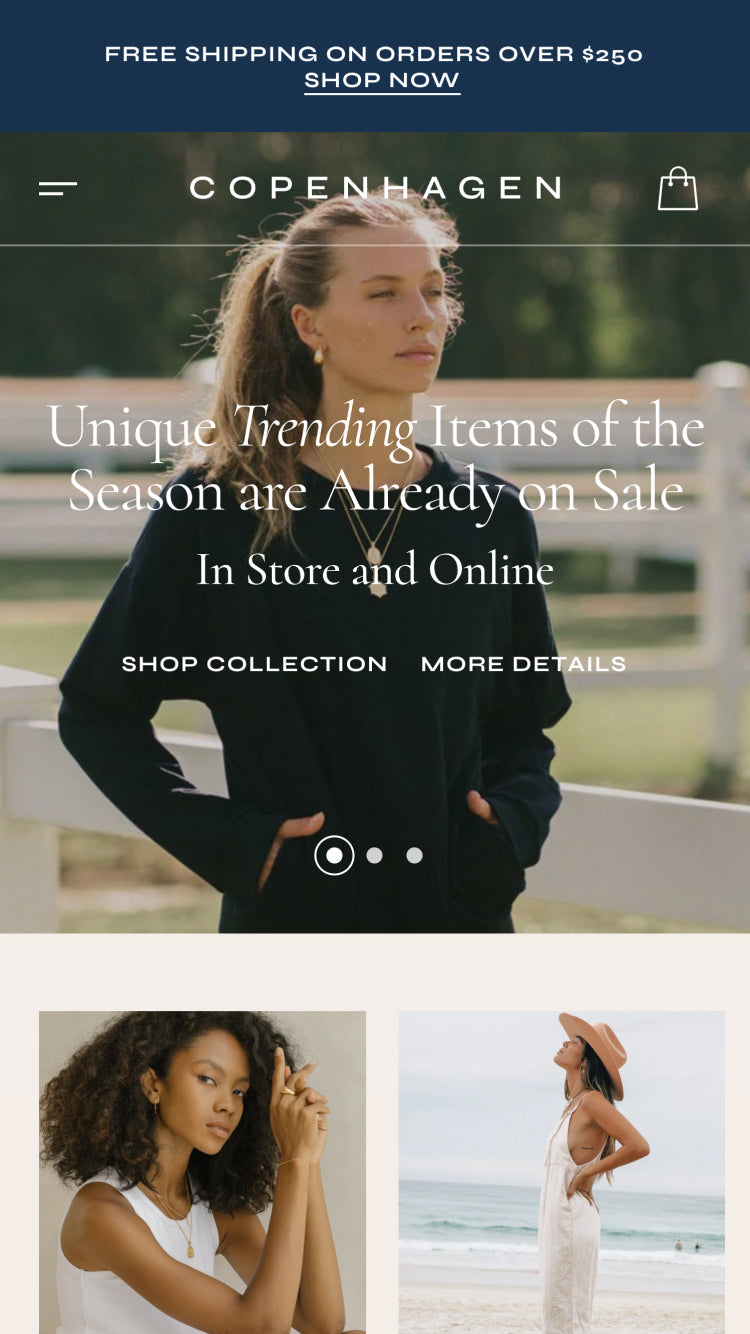
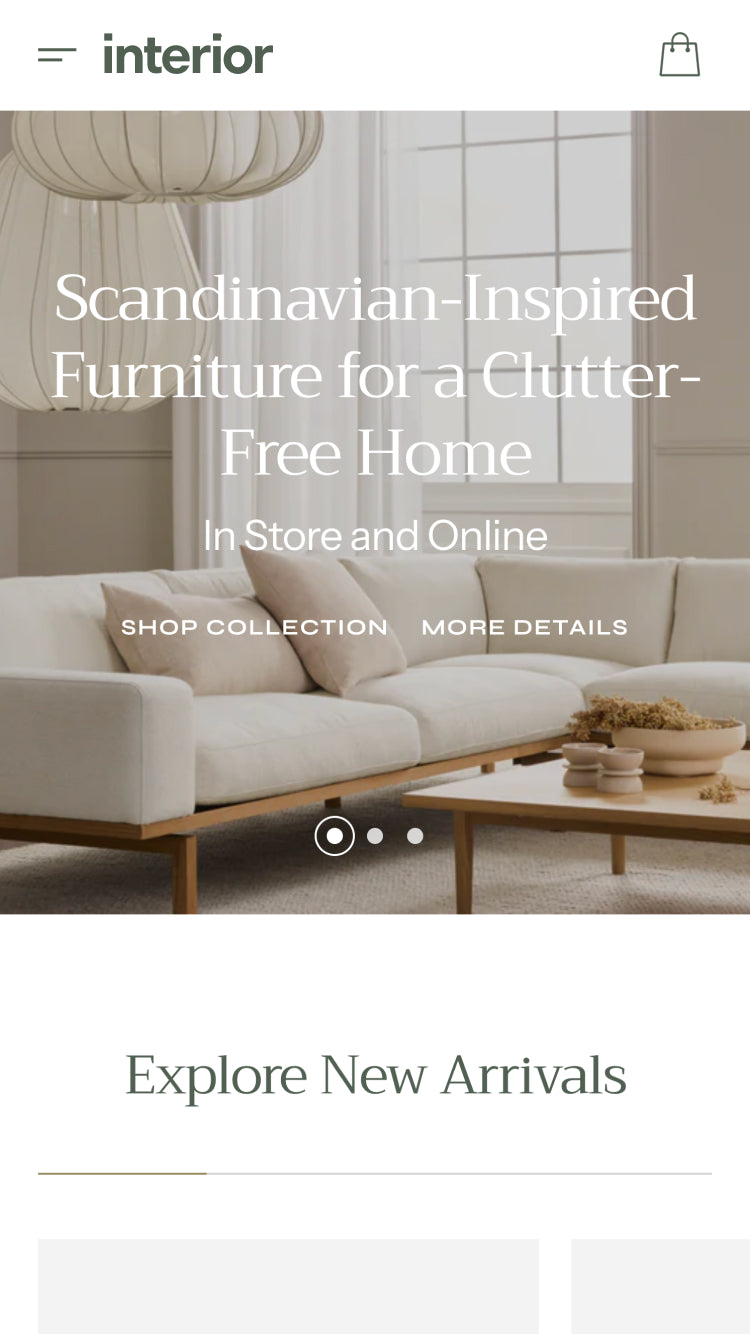

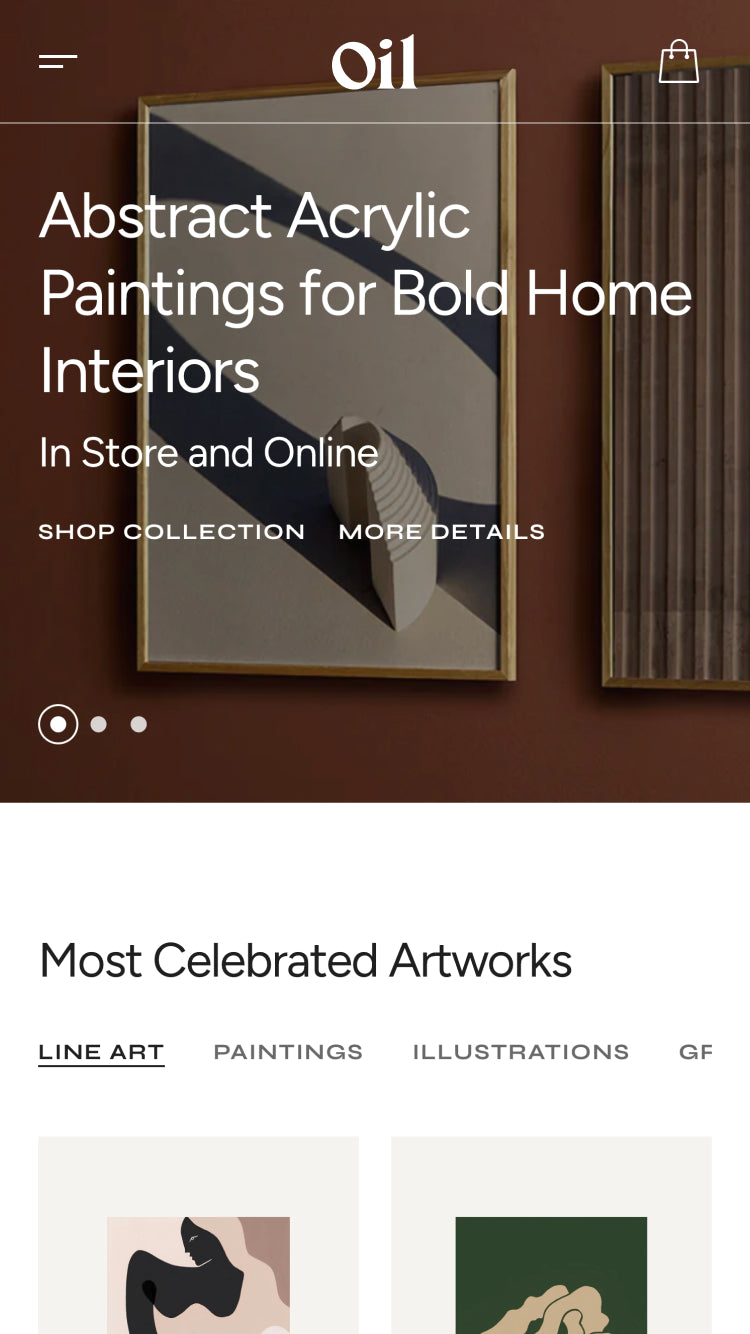
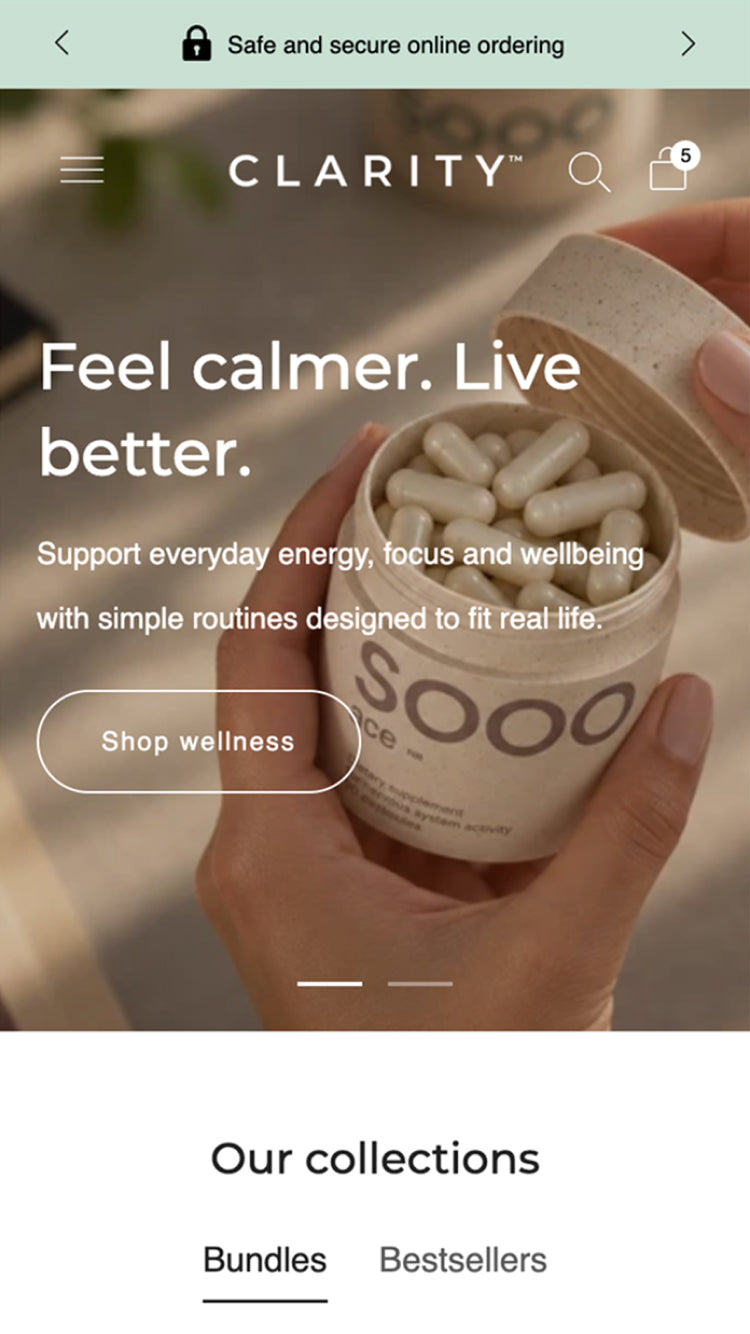
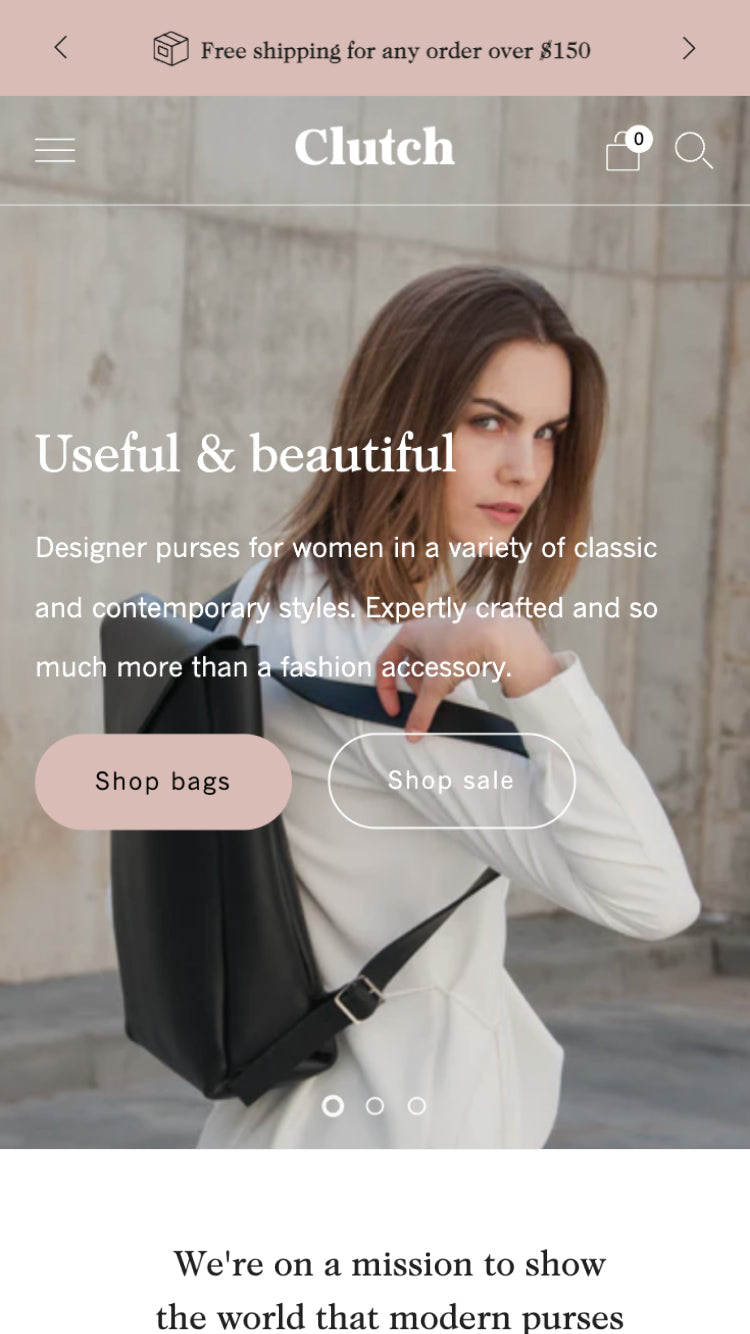
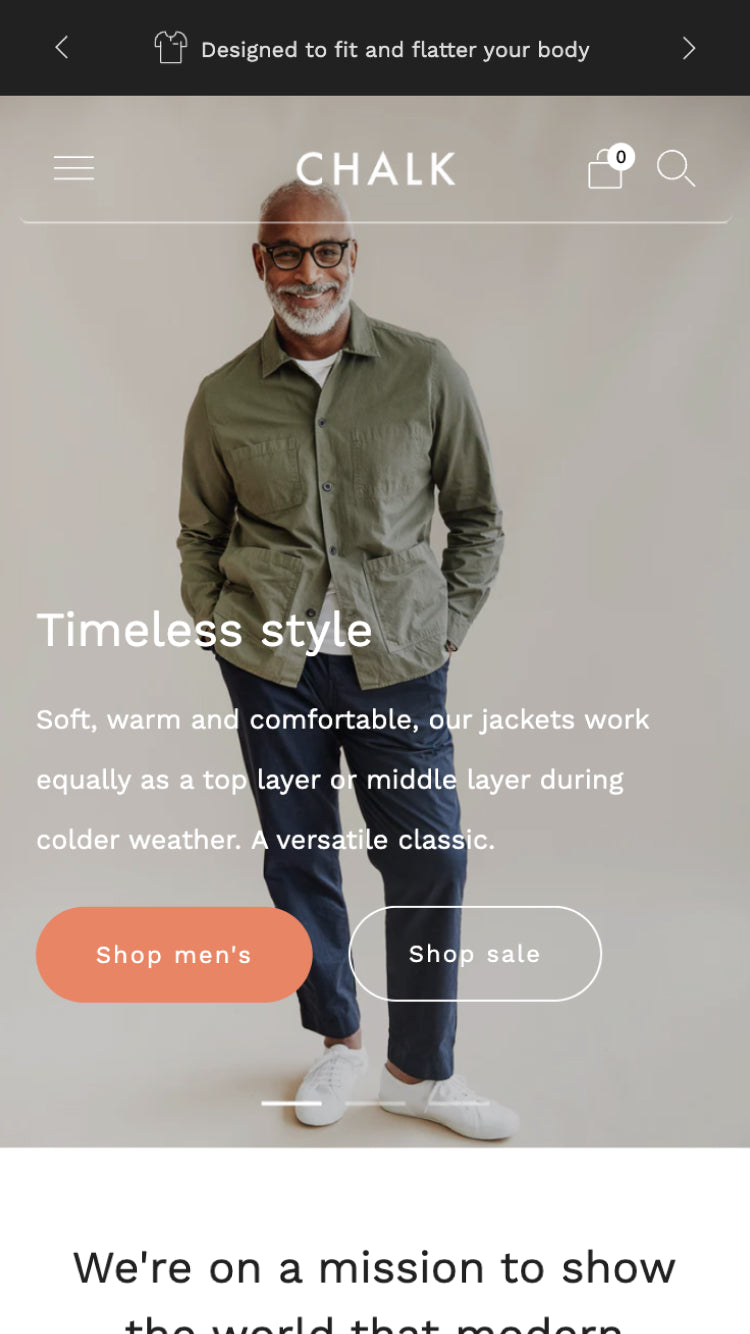
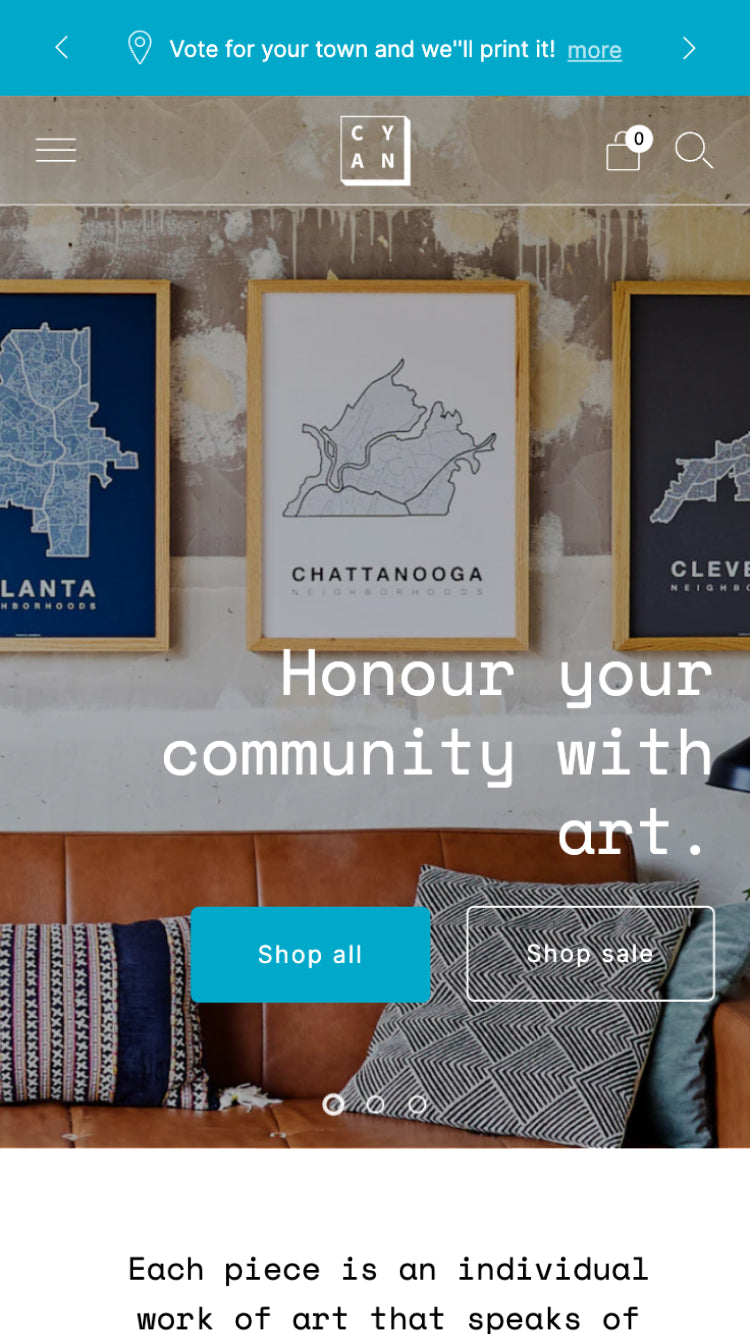
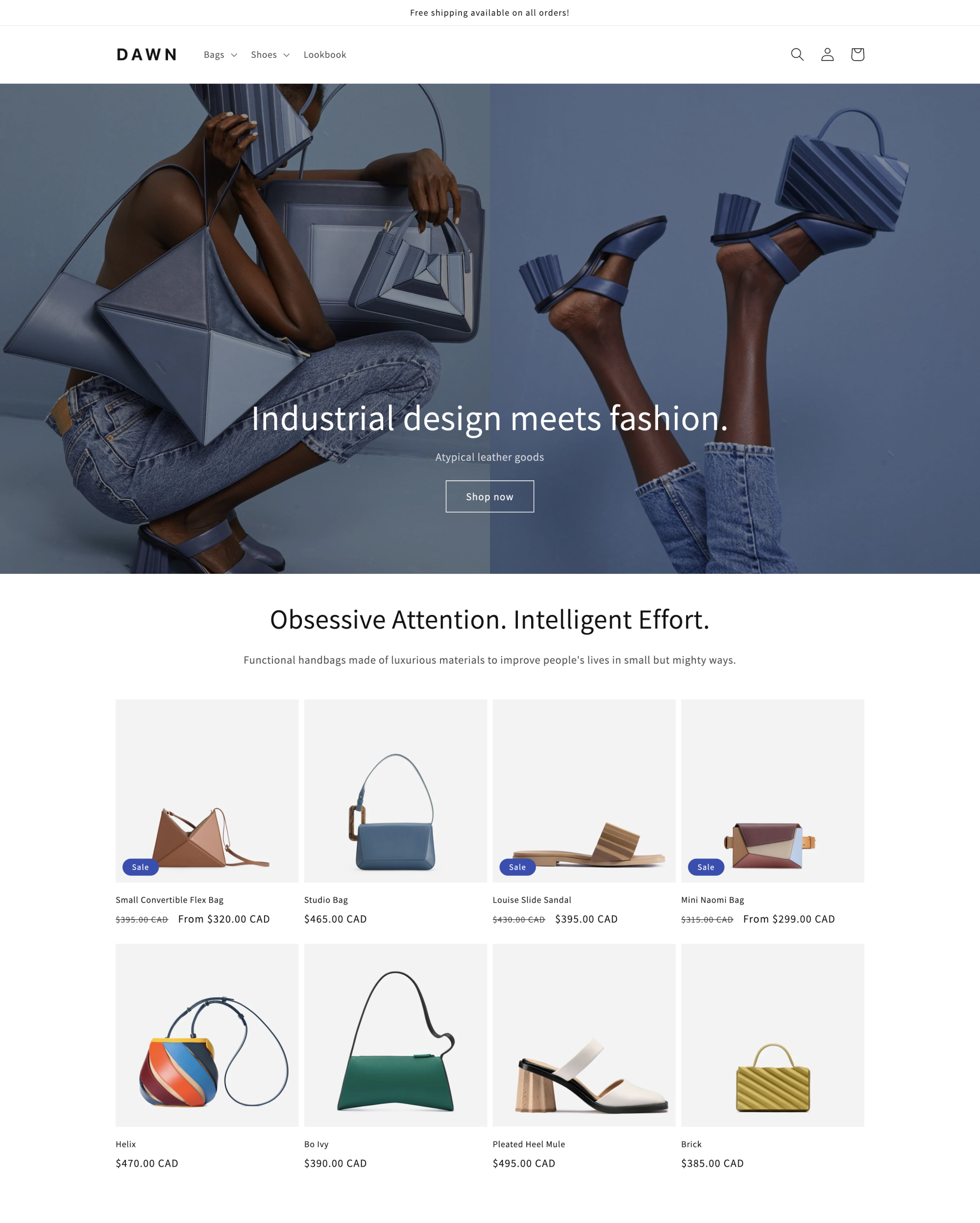
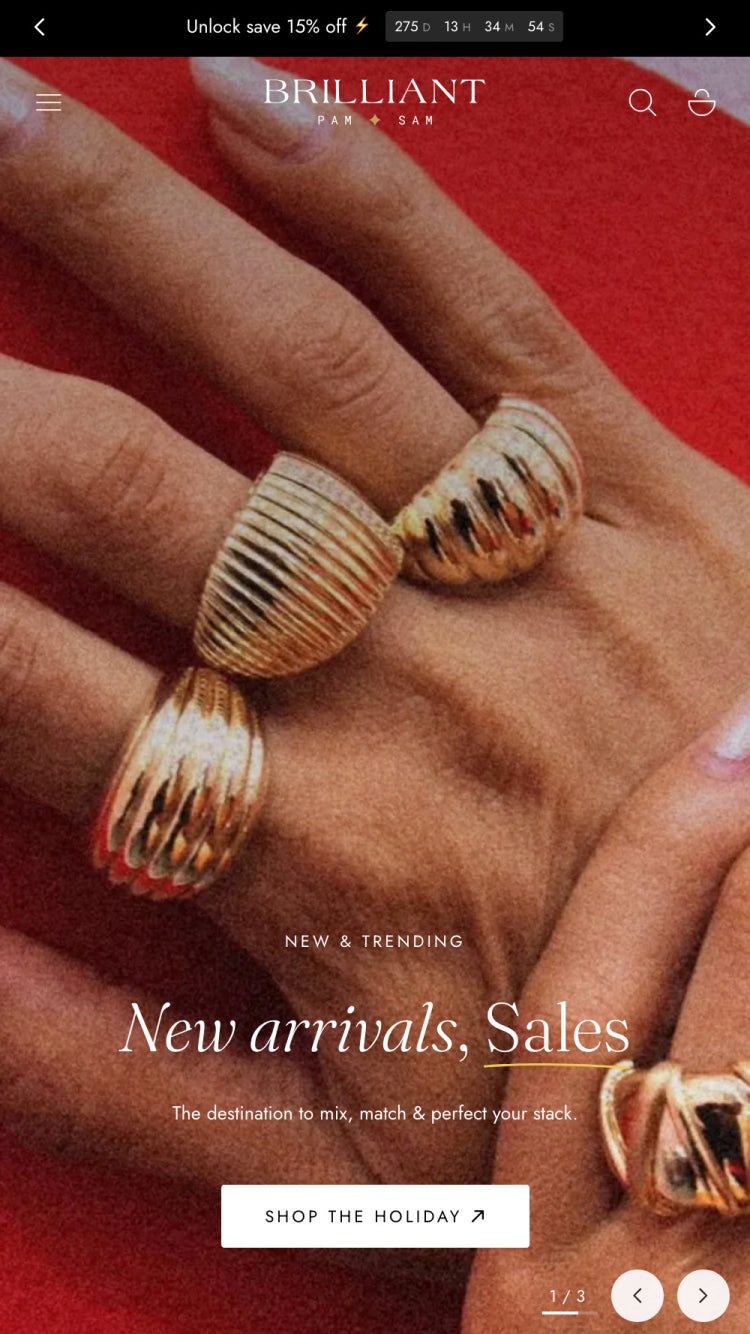
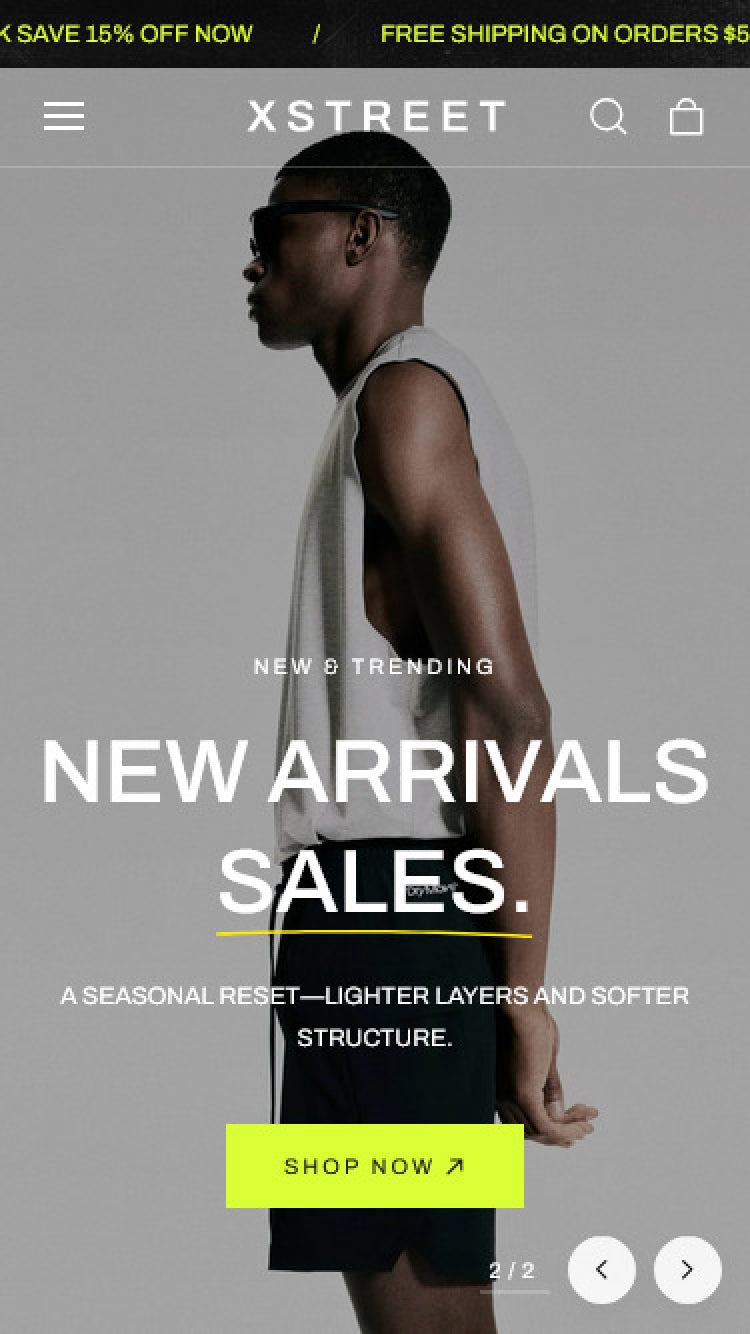








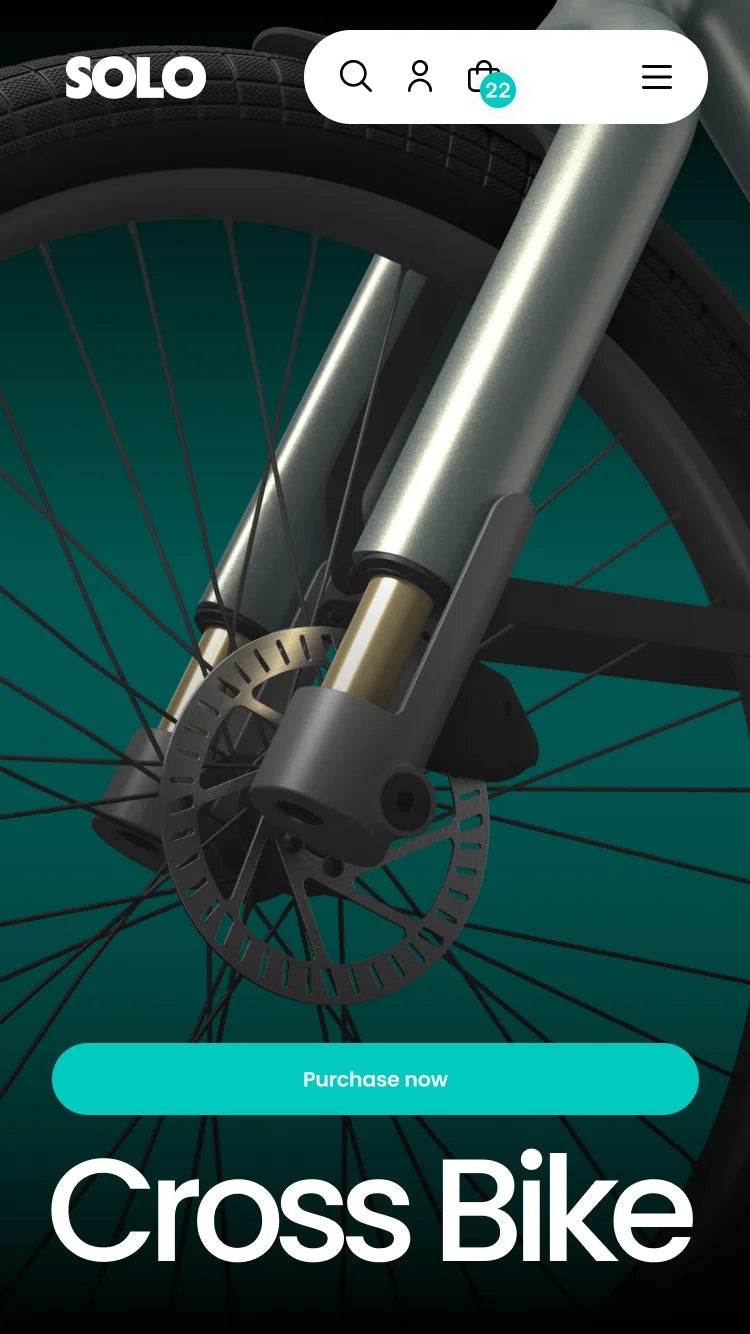
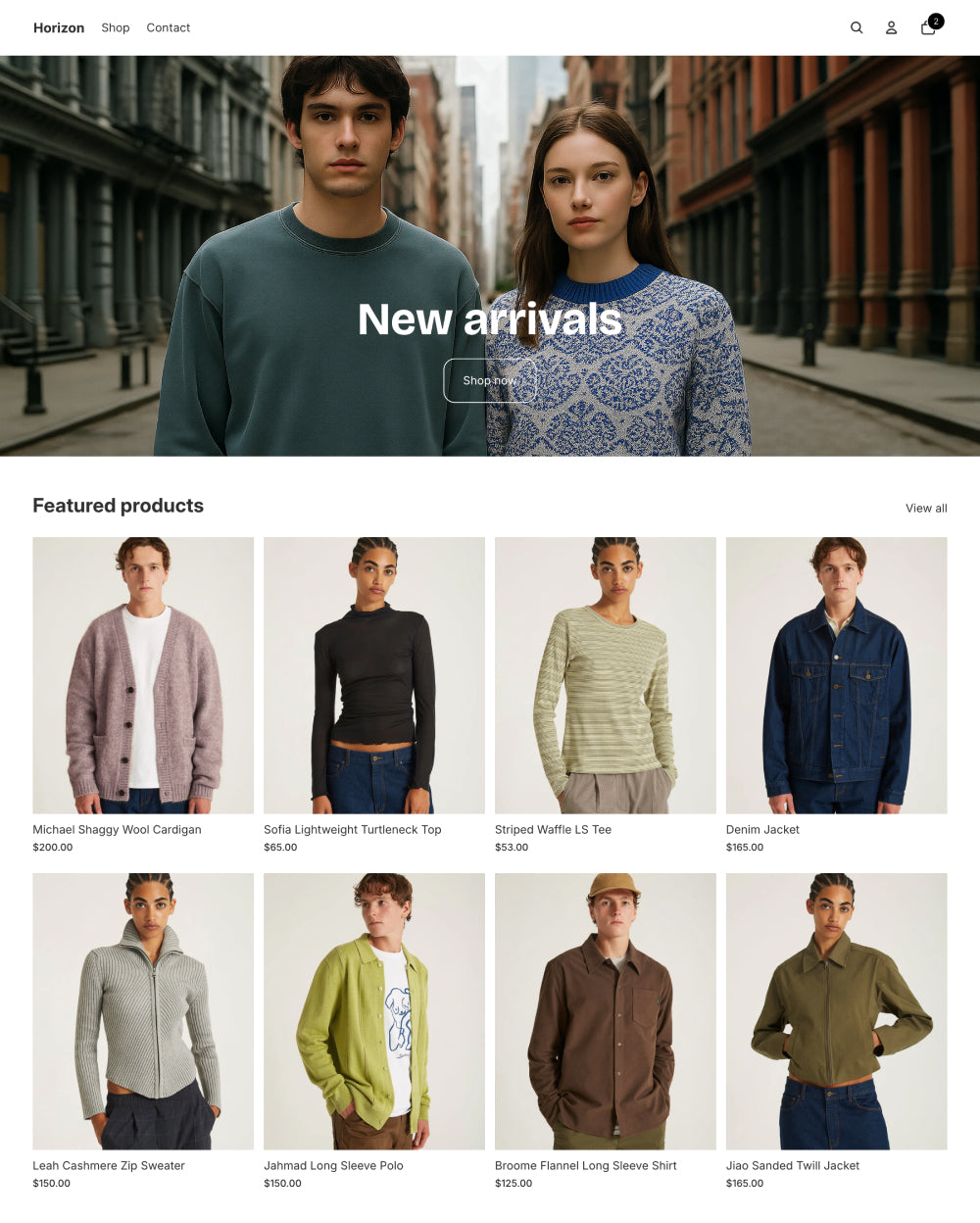

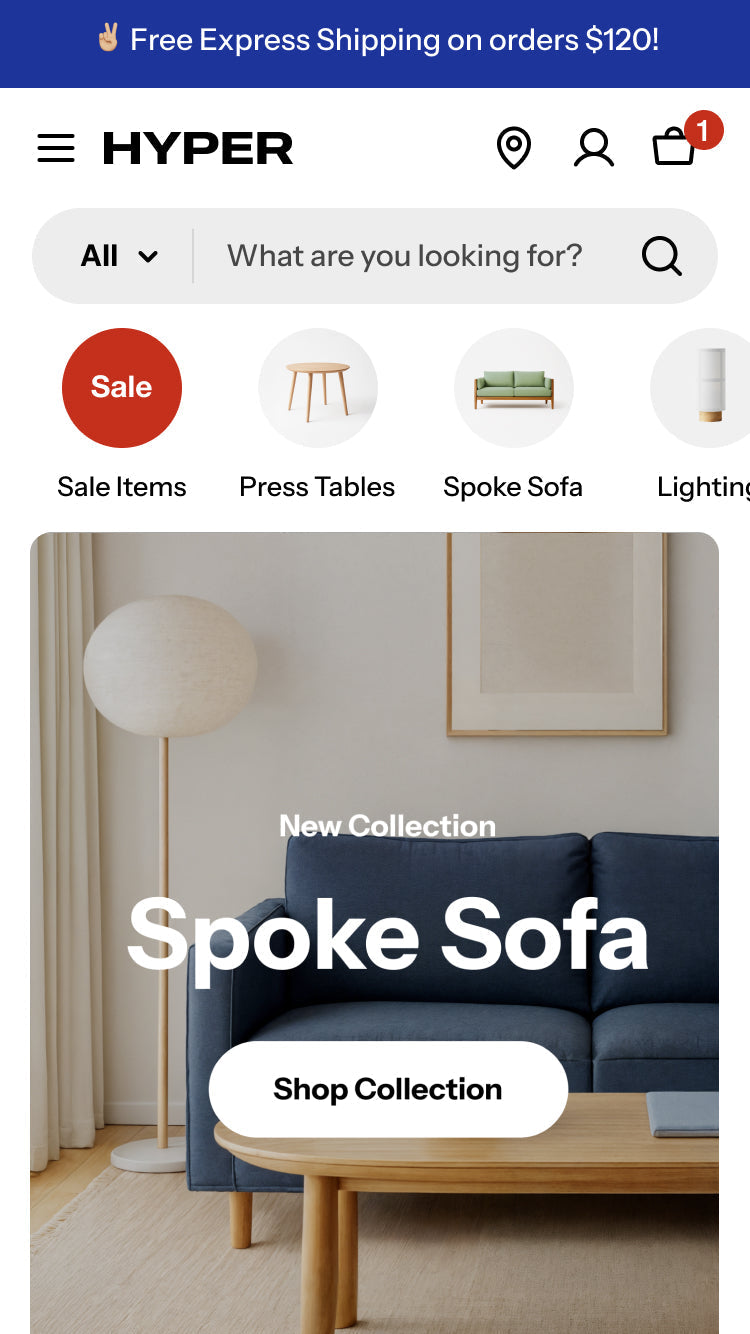
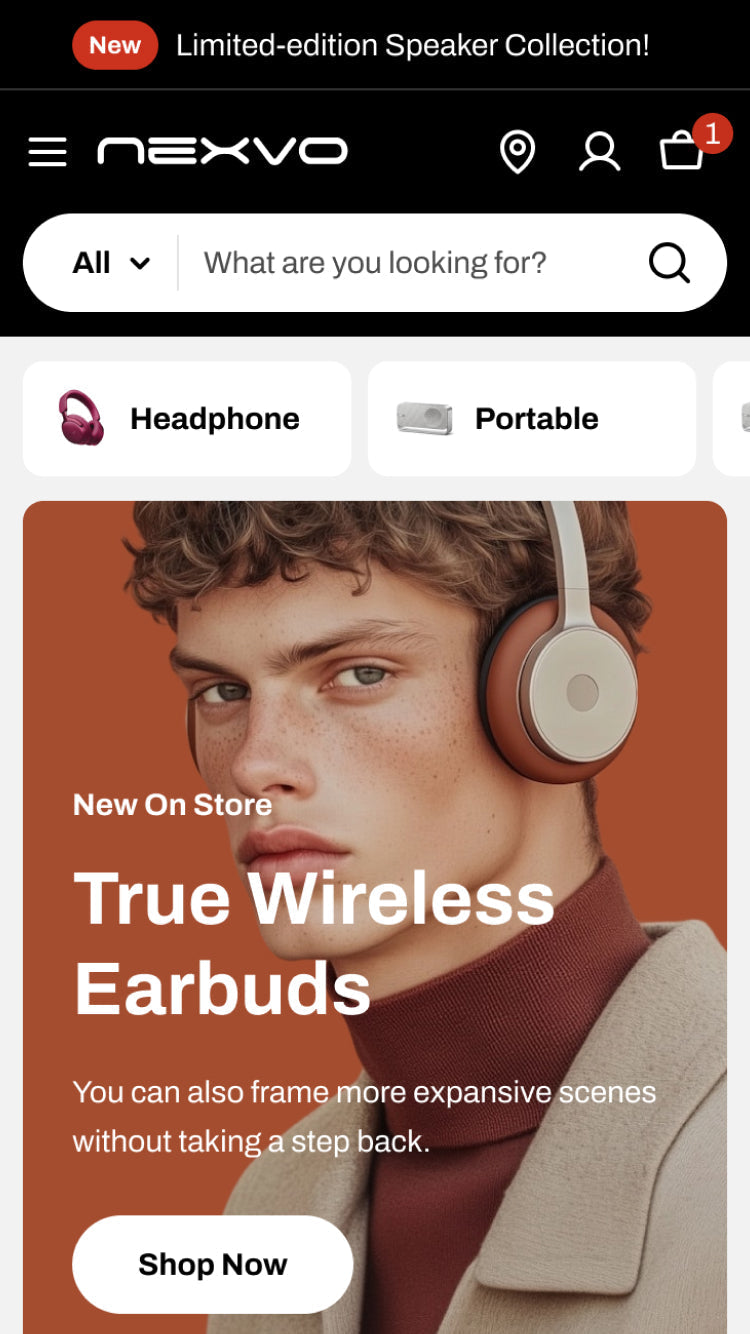














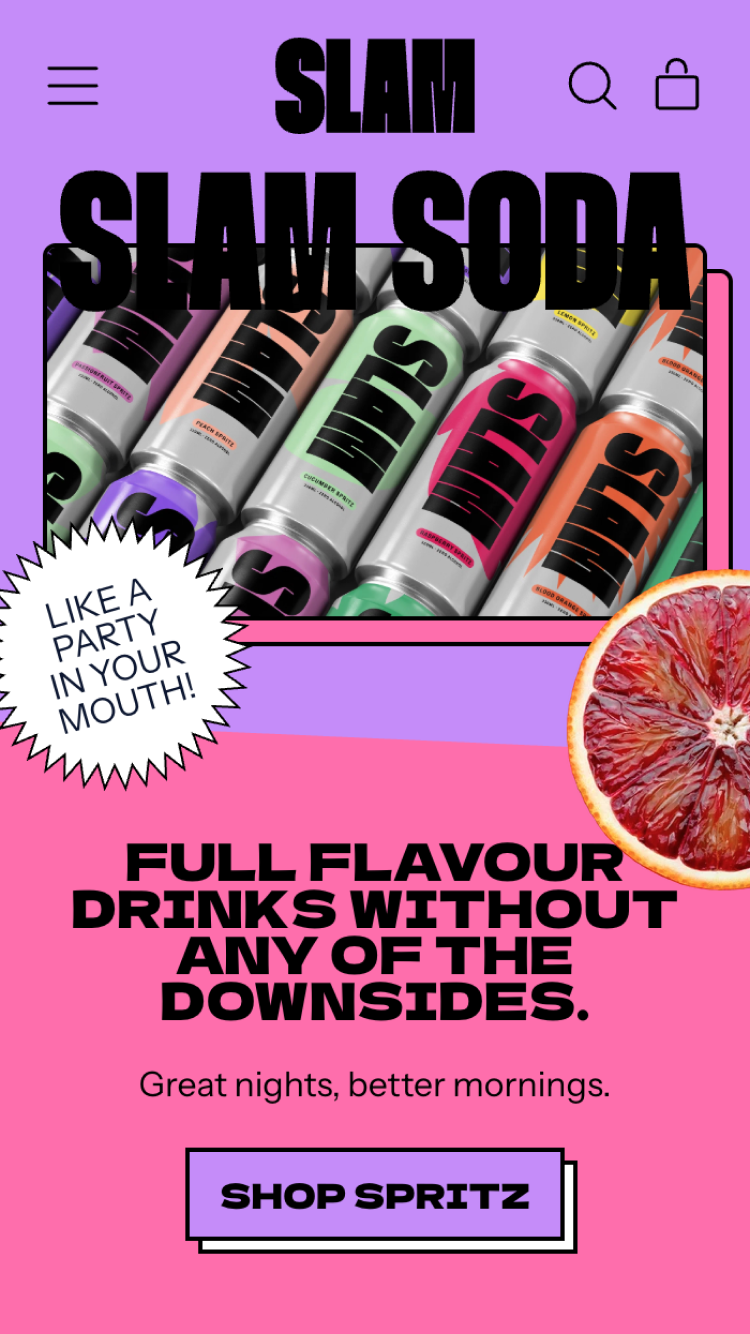

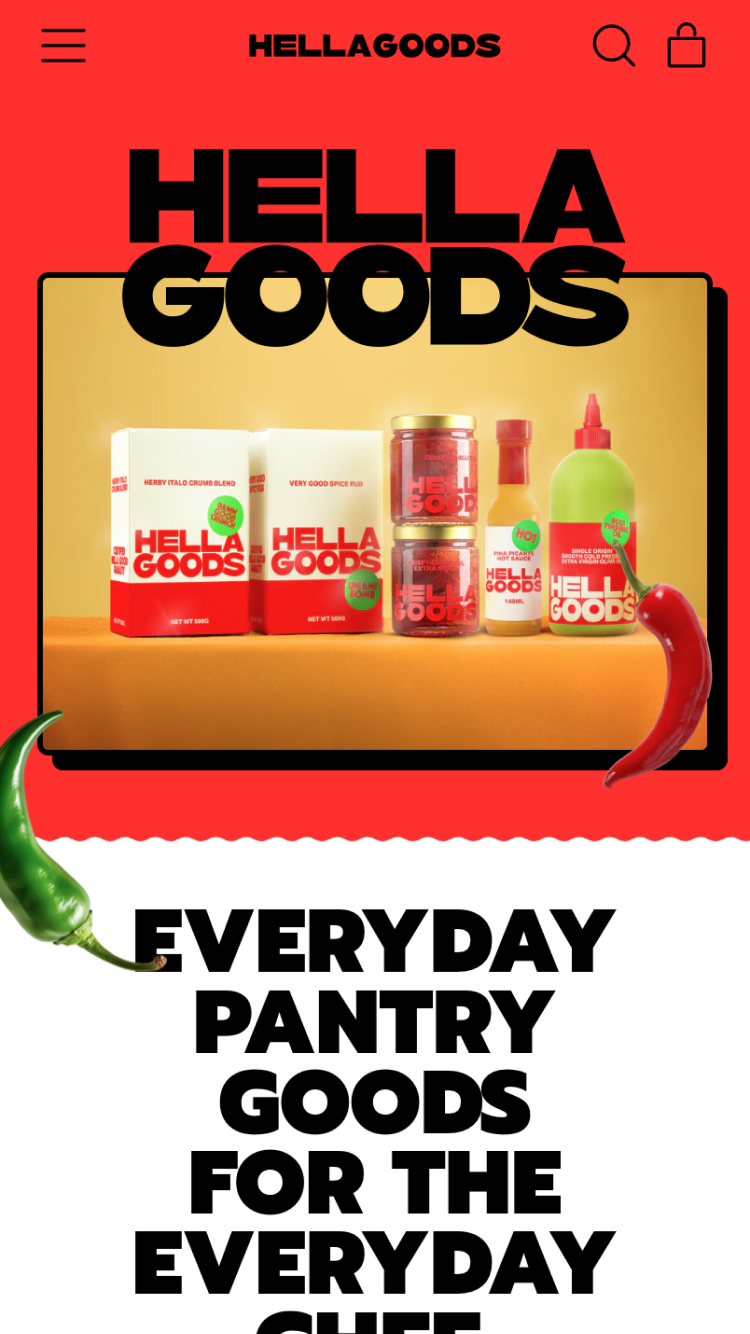

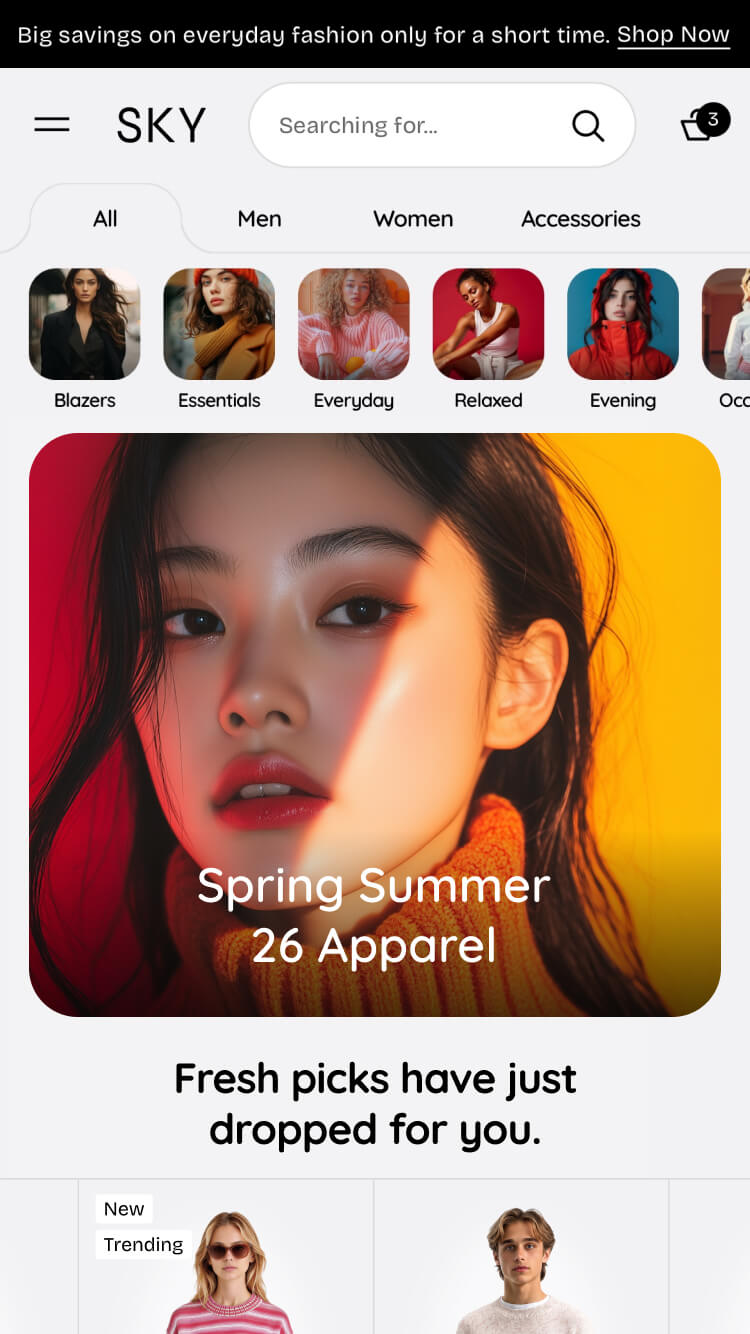

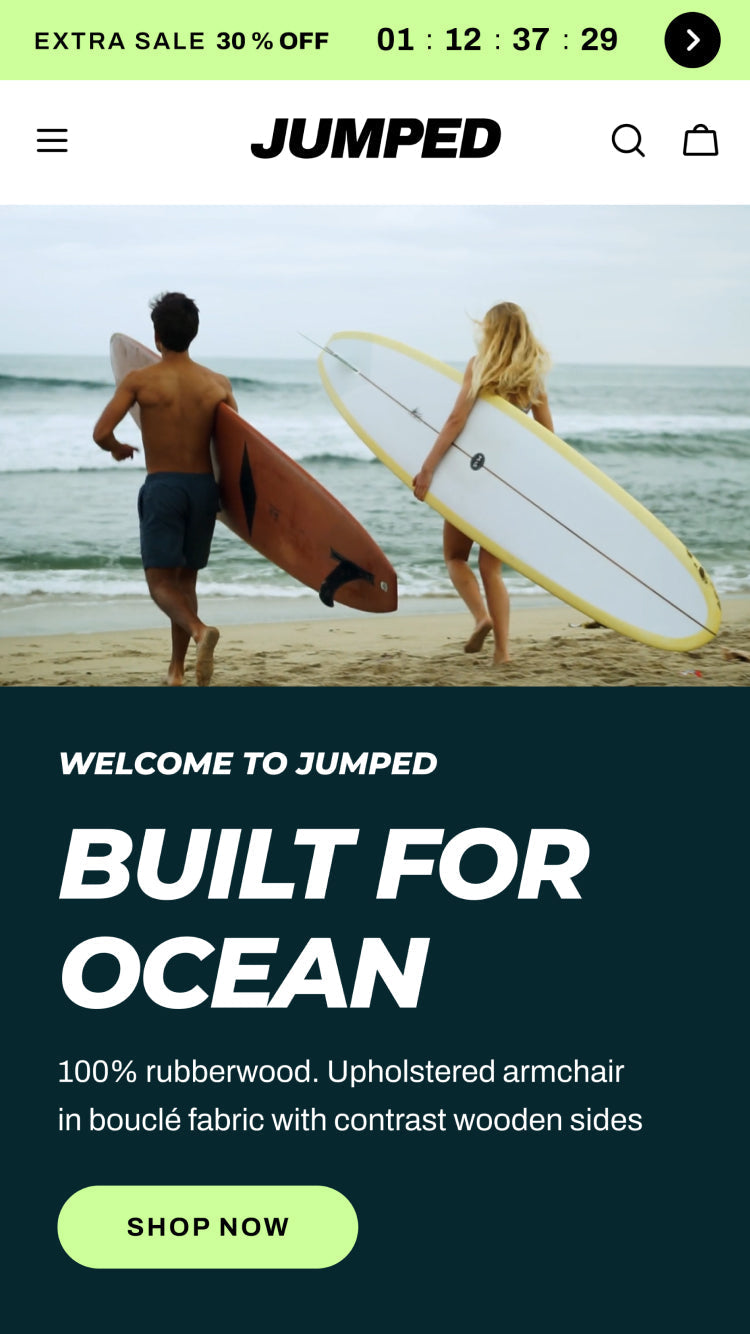
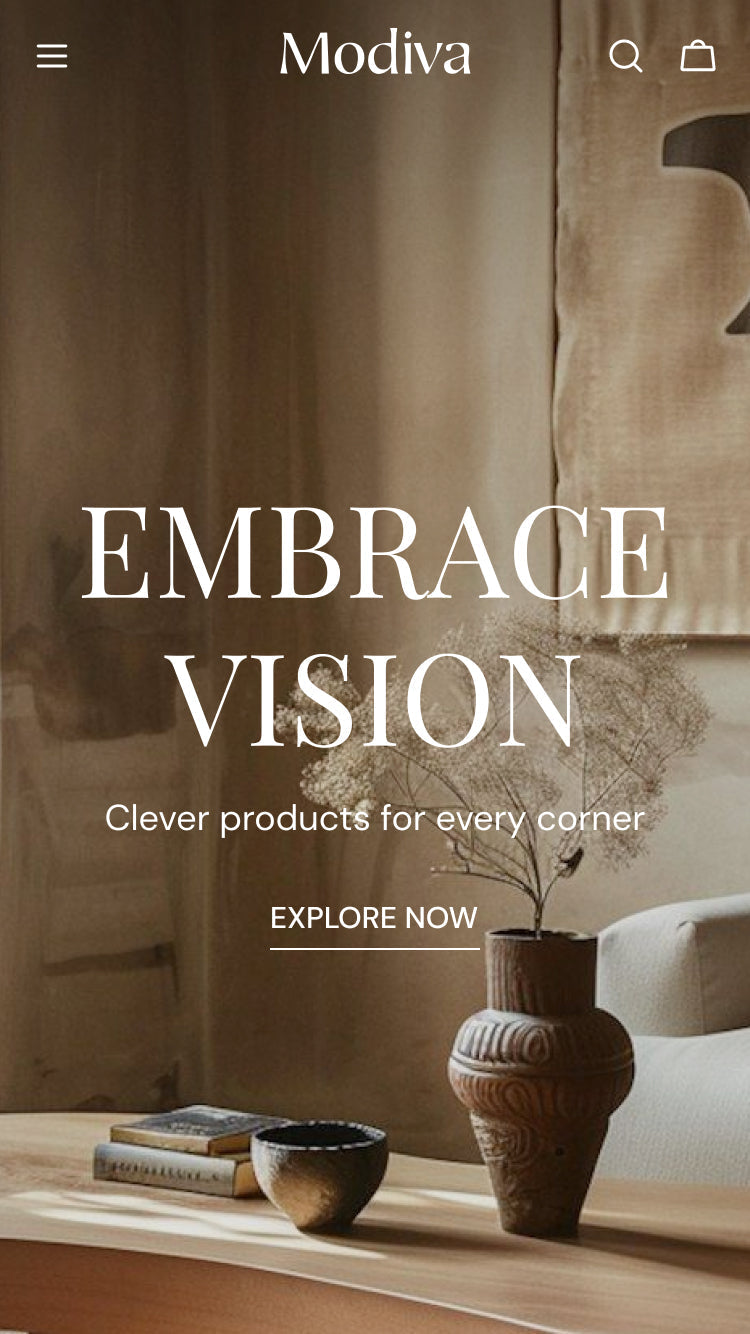

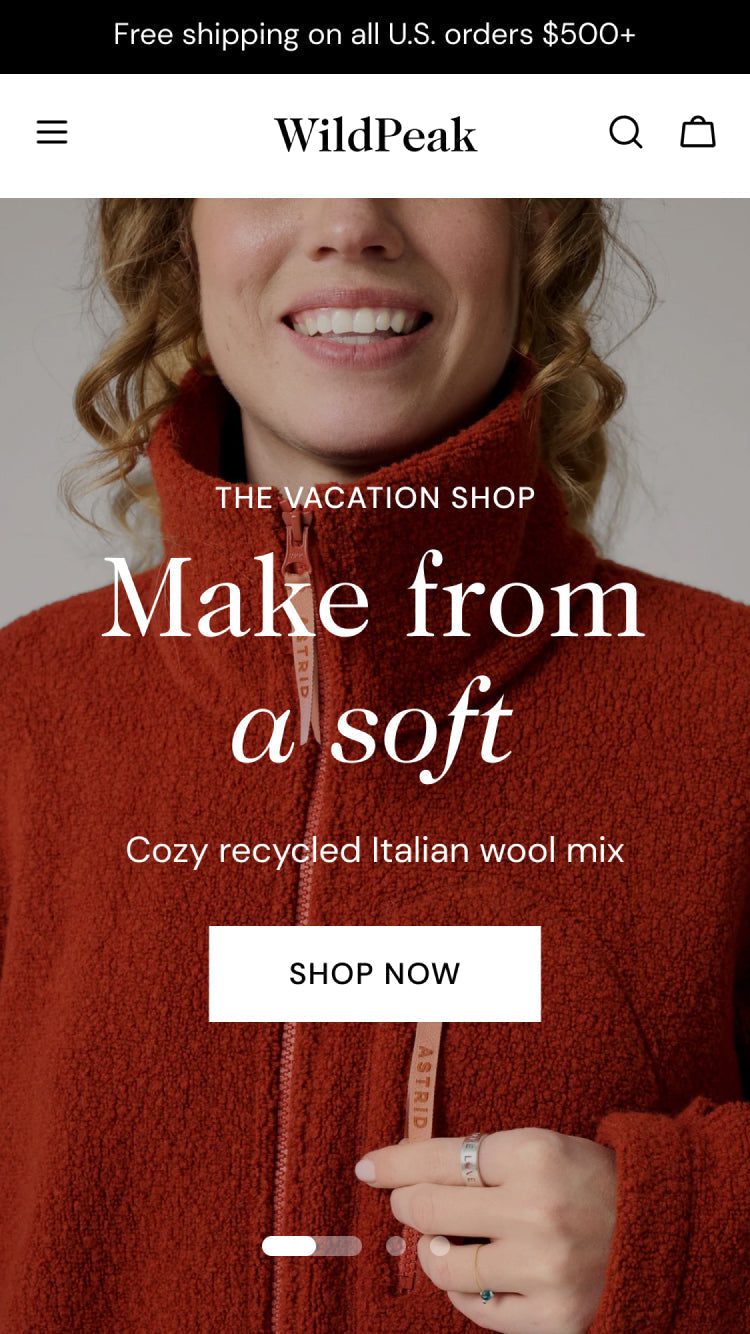
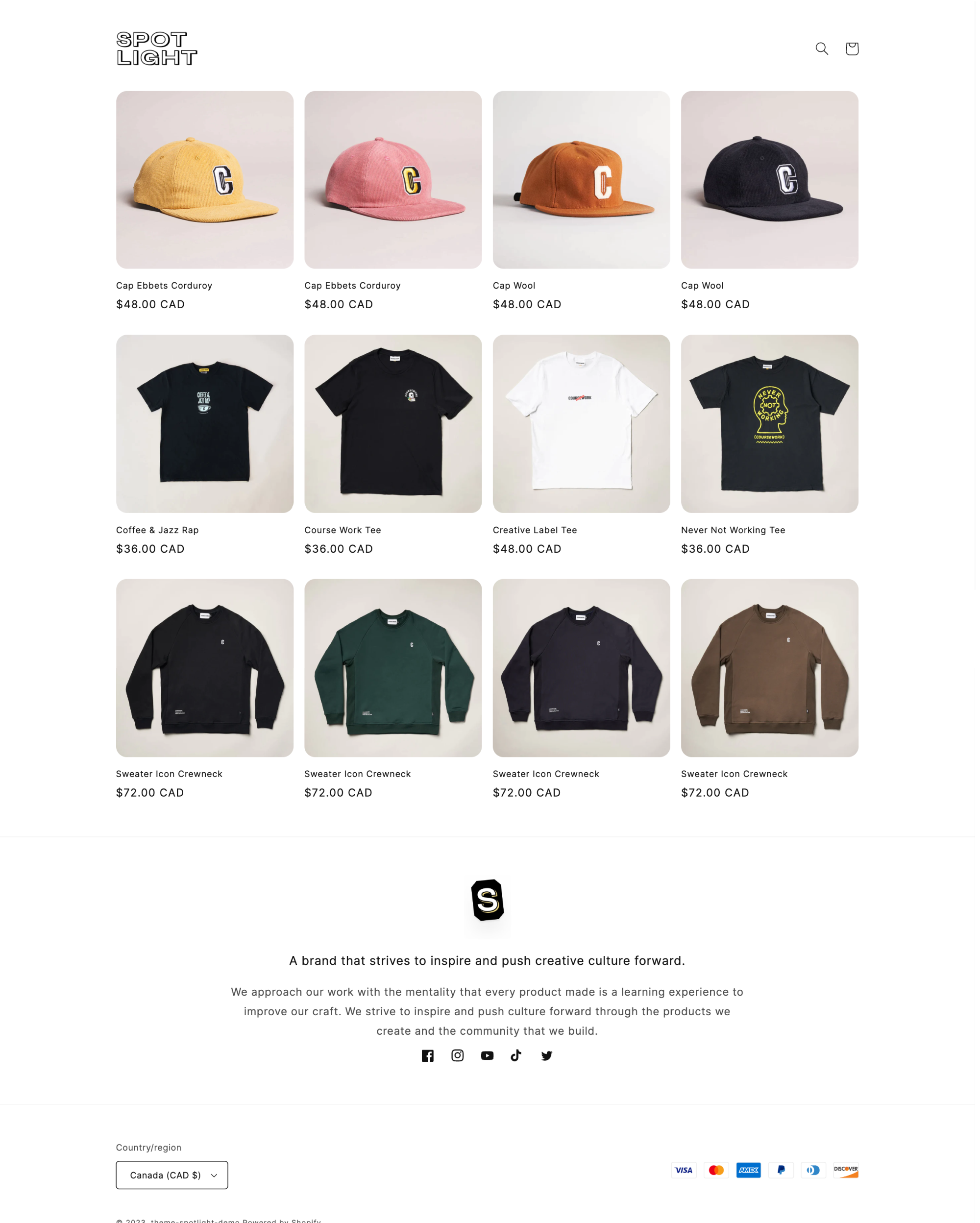
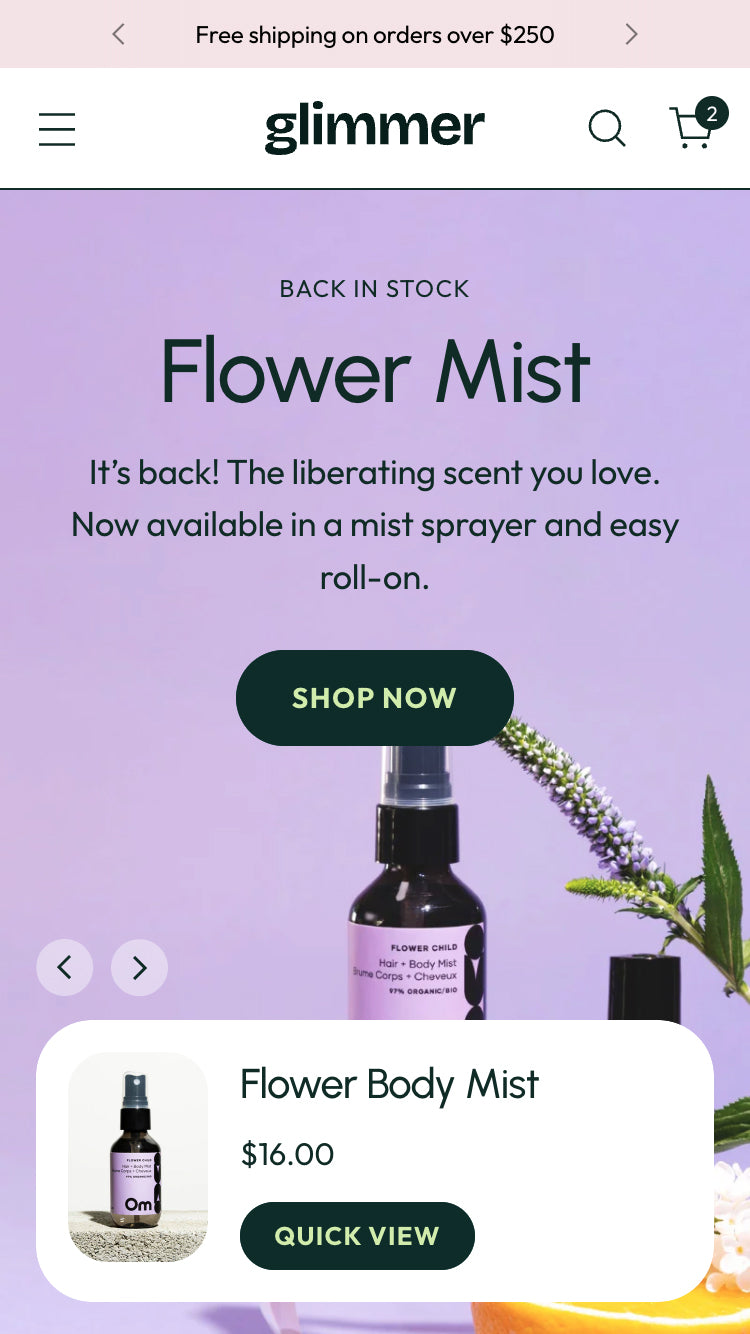
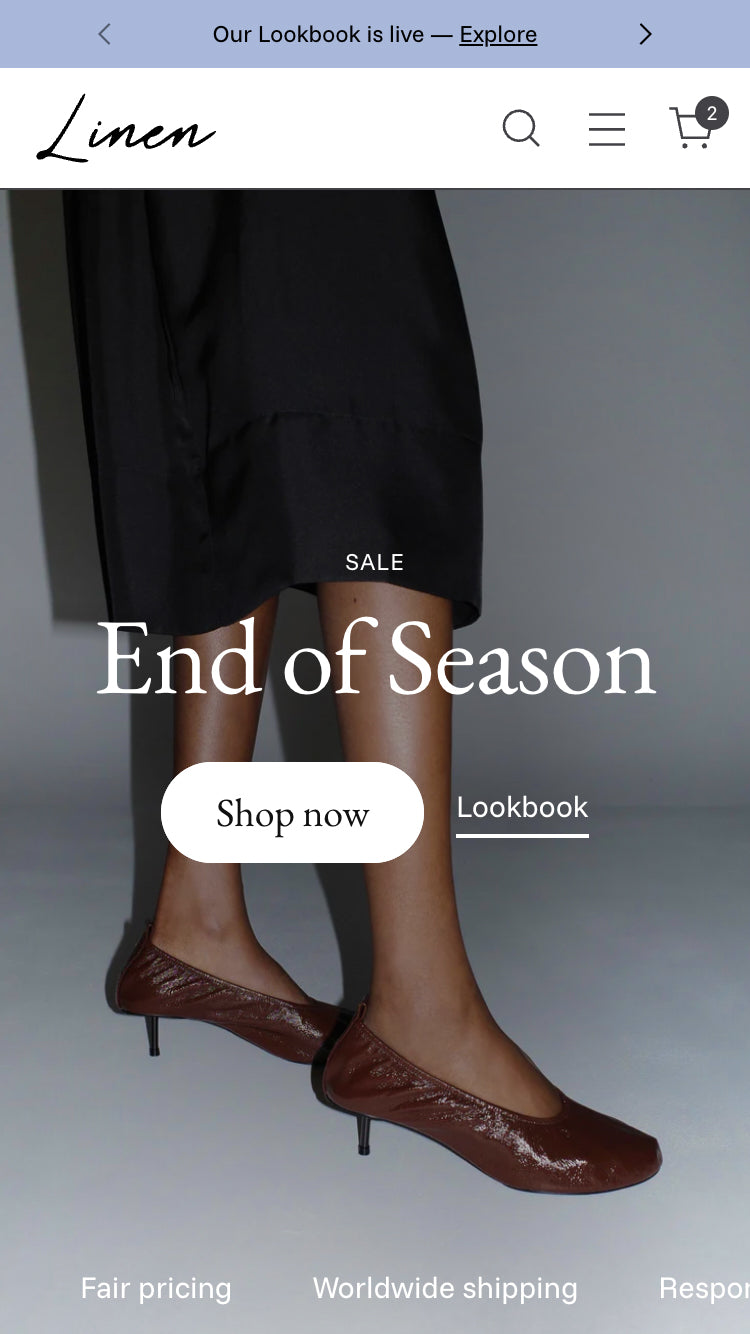
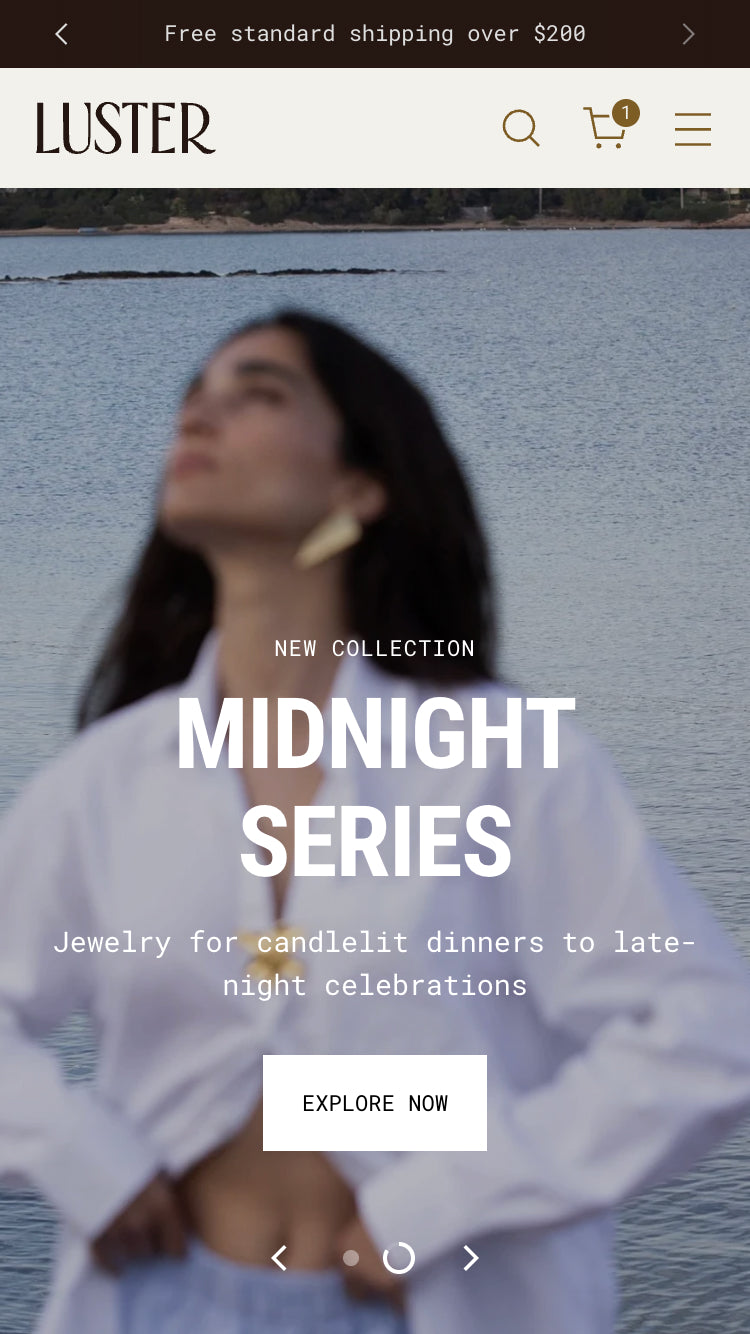
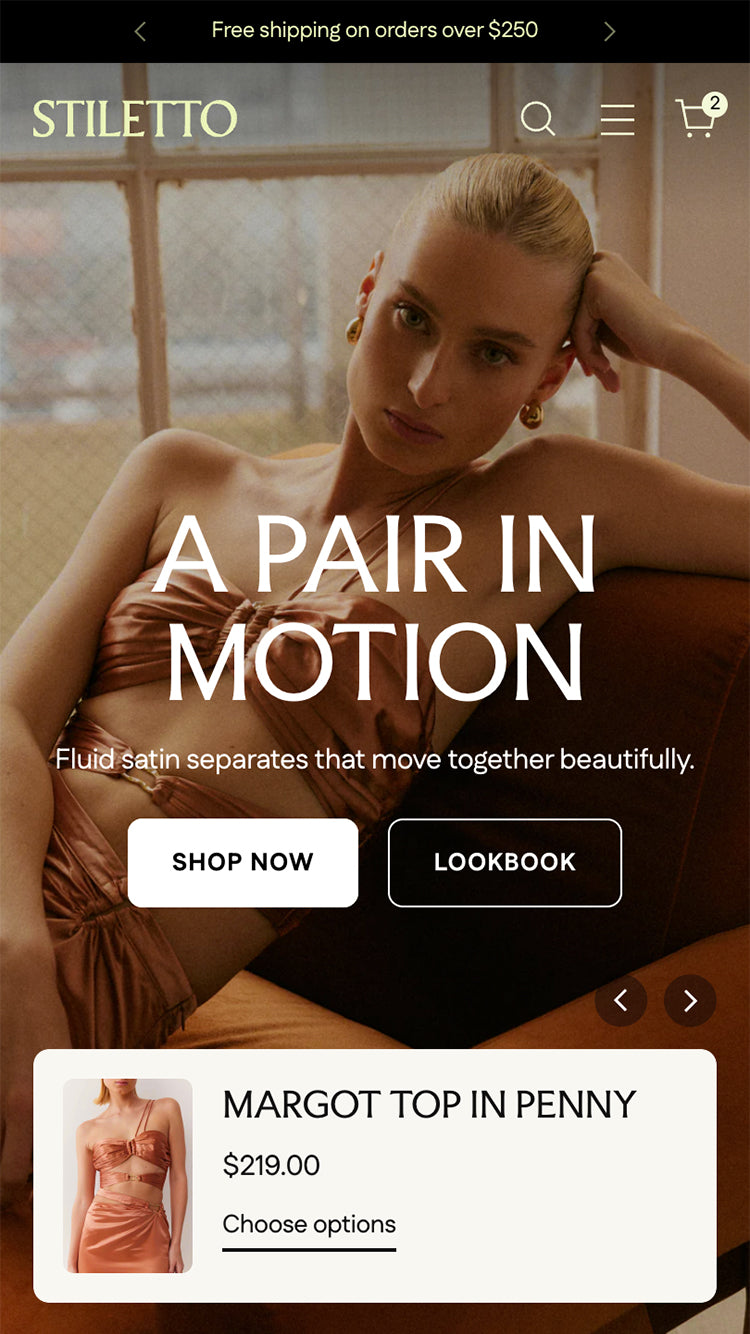
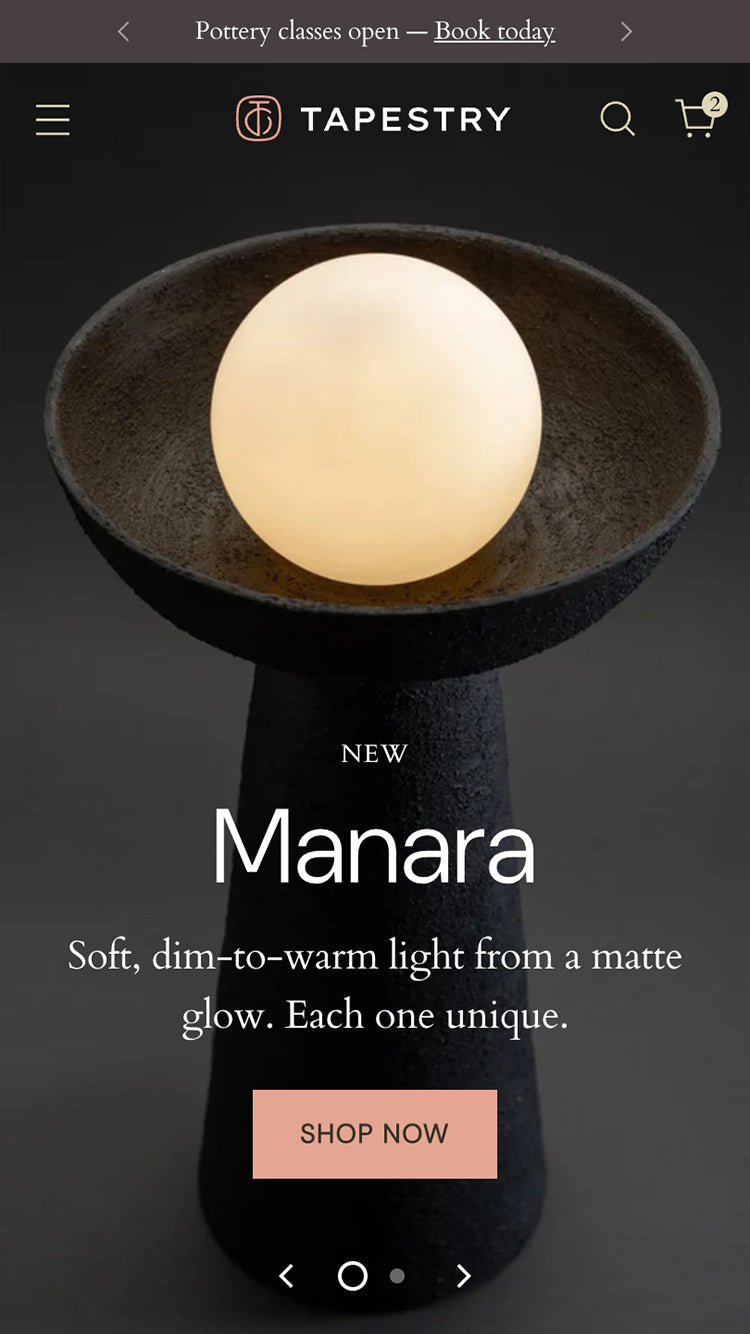






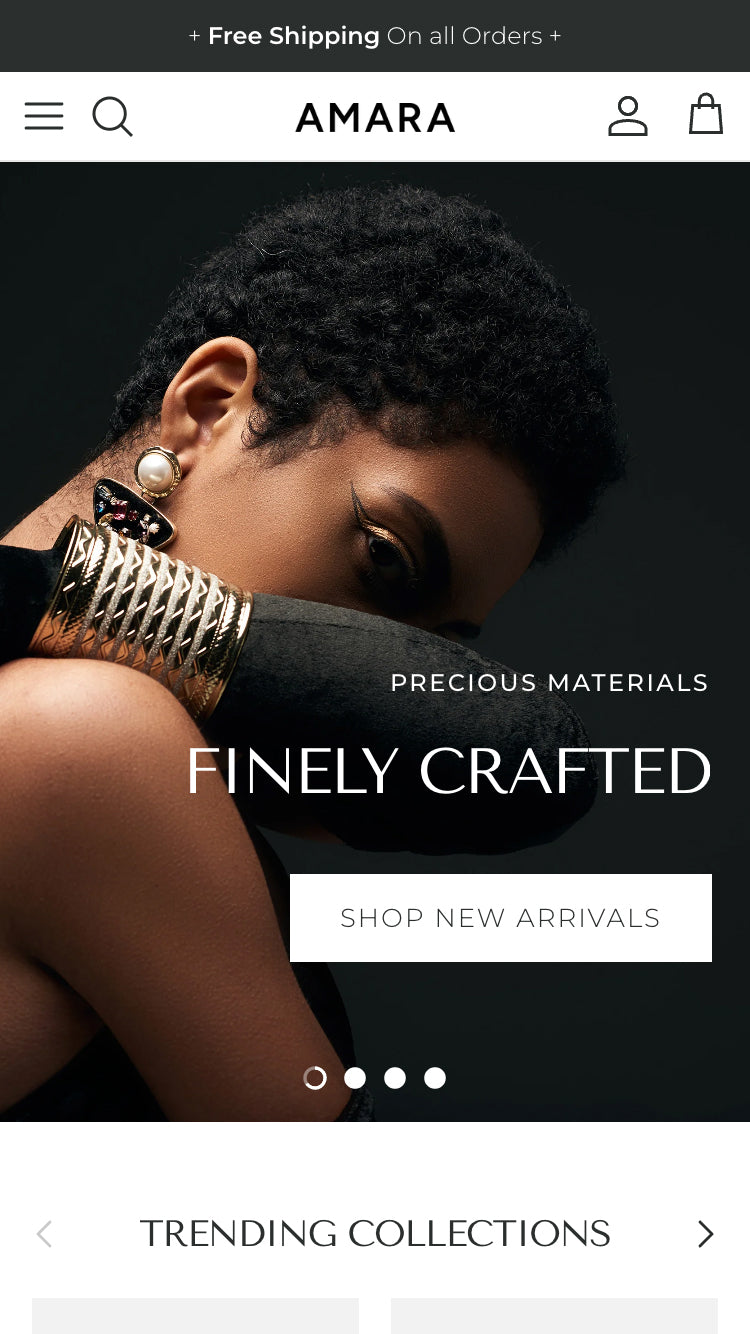
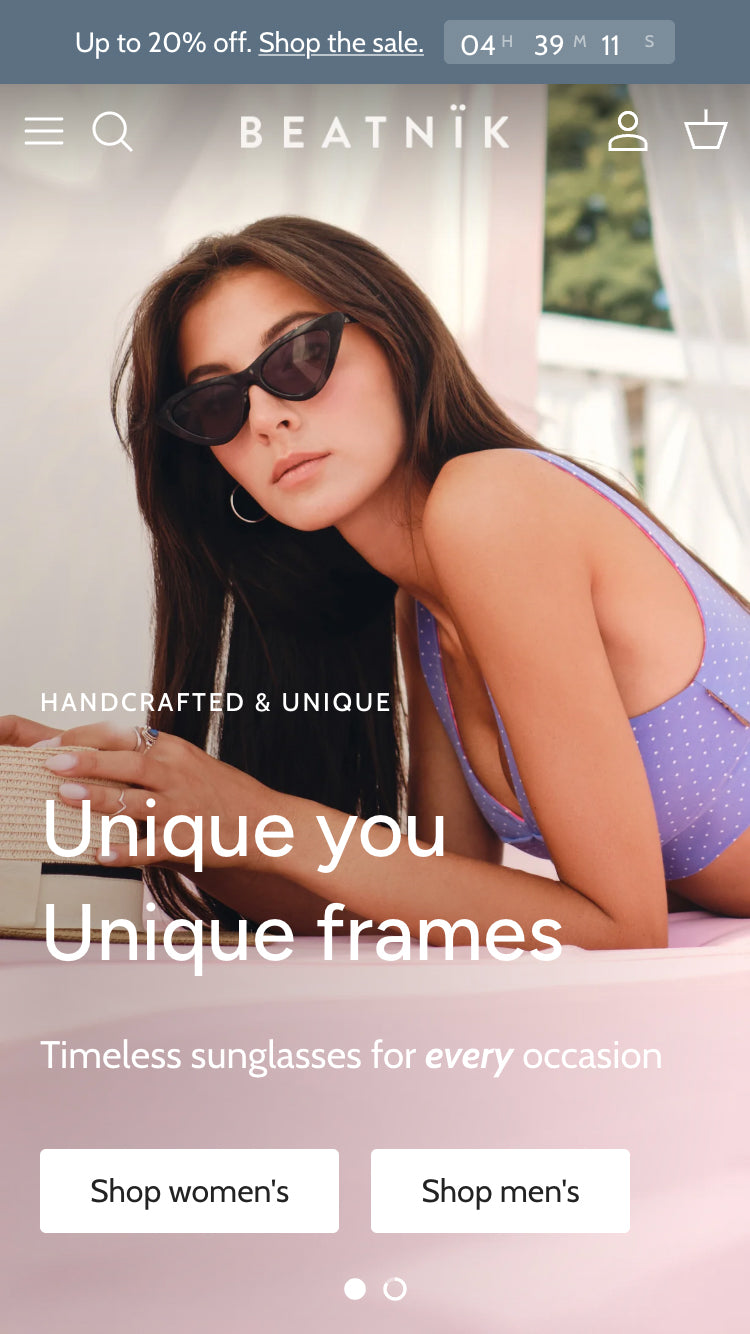
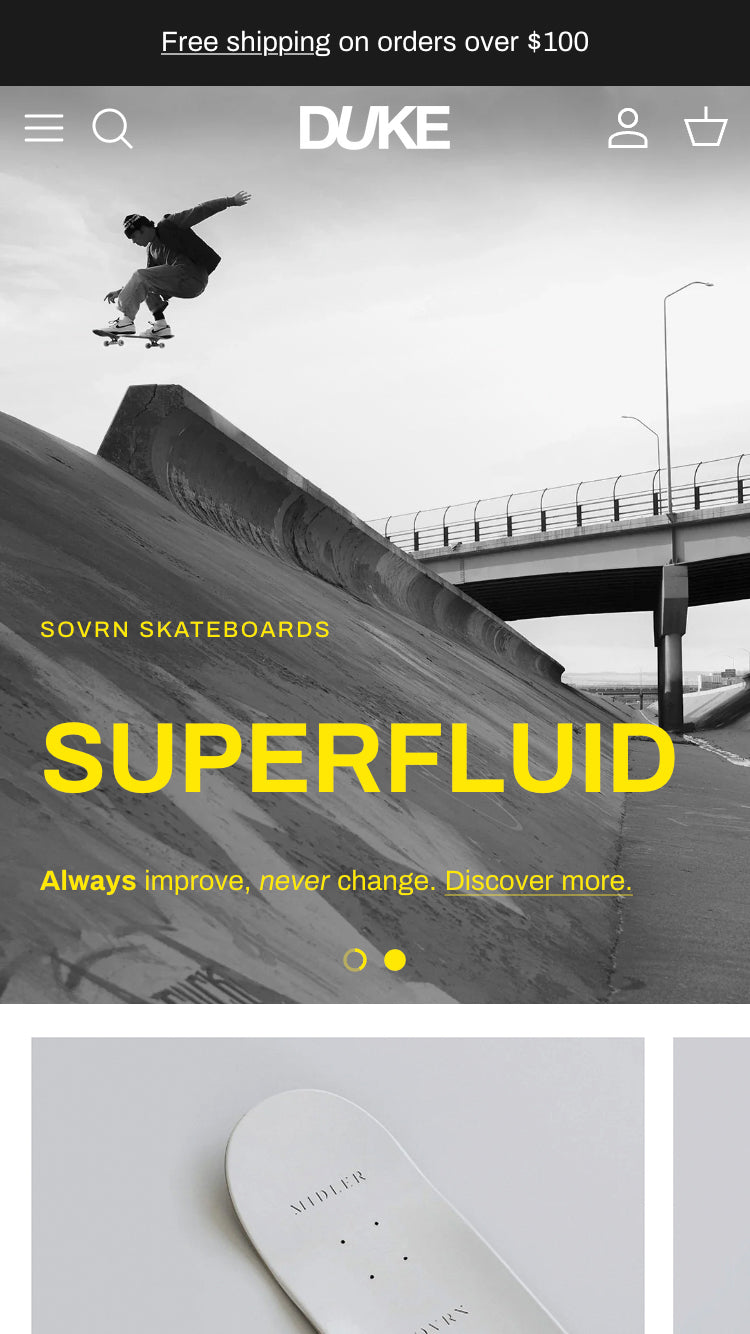

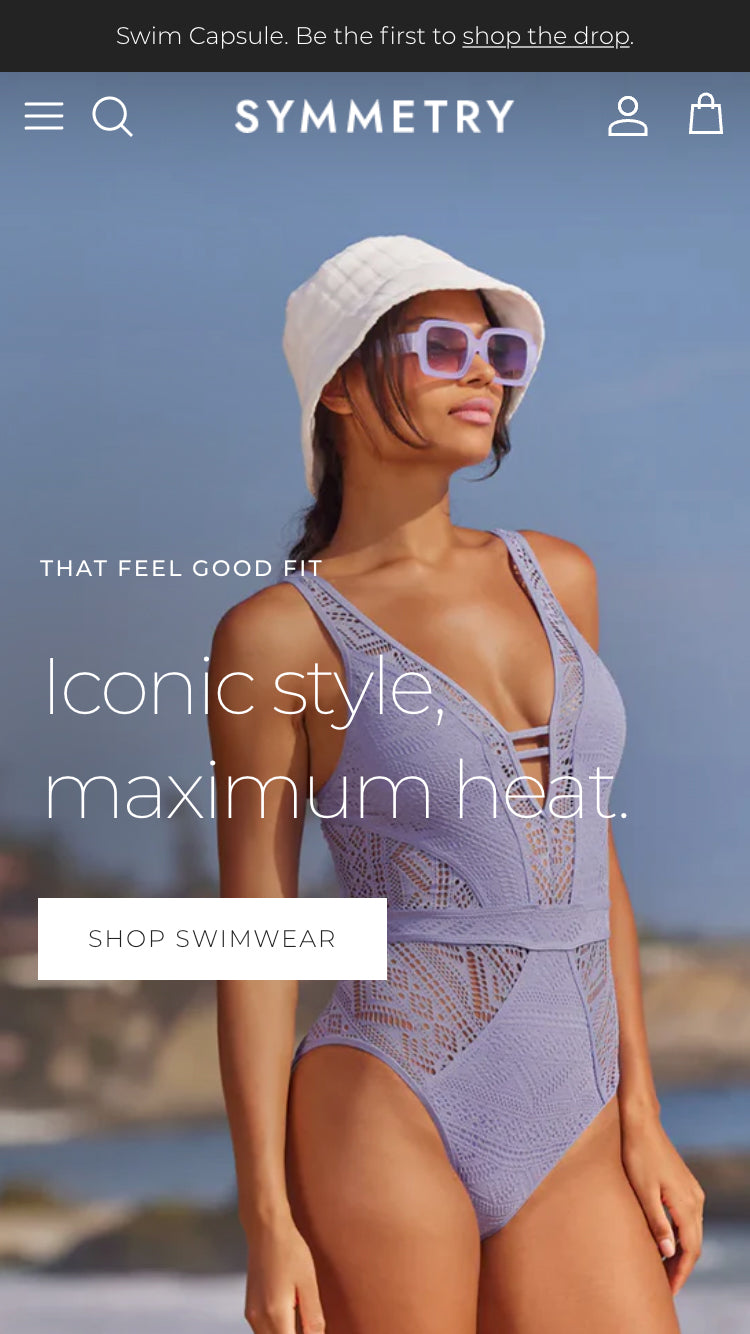
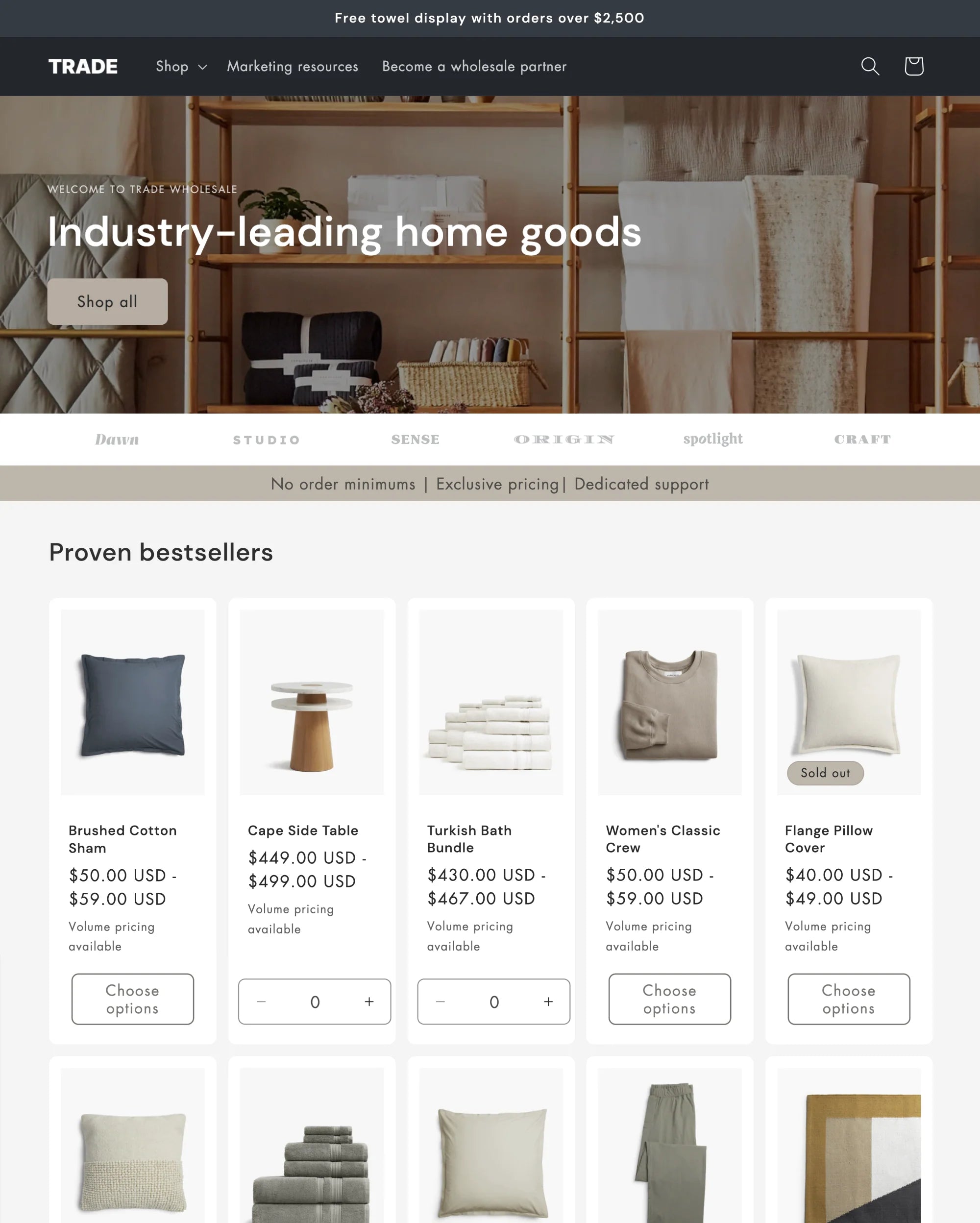
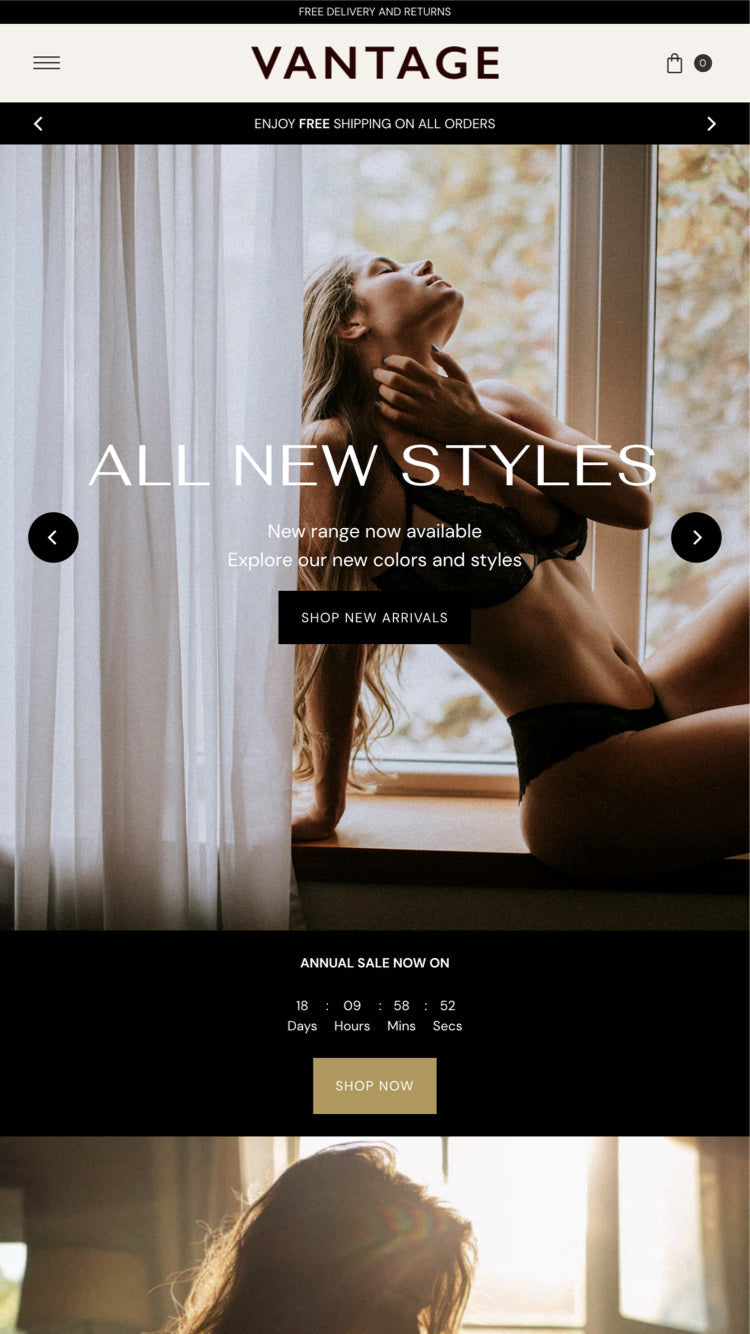
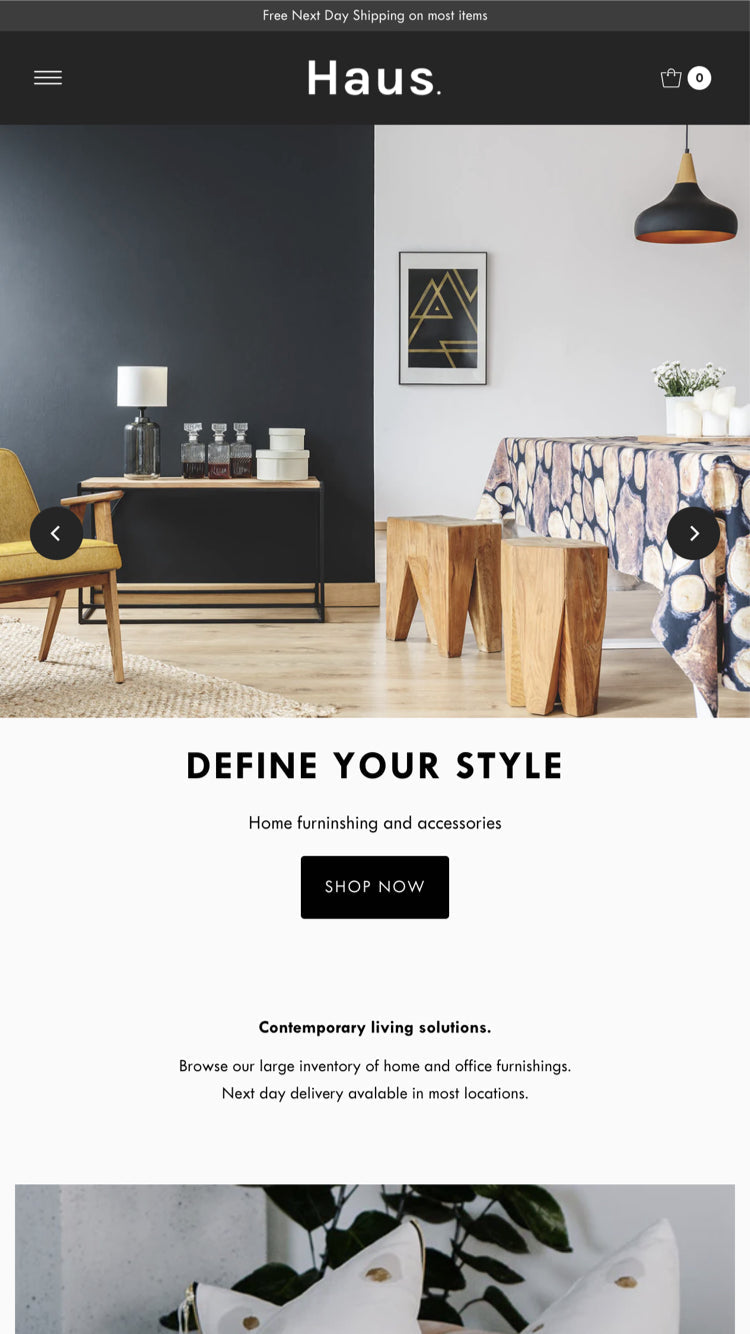
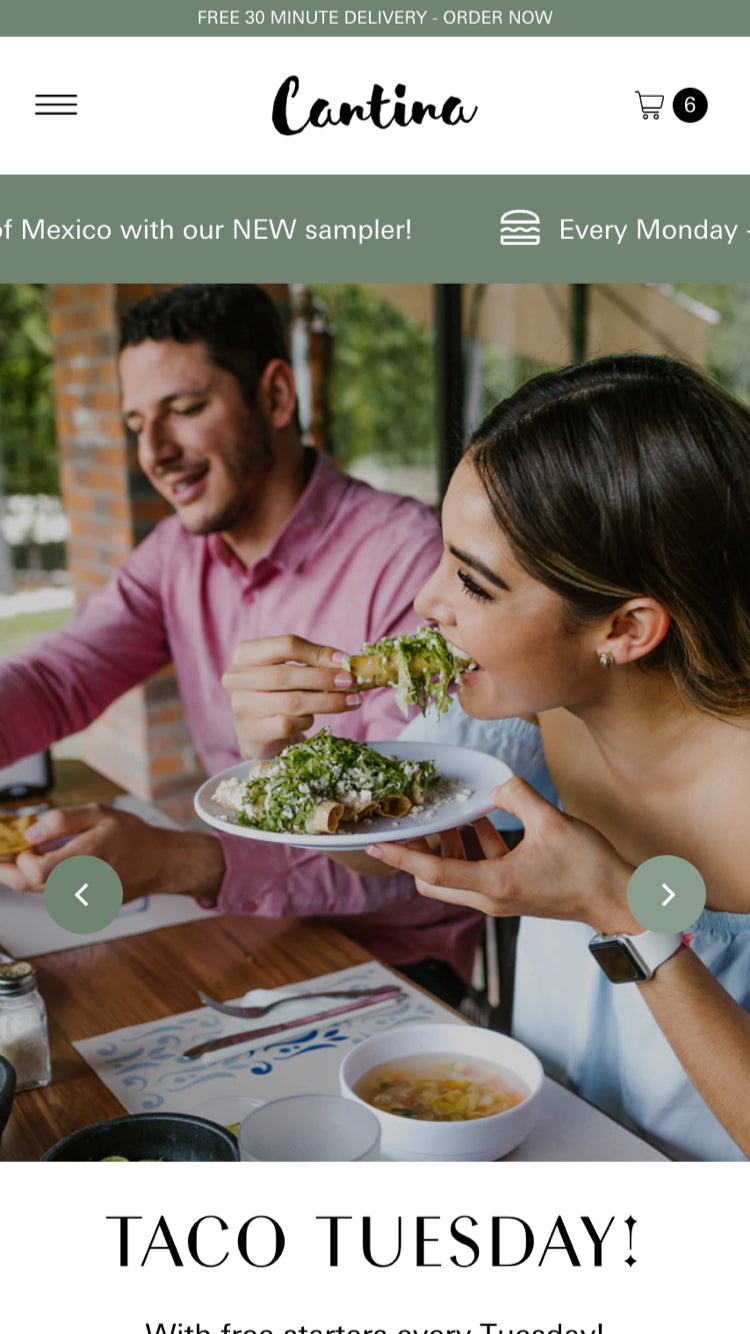

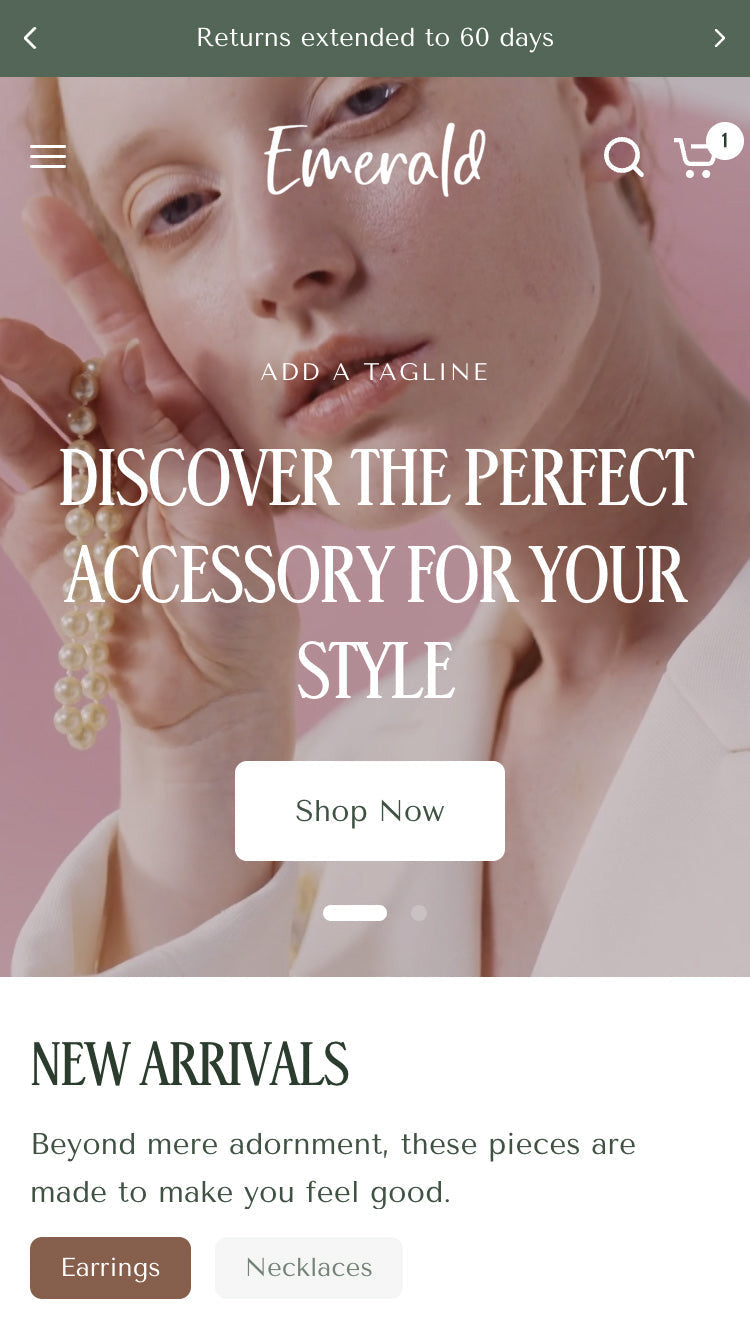
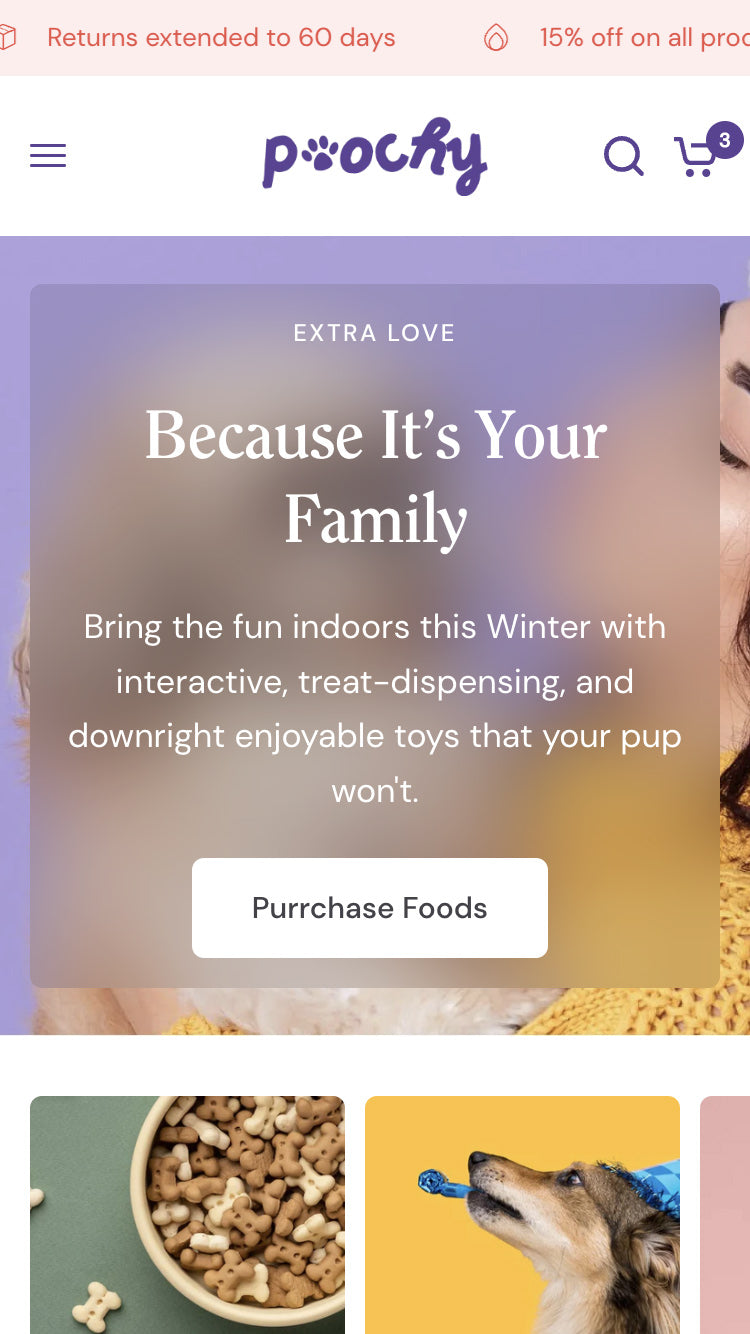

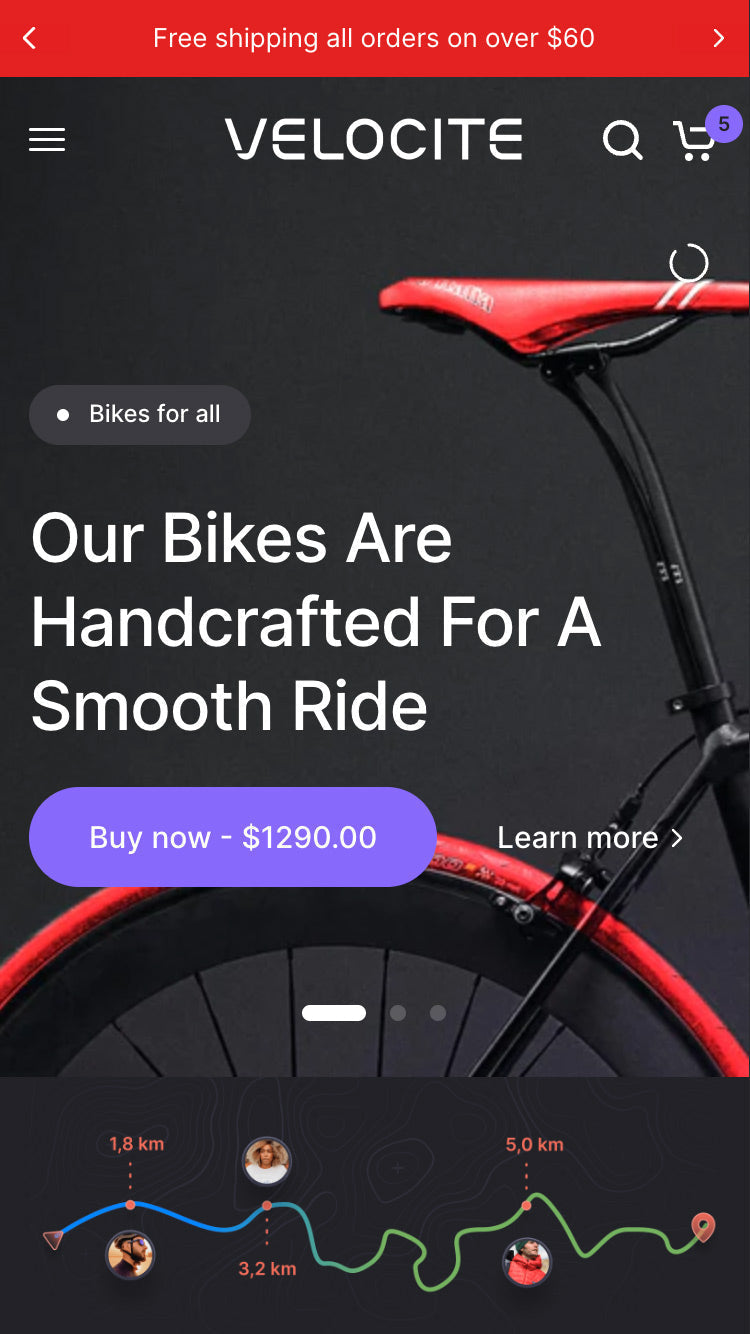
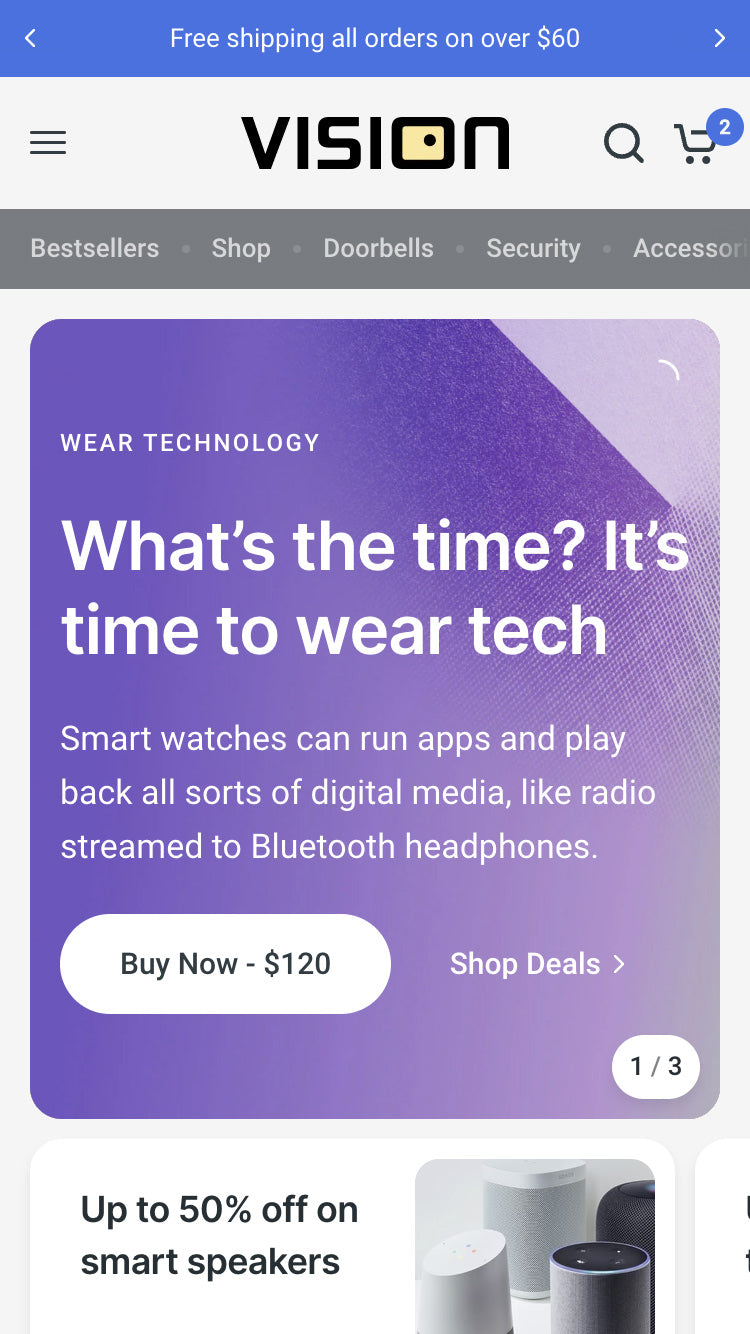
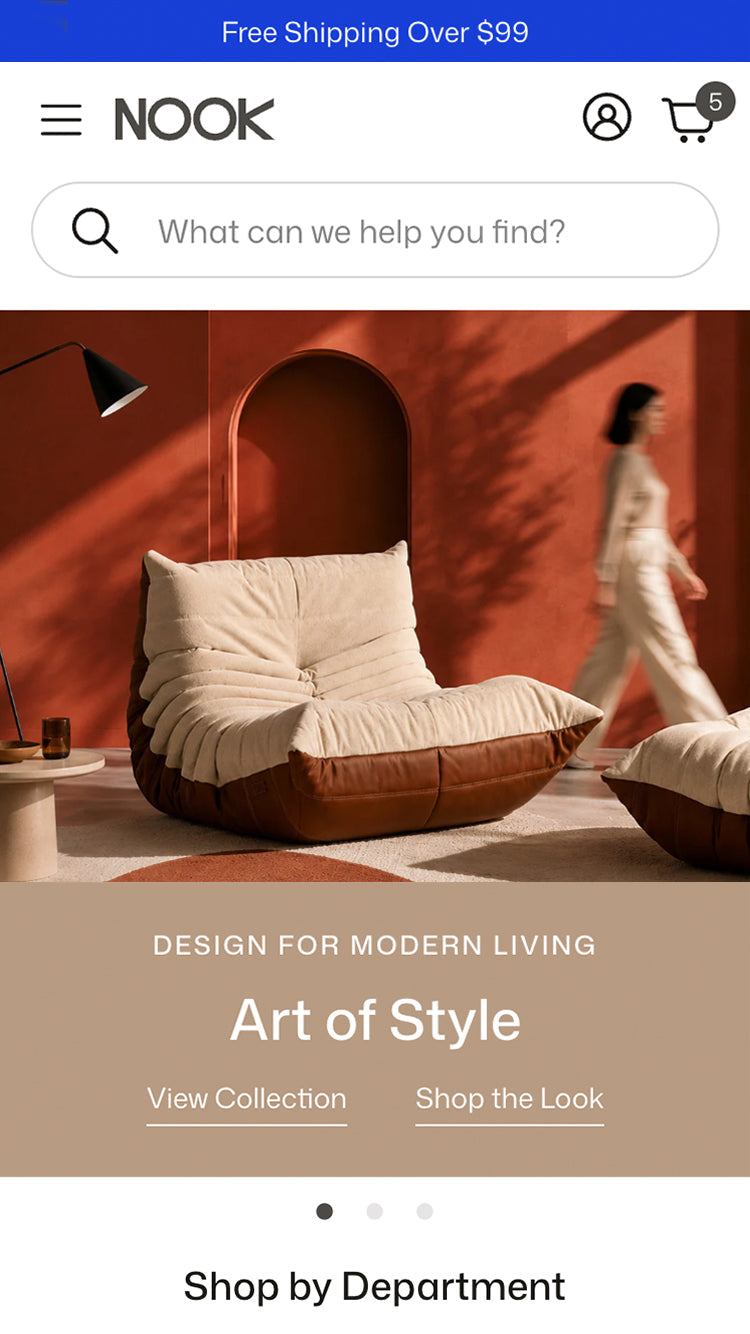
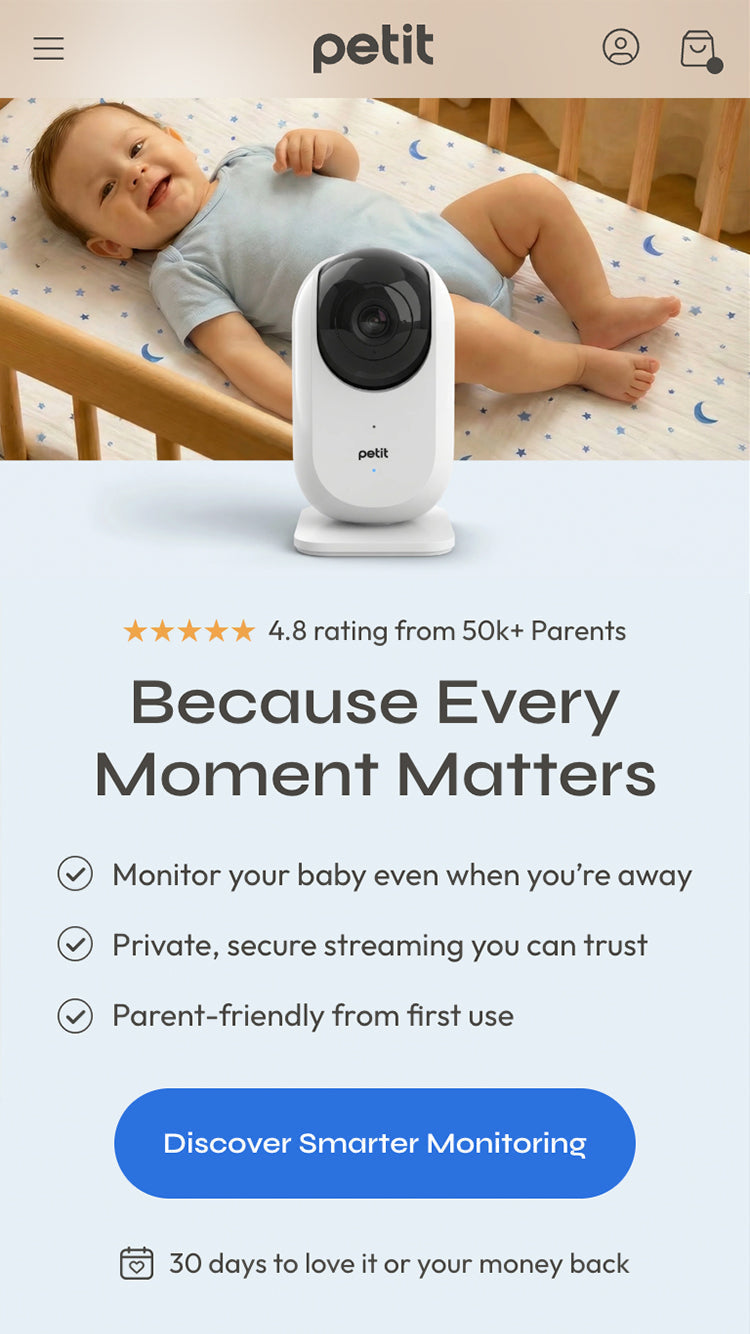

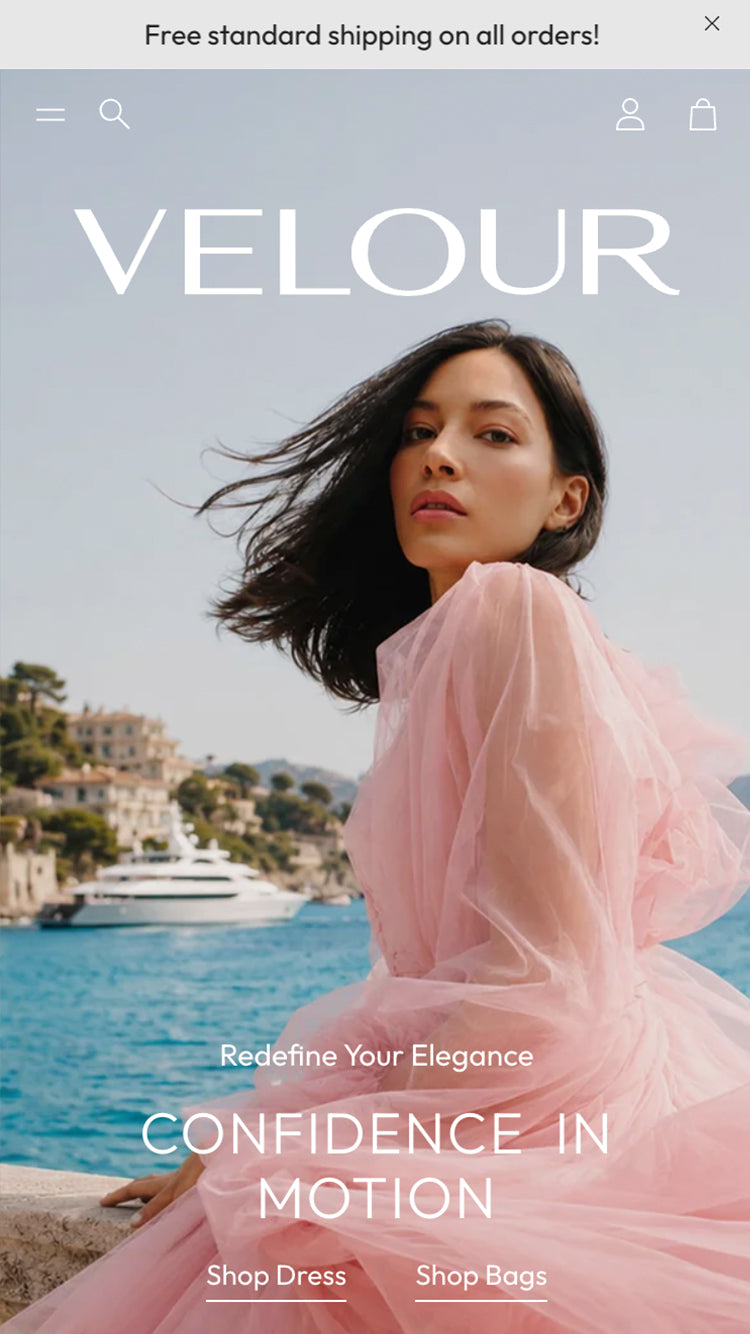

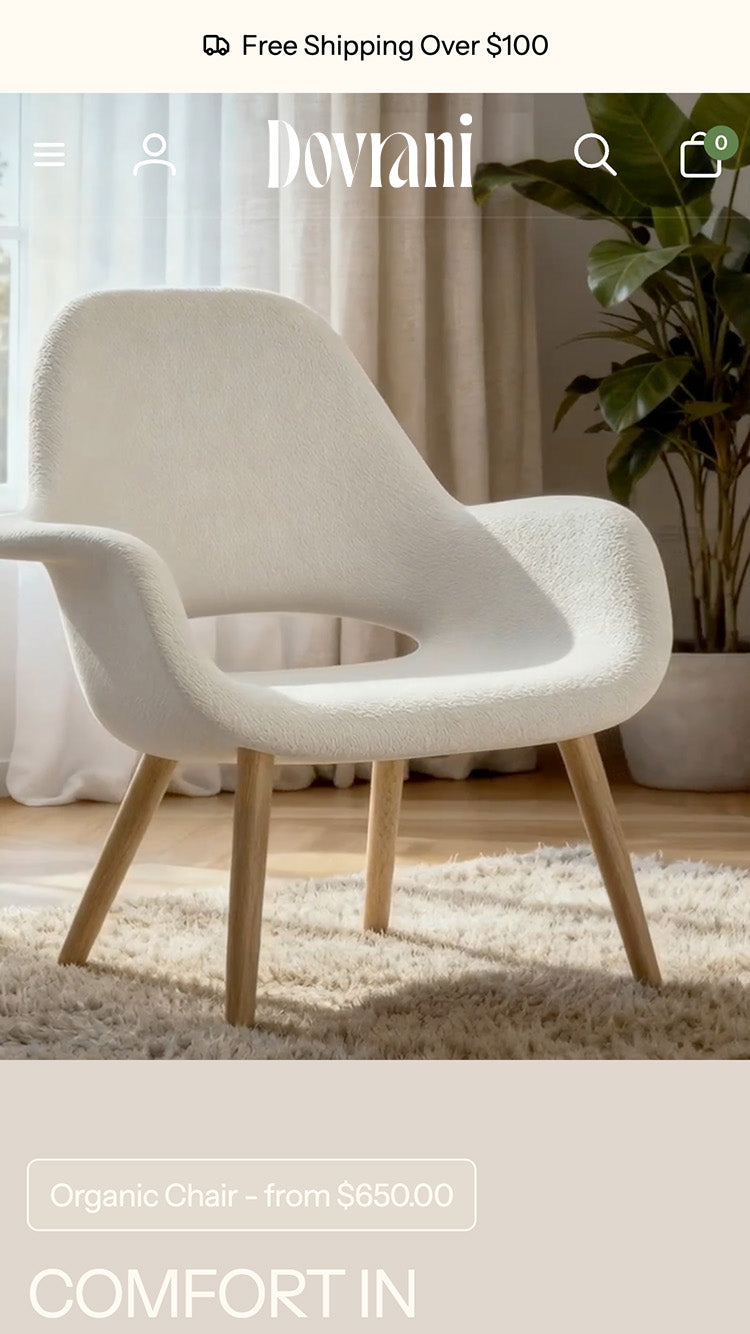
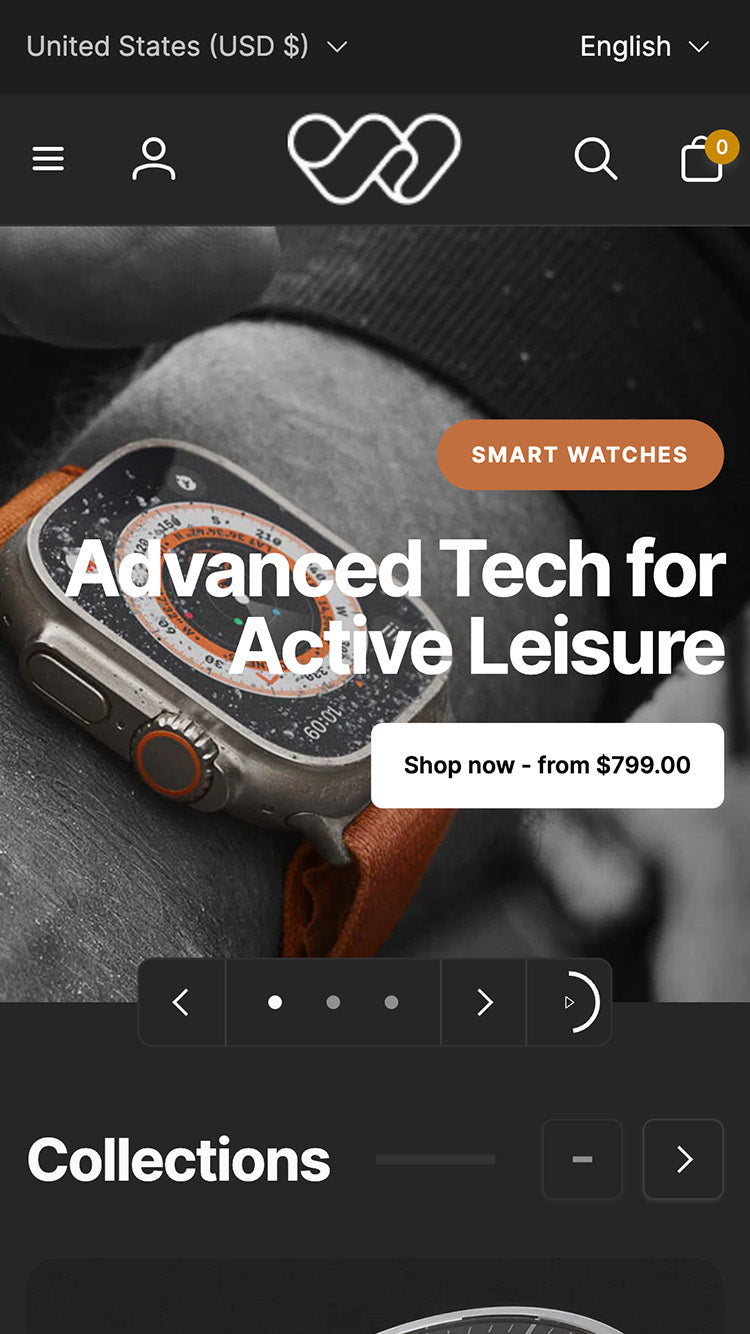
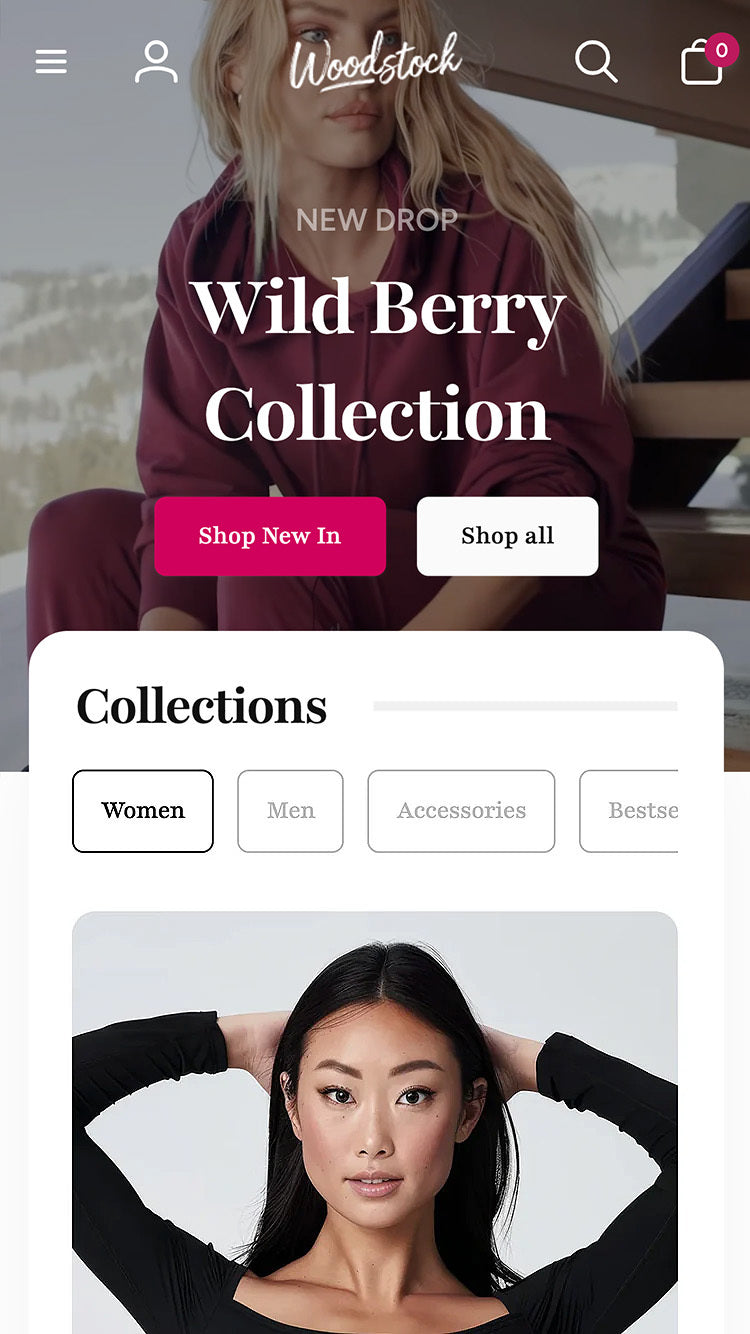
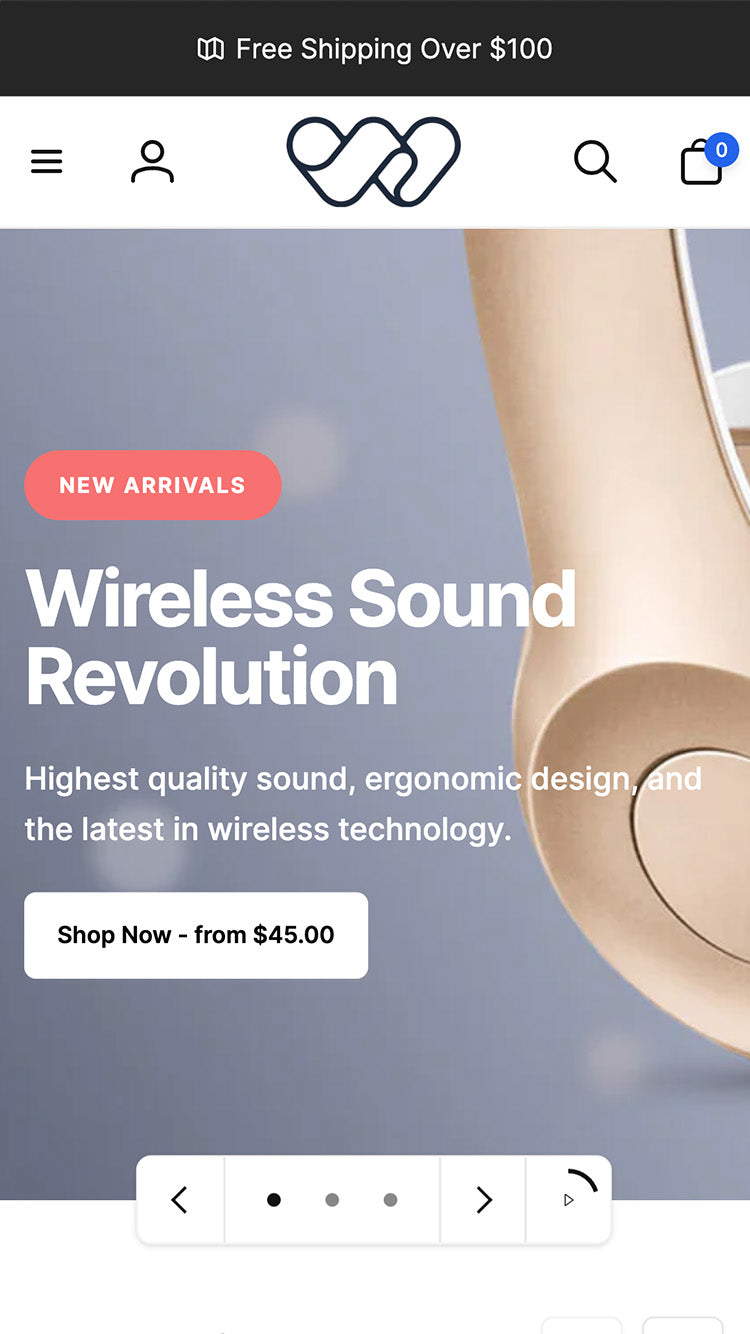

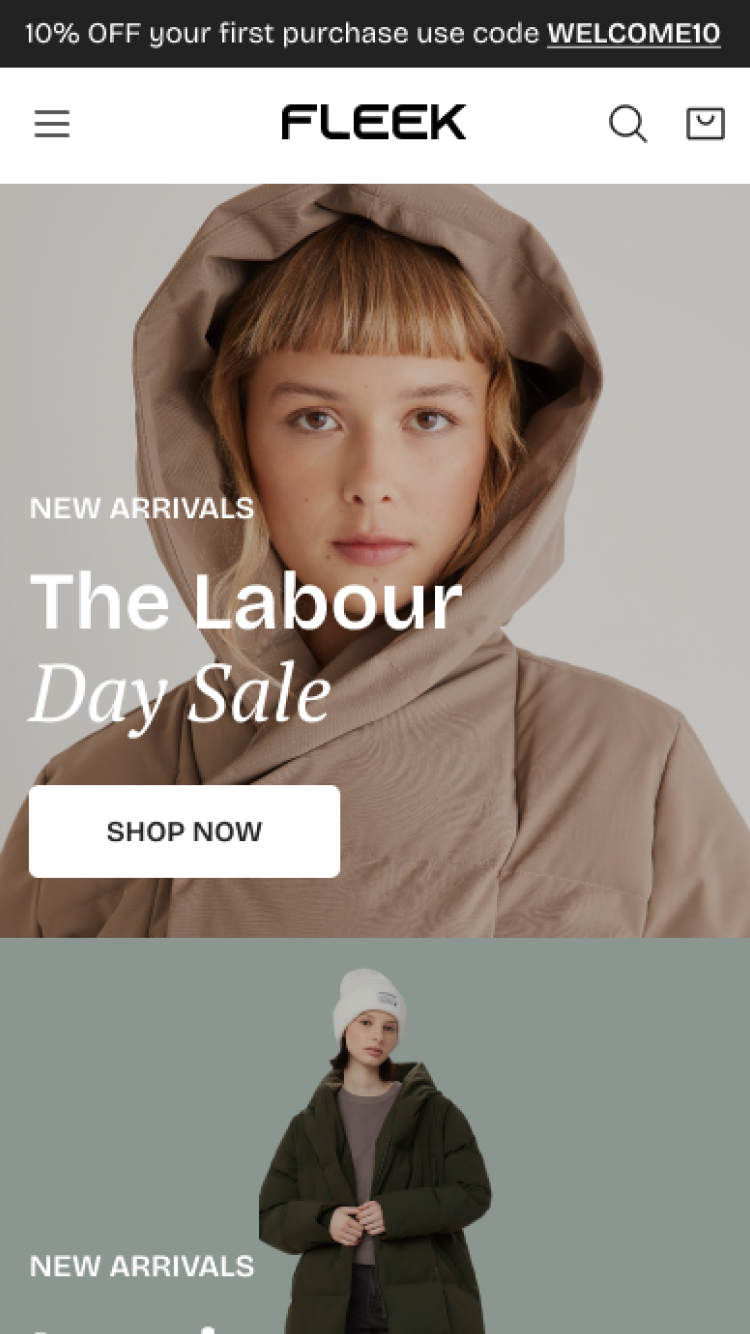
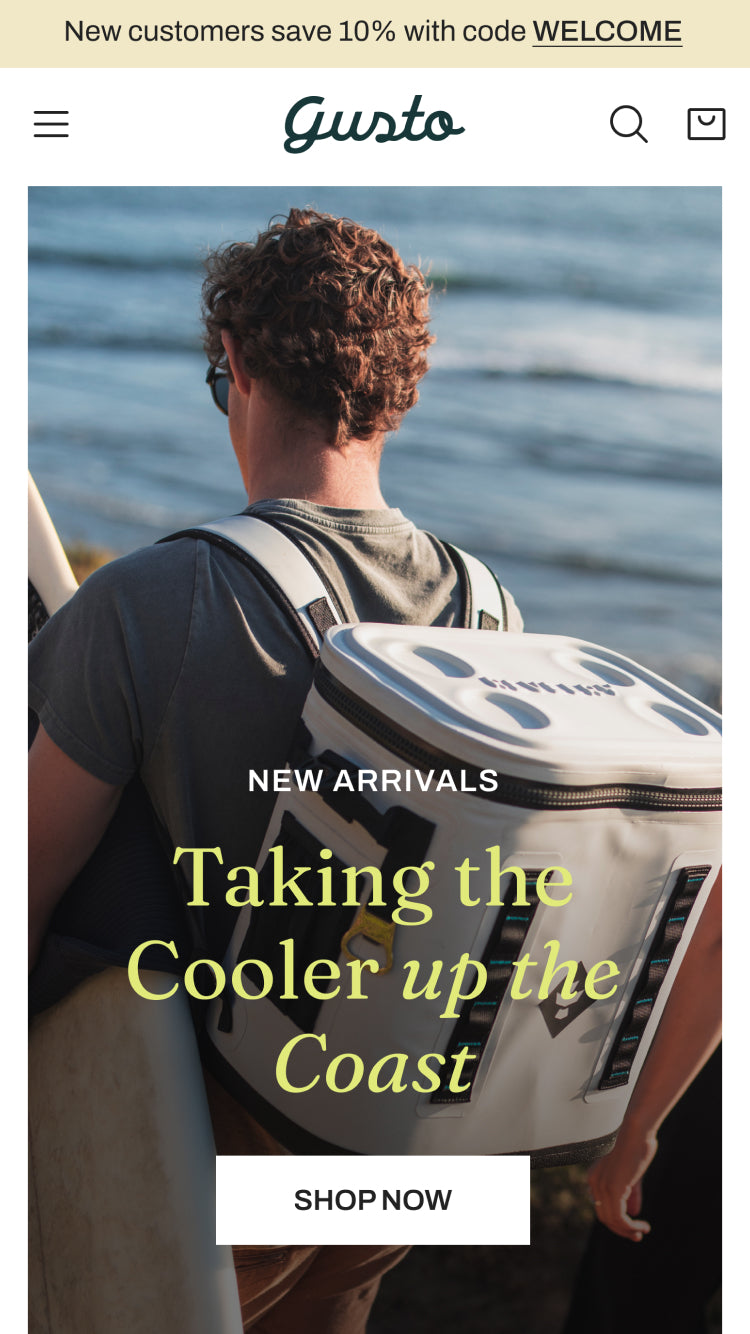

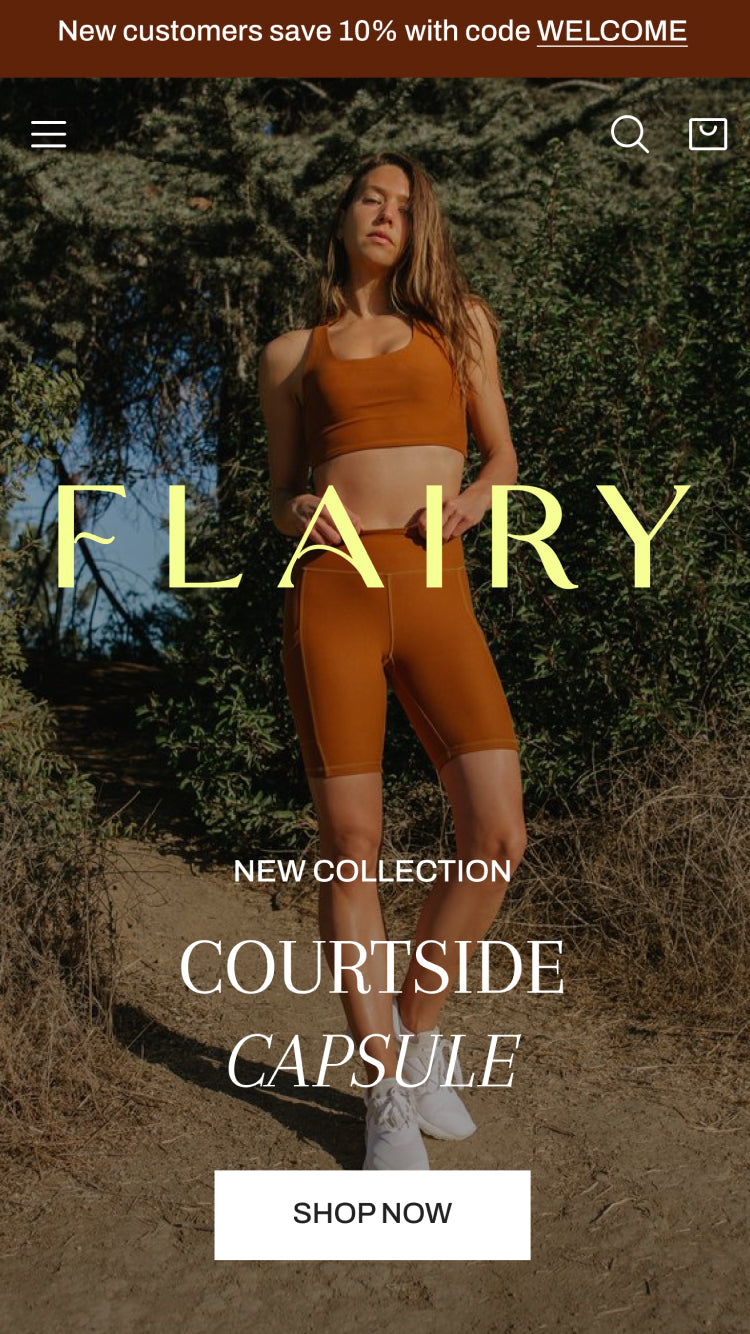
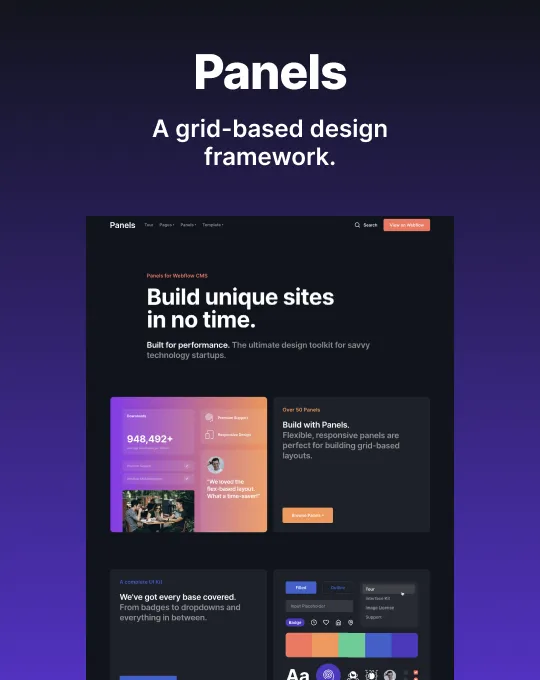
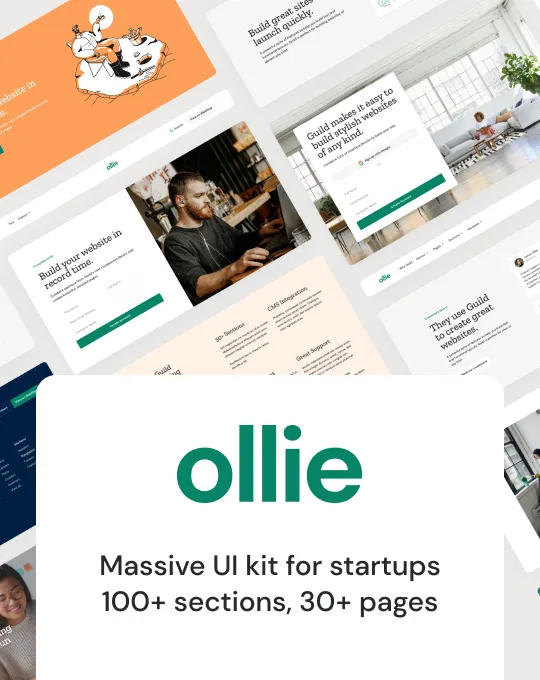
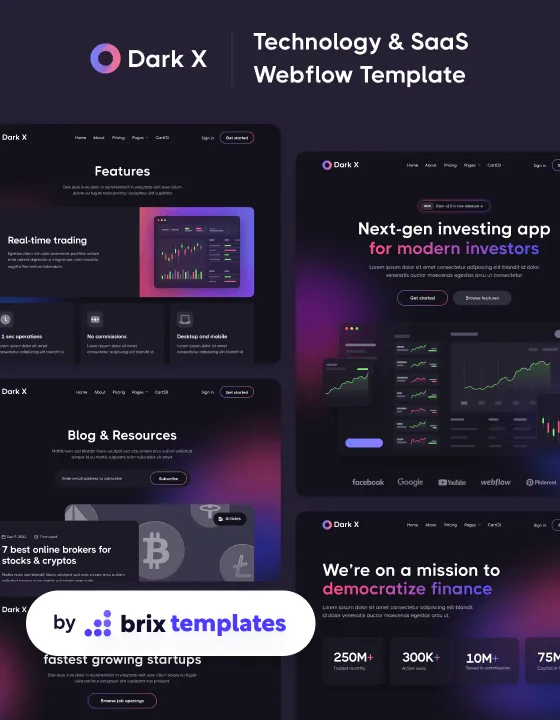
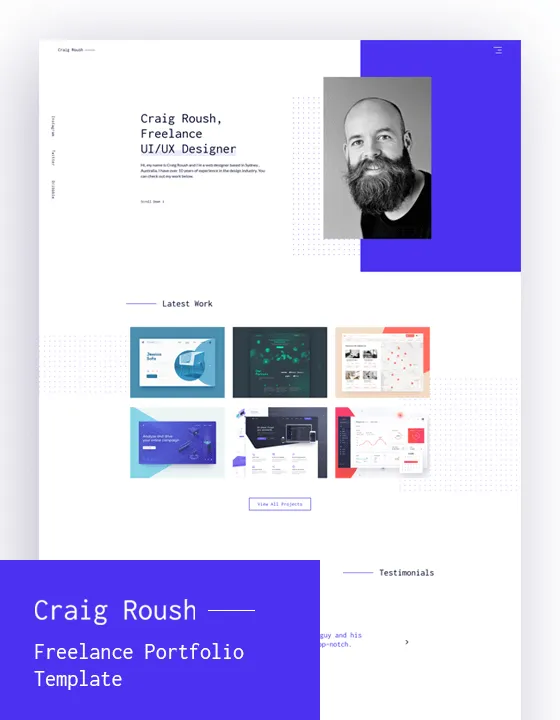
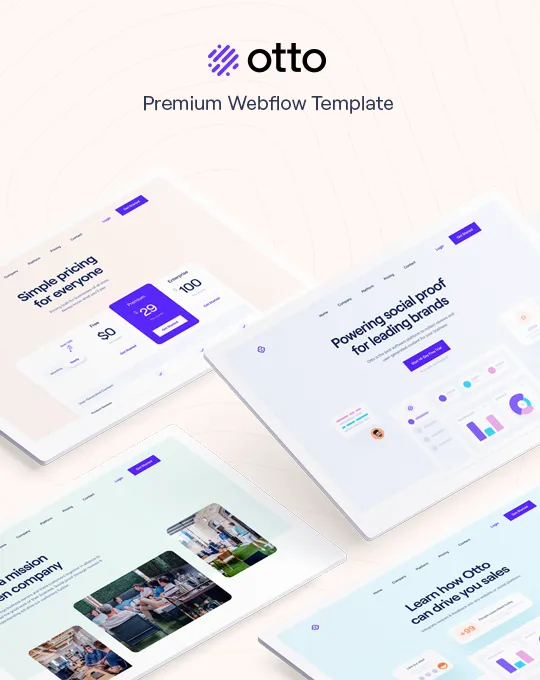
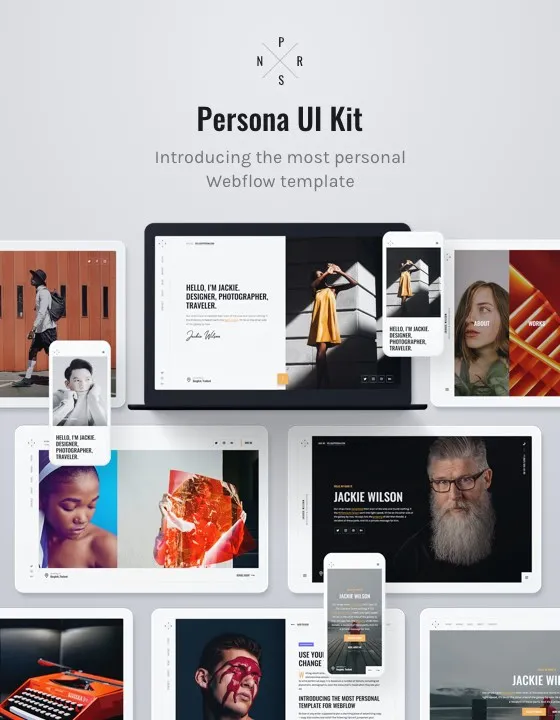
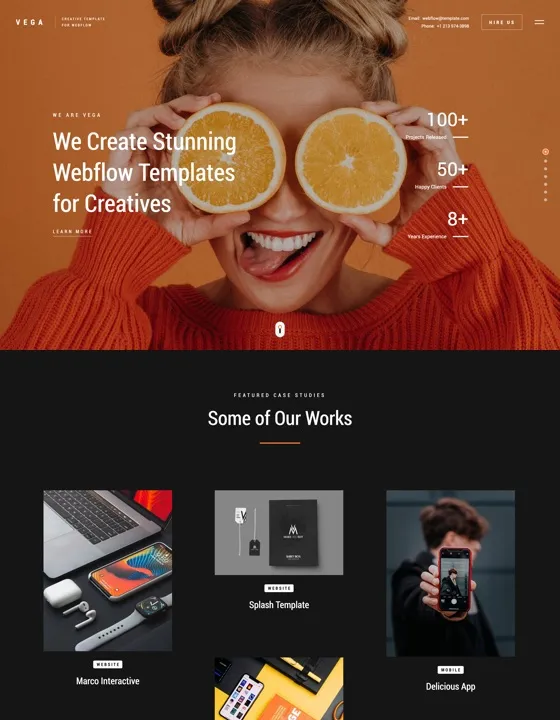
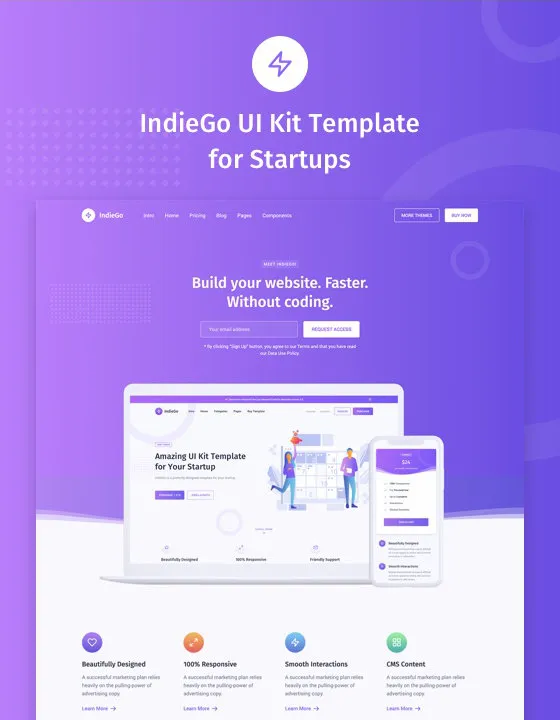
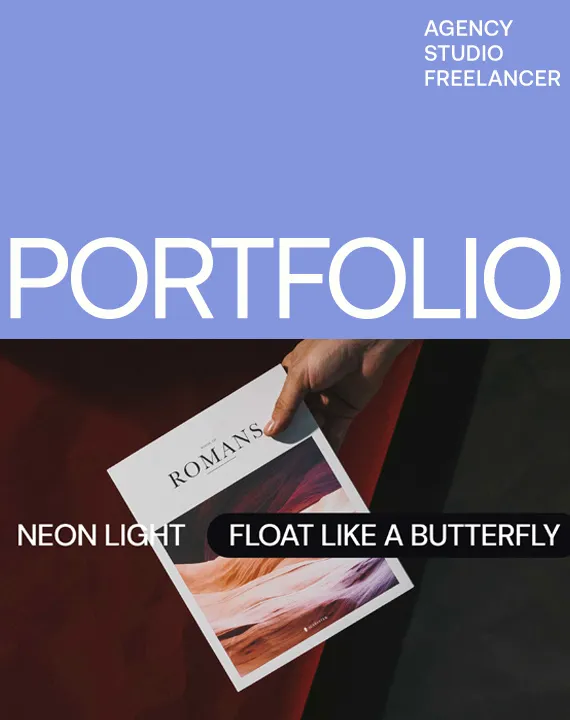
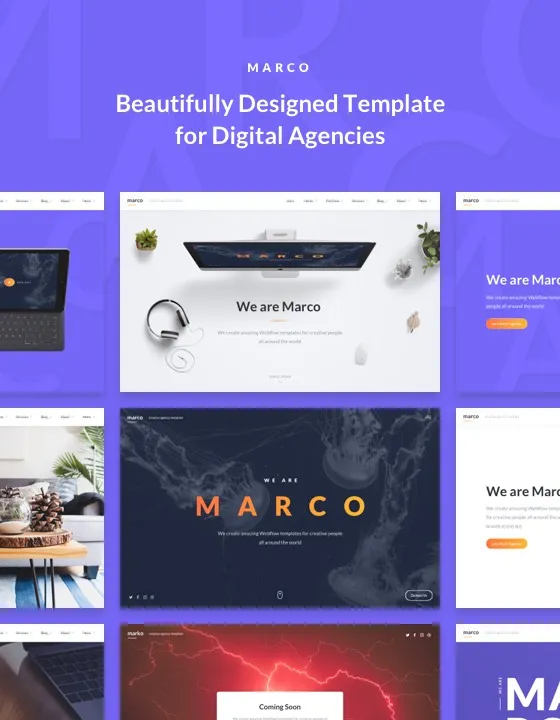
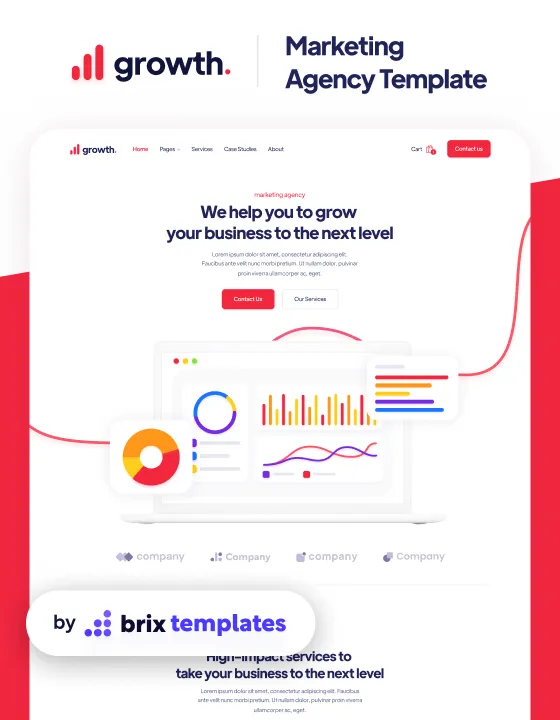
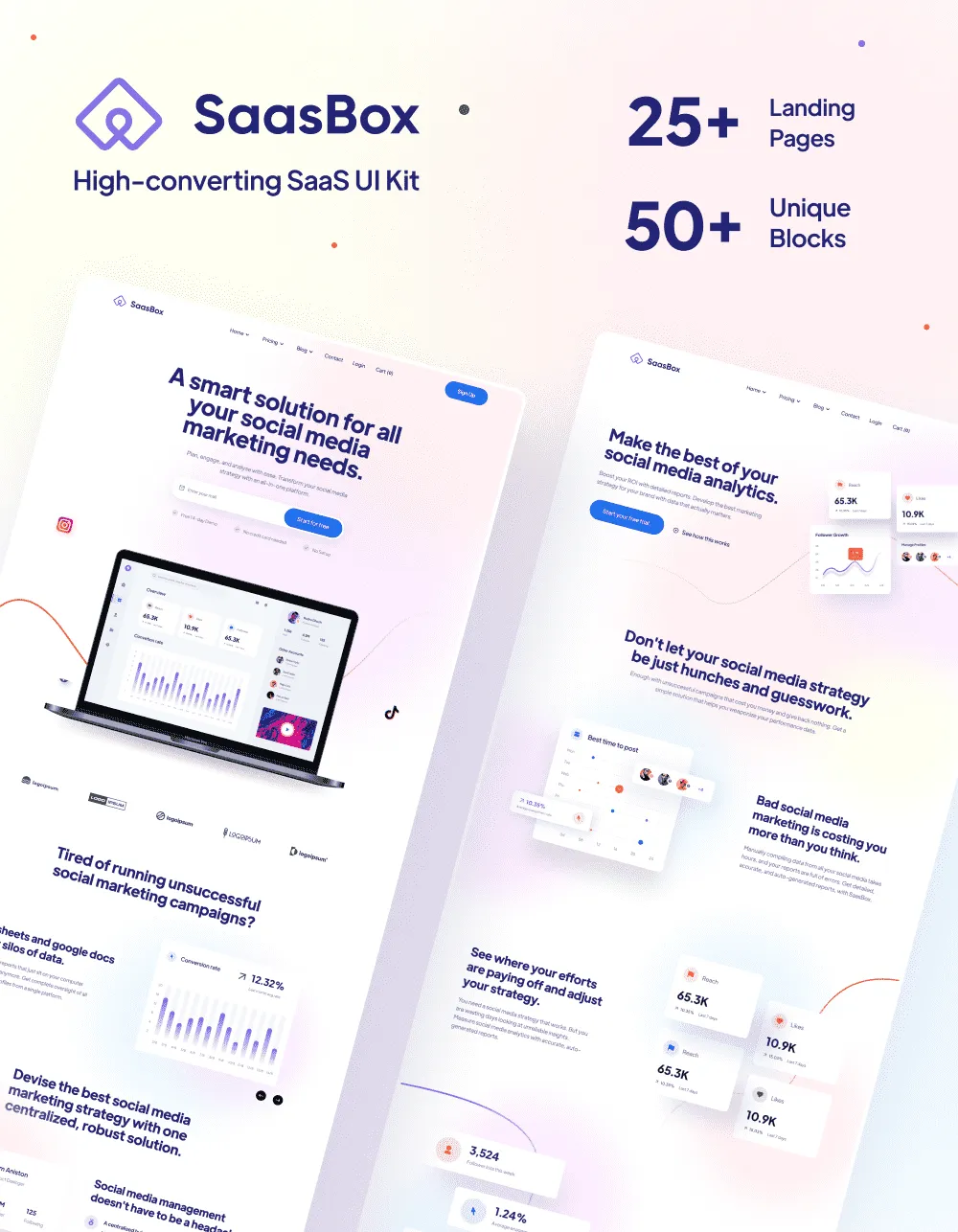
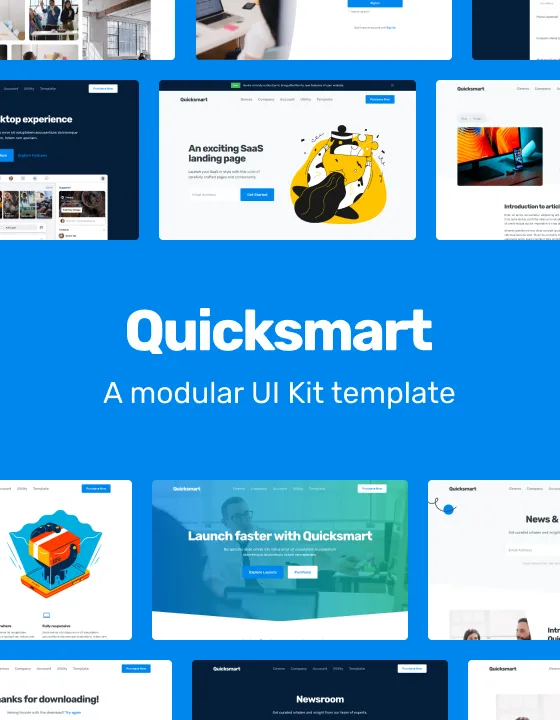
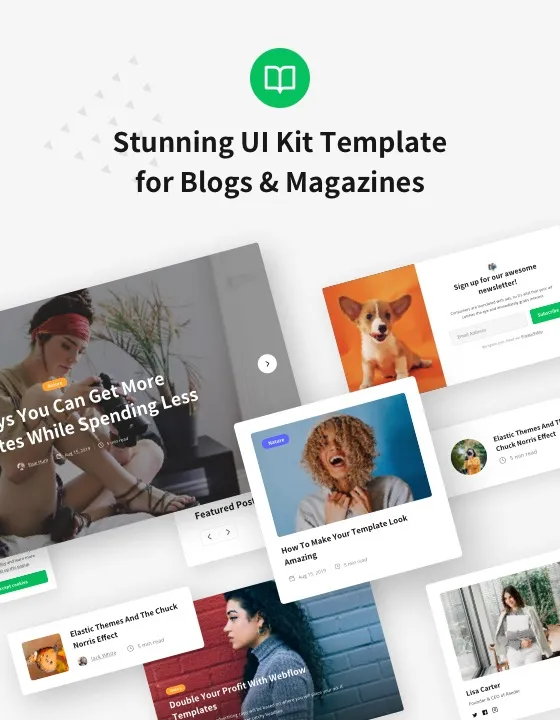
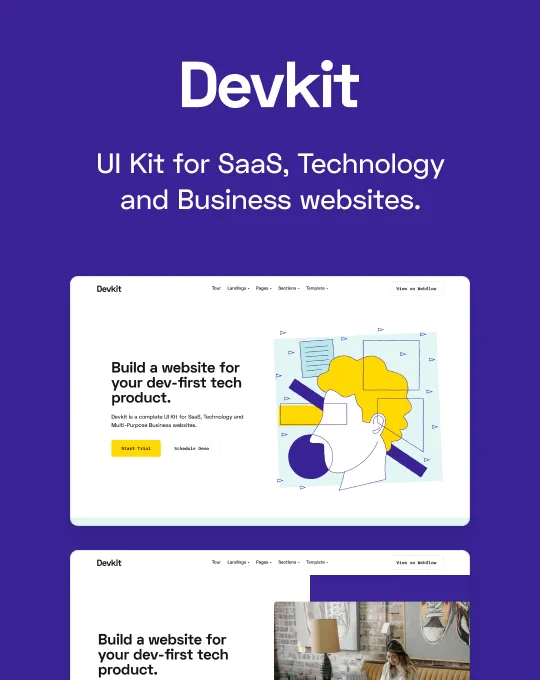
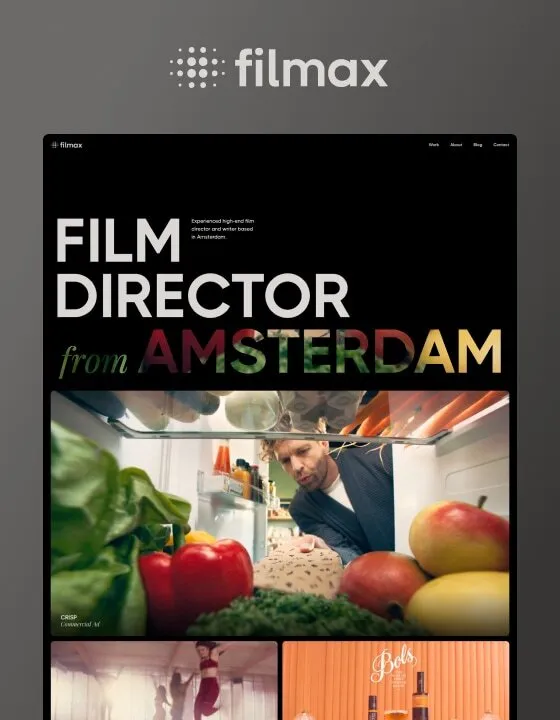
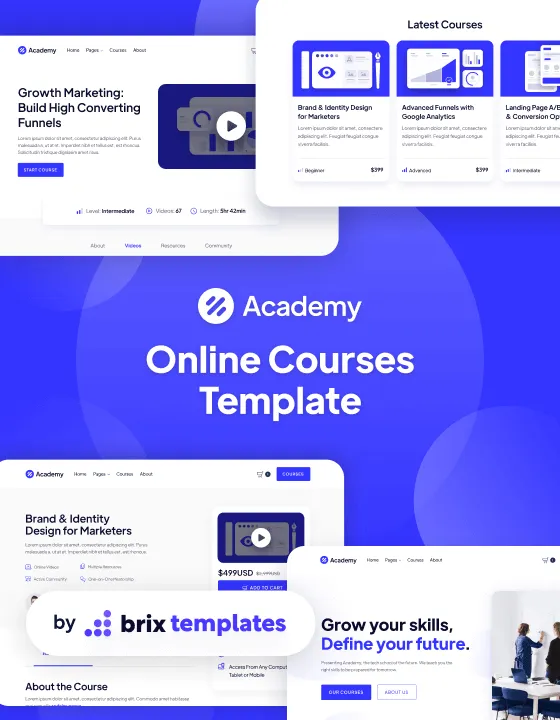
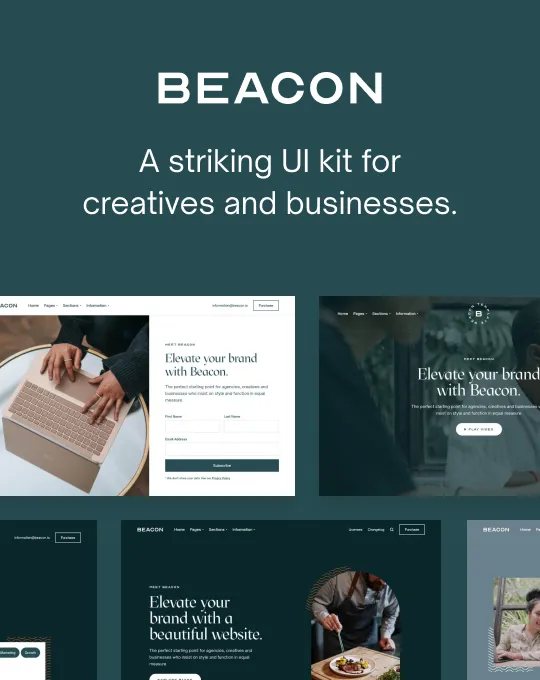
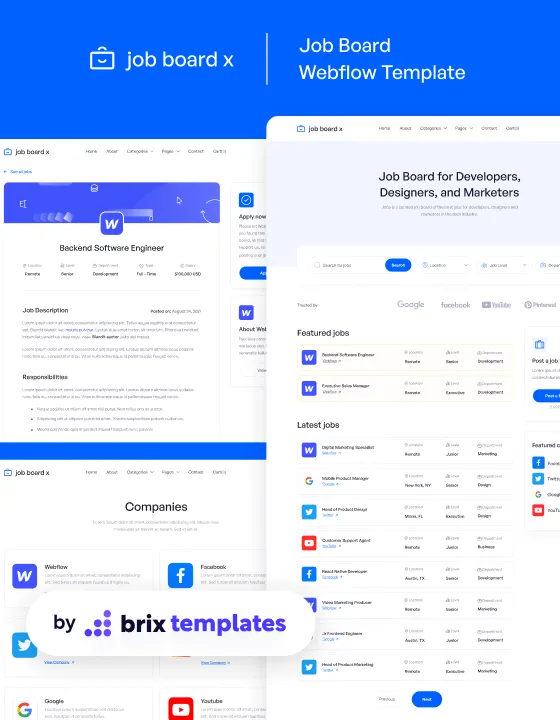
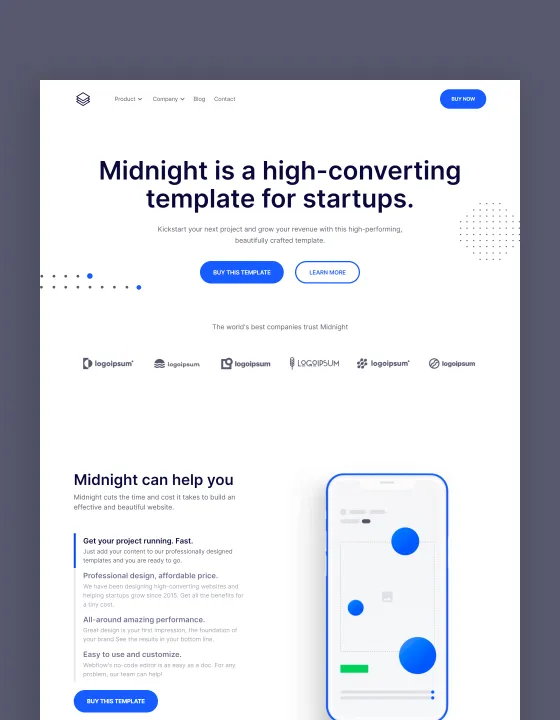
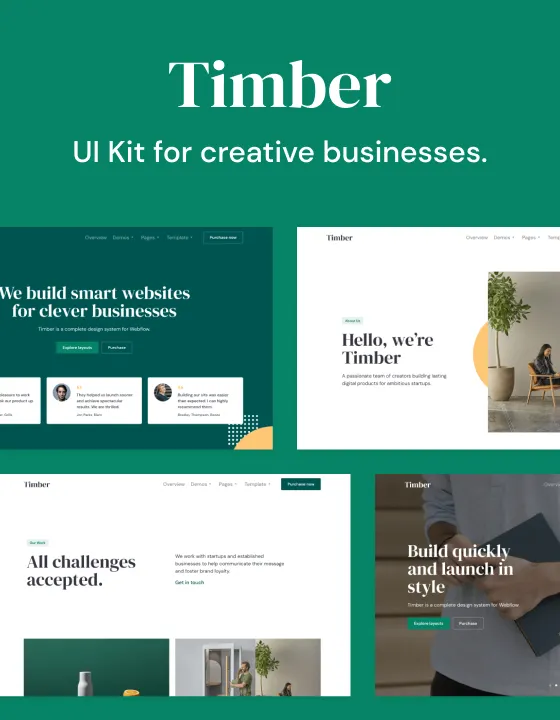
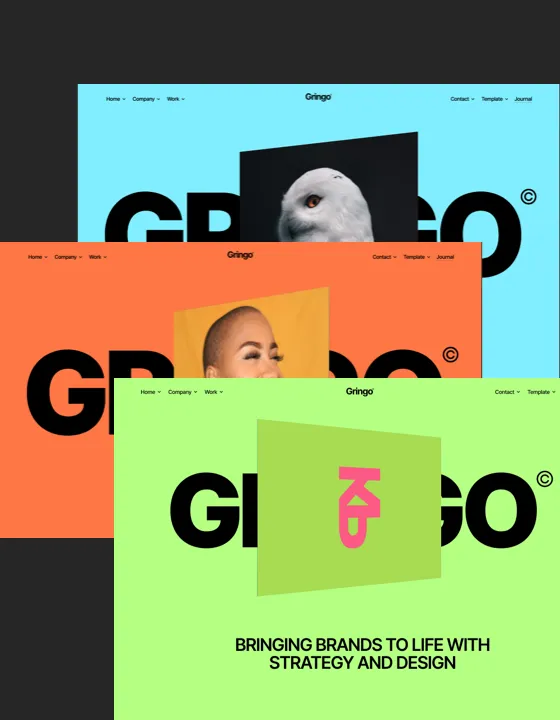
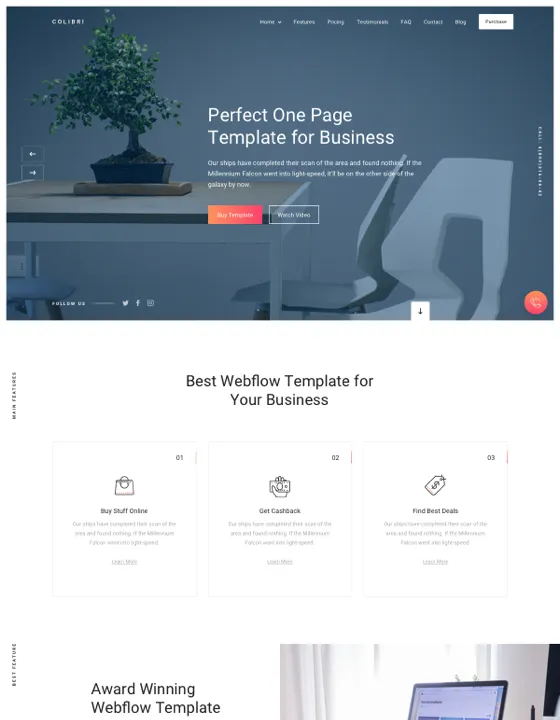
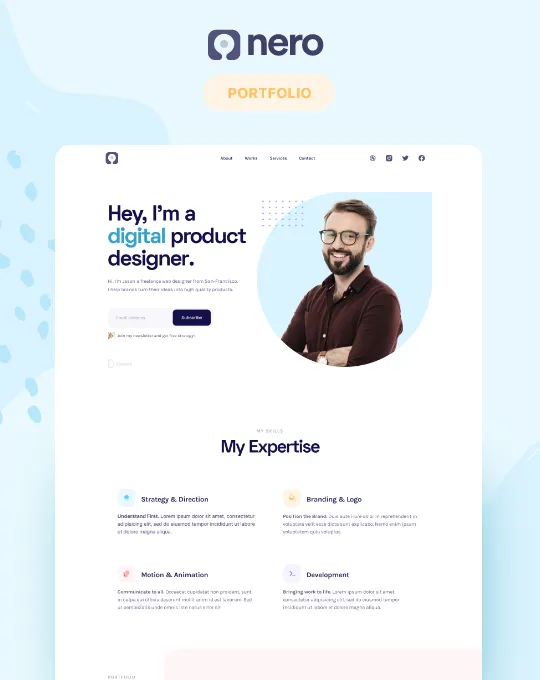
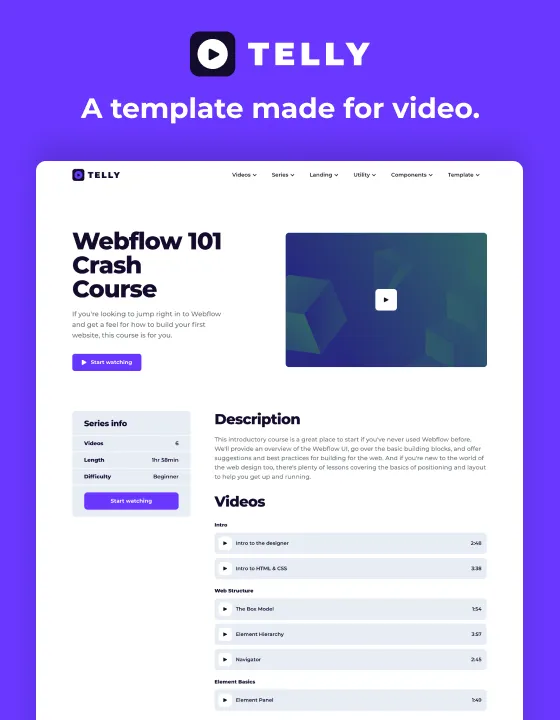
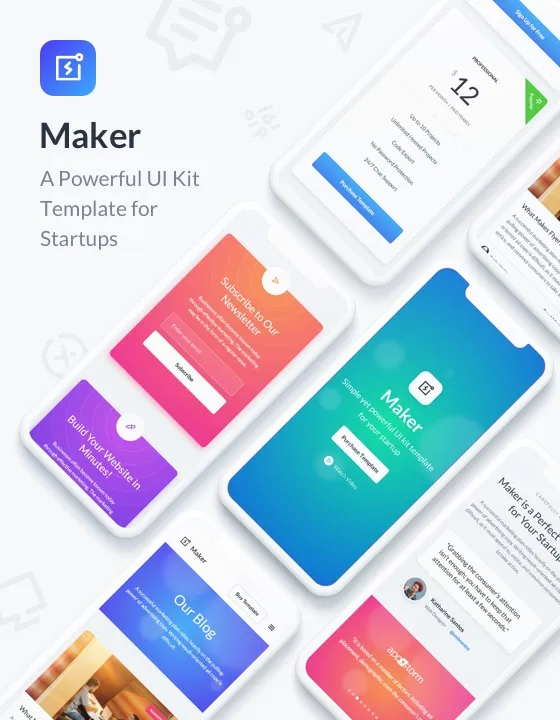
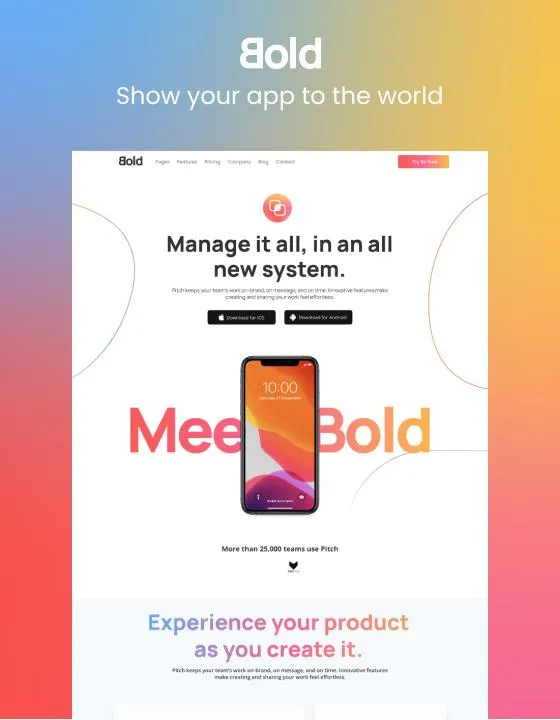
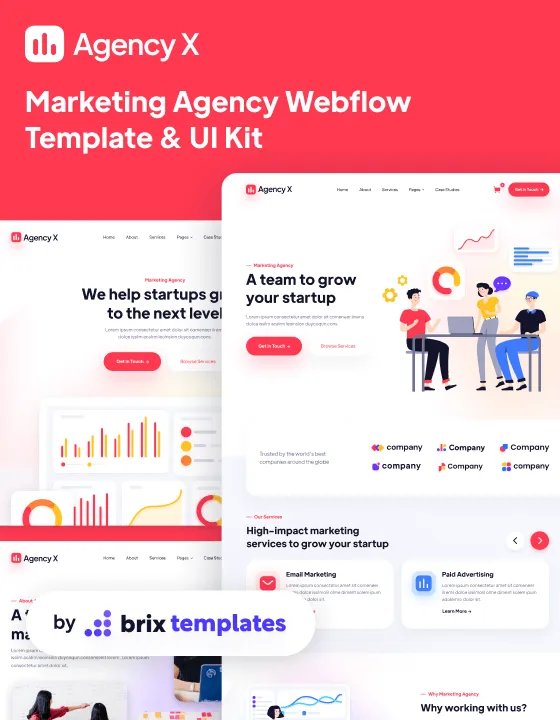
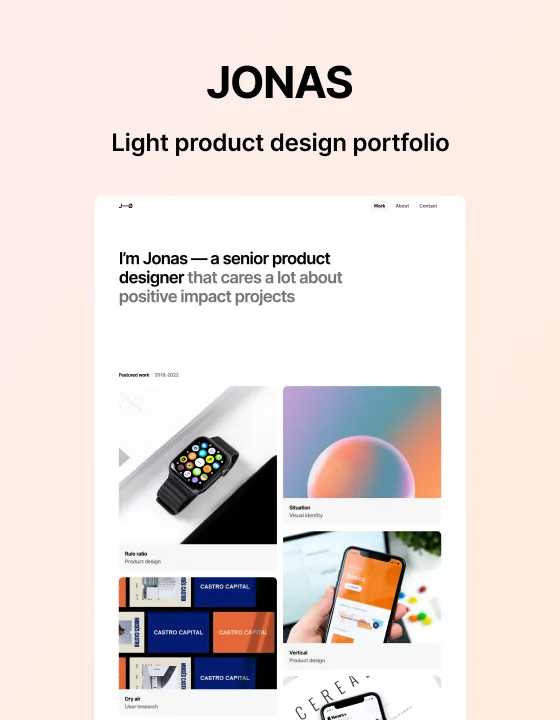
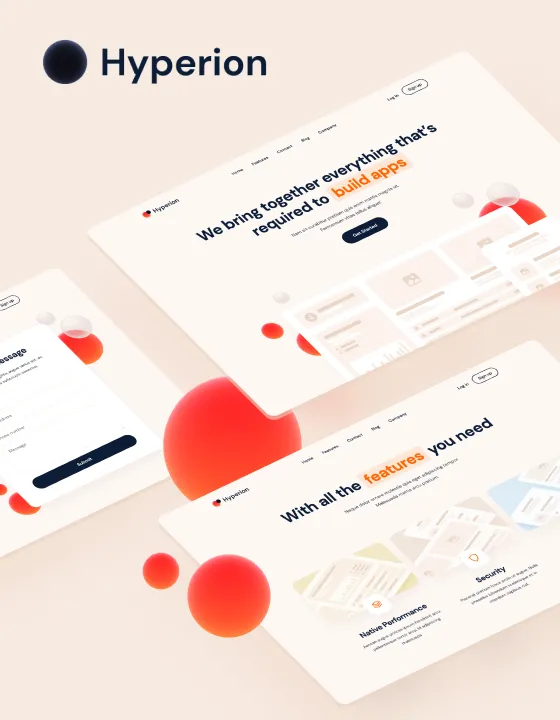
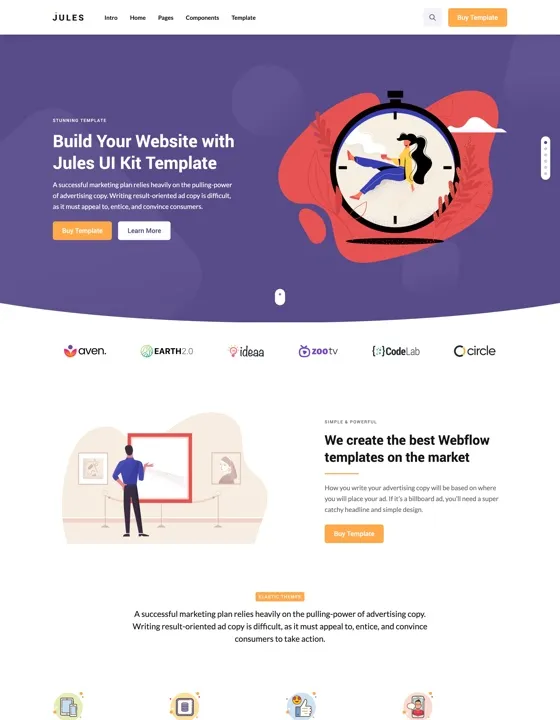
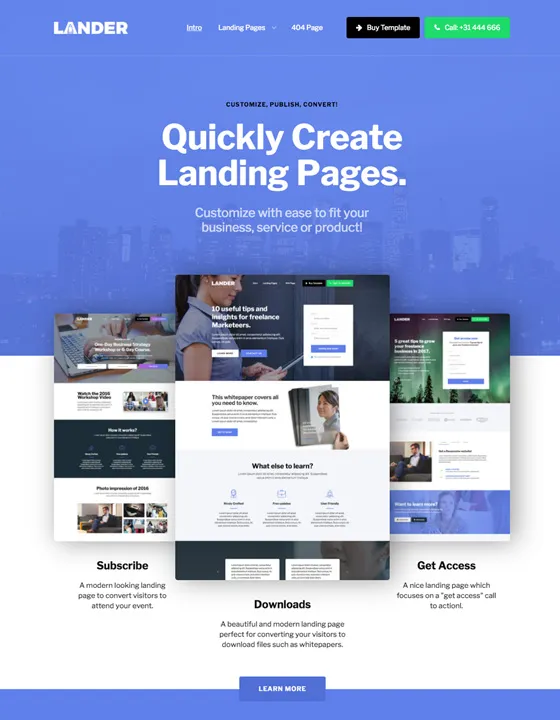
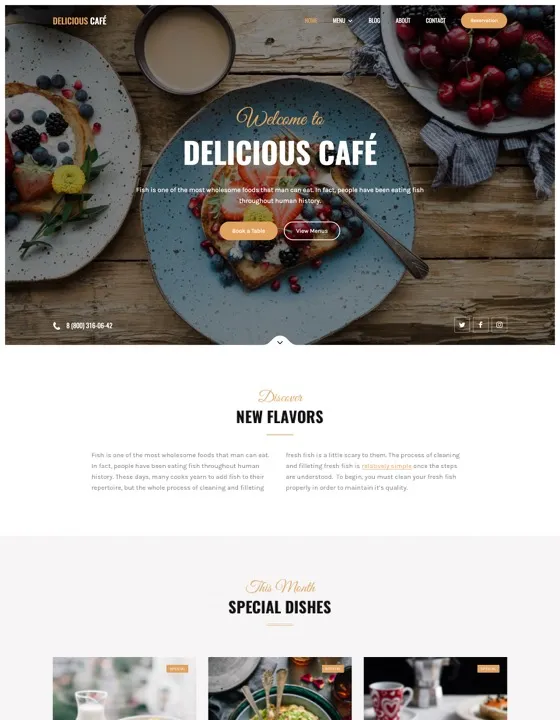
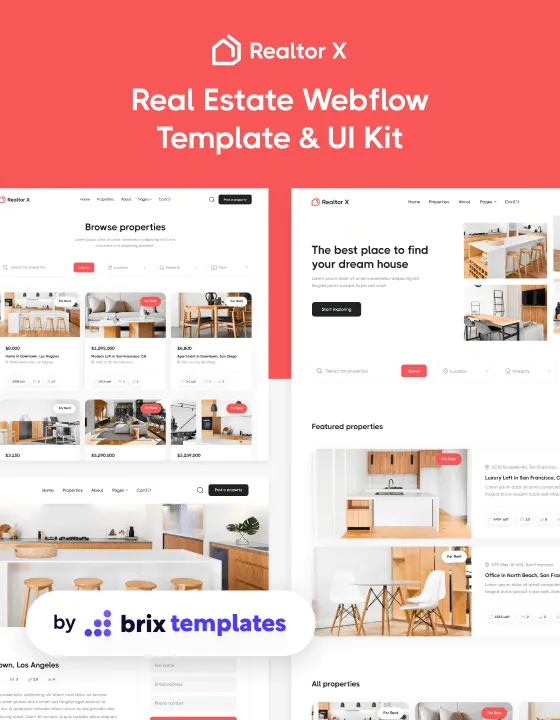
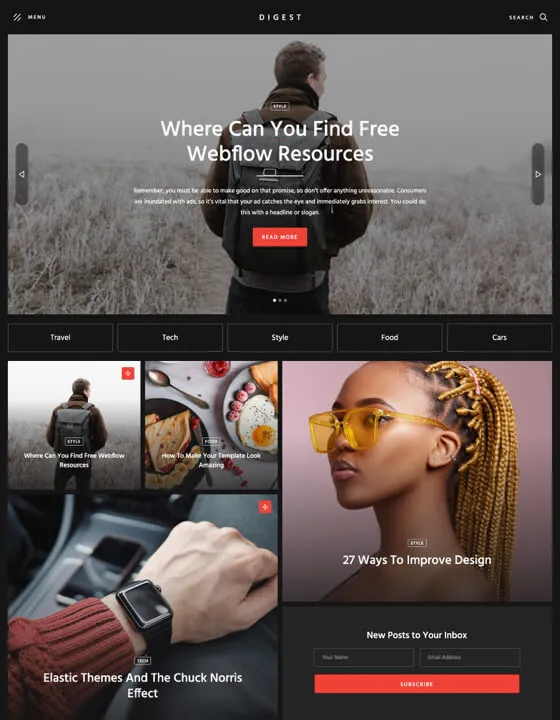
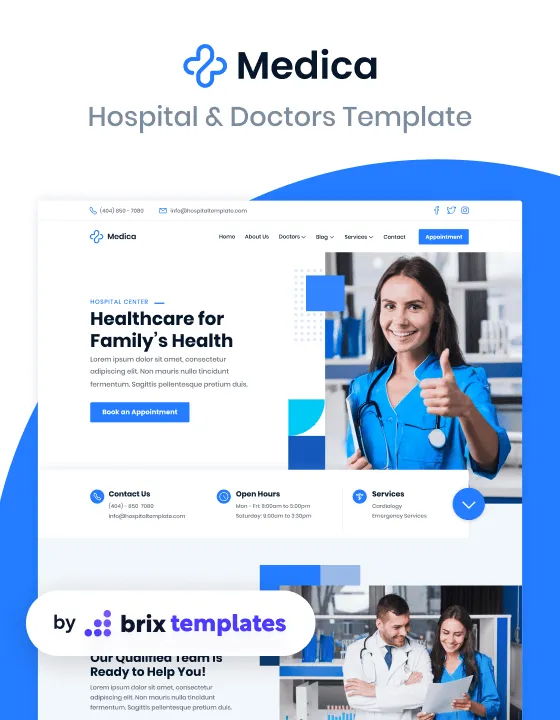
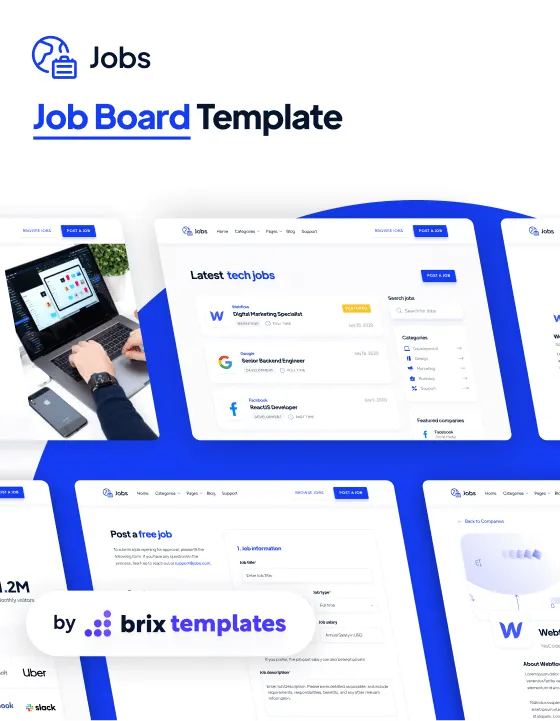
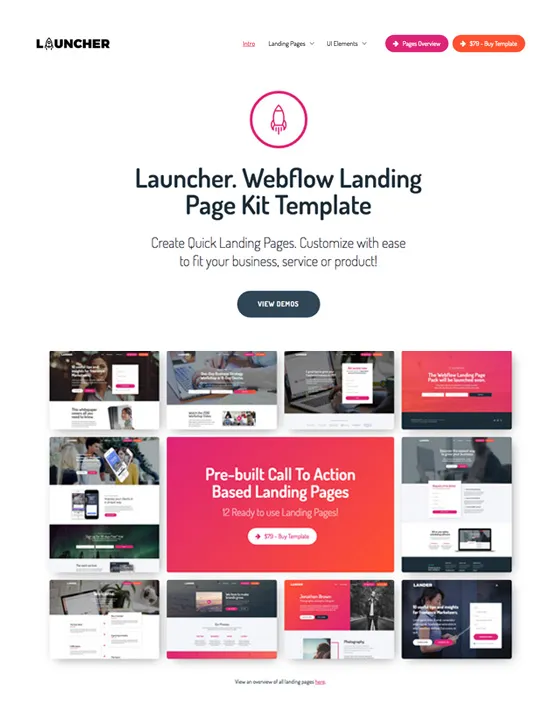
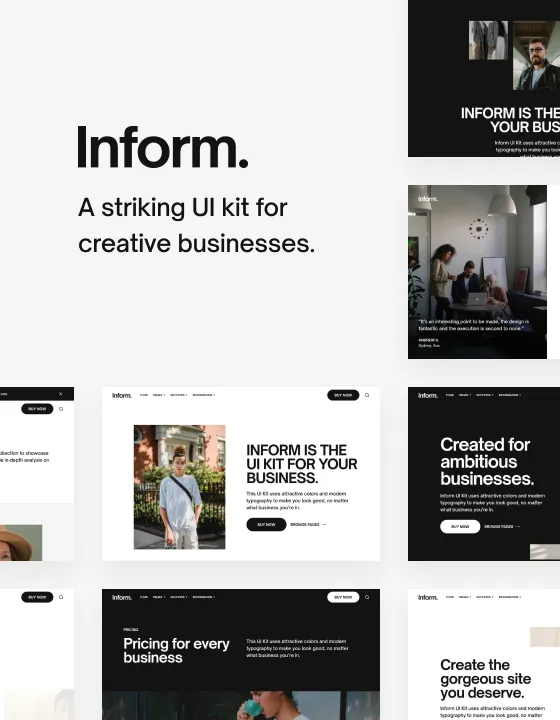
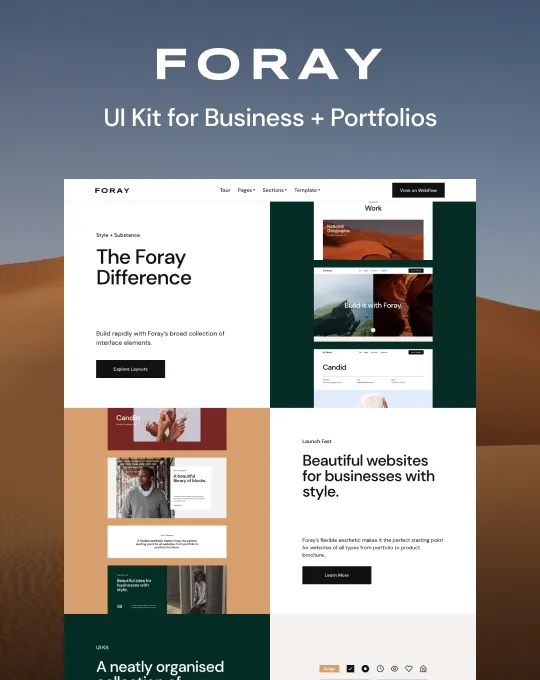
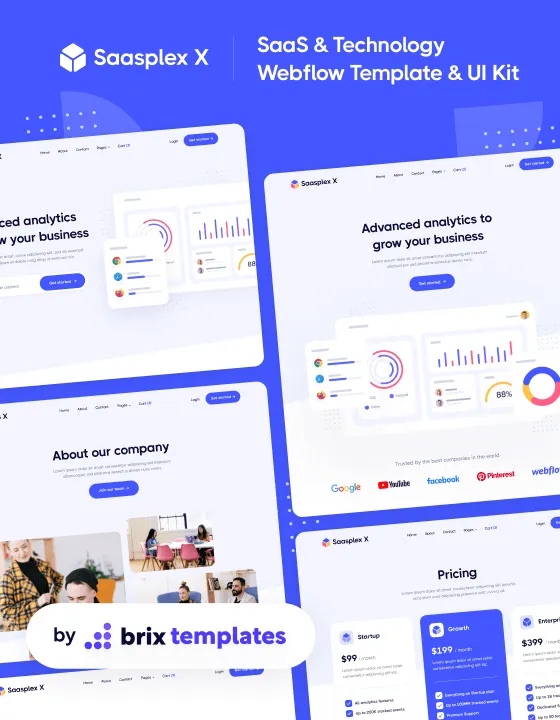
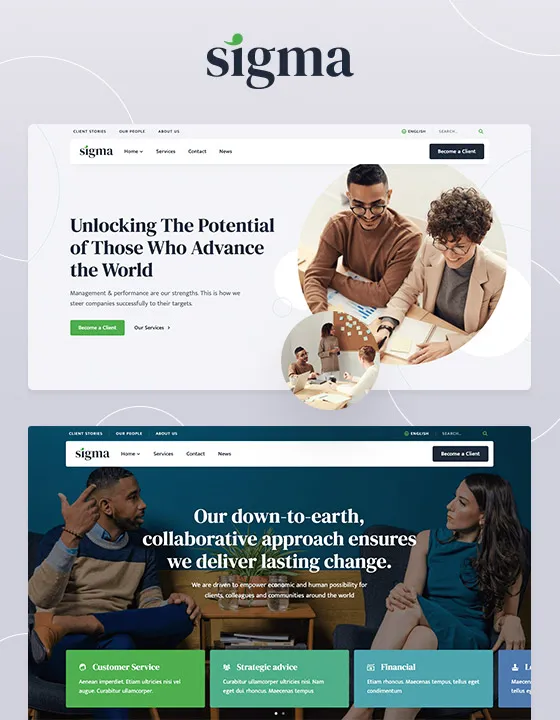
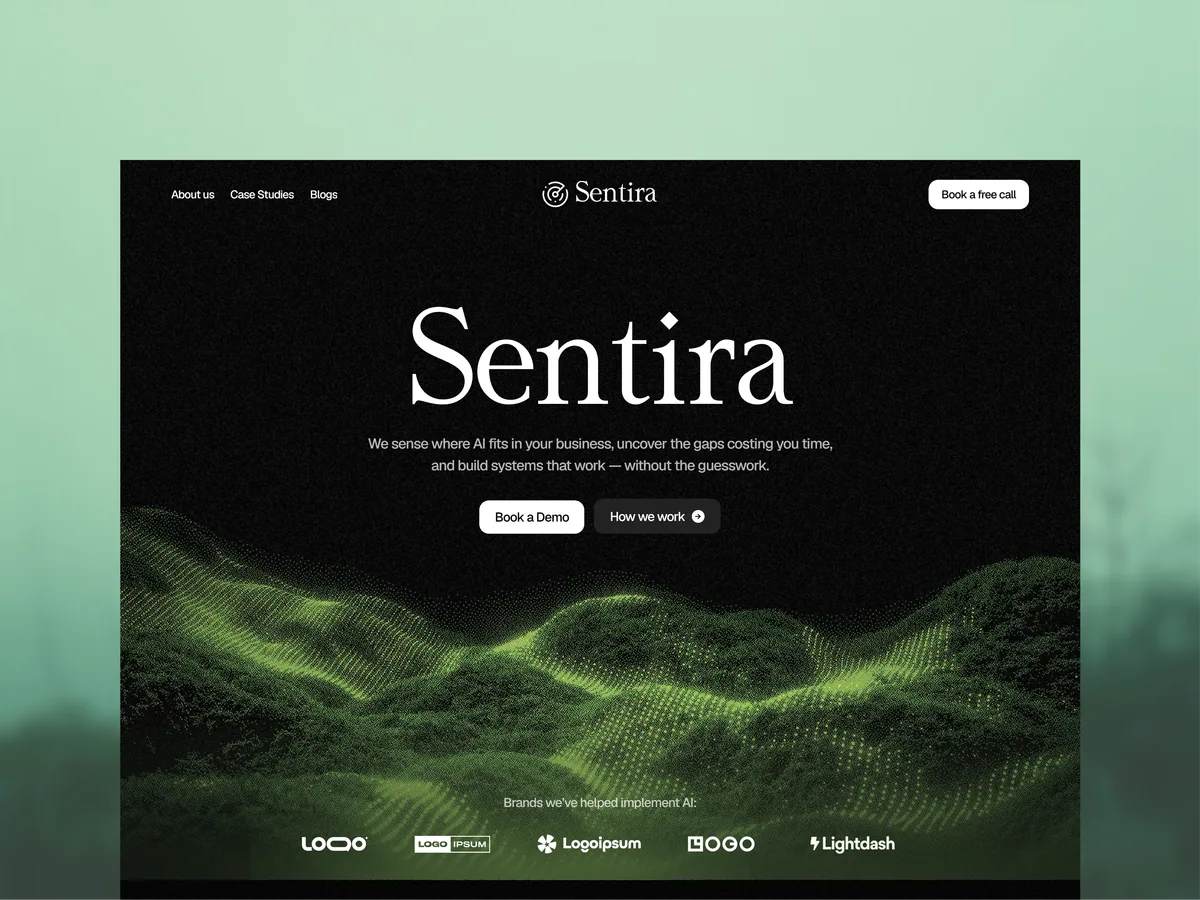
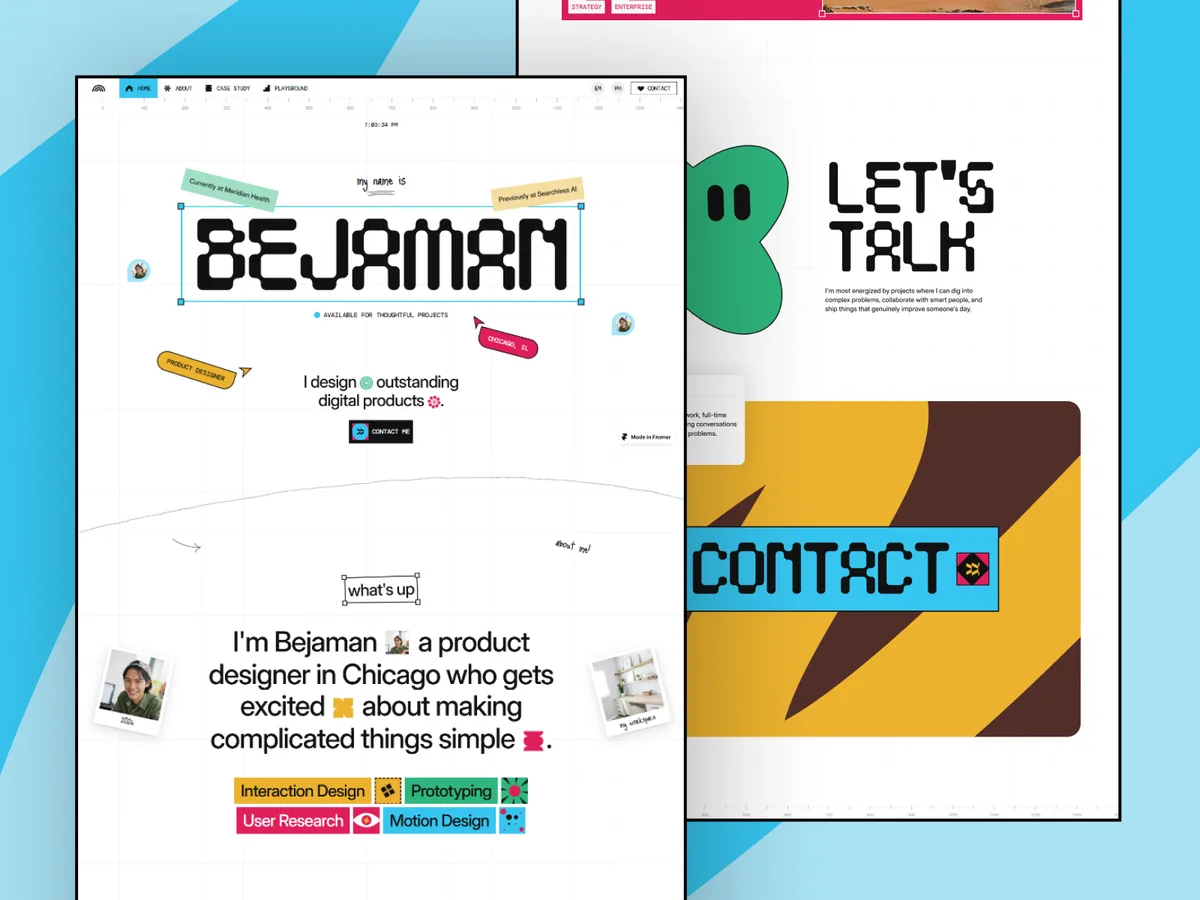
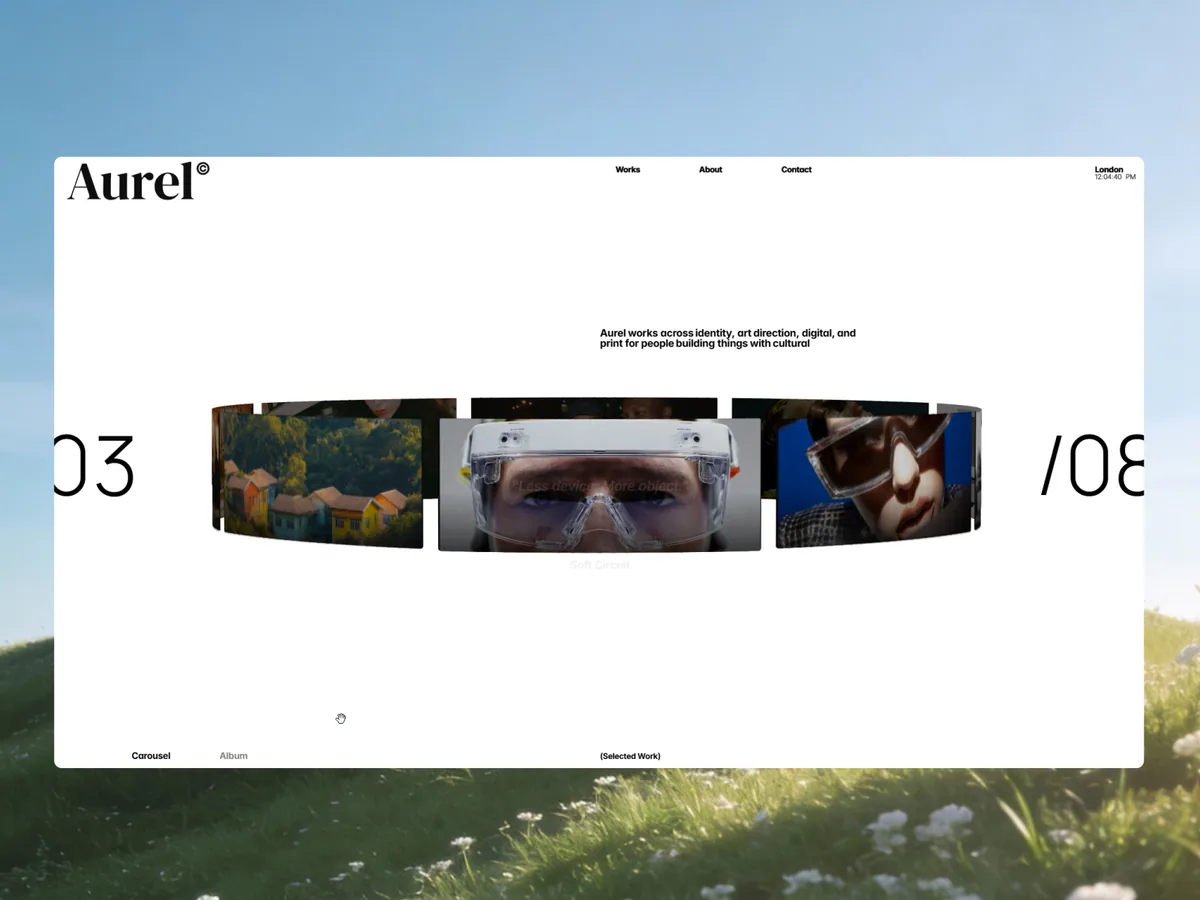
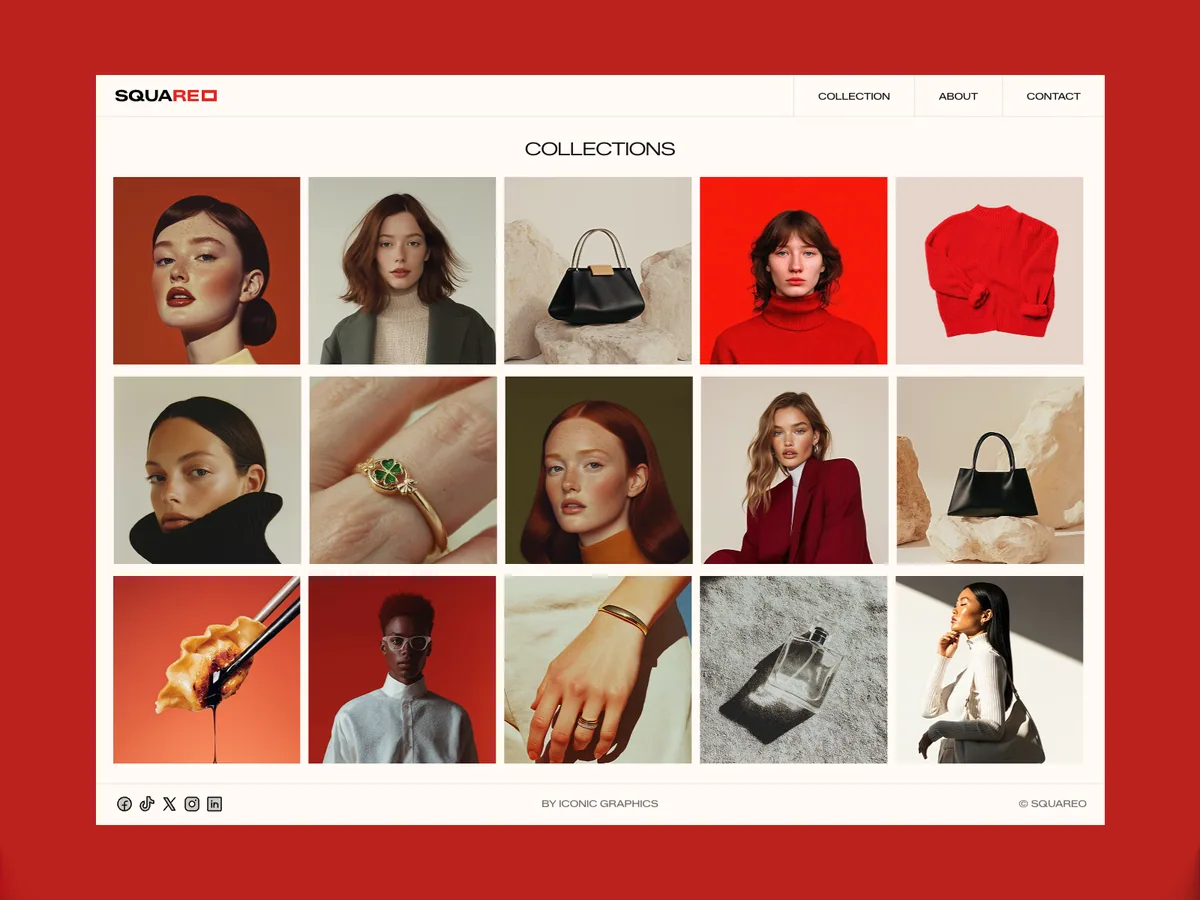
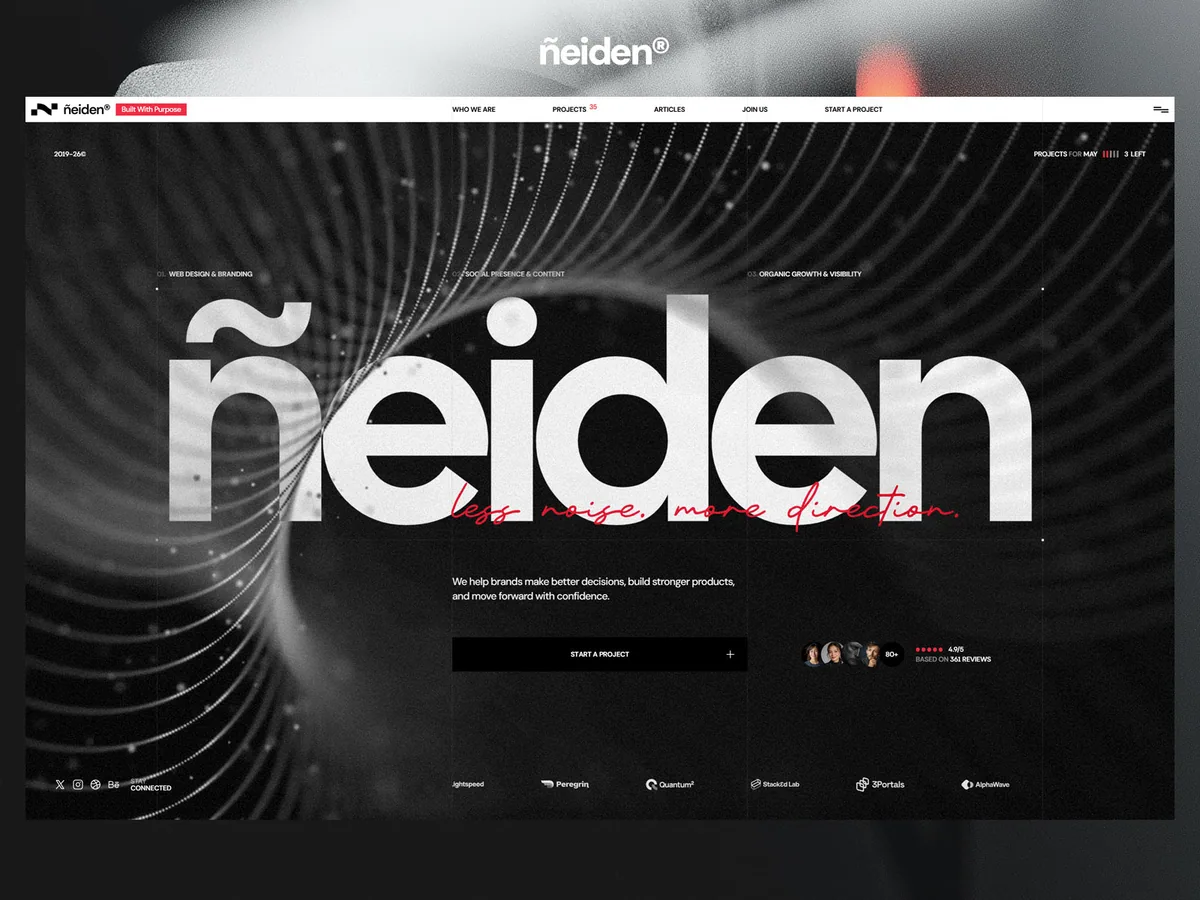
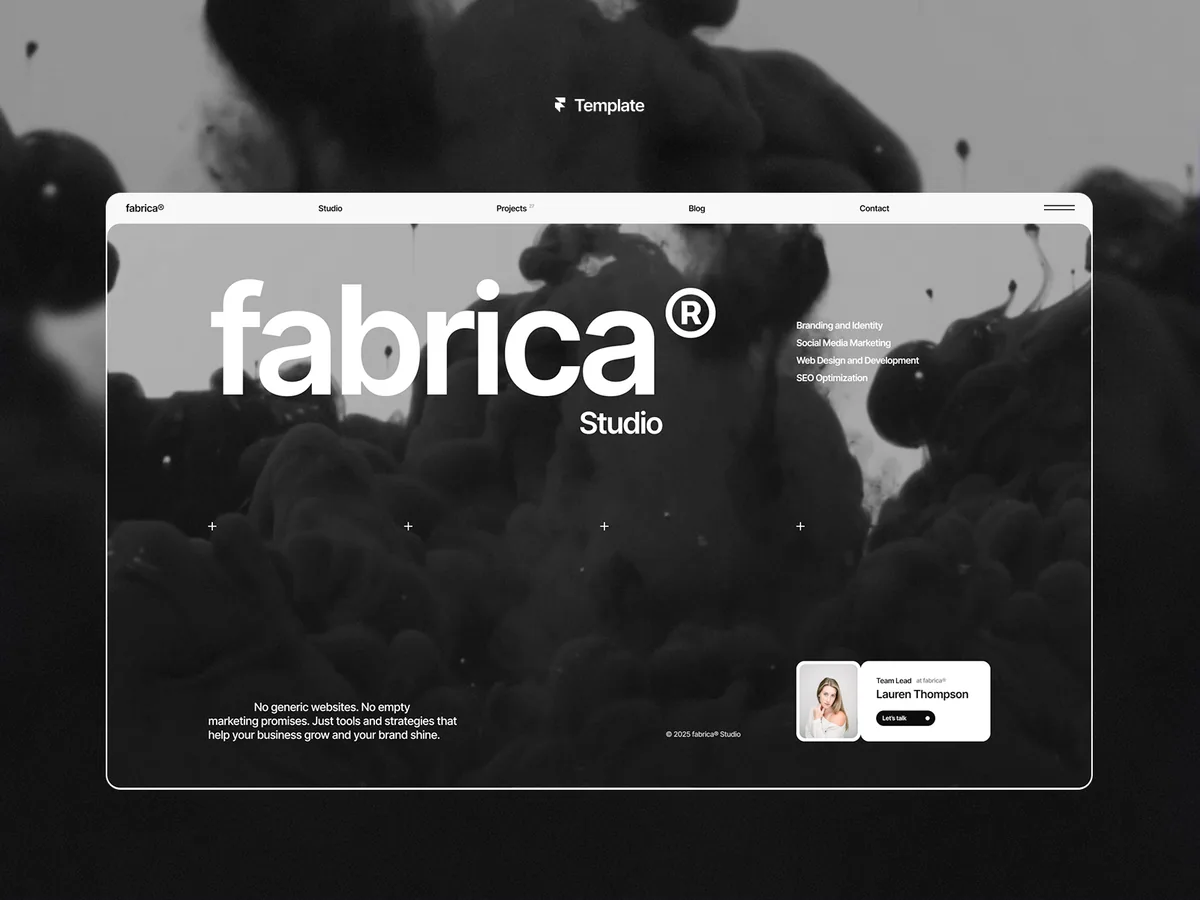
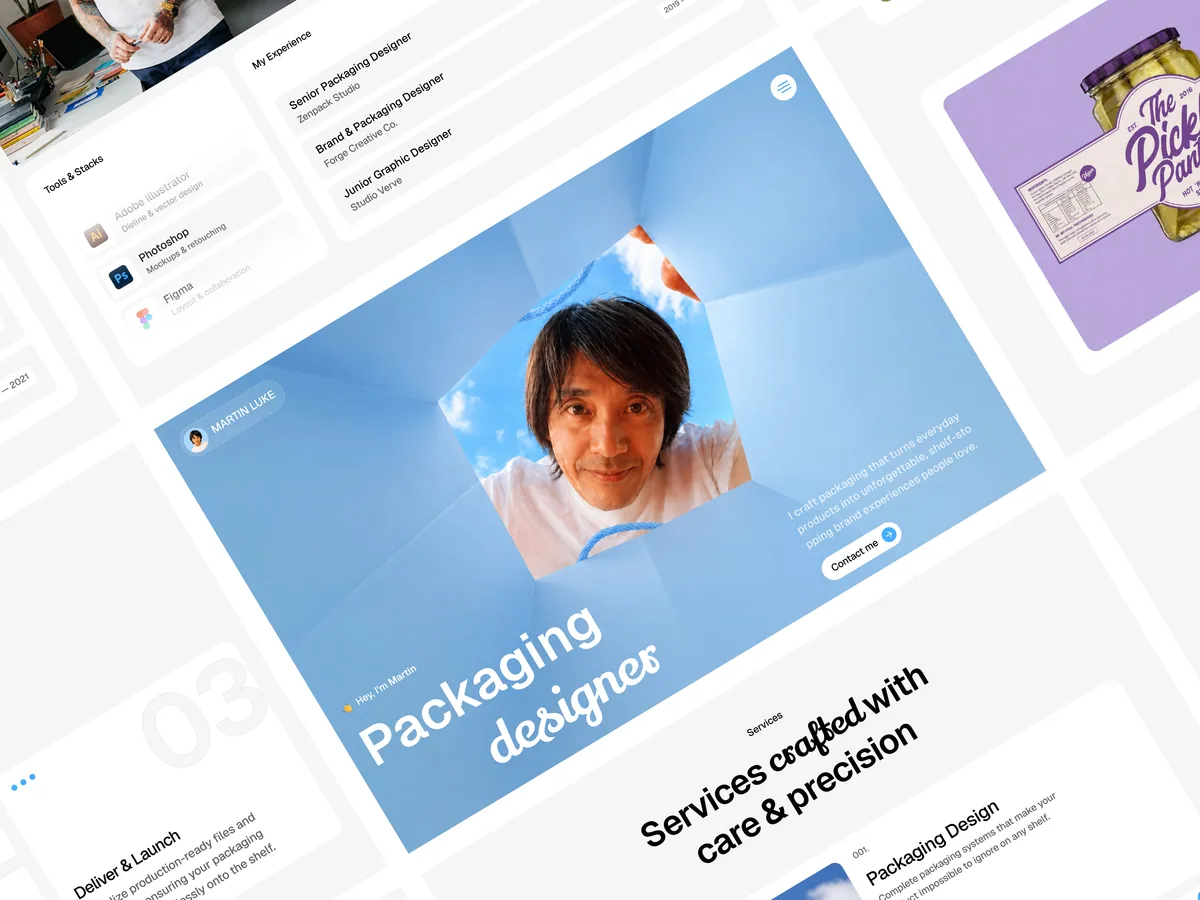
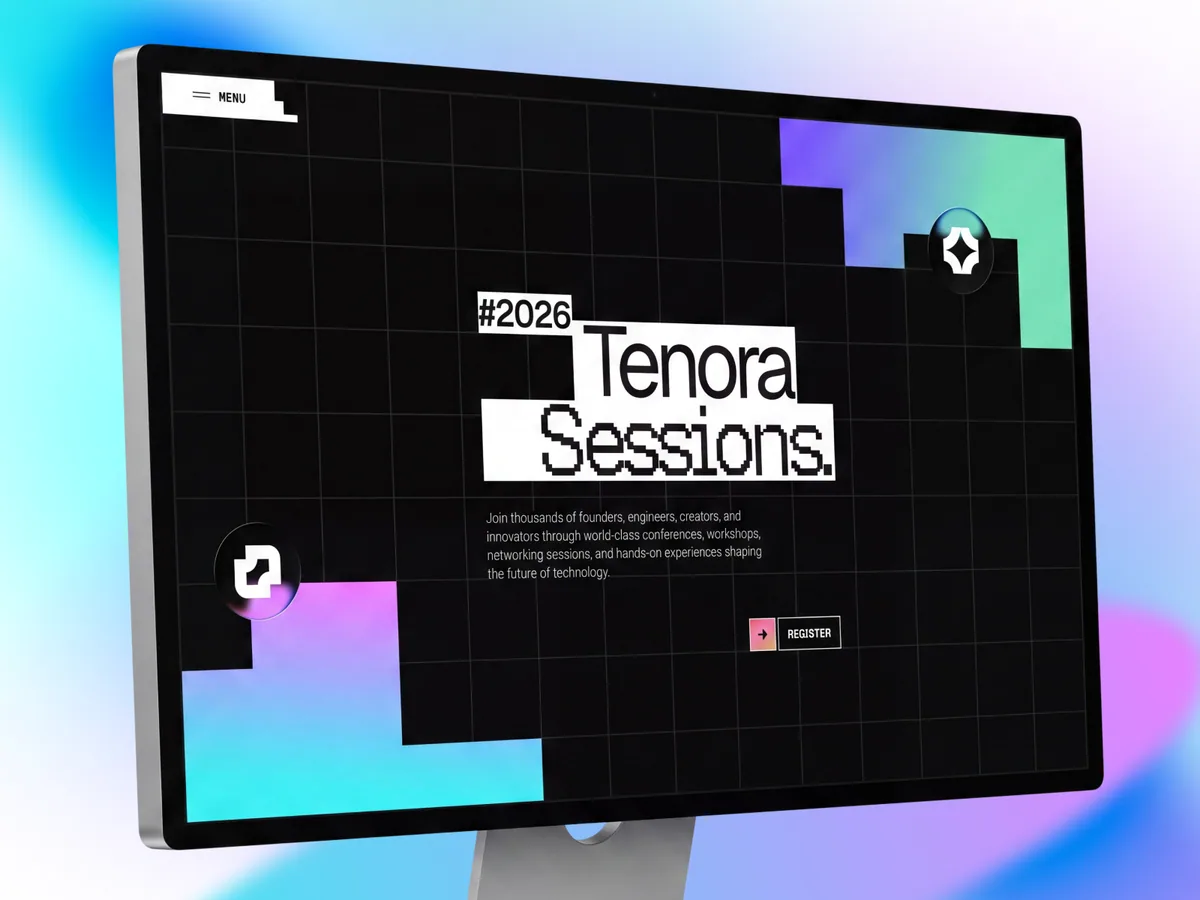
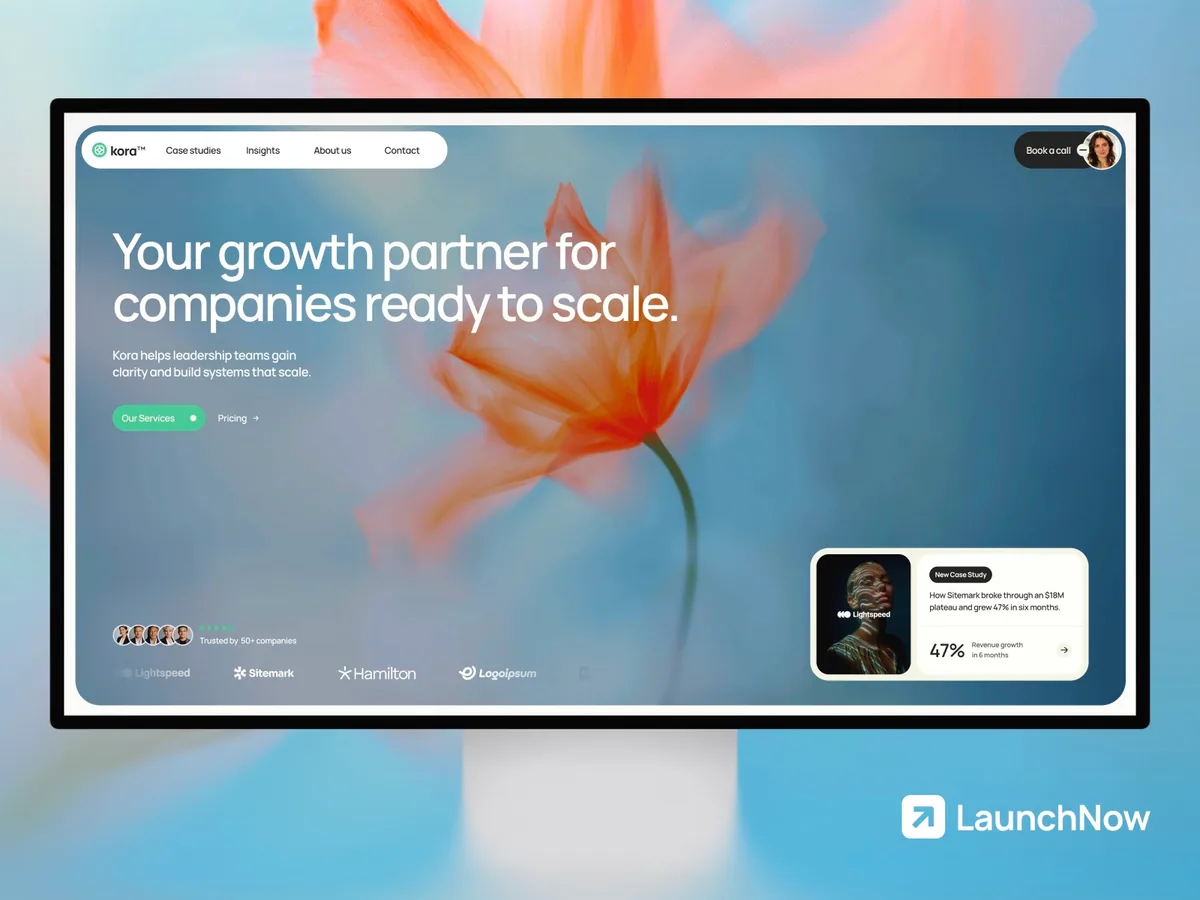

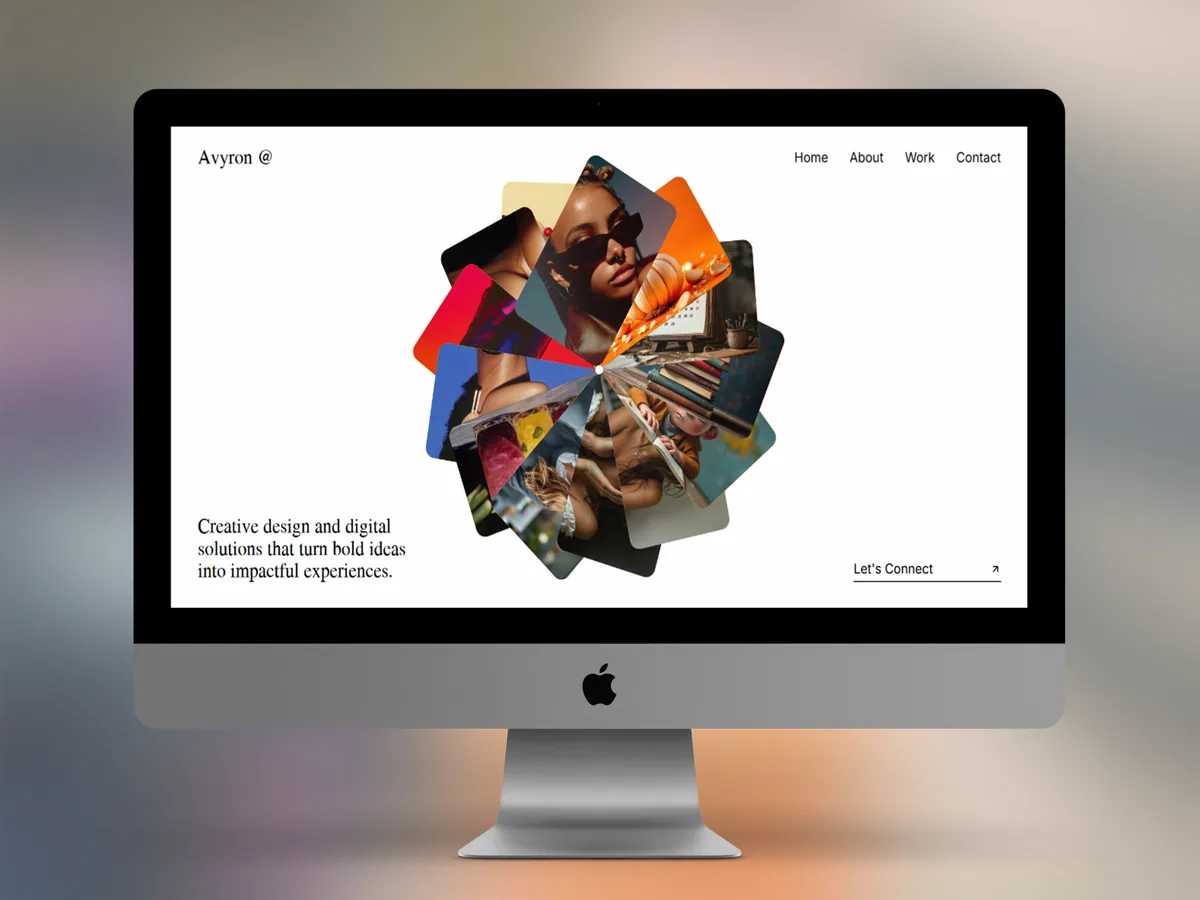
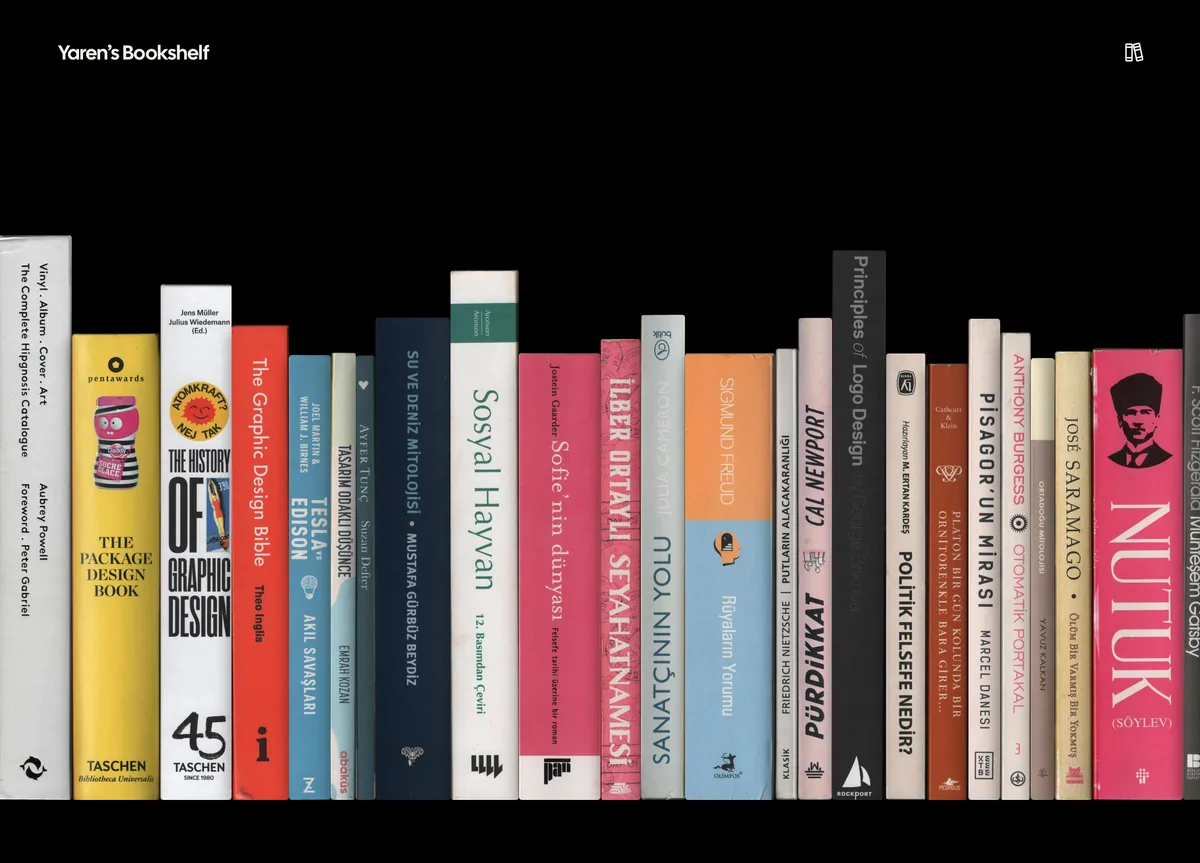
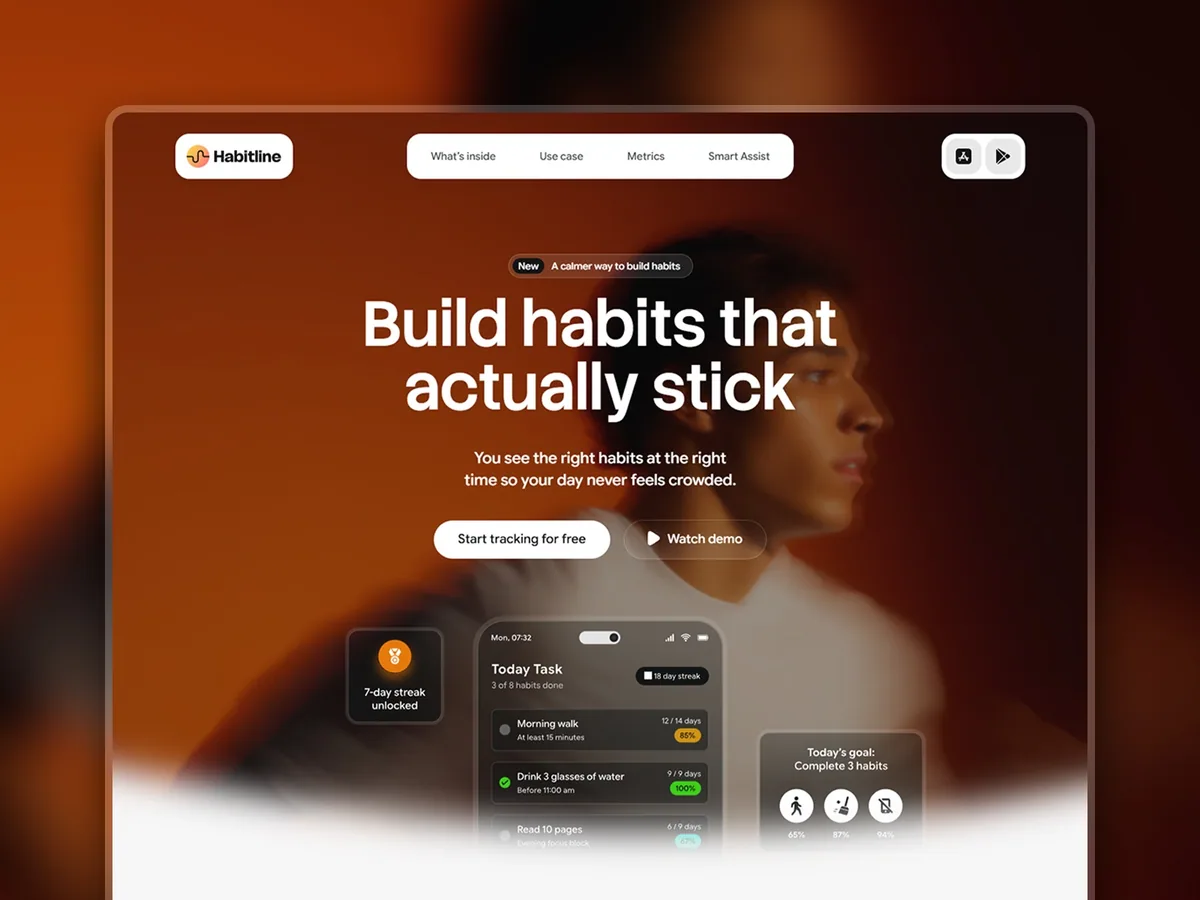
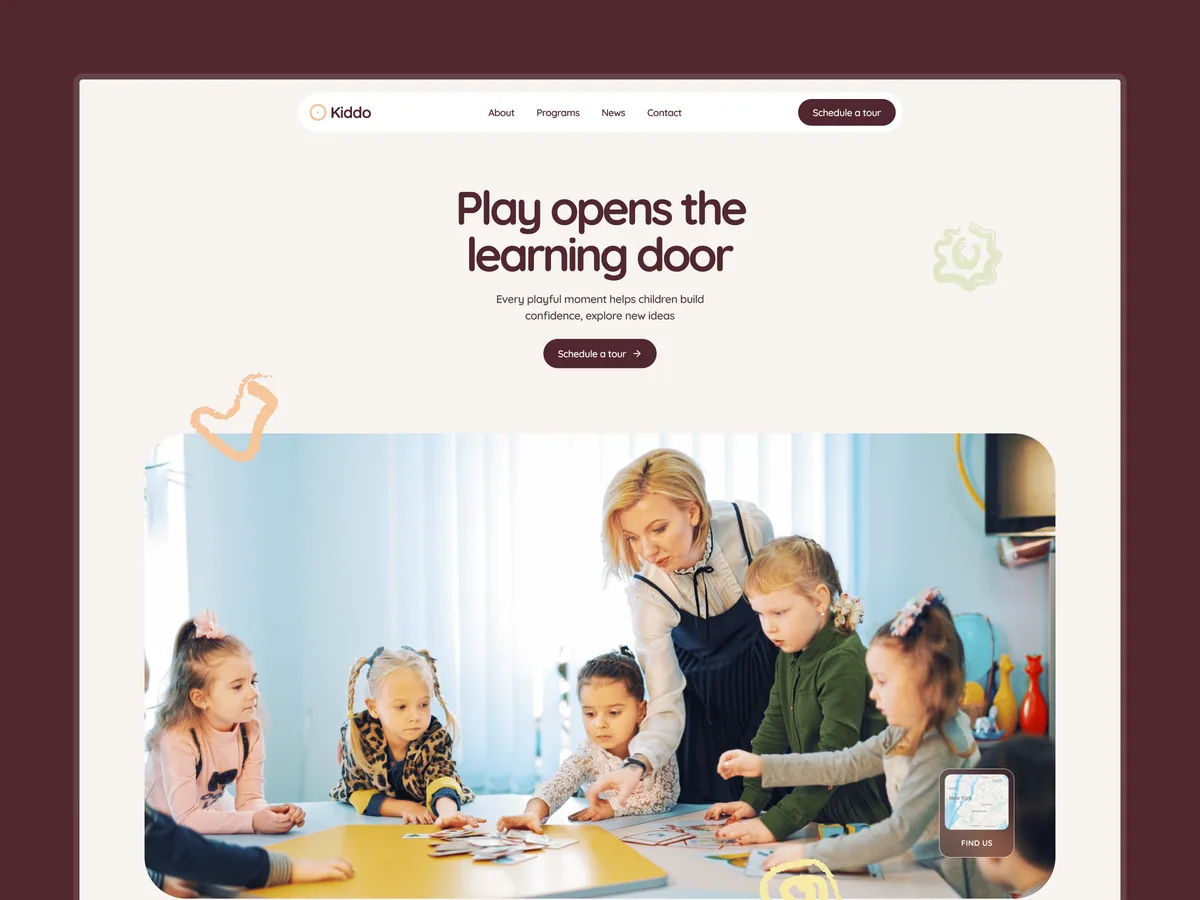
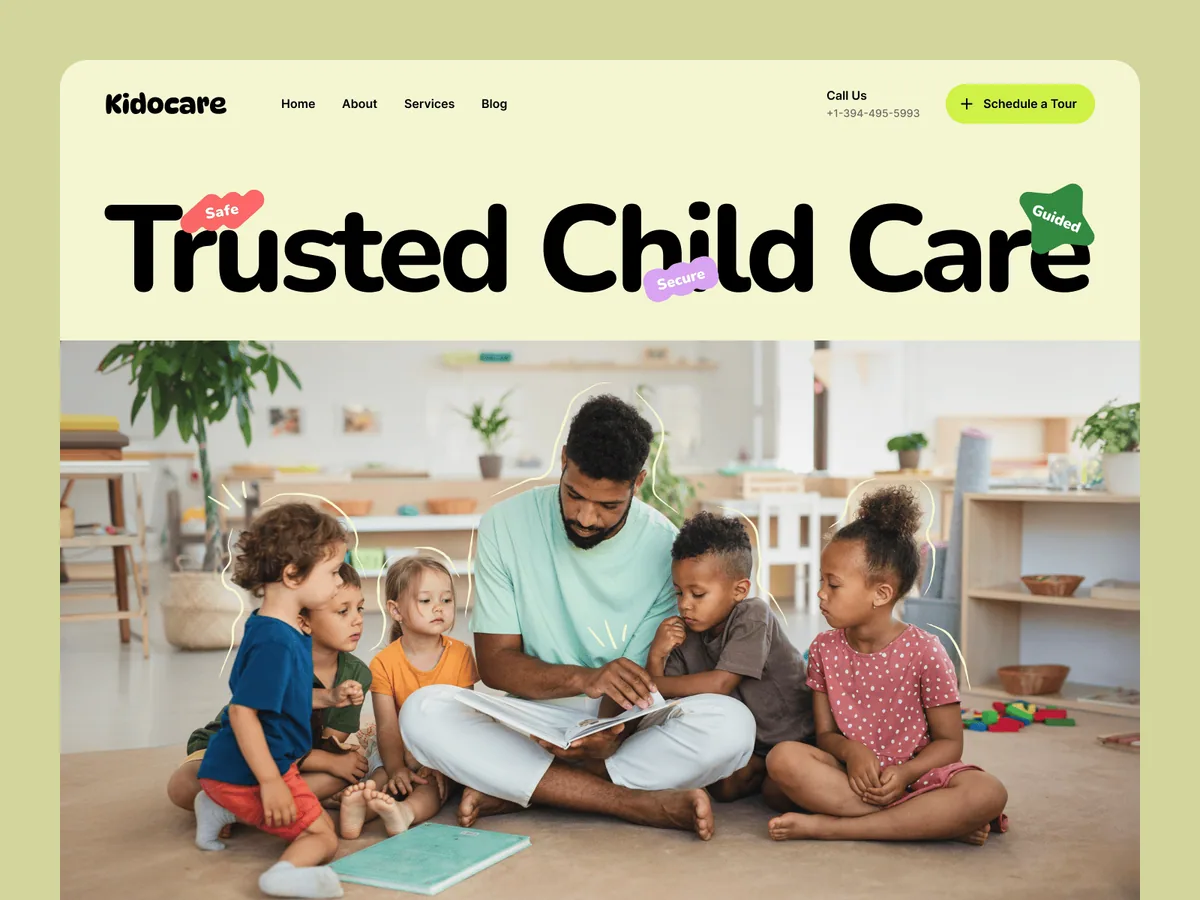
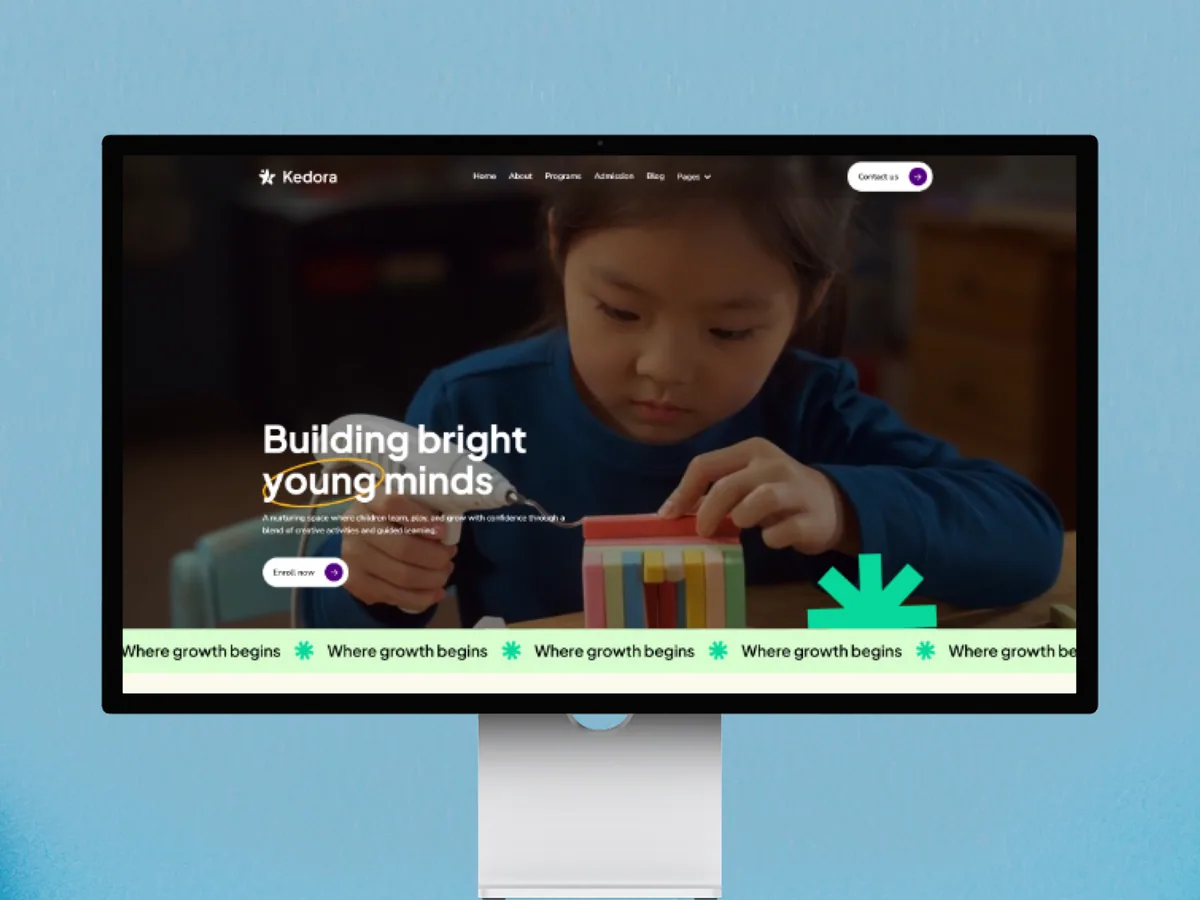
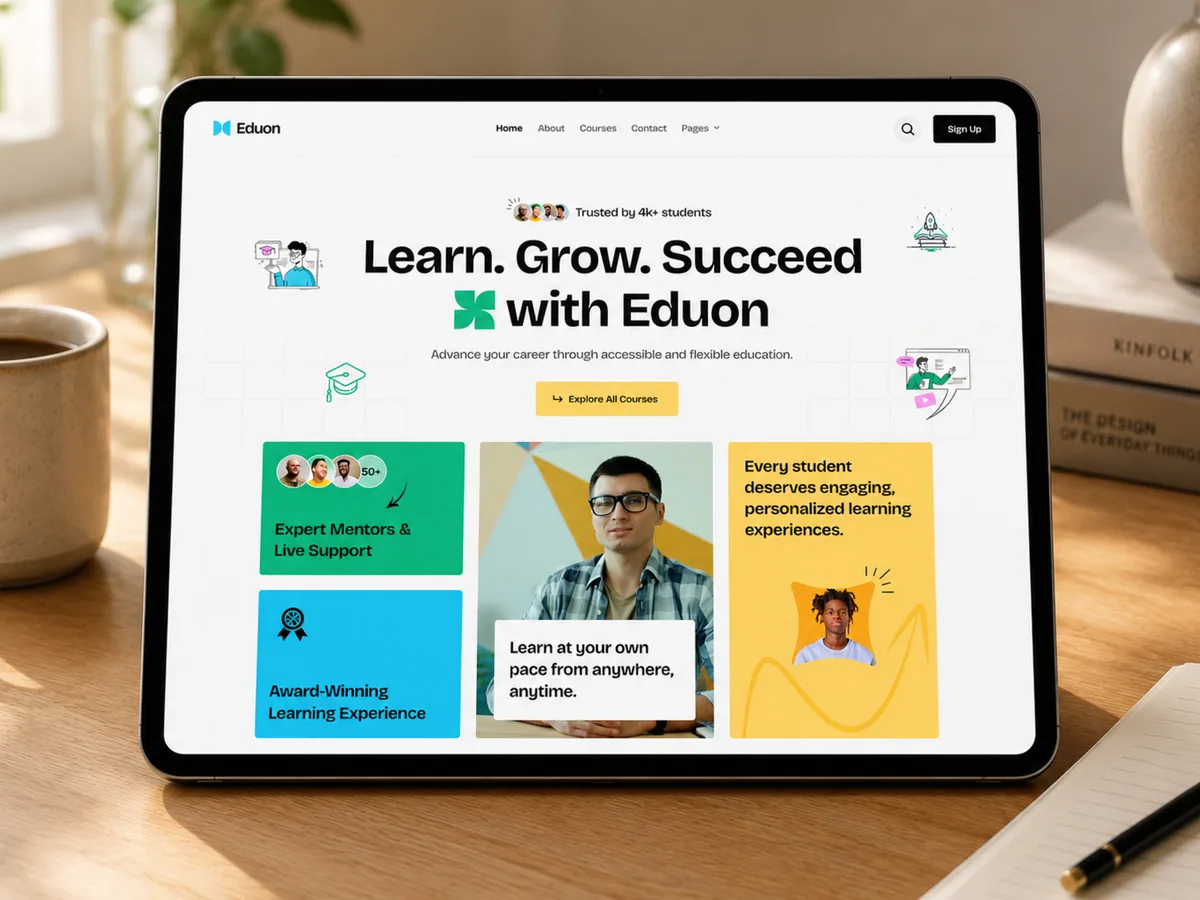

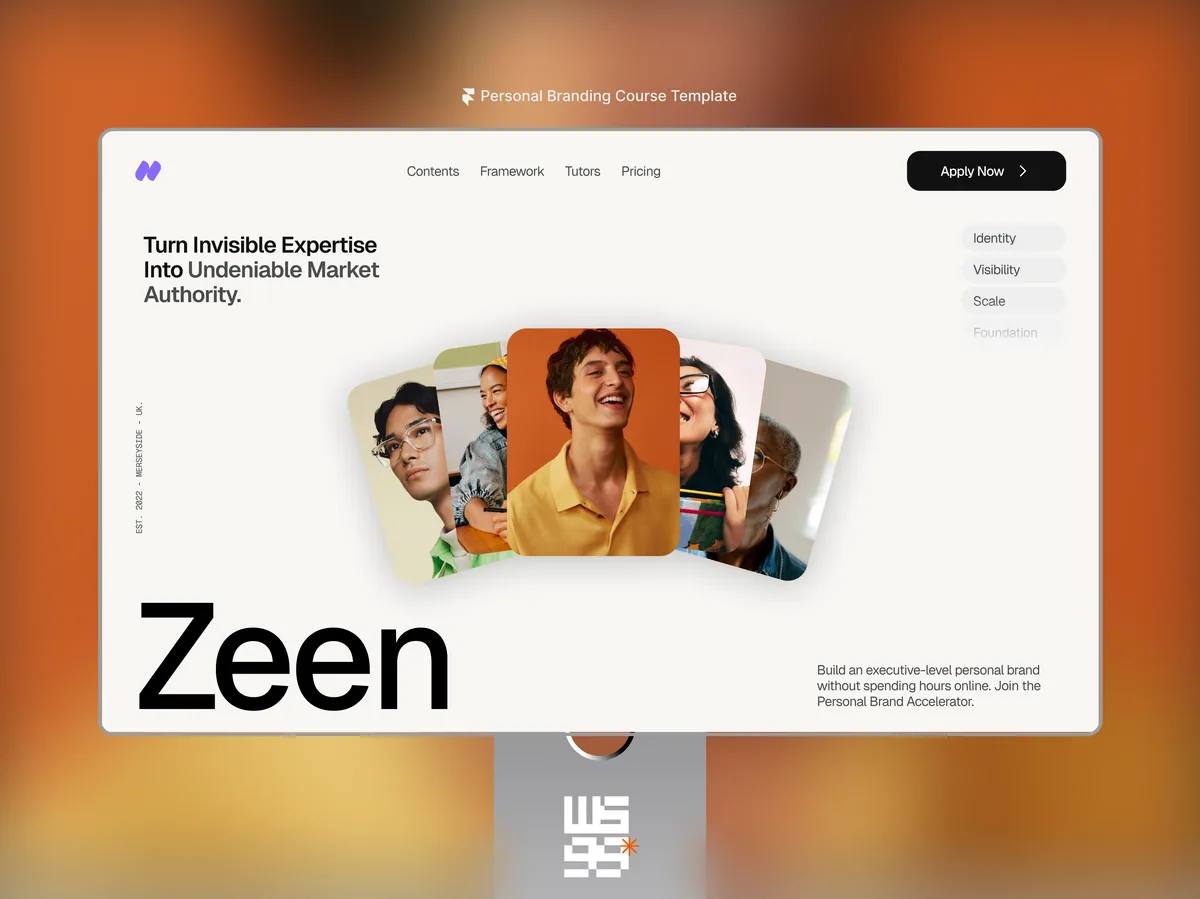
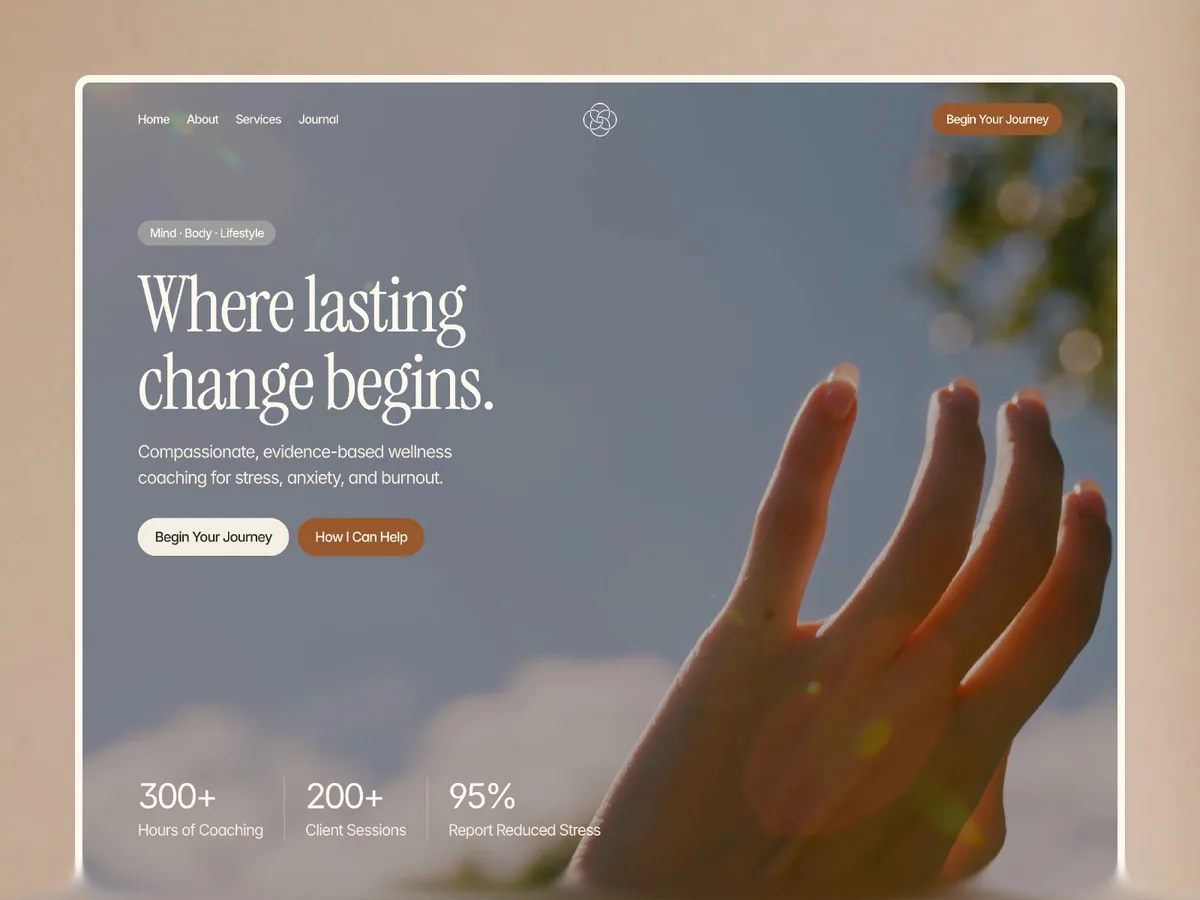
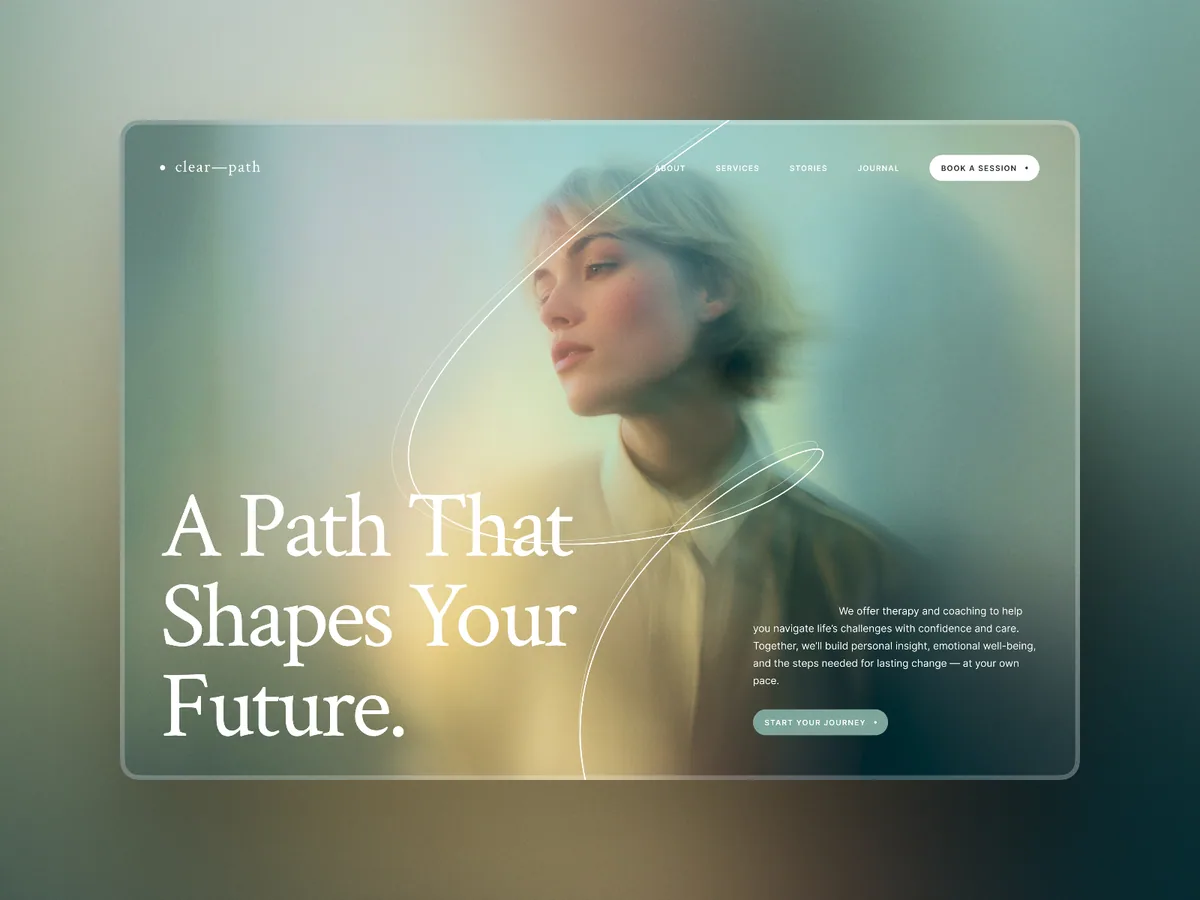
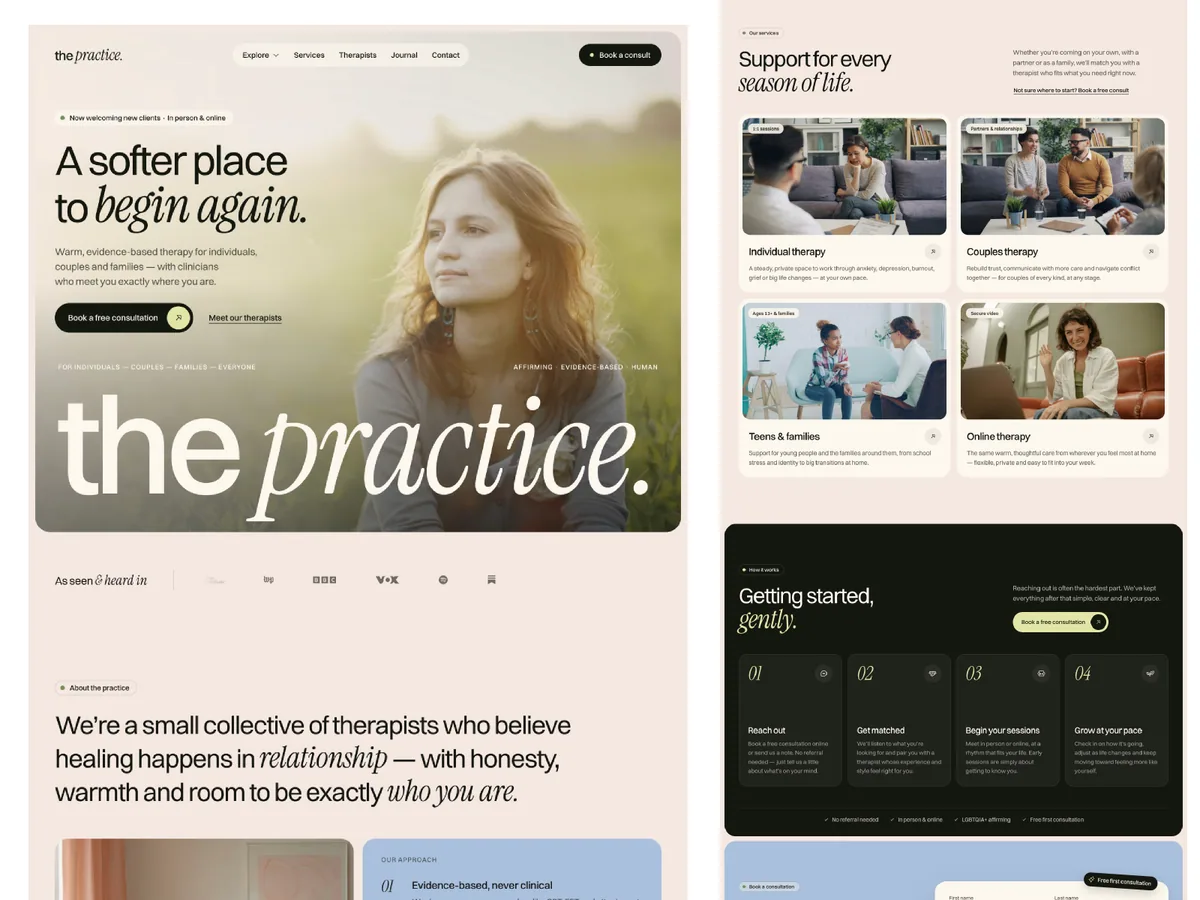
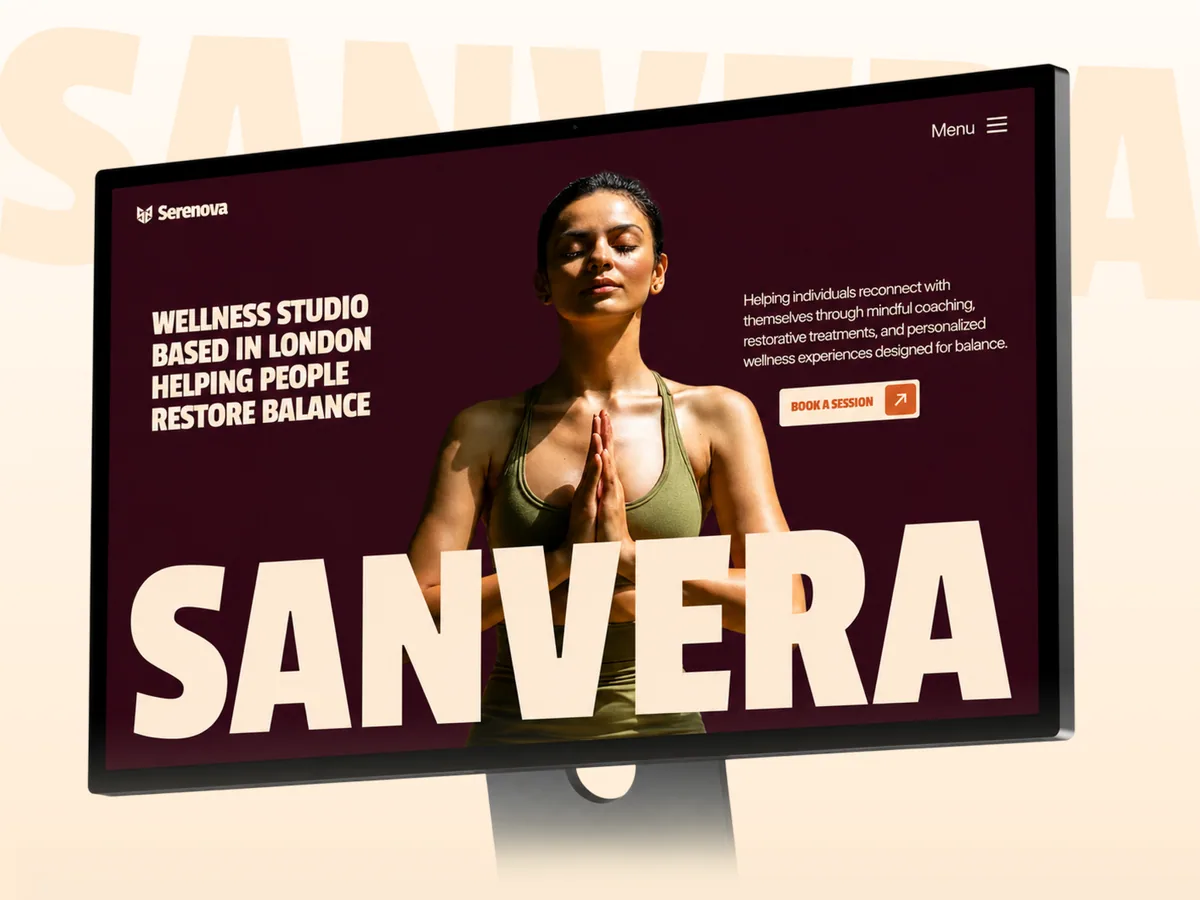
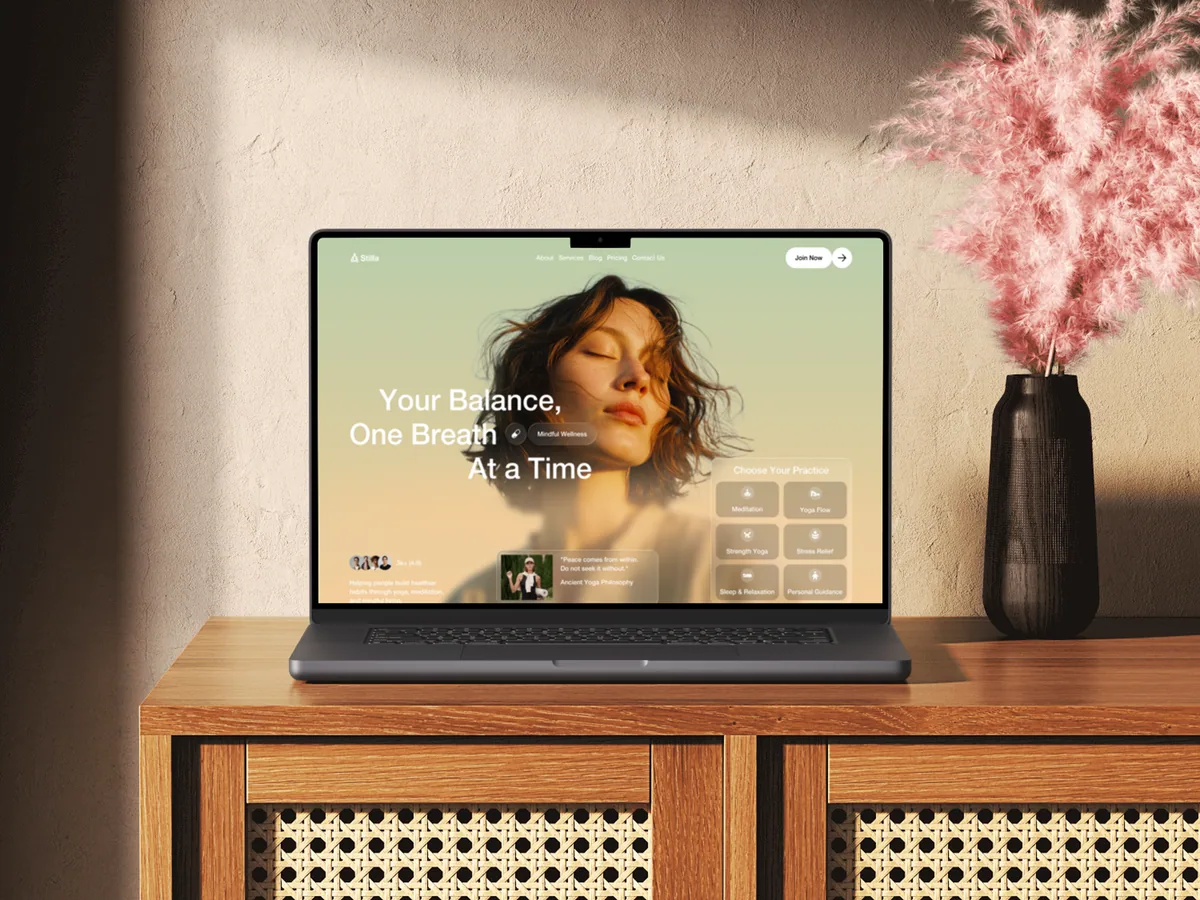
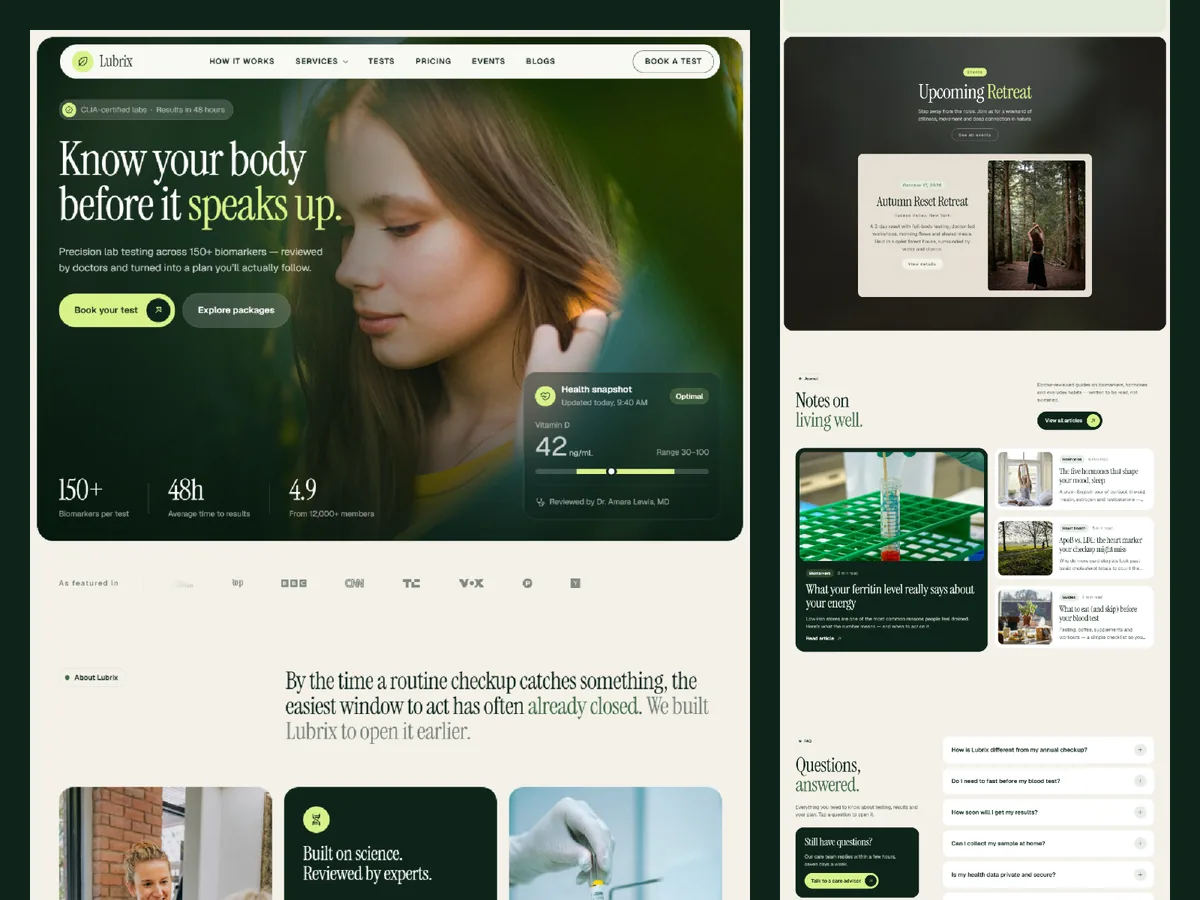
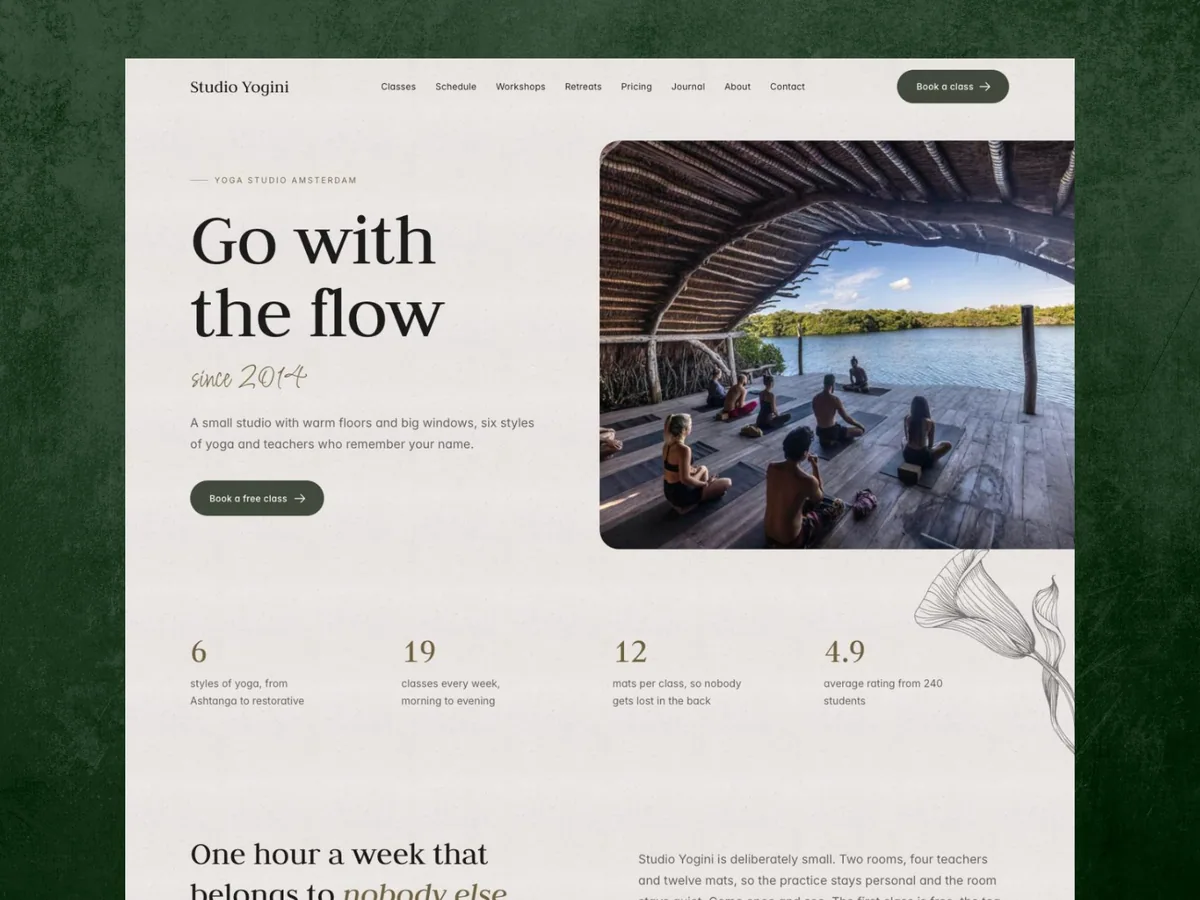
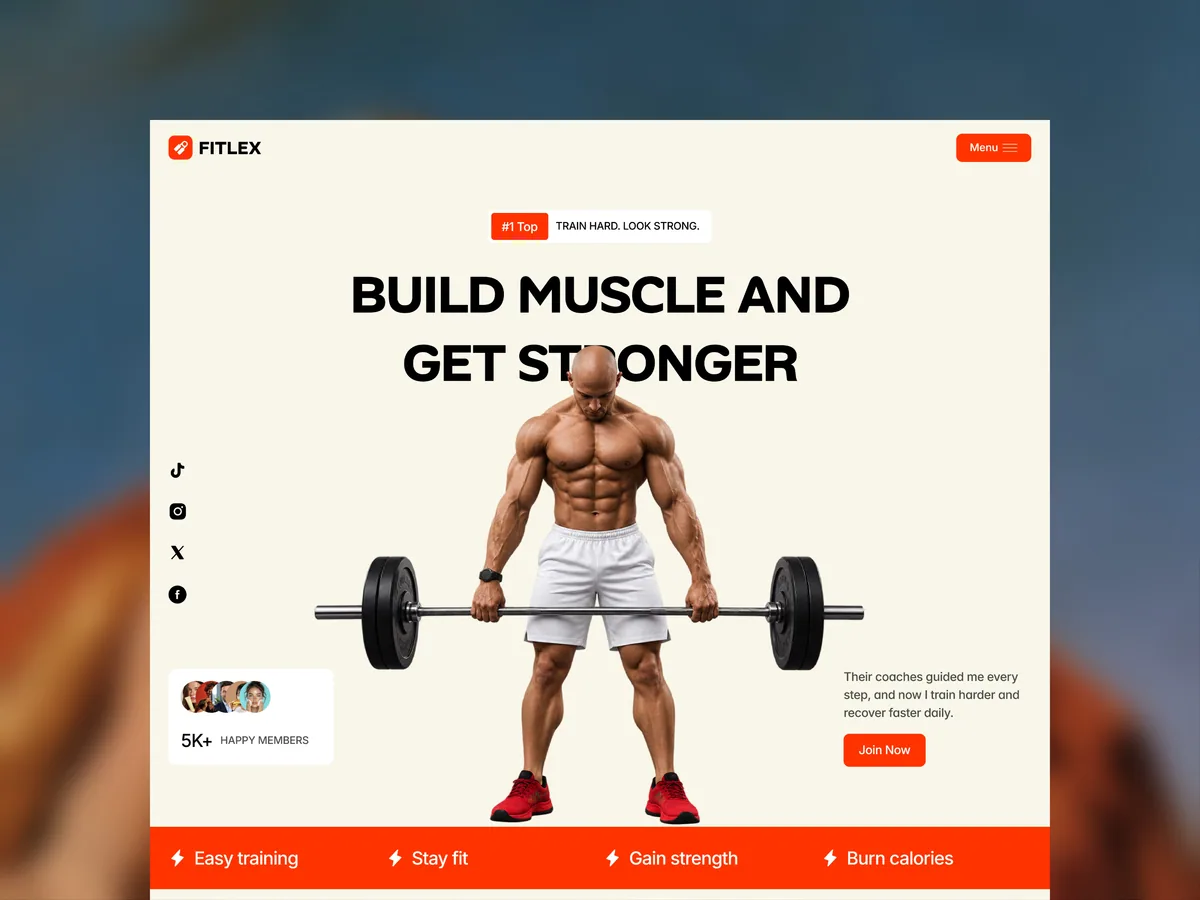
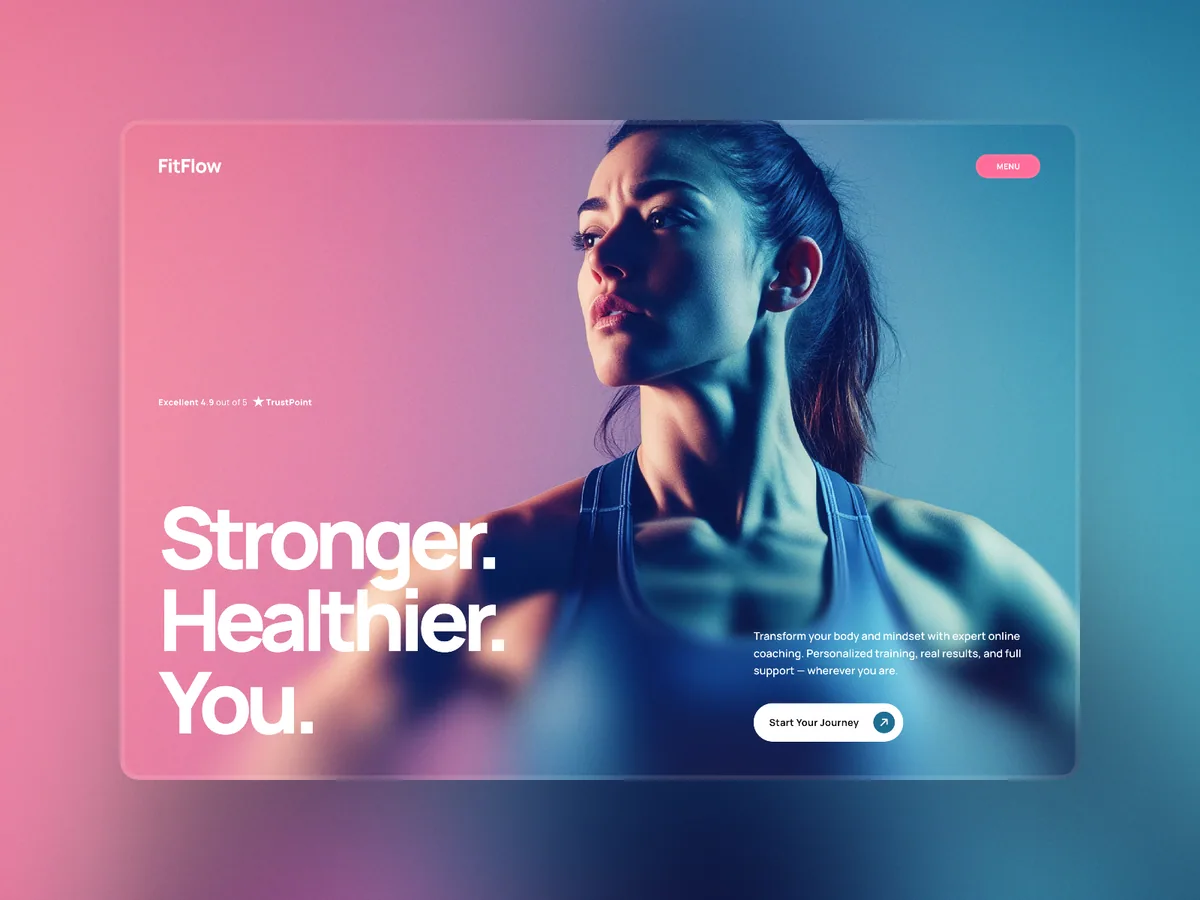
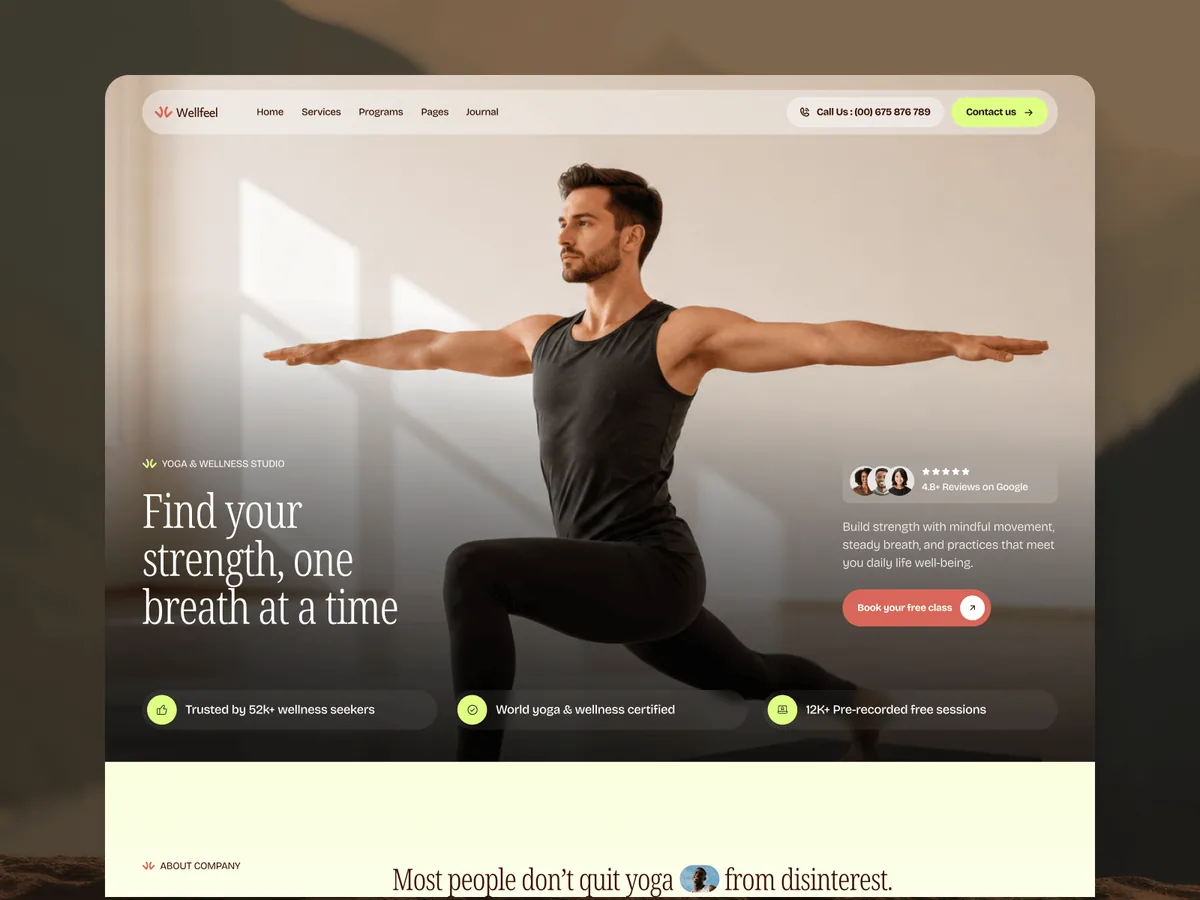
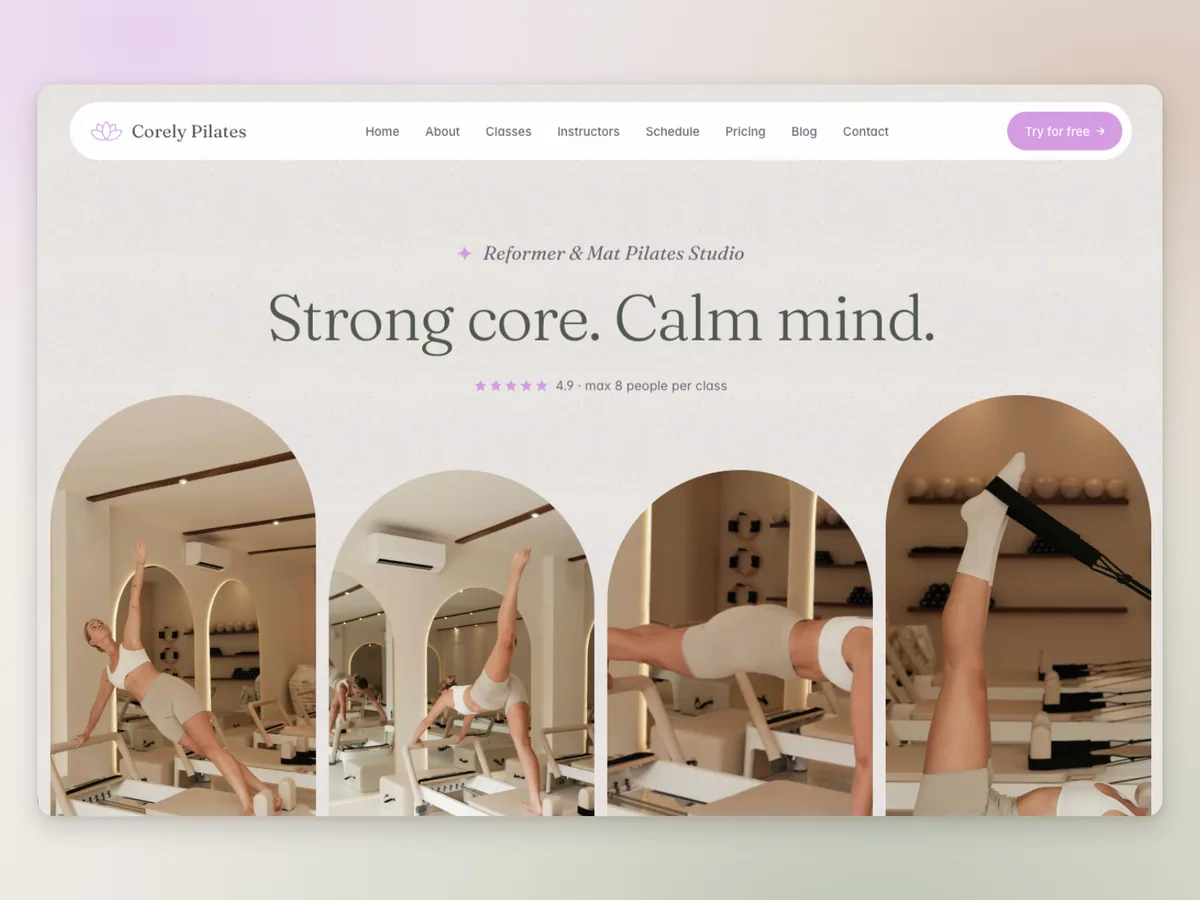
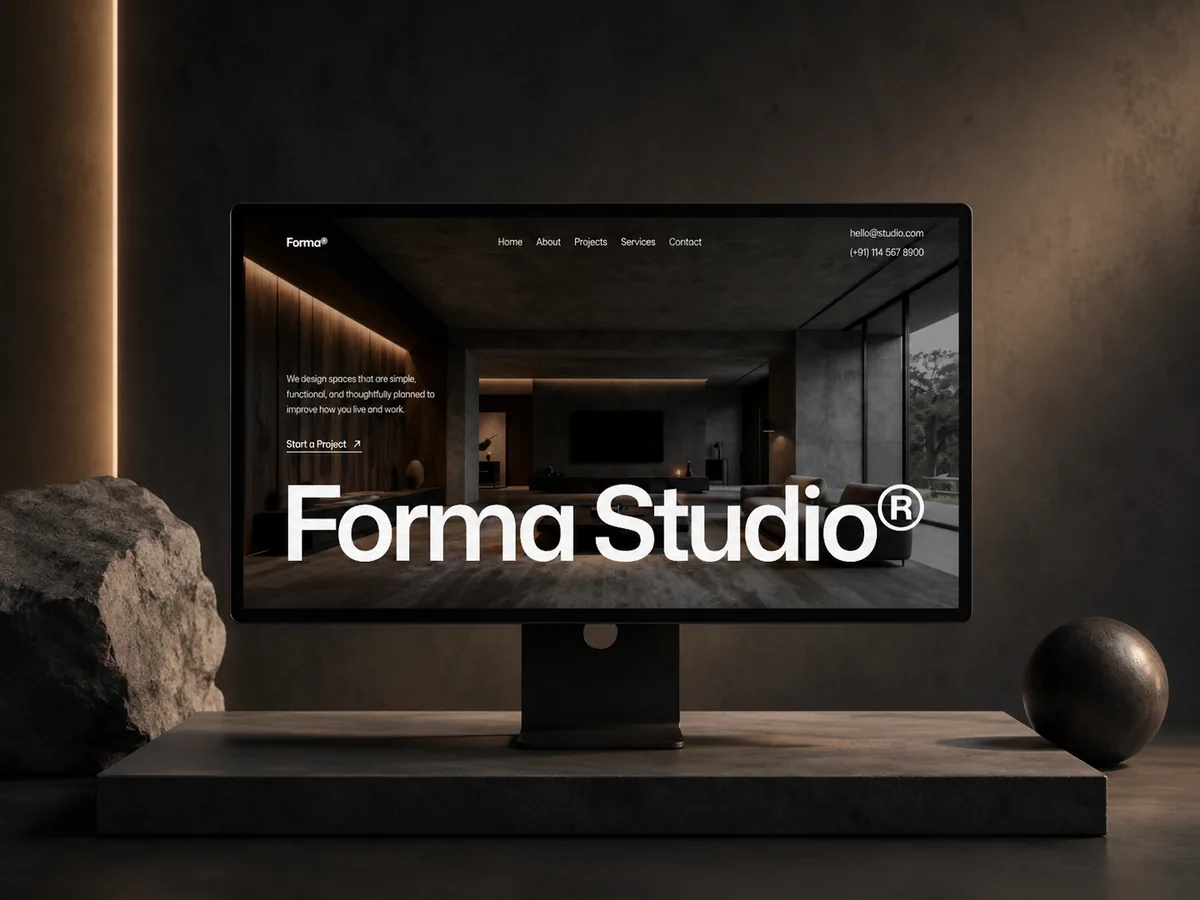
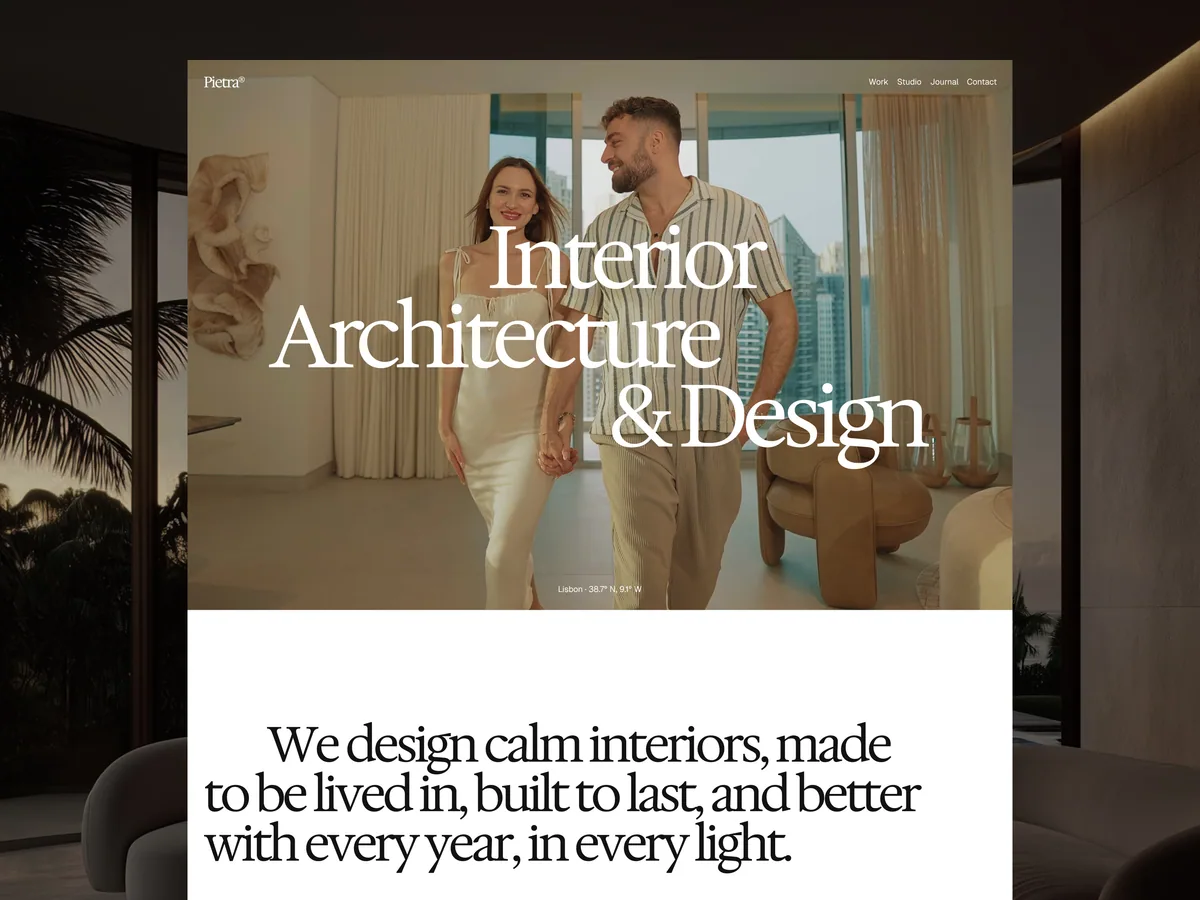
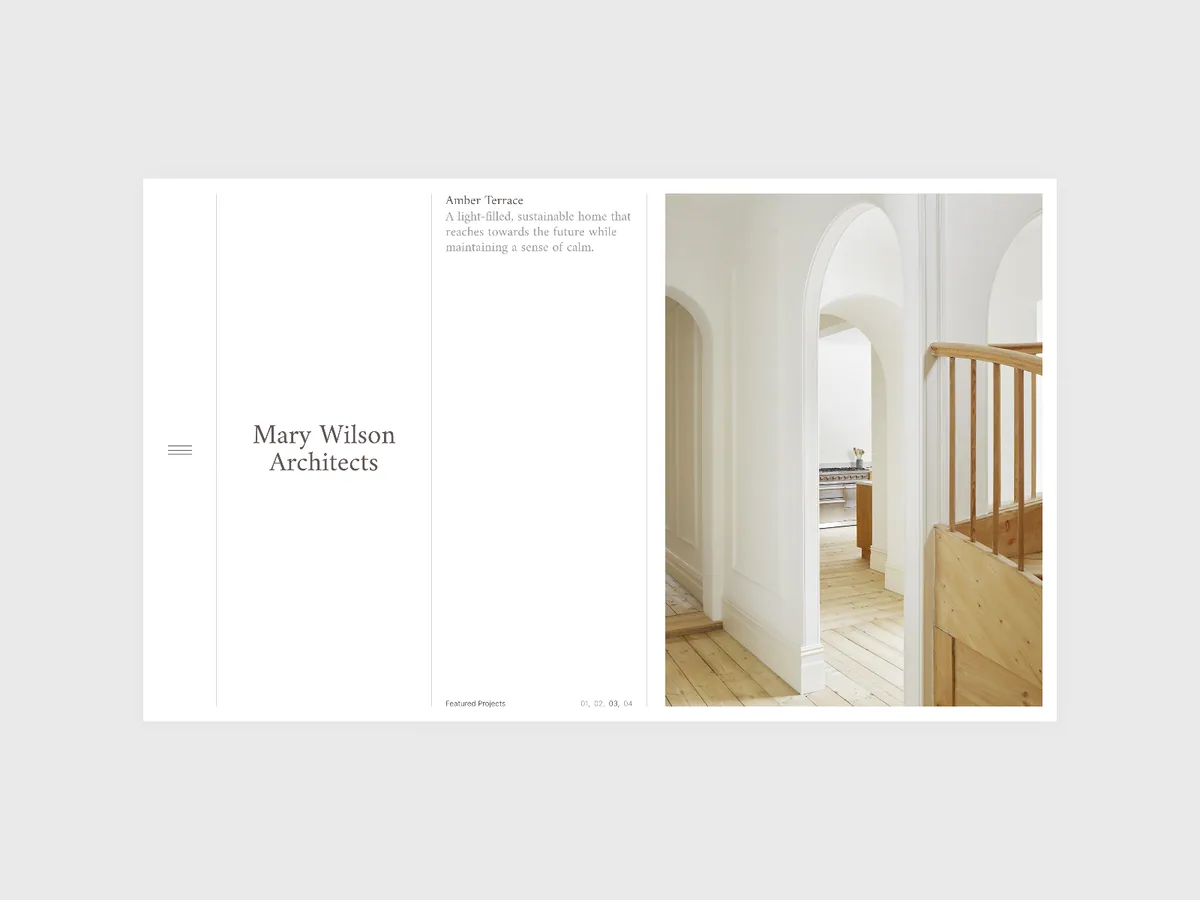
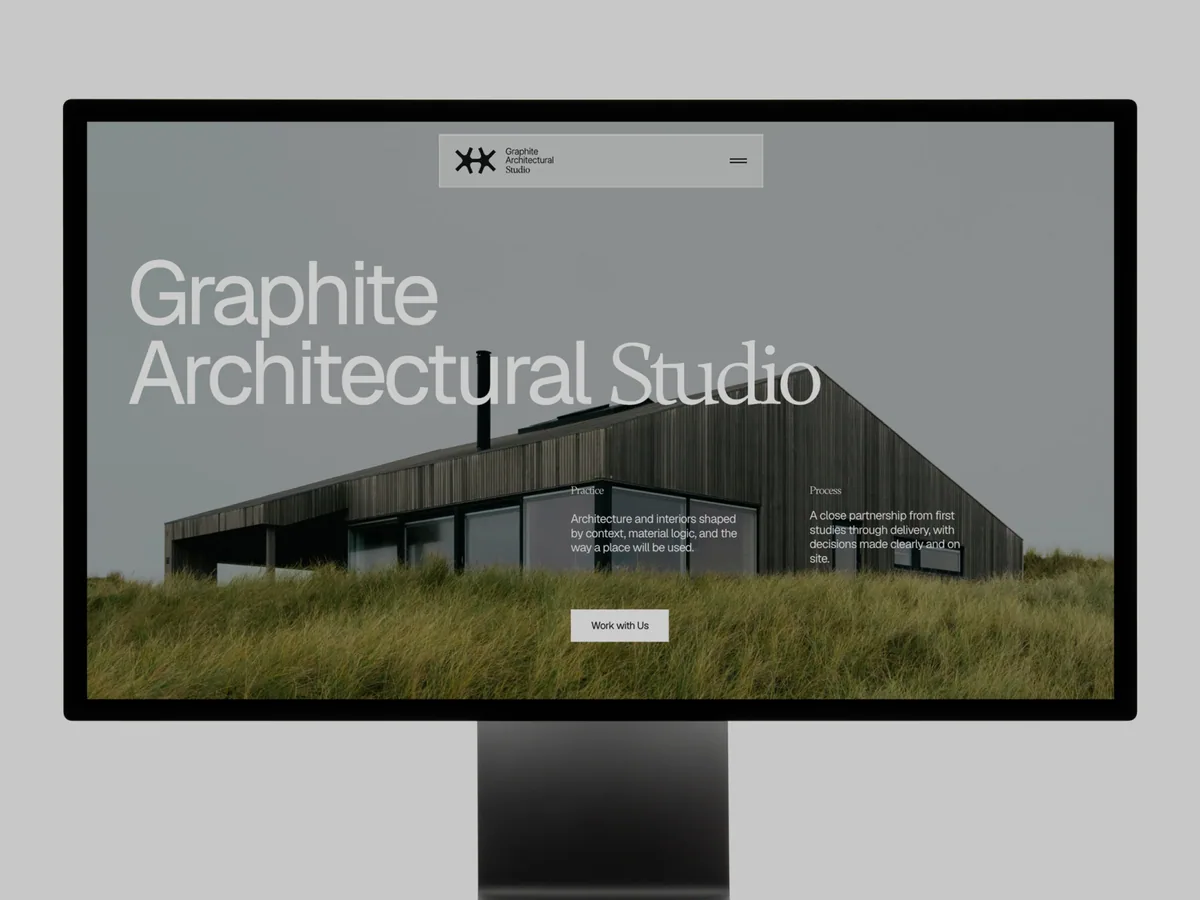
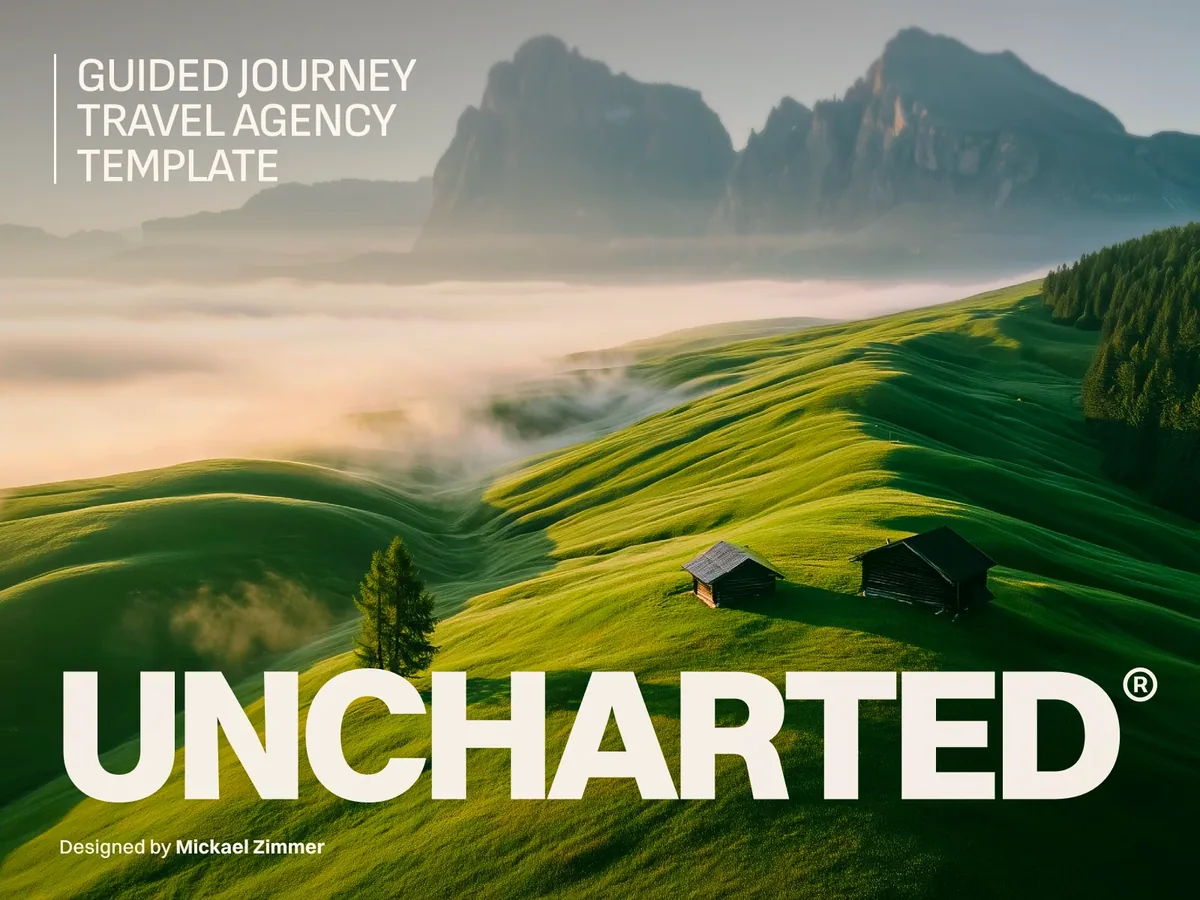
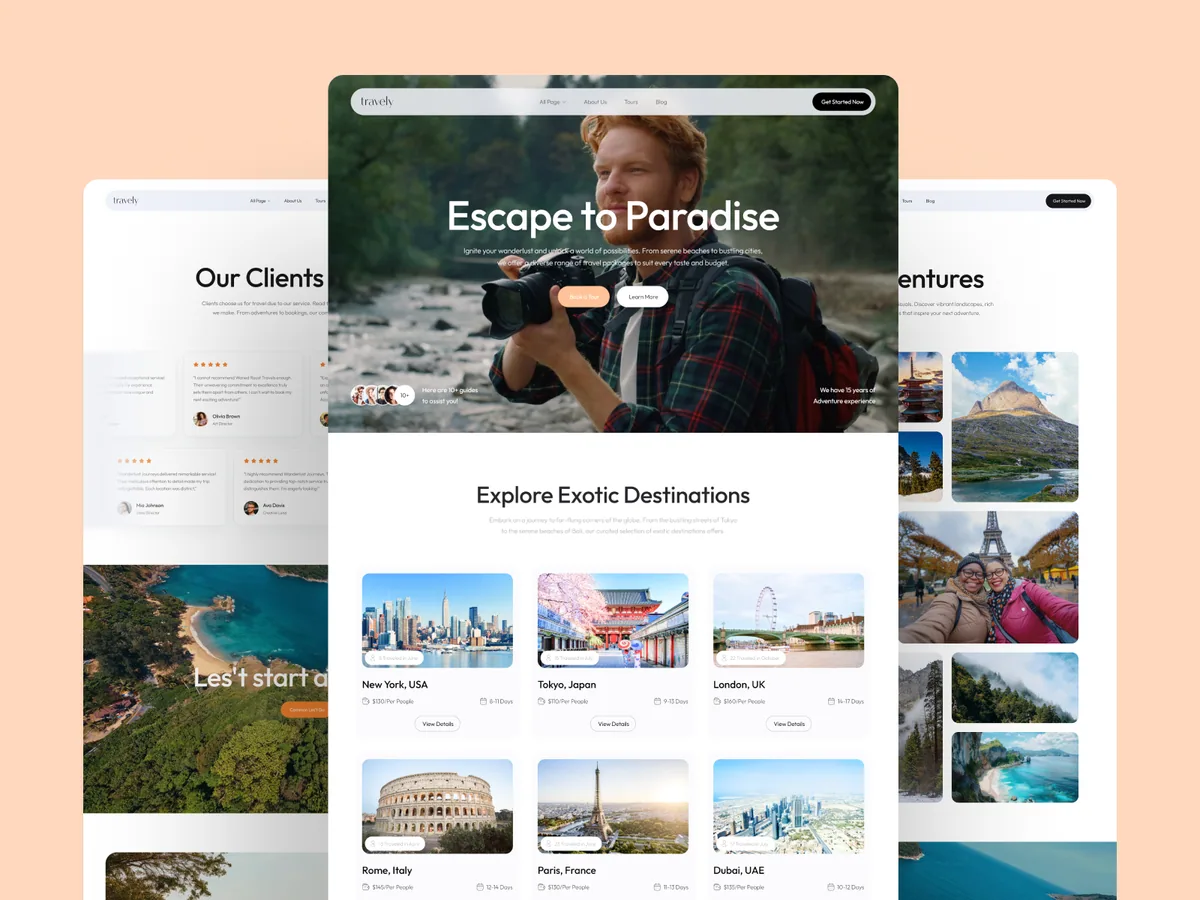
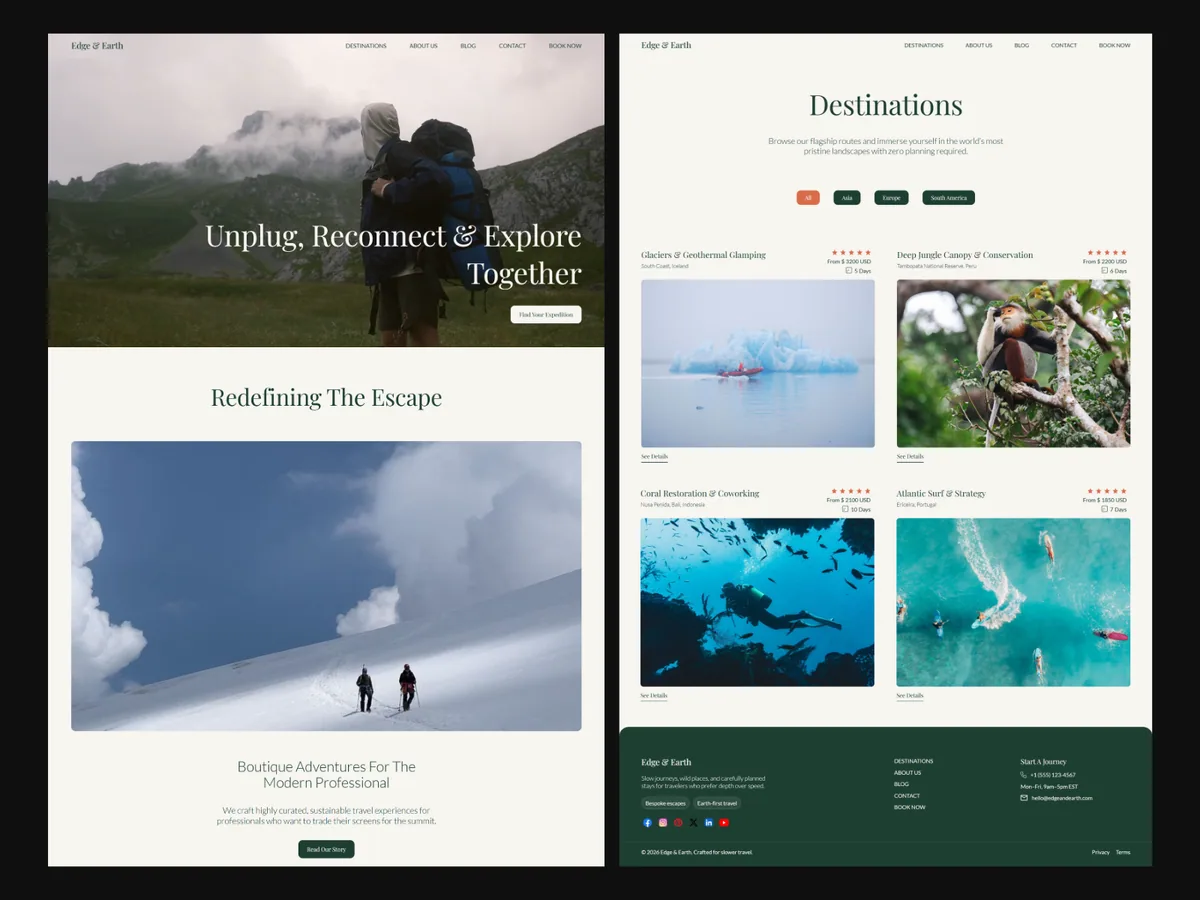
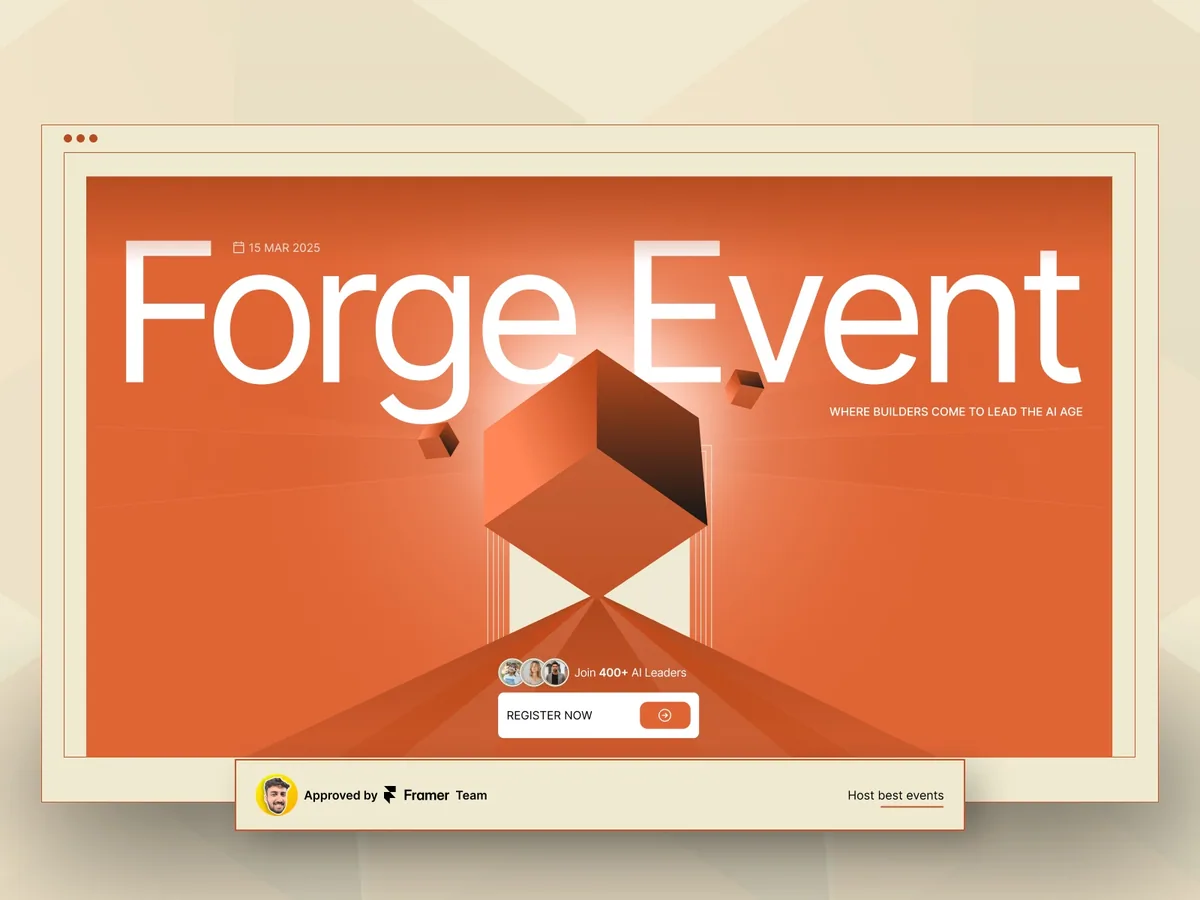
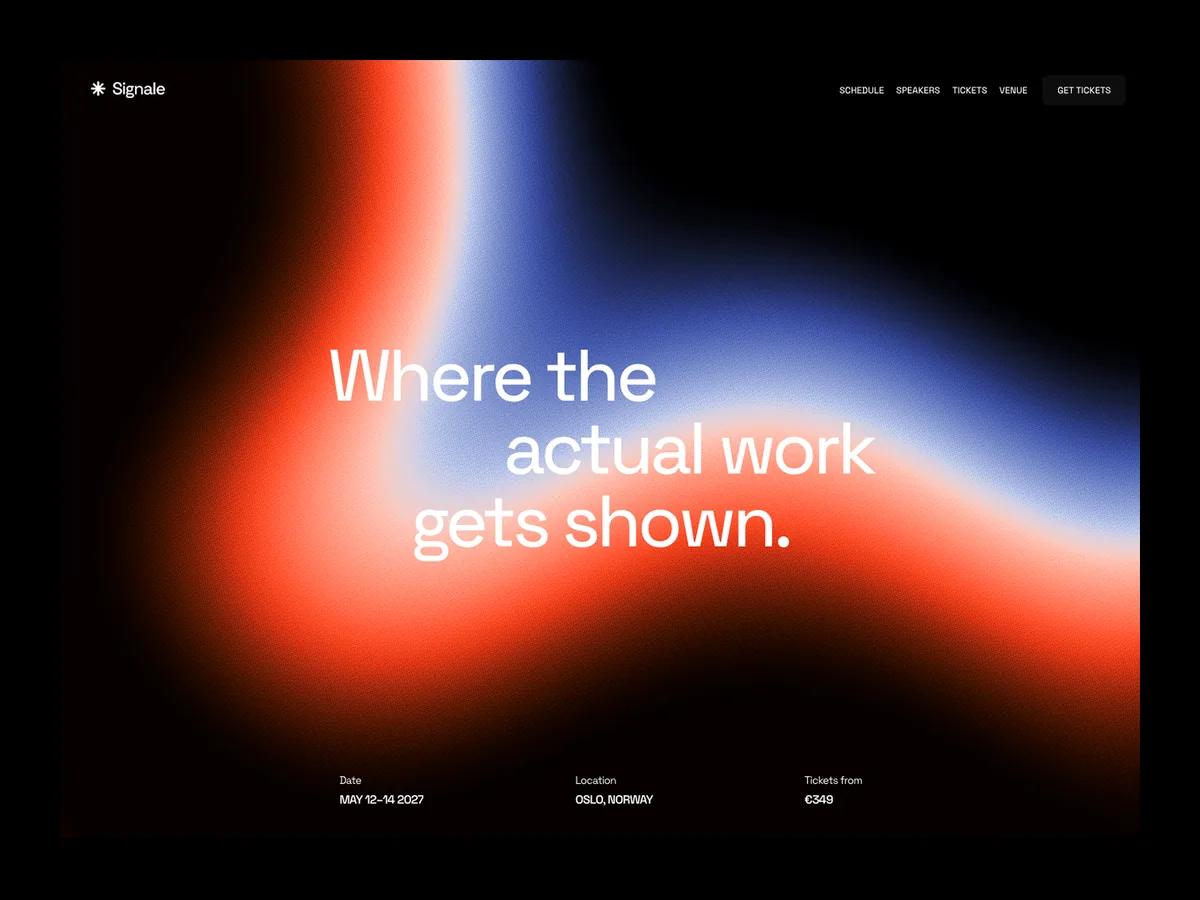
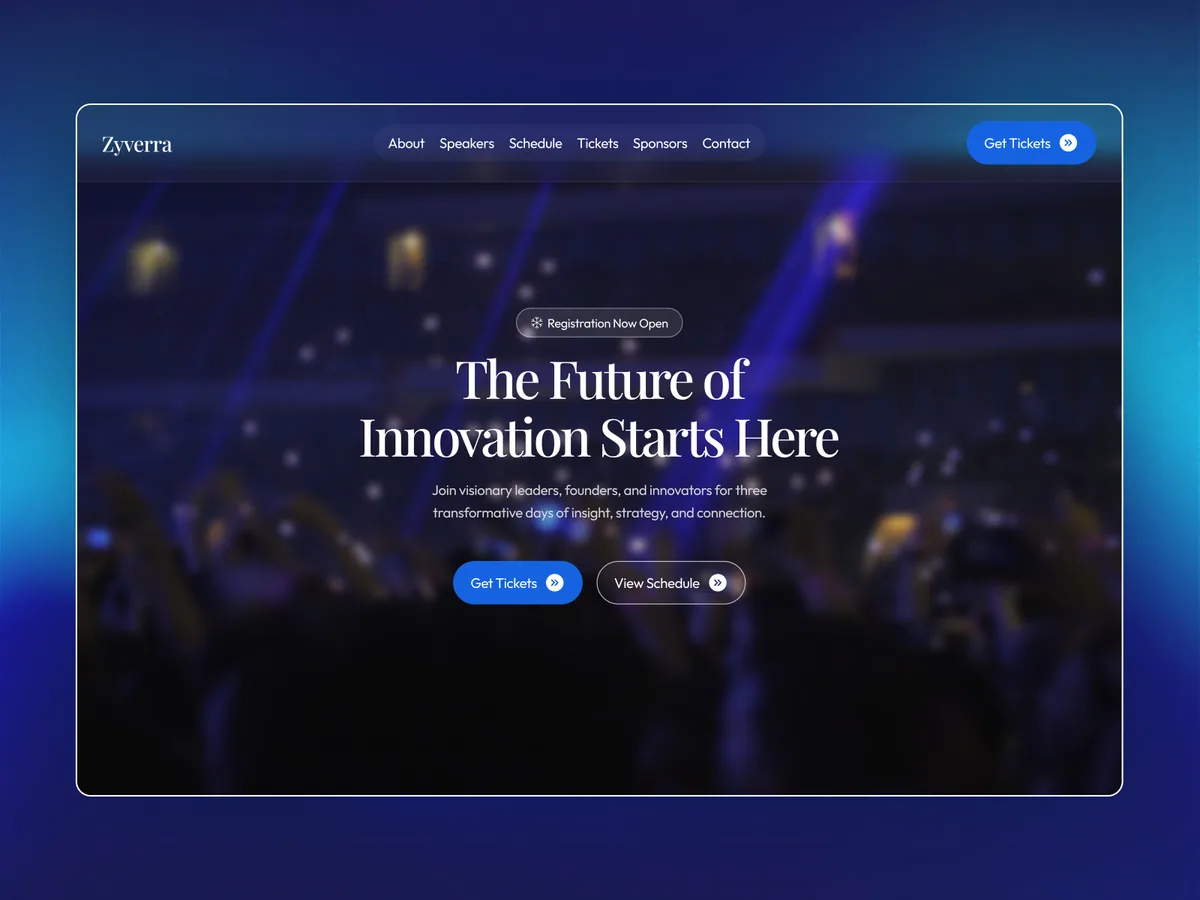
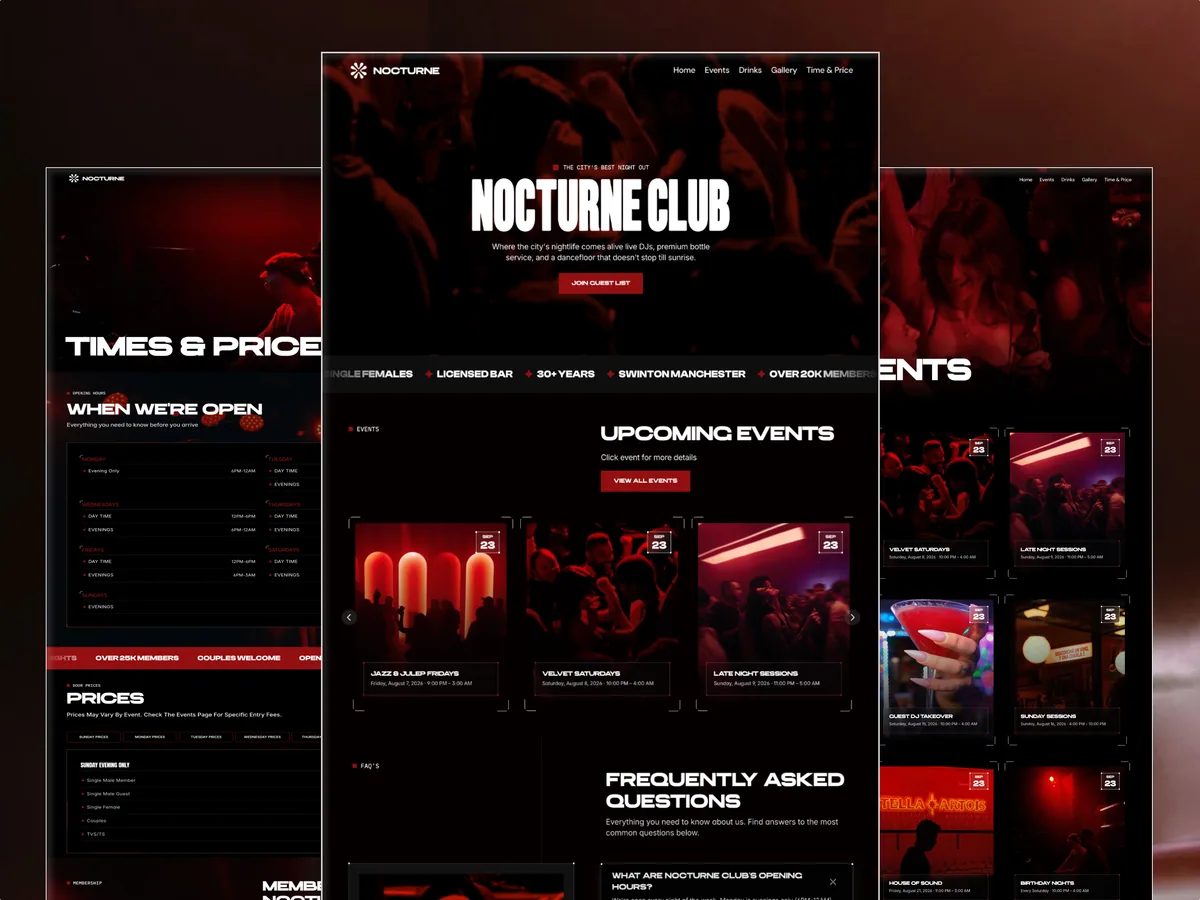
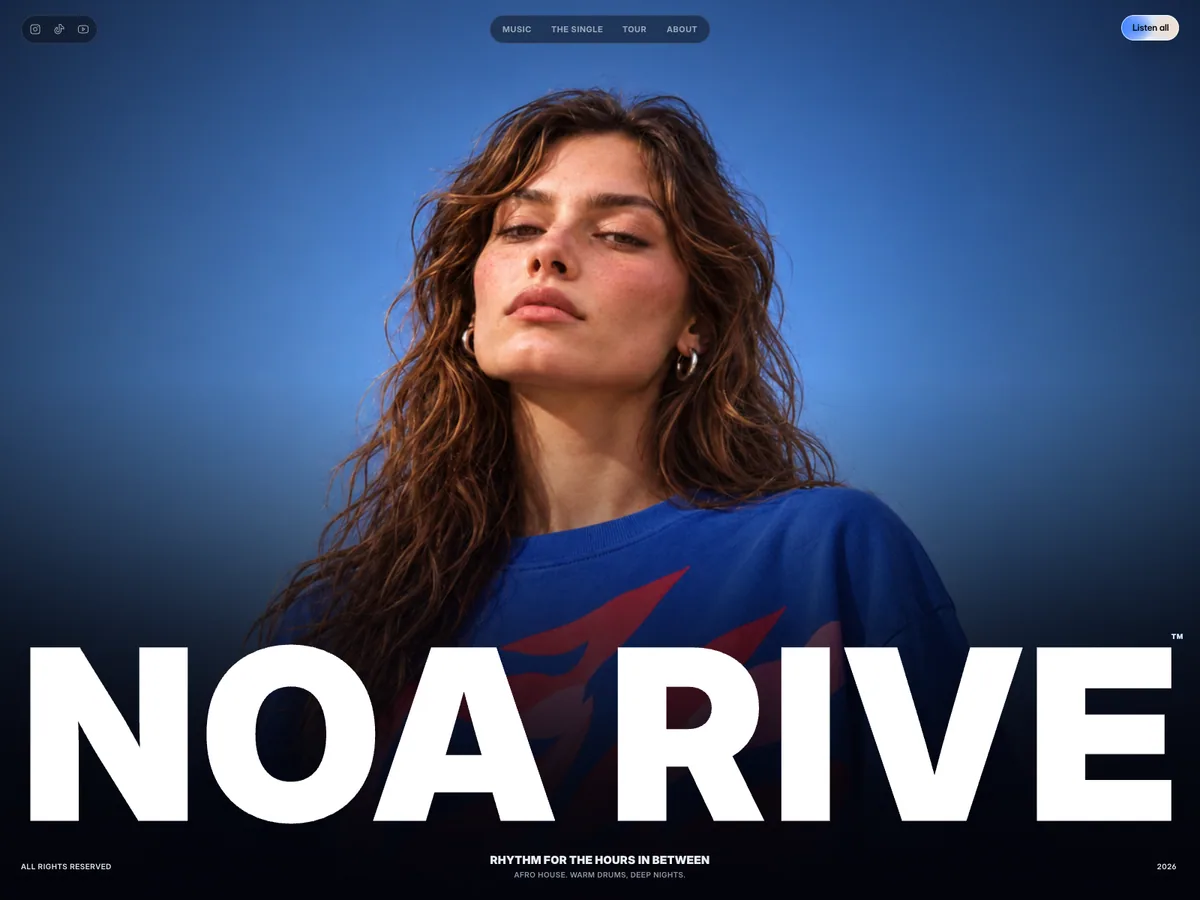
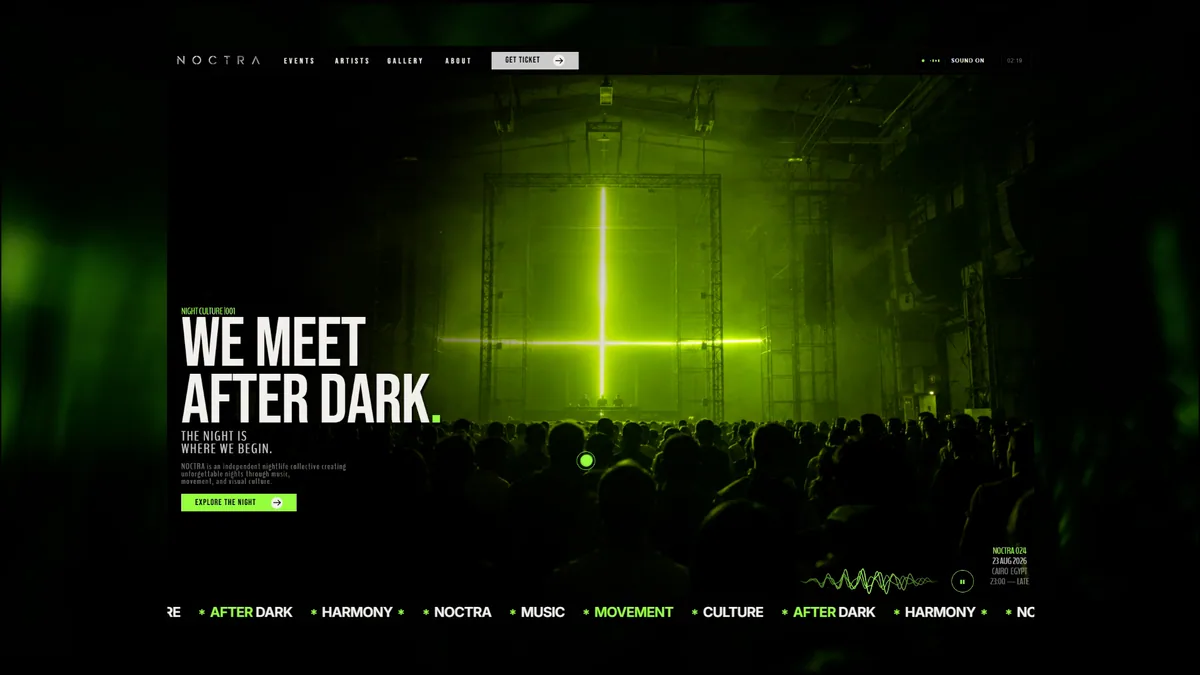
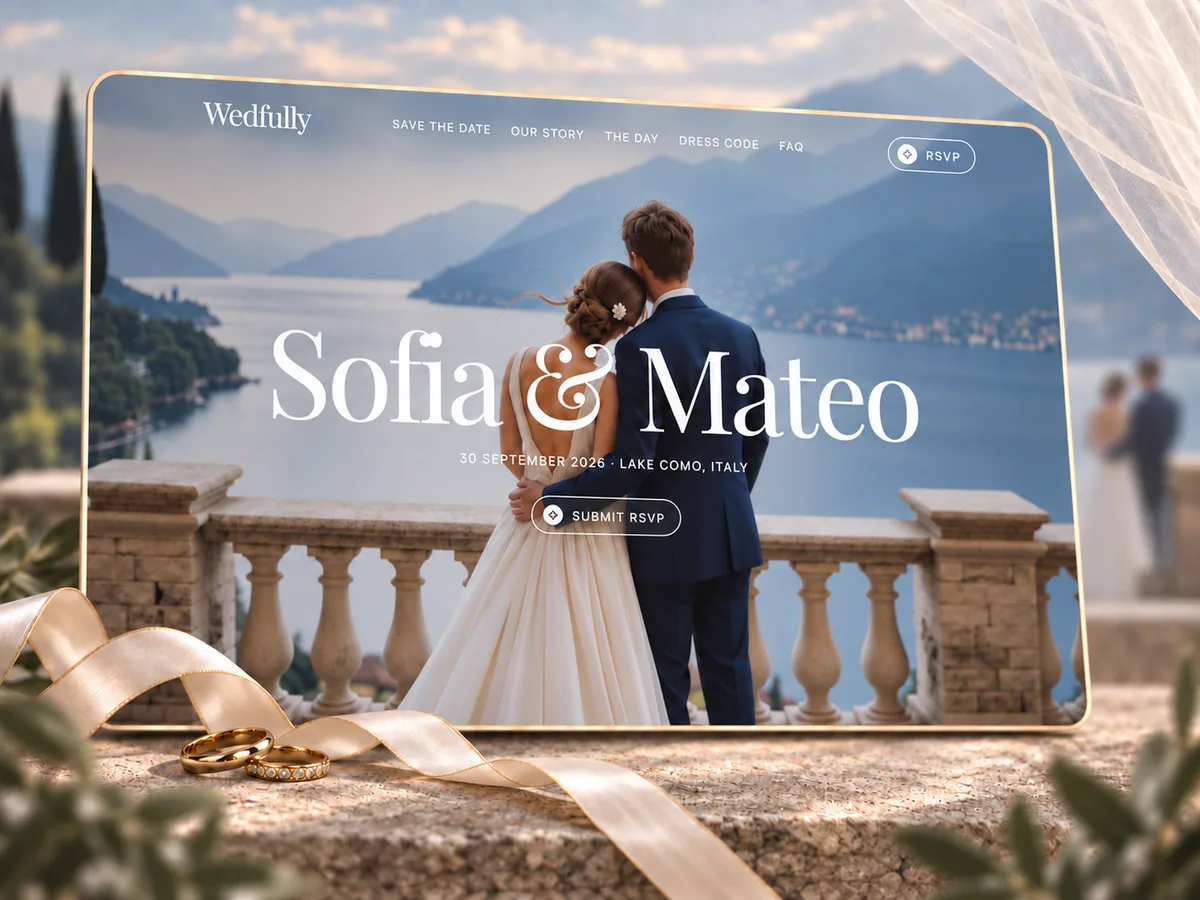
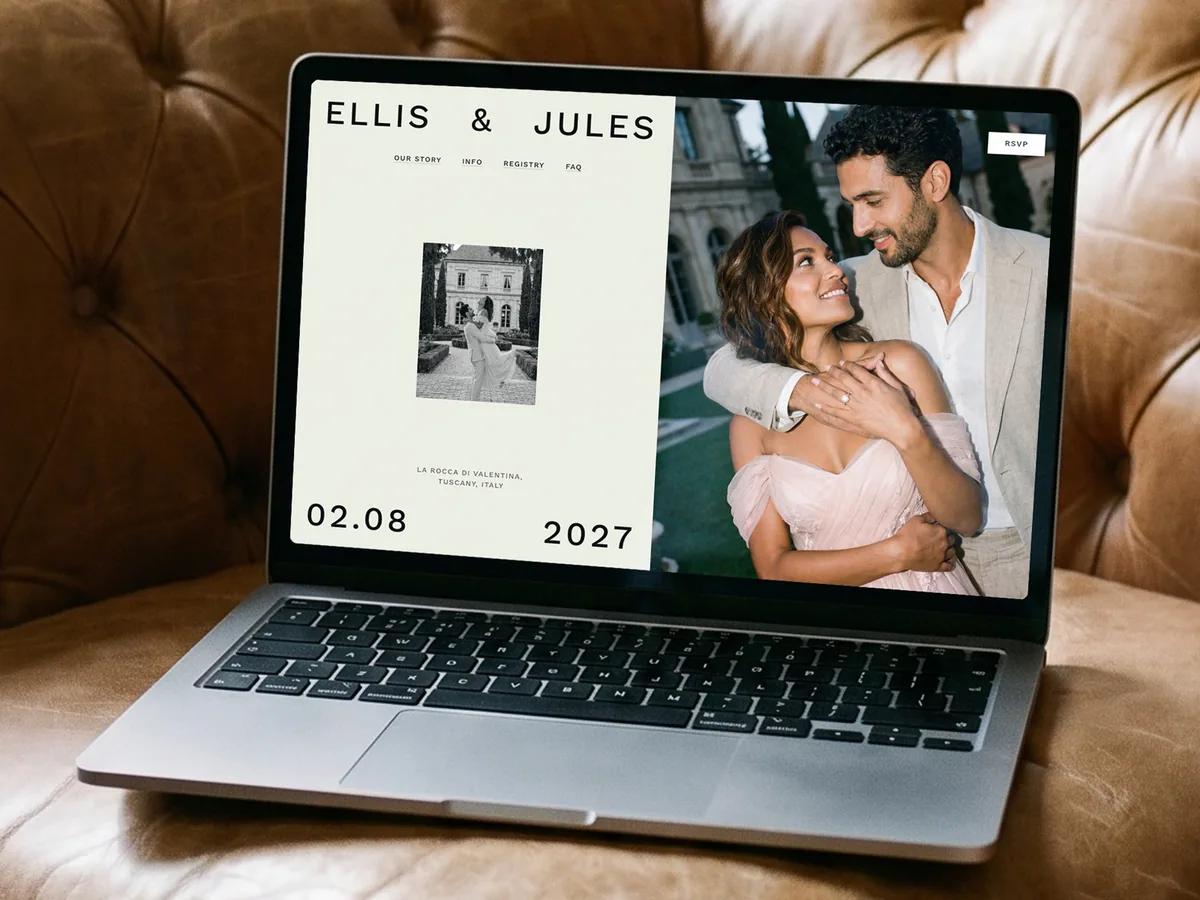
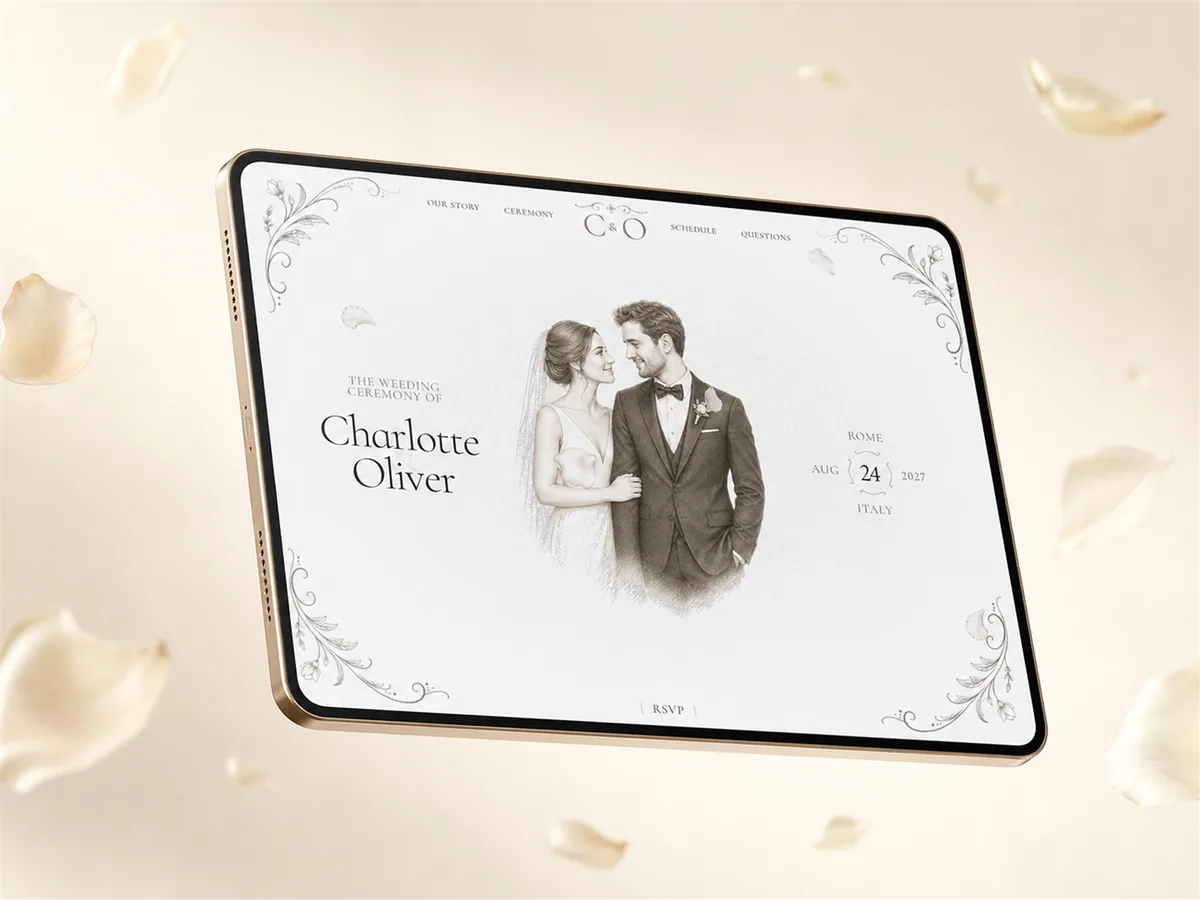
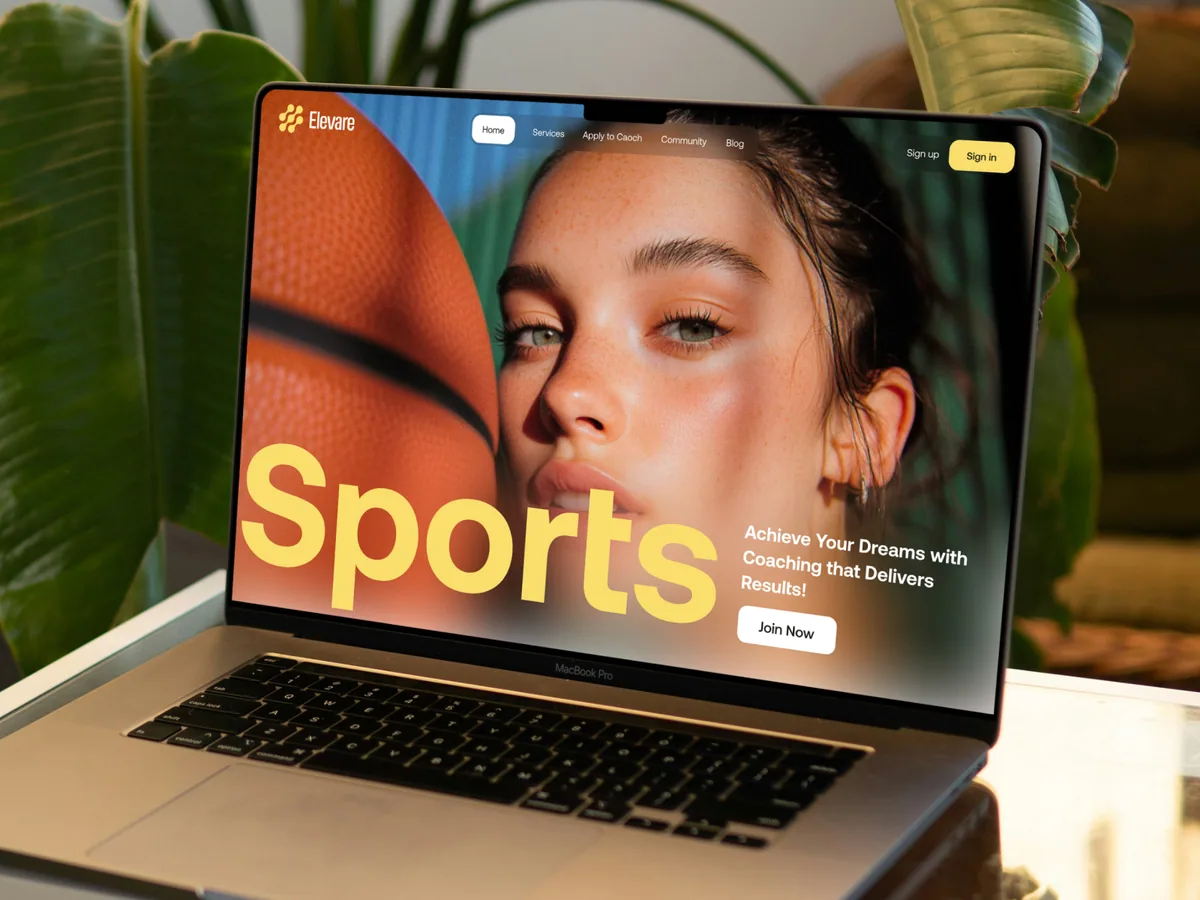
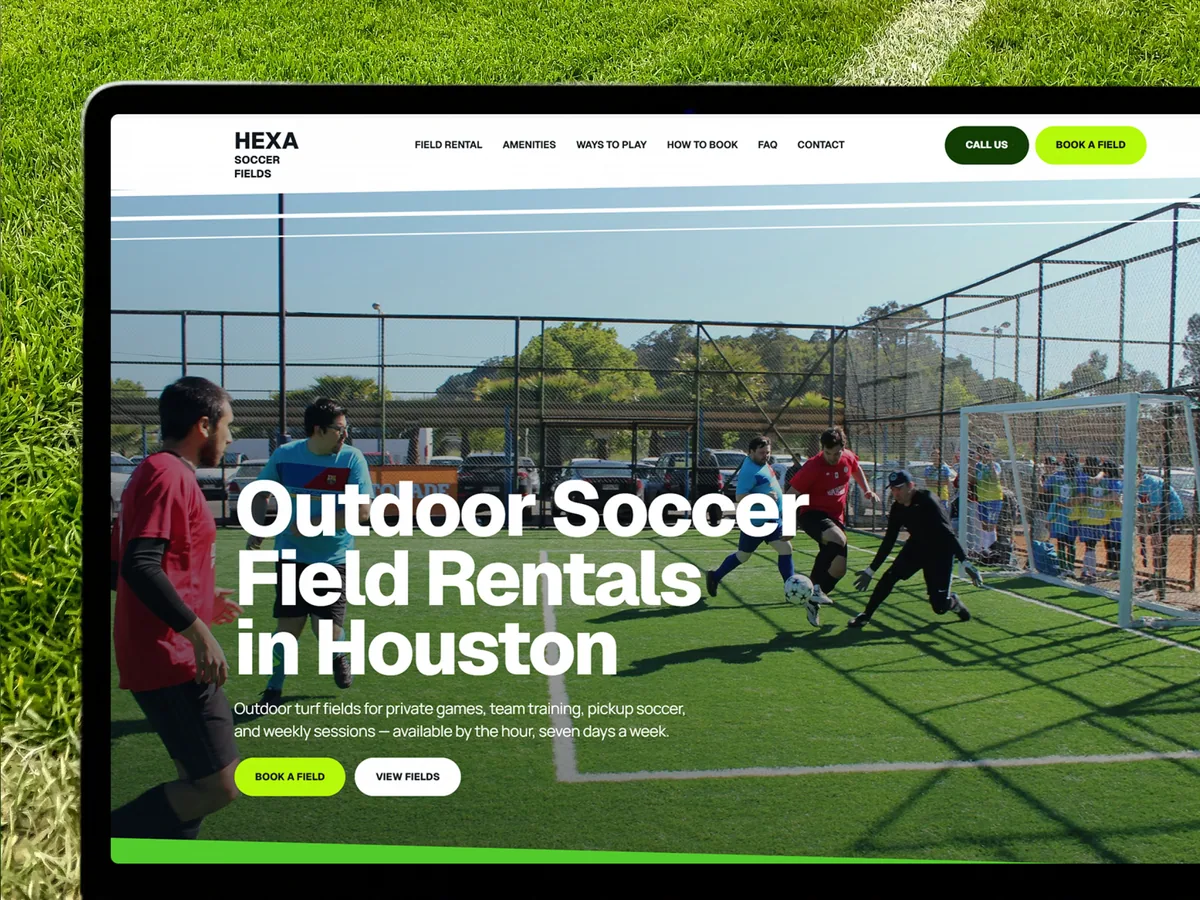
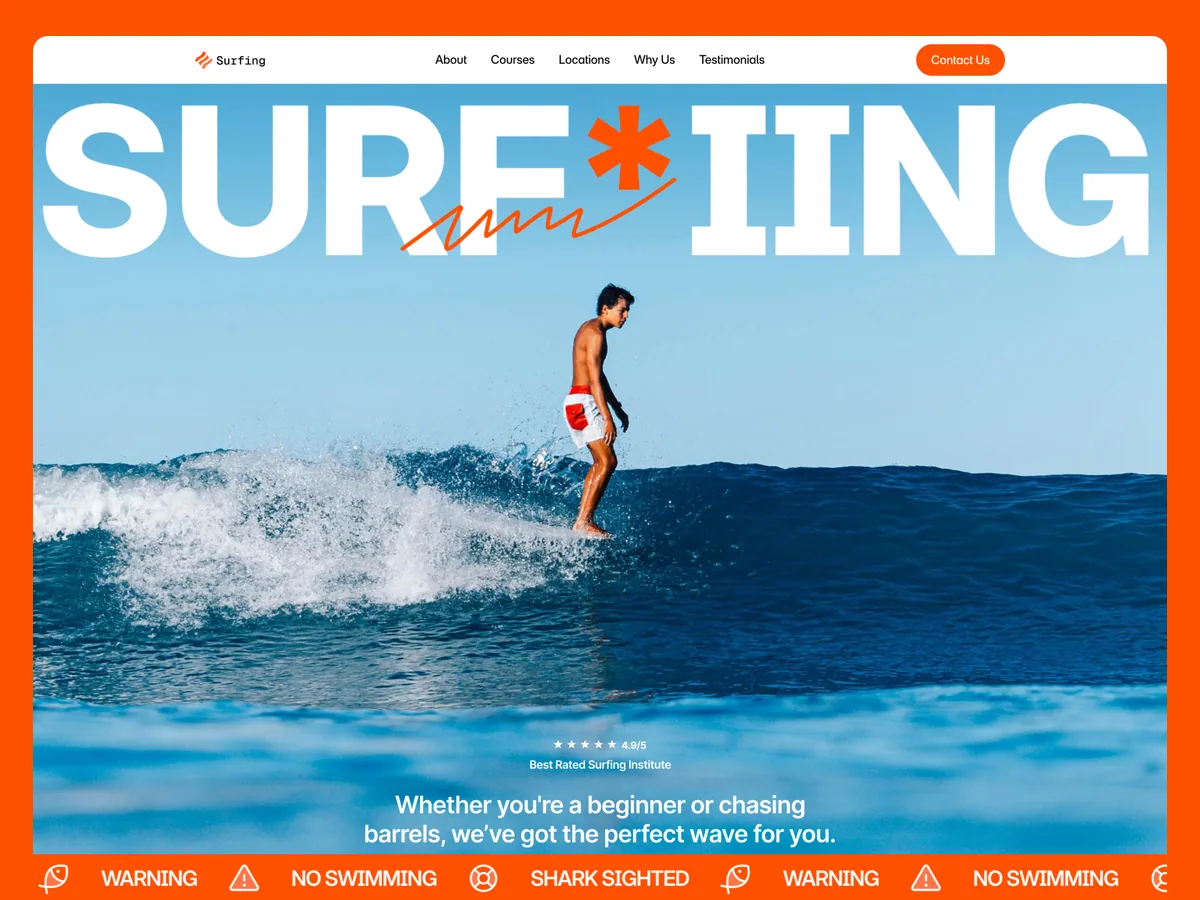
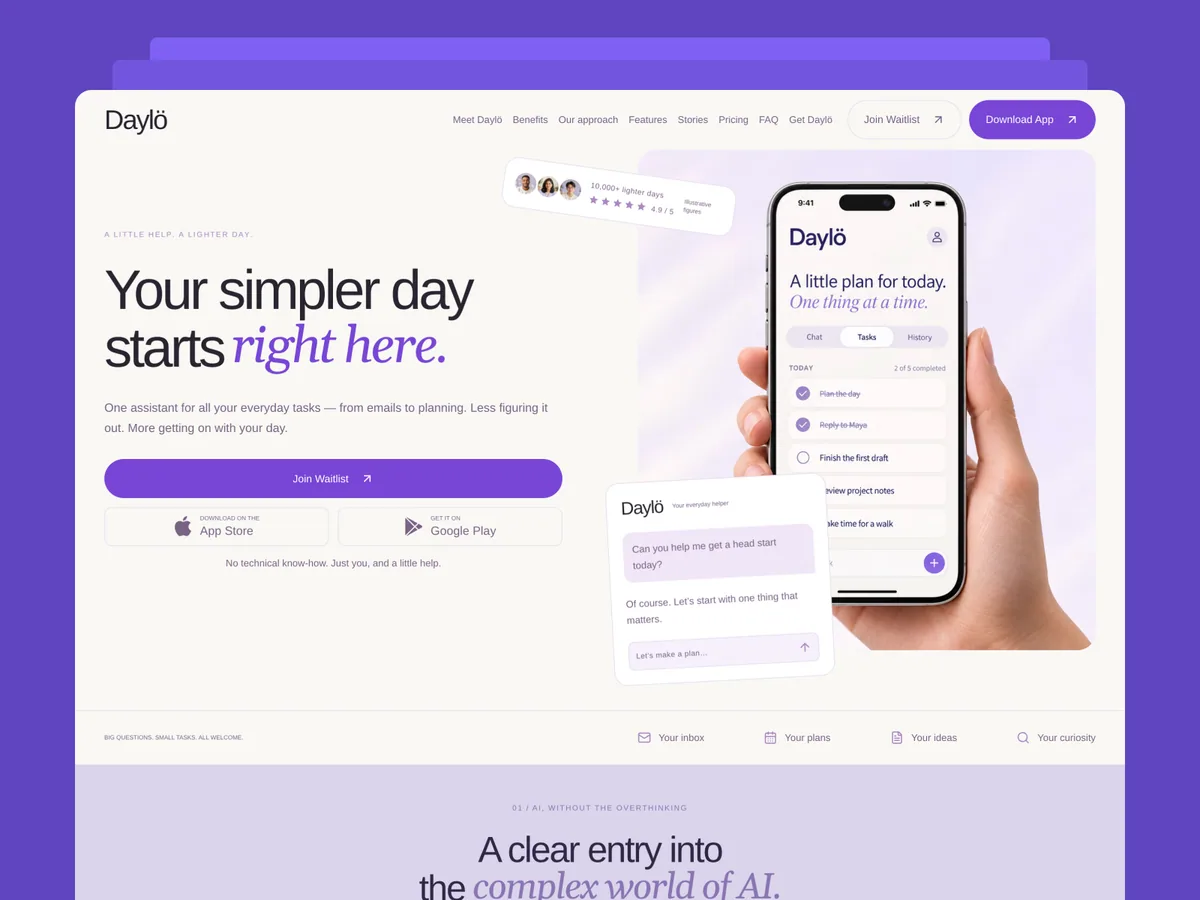
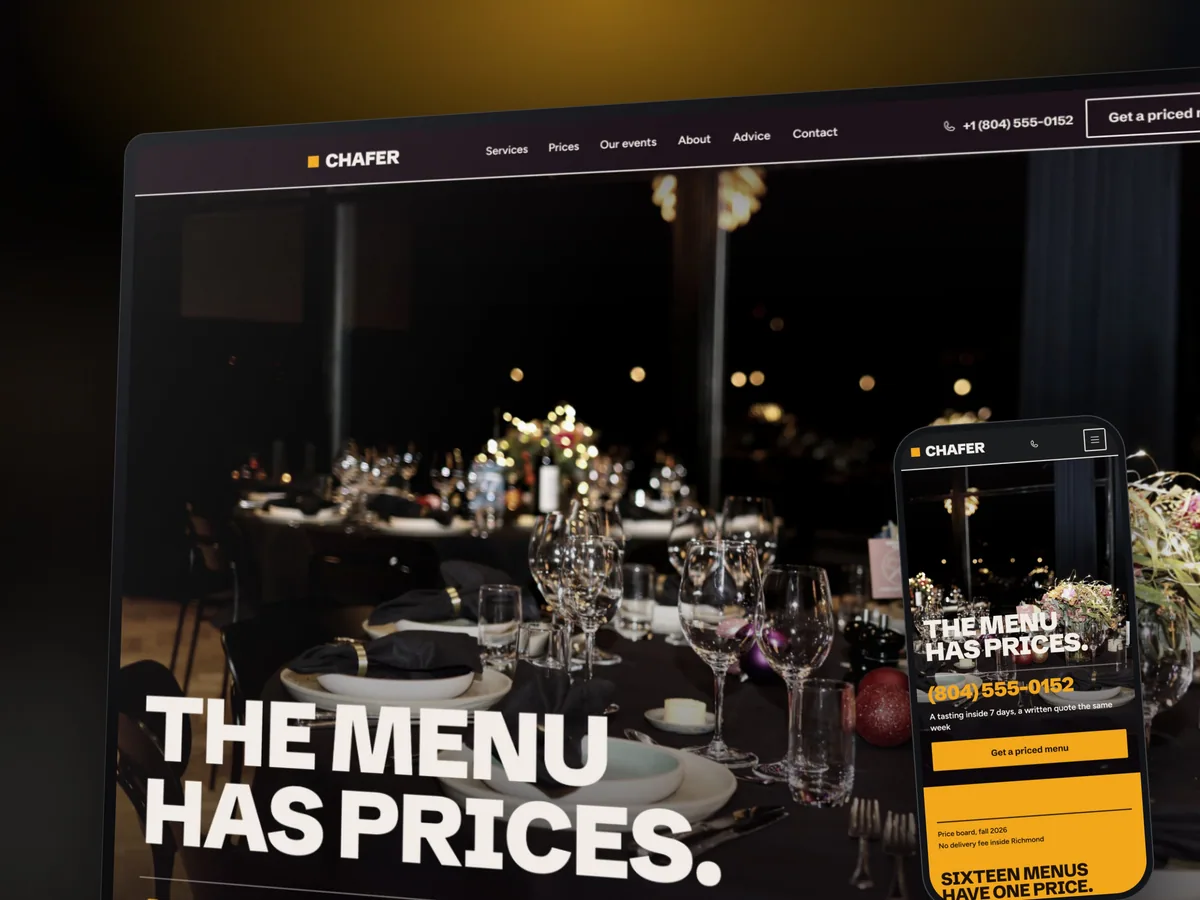

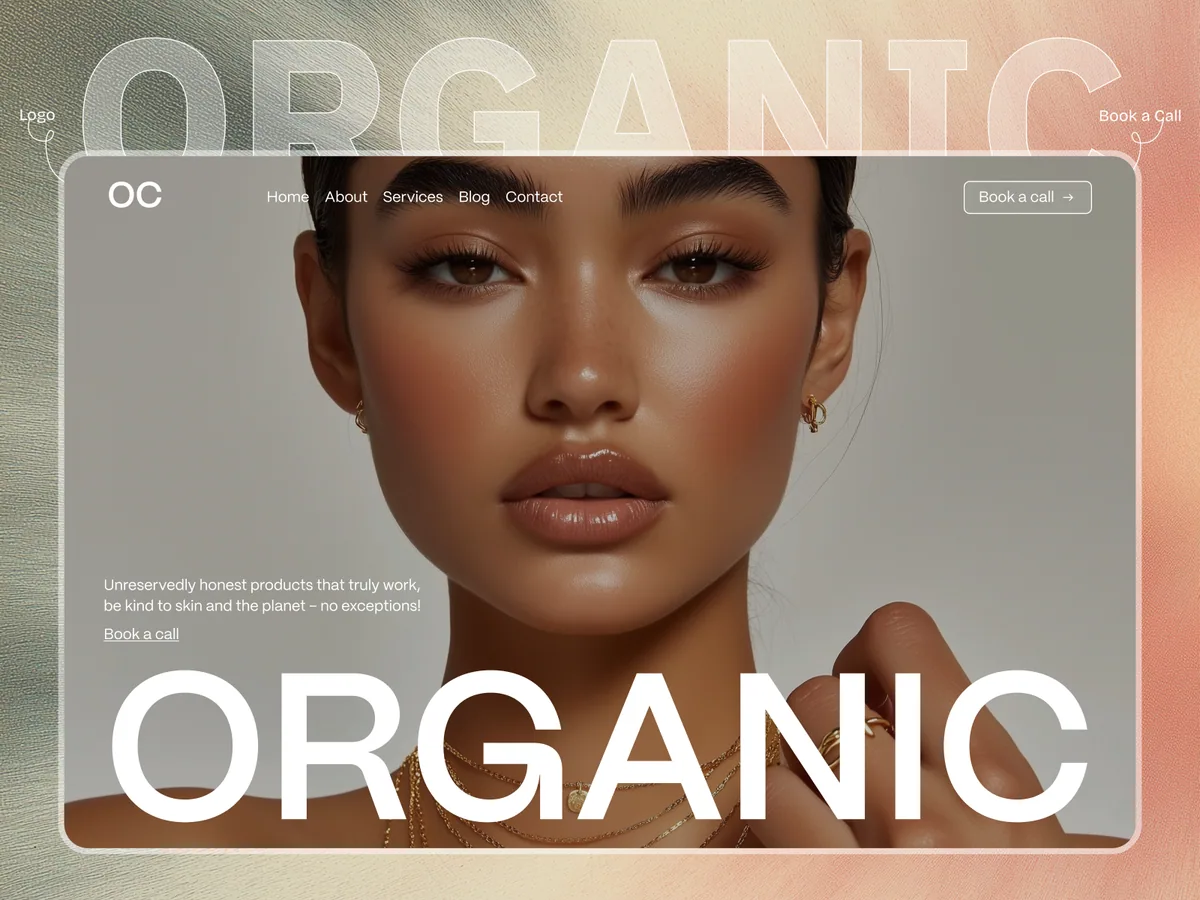
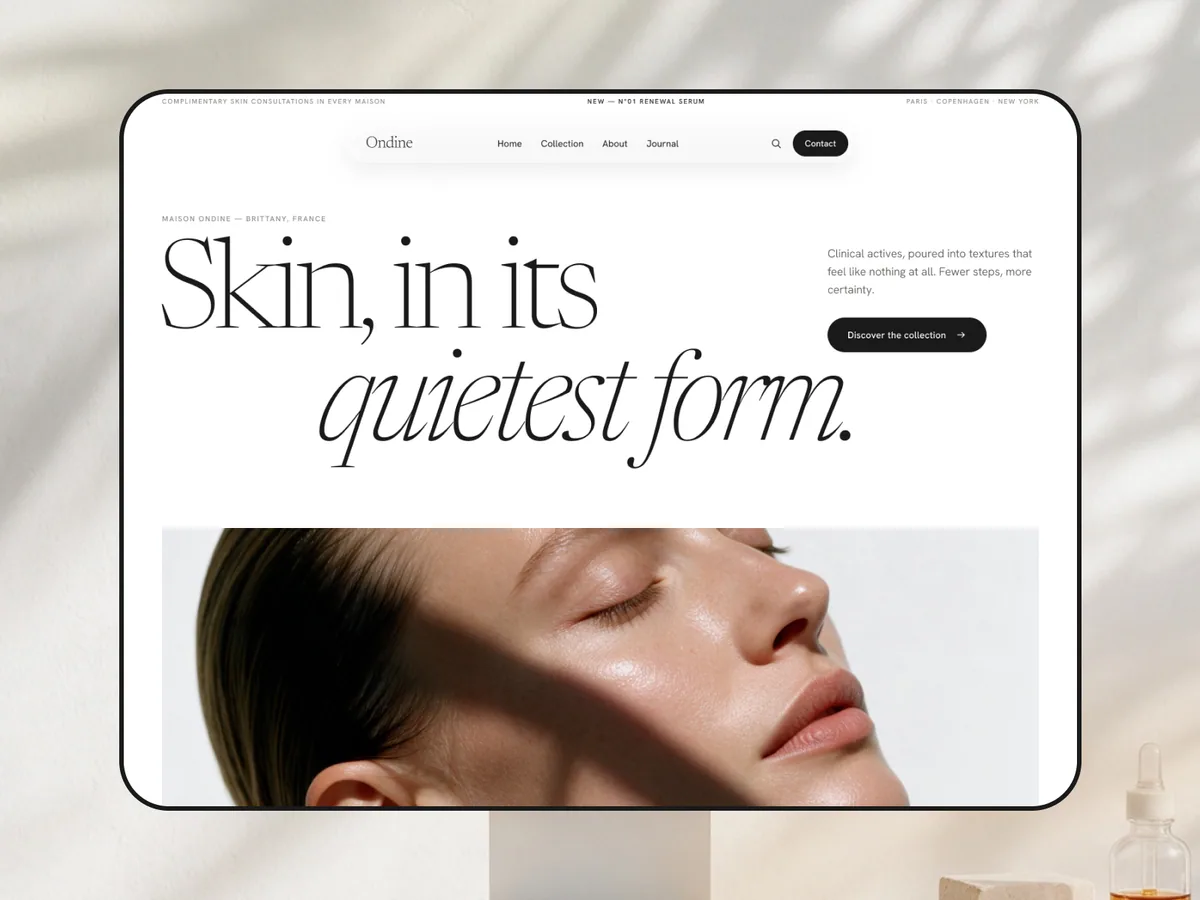
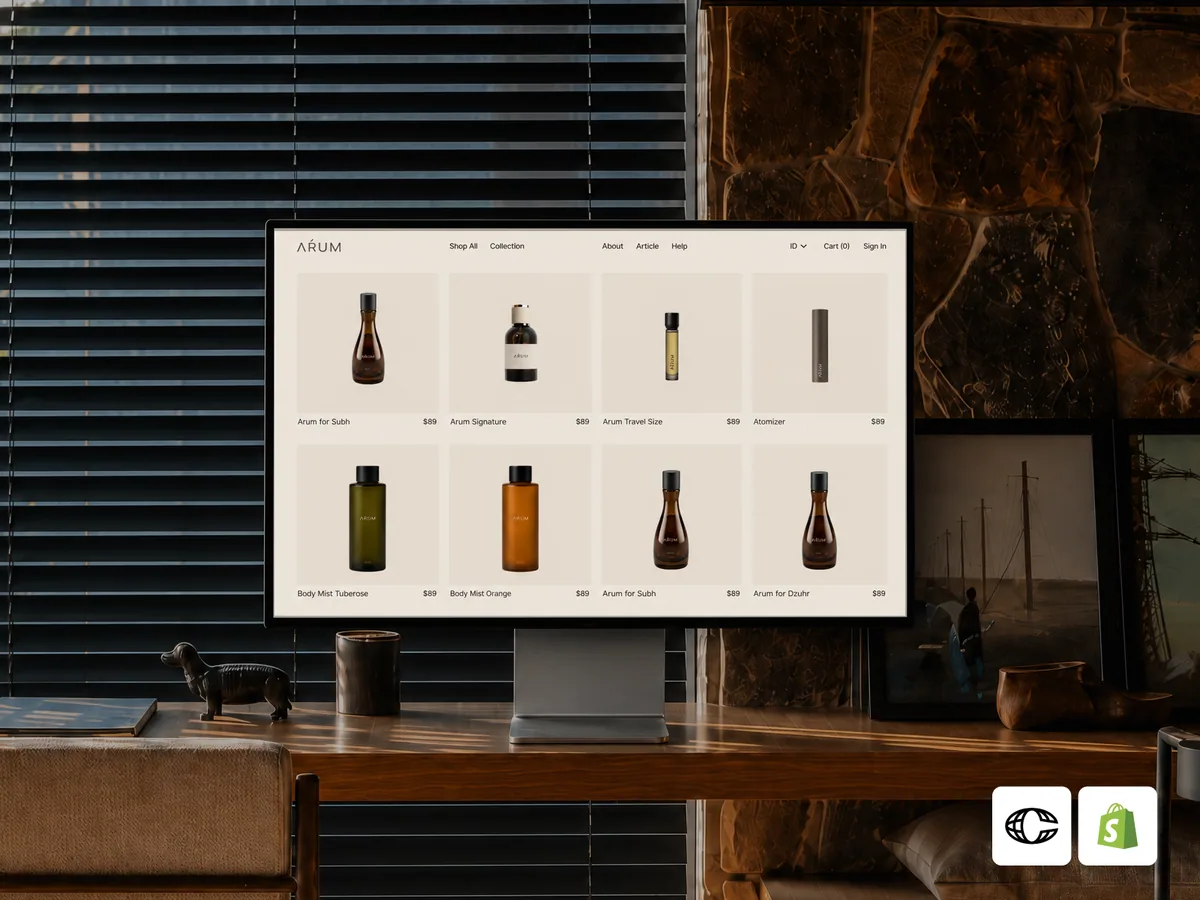
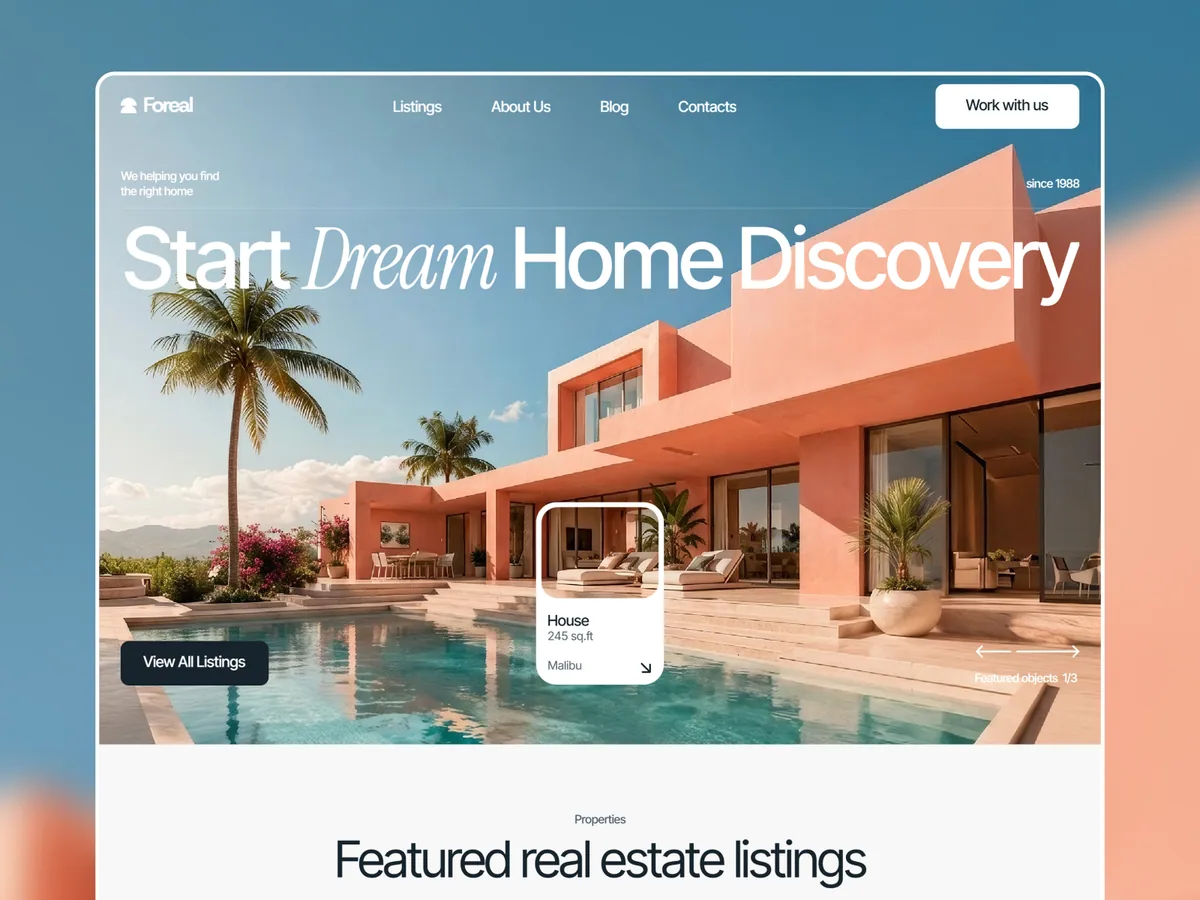
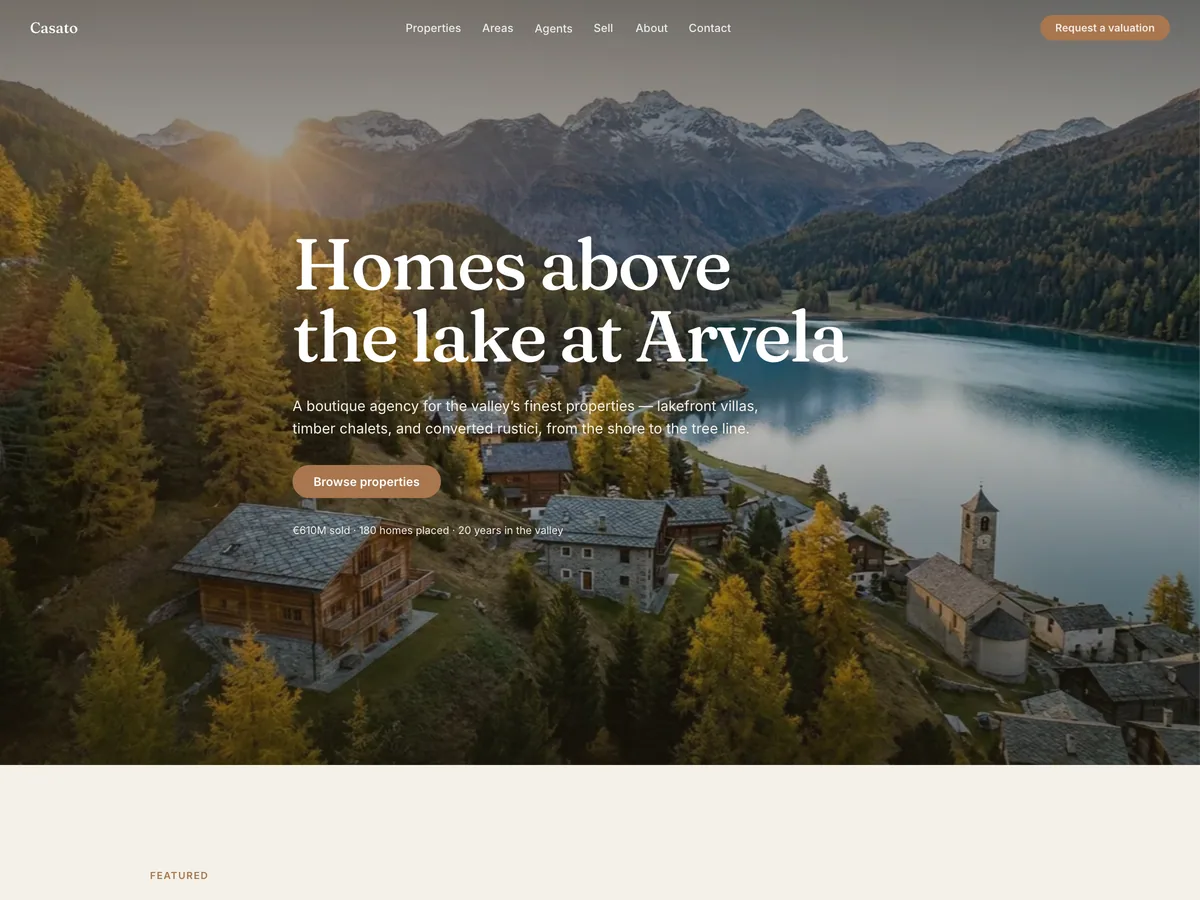
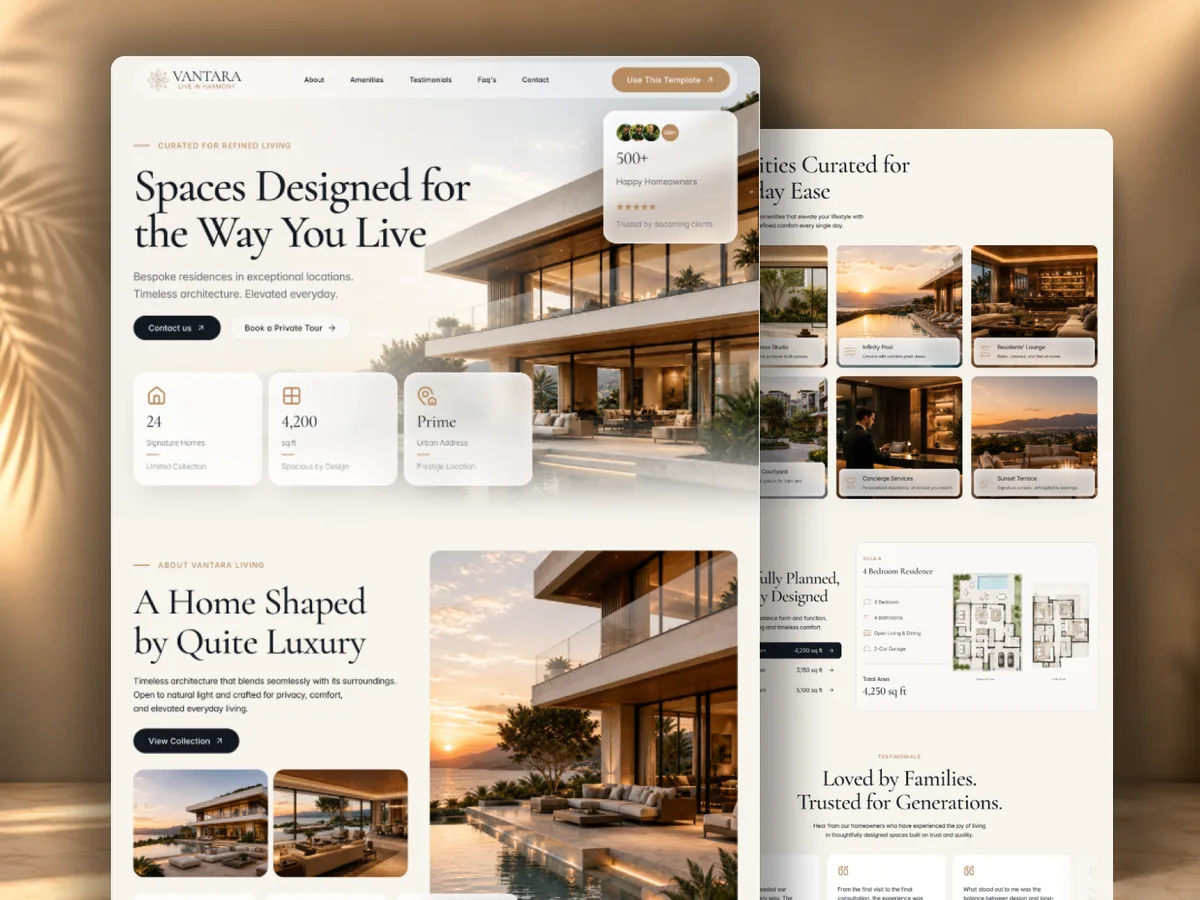
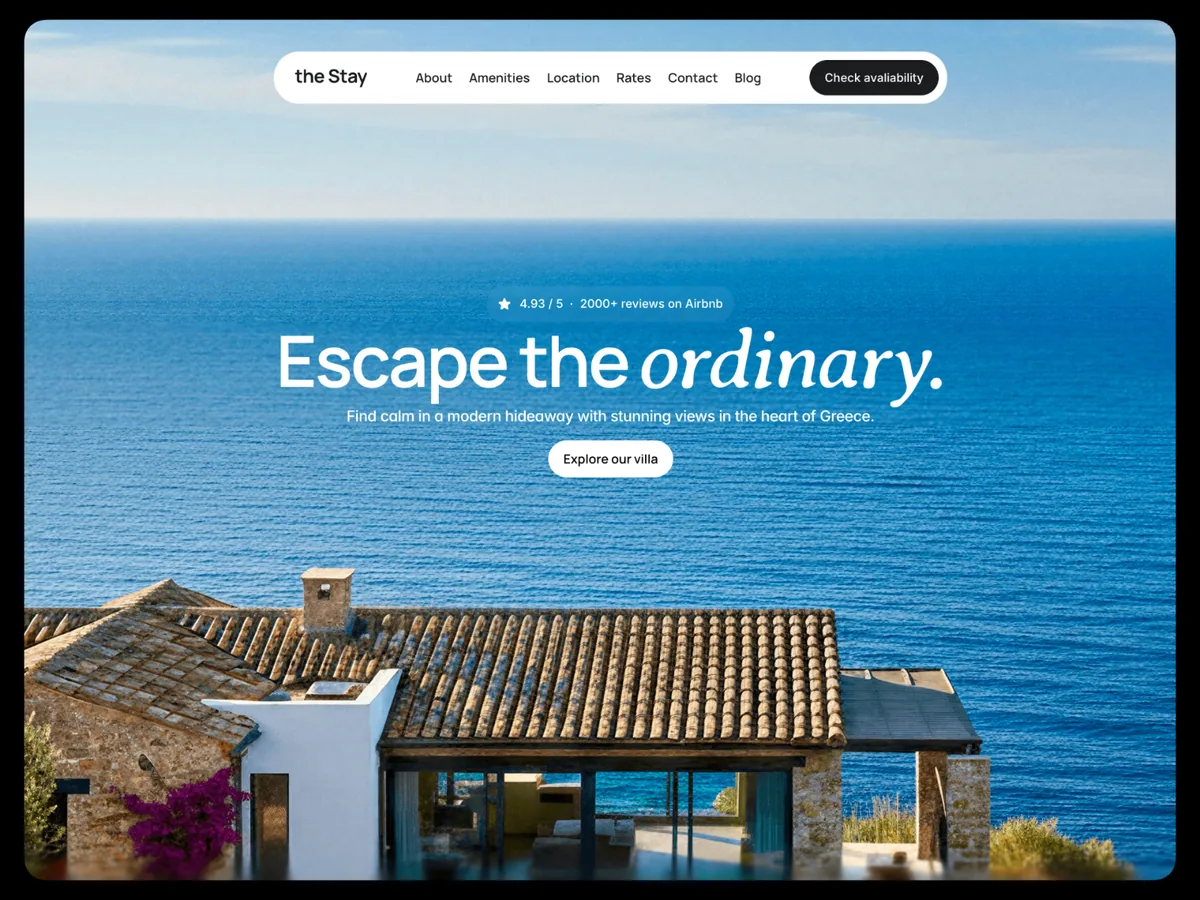
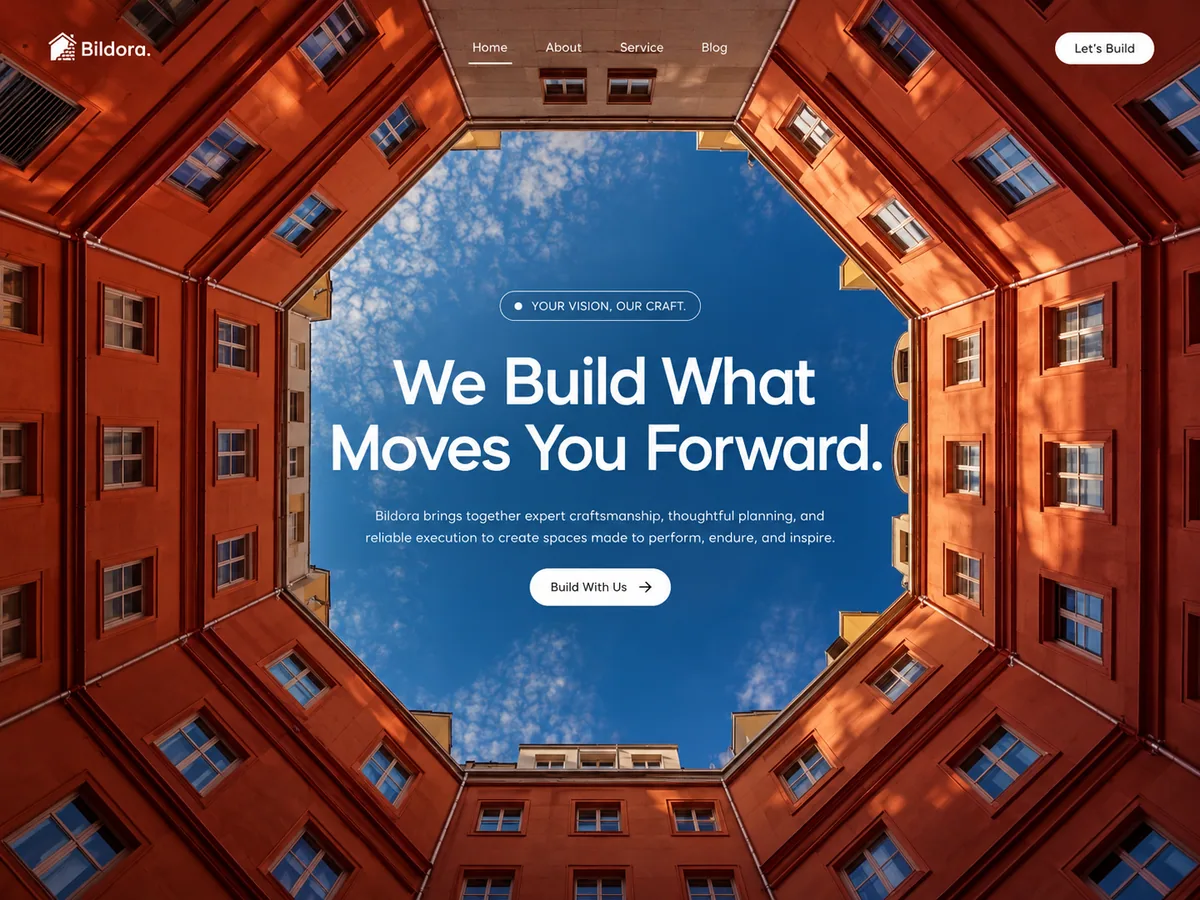
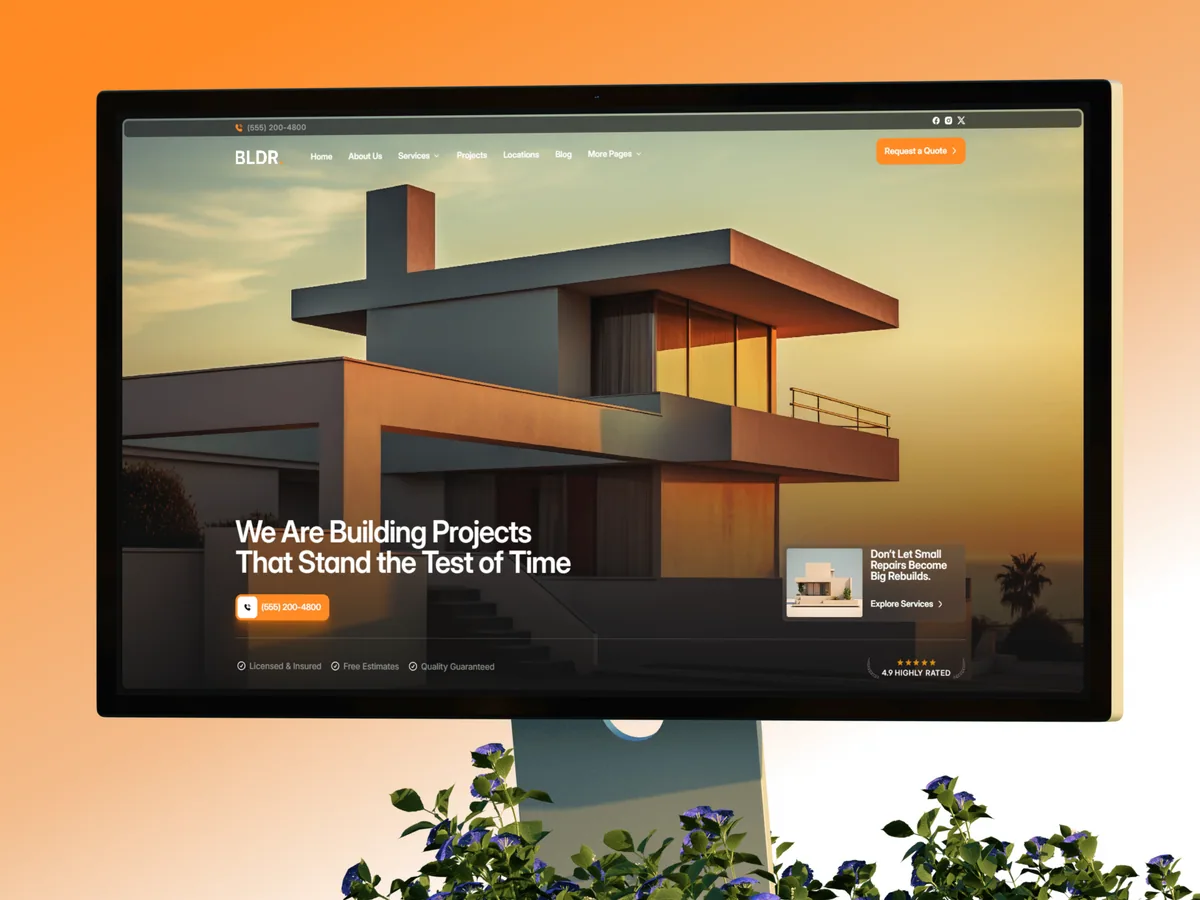
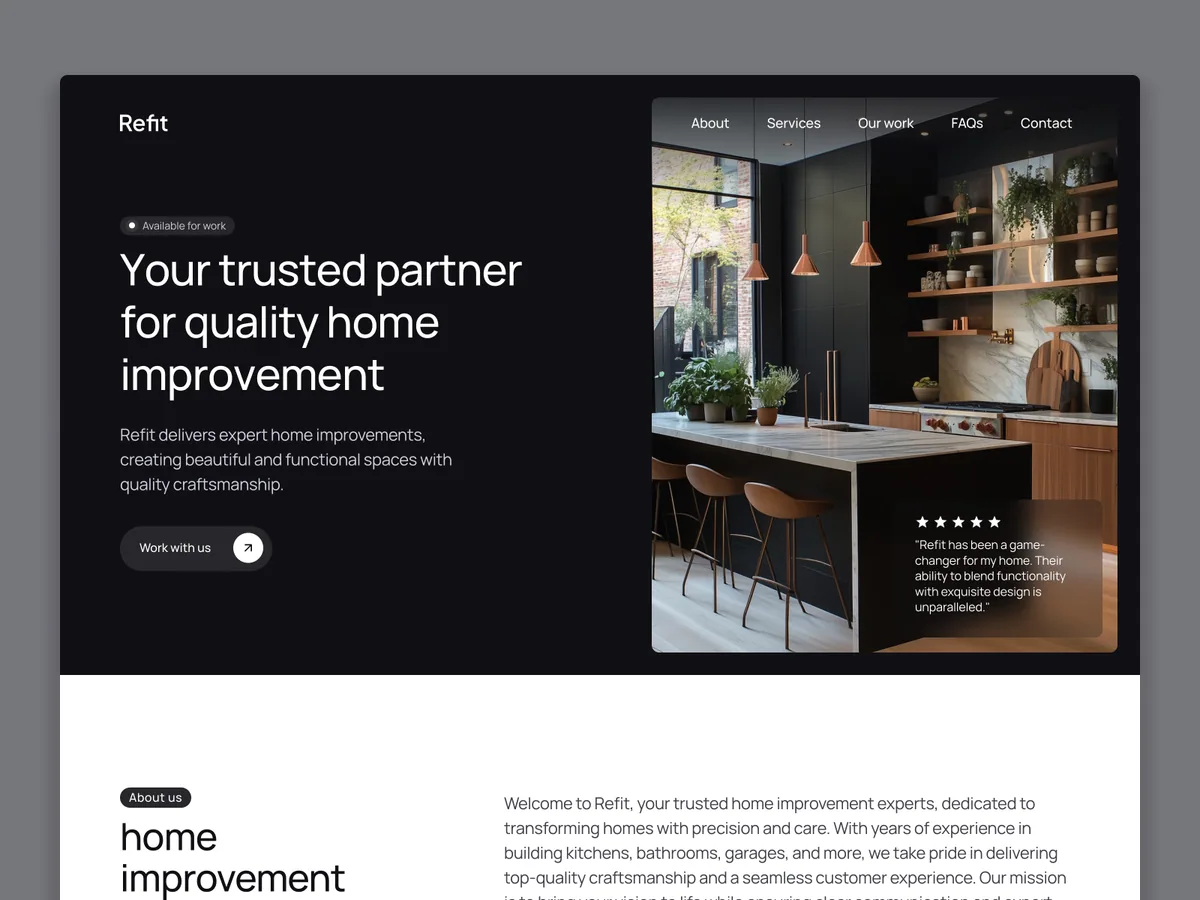
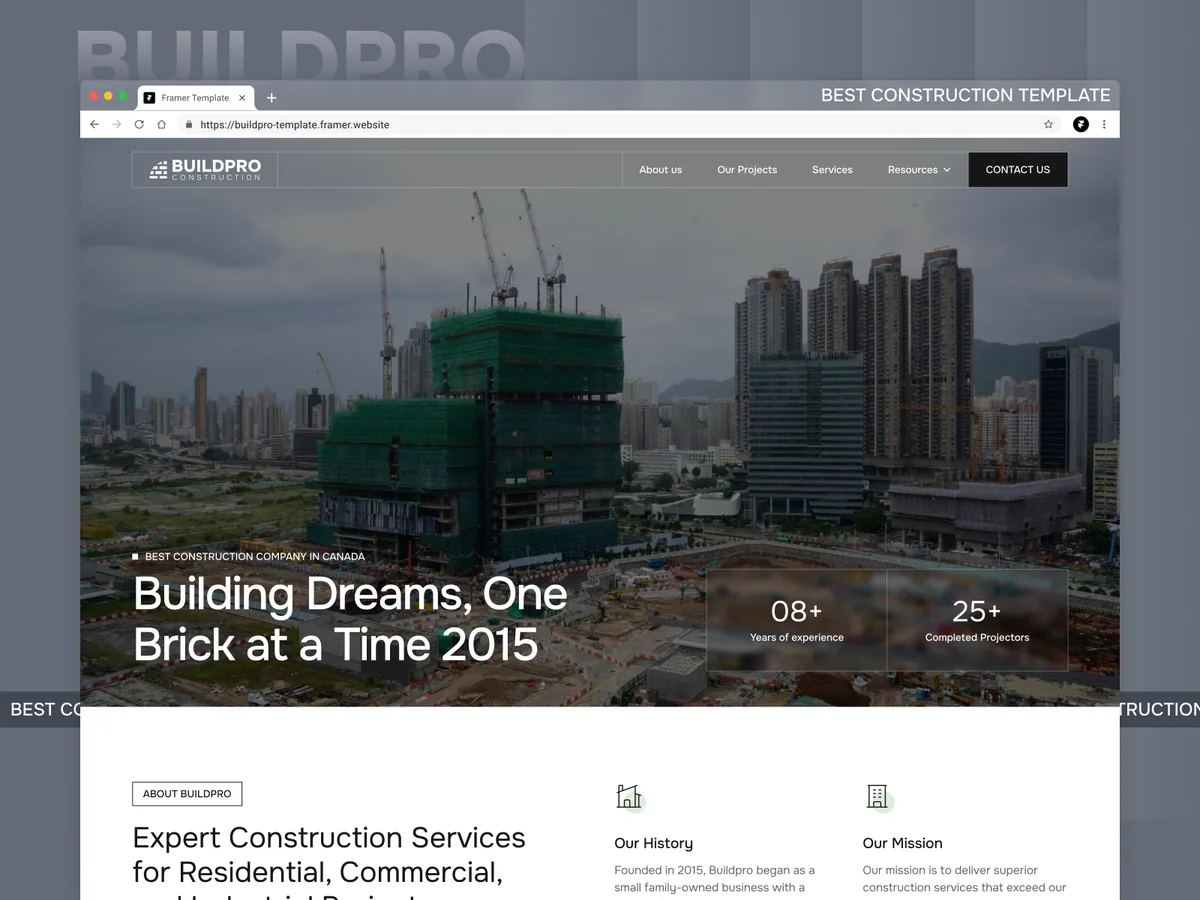
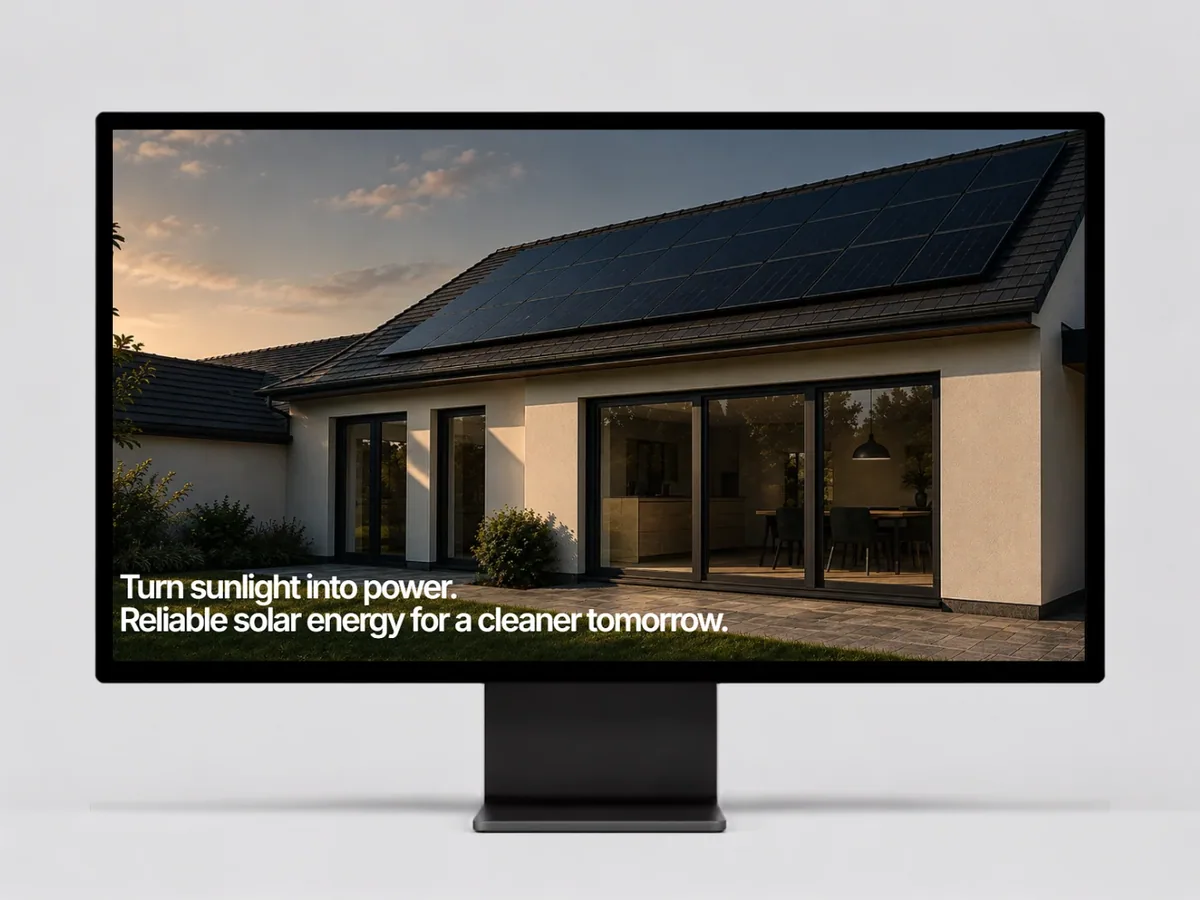
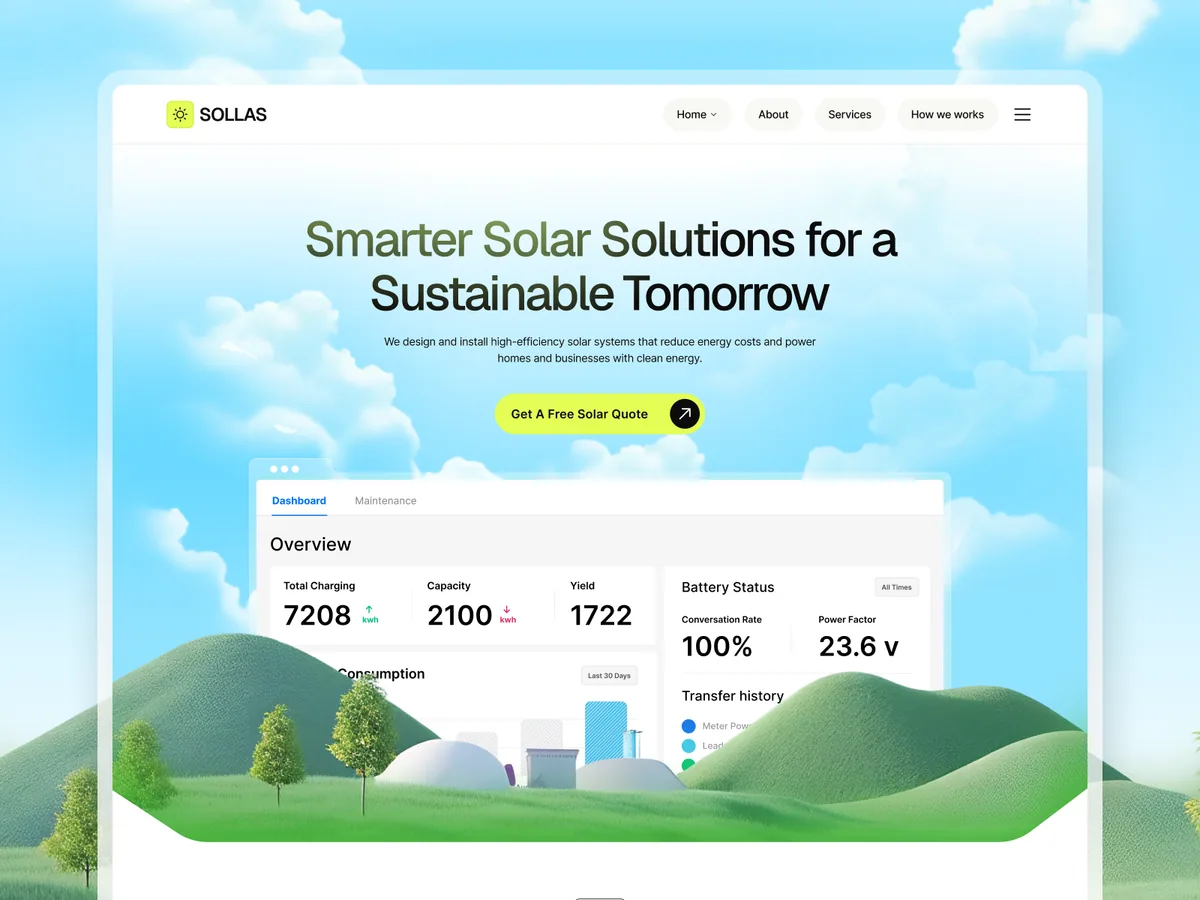
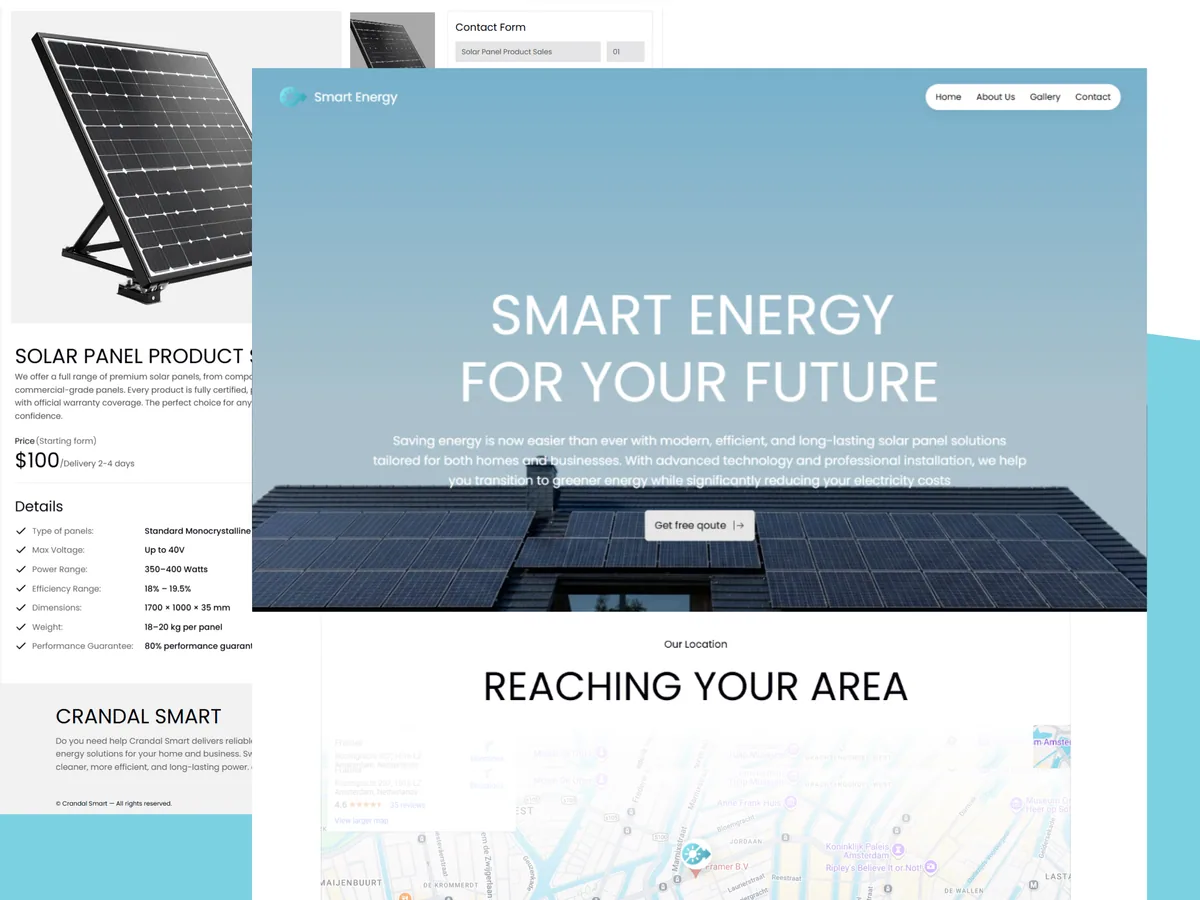
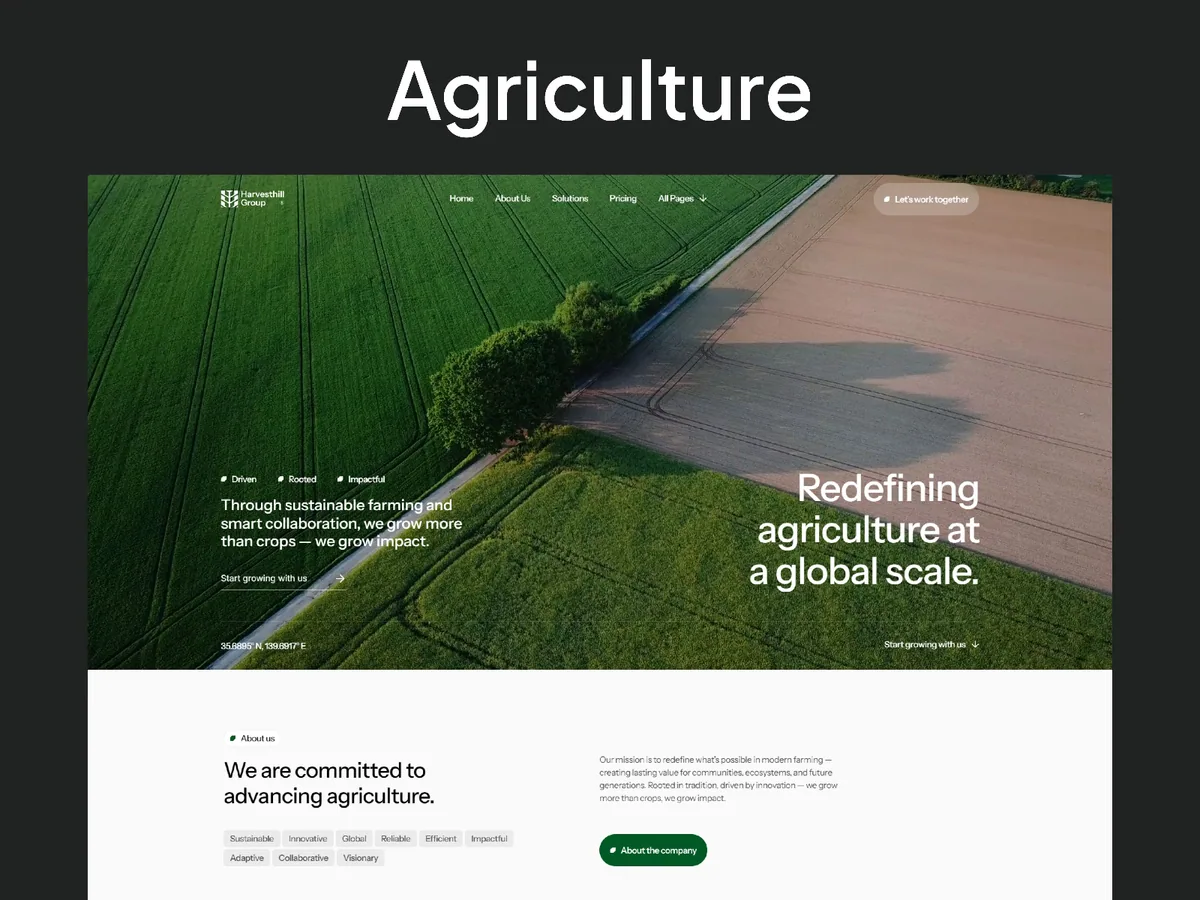
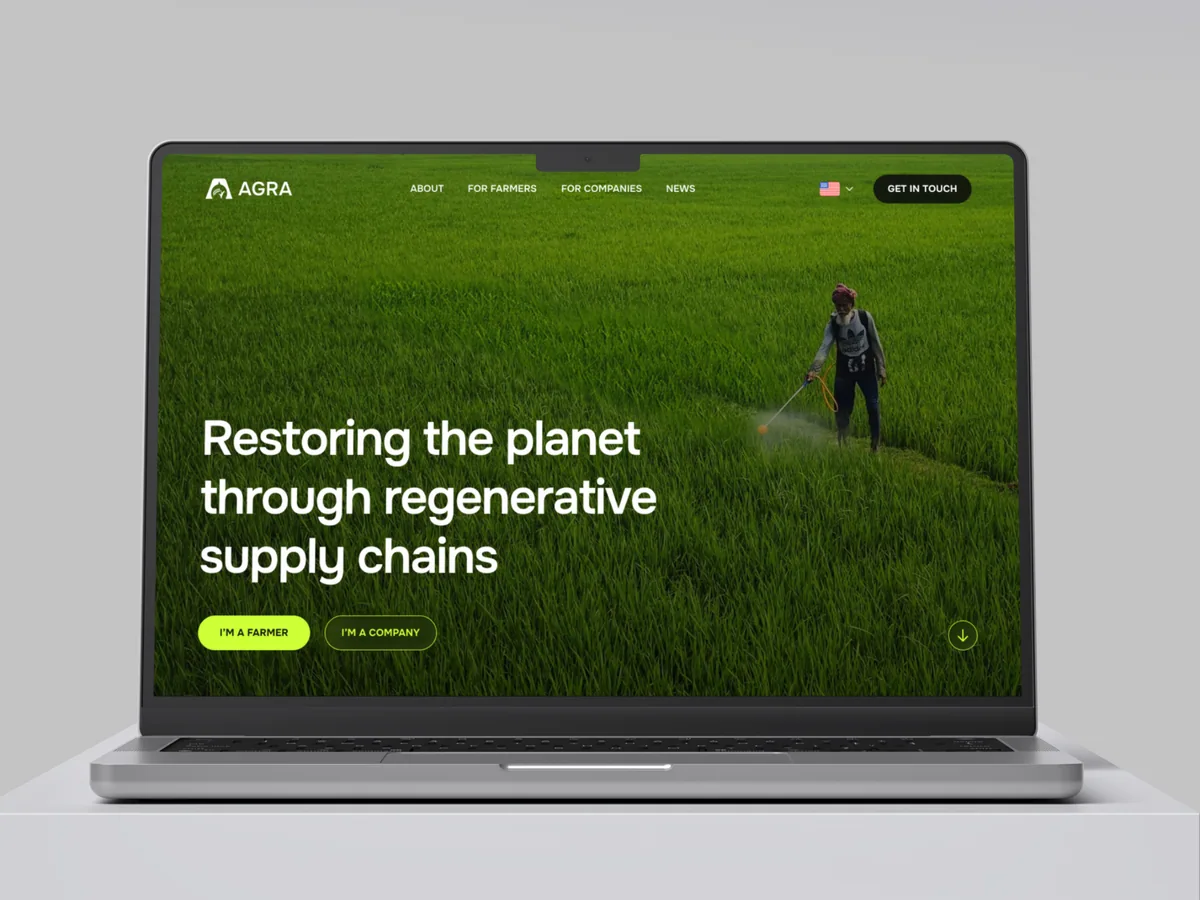
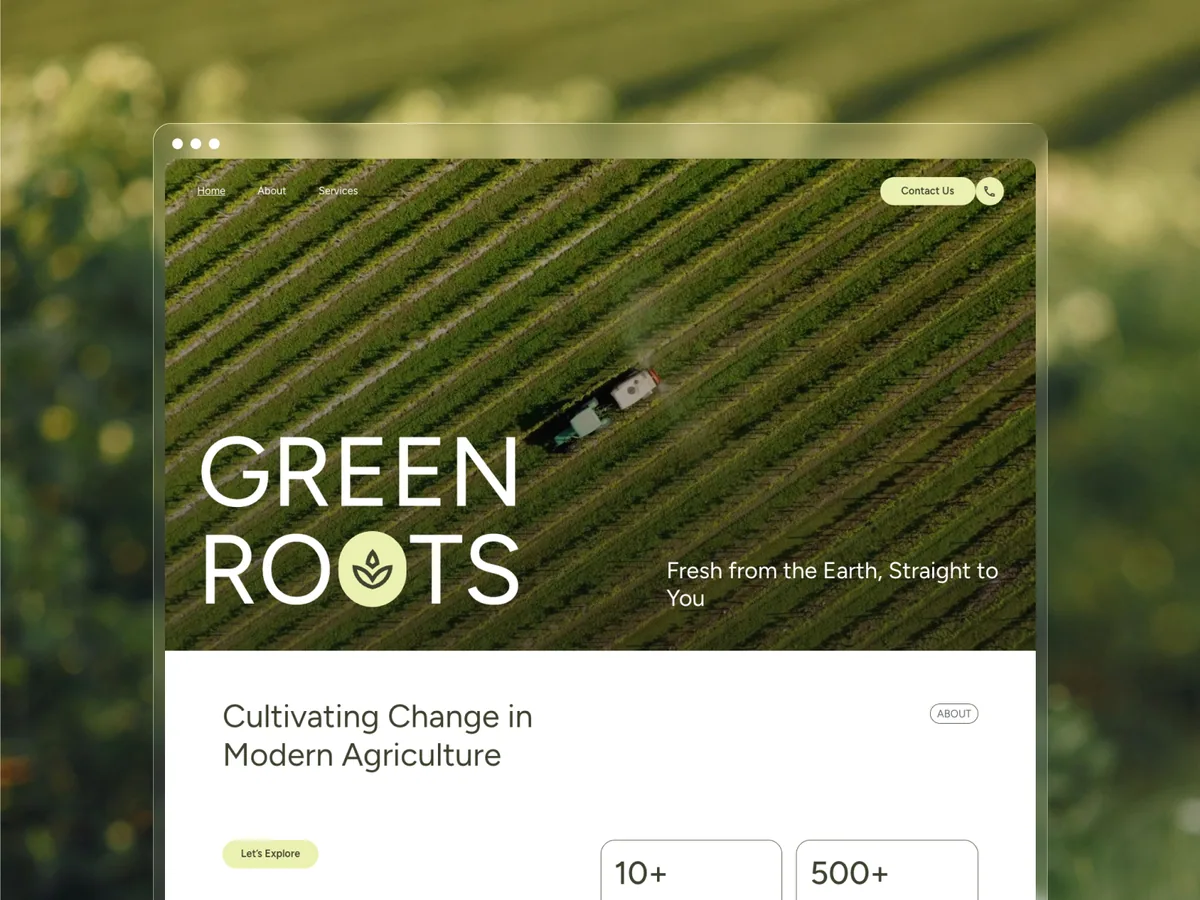
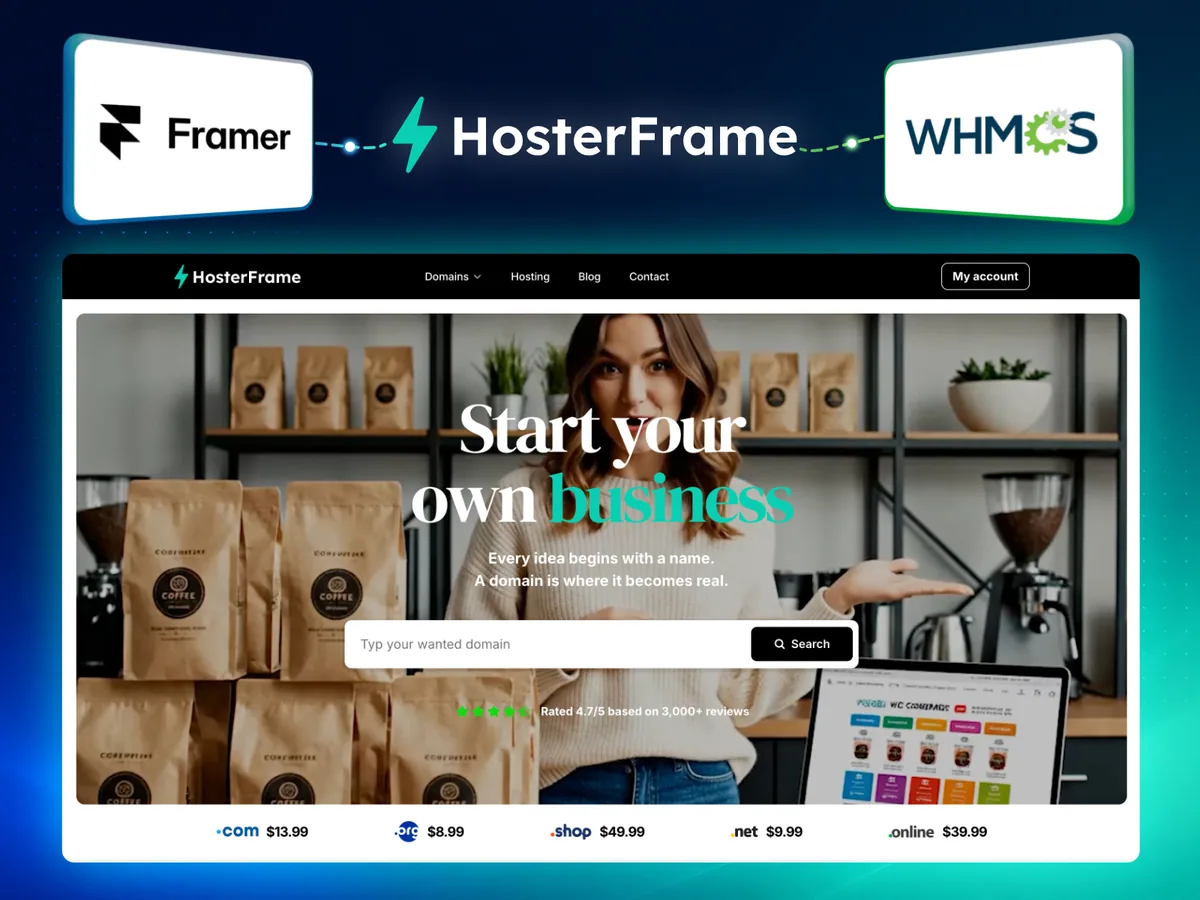
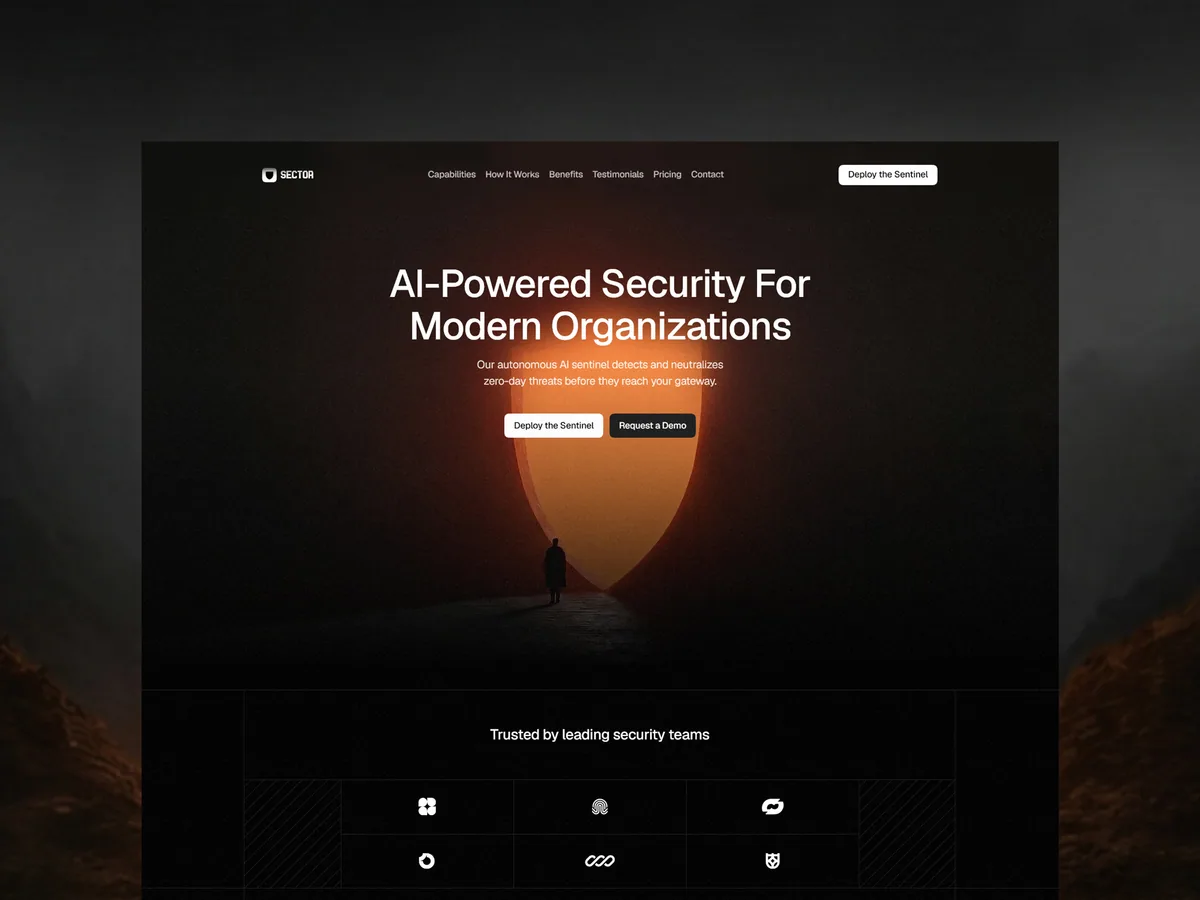
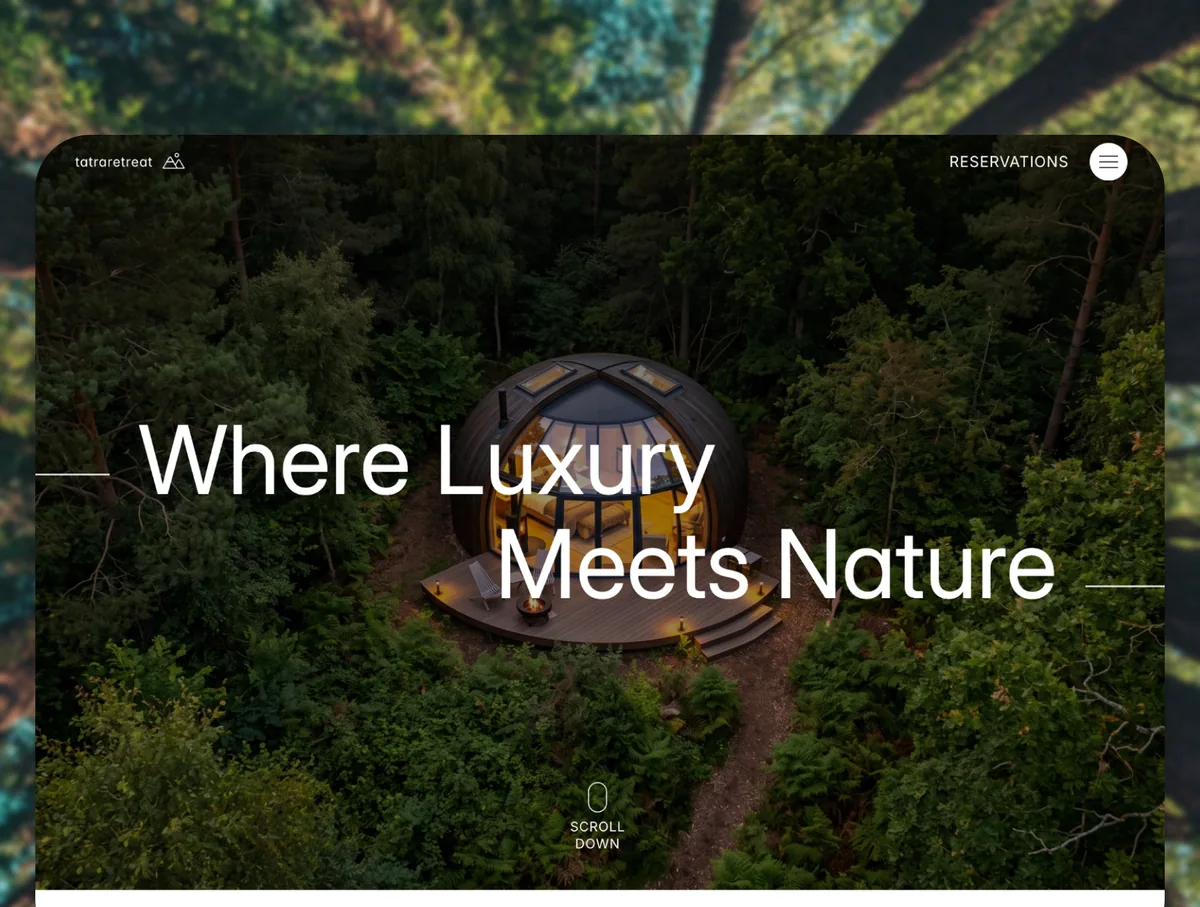
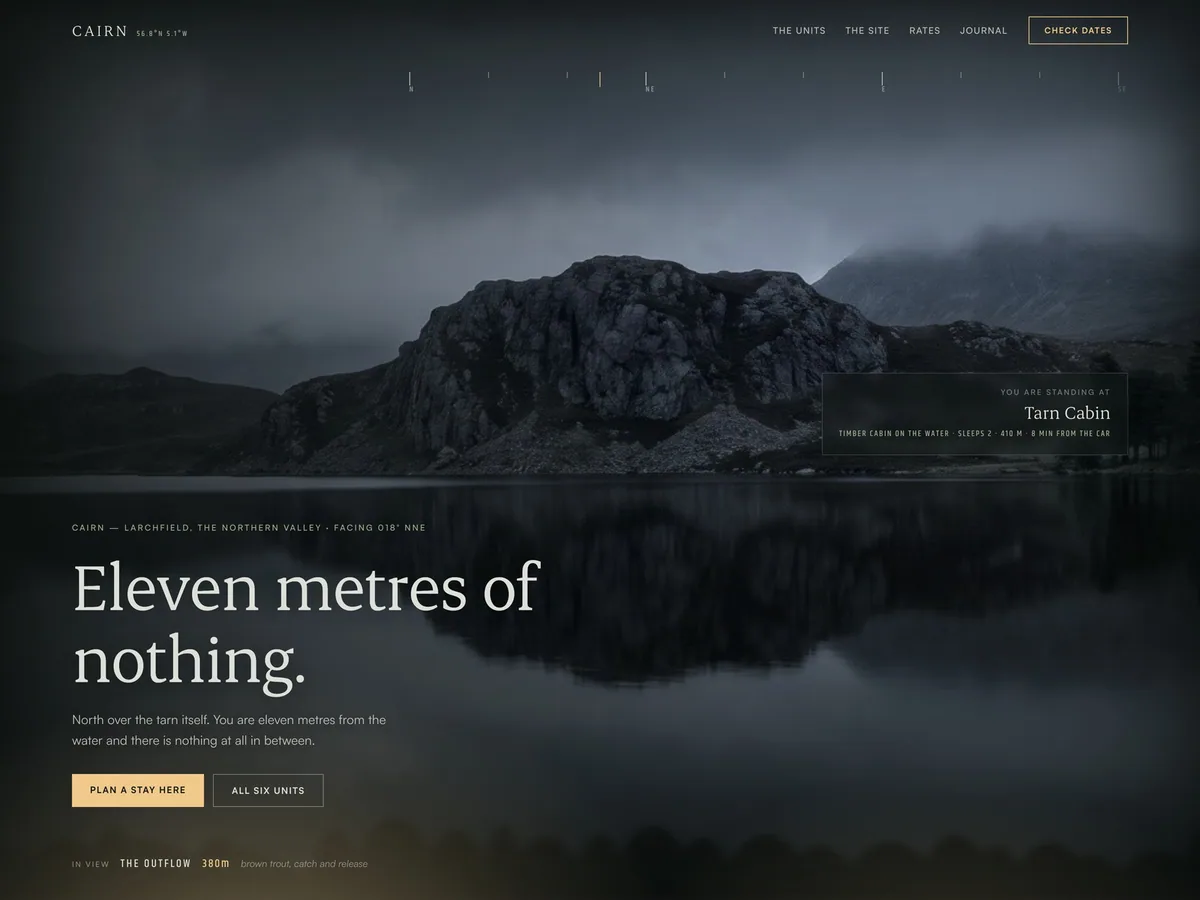
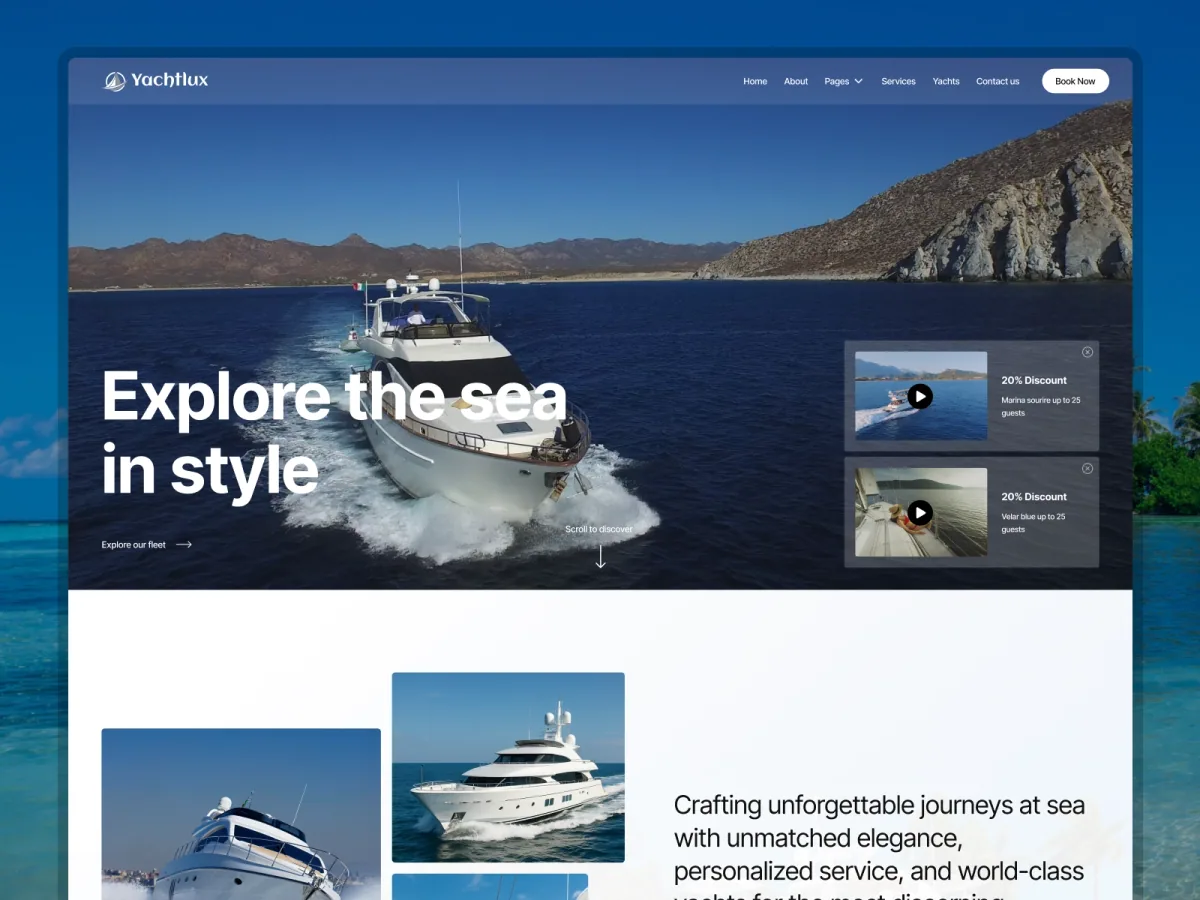
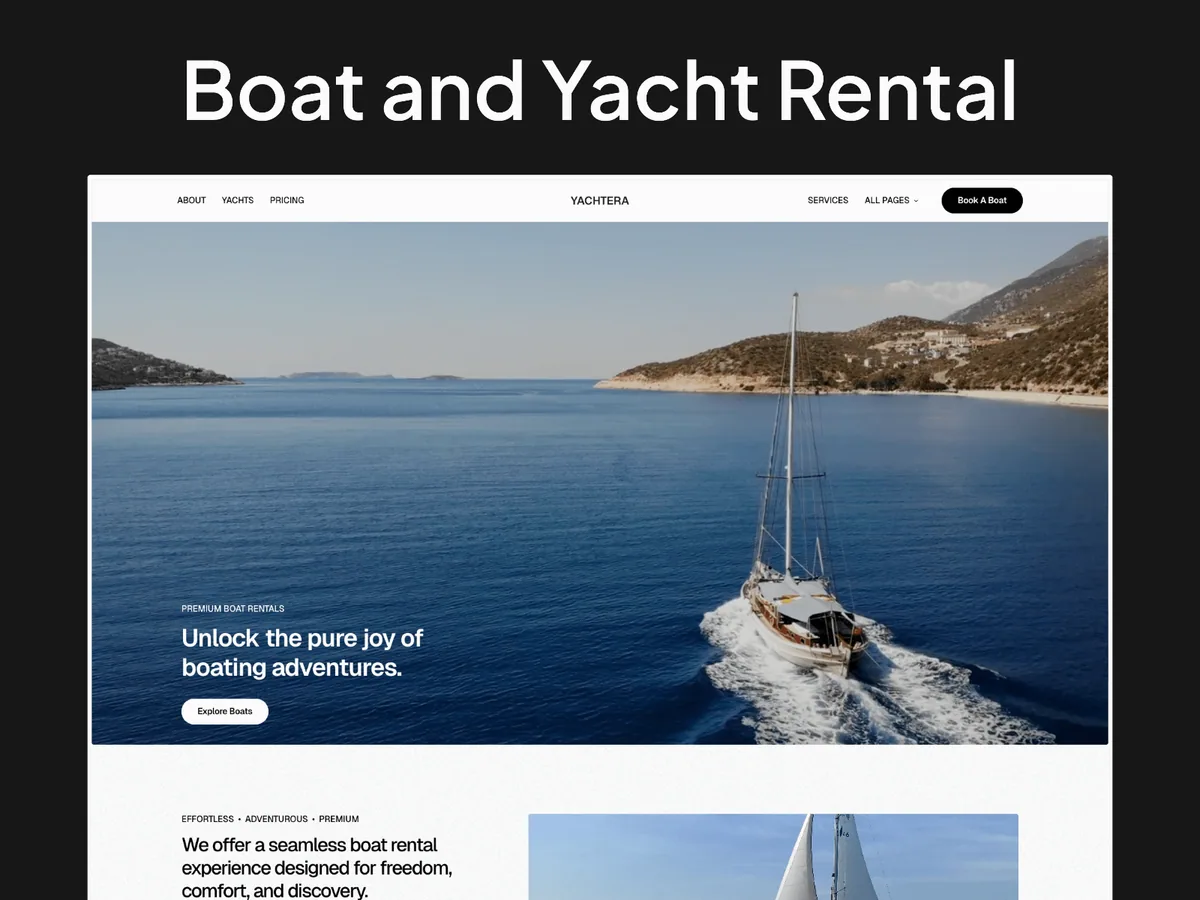
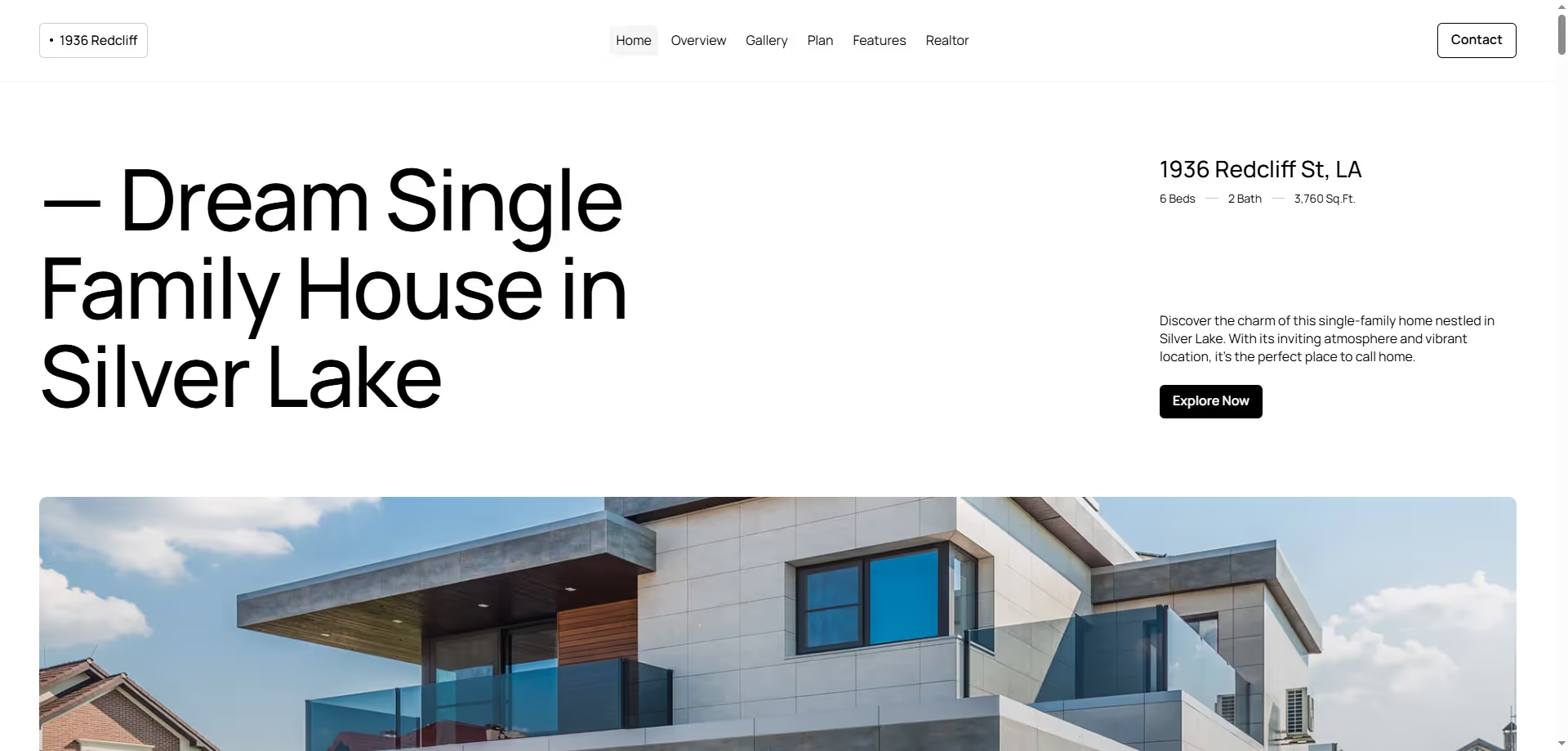
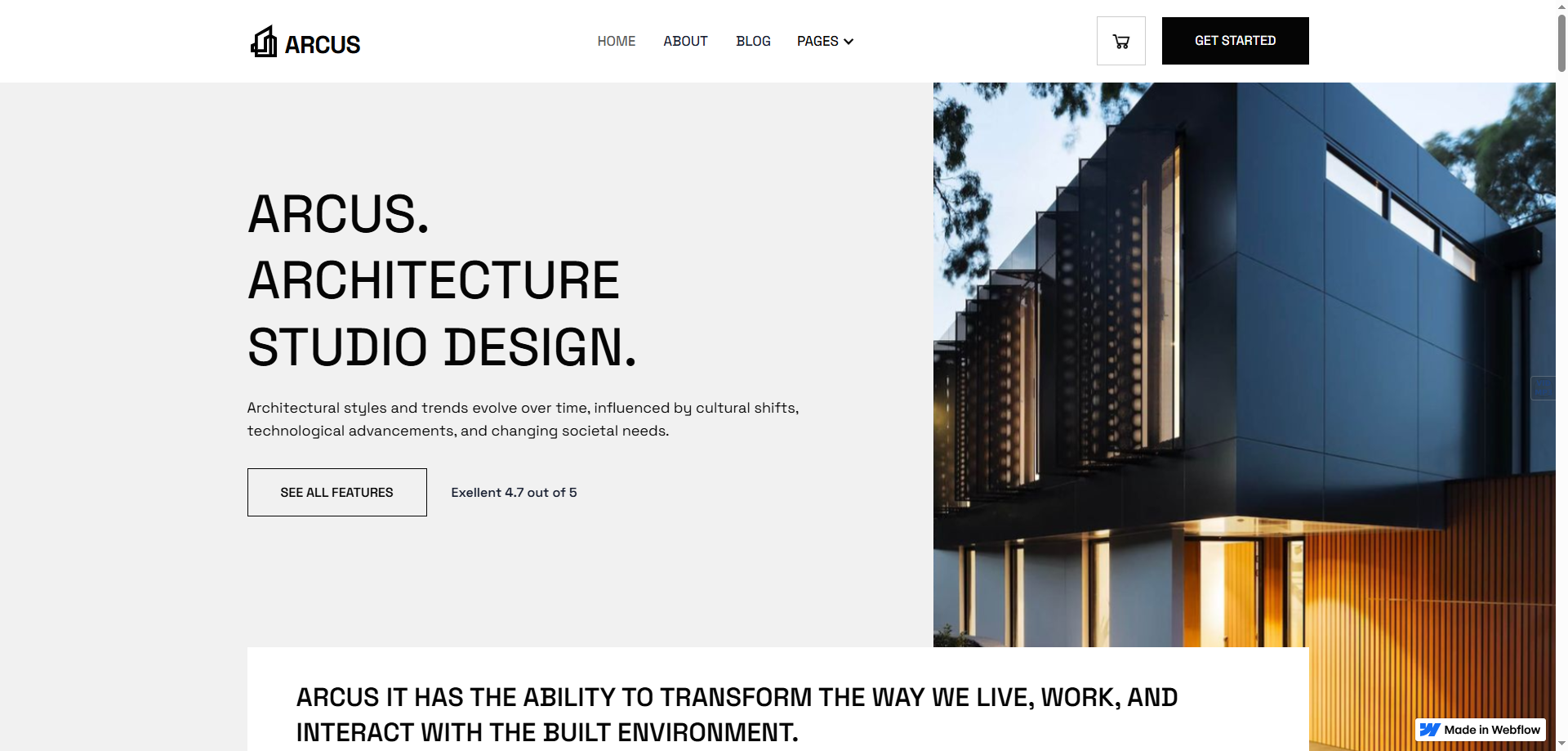
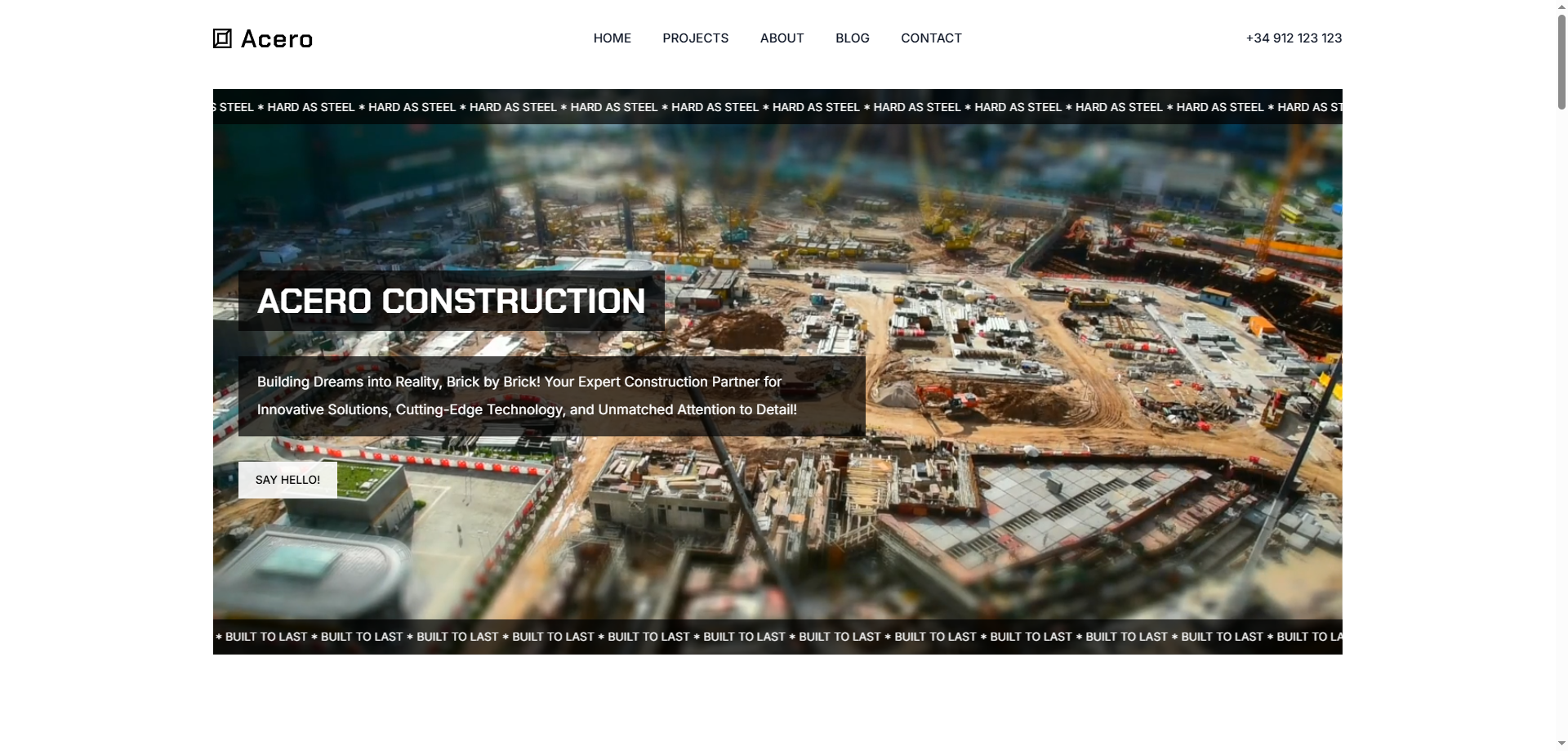


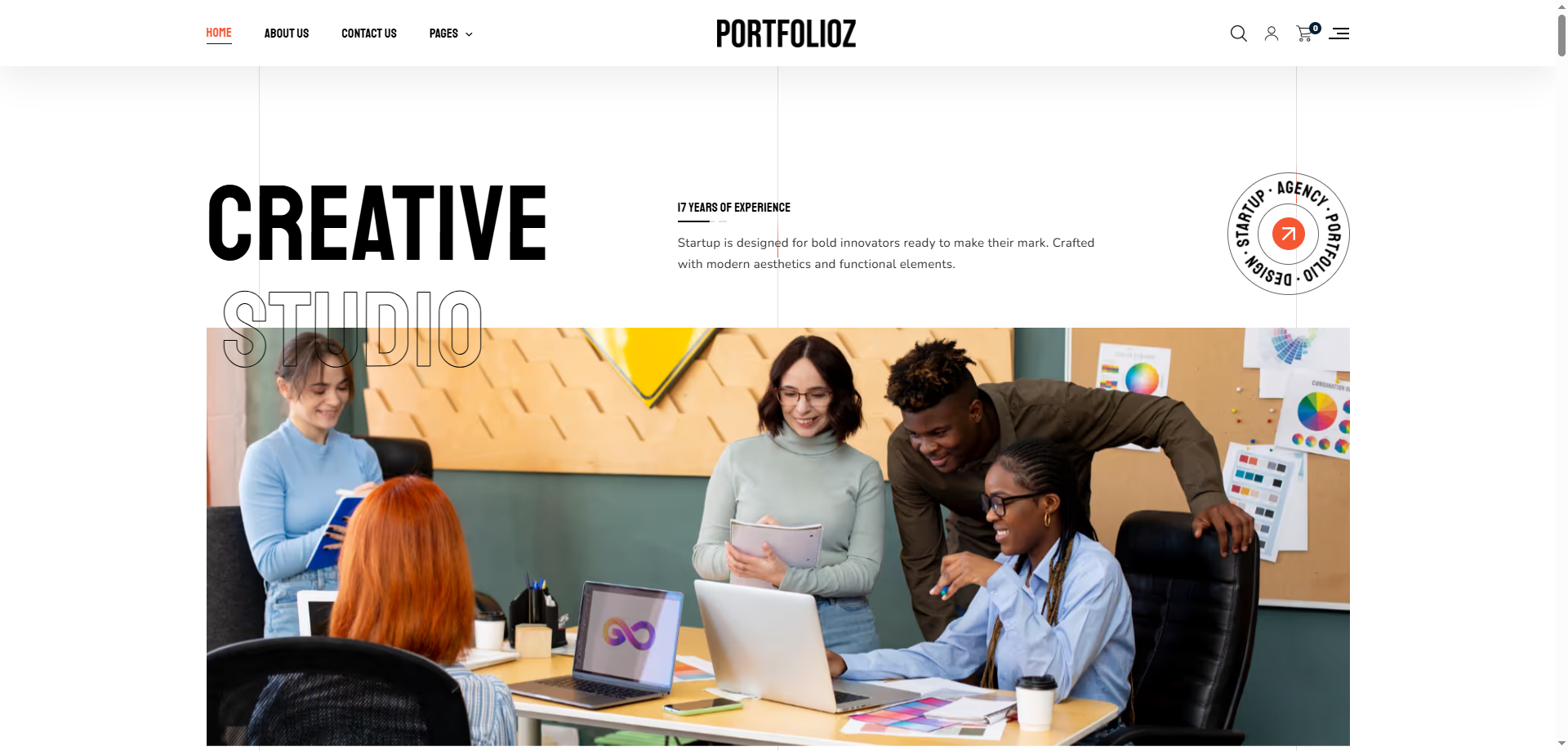

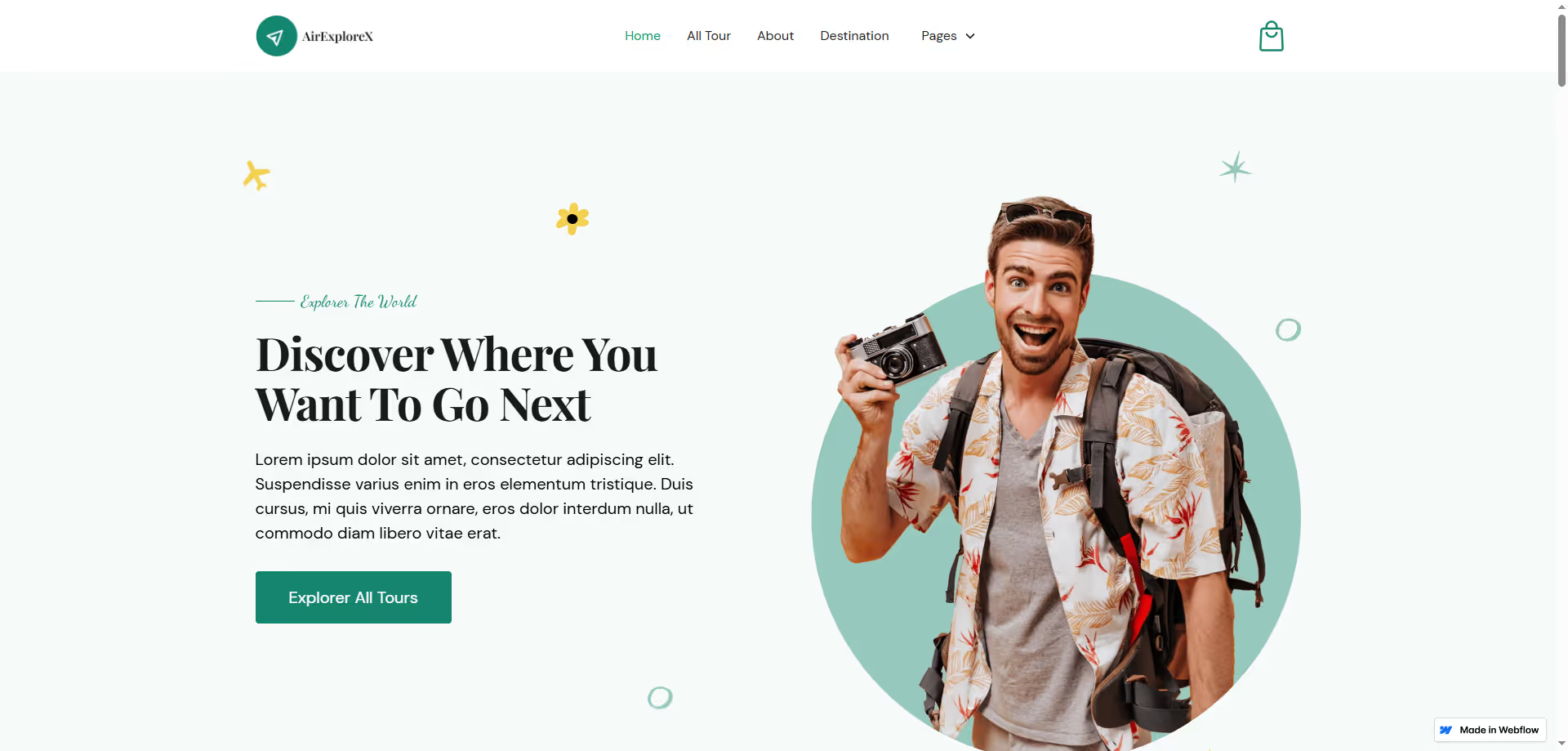


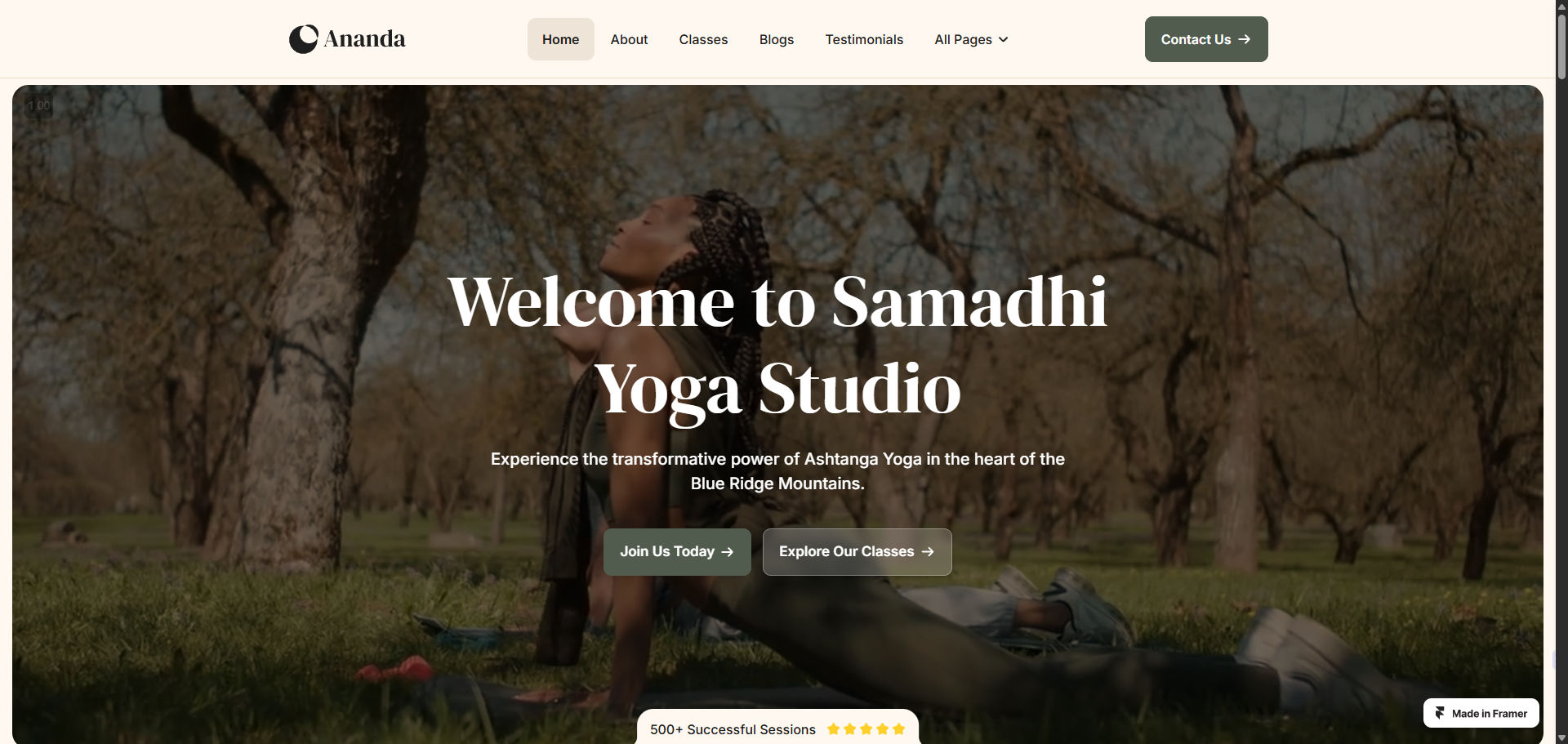

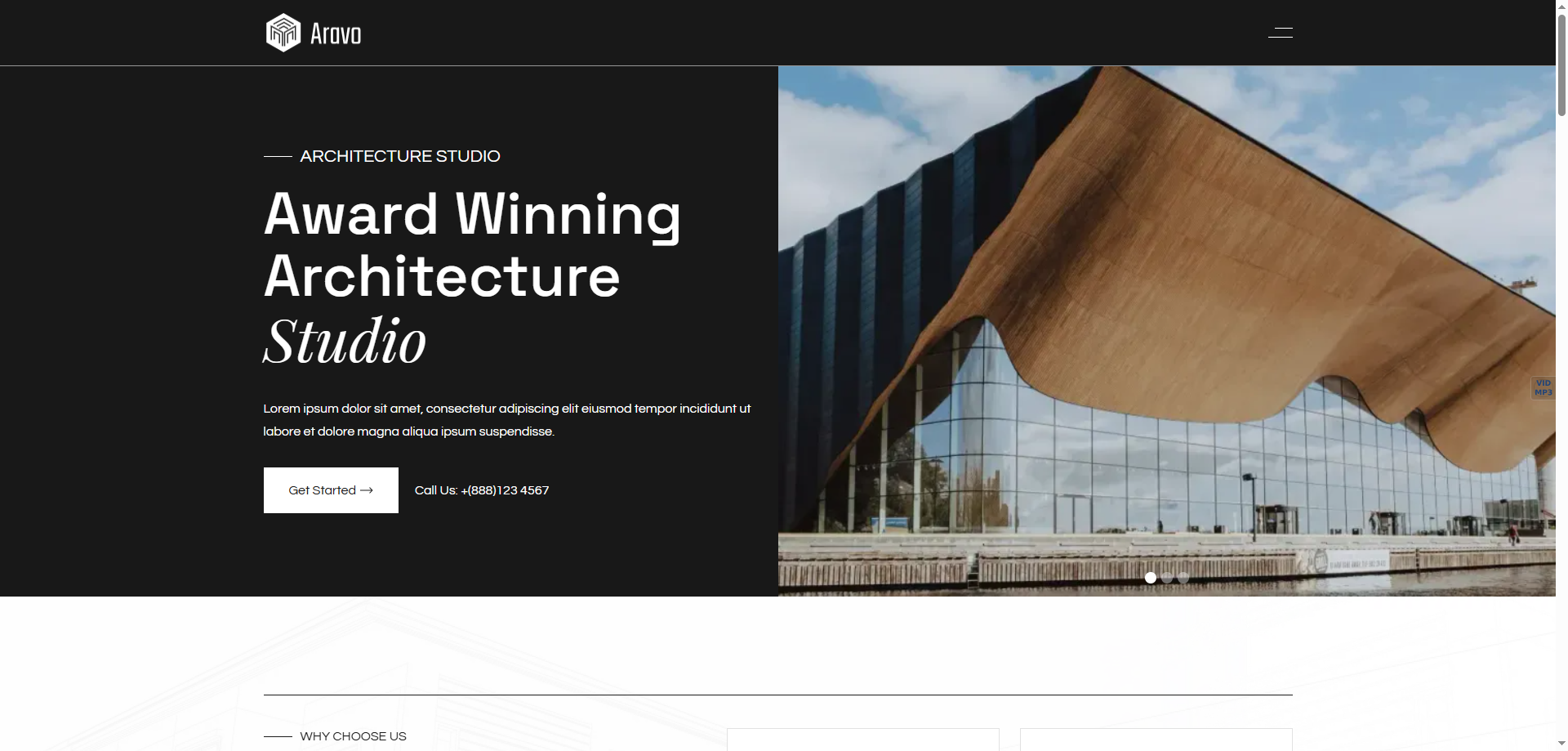
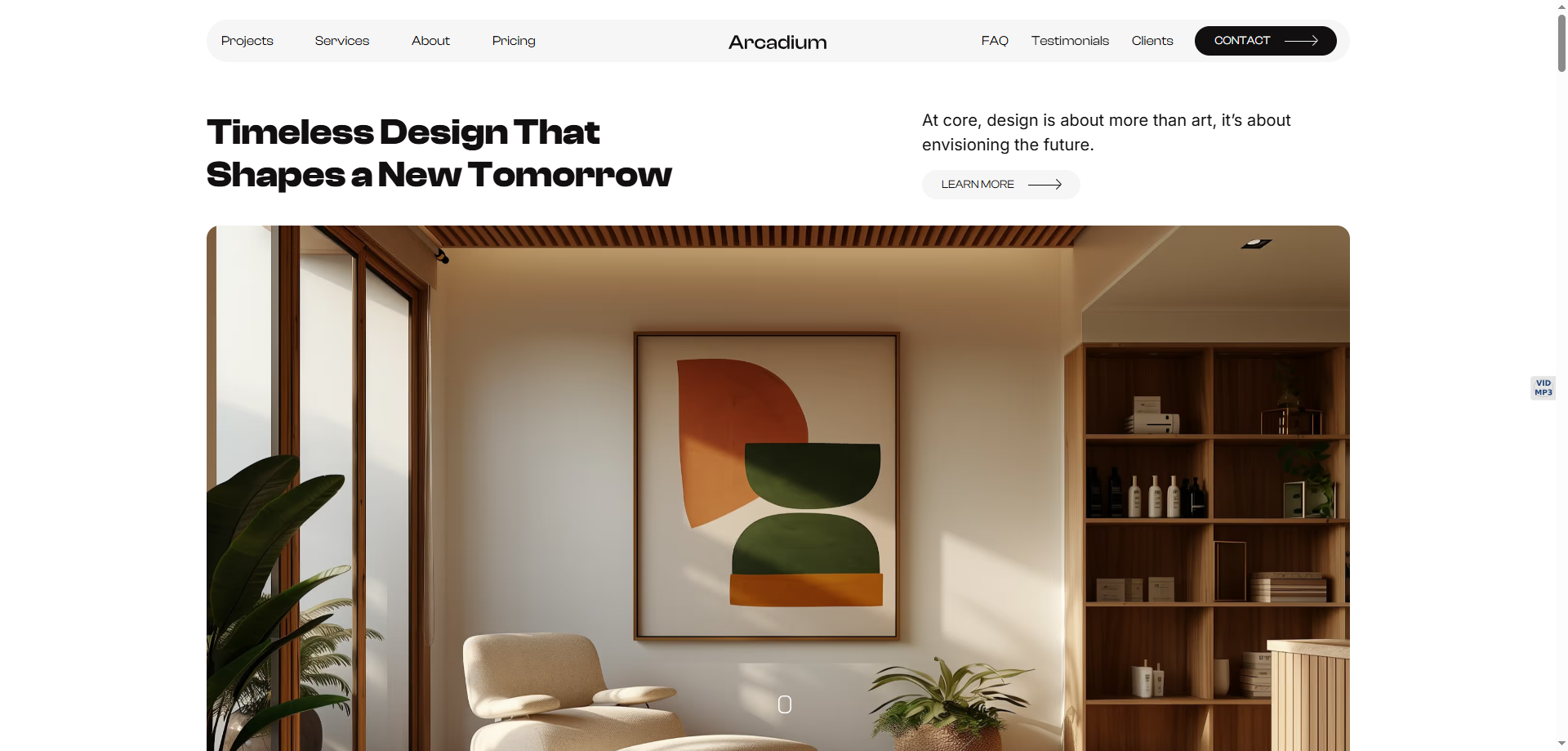
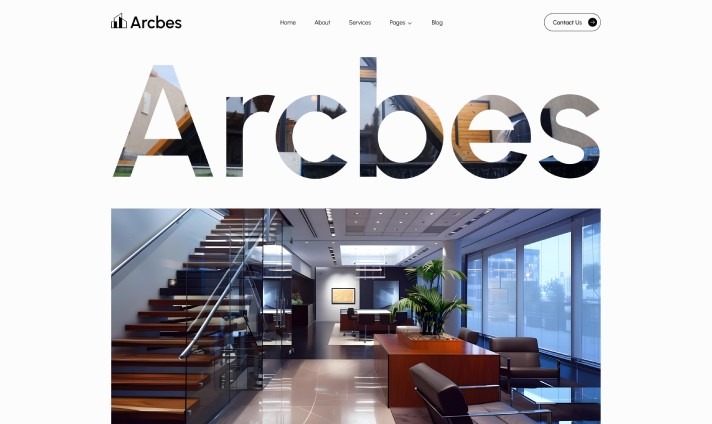
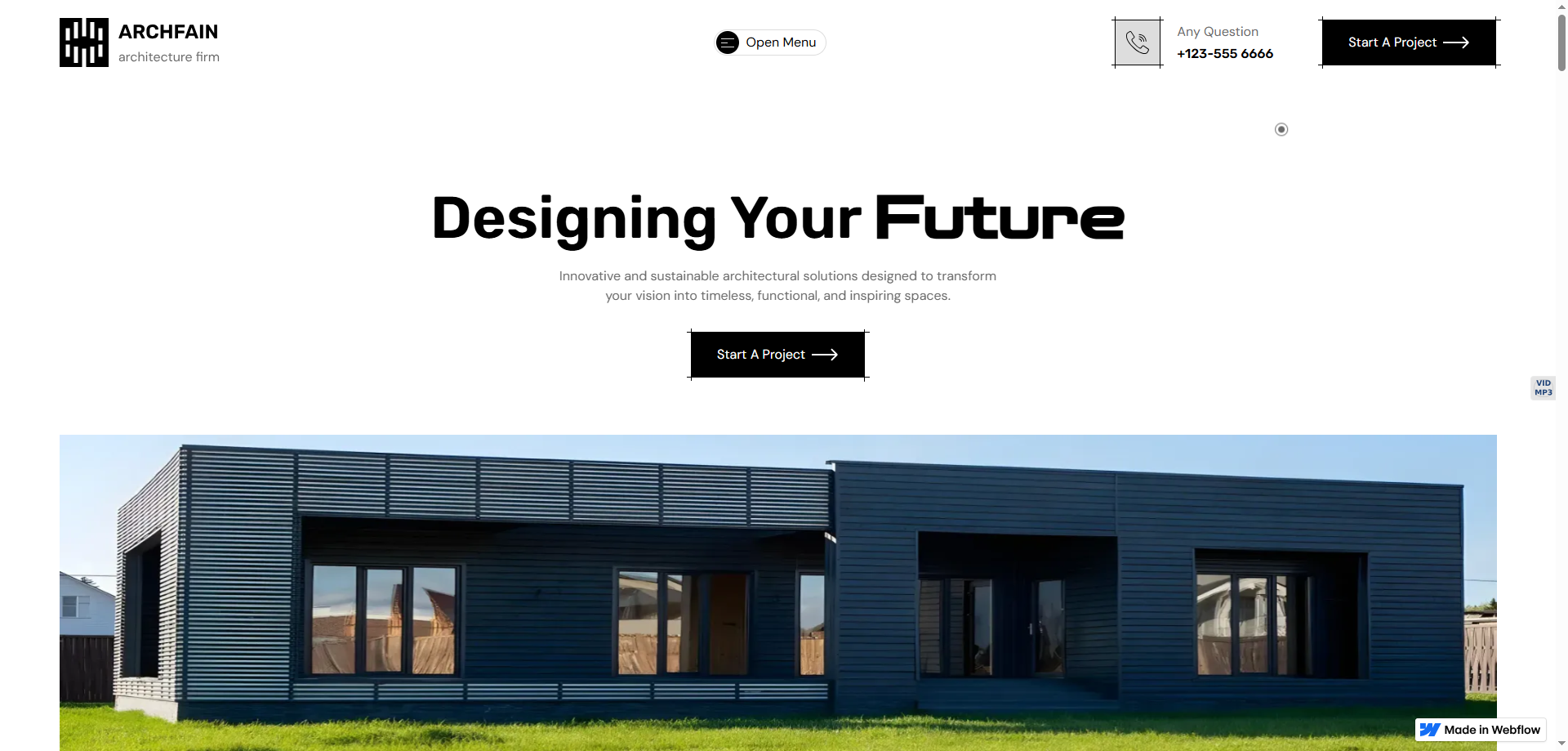

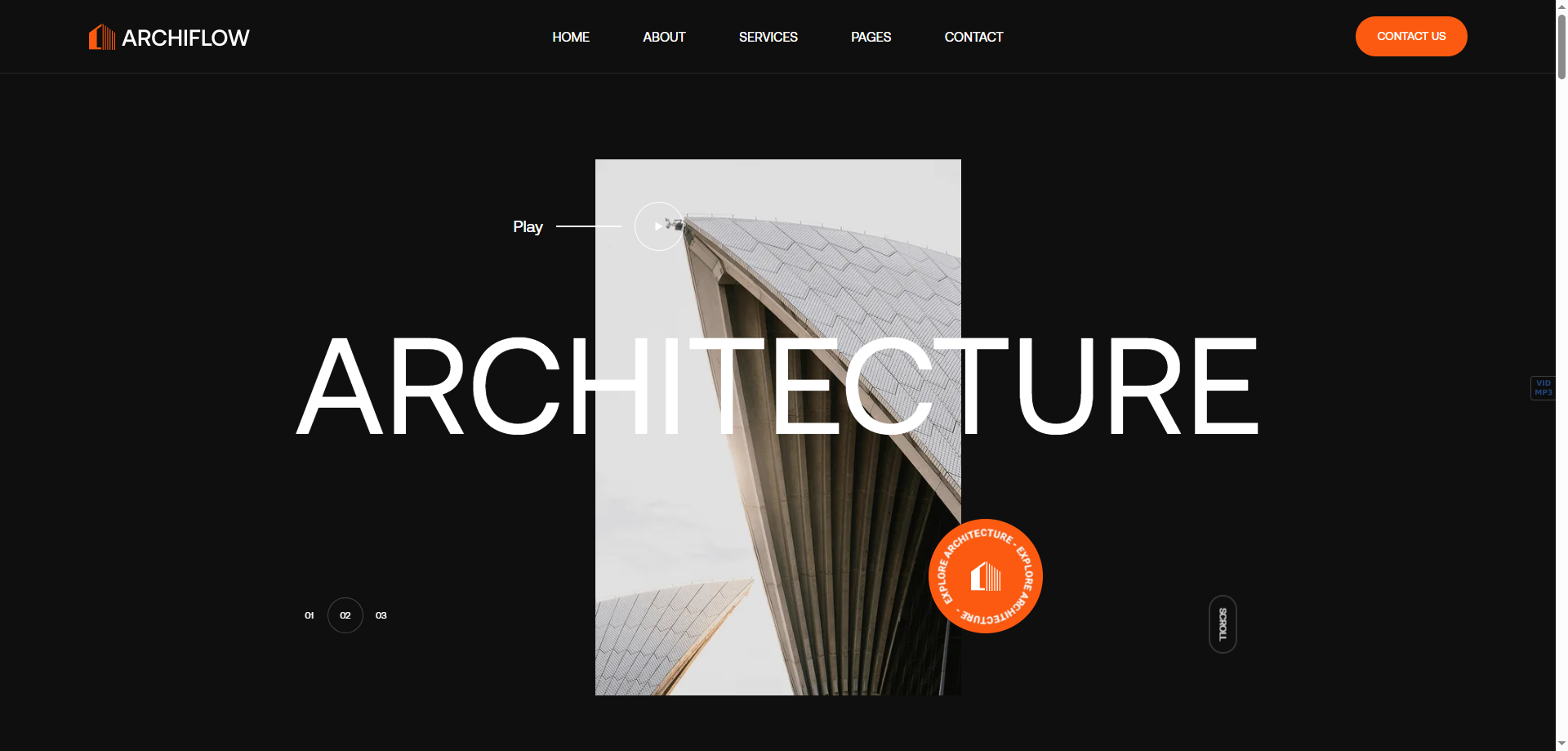
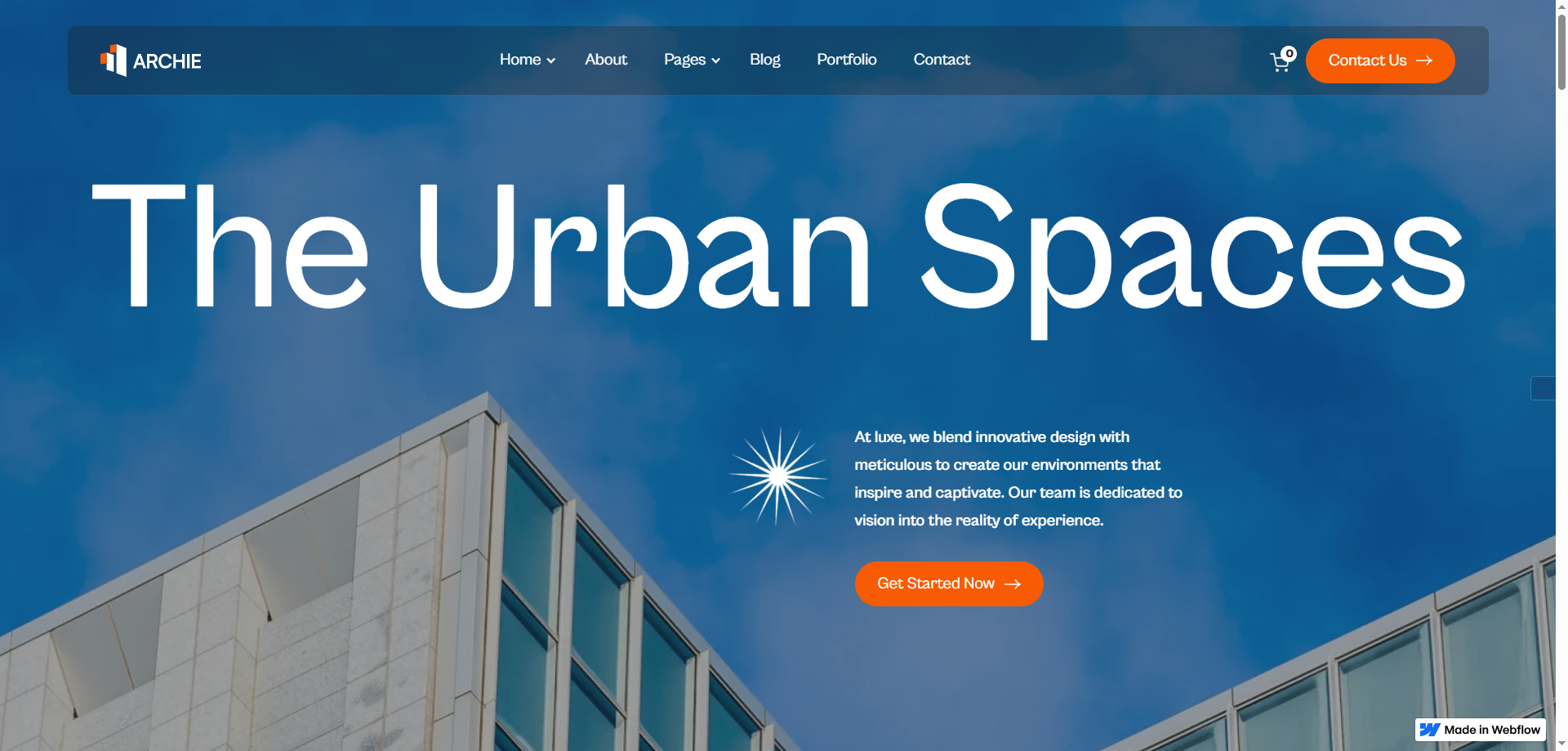














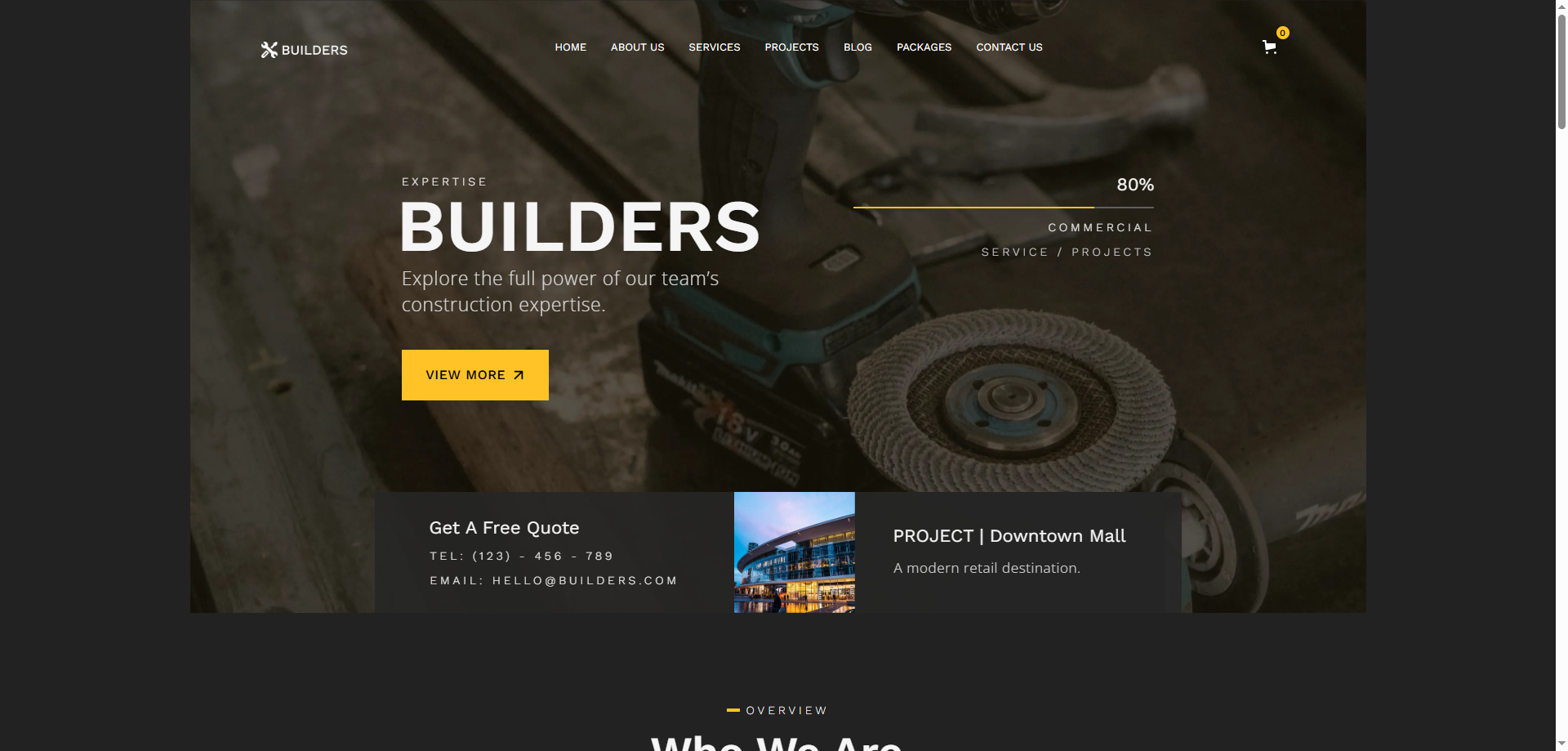
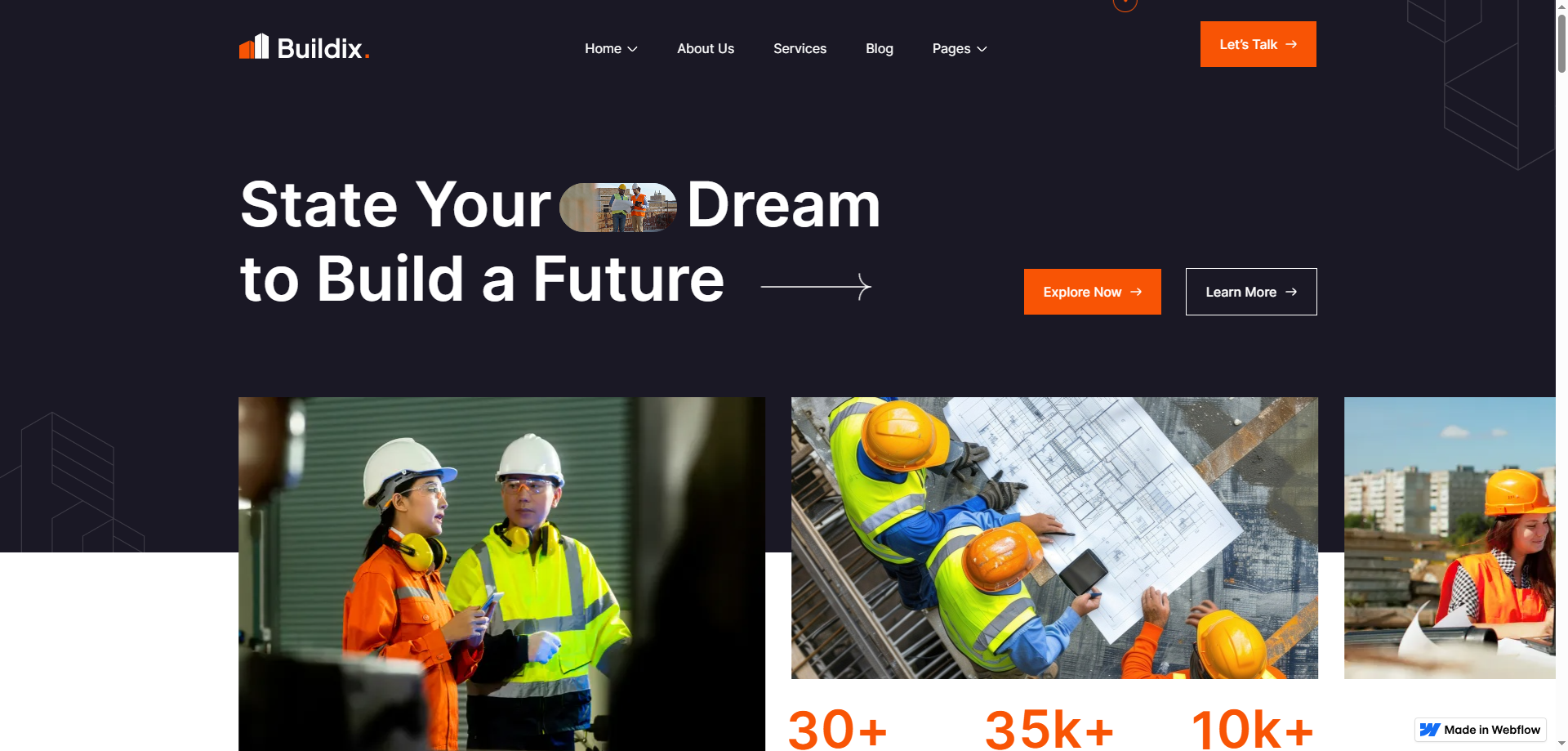
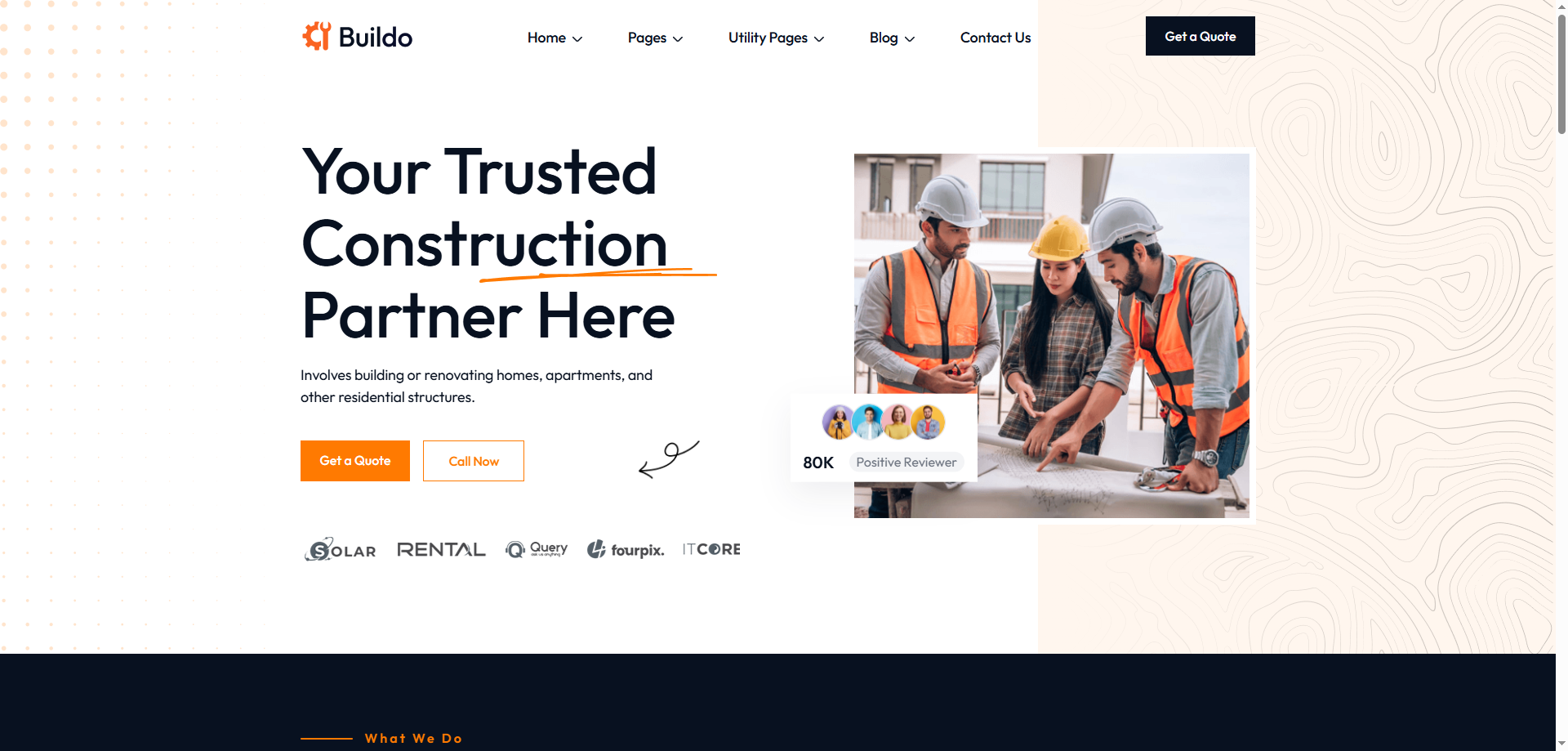


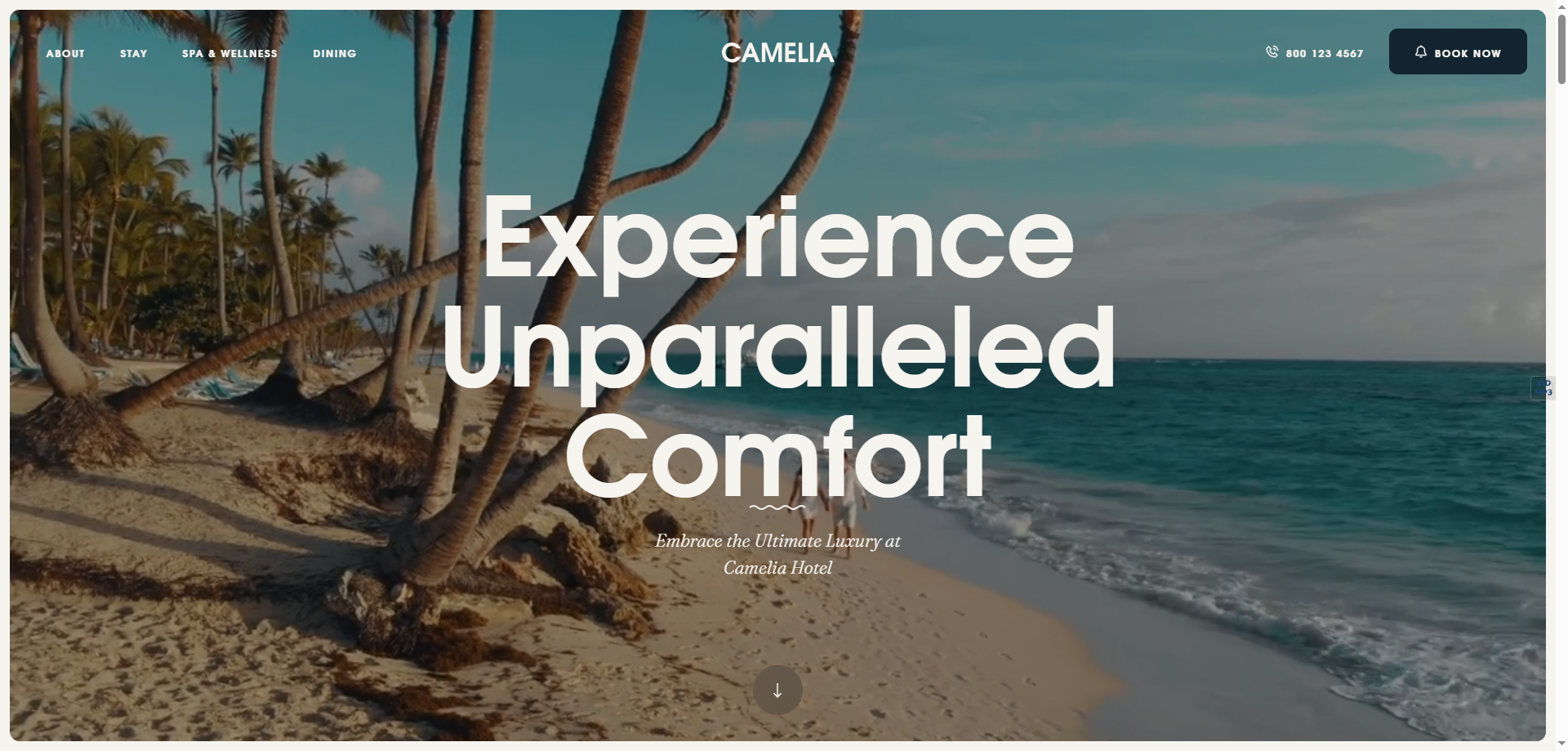

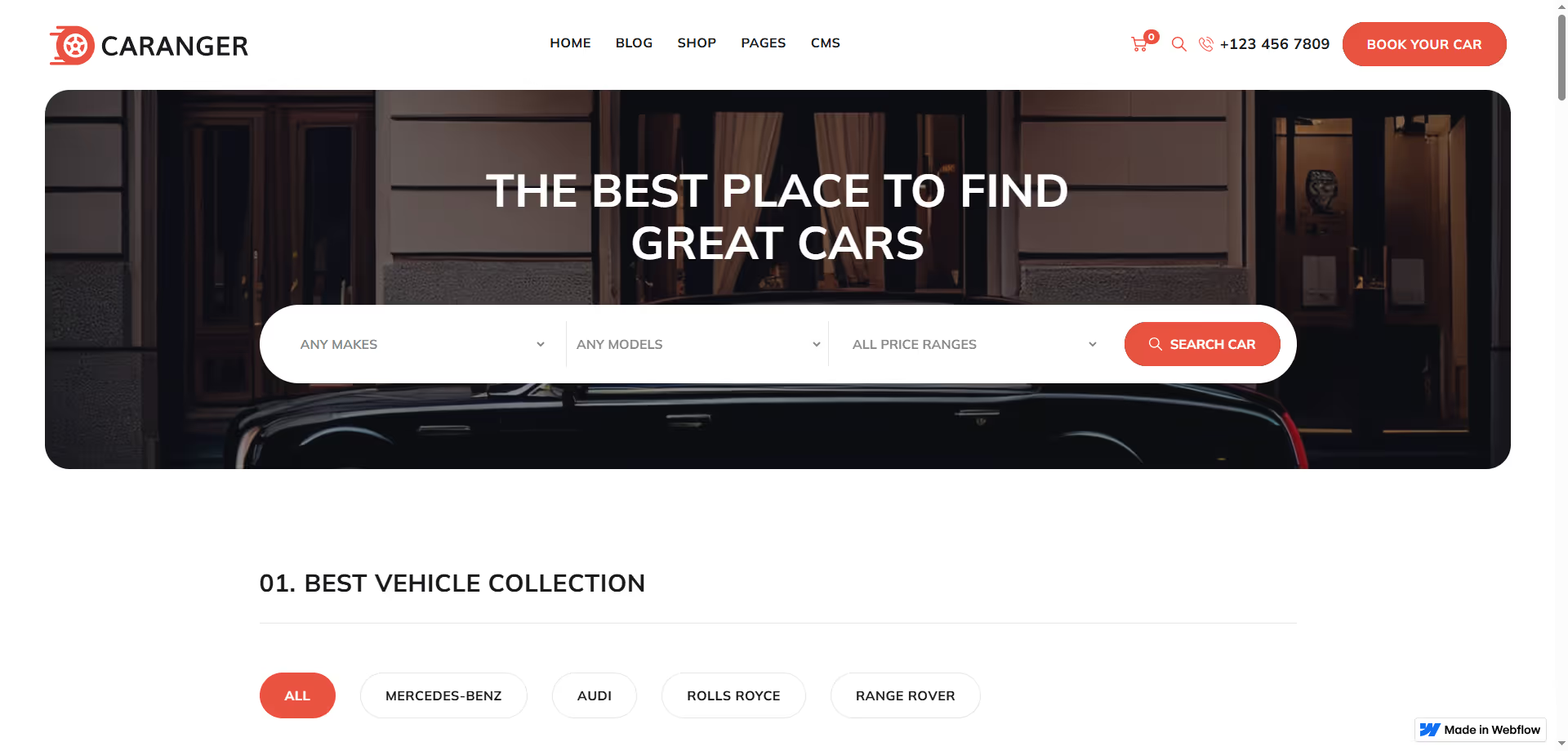


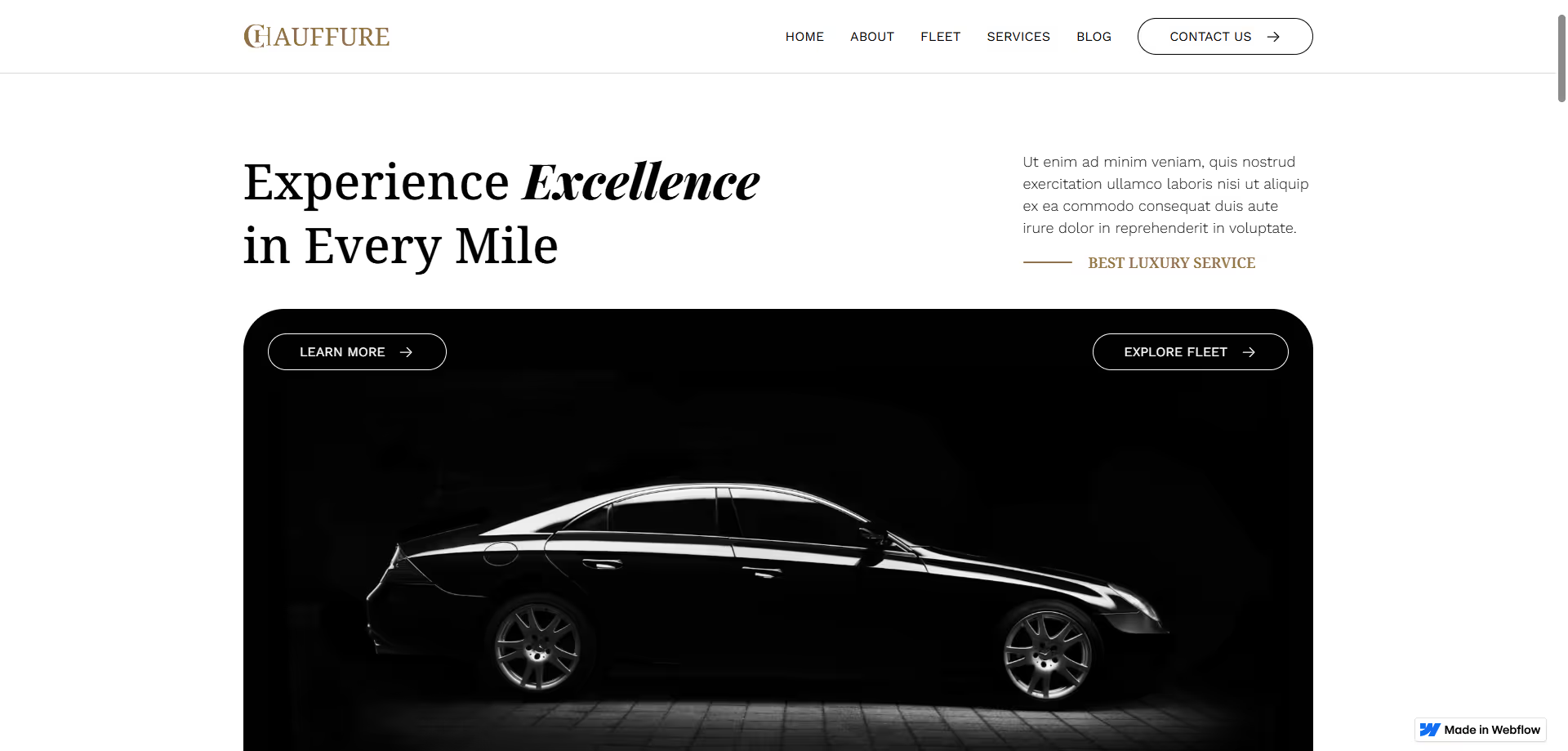
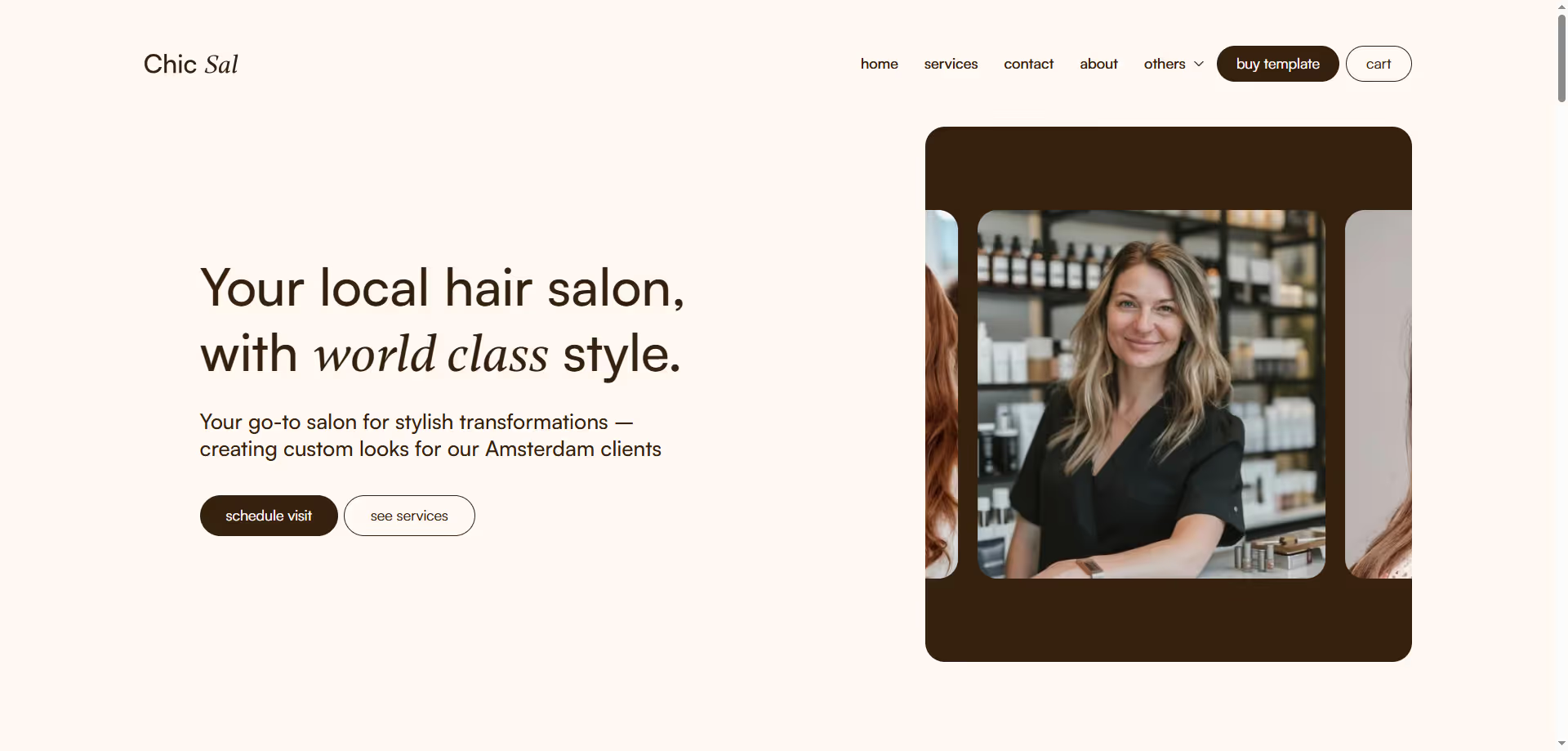


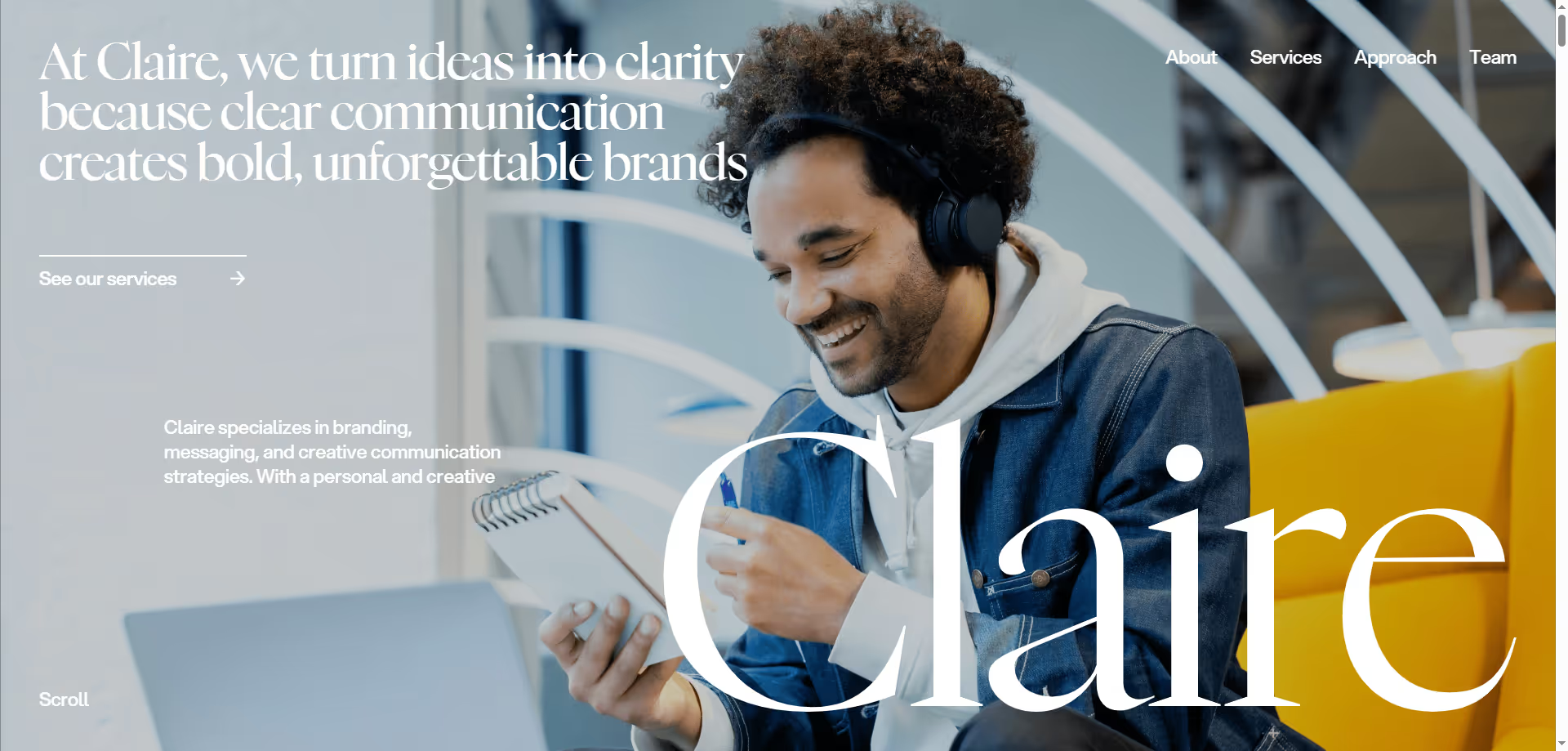




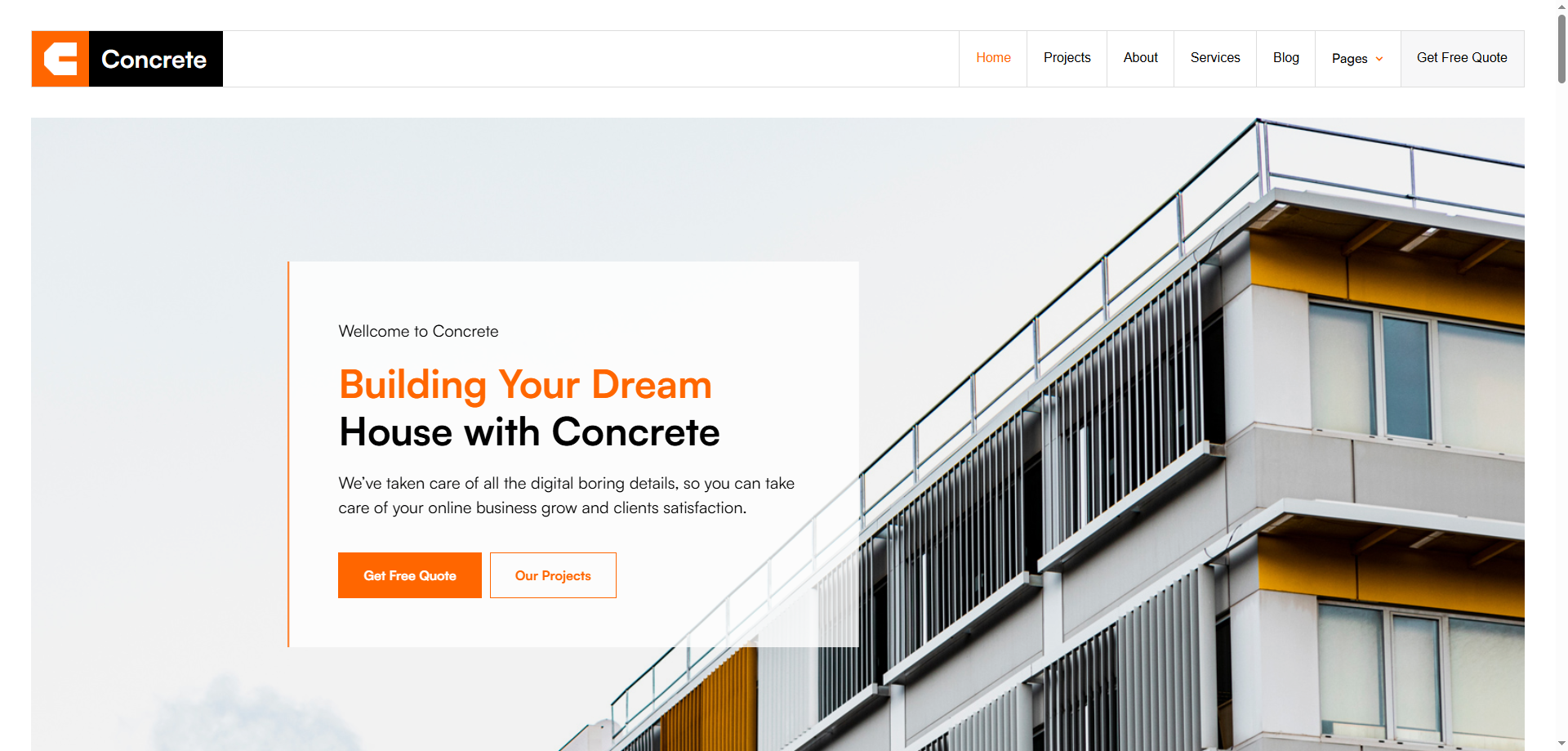
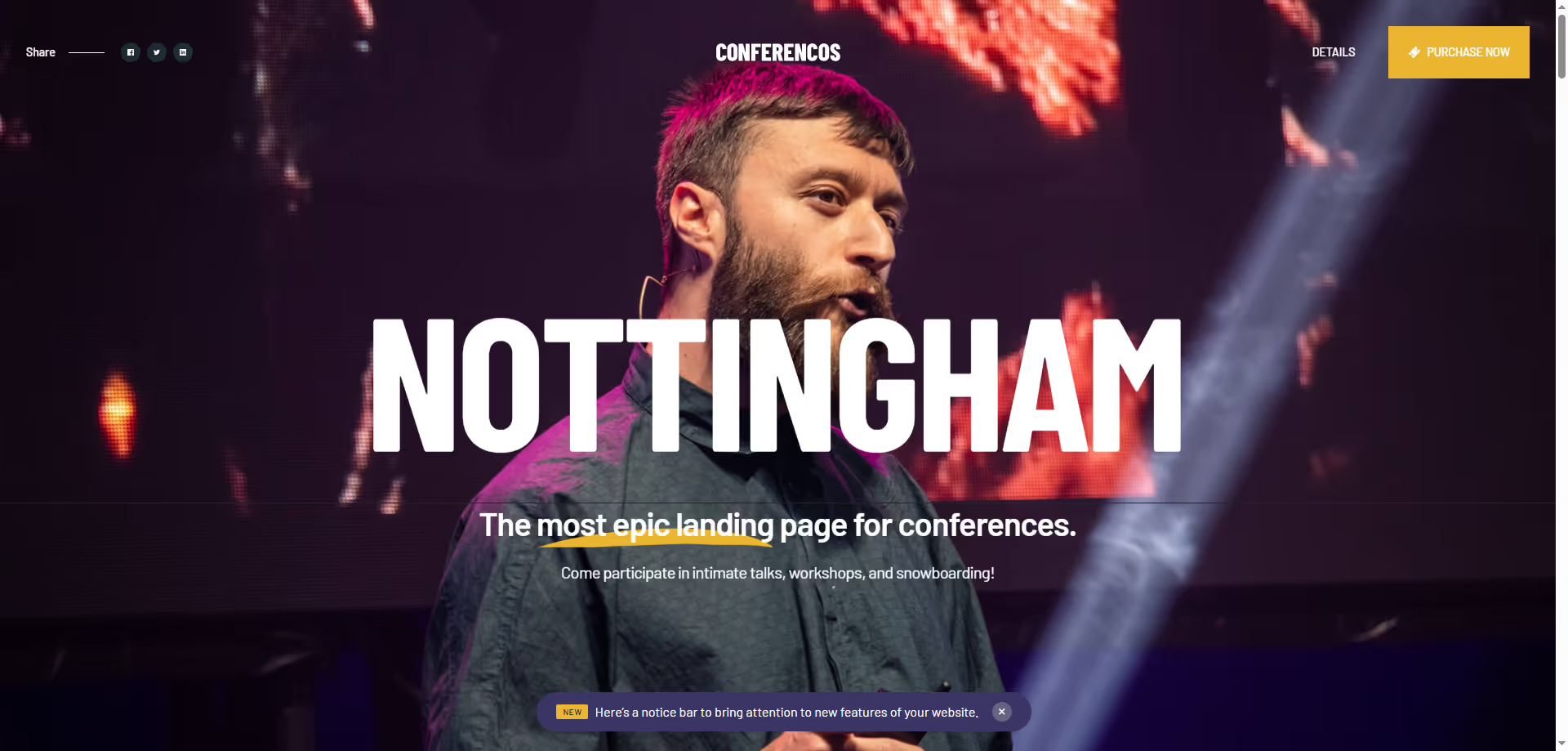


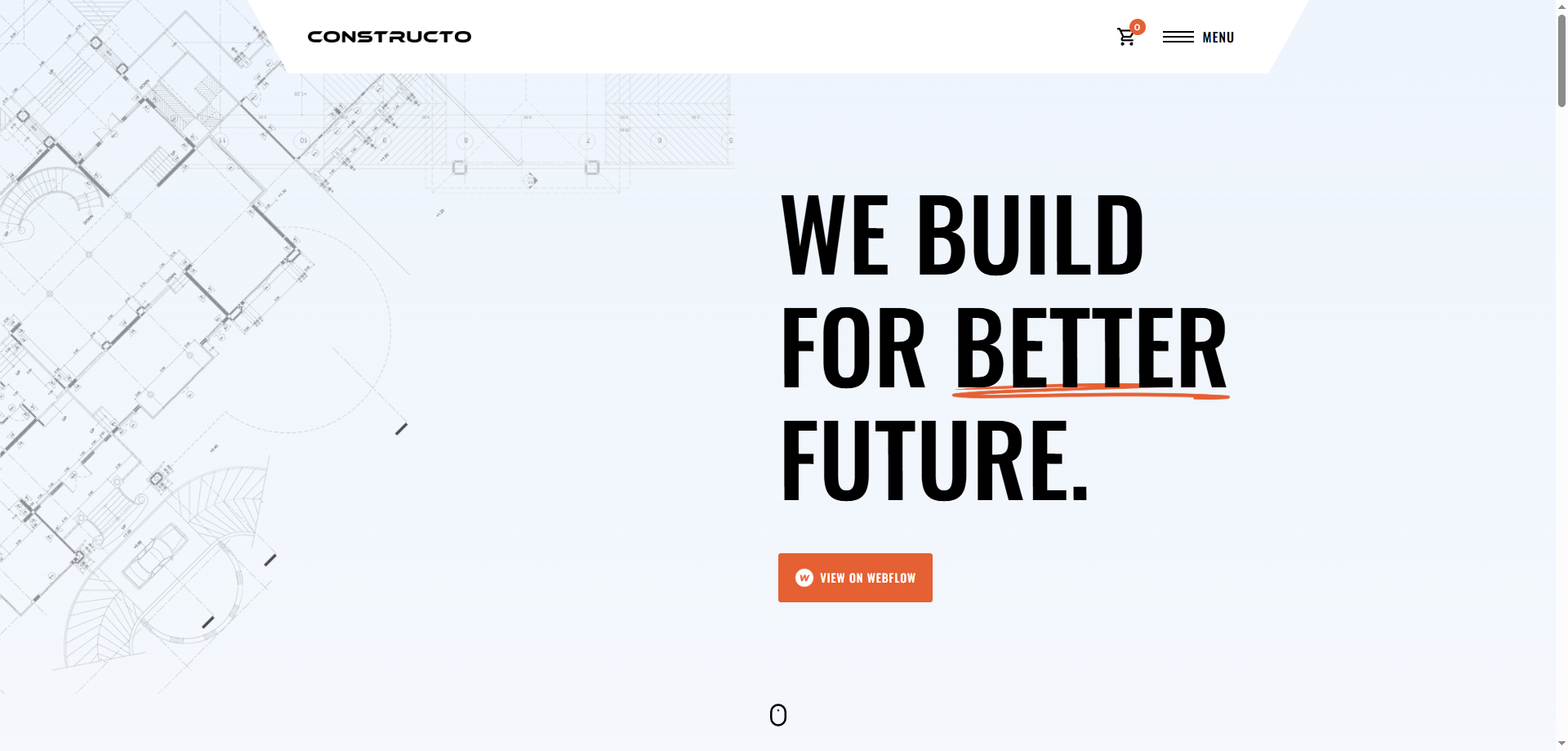
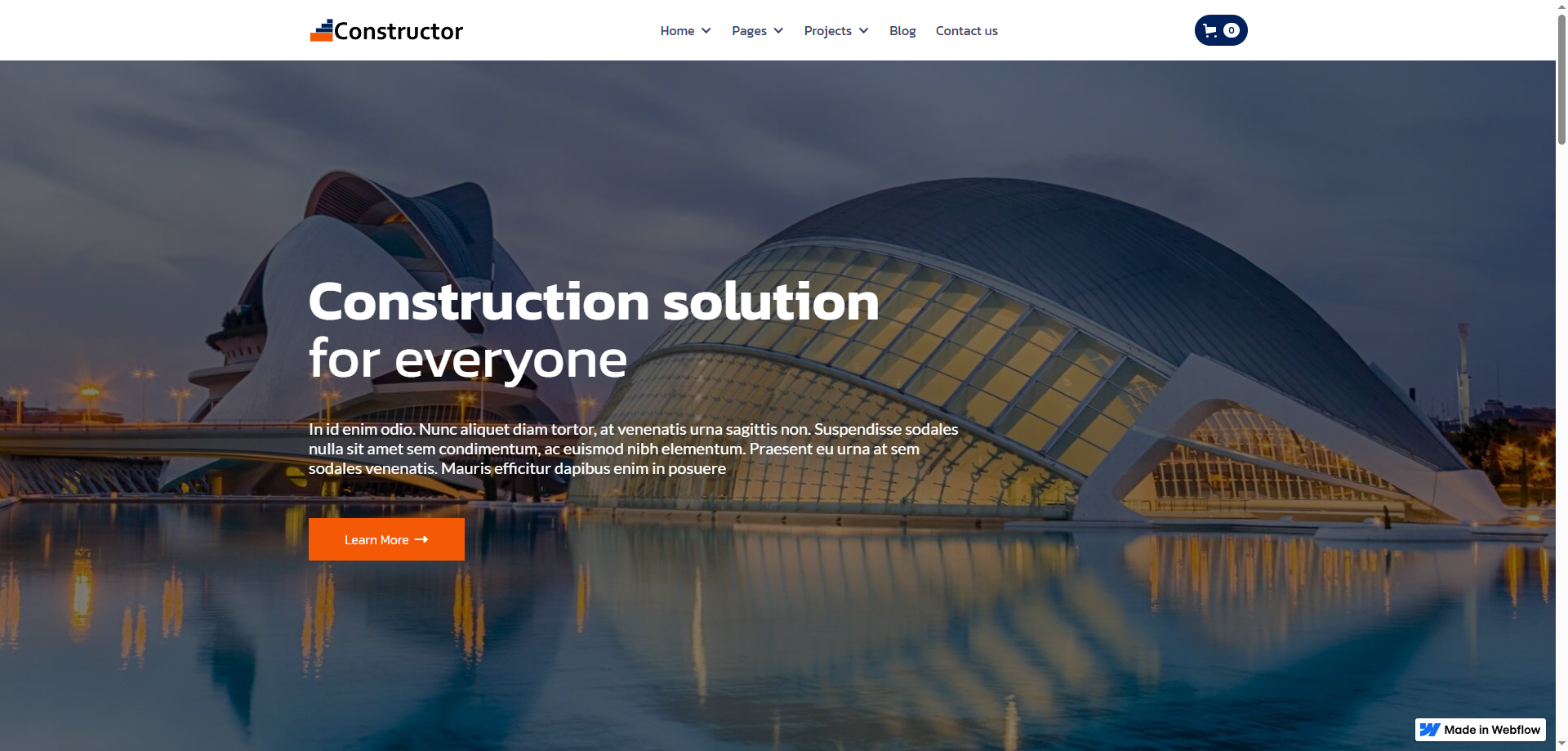
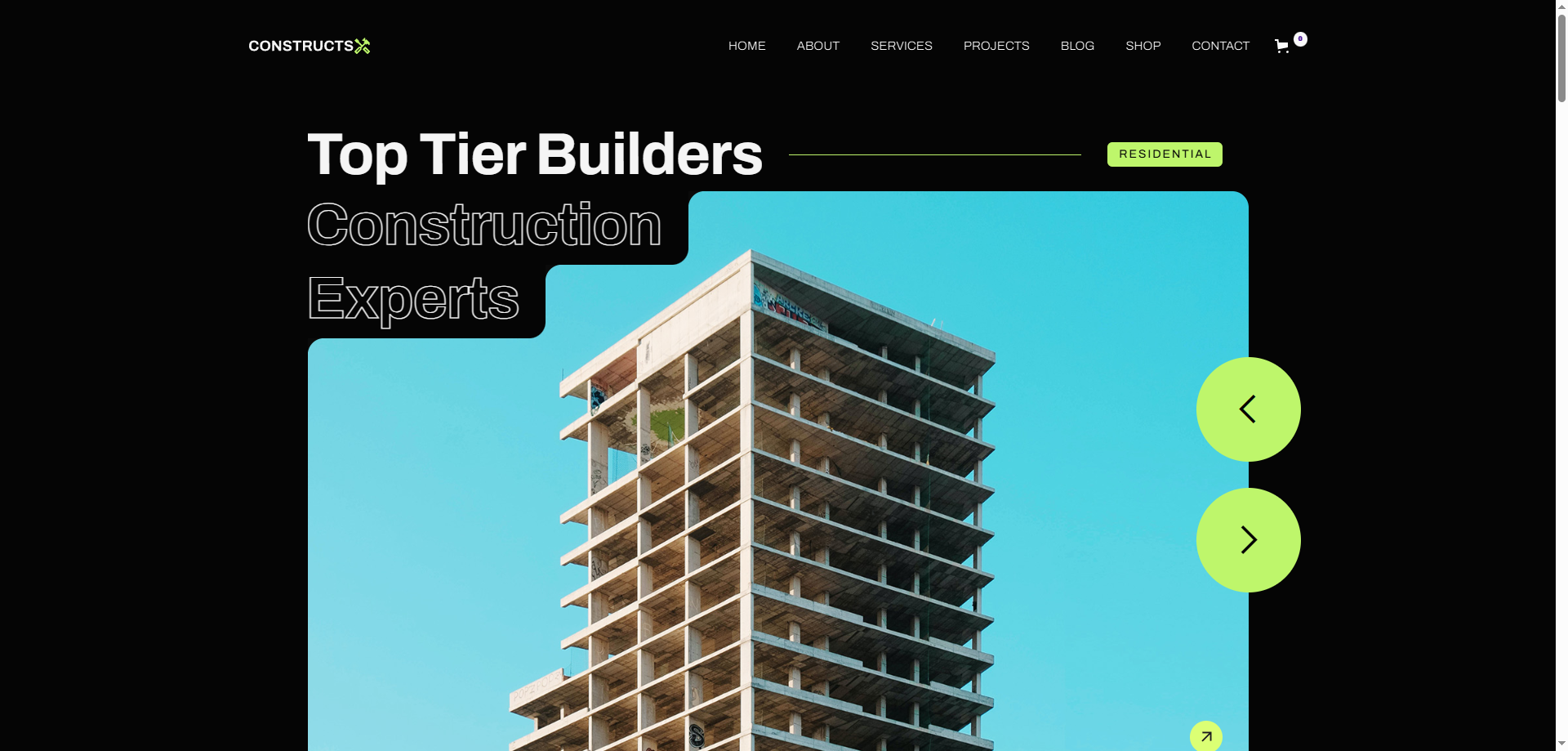
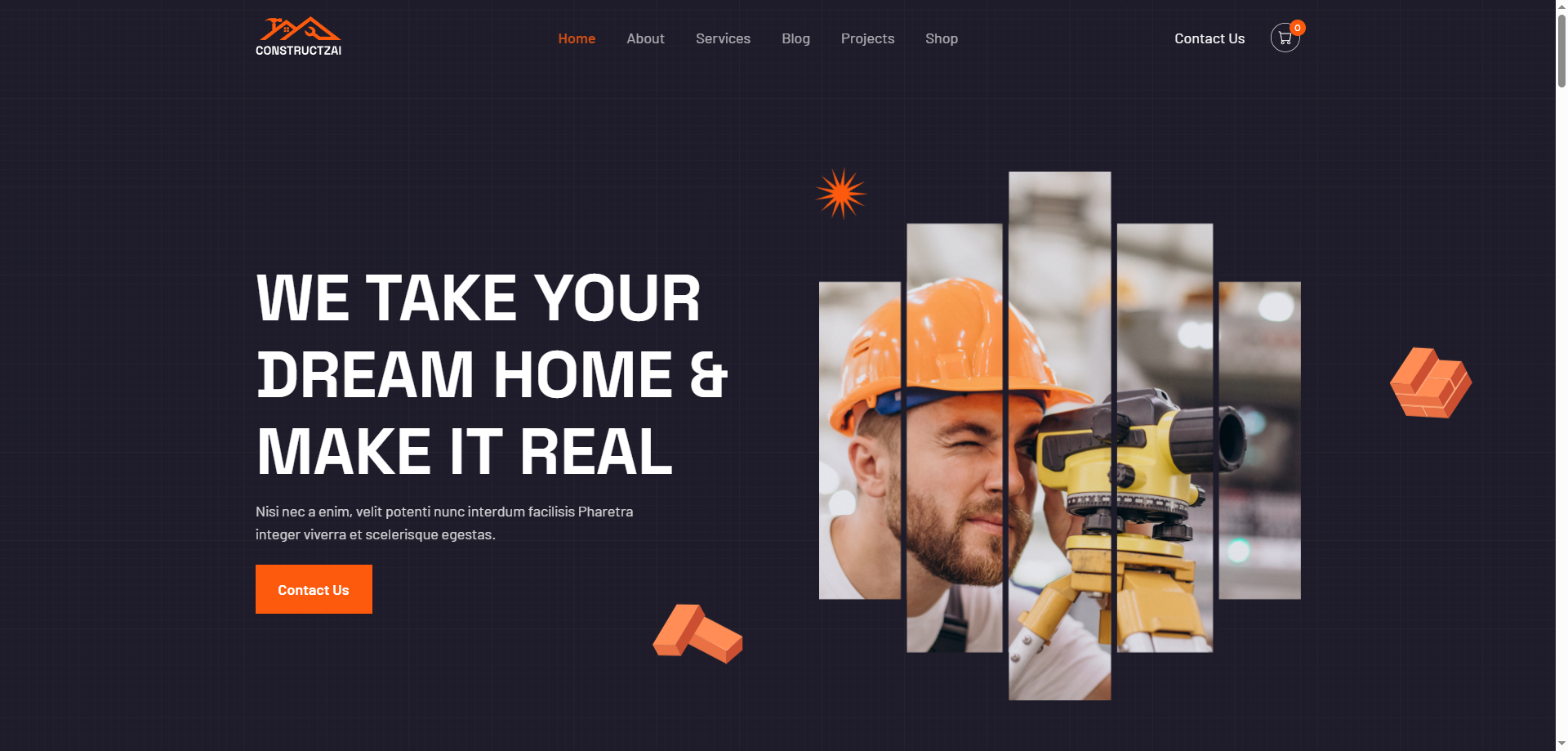
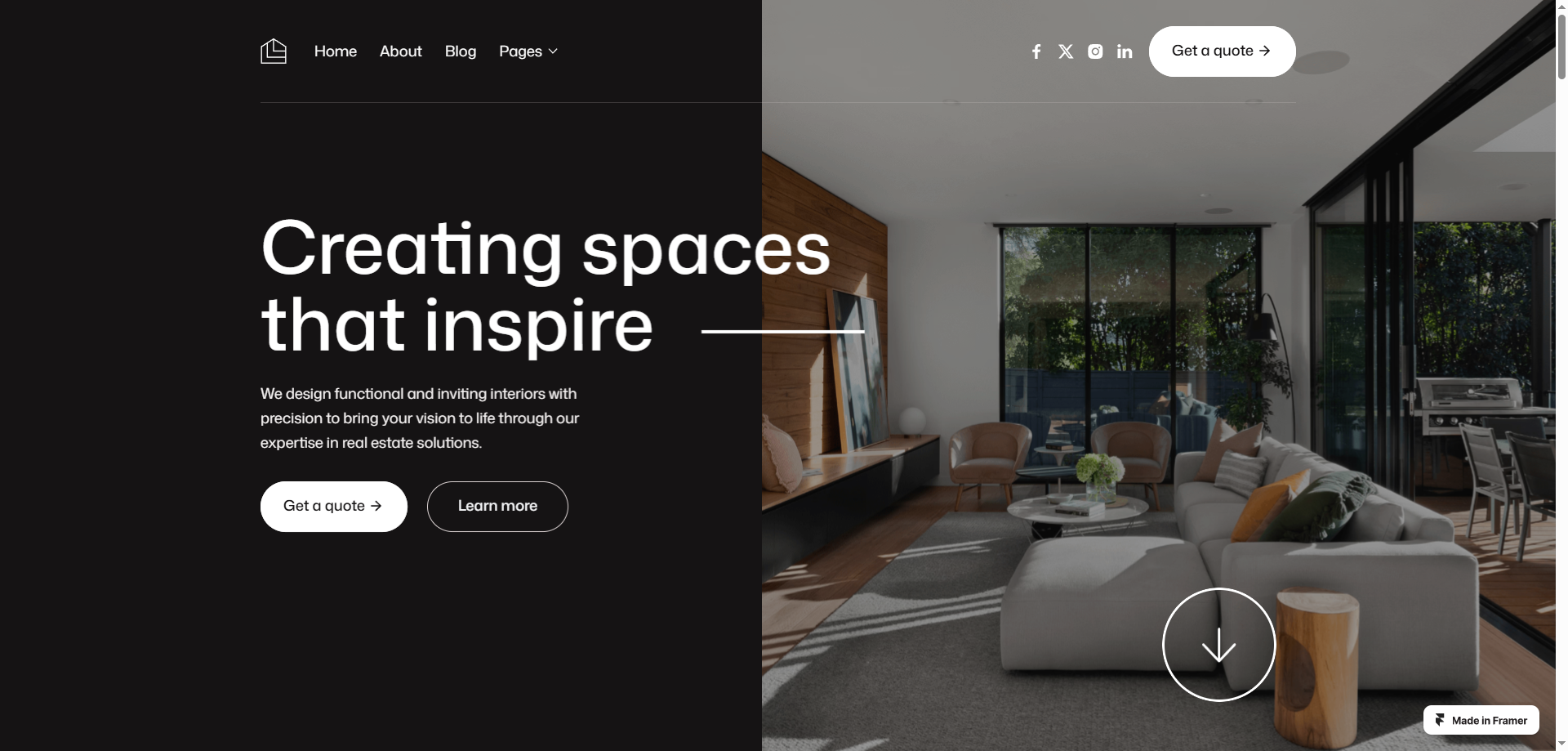

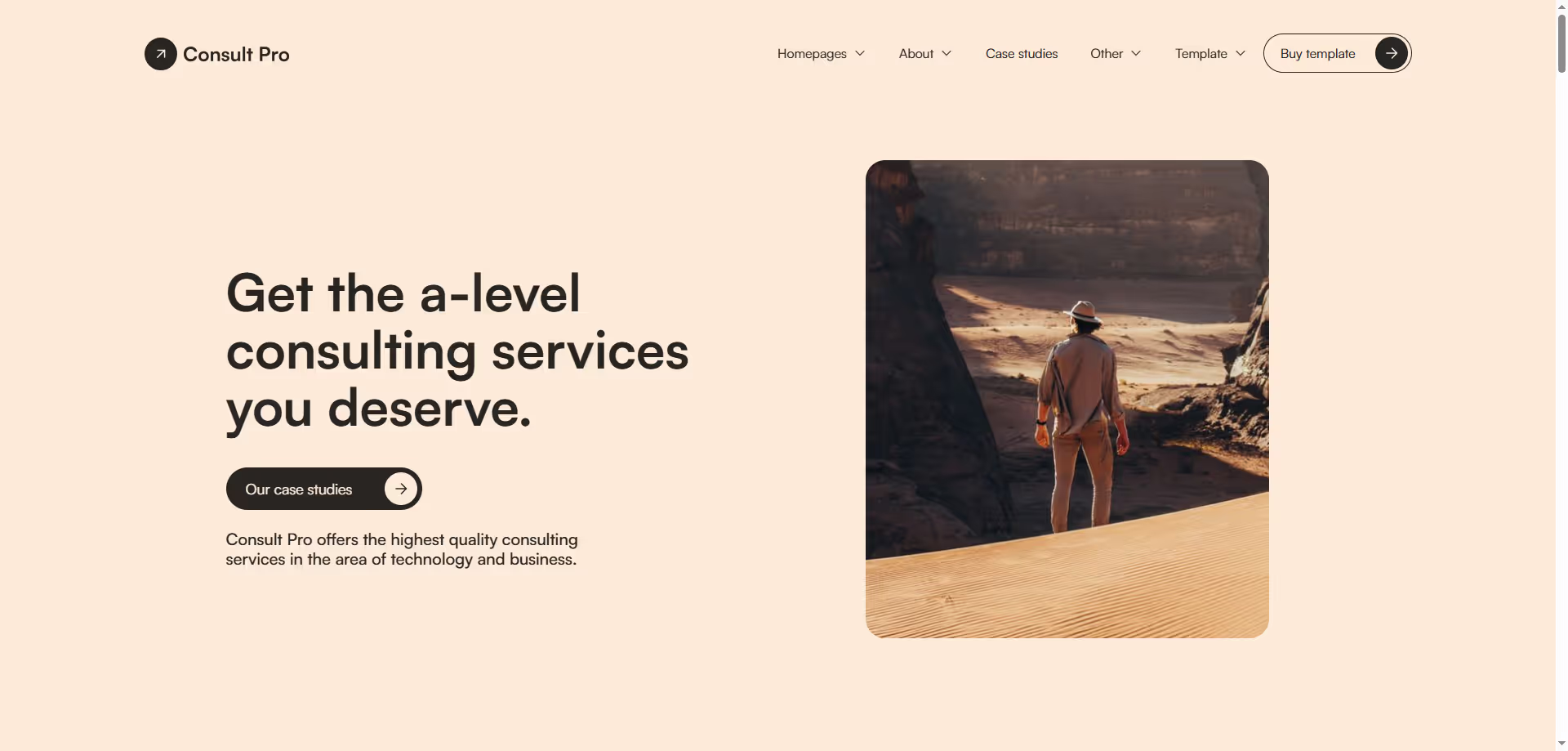

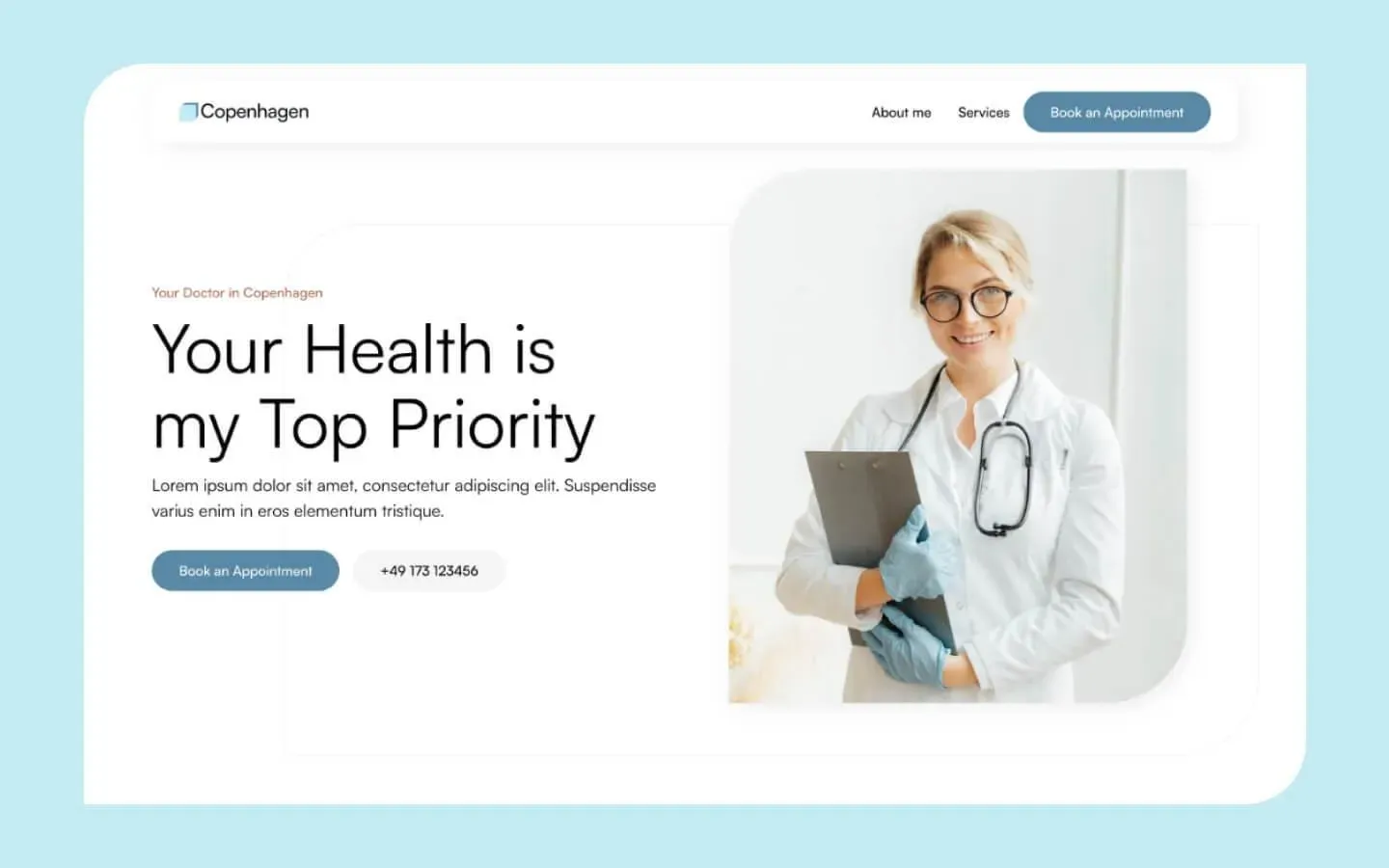
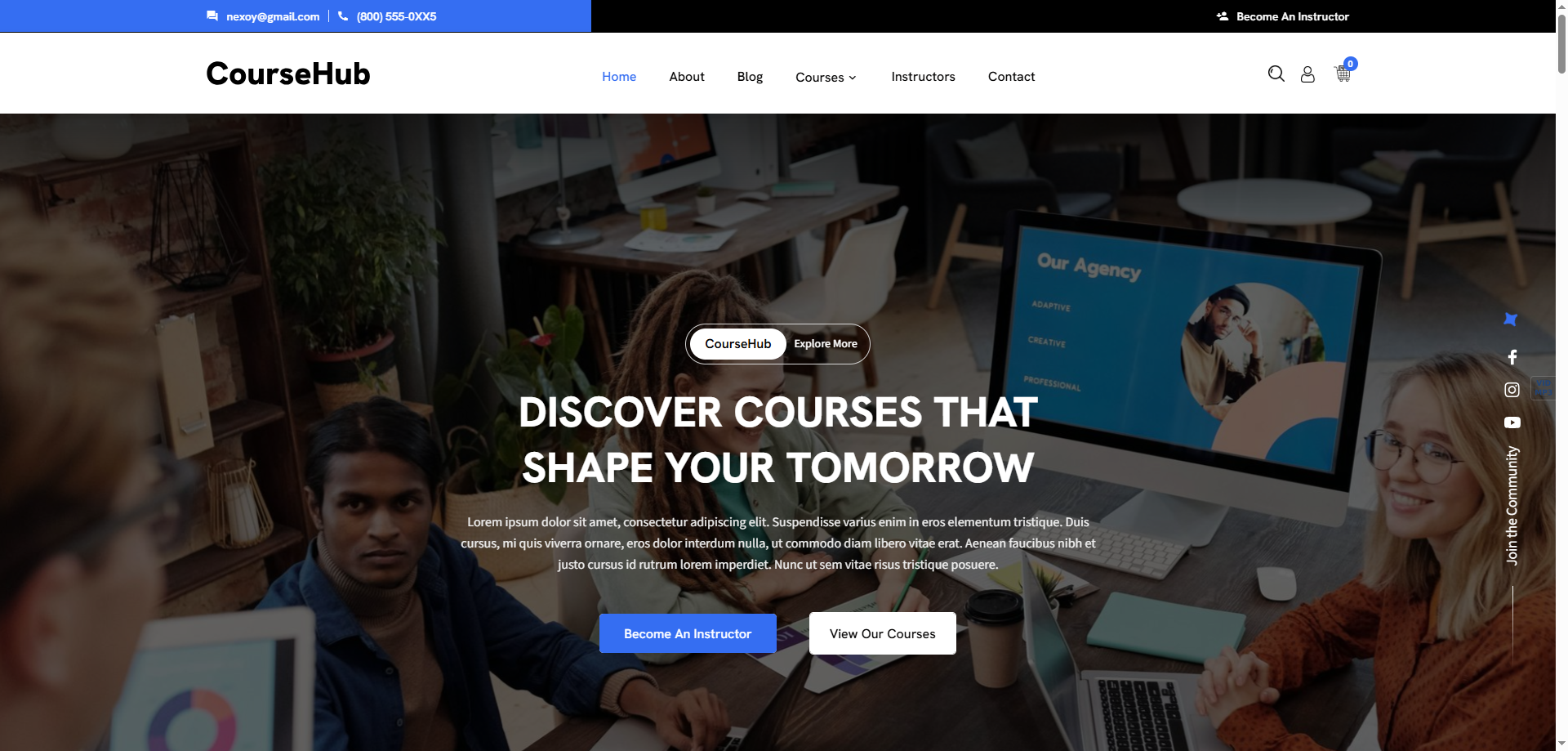
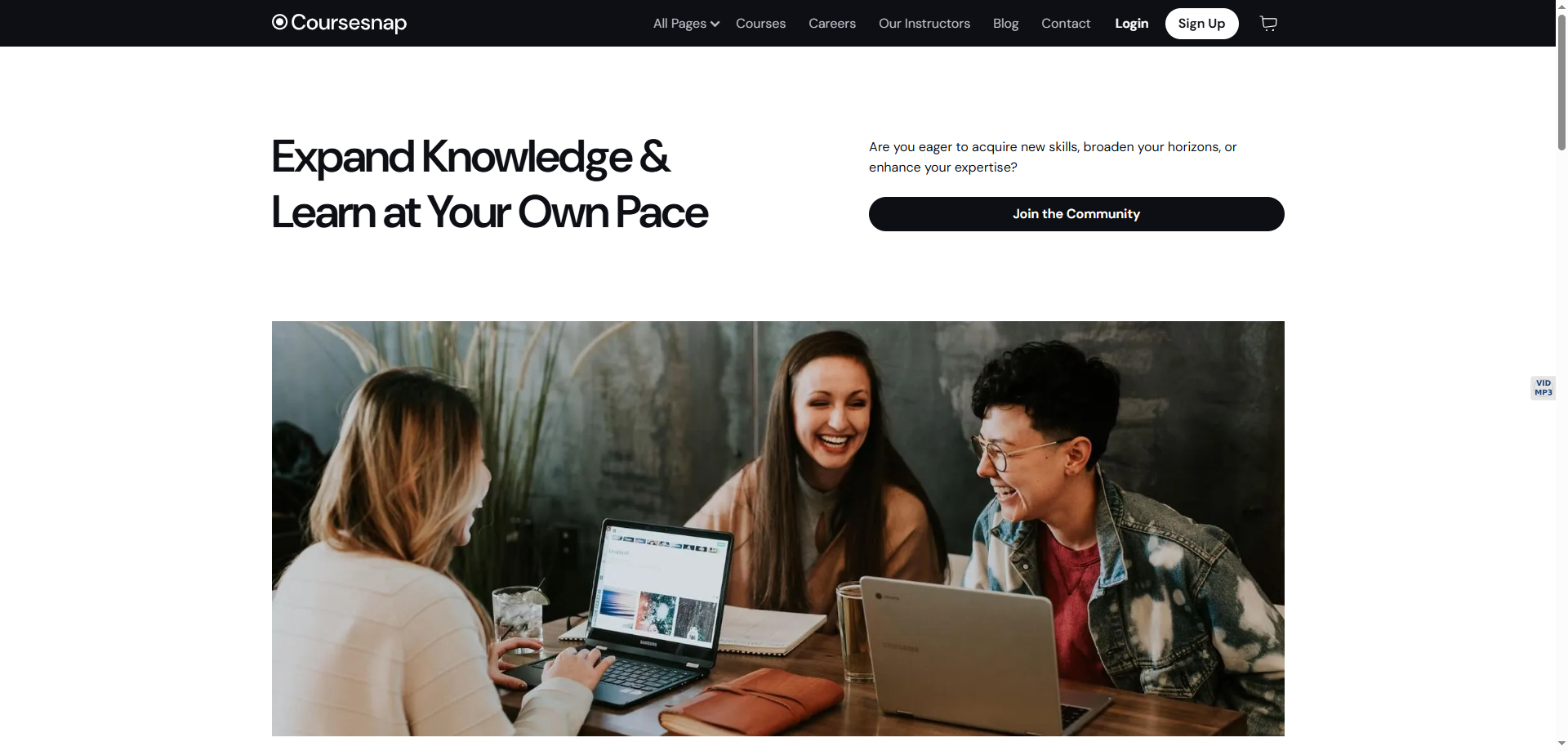


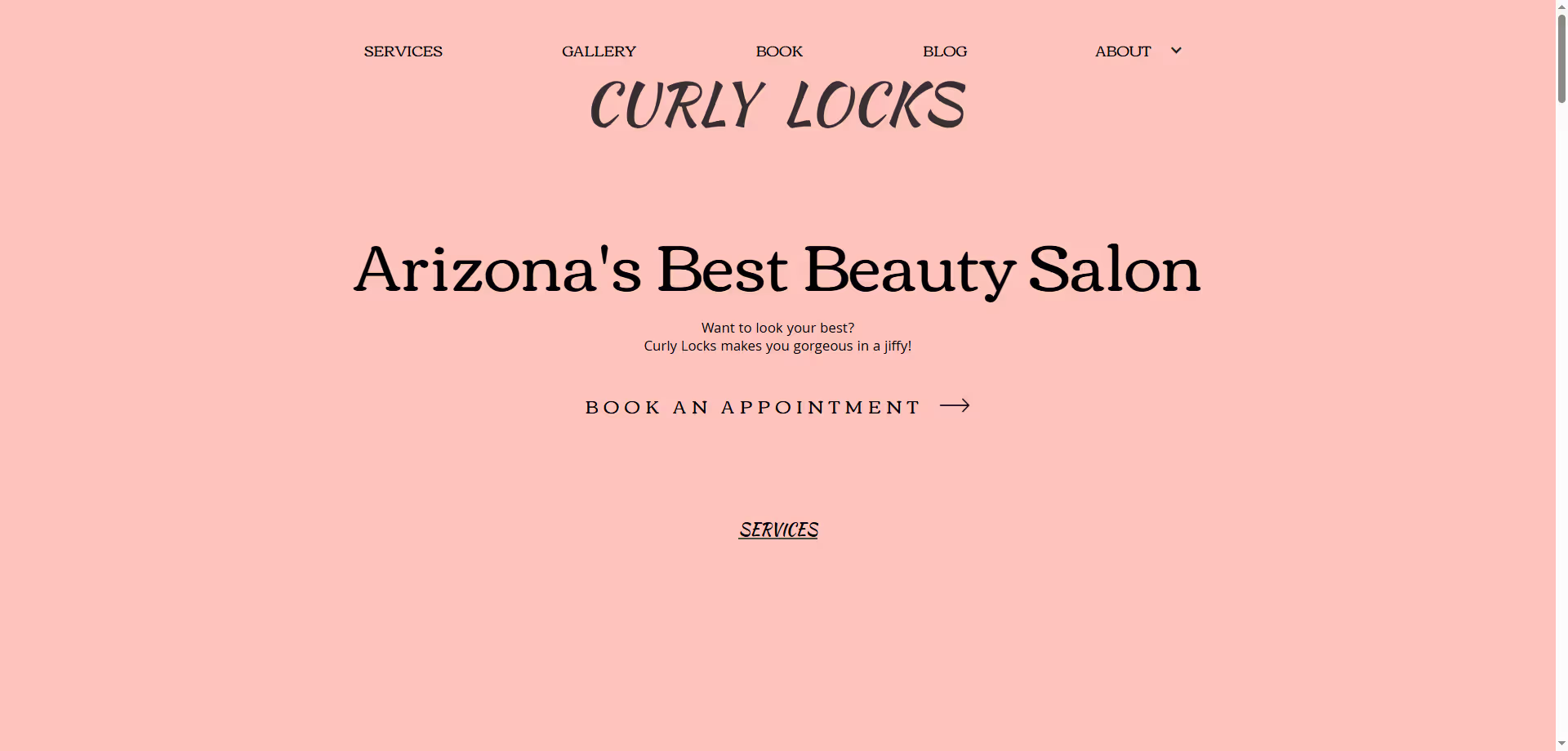

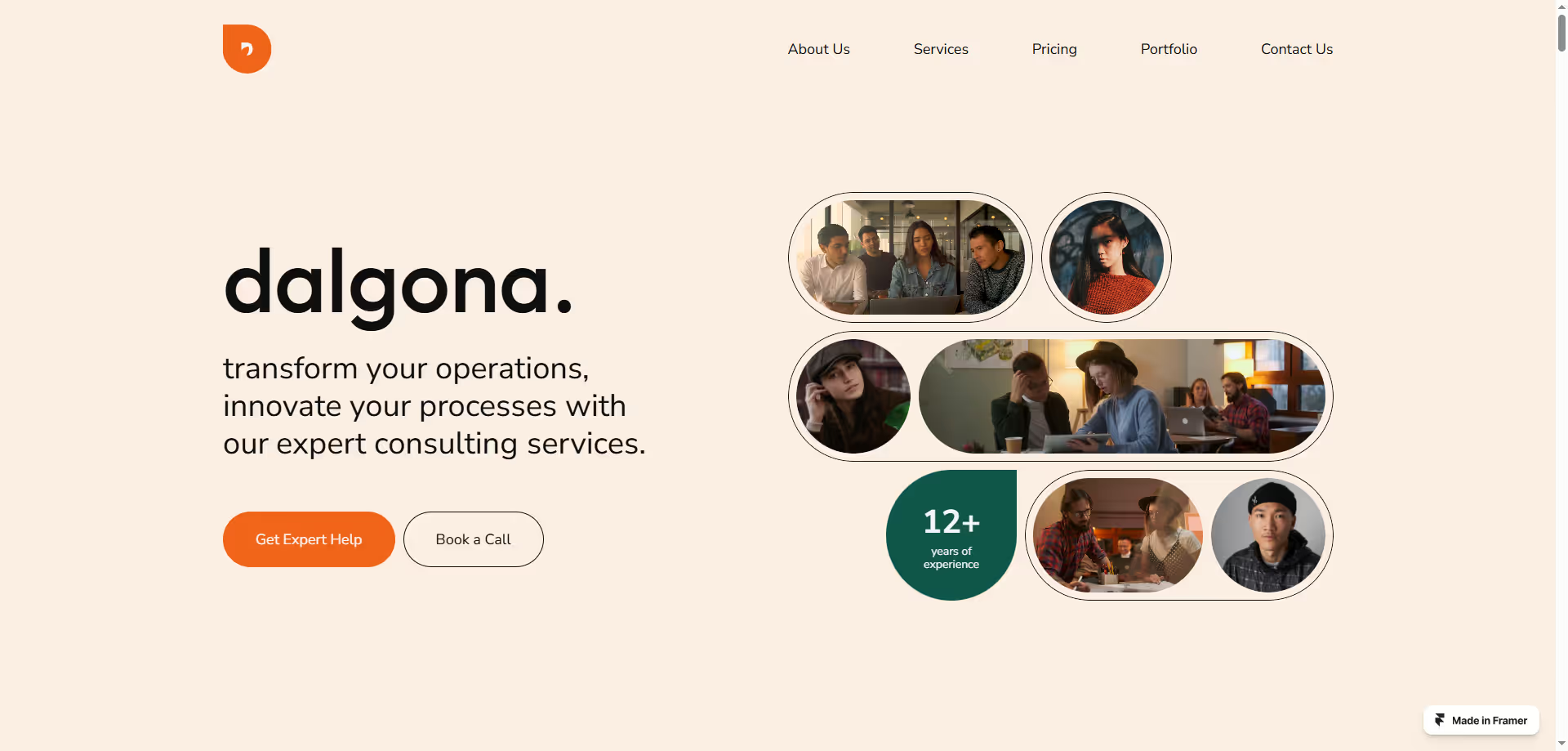

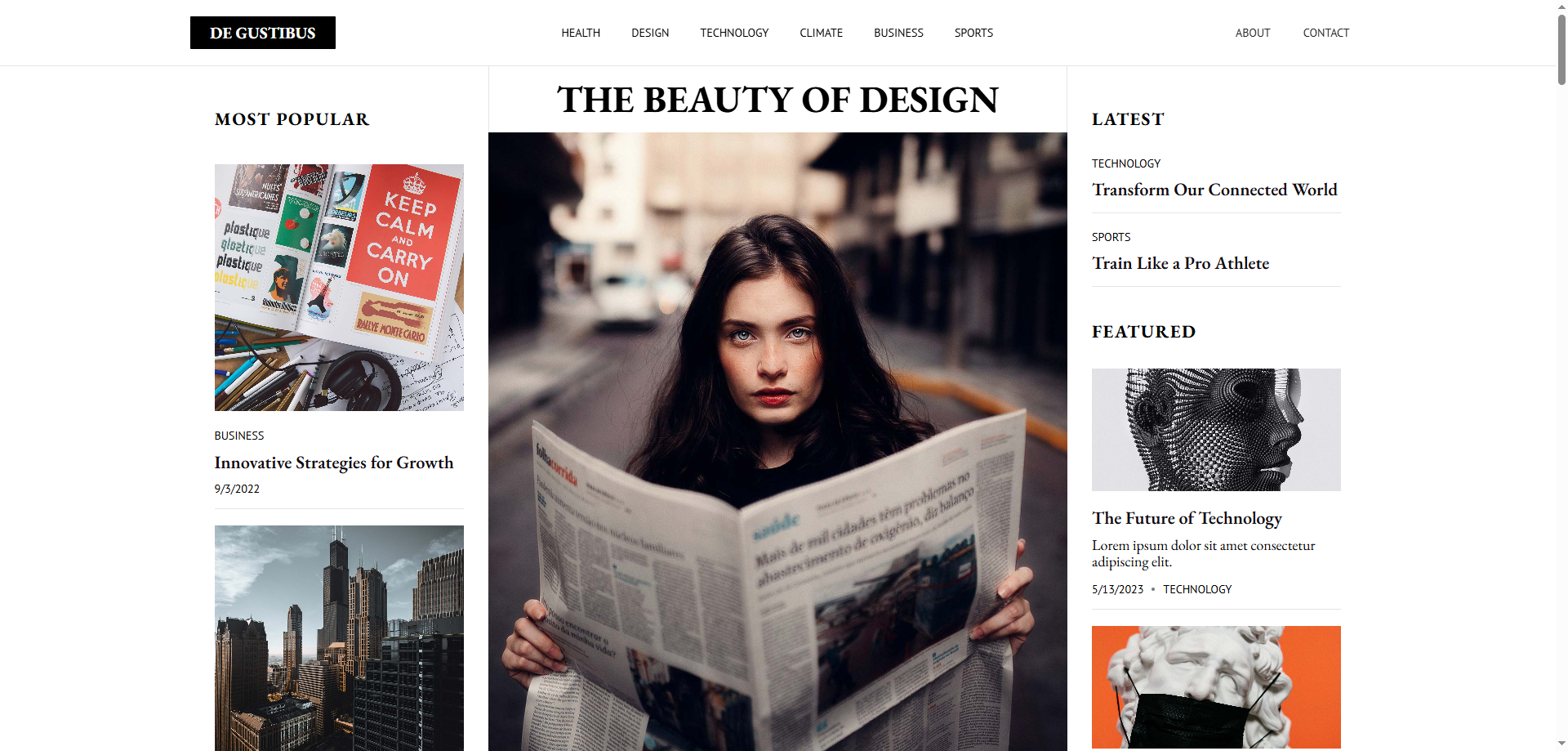


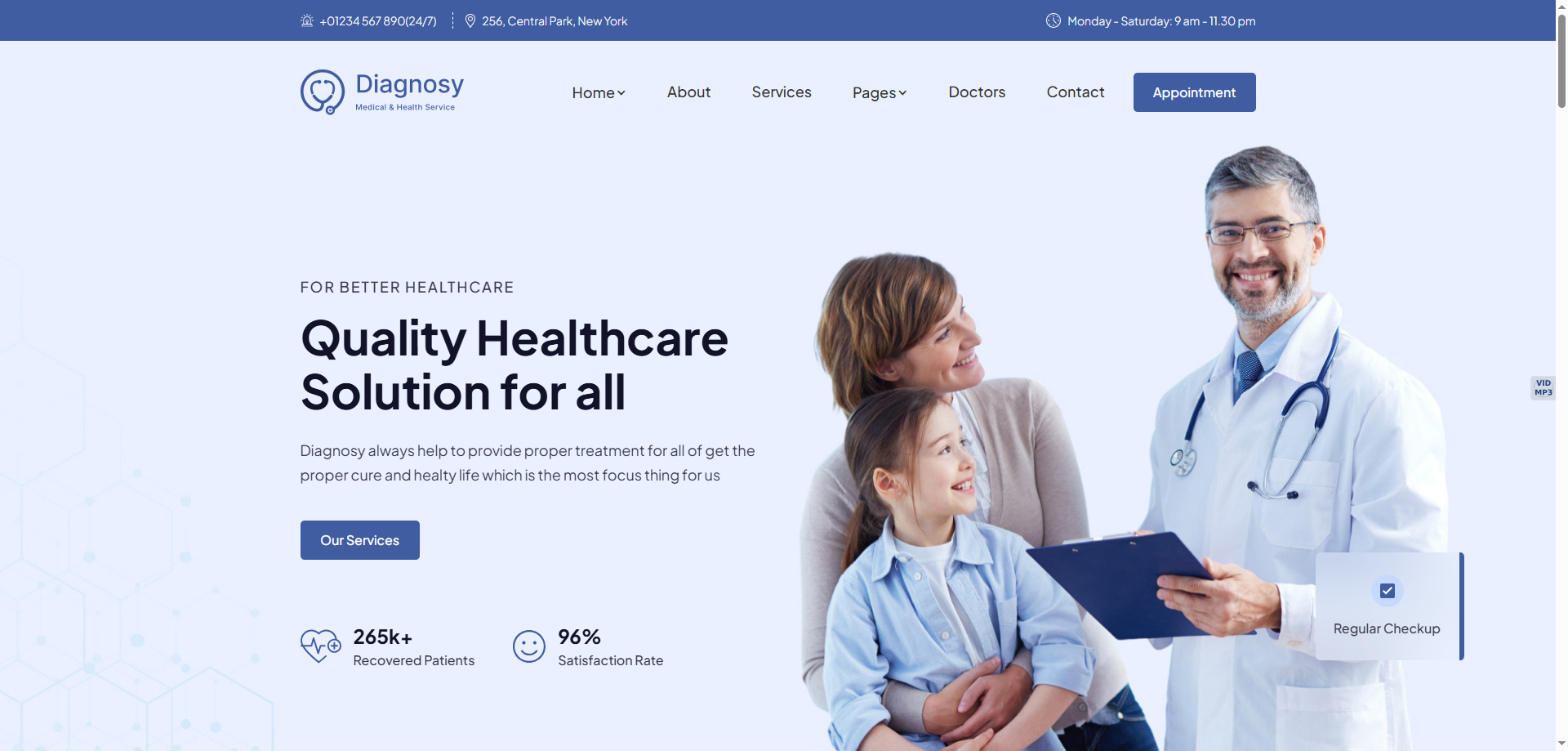



.png)



























.webp)
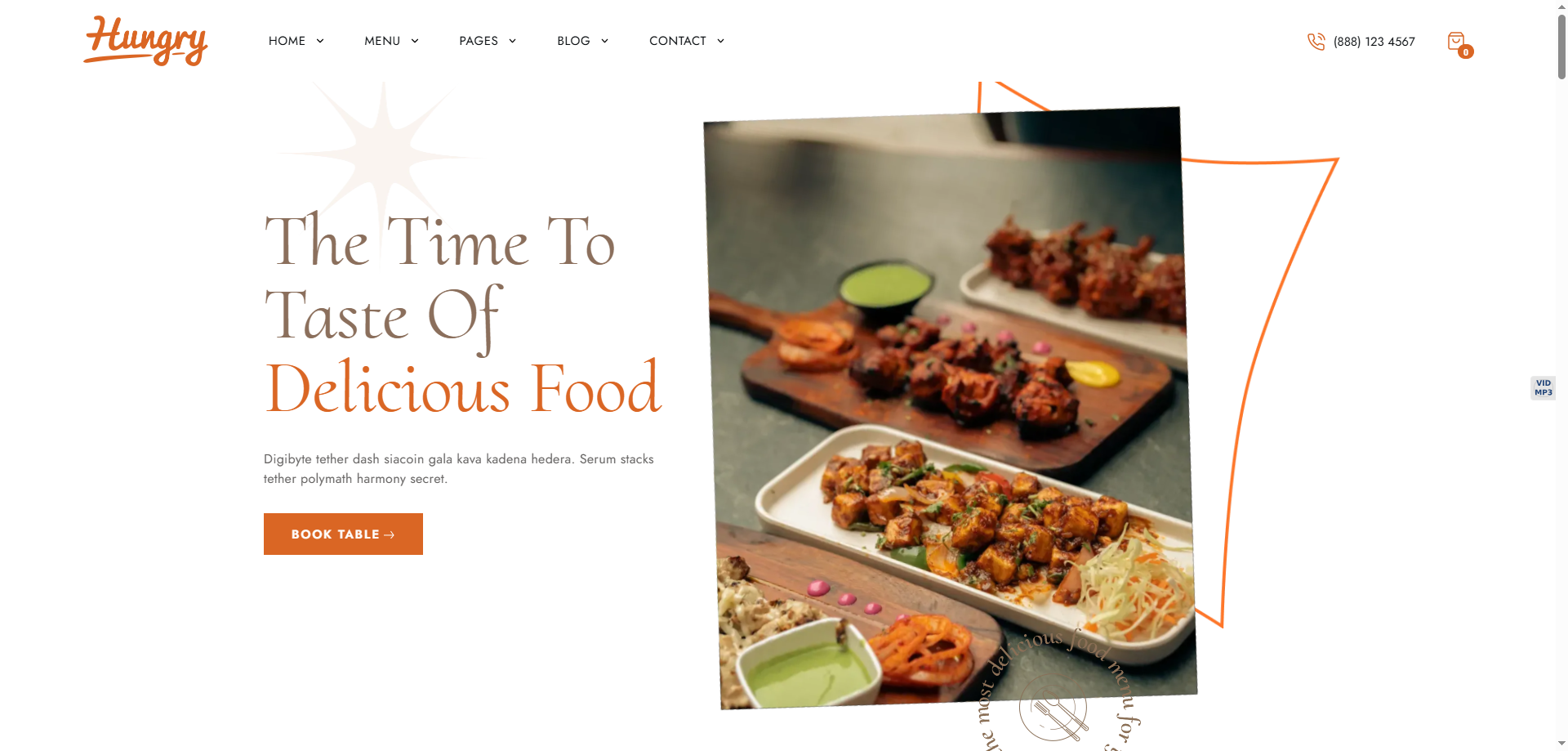
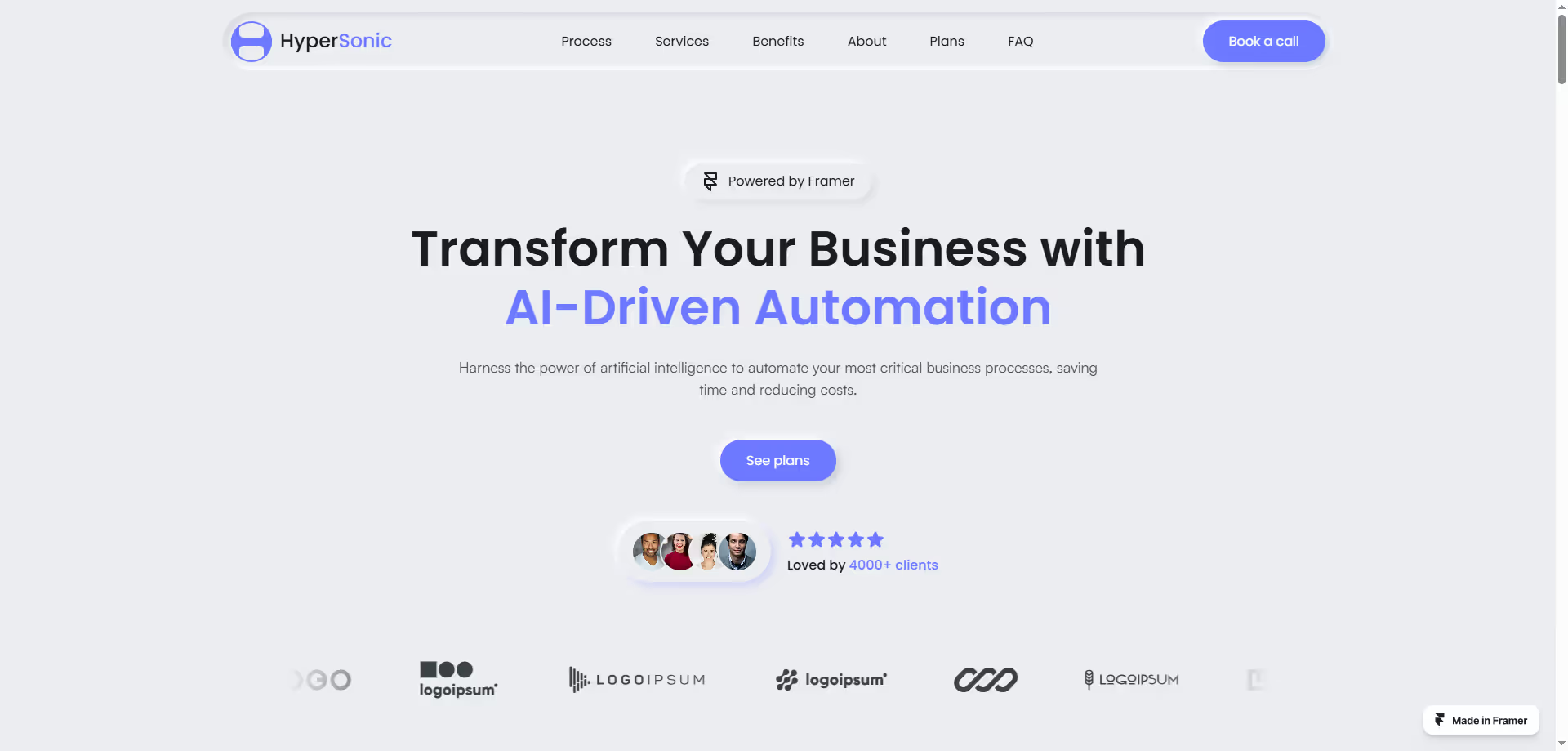

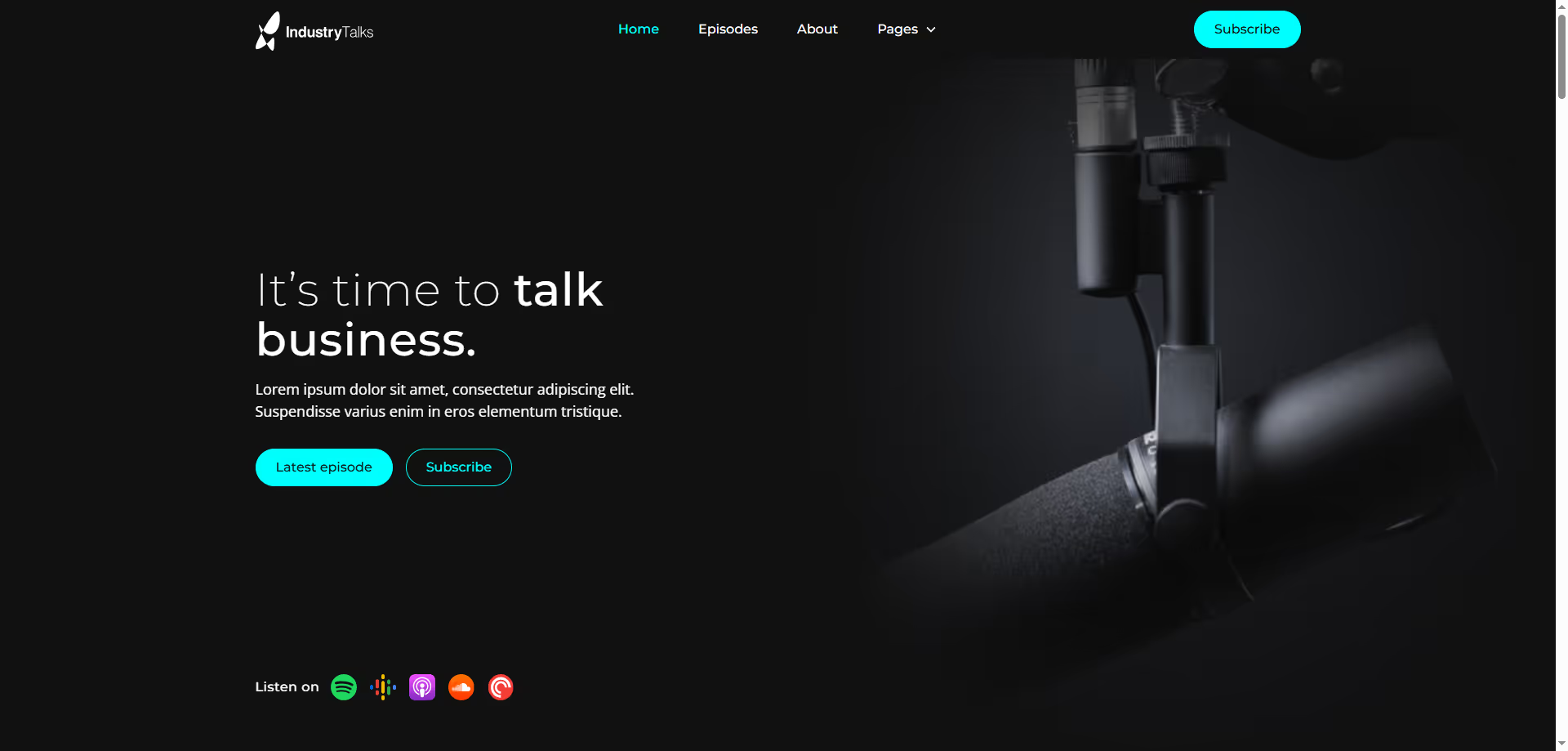

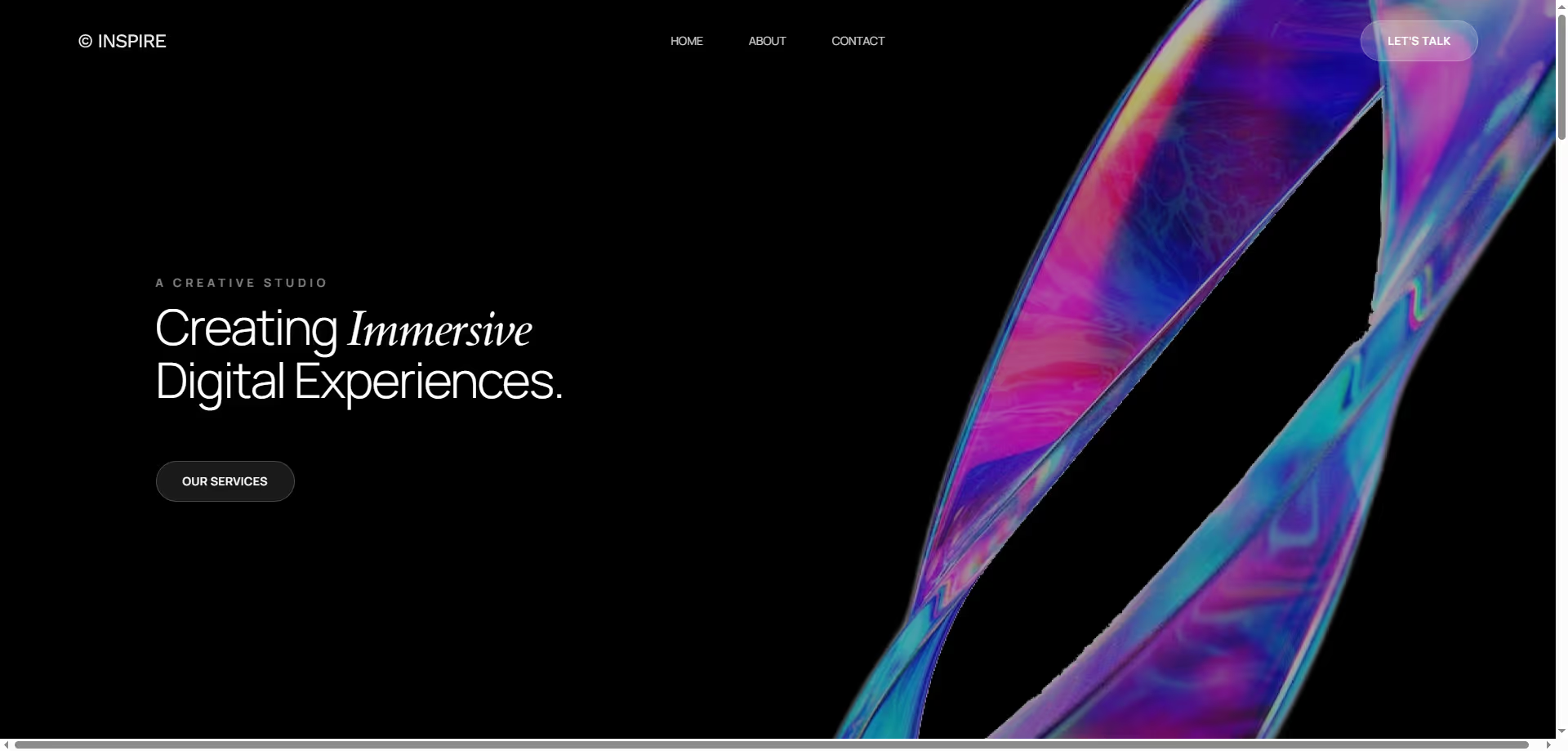
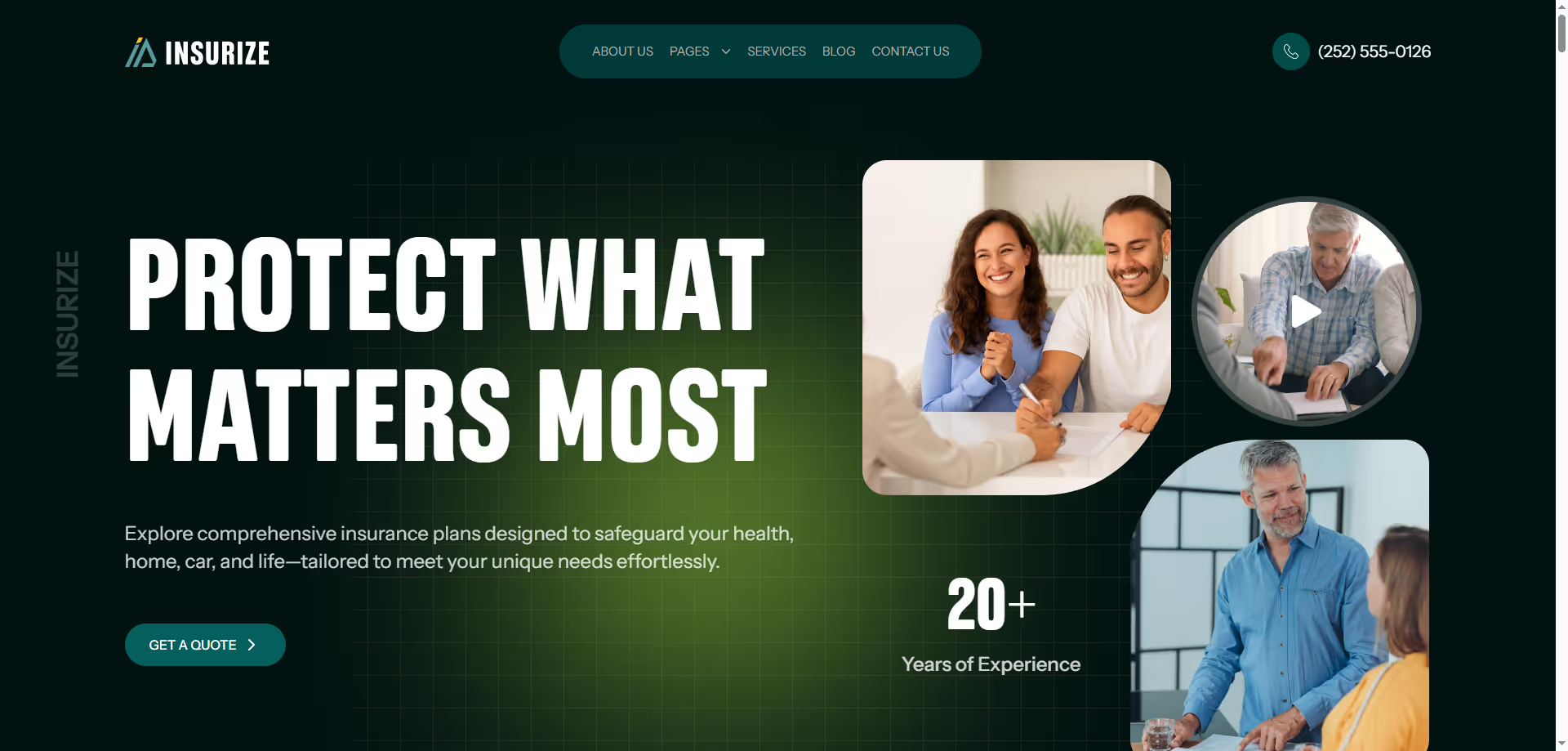
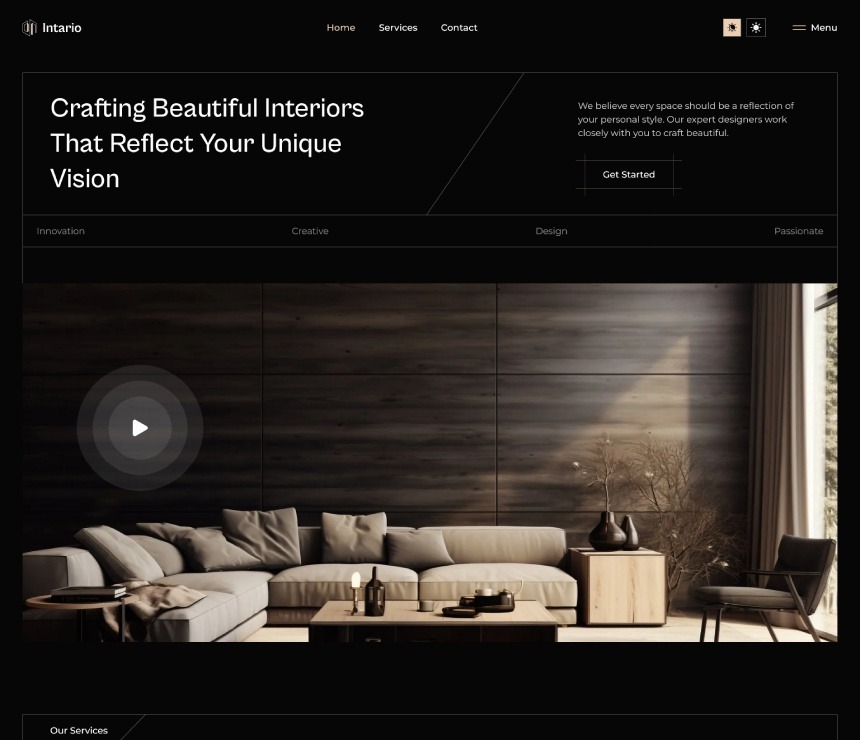
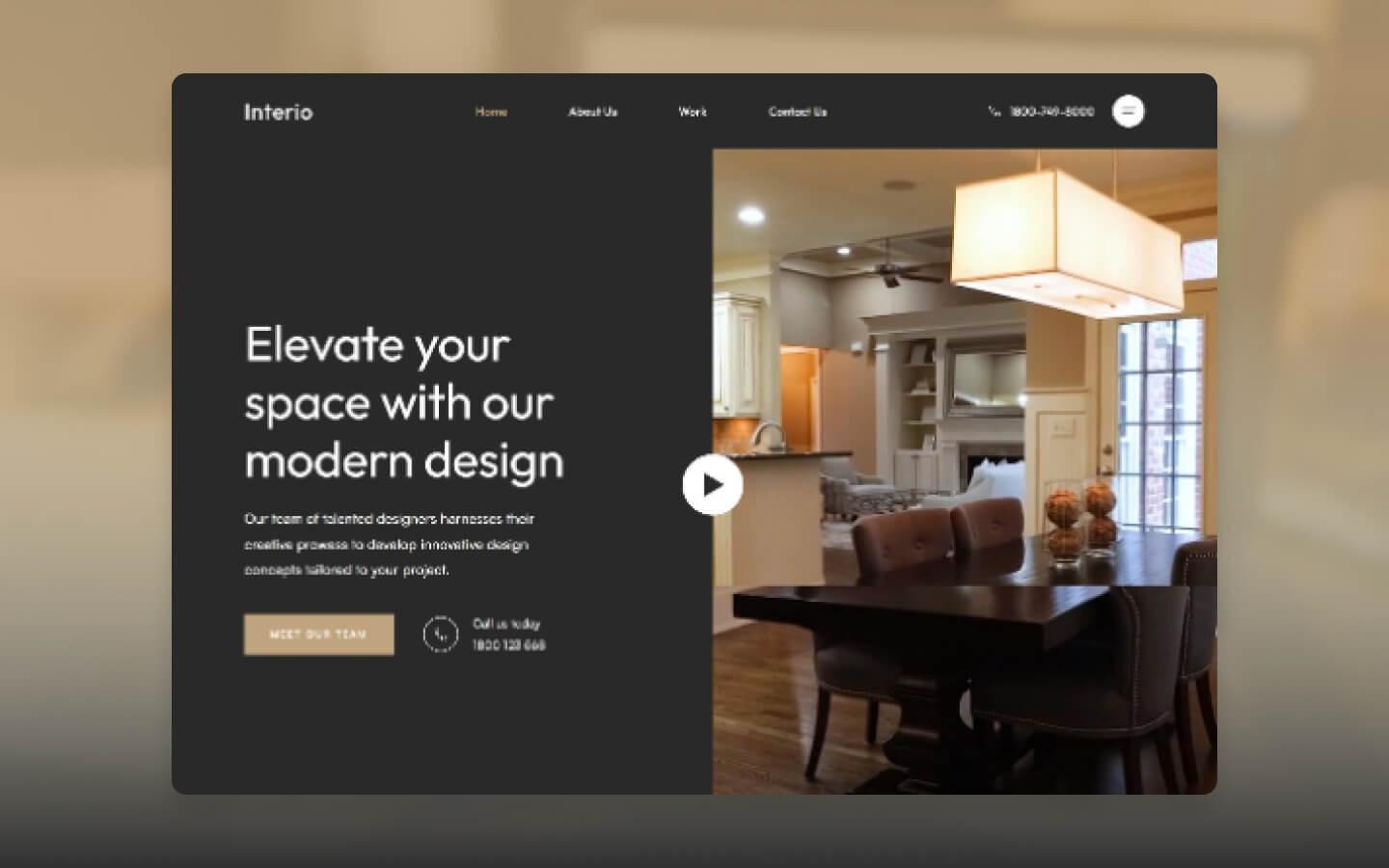
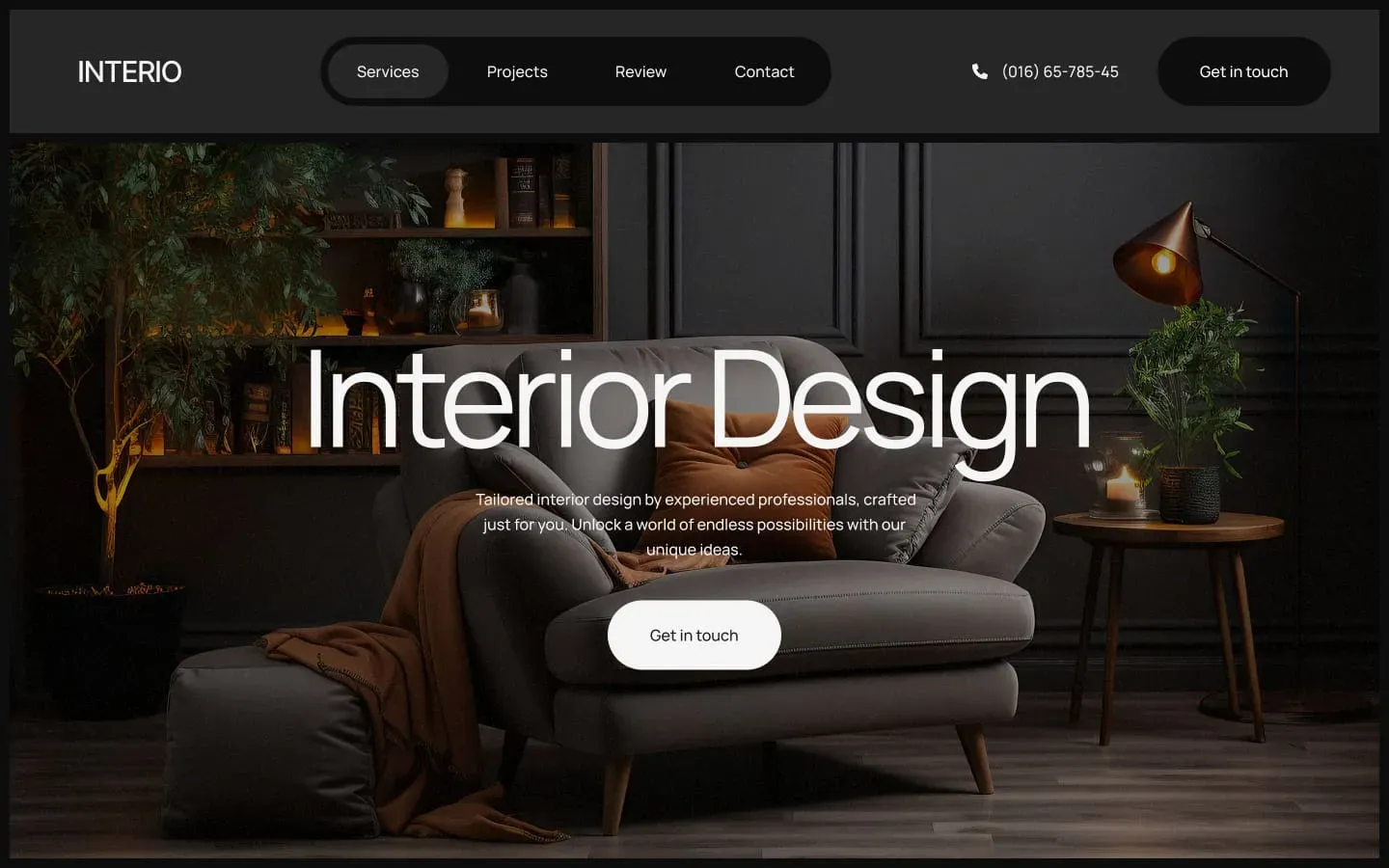
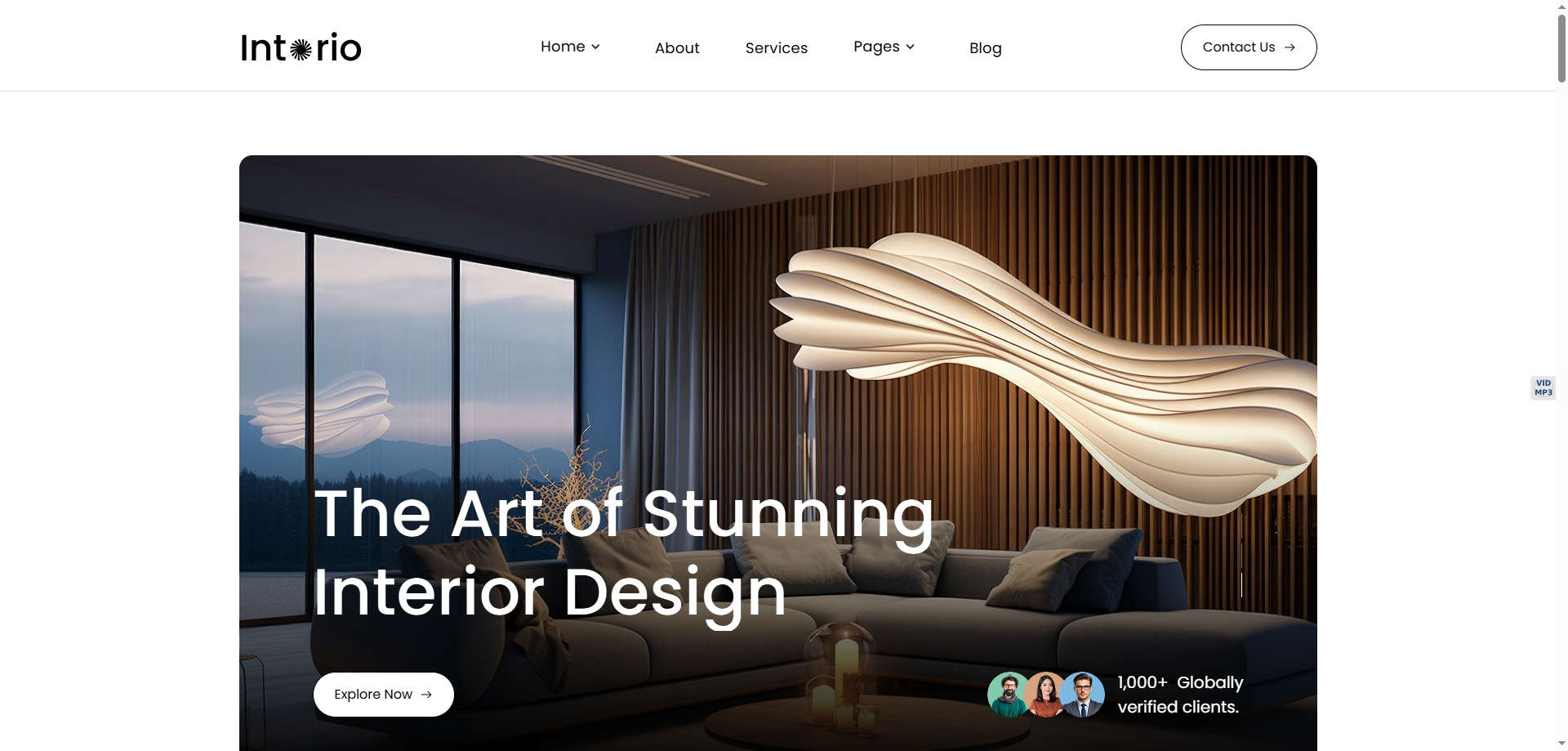
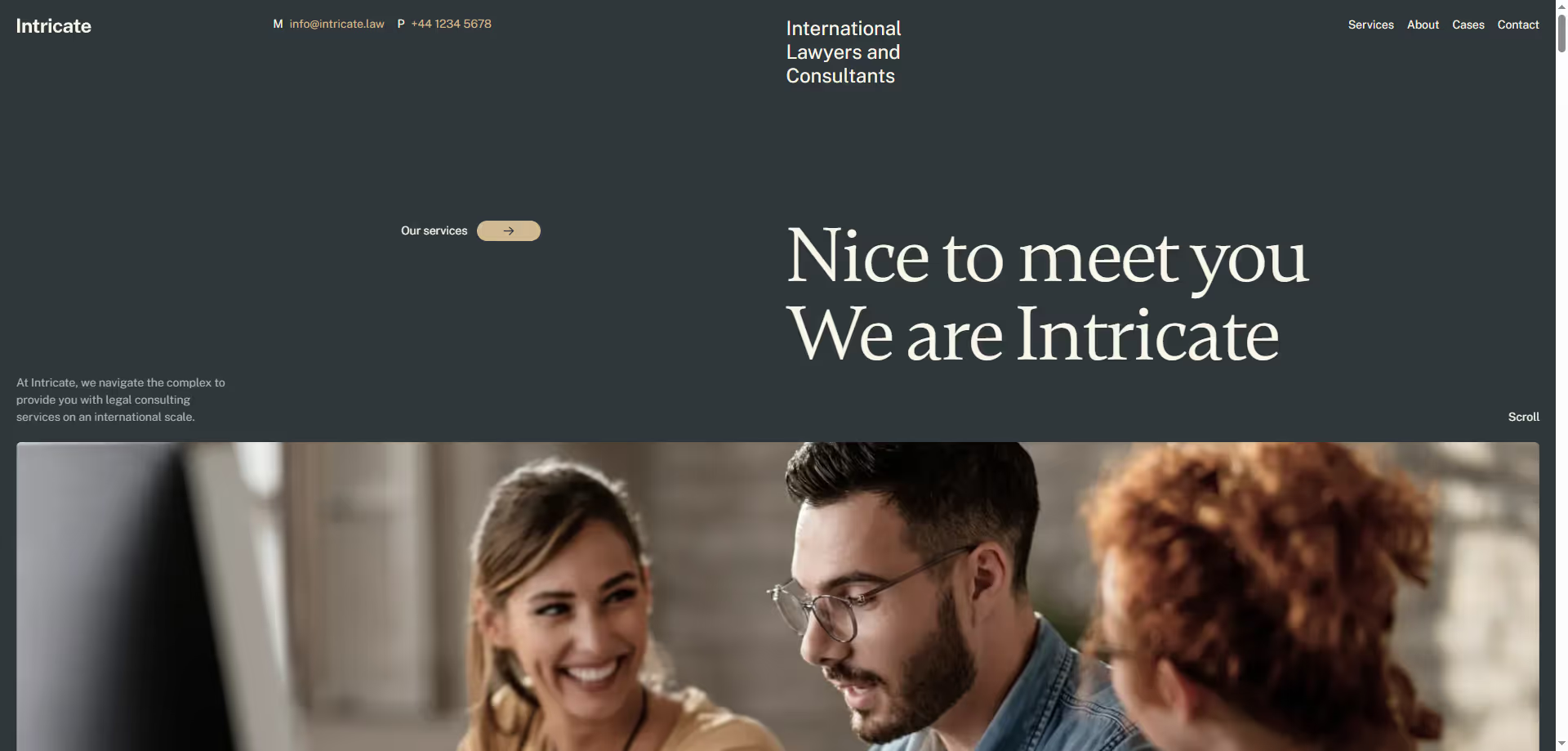
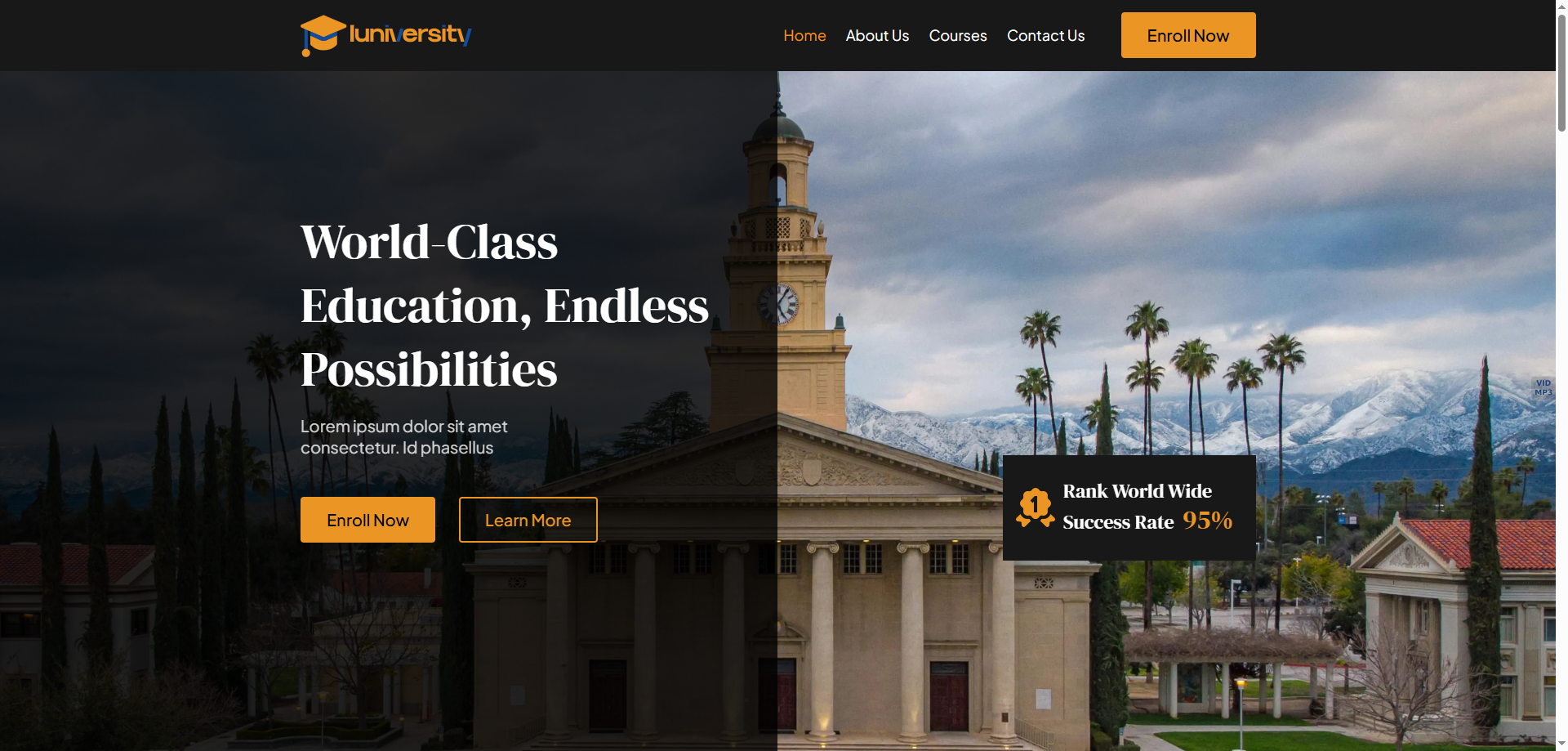

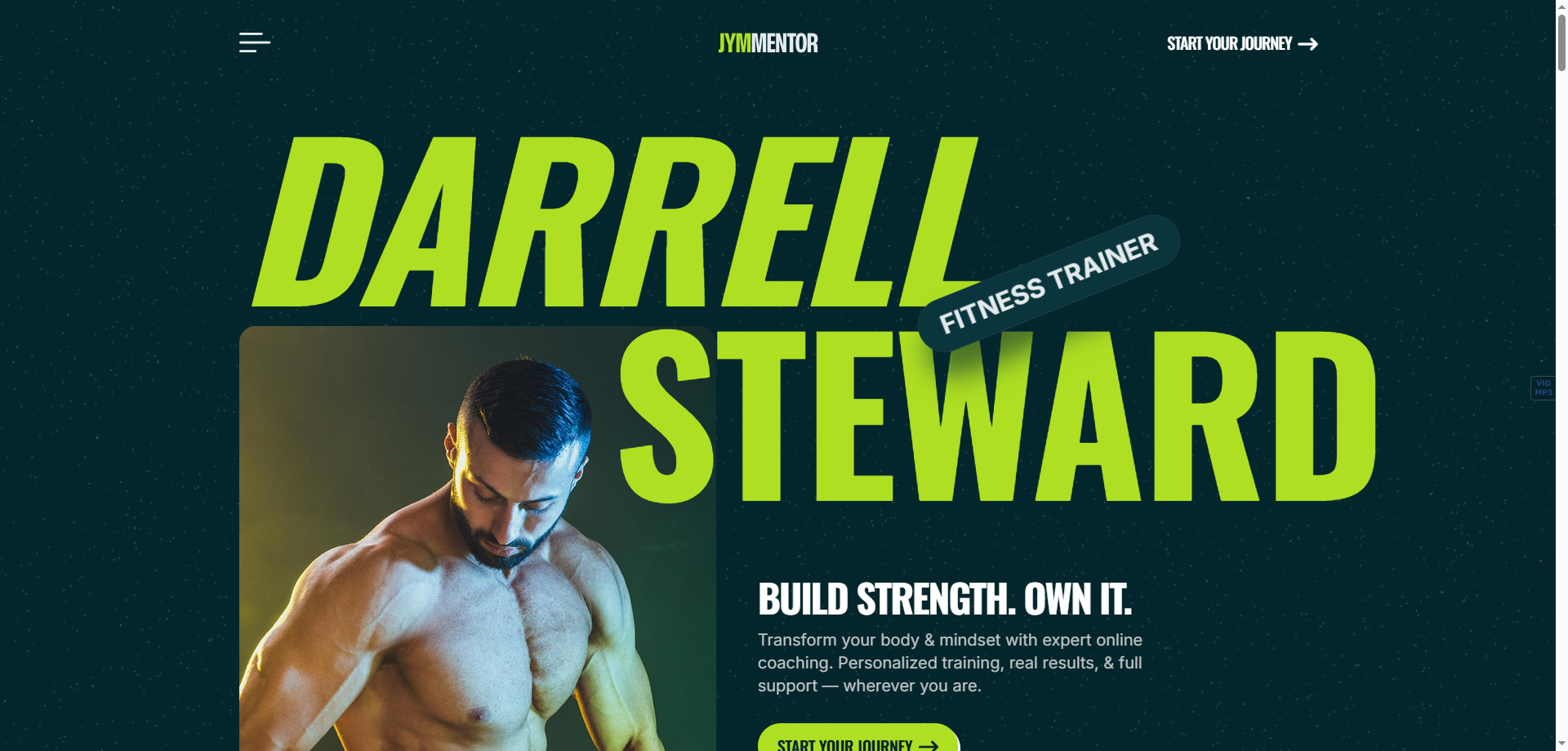
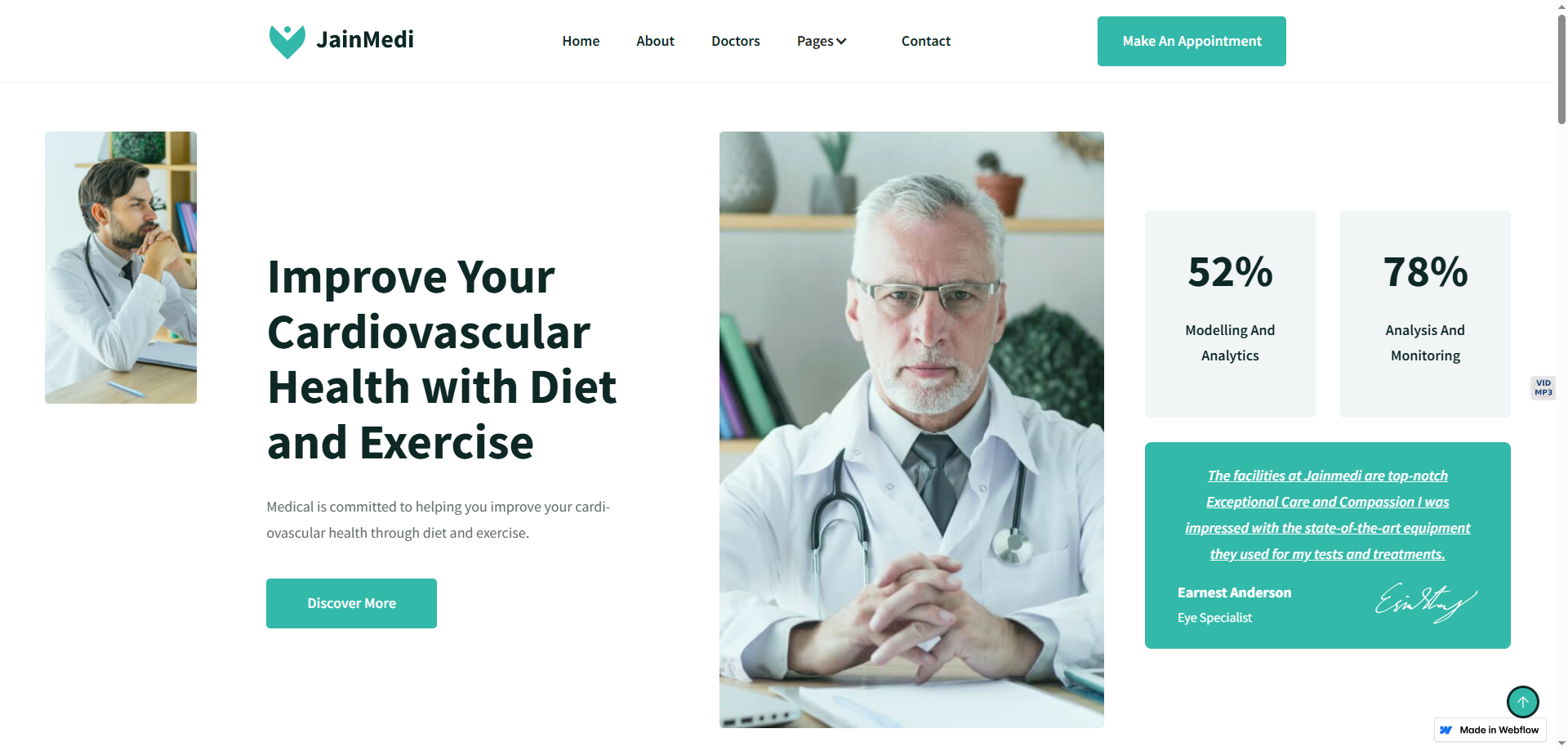


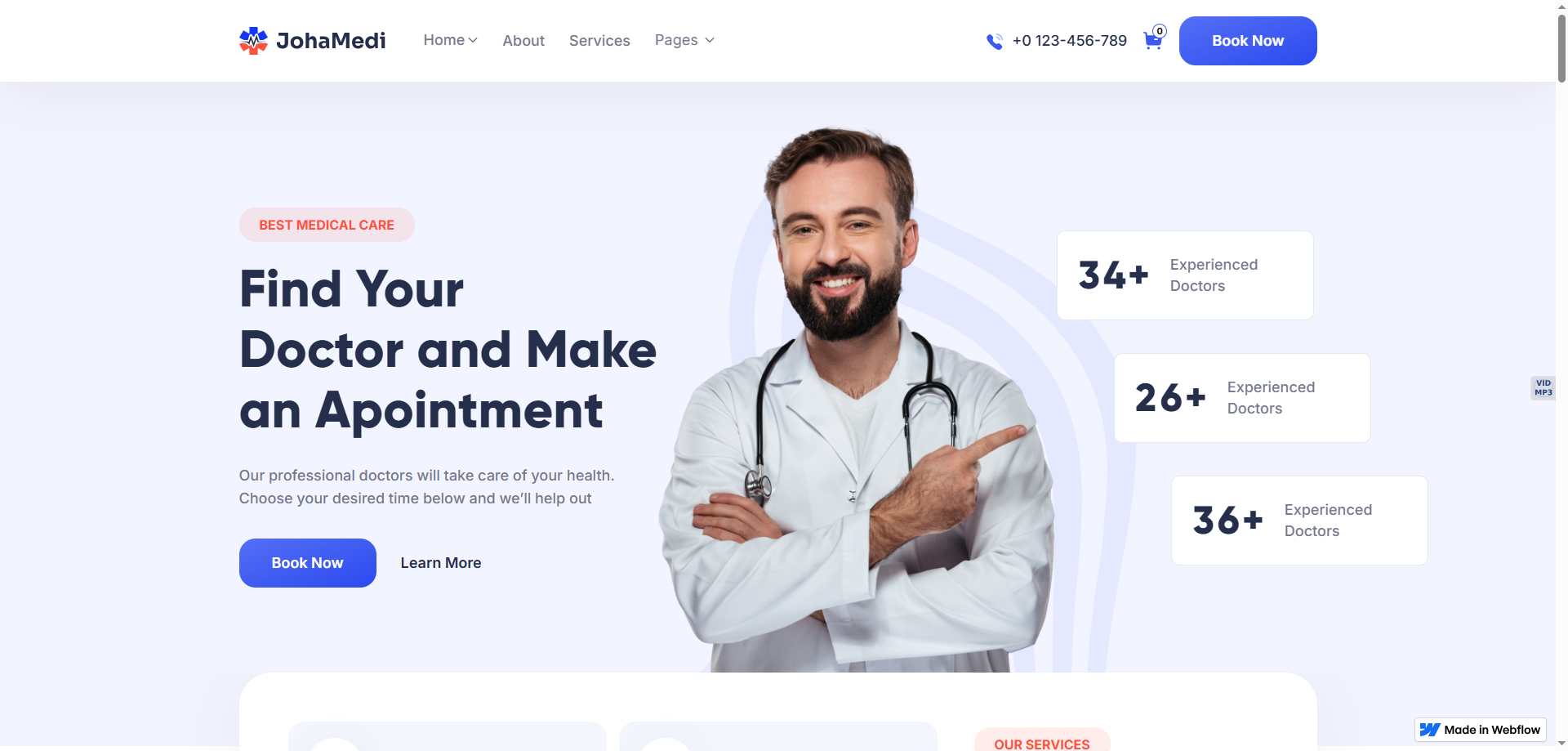
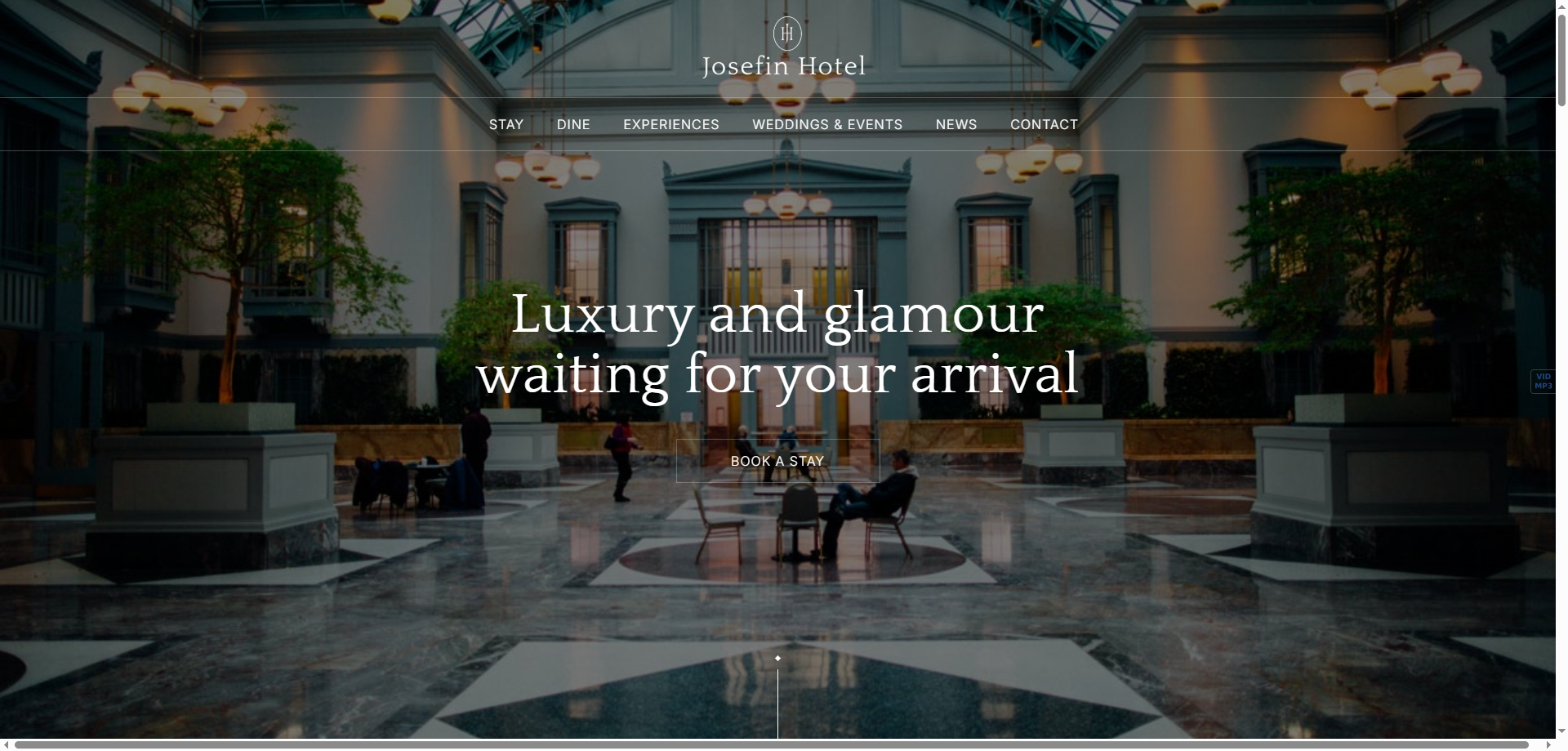


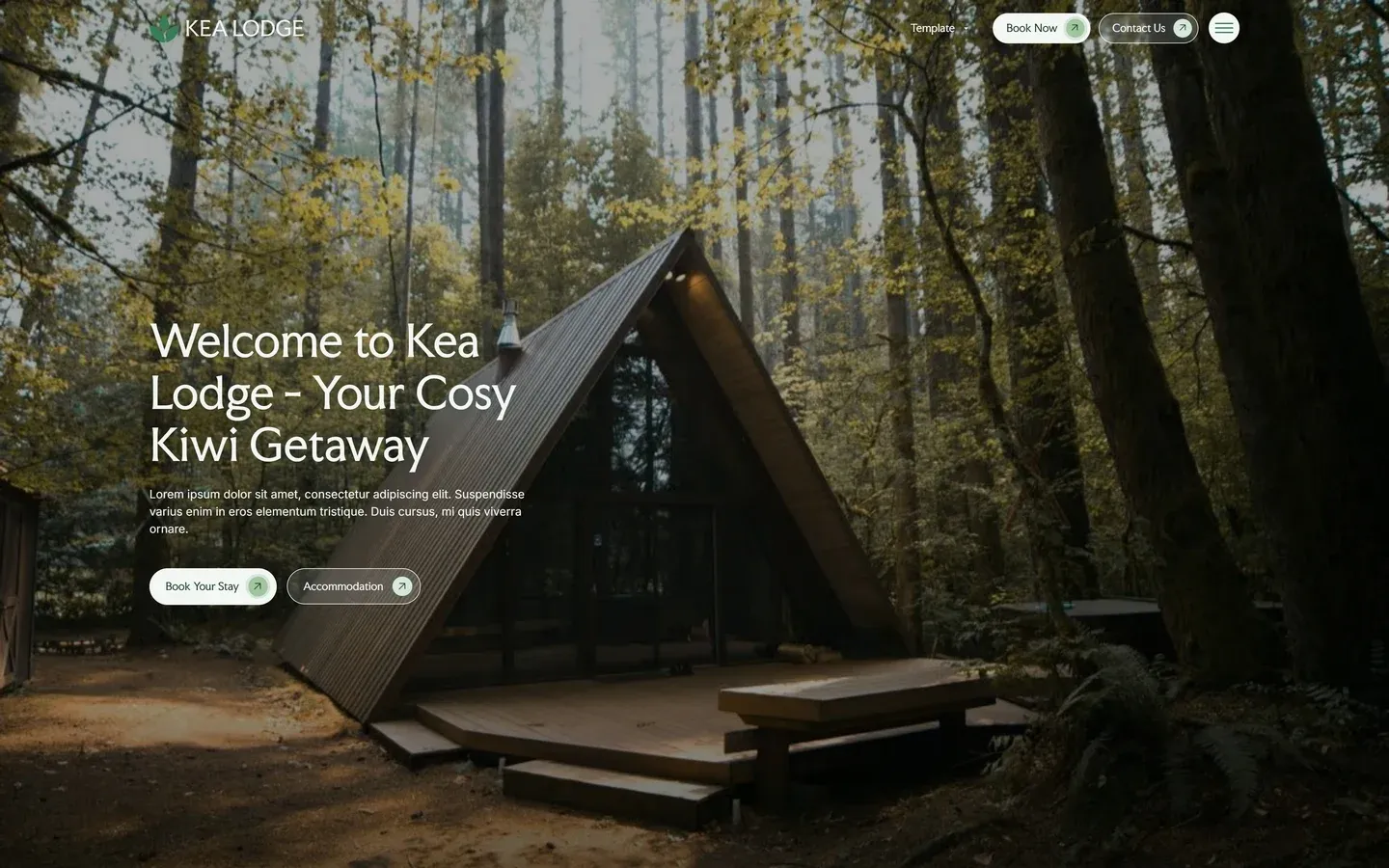


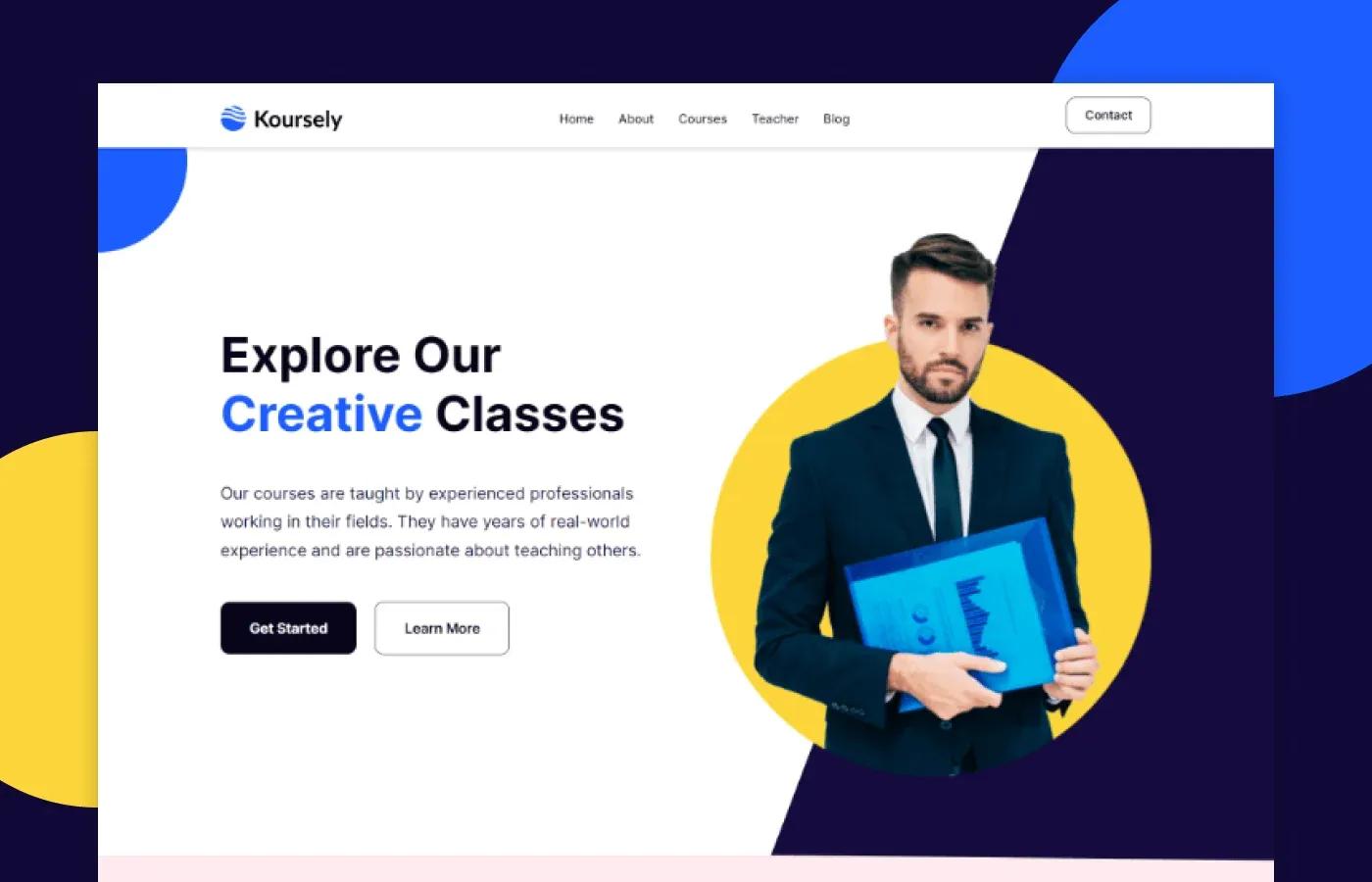
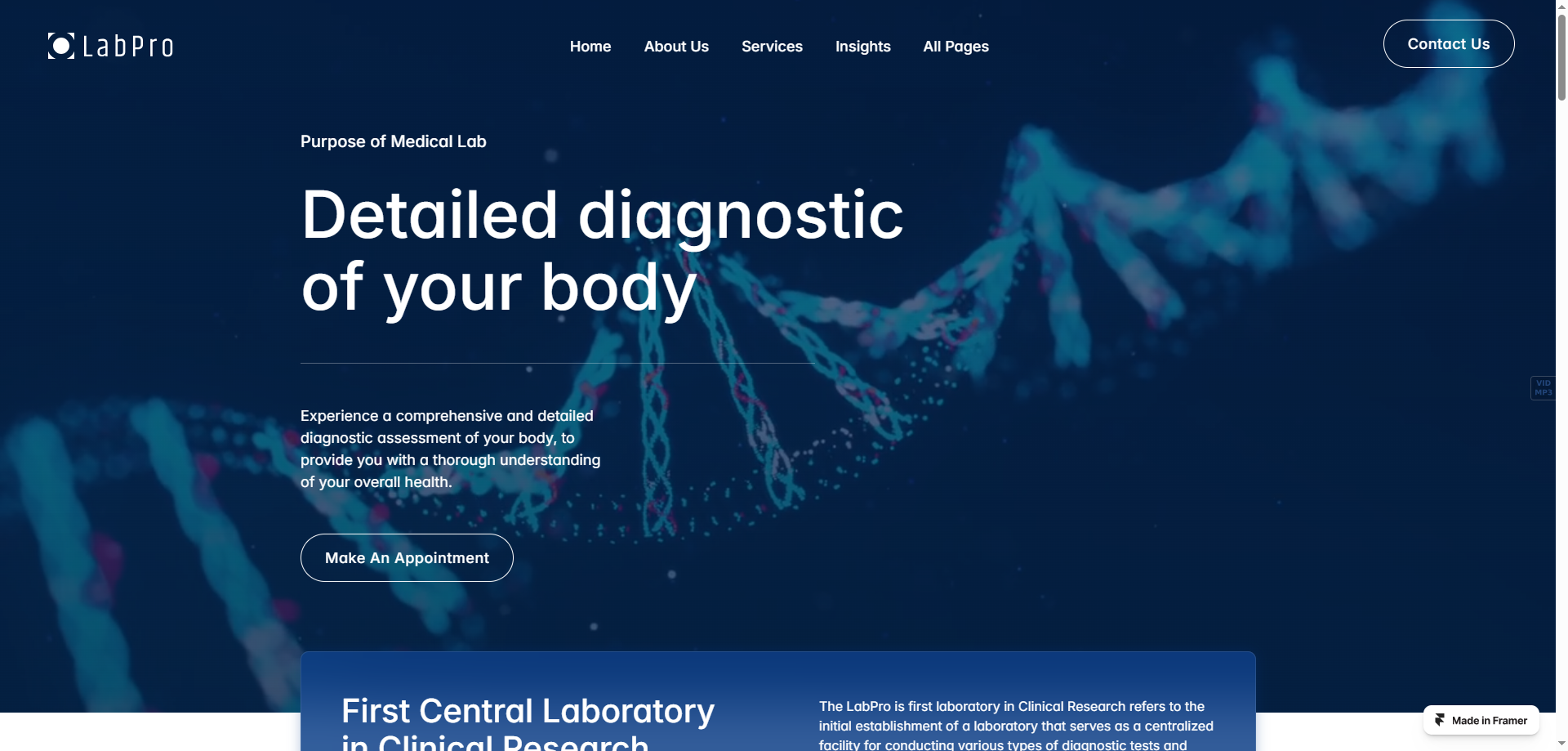
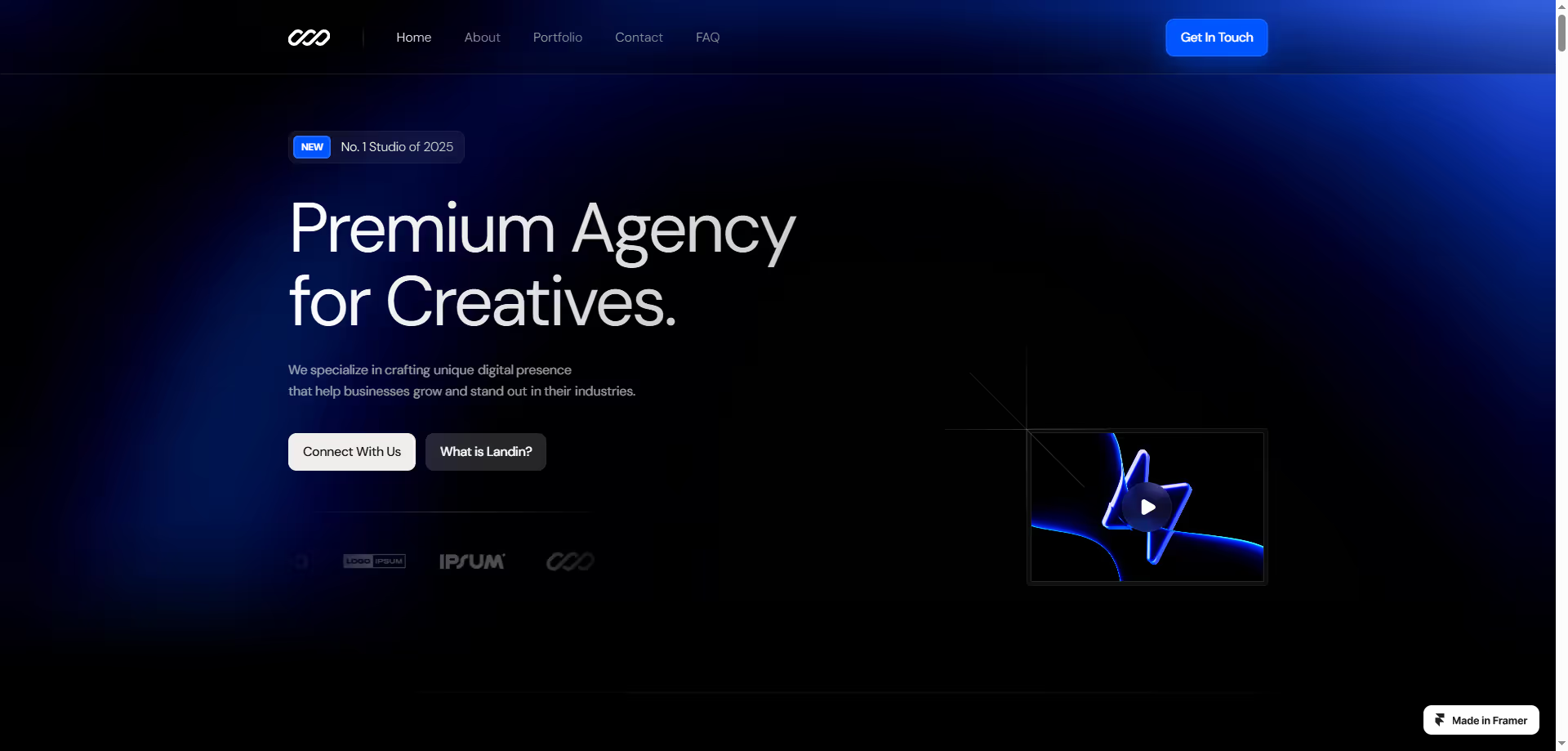


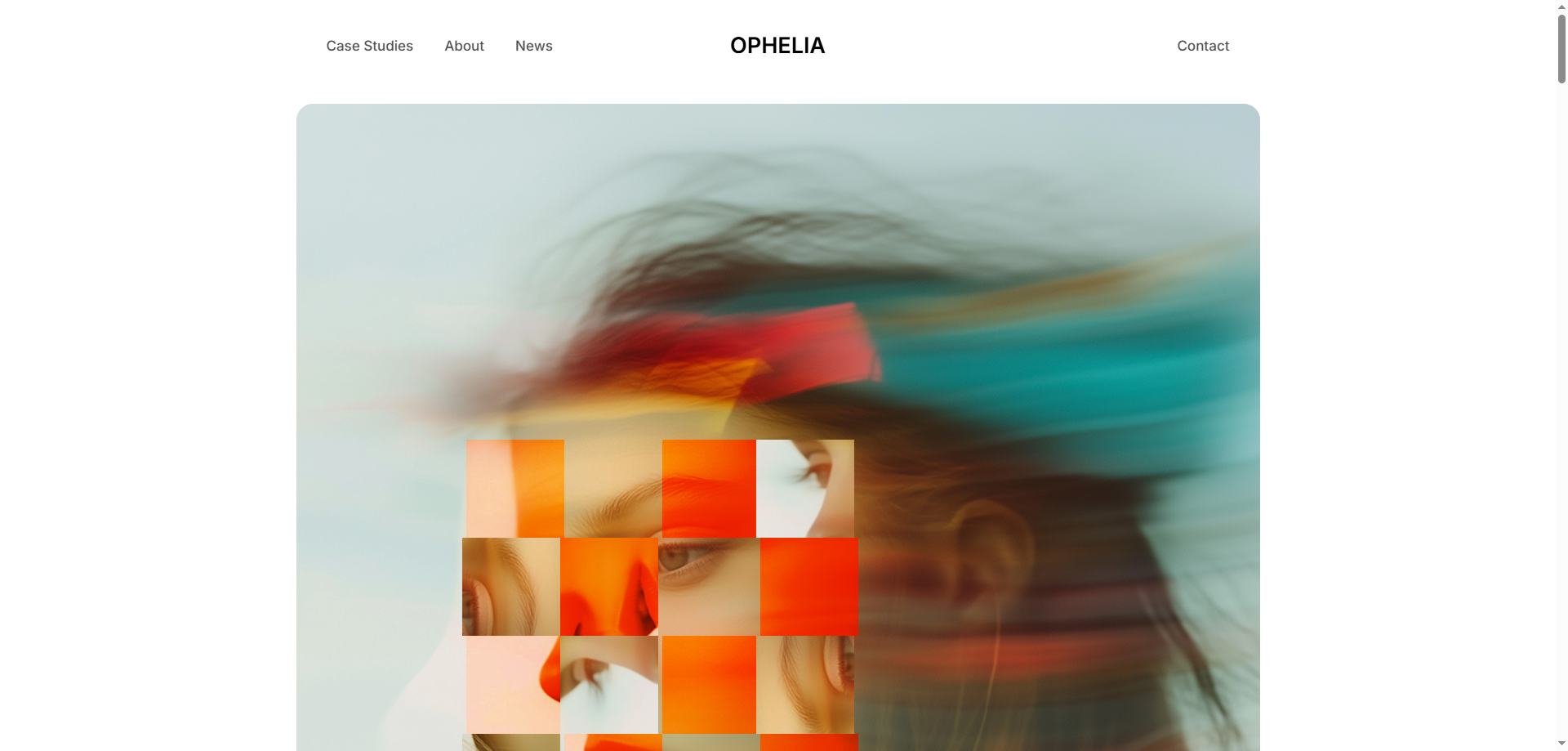





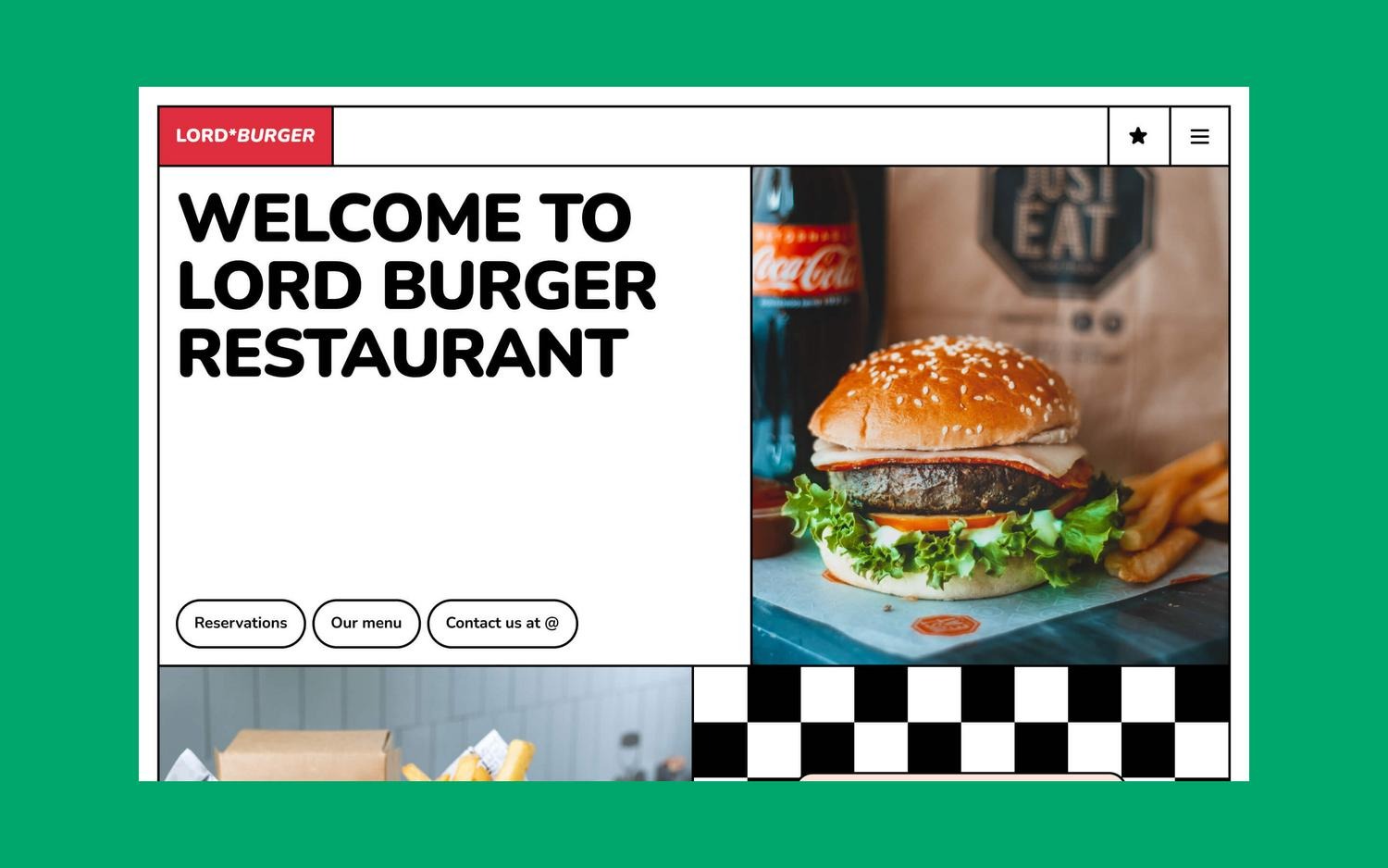


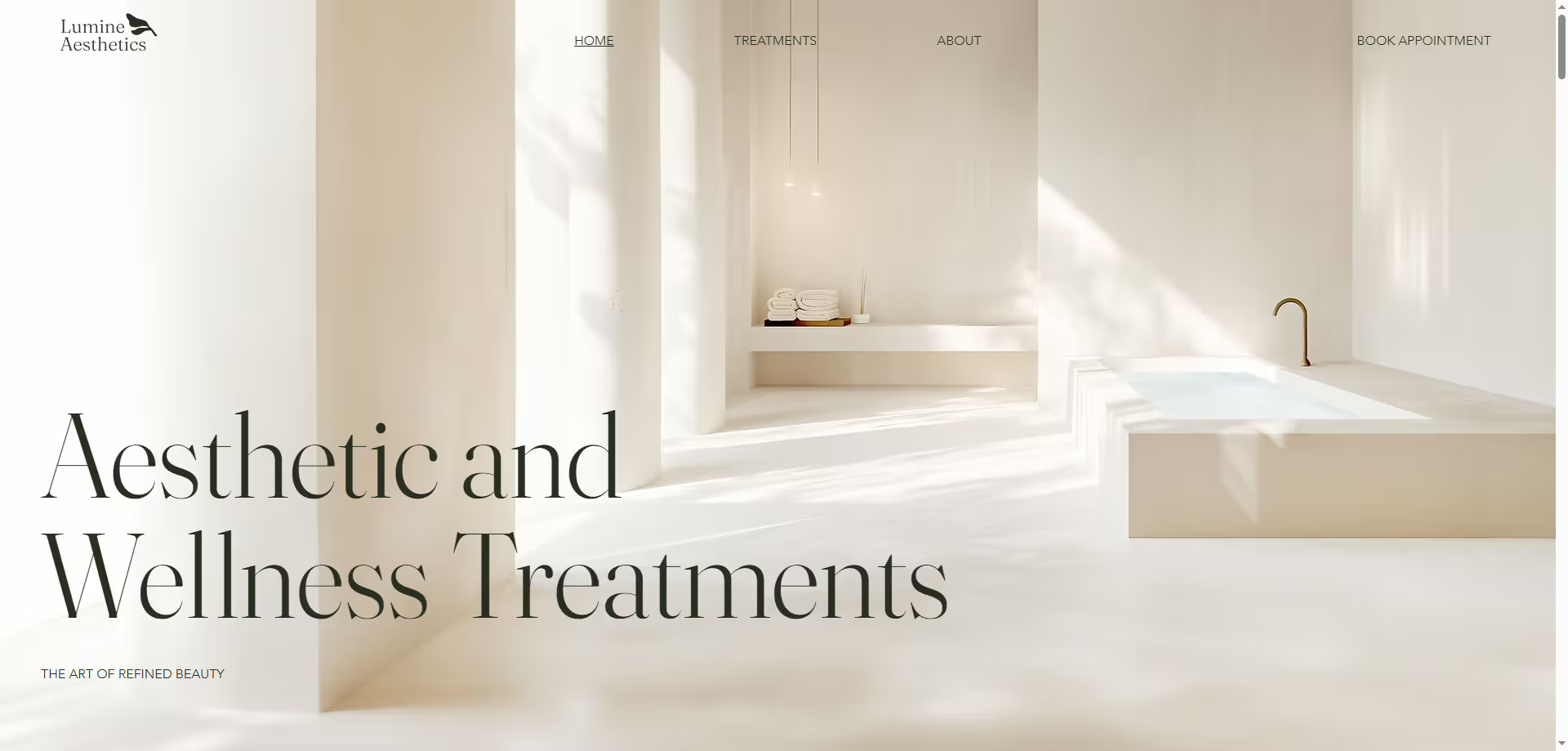


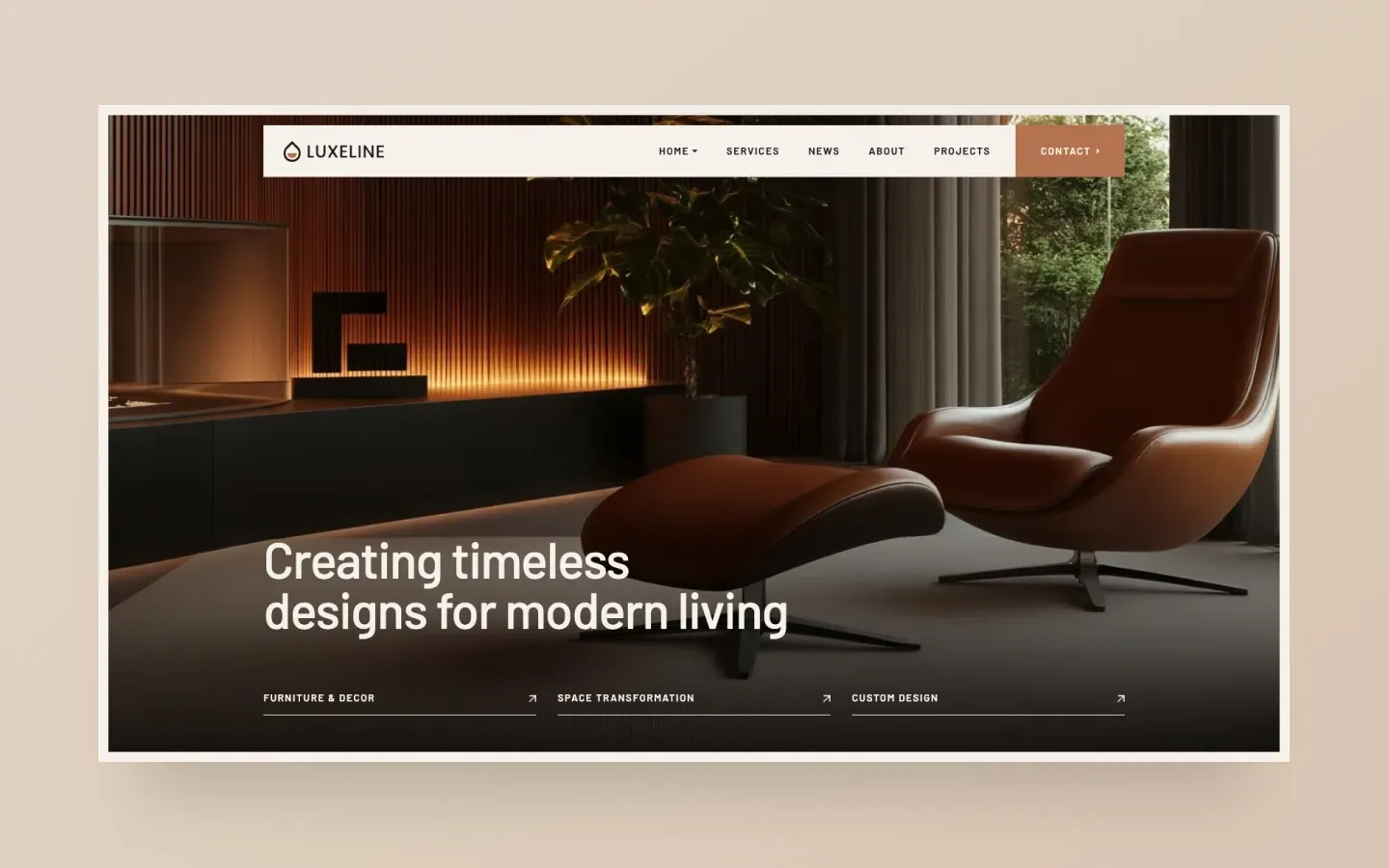
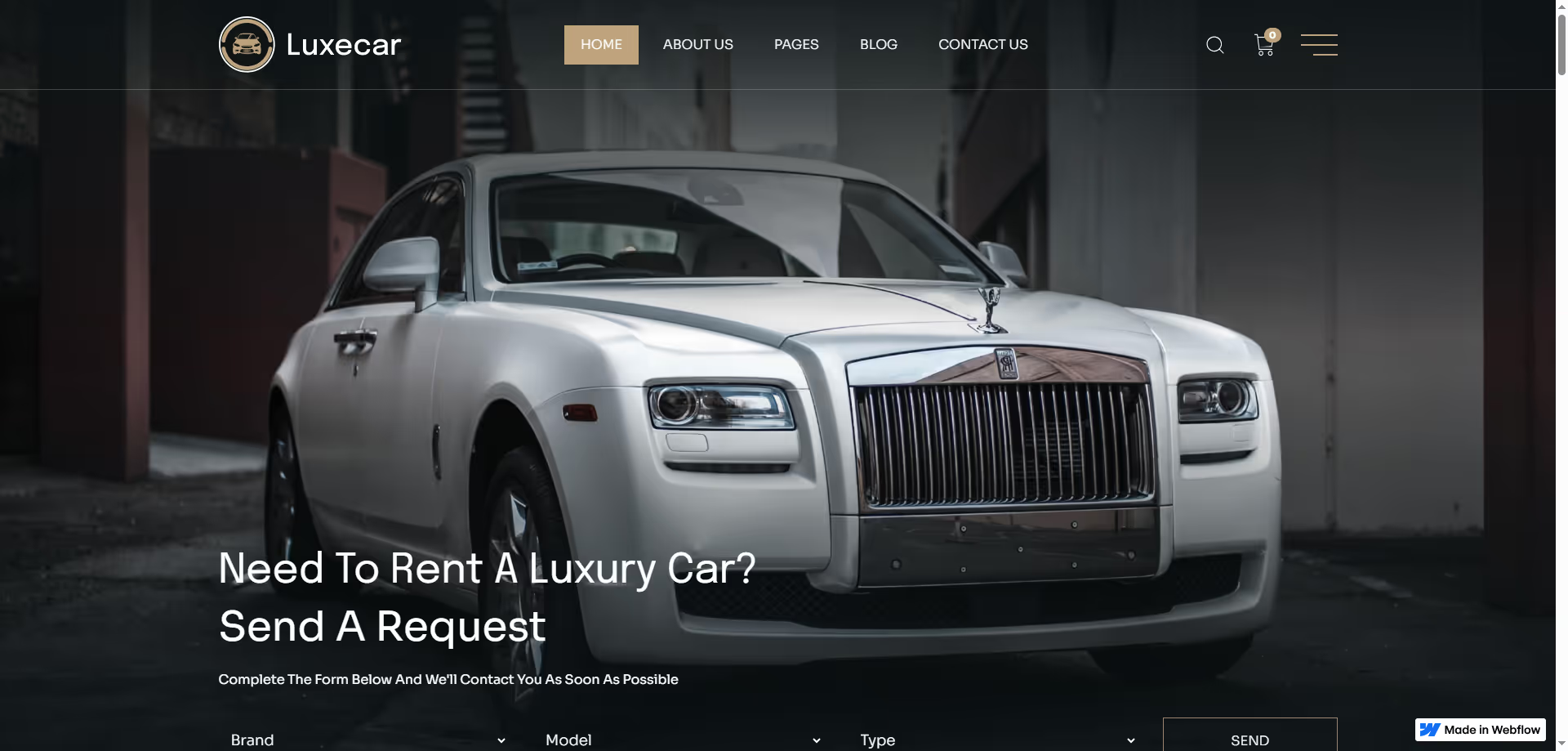
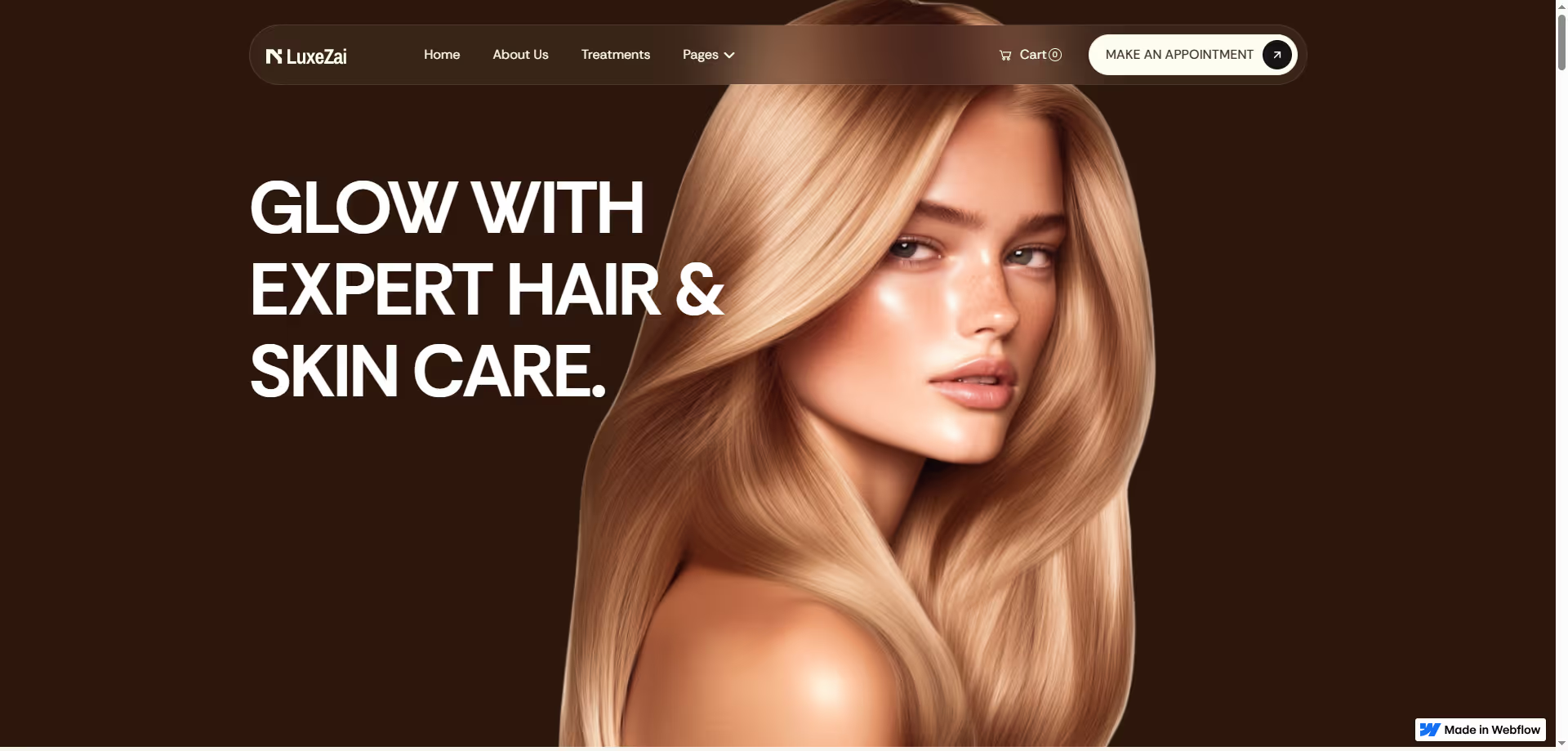
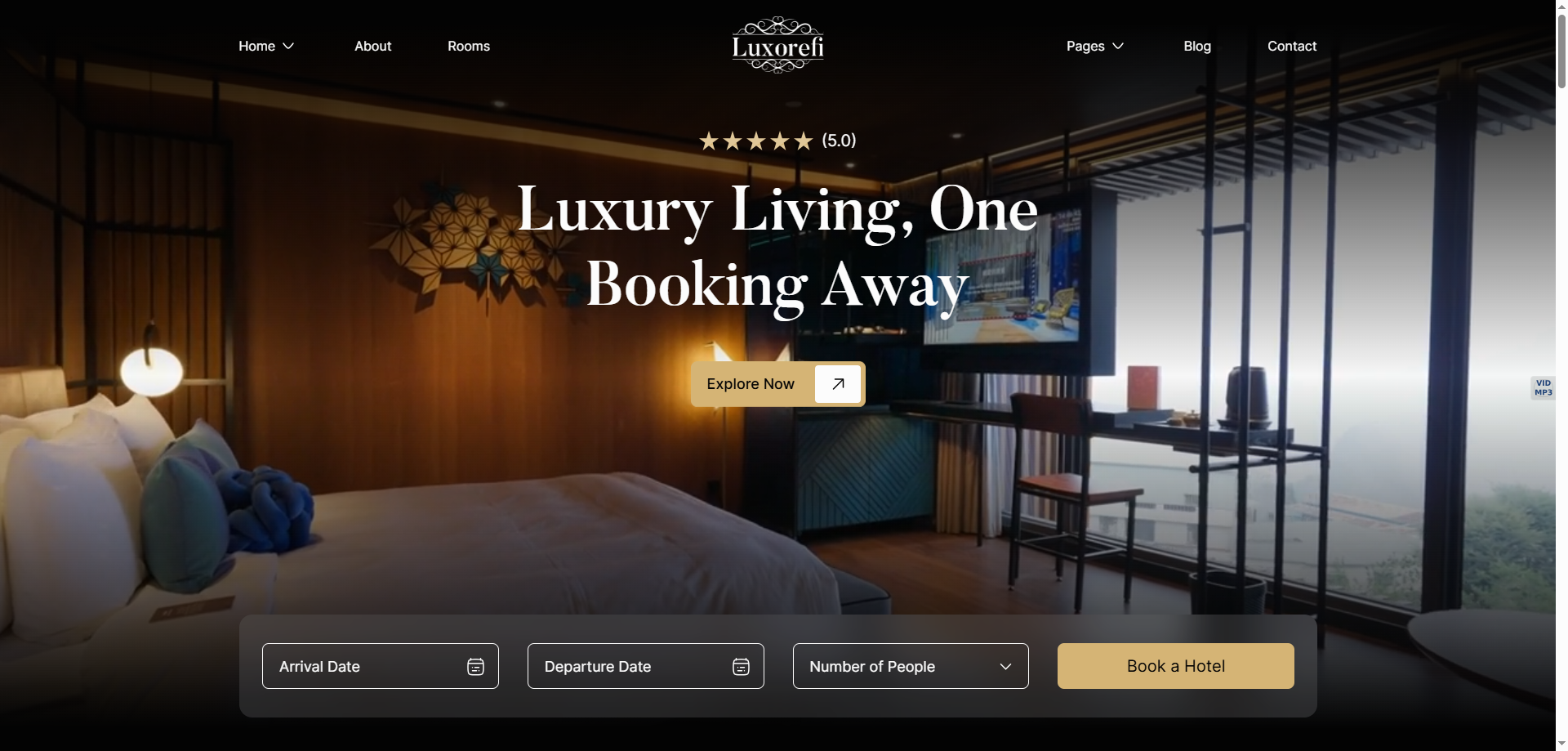

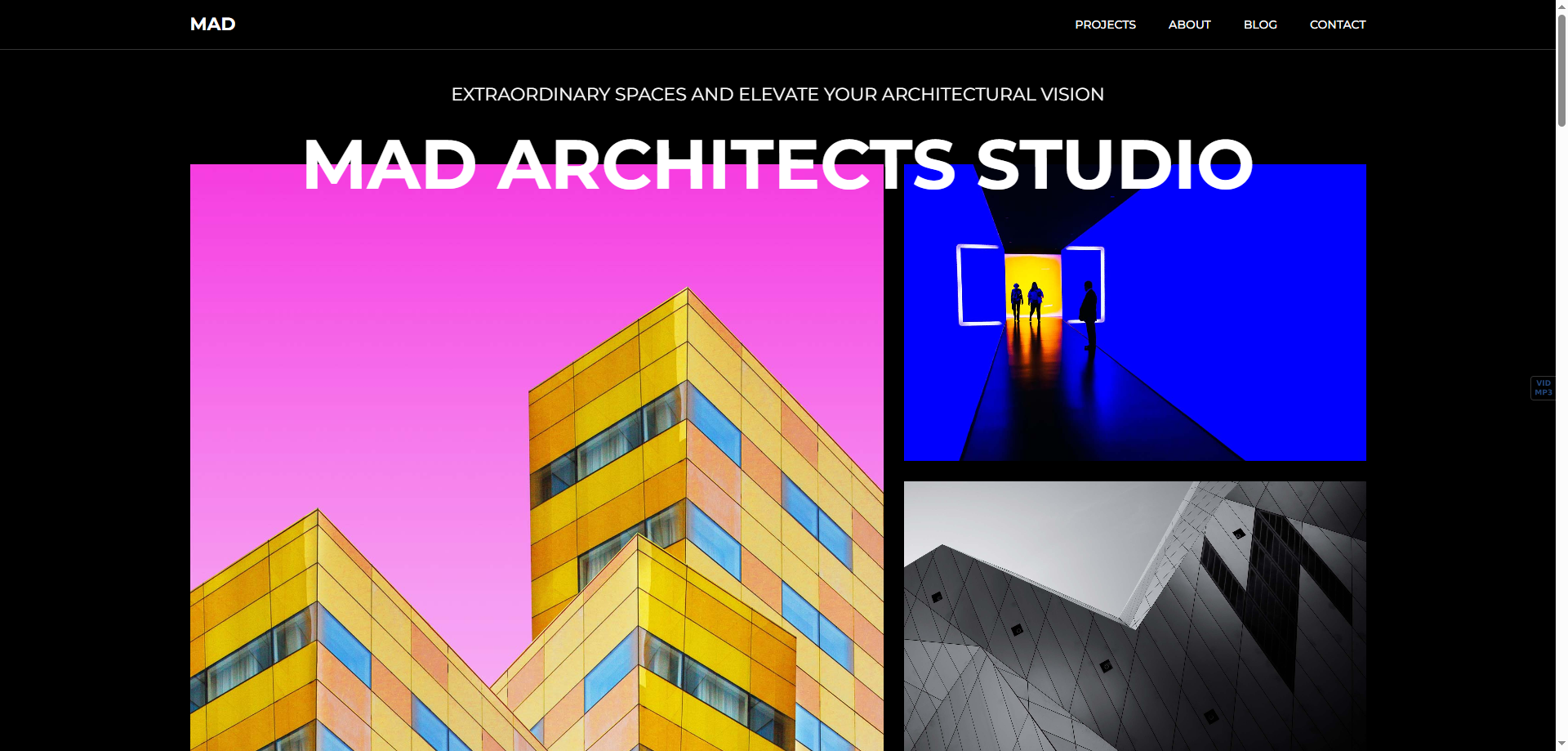
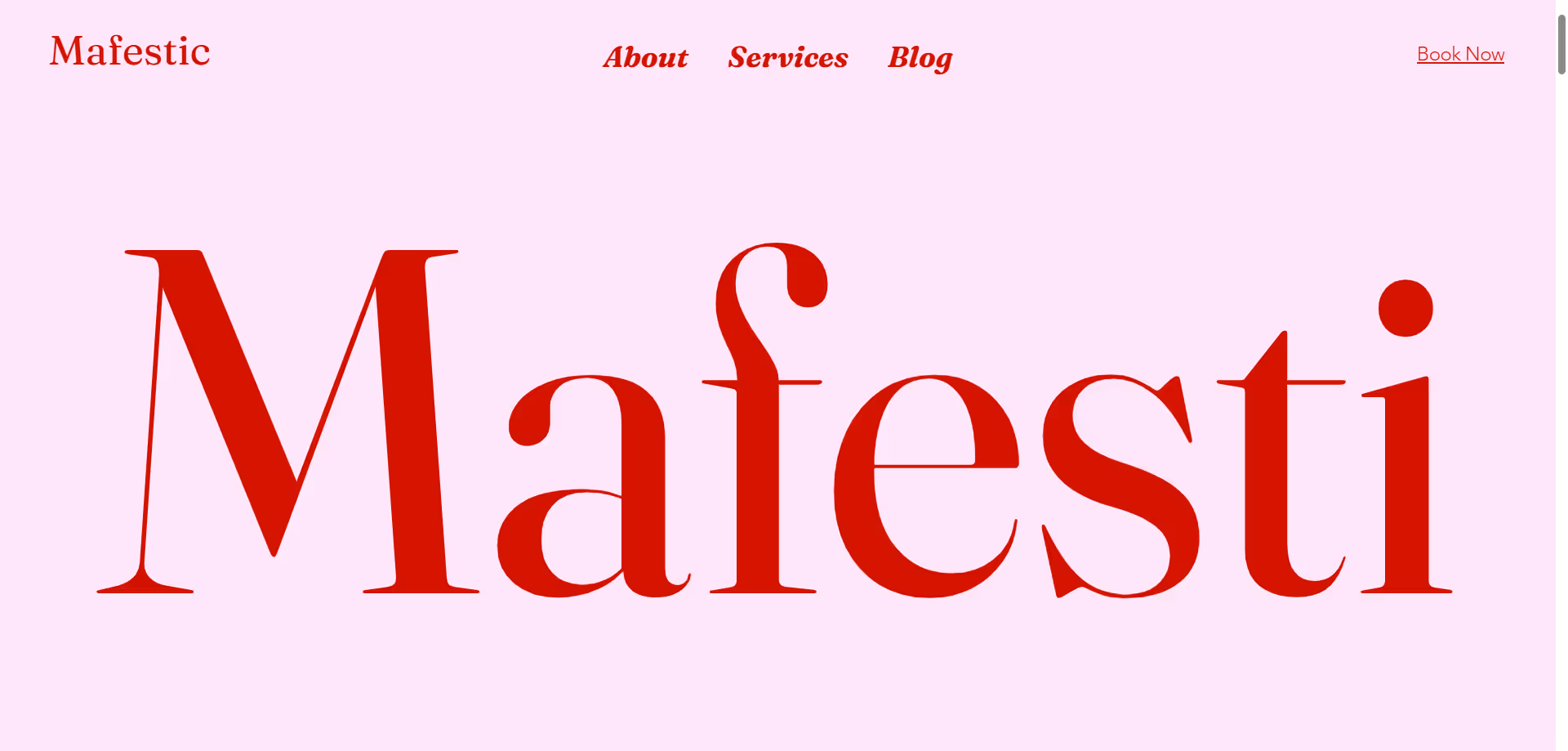
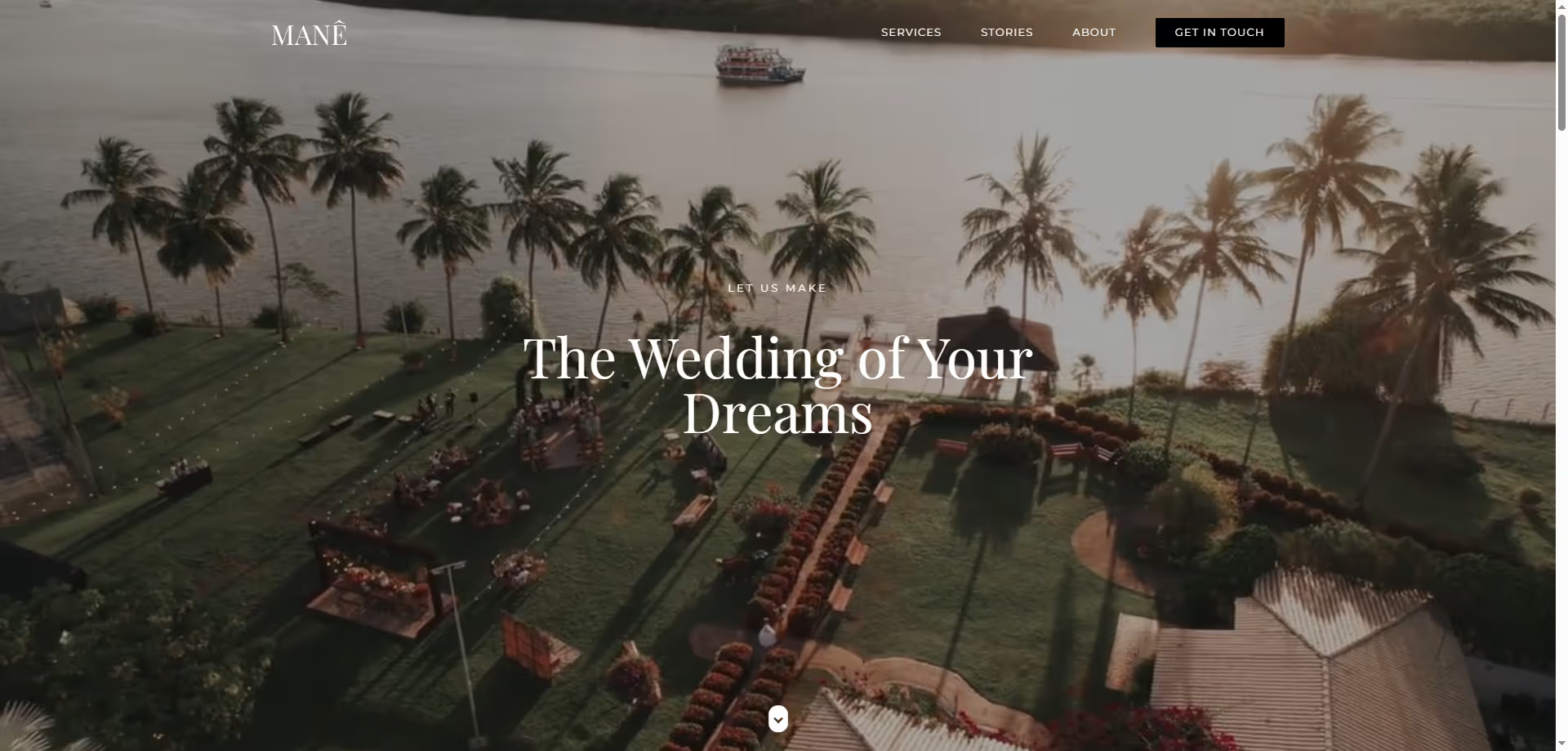
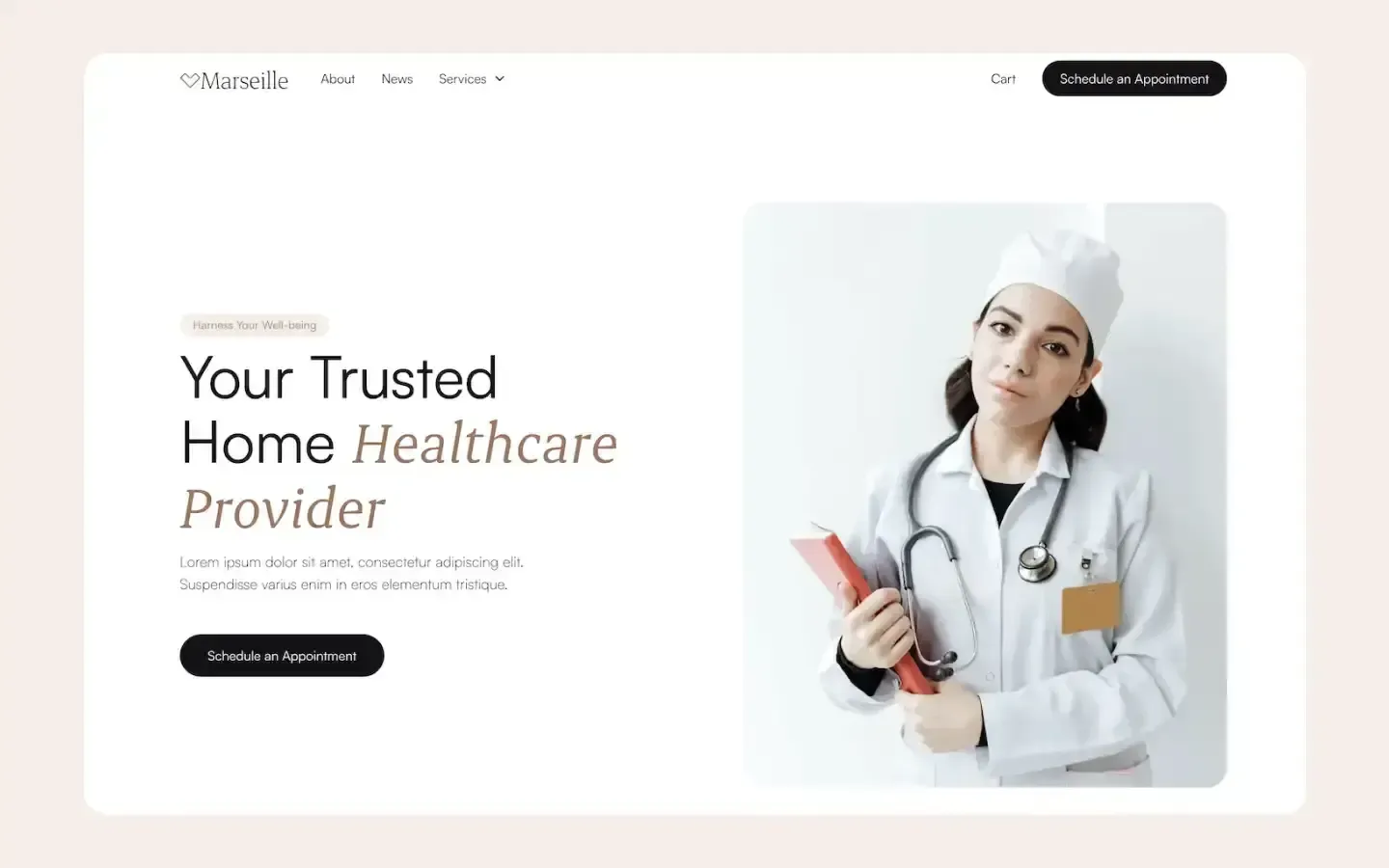
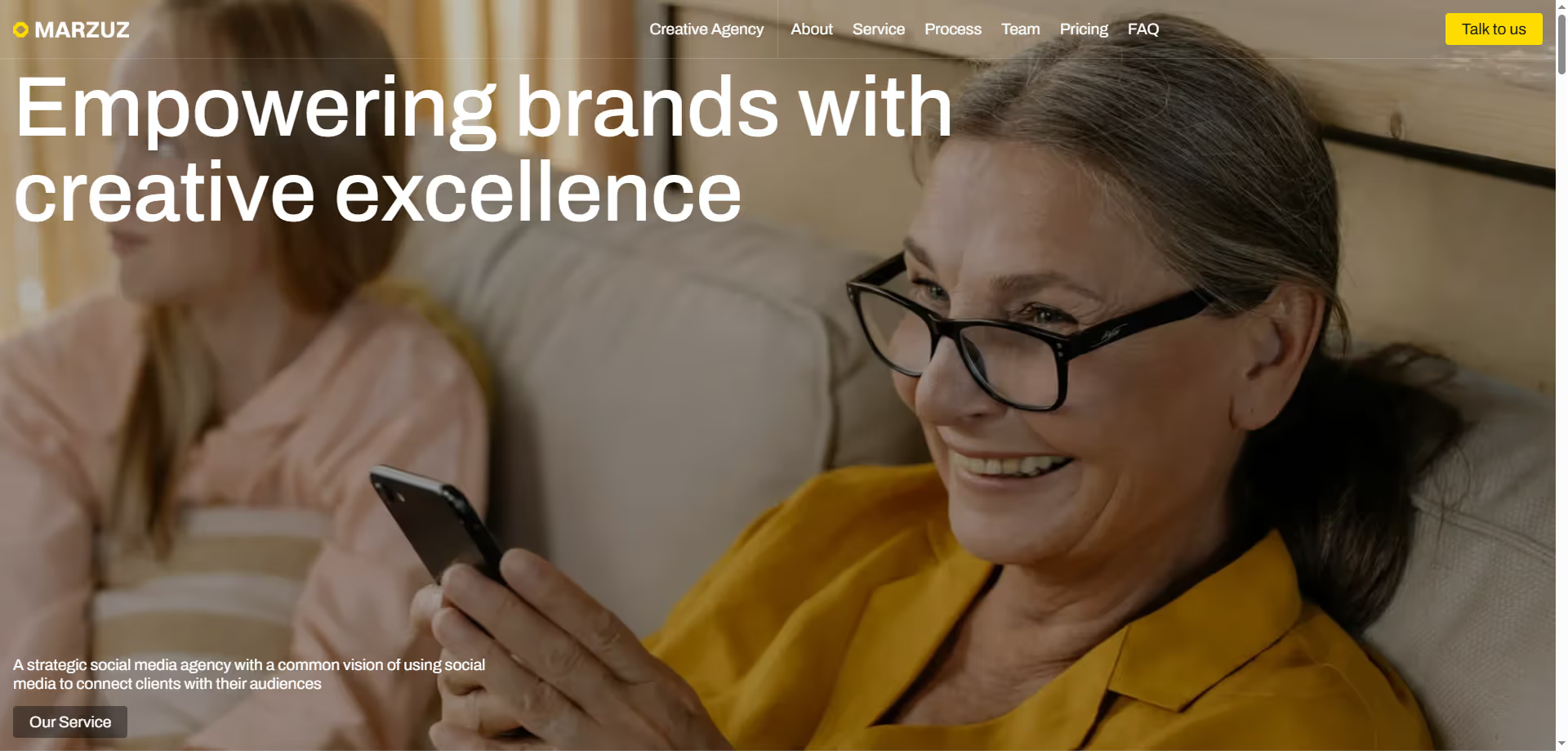
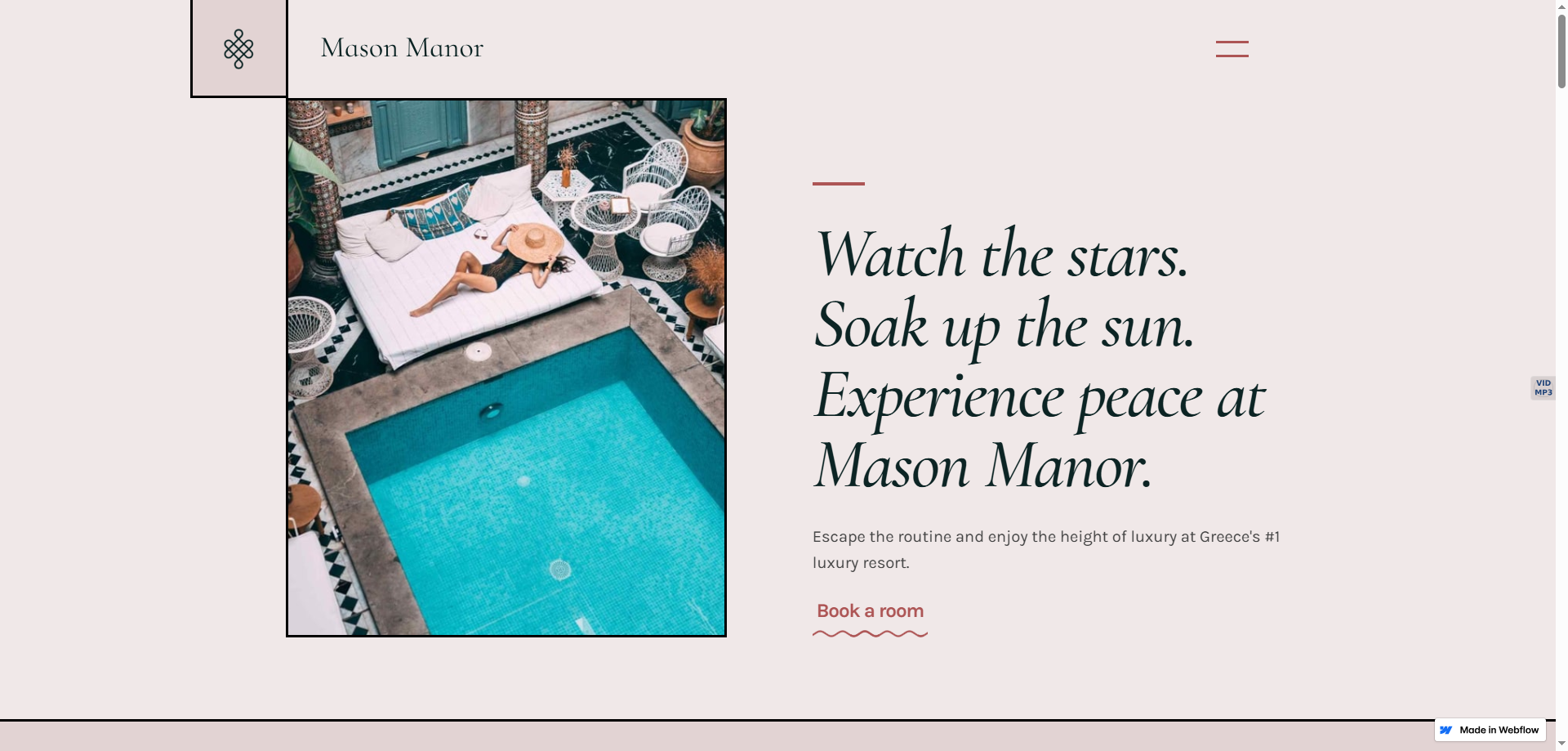

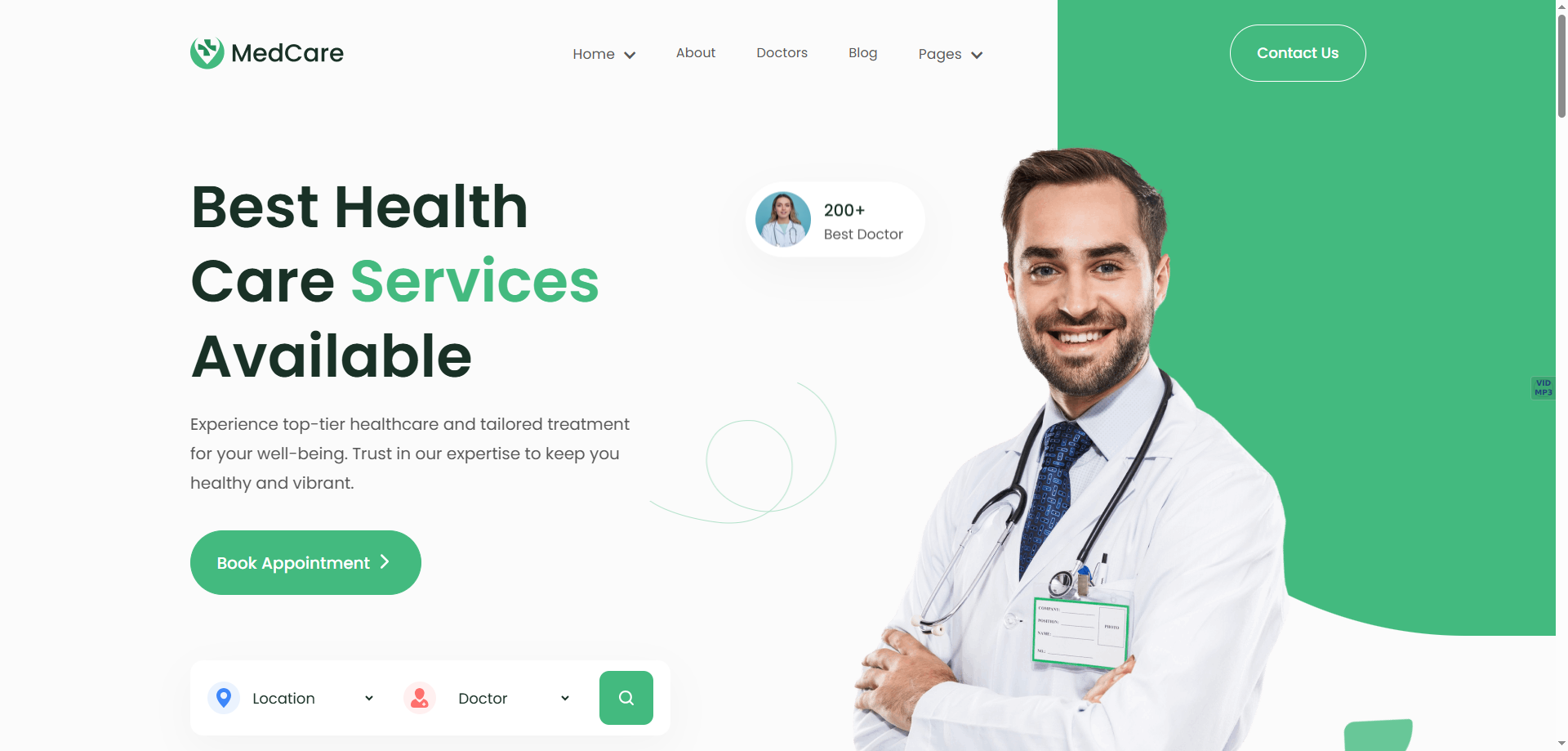
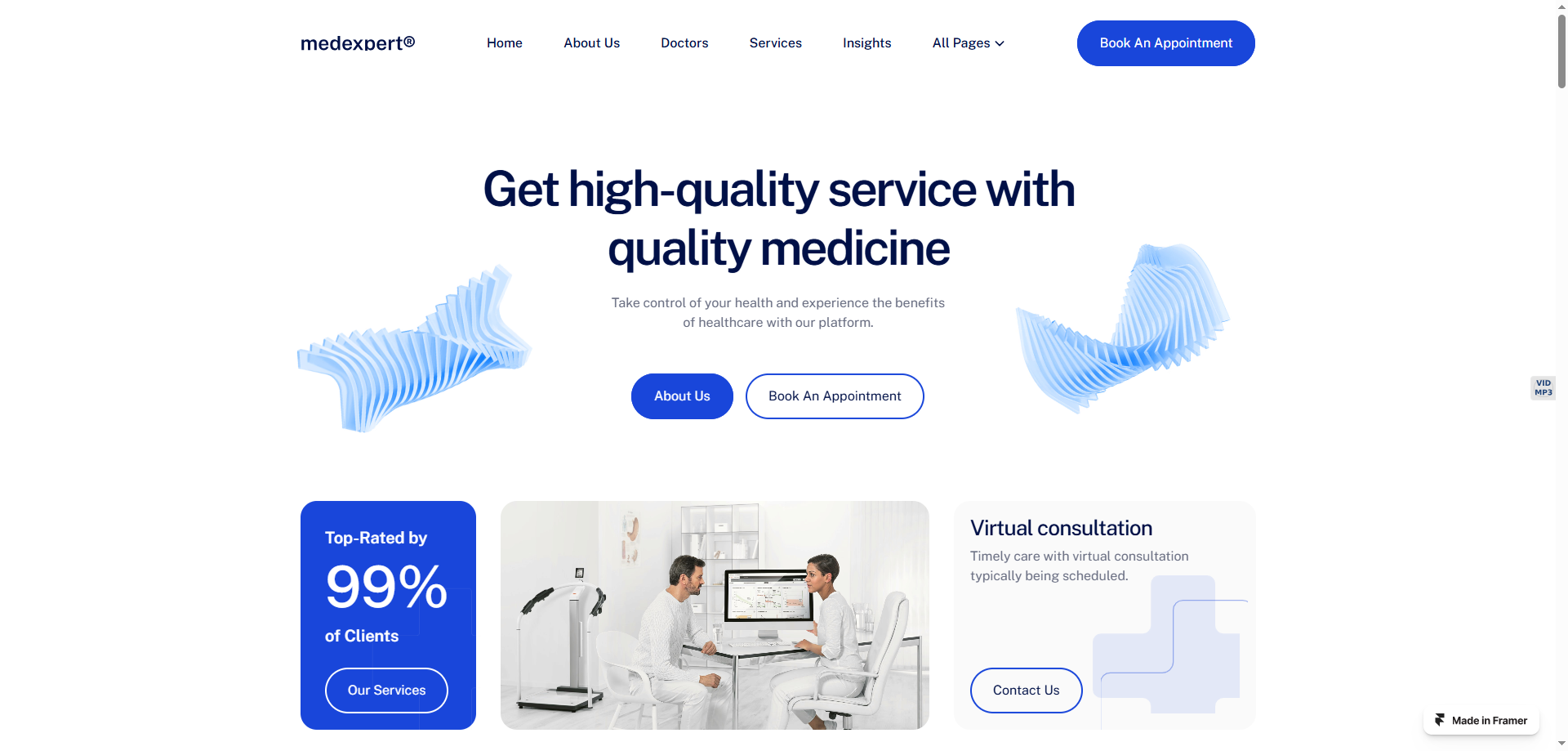
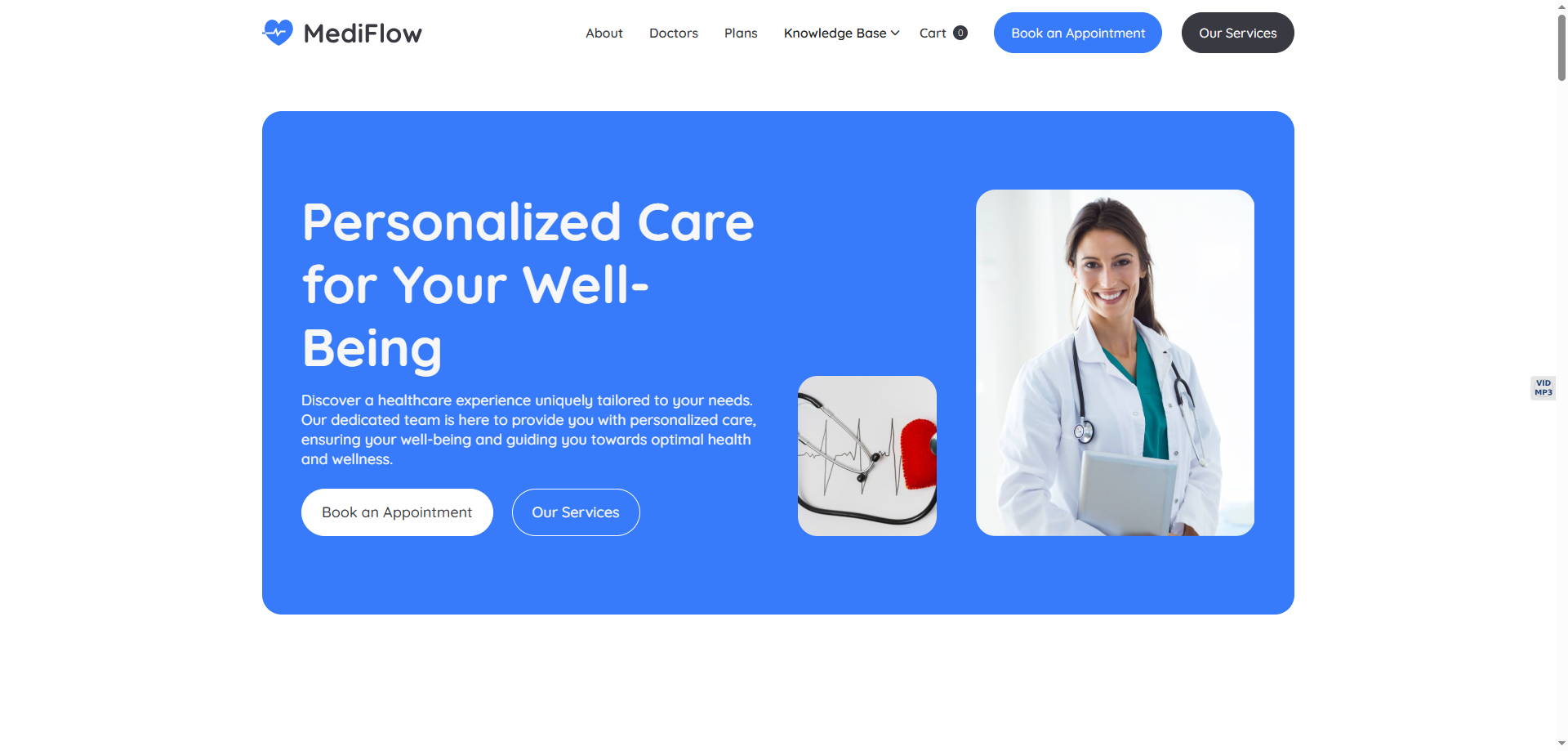
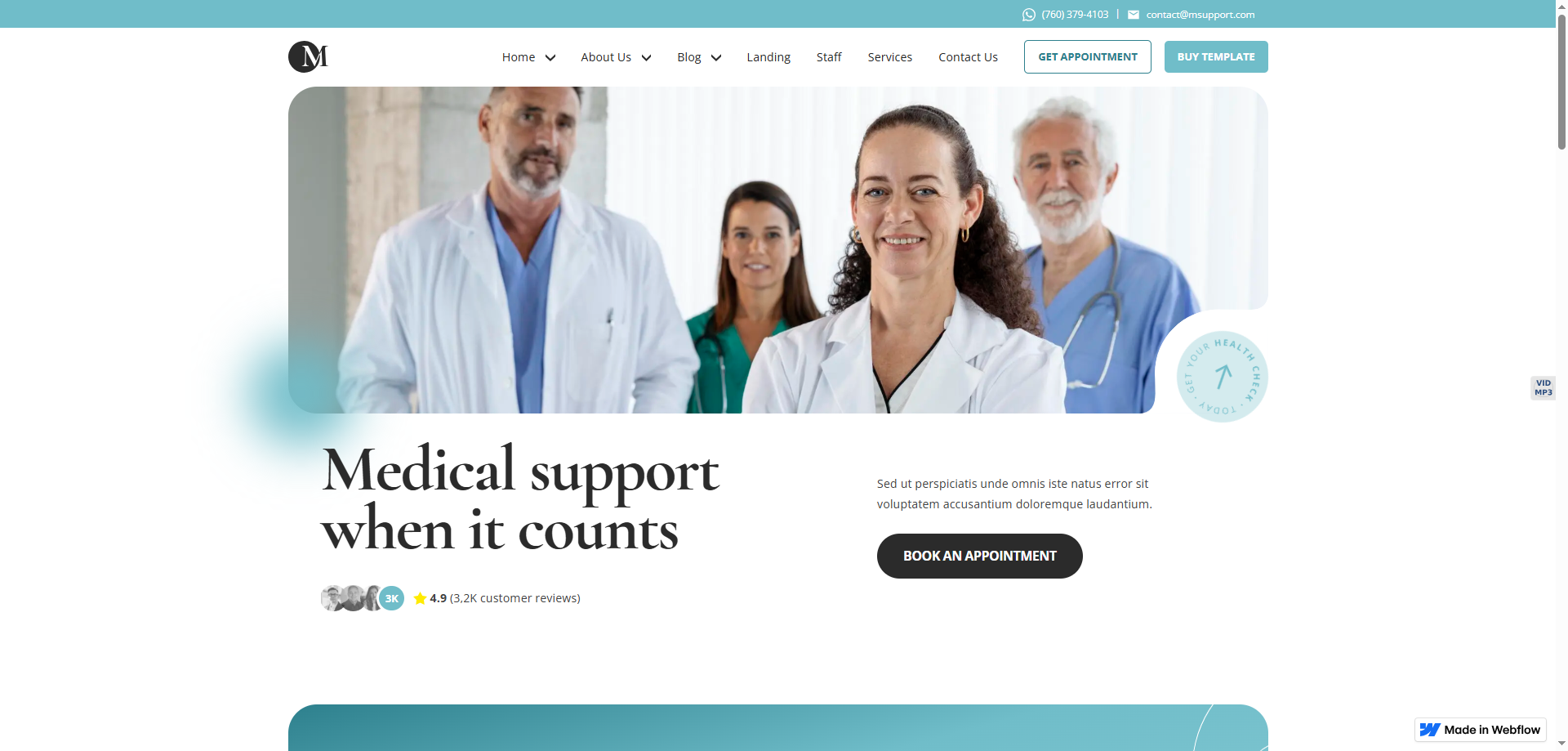
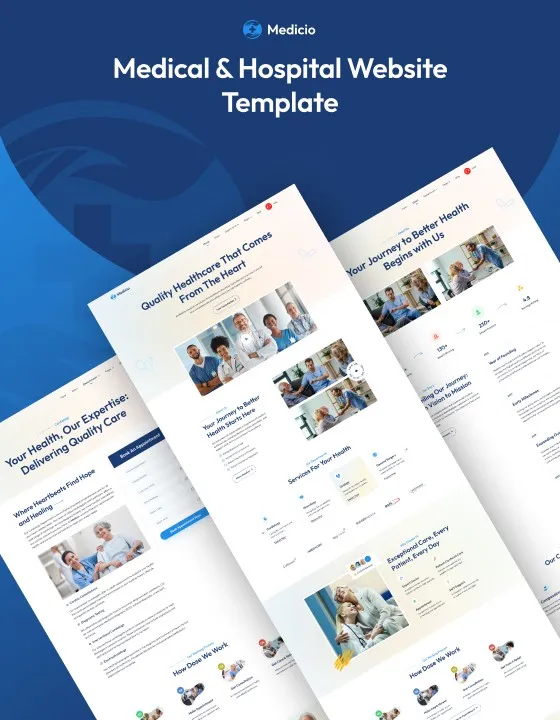
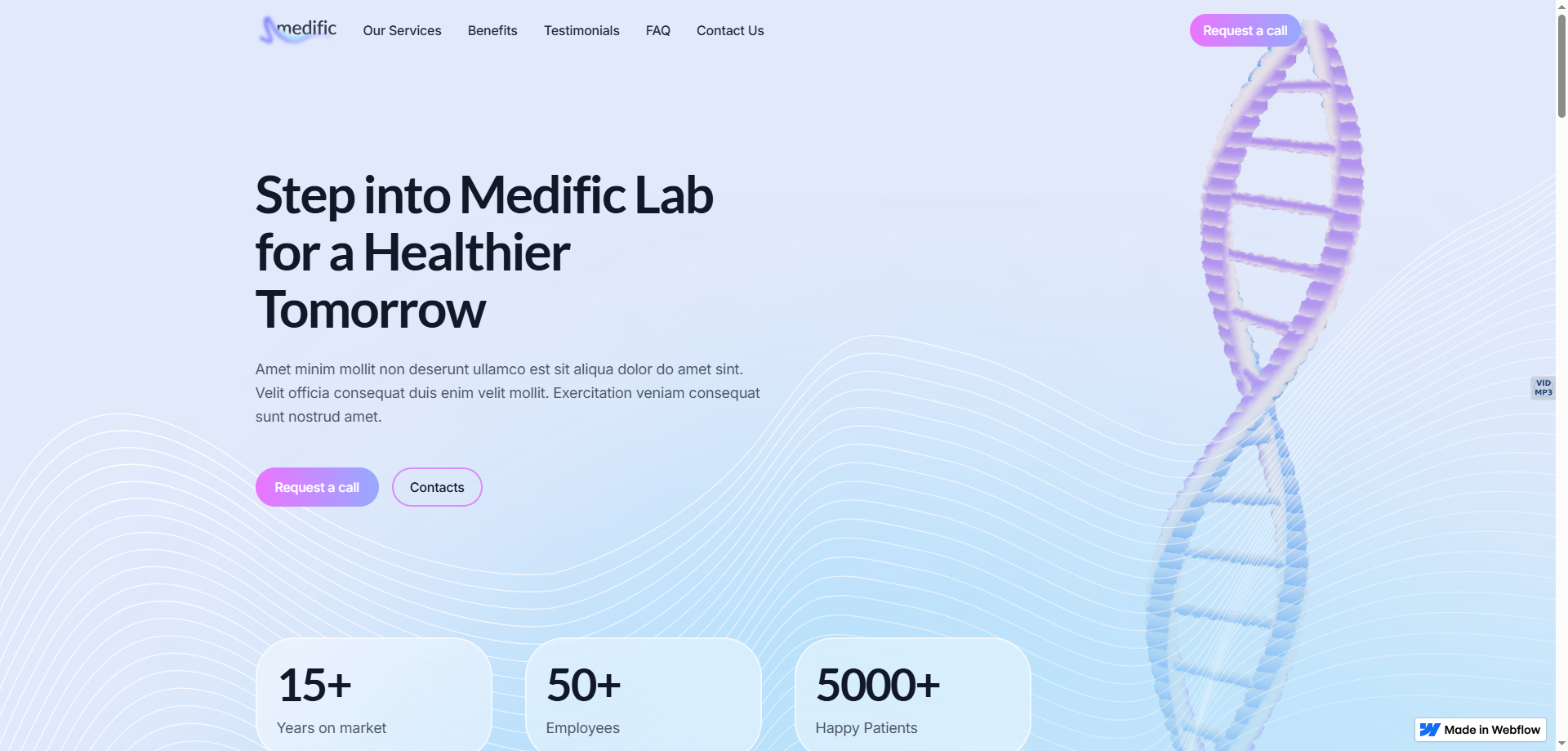
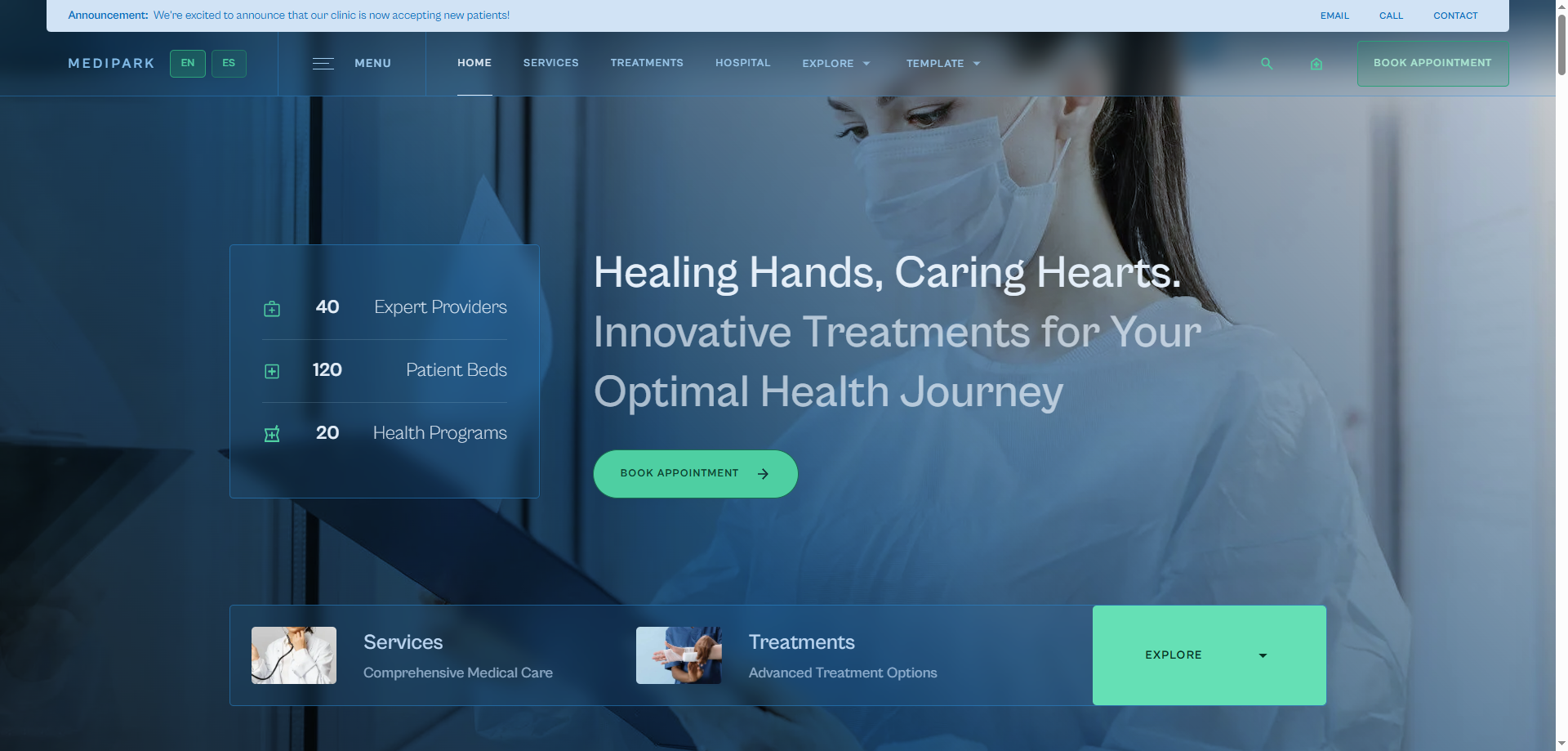
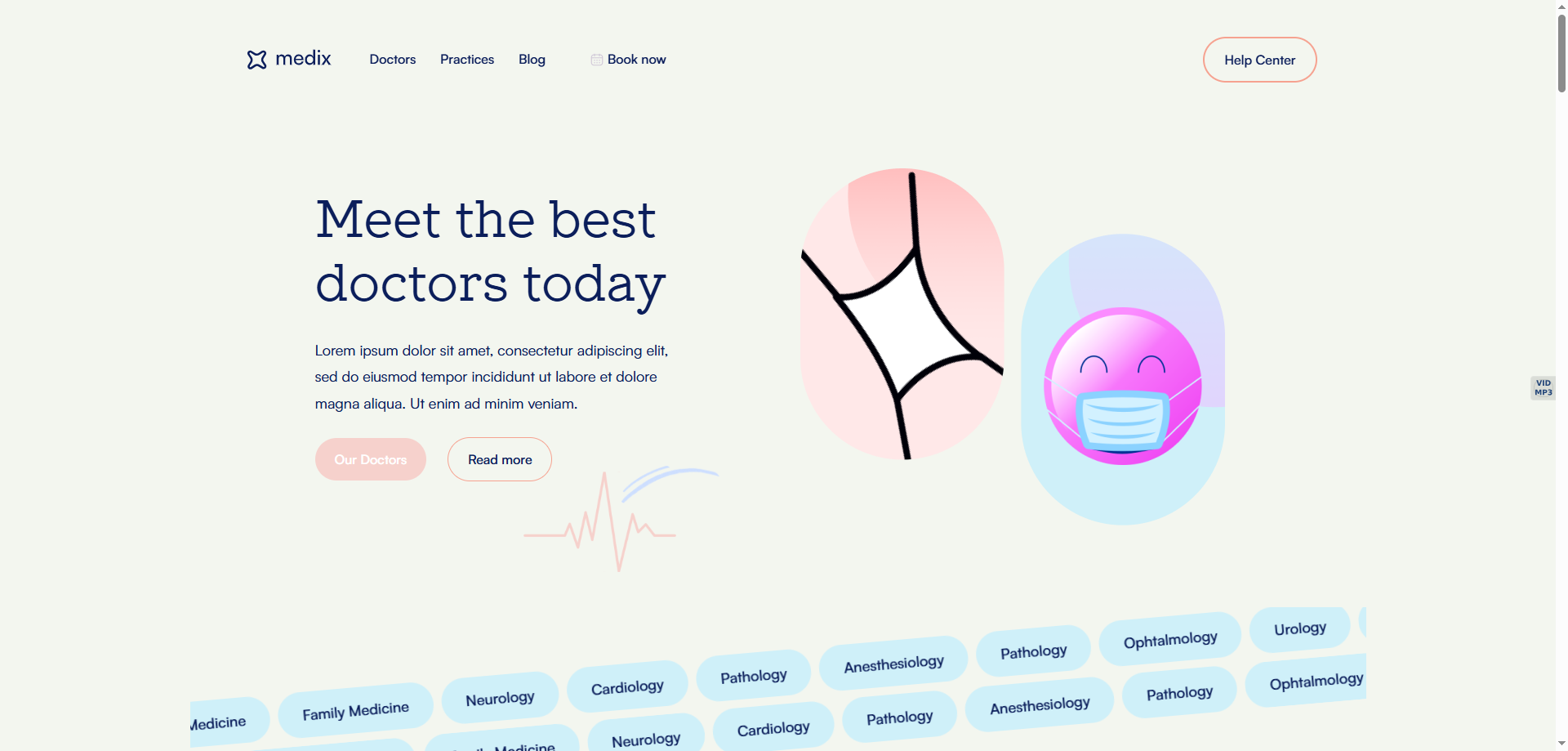

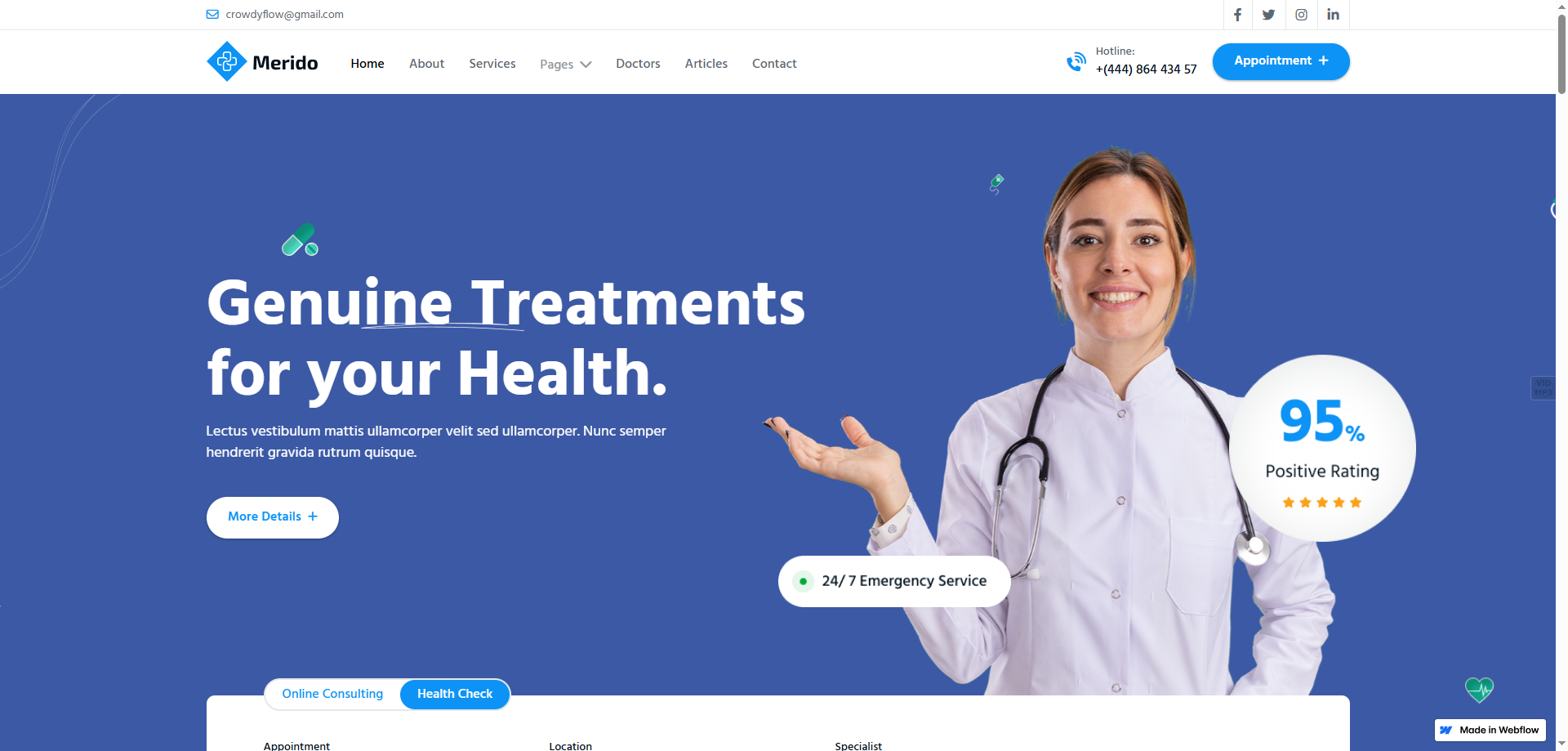
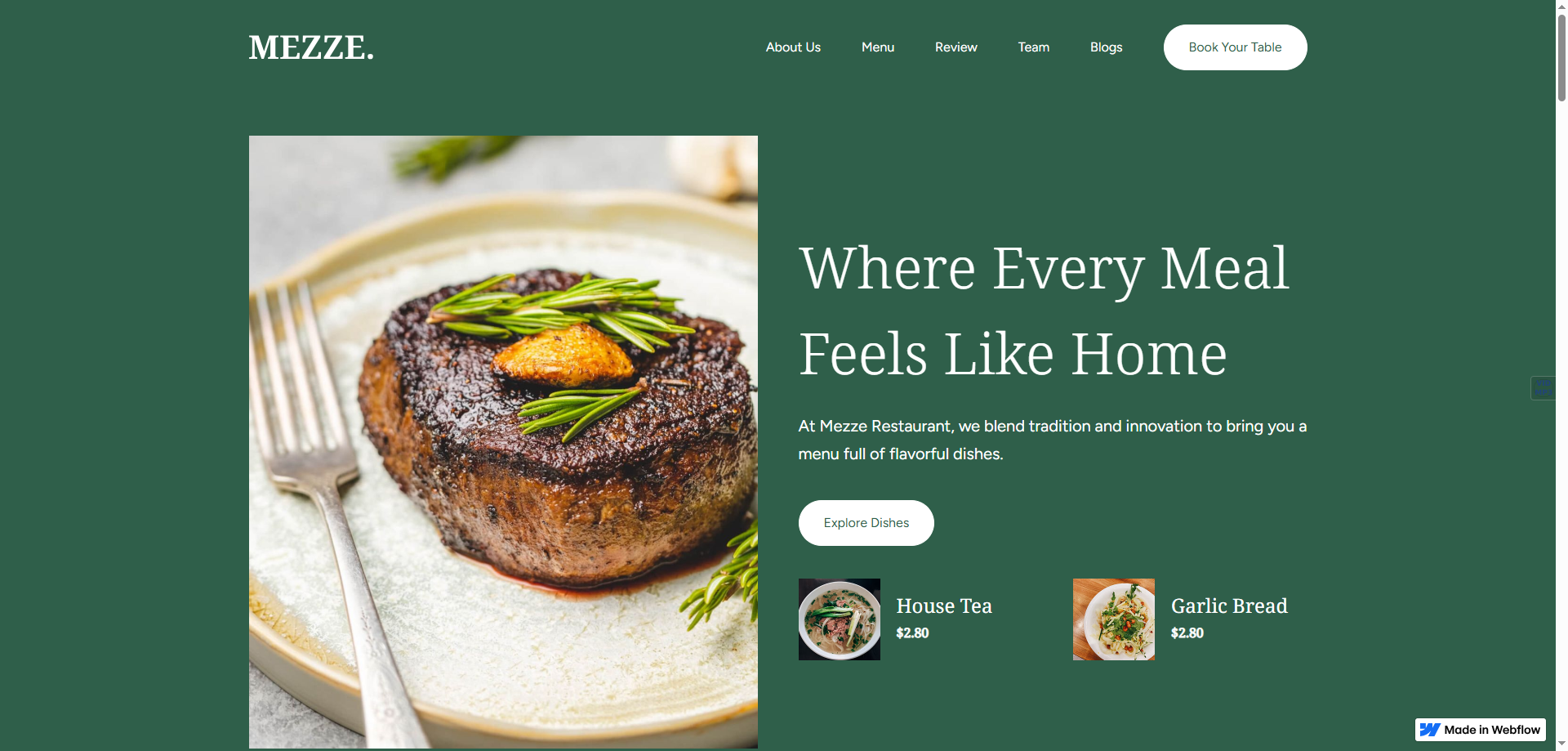
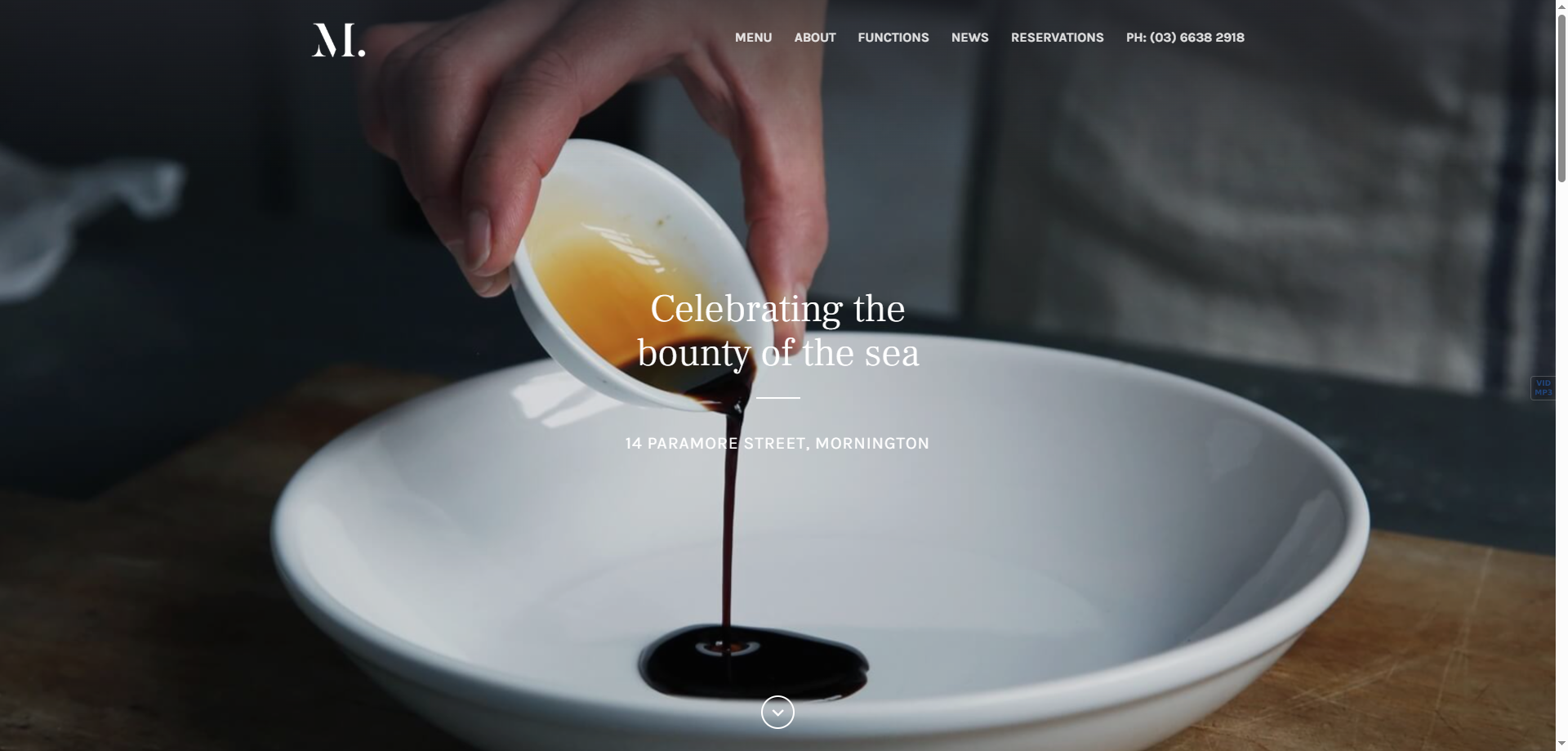


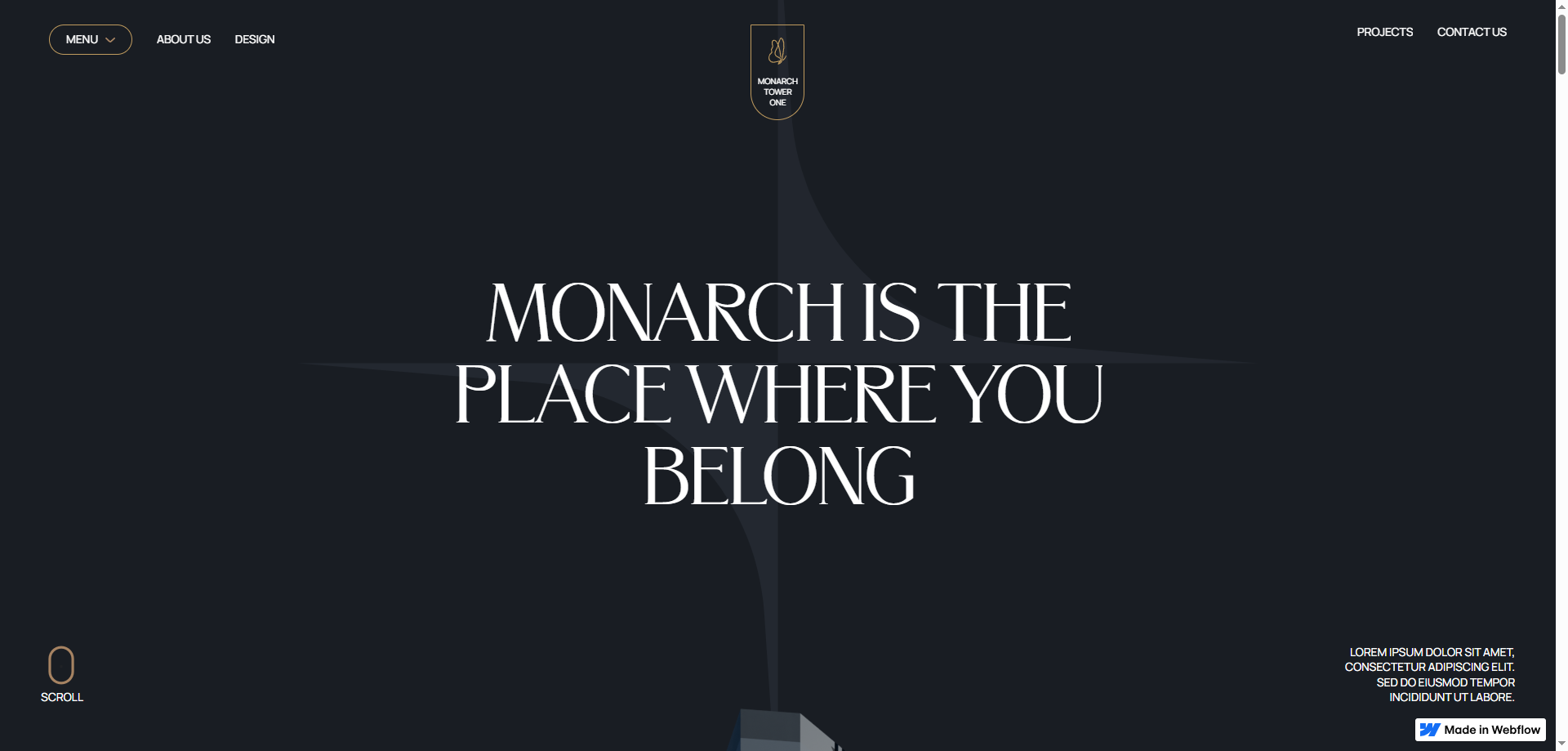



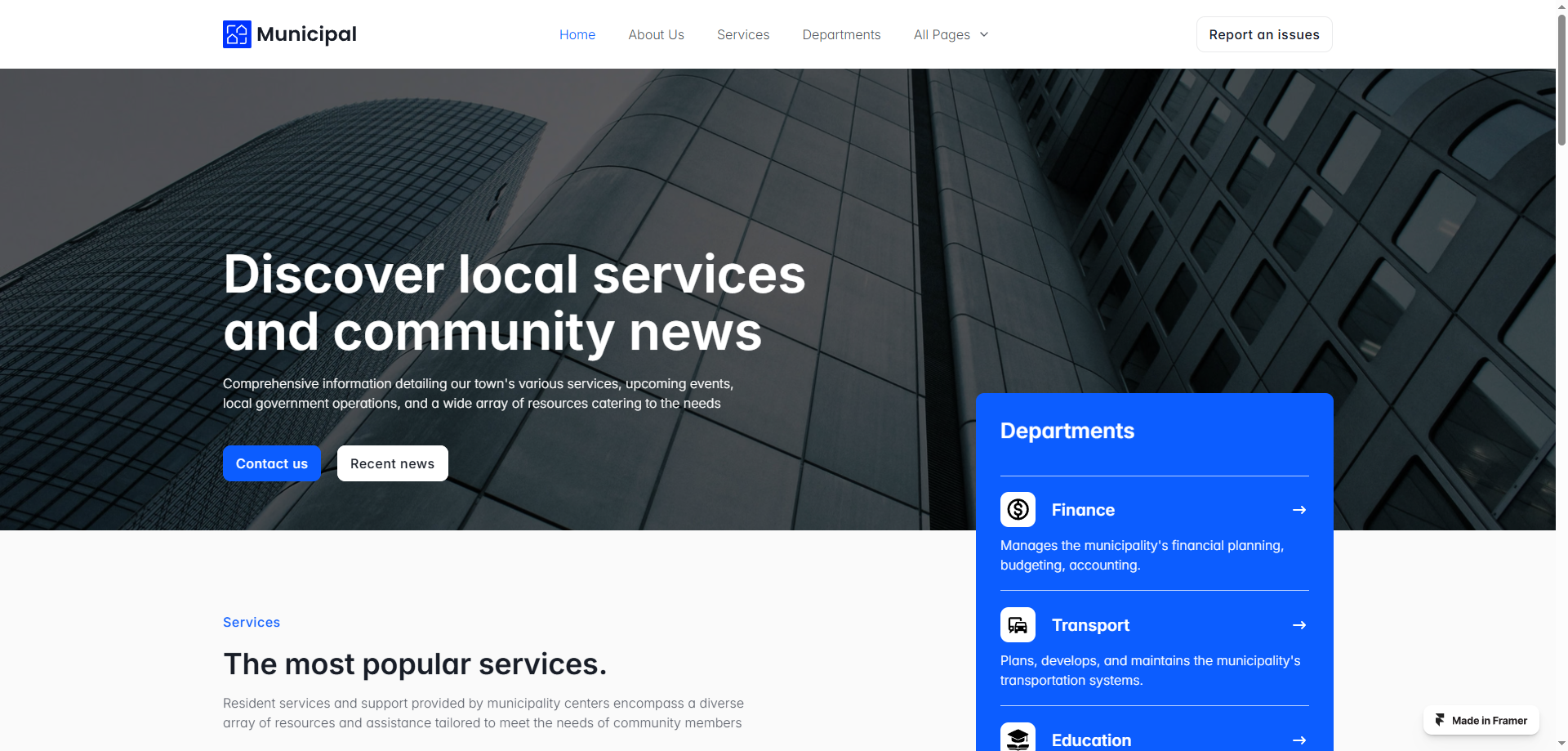
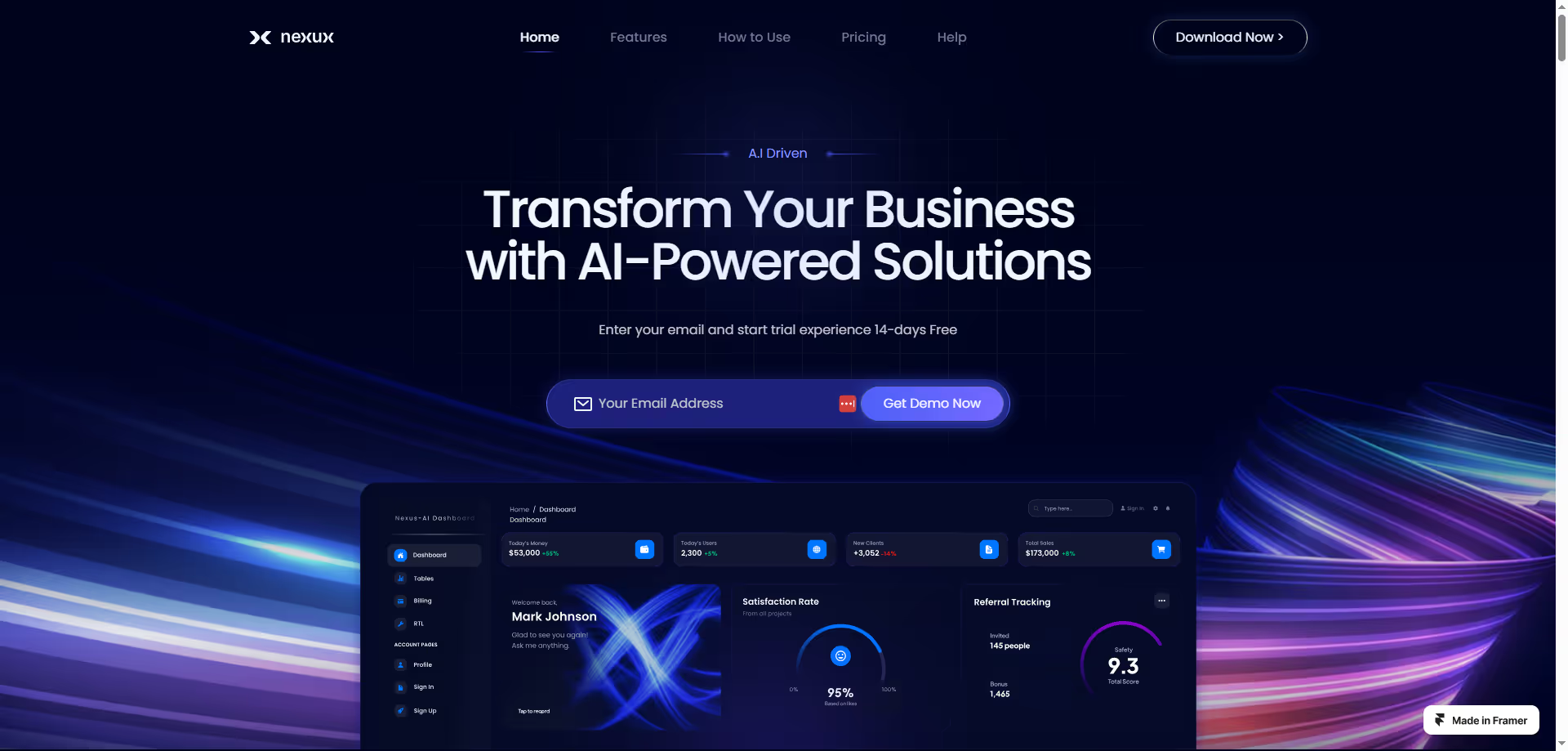
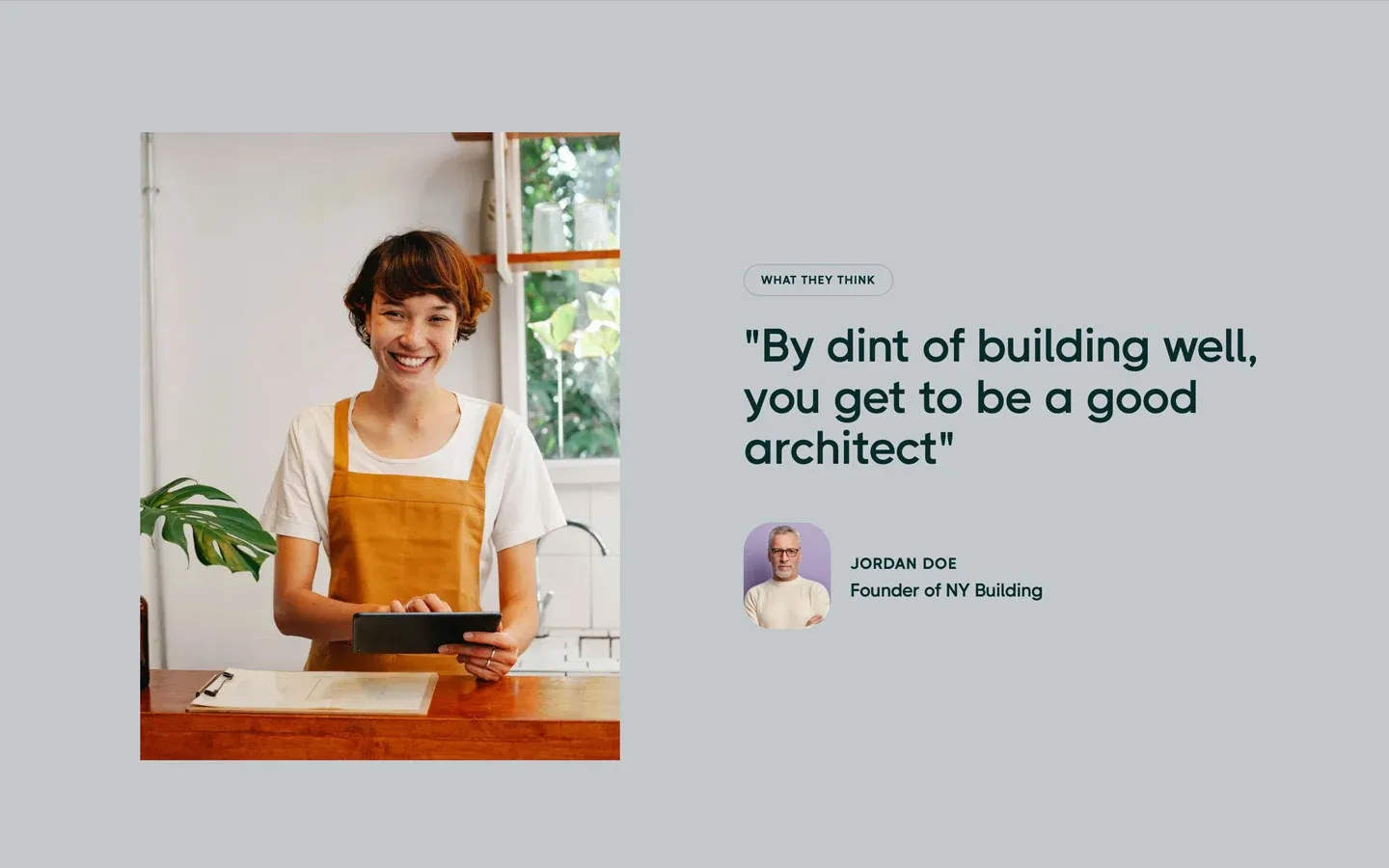
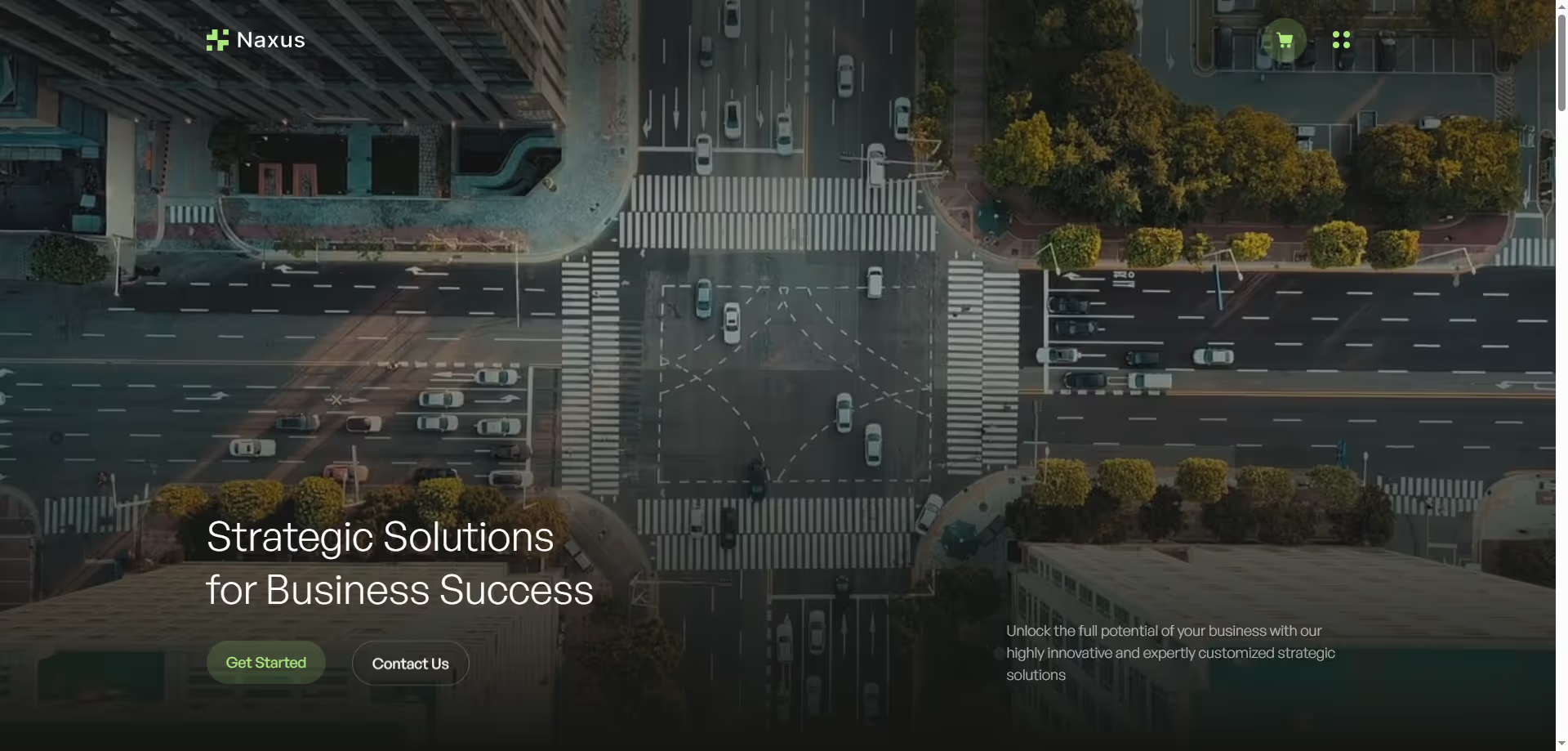

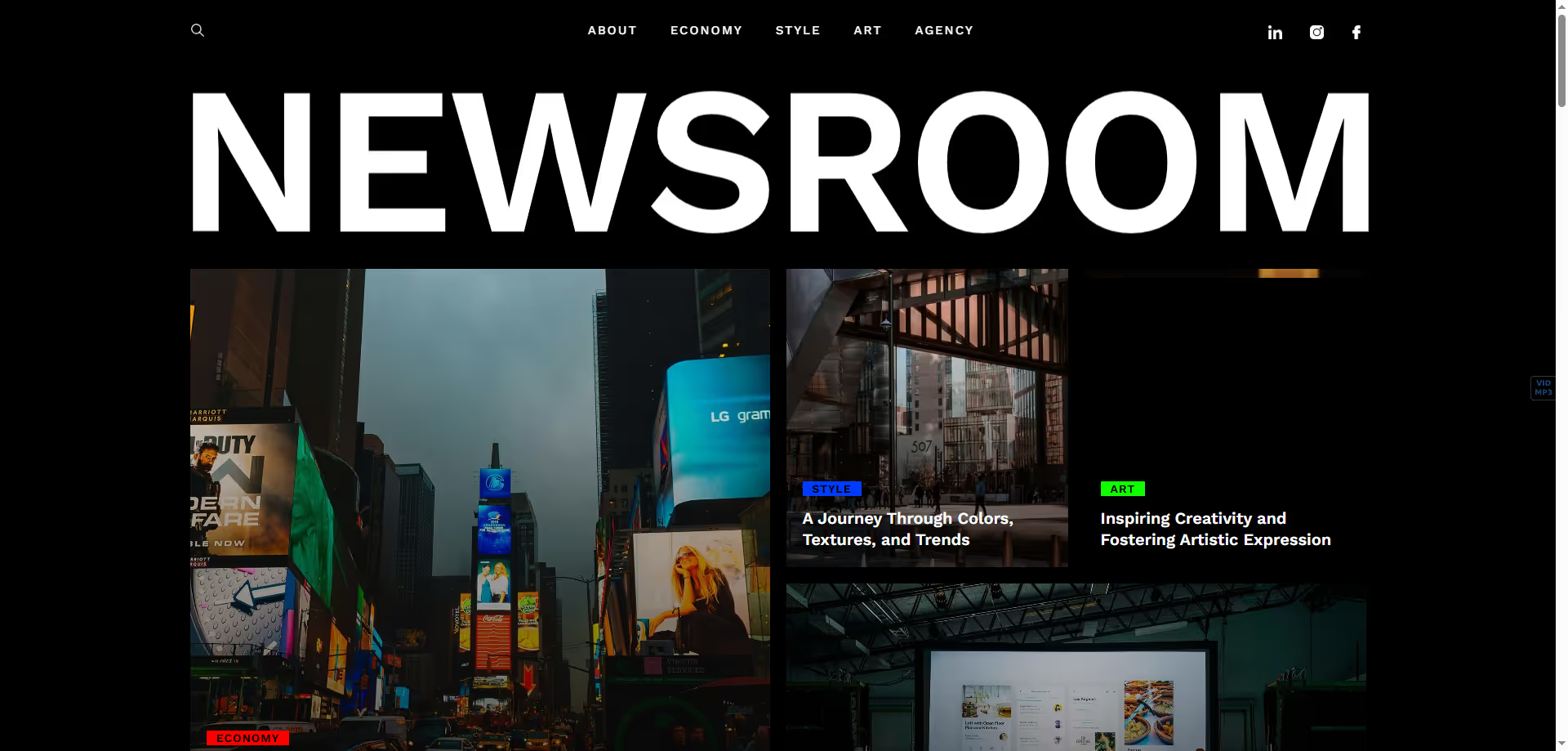
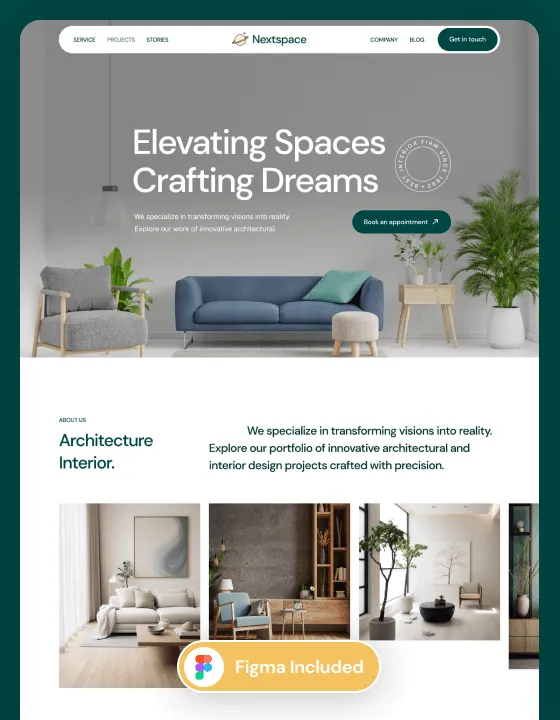
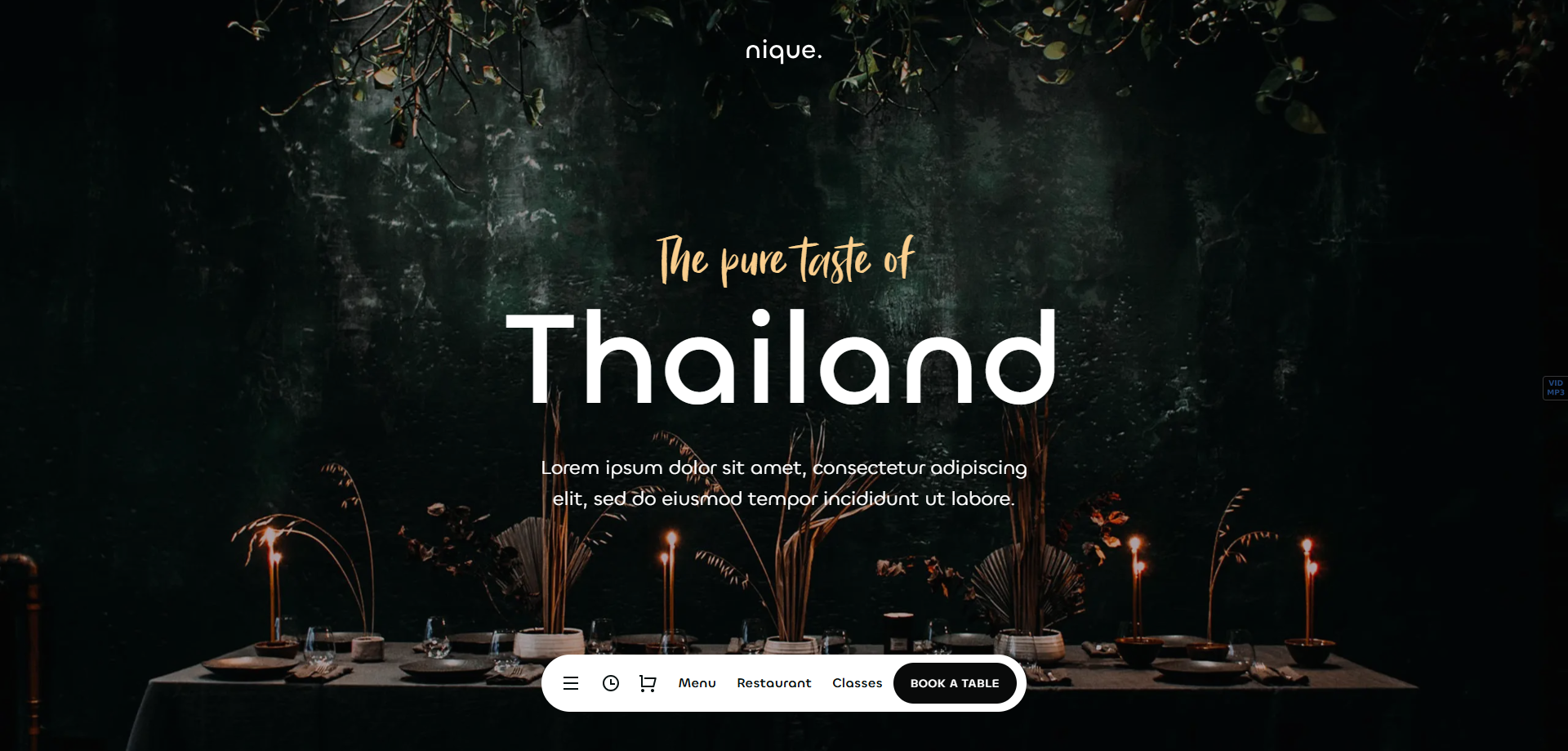
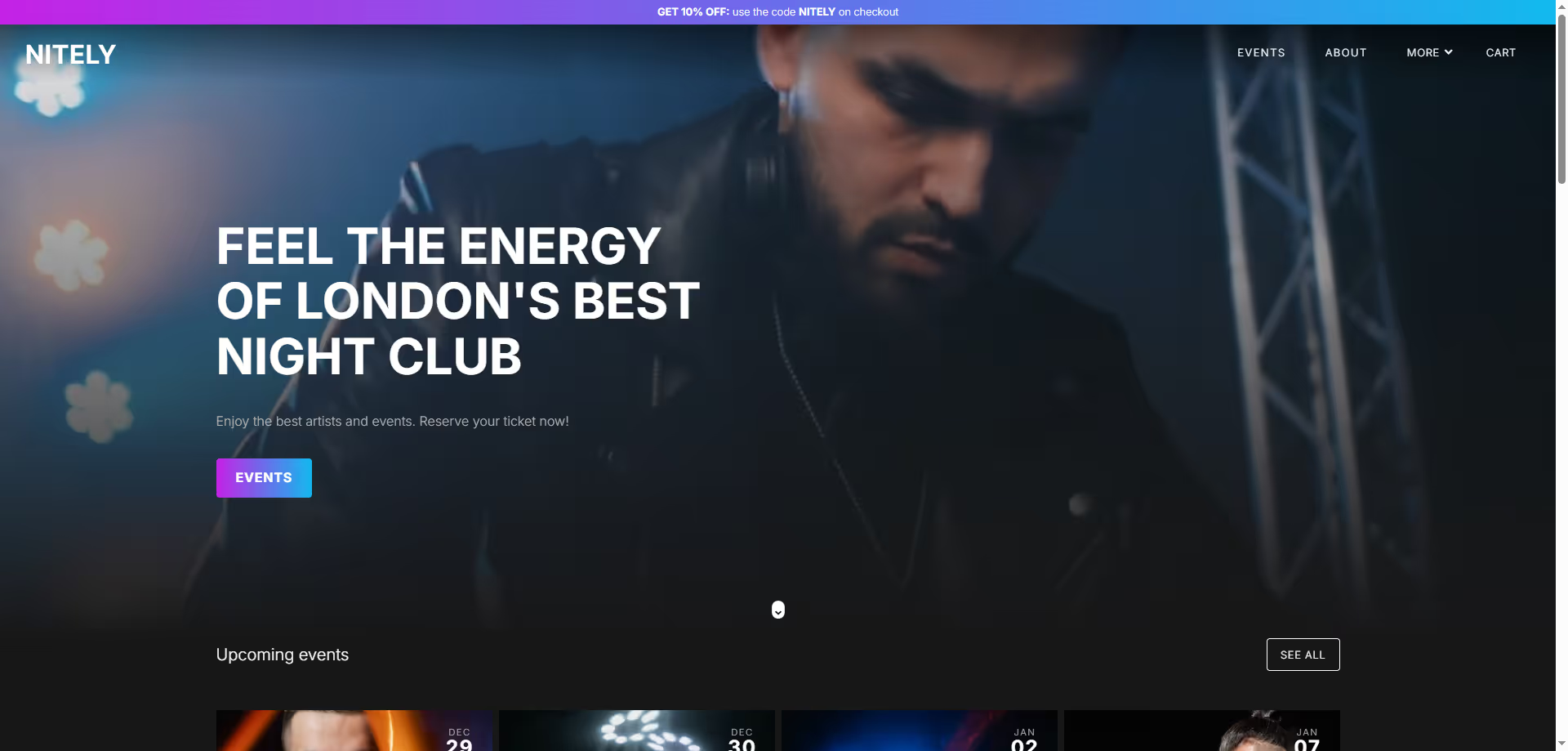

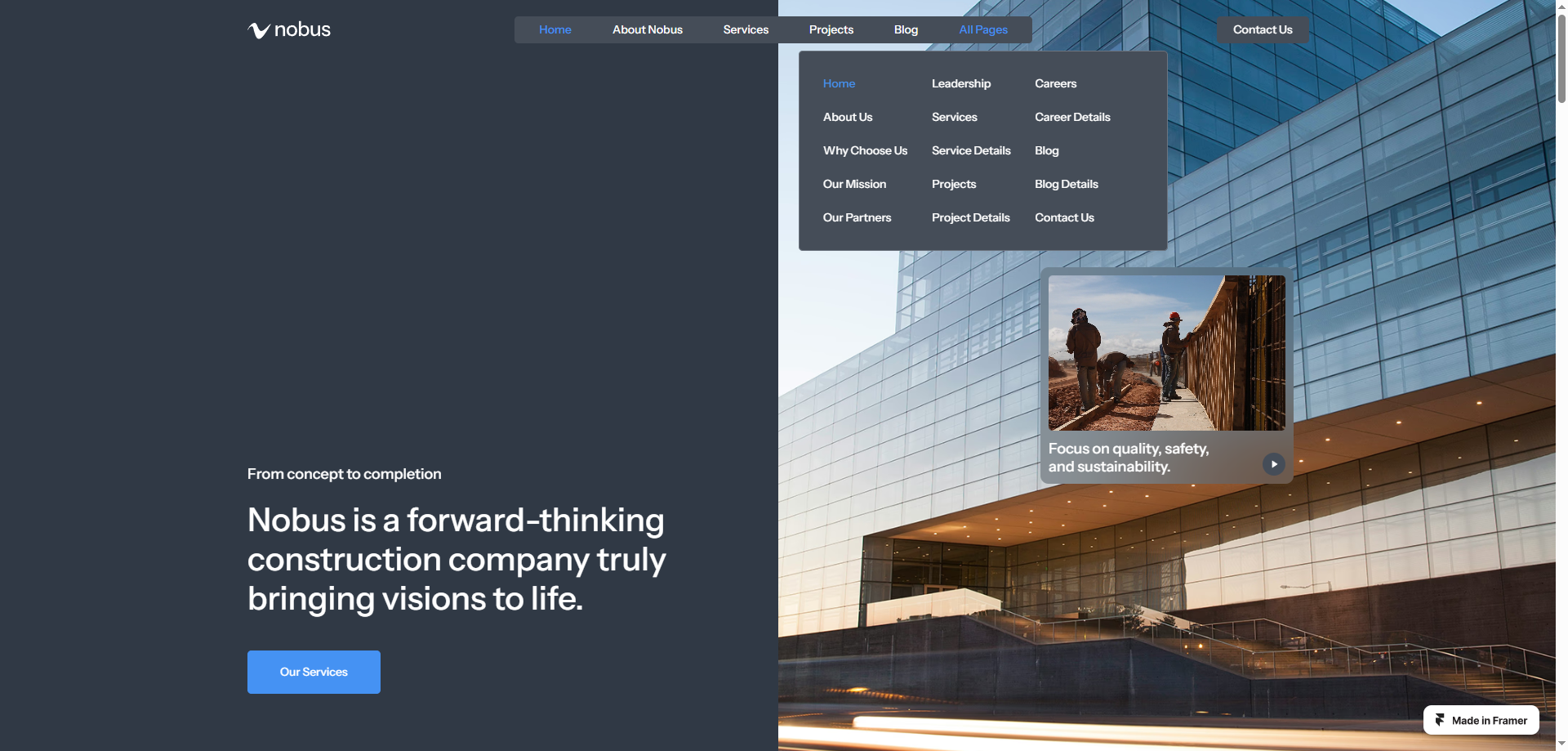
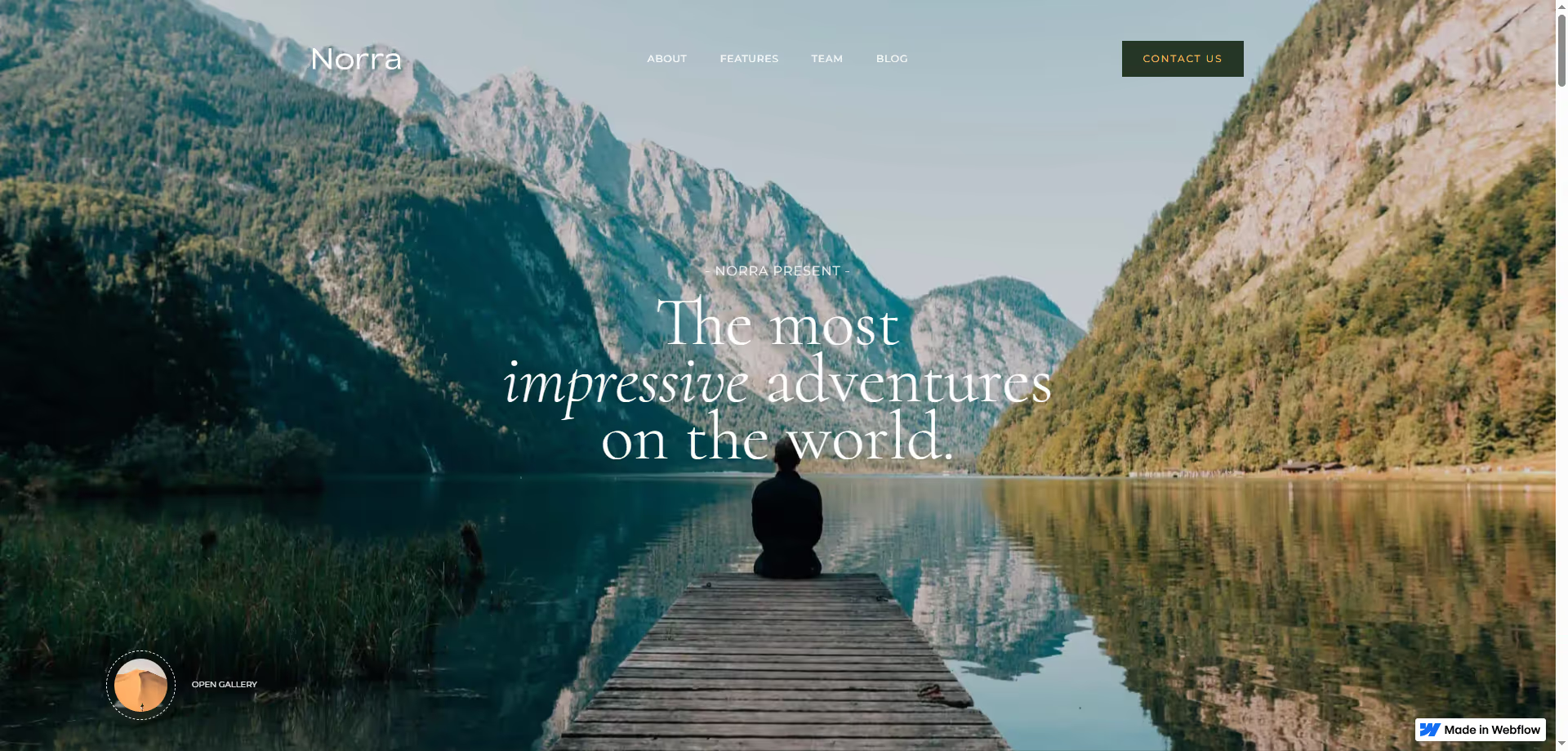

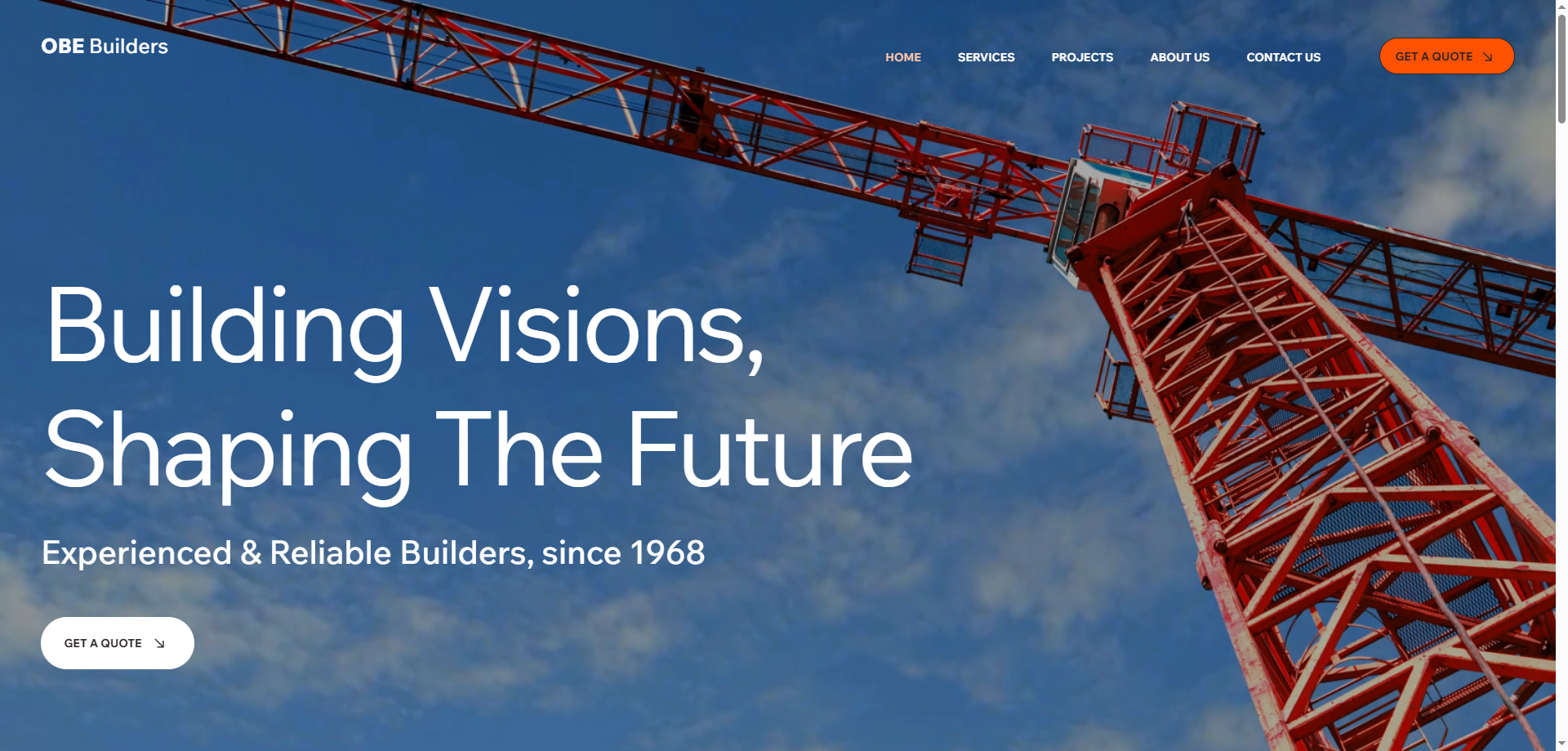
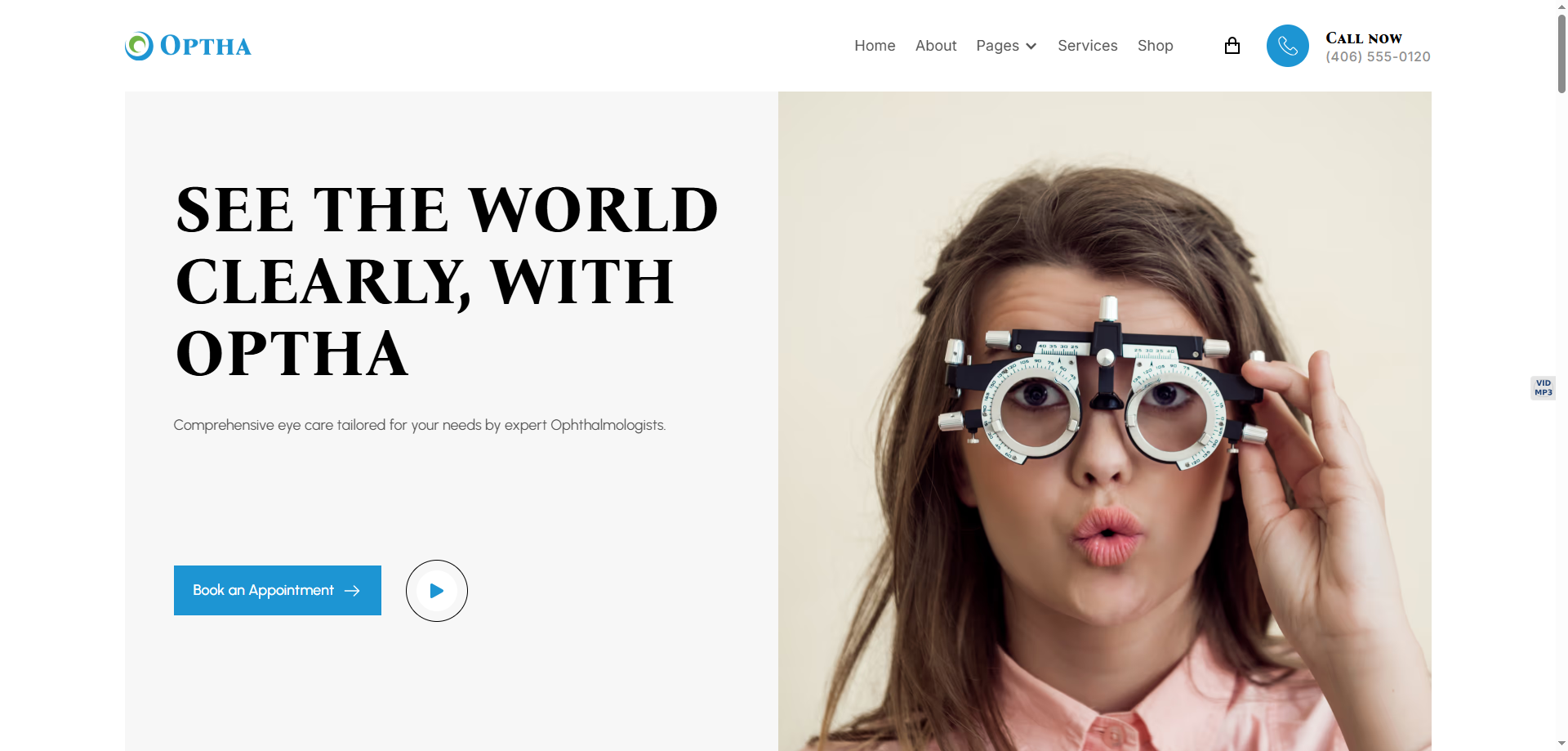
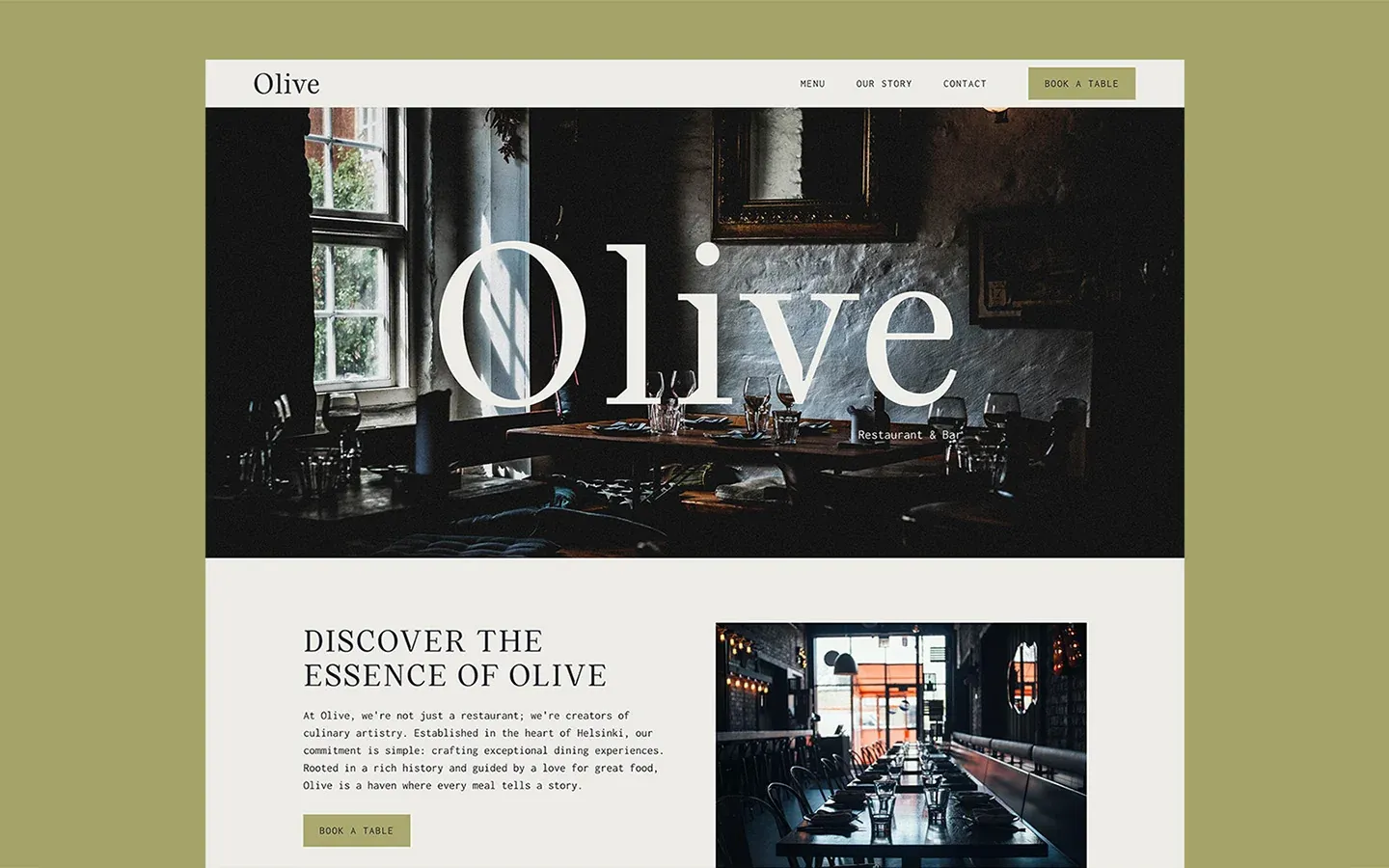
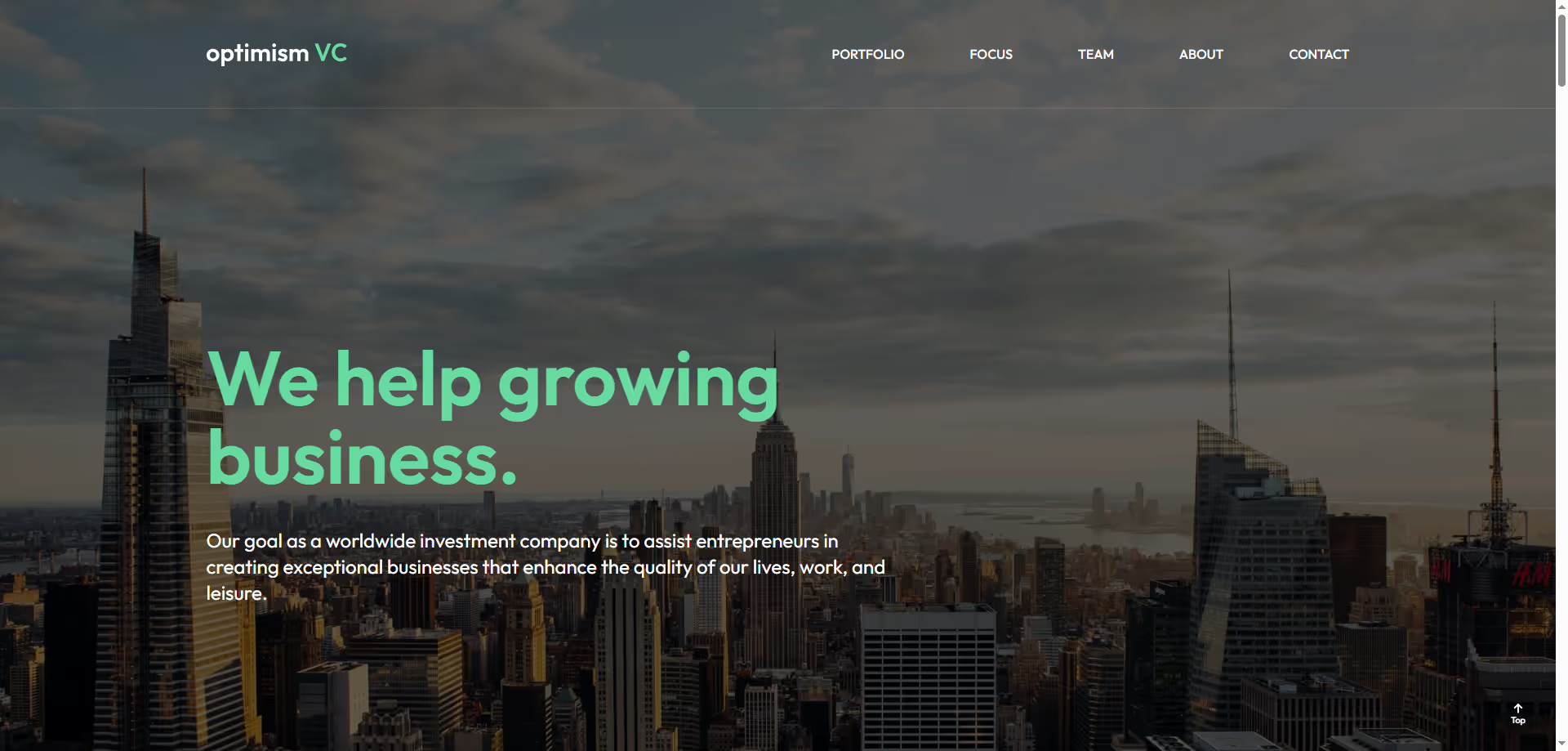
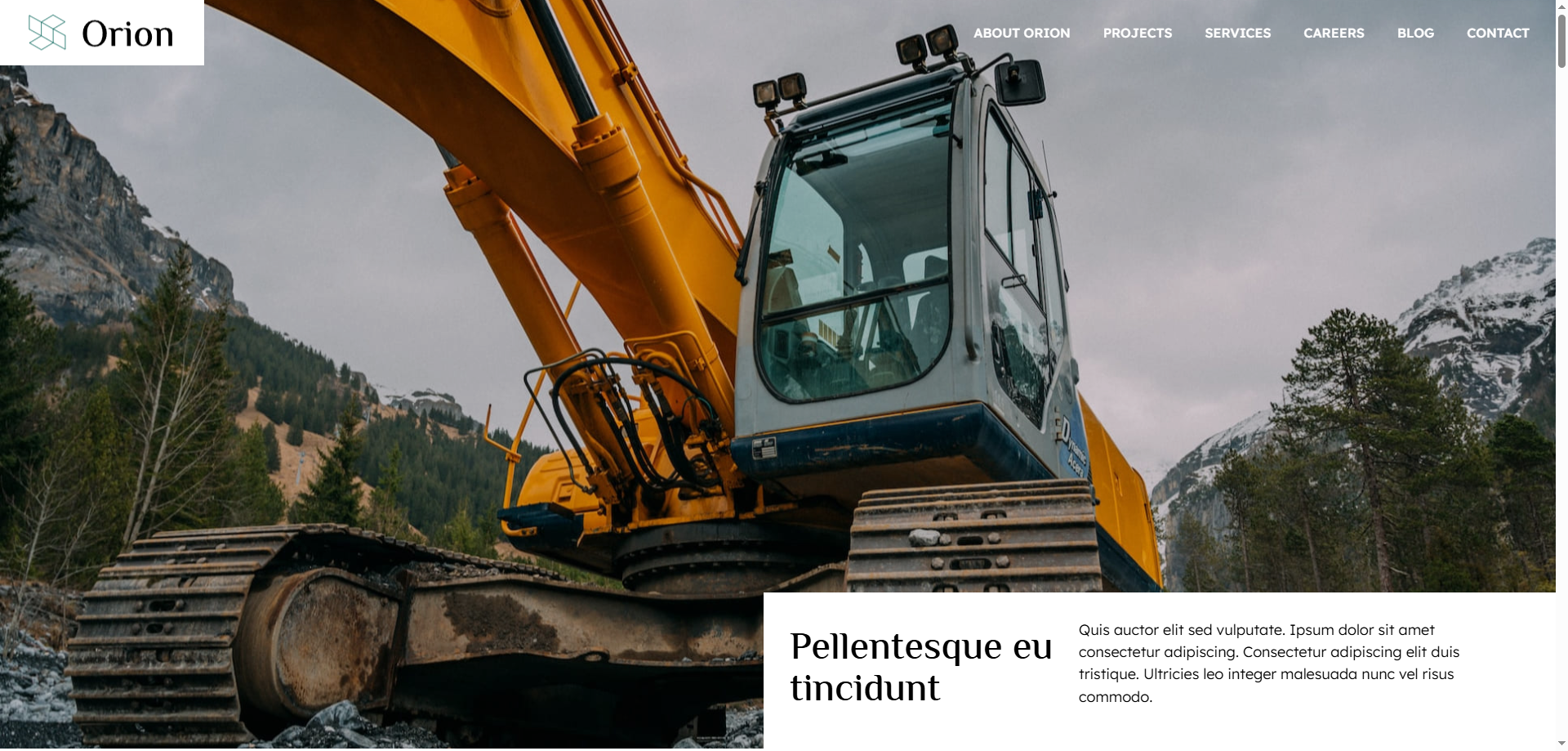




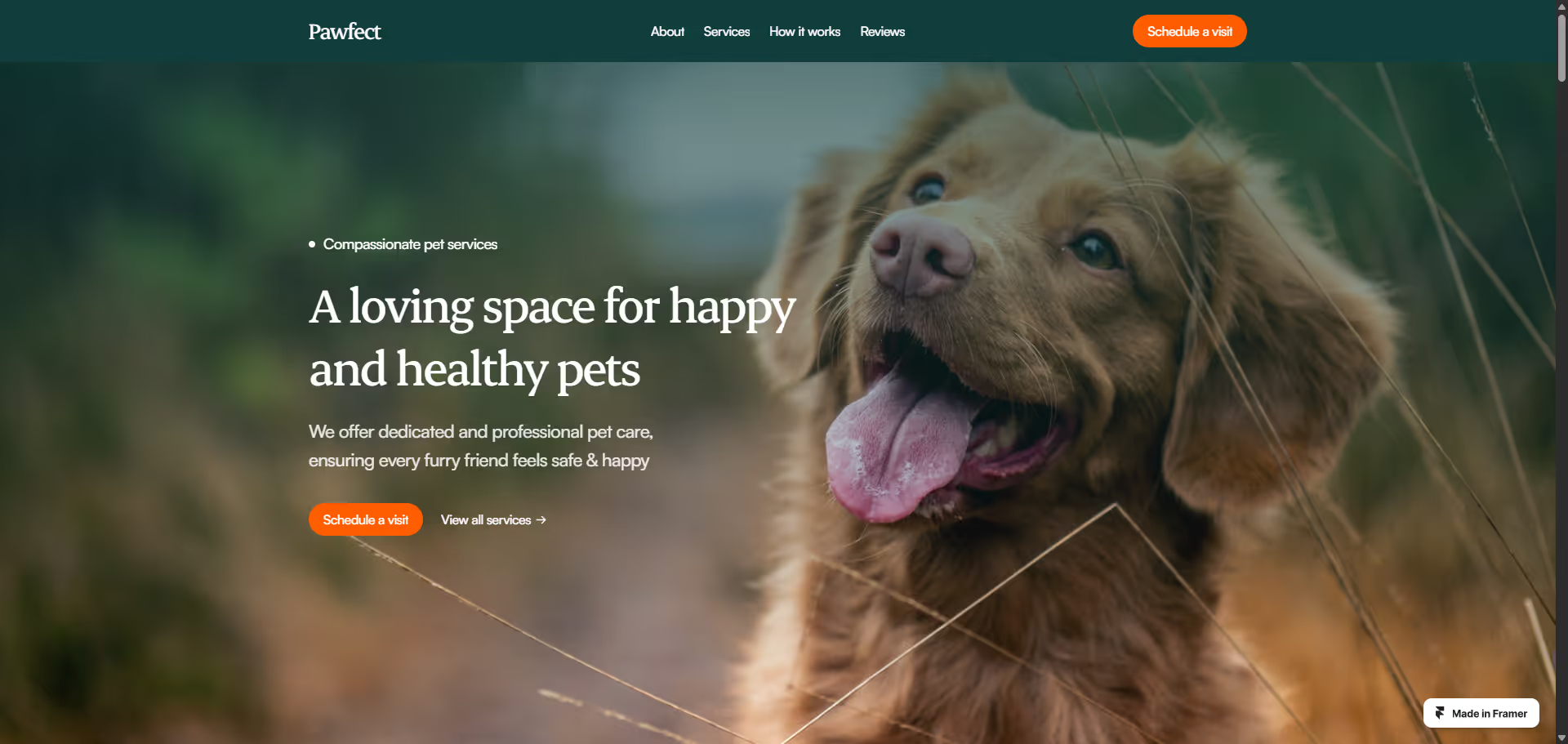
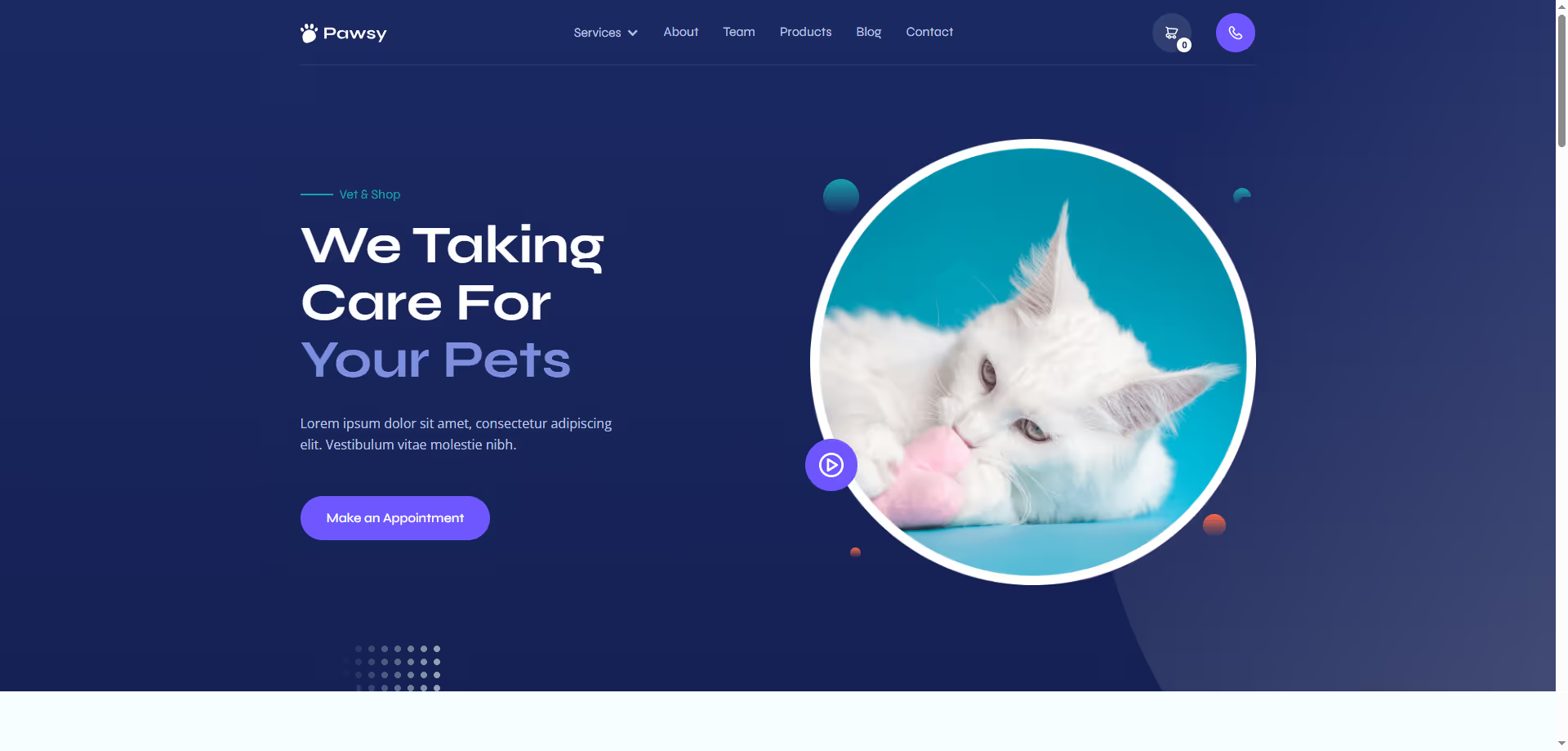
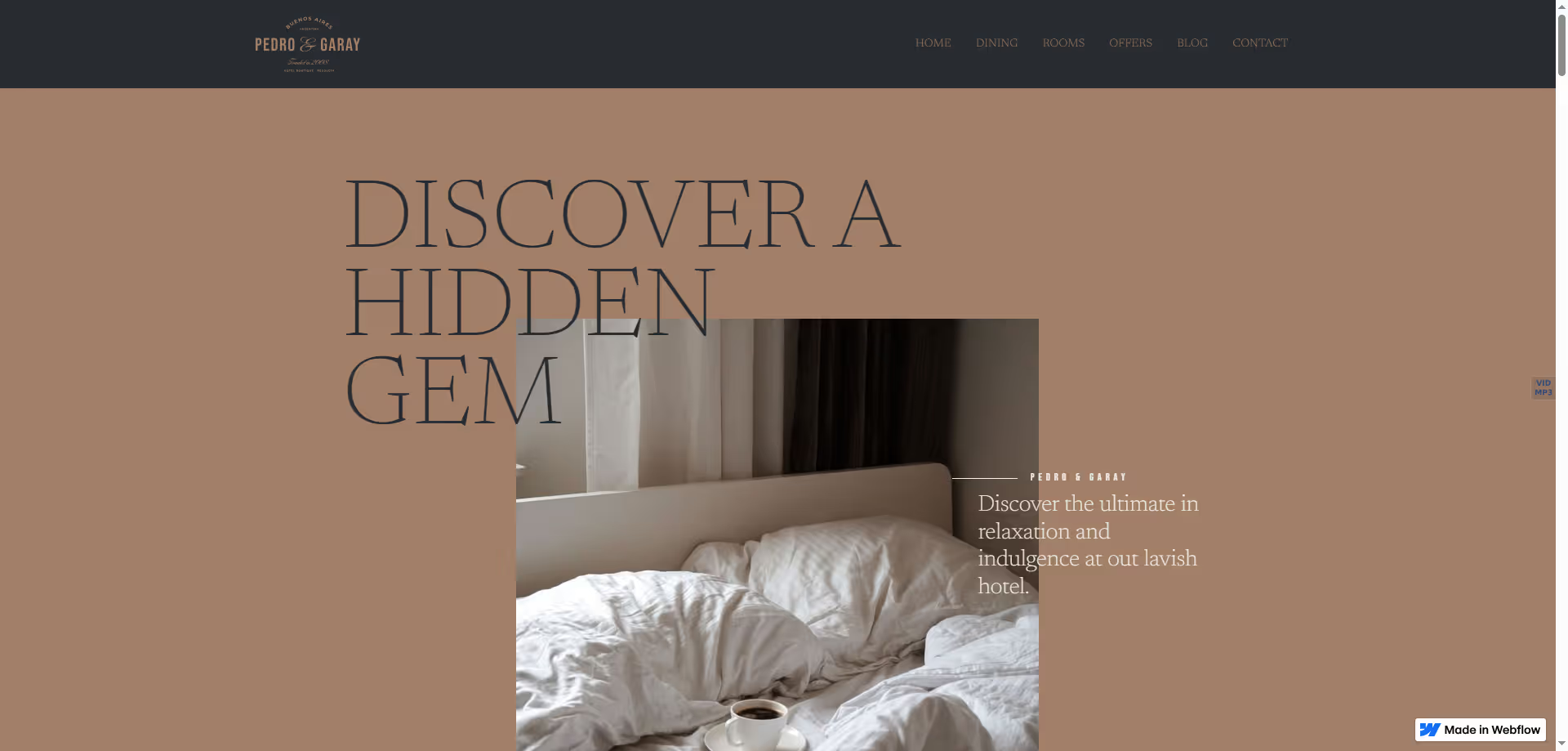
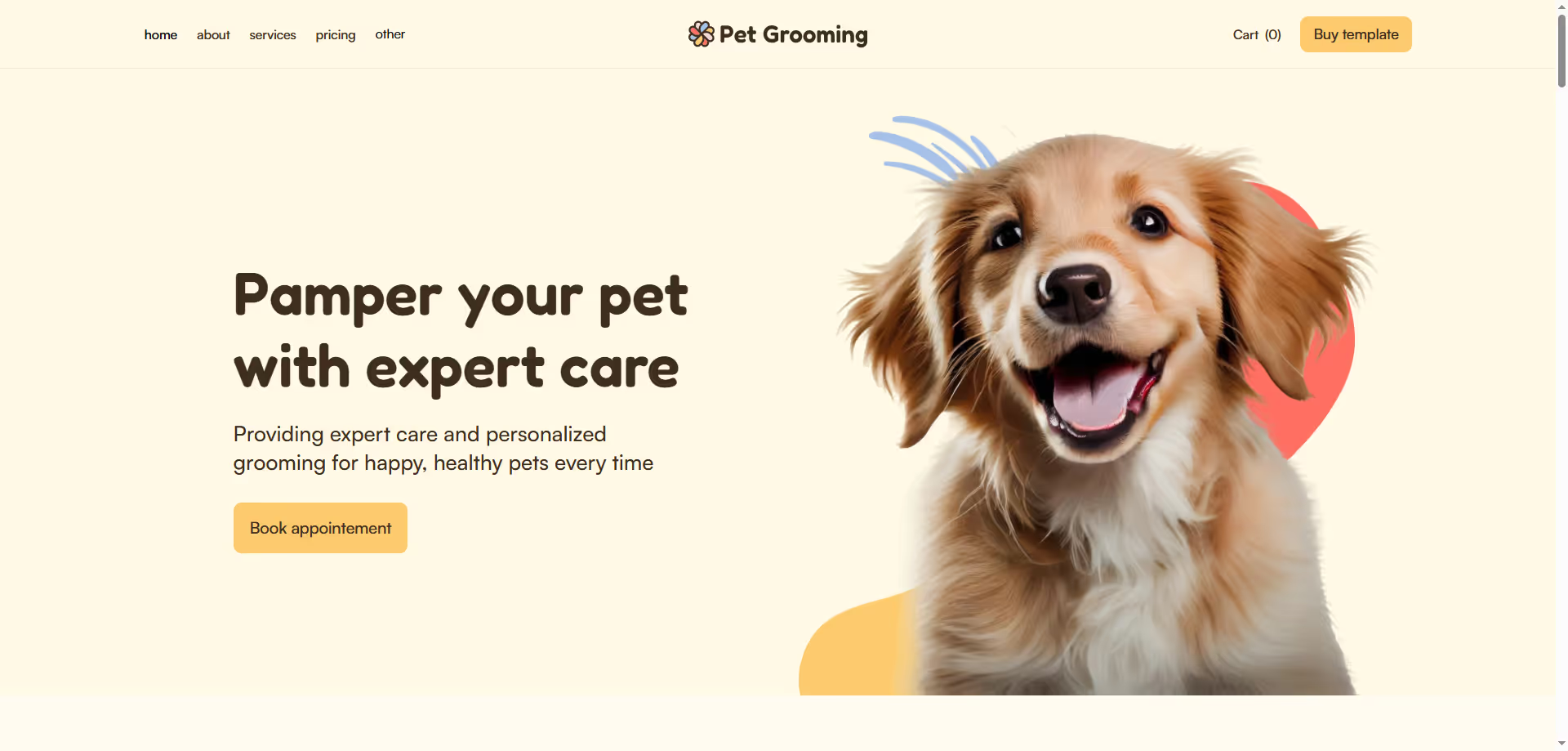

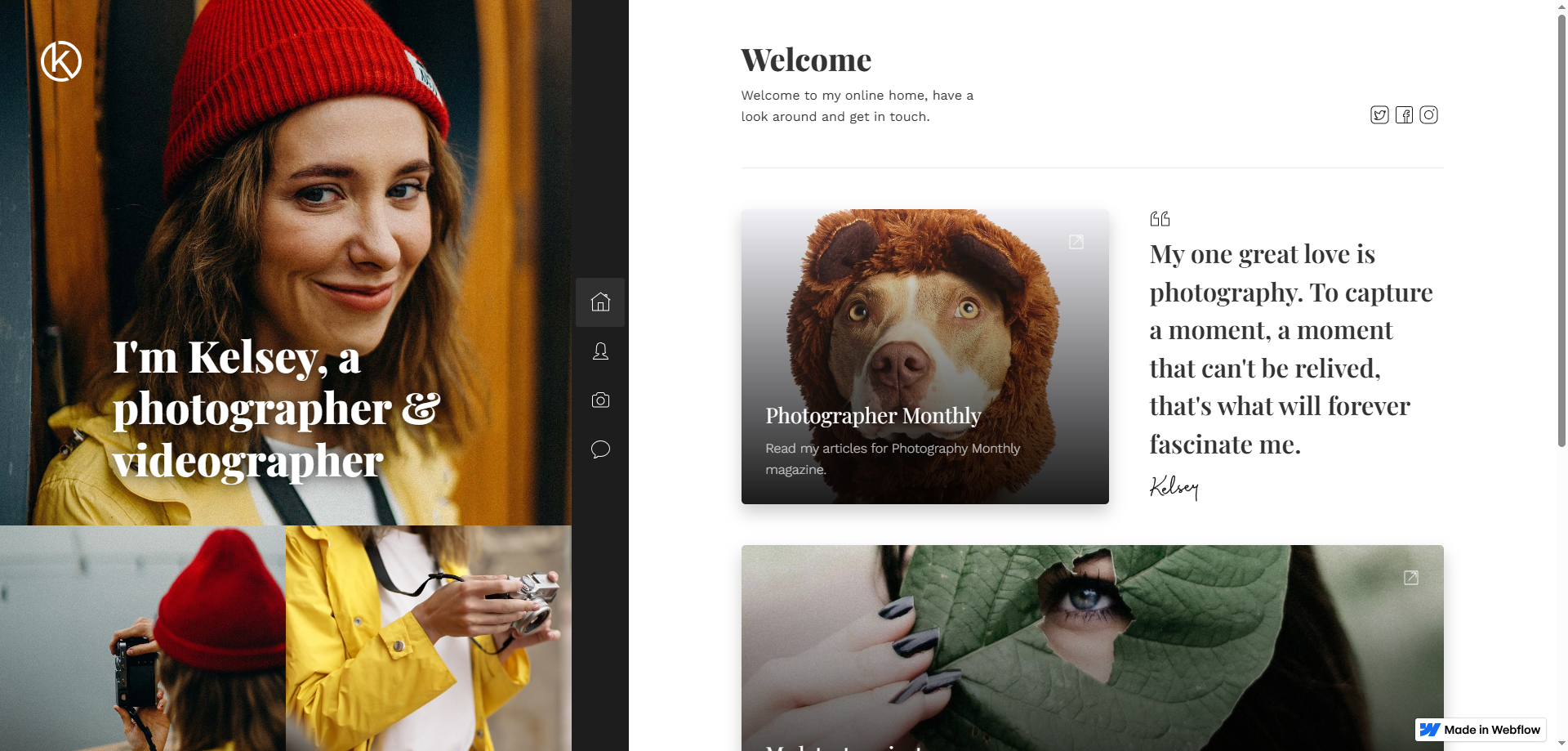


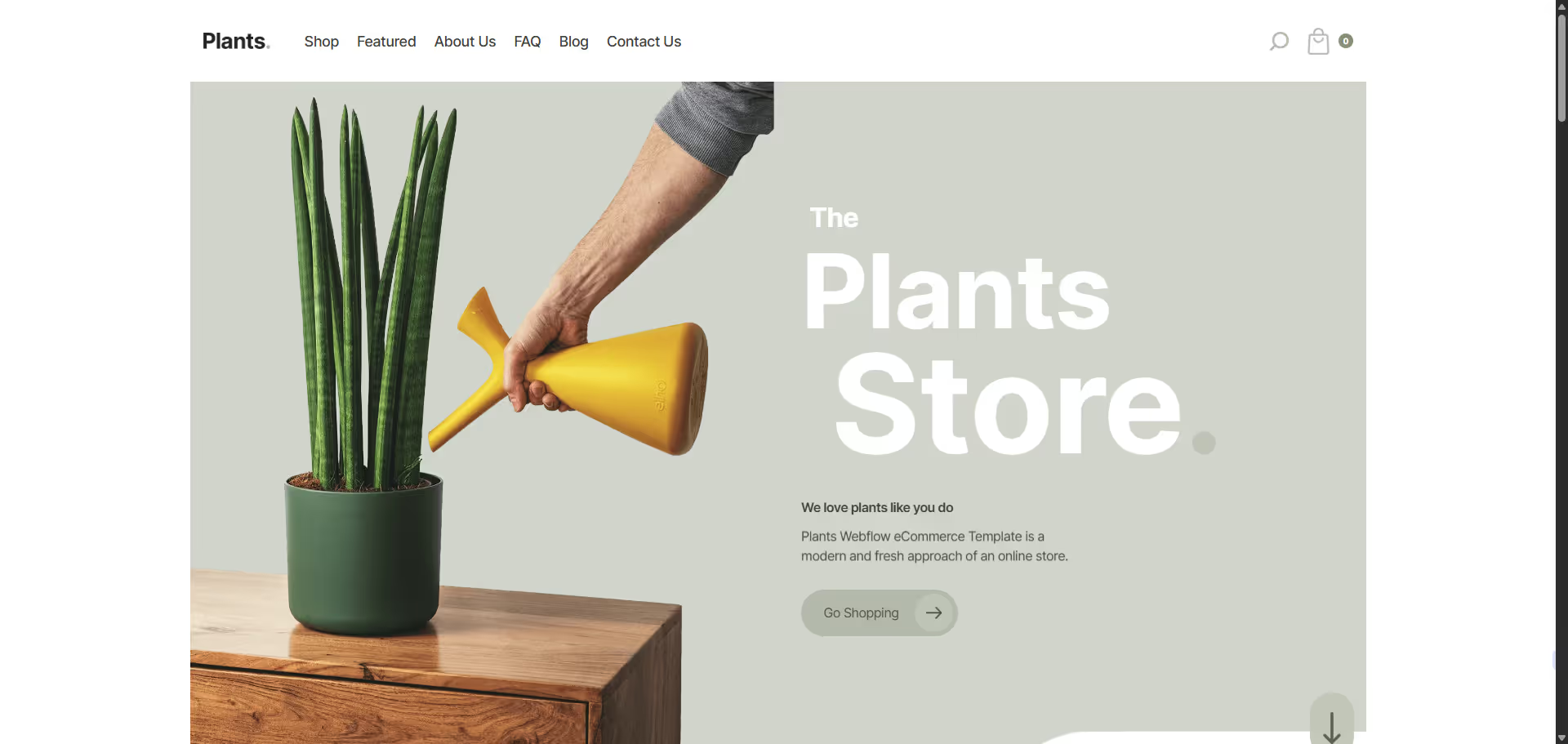
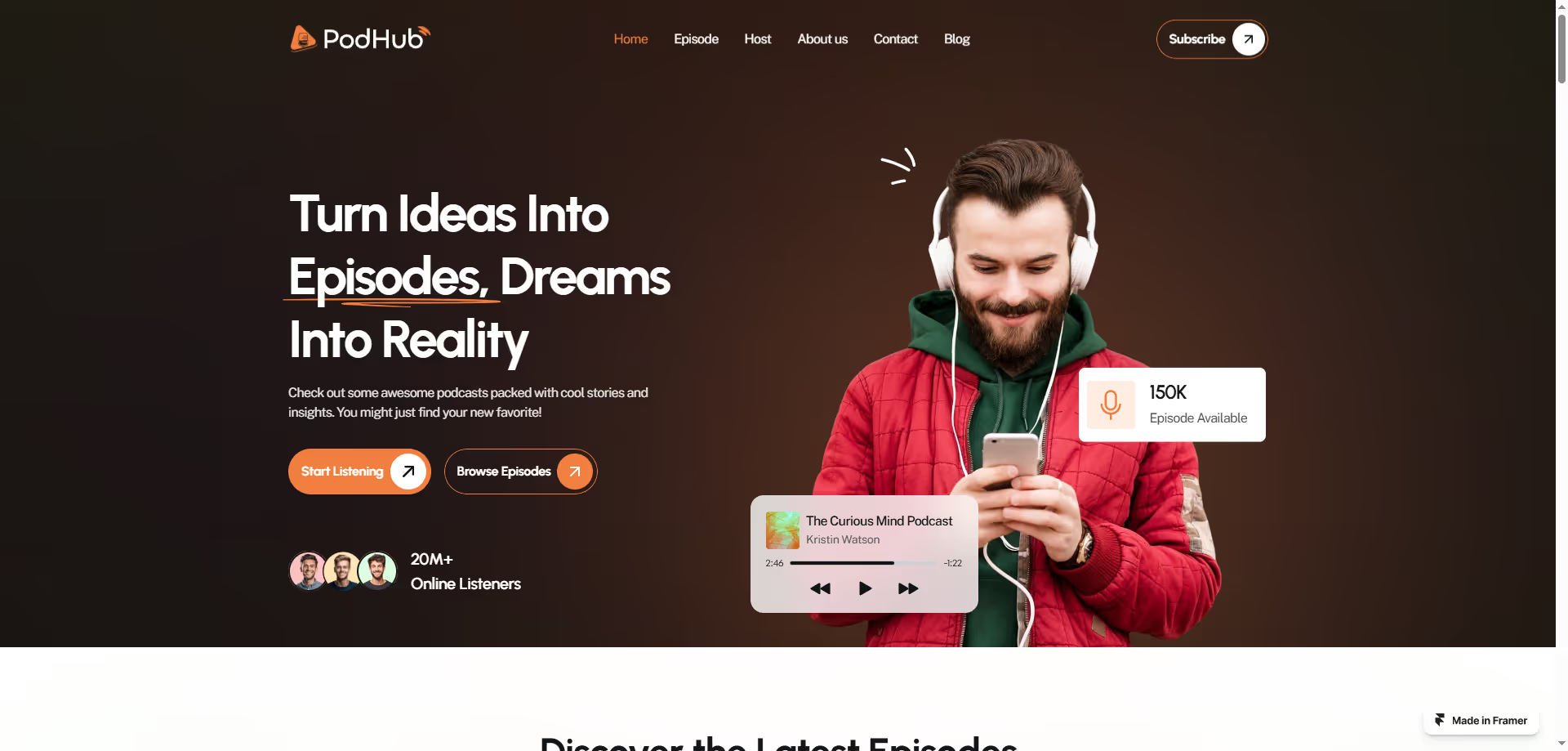
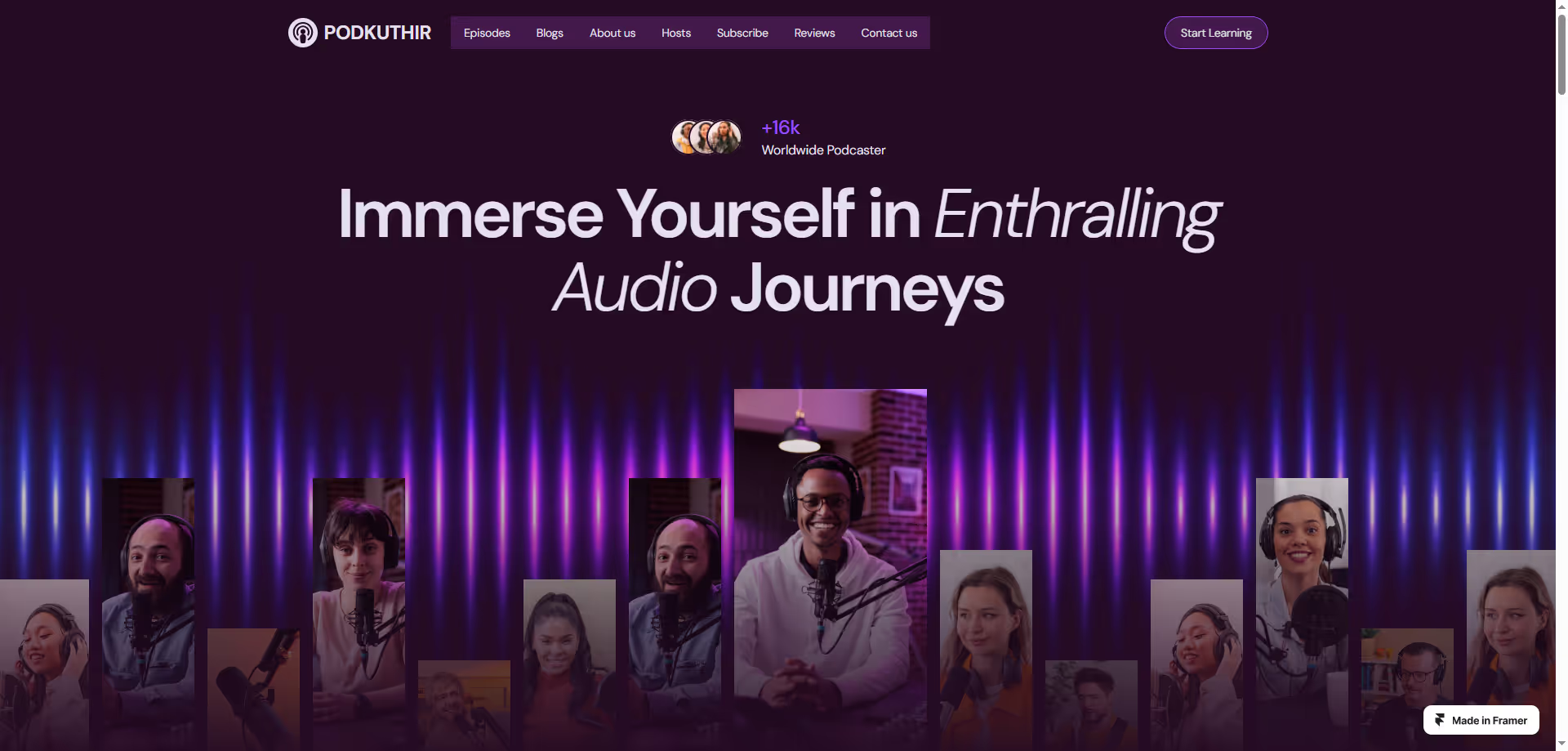


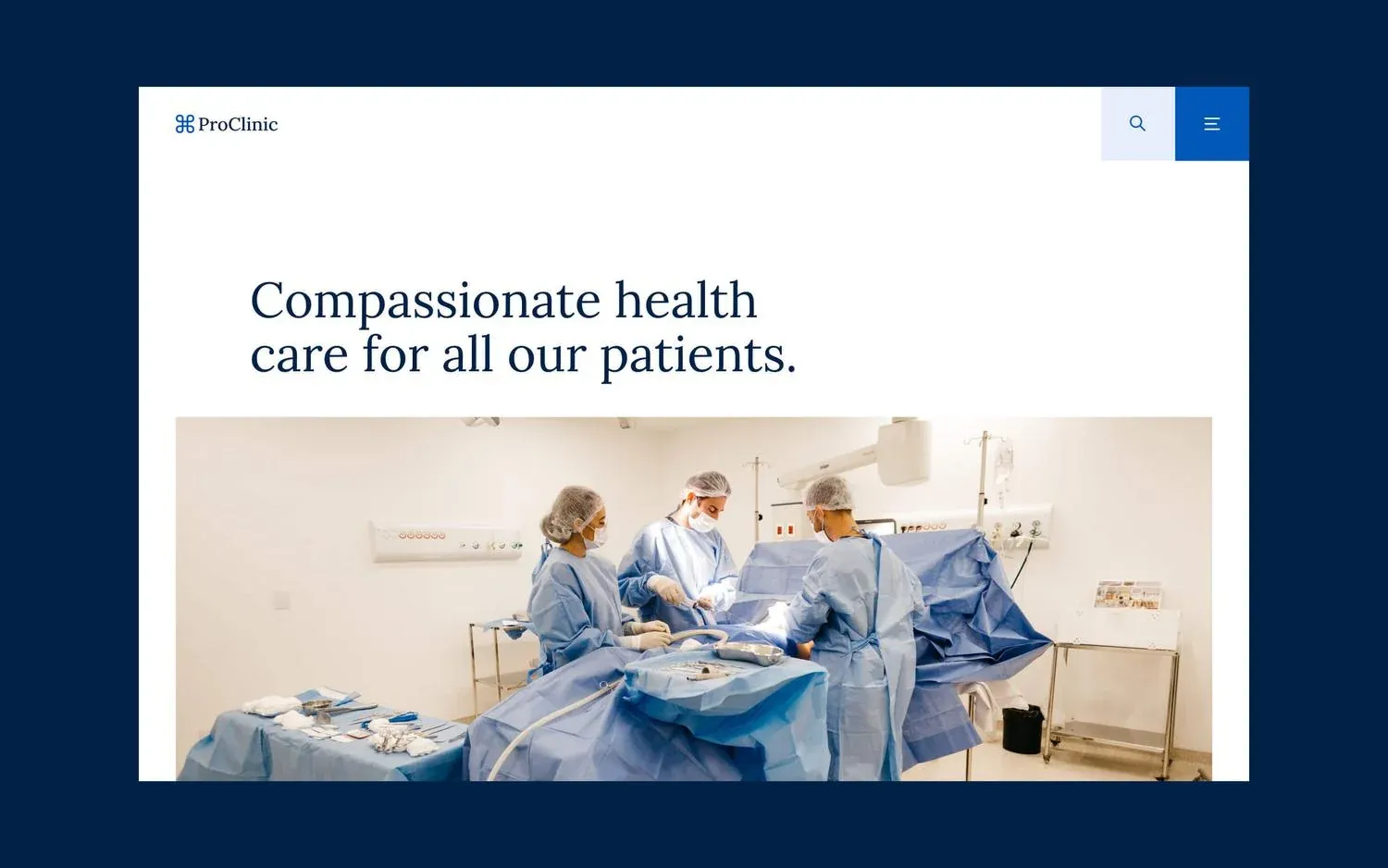
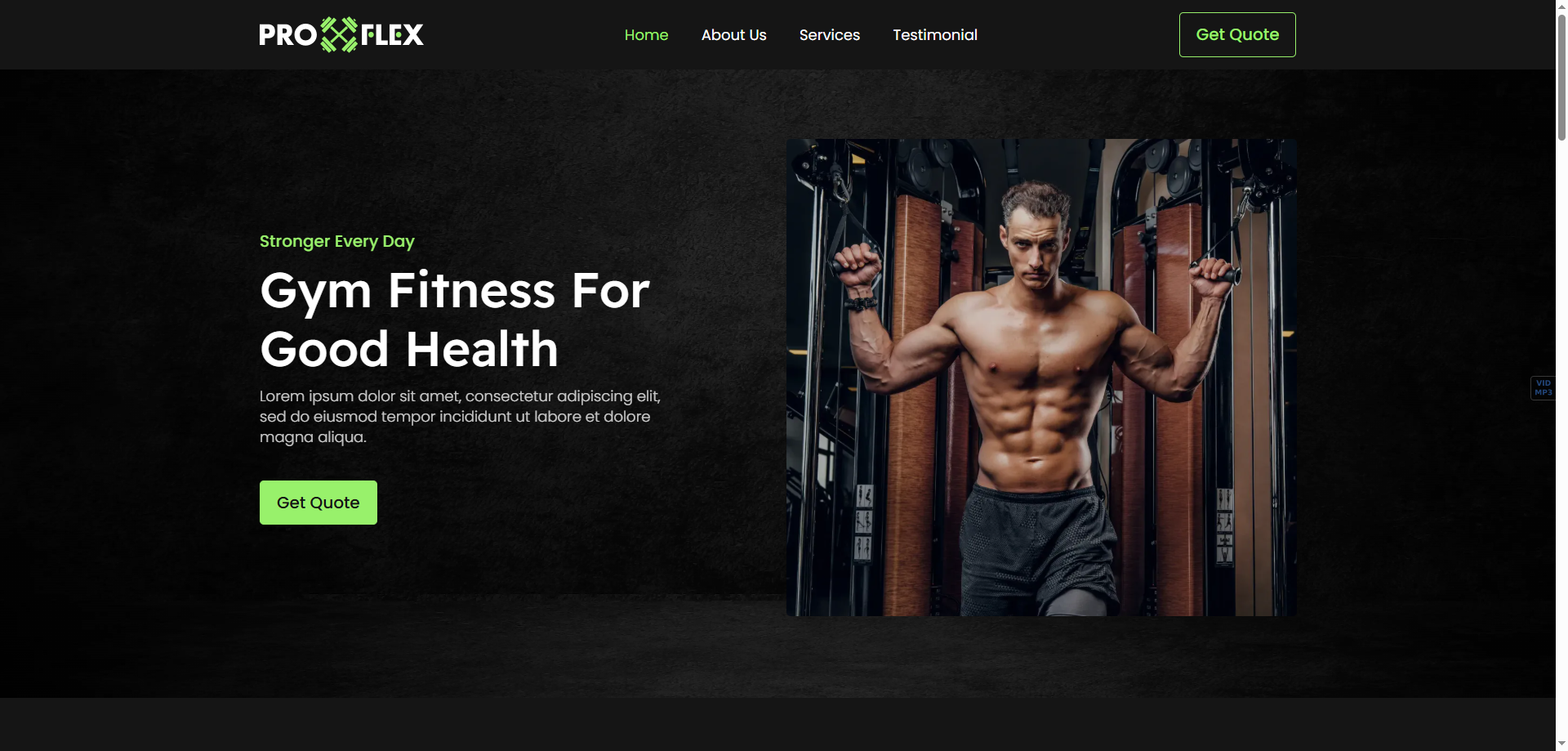


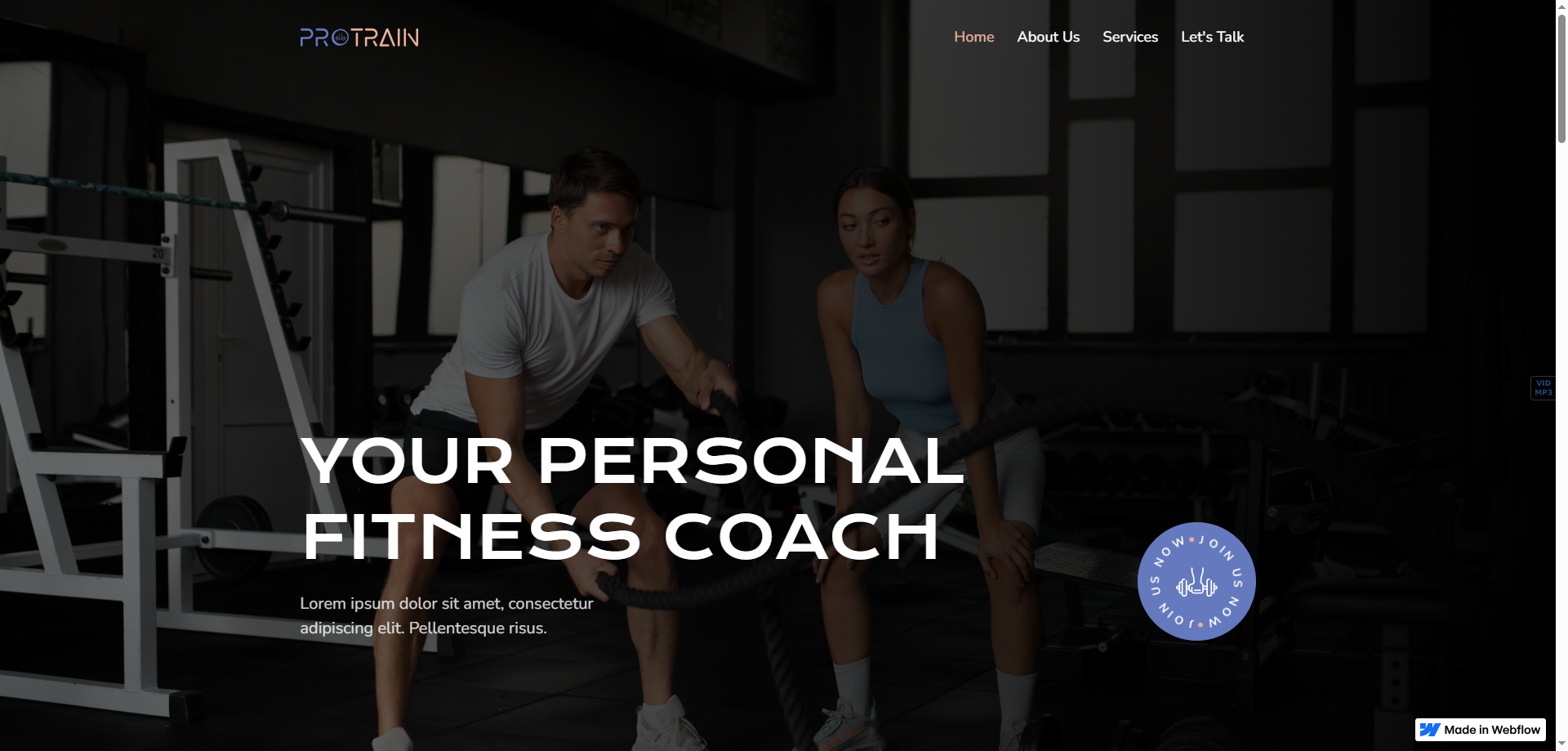
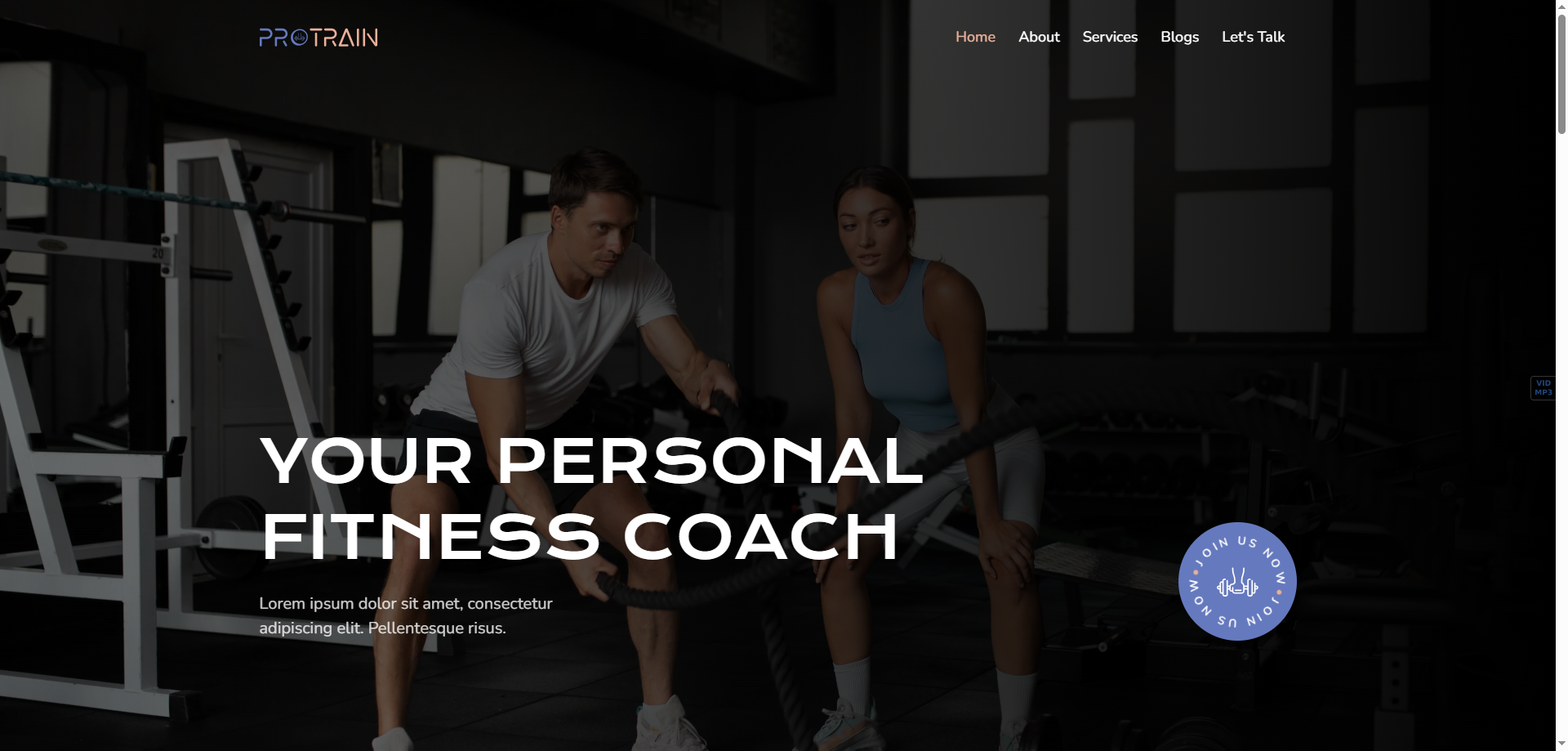
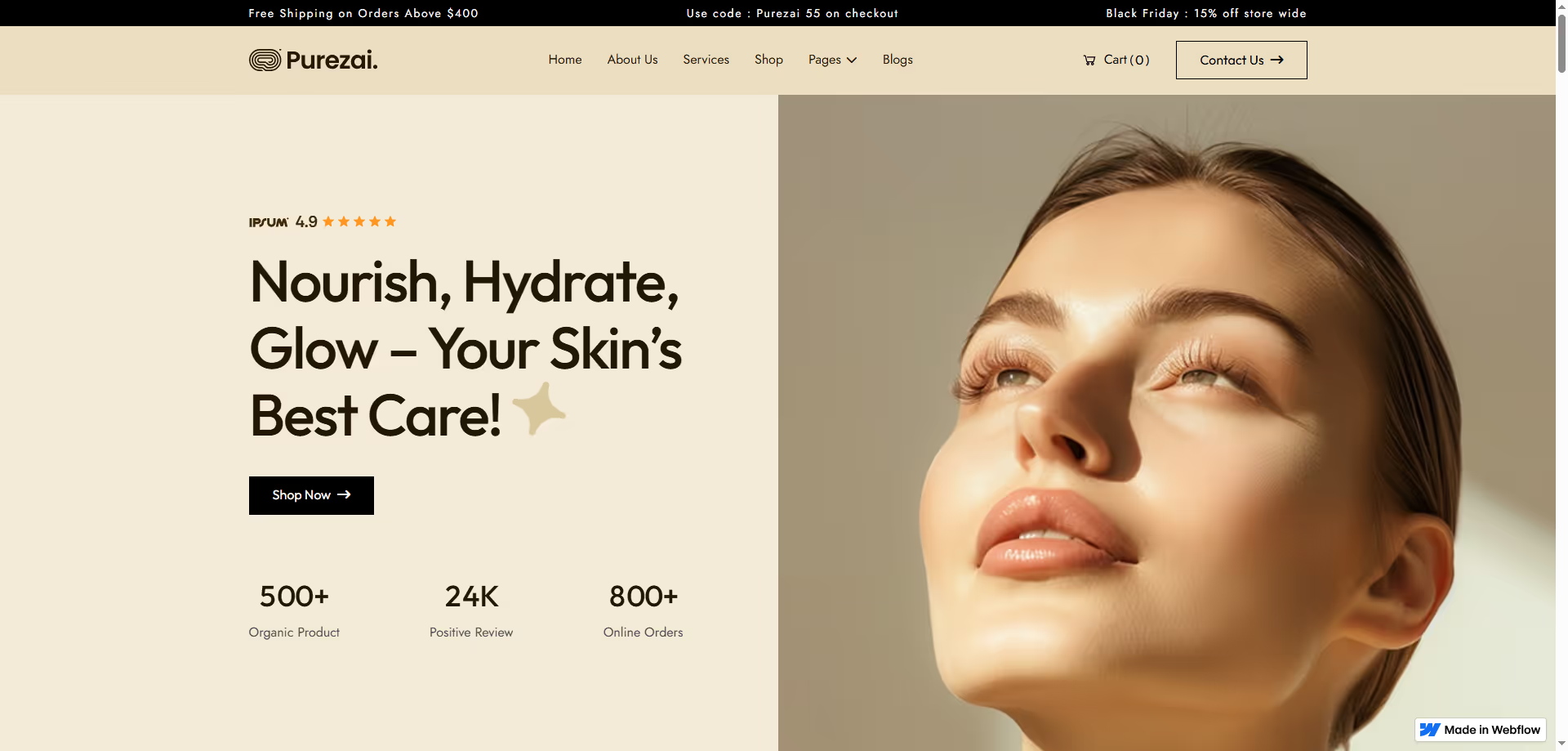

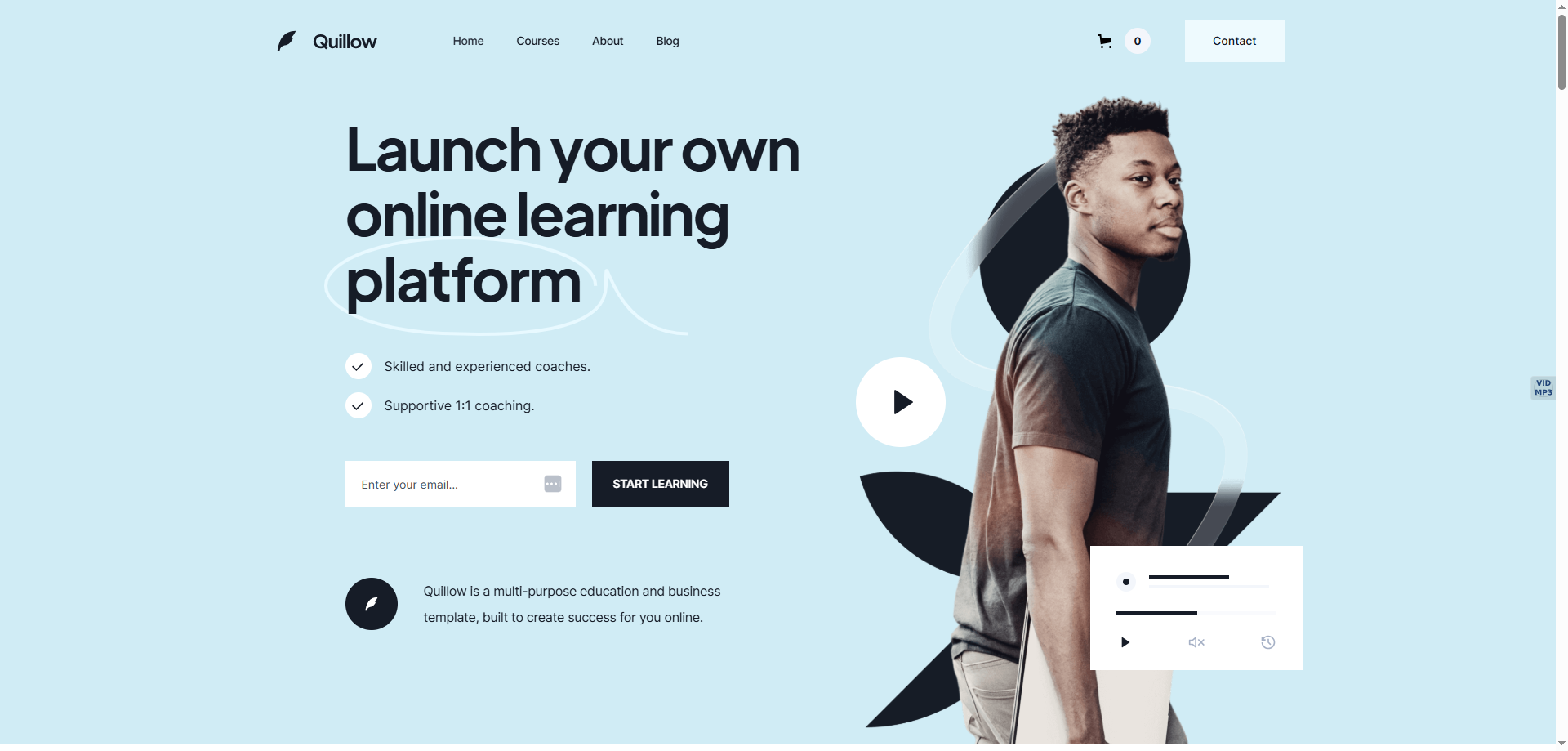
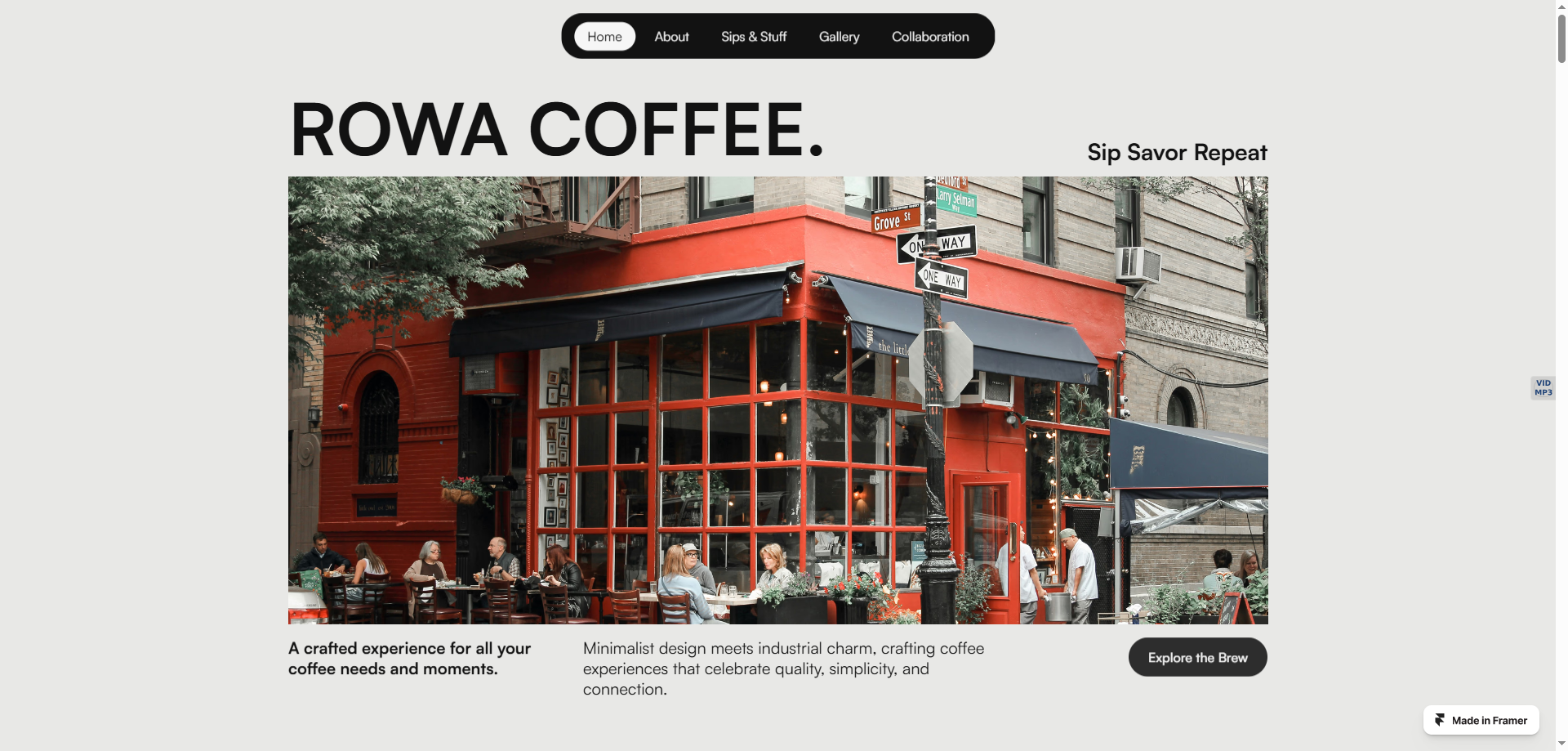

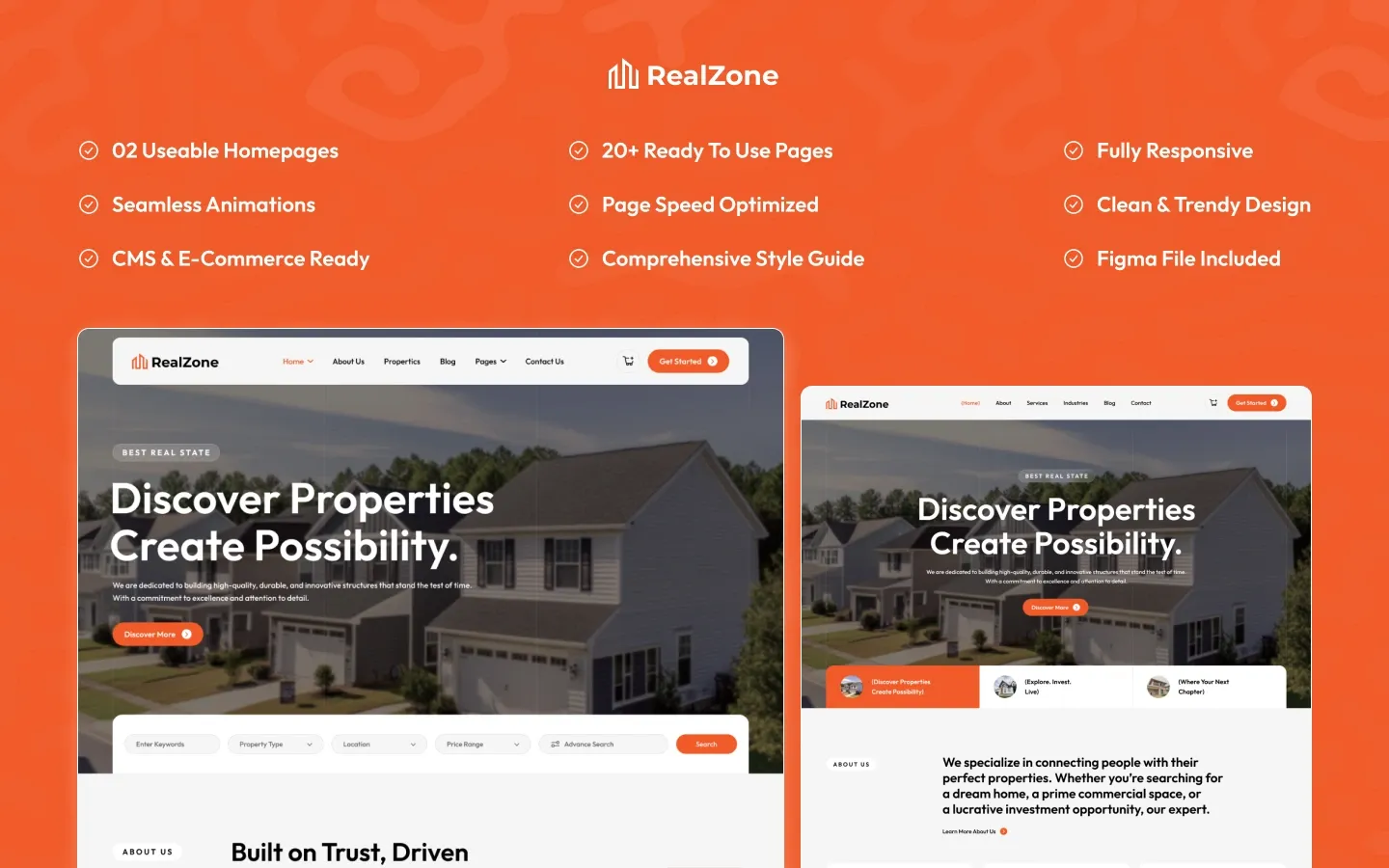


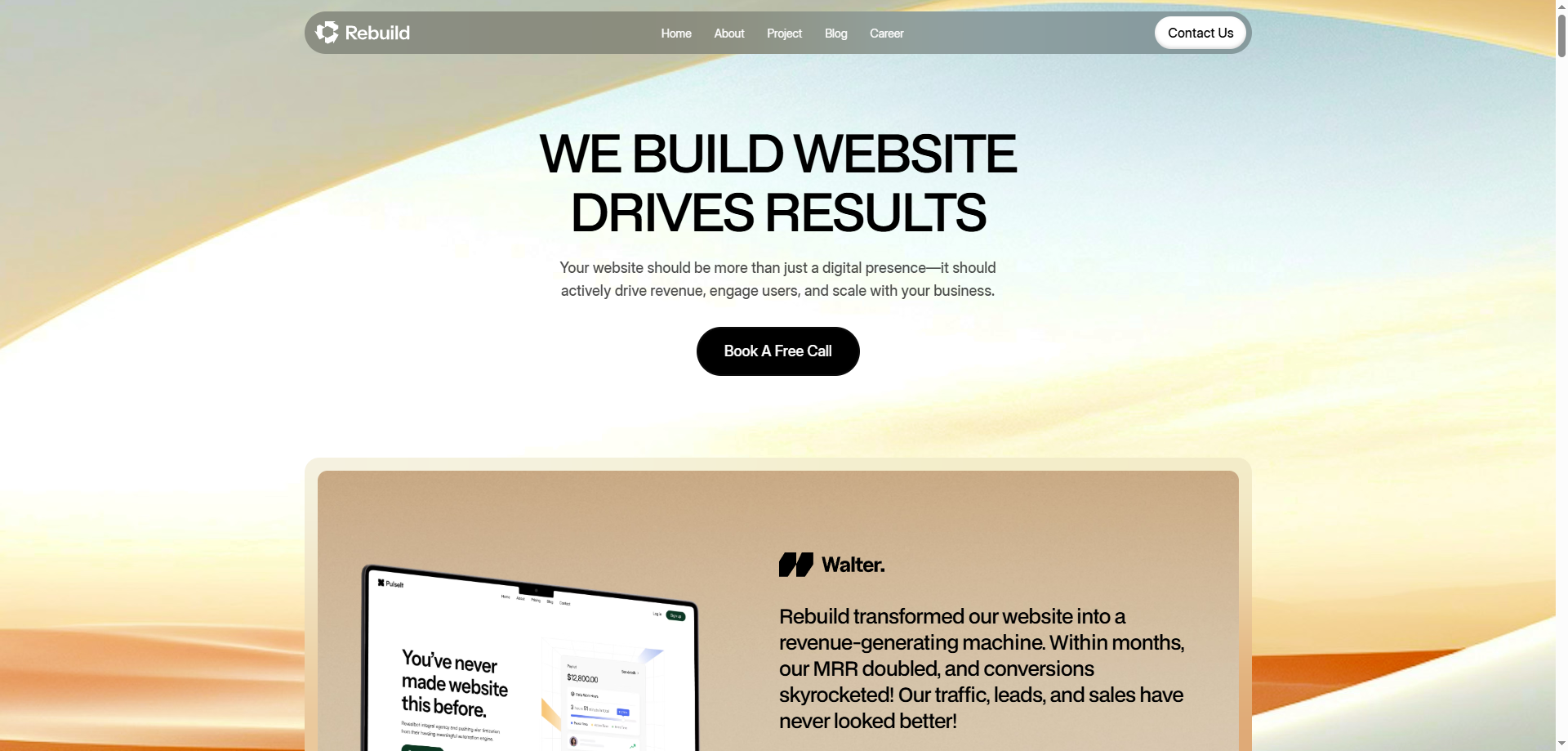

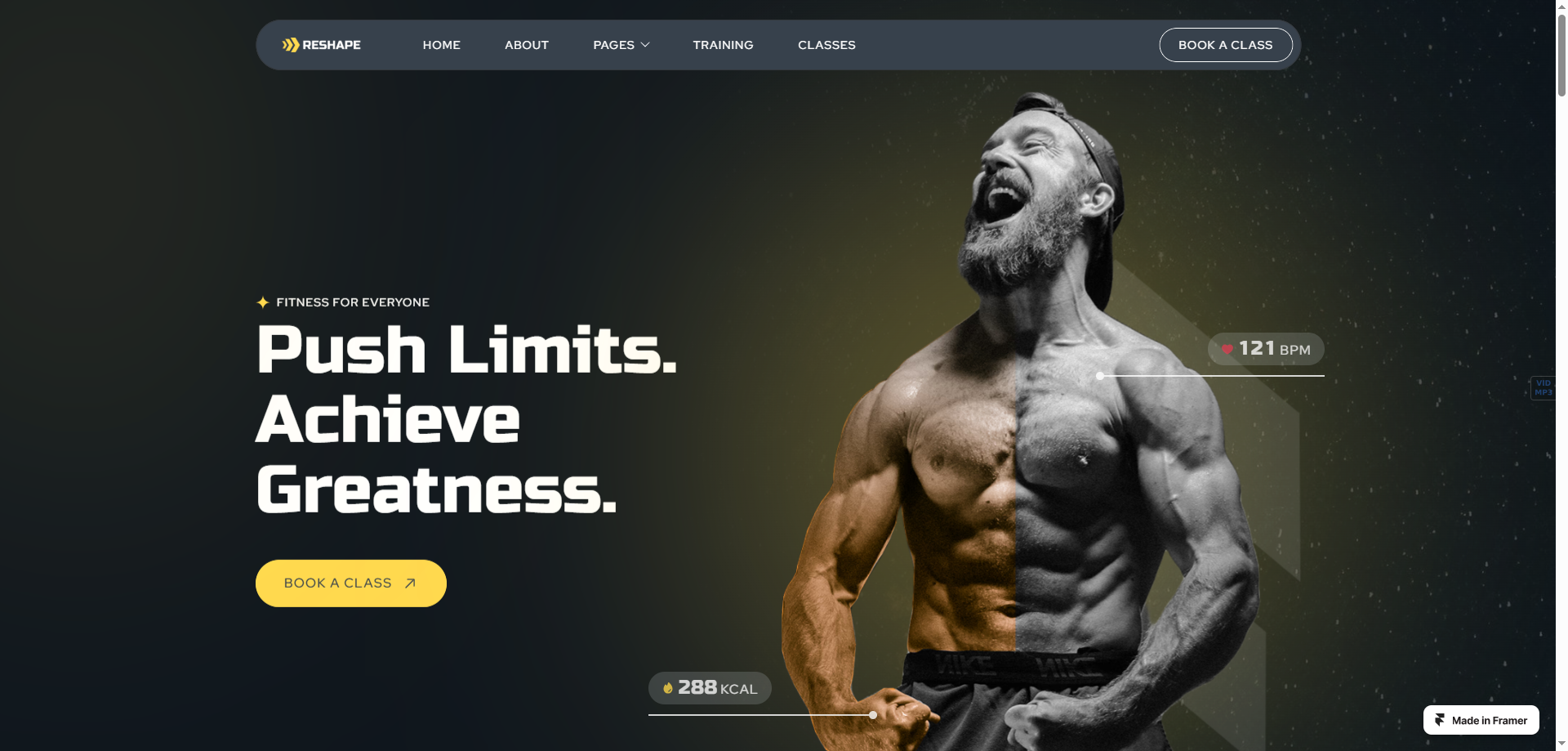

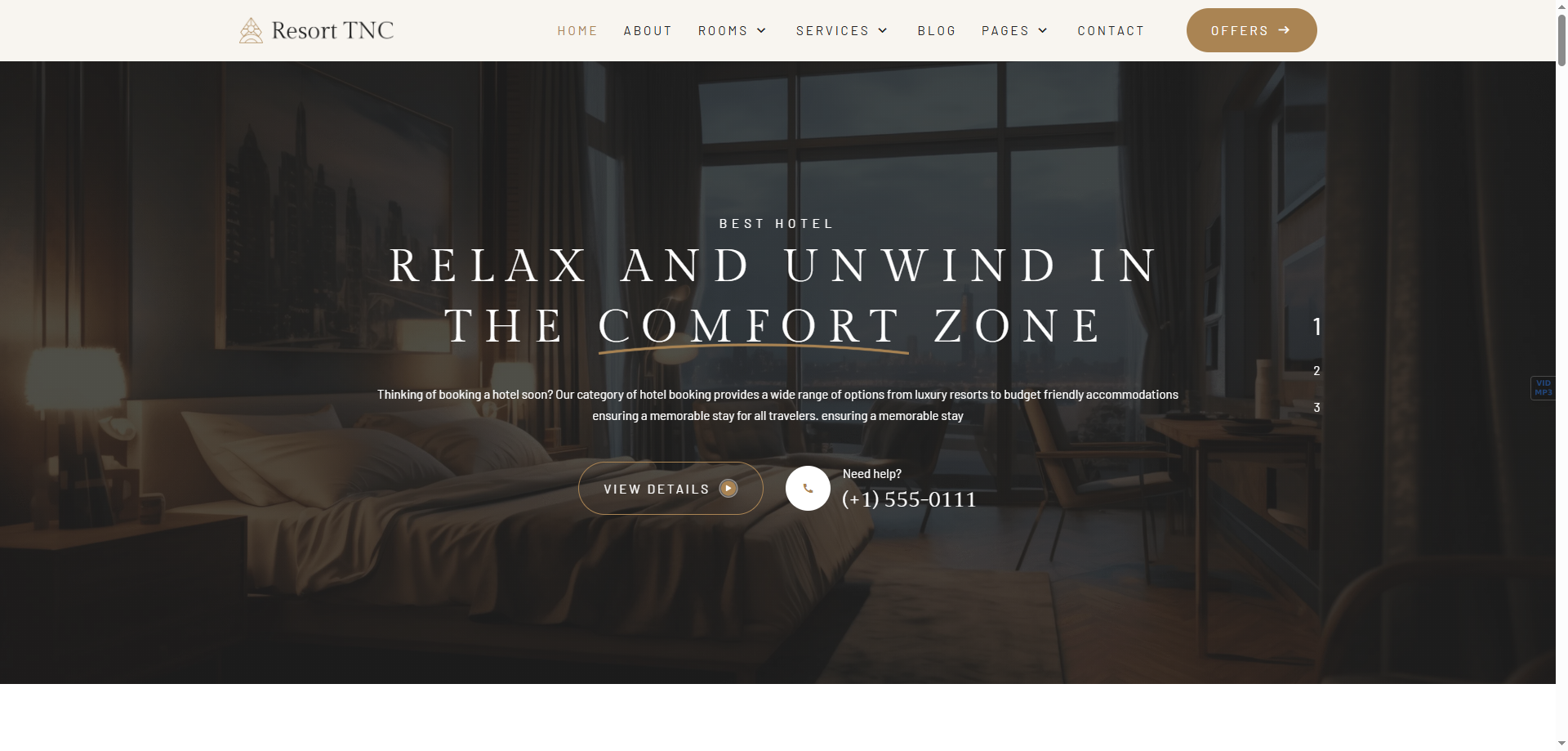
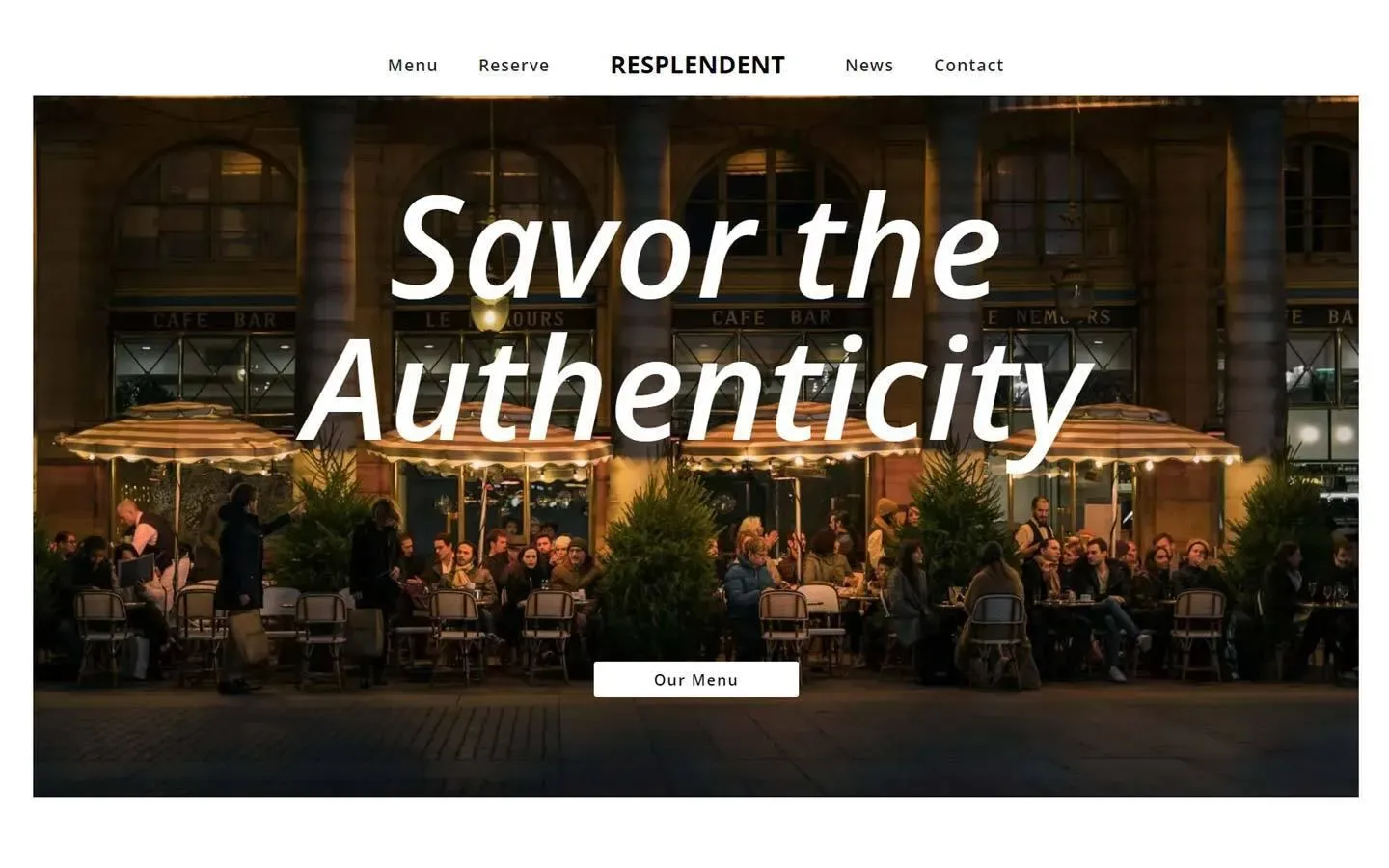
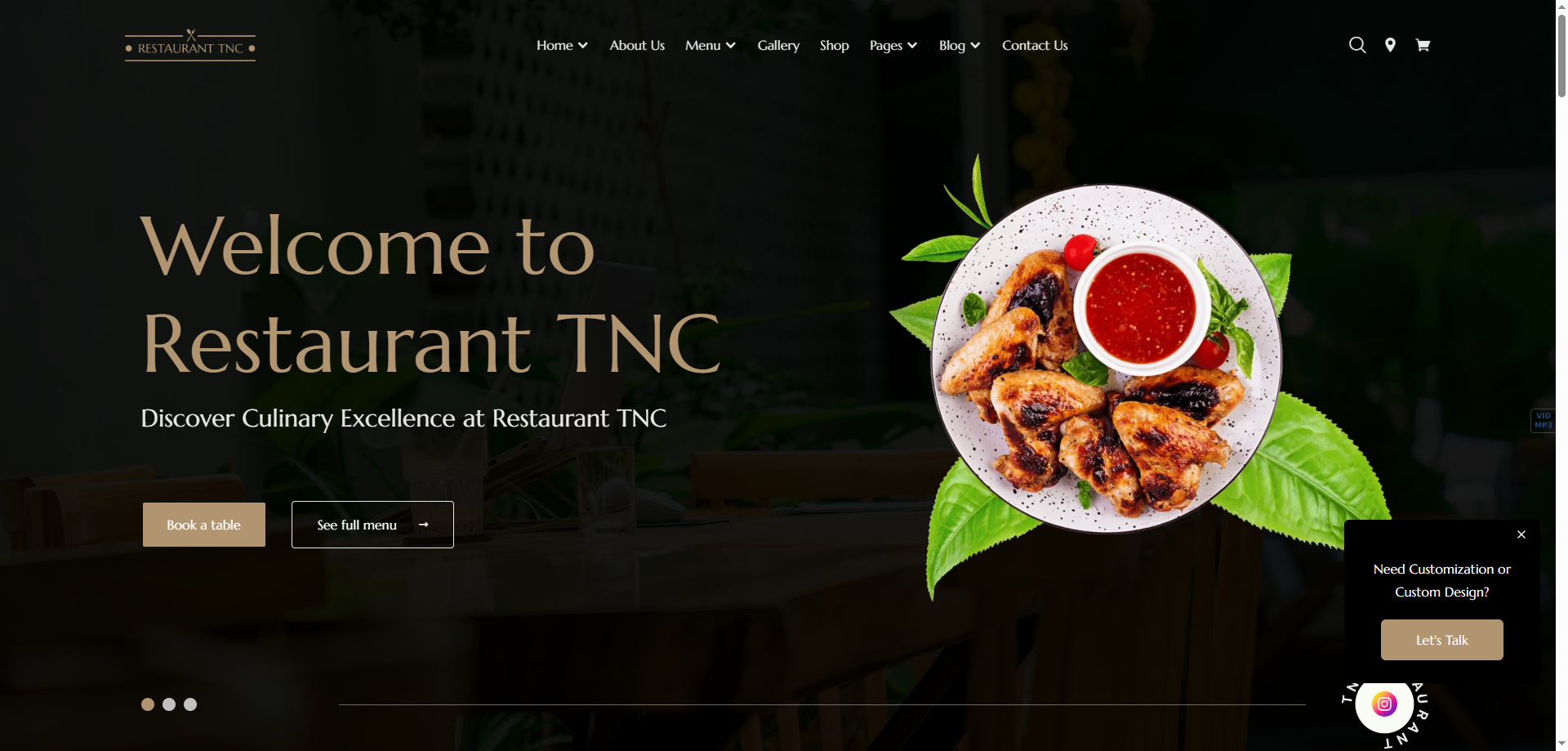
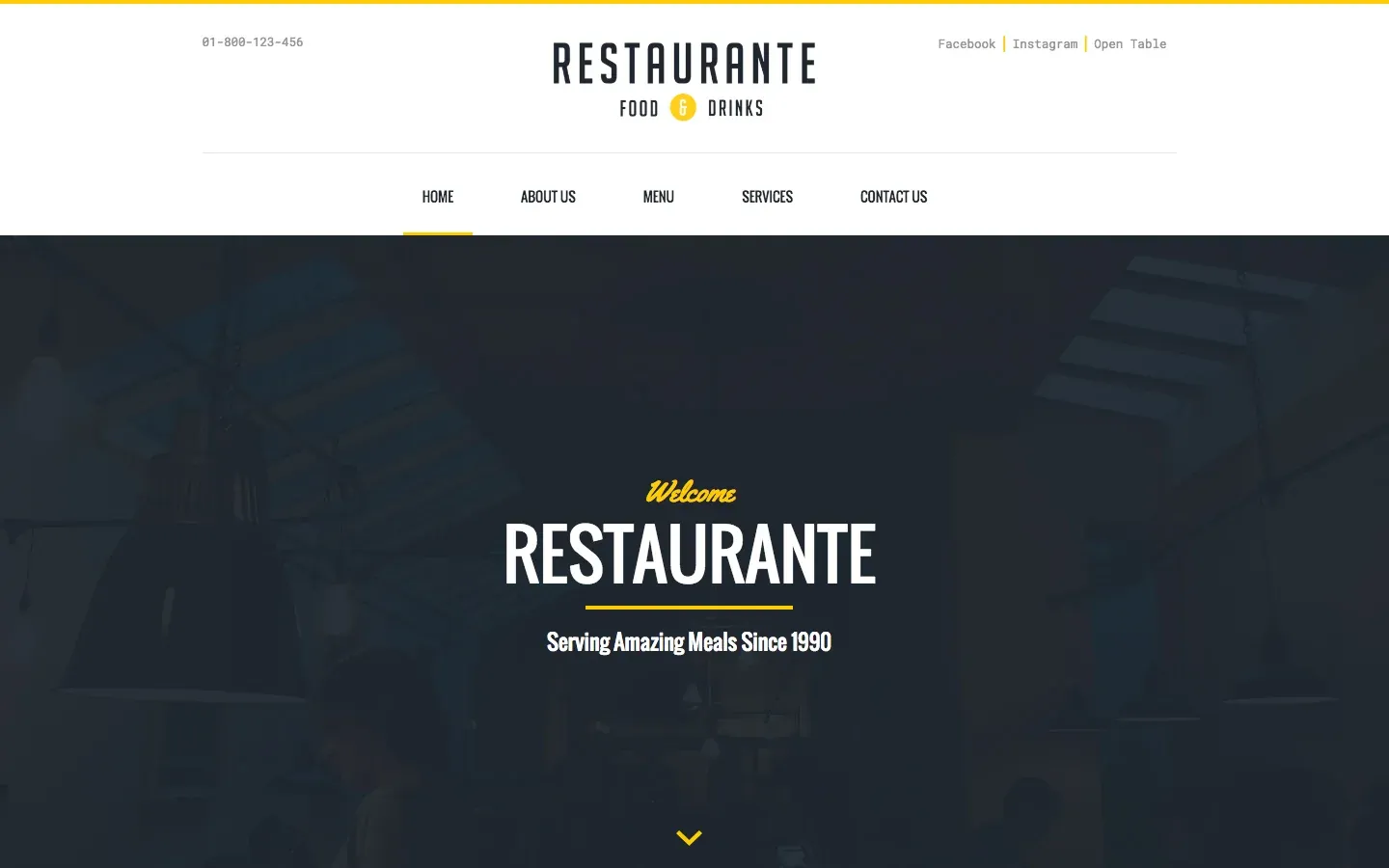
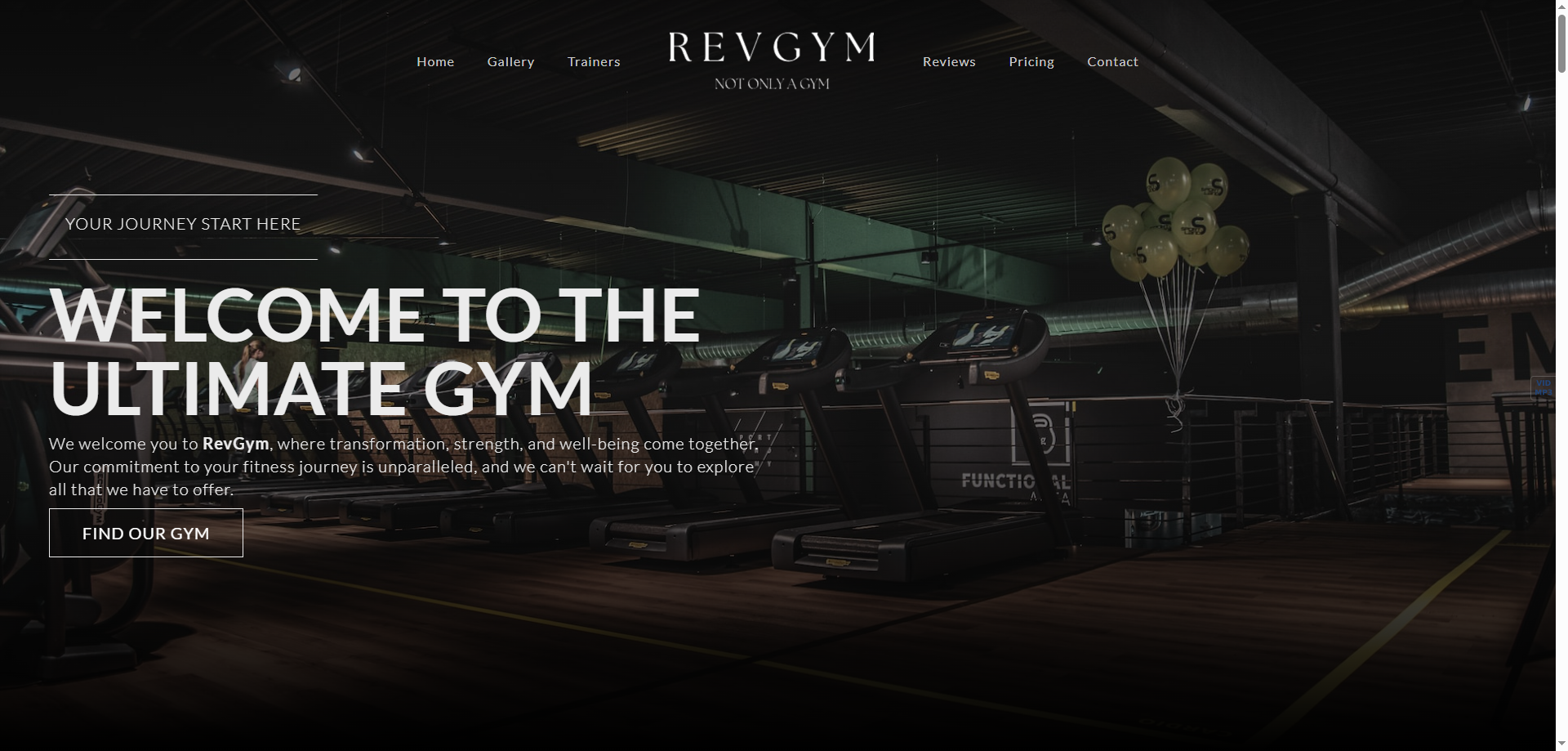
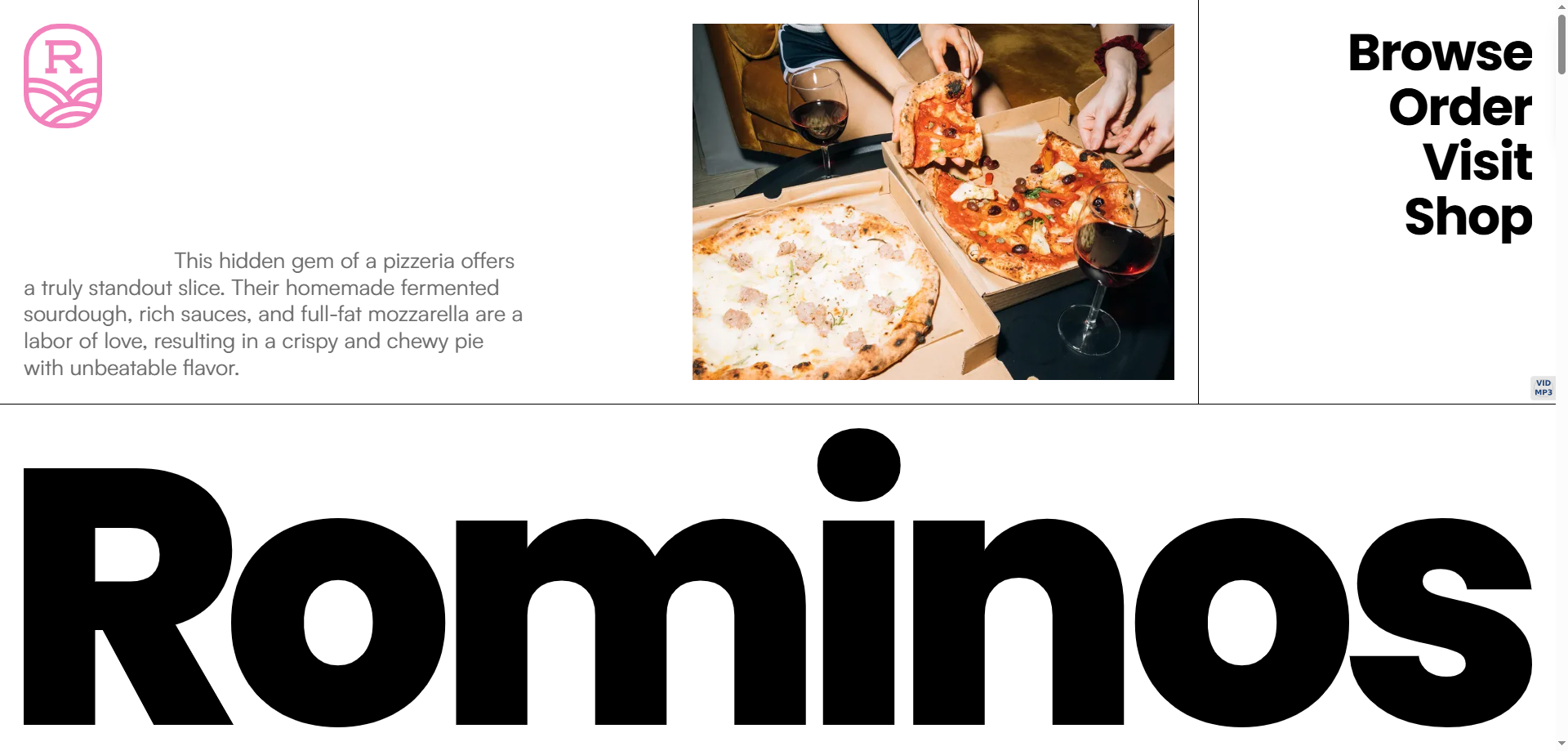

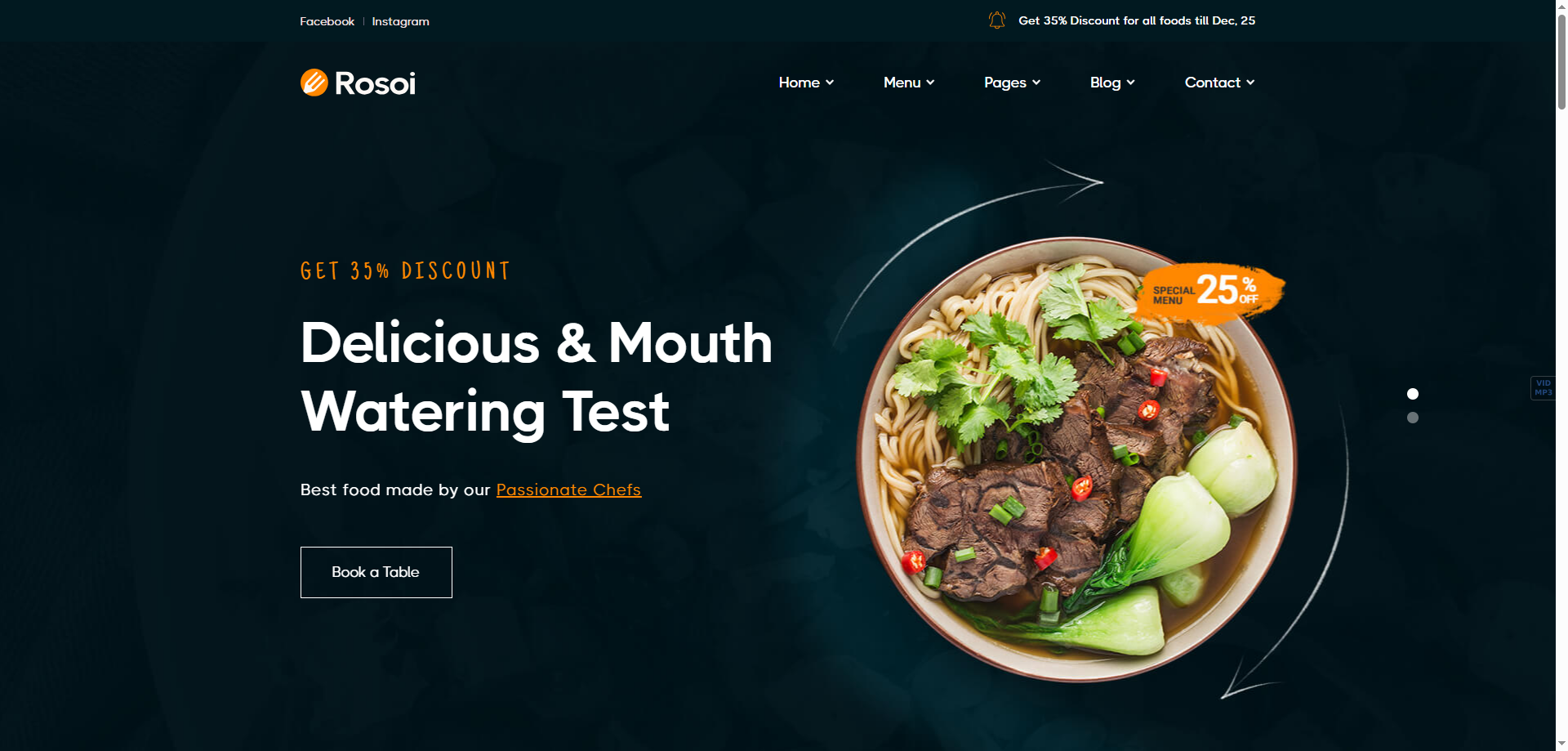
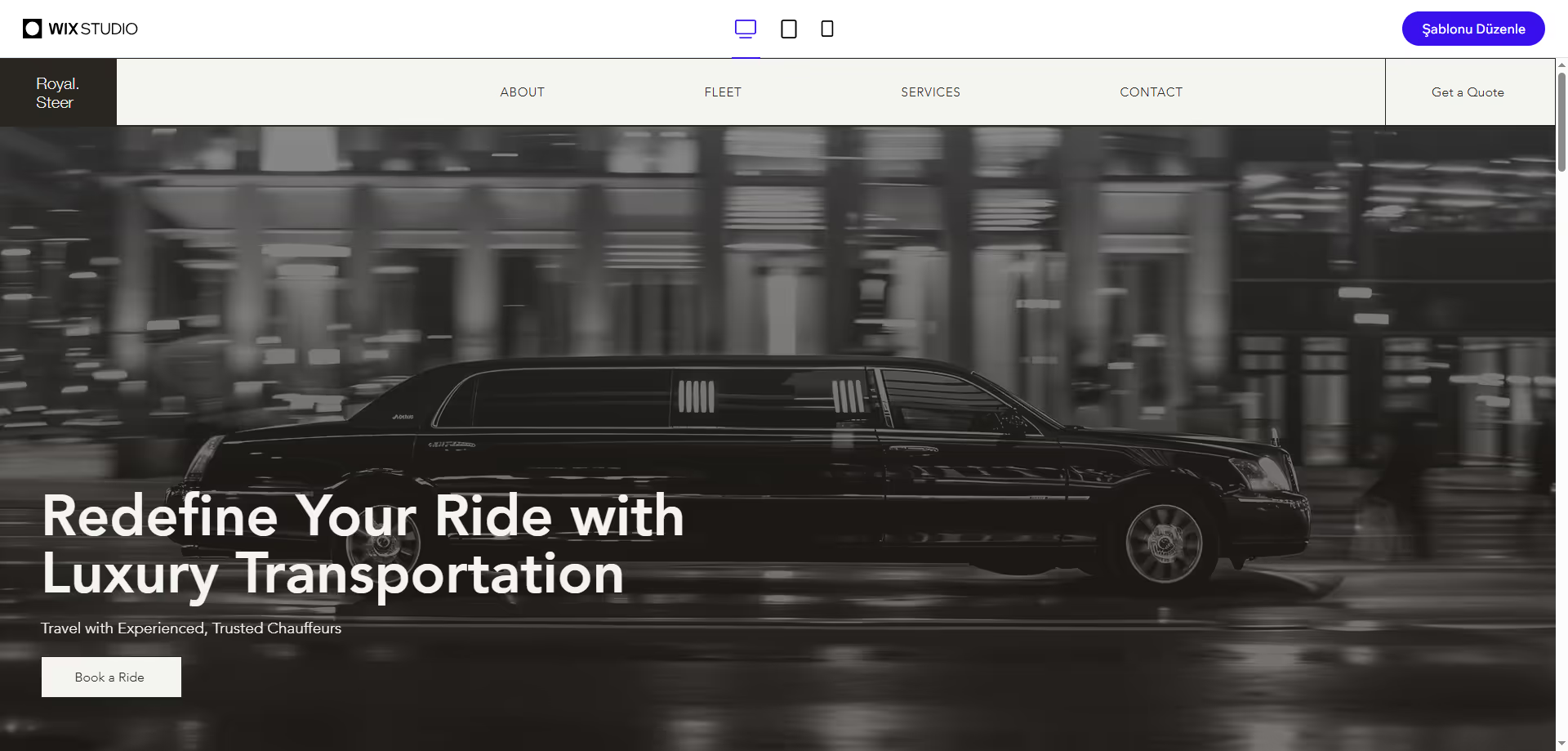
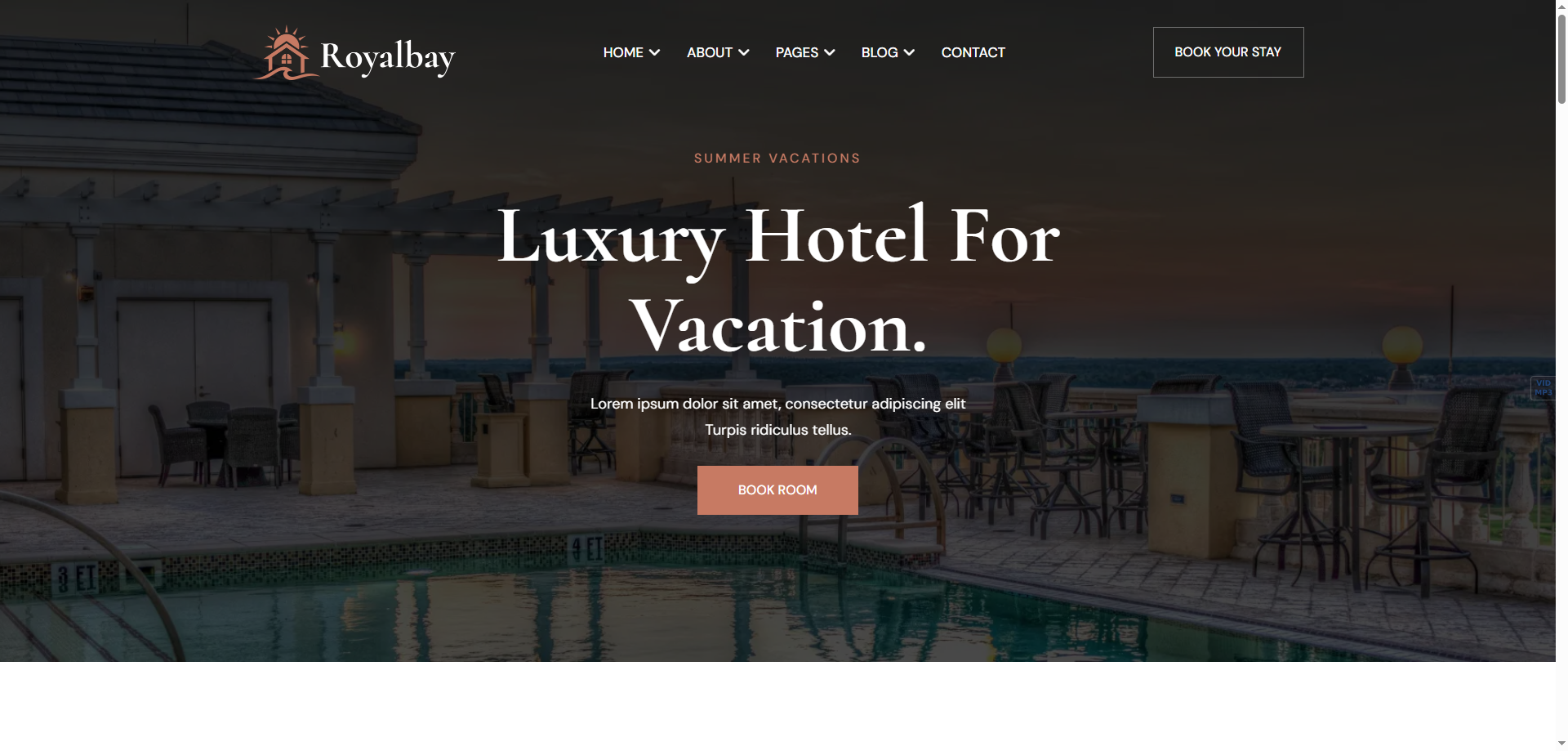

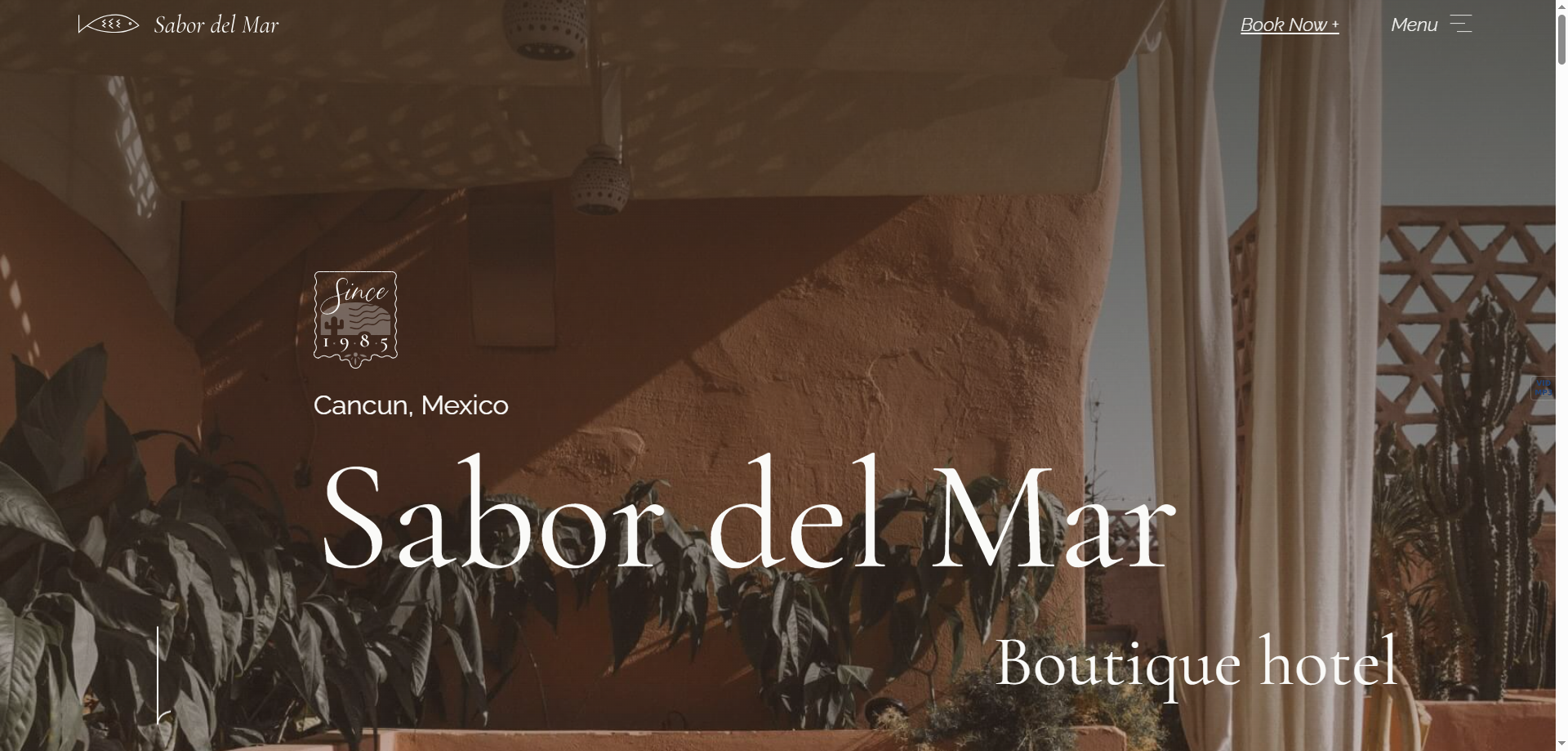
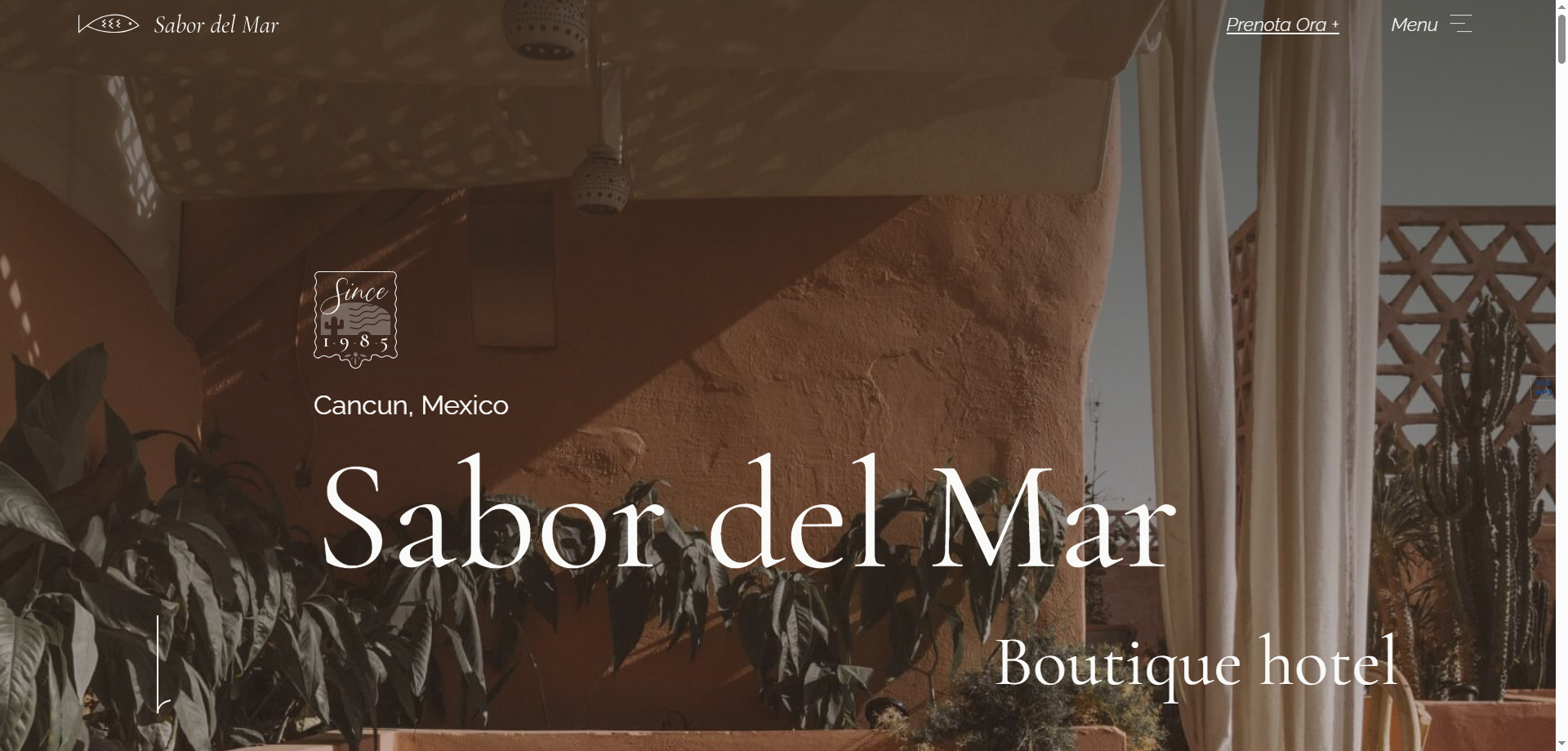
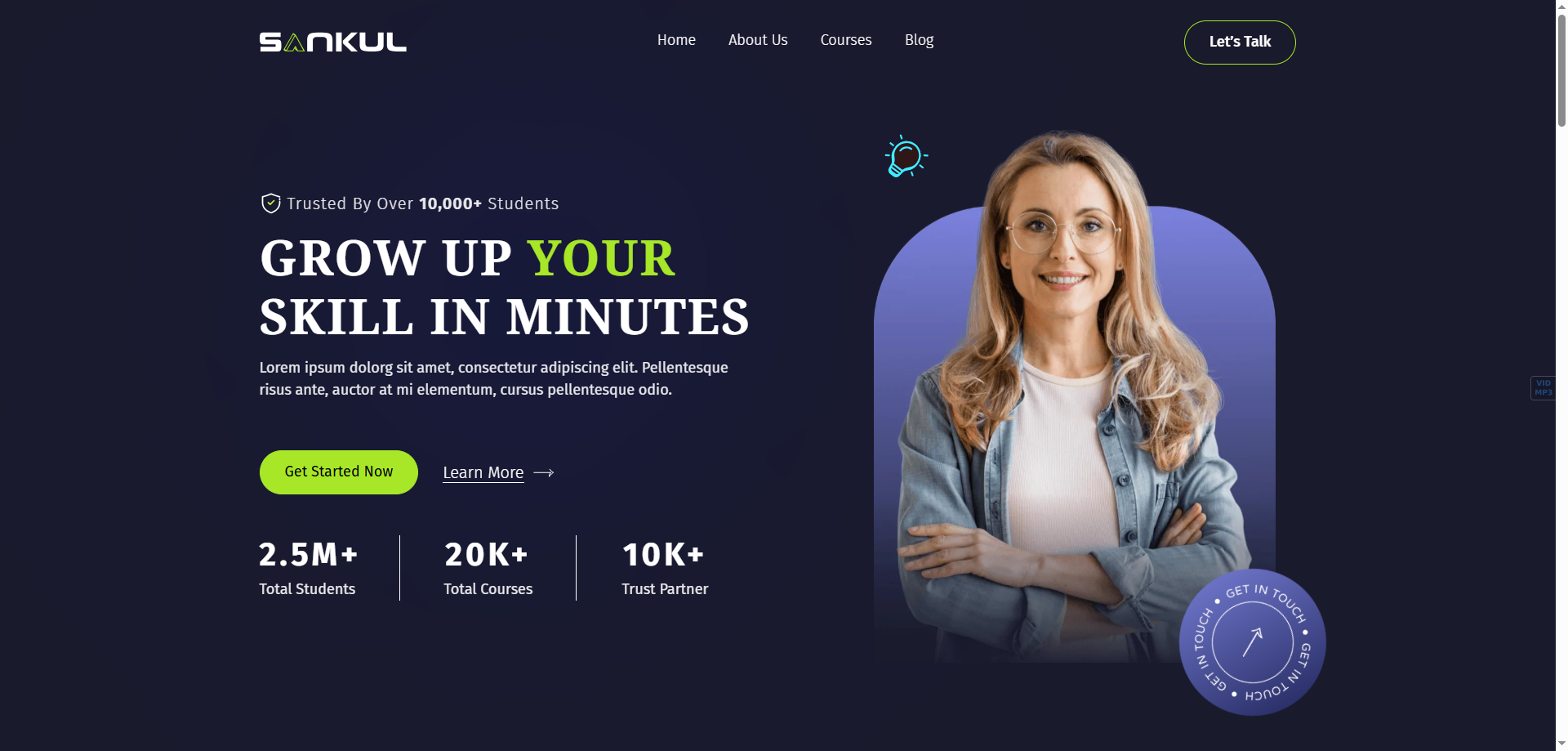
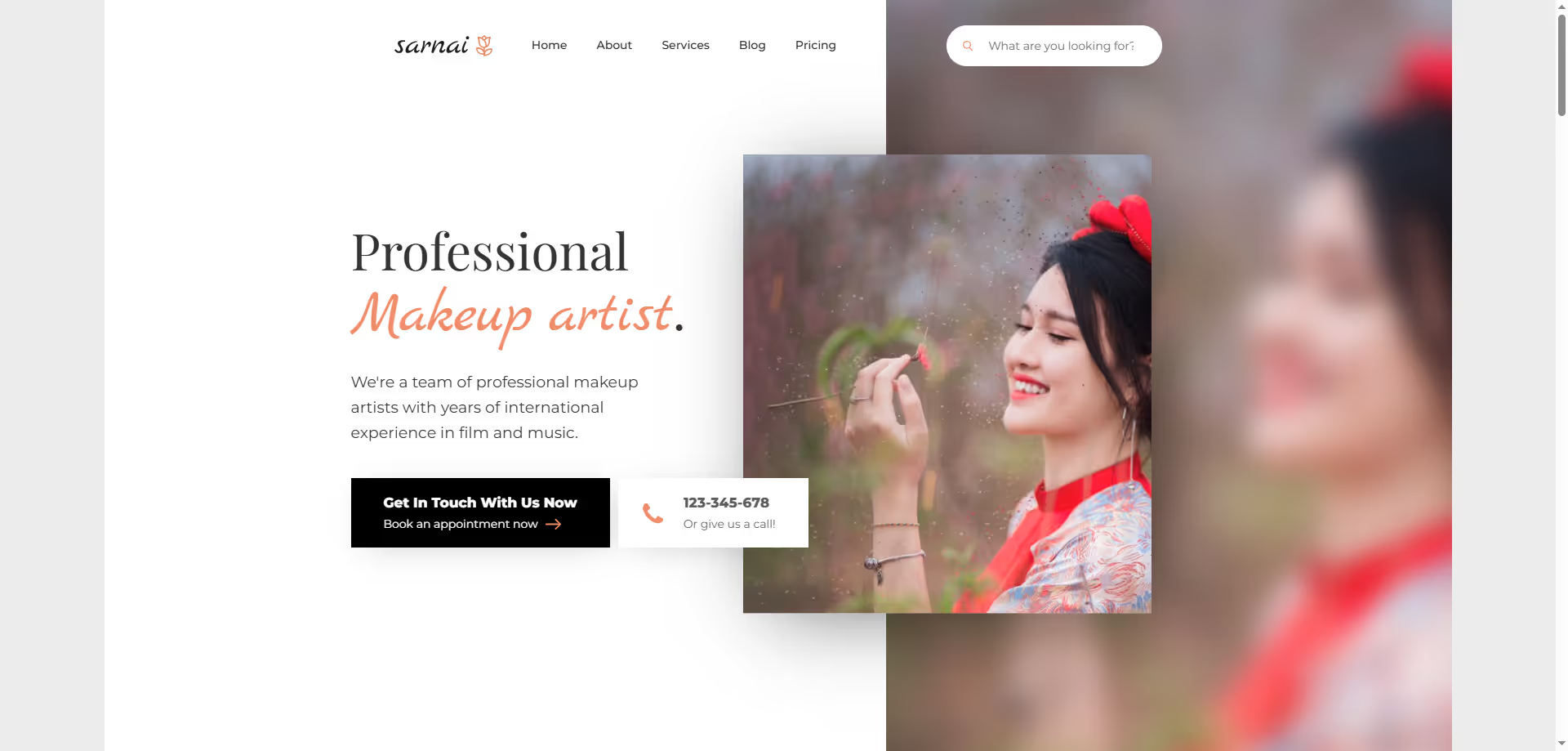


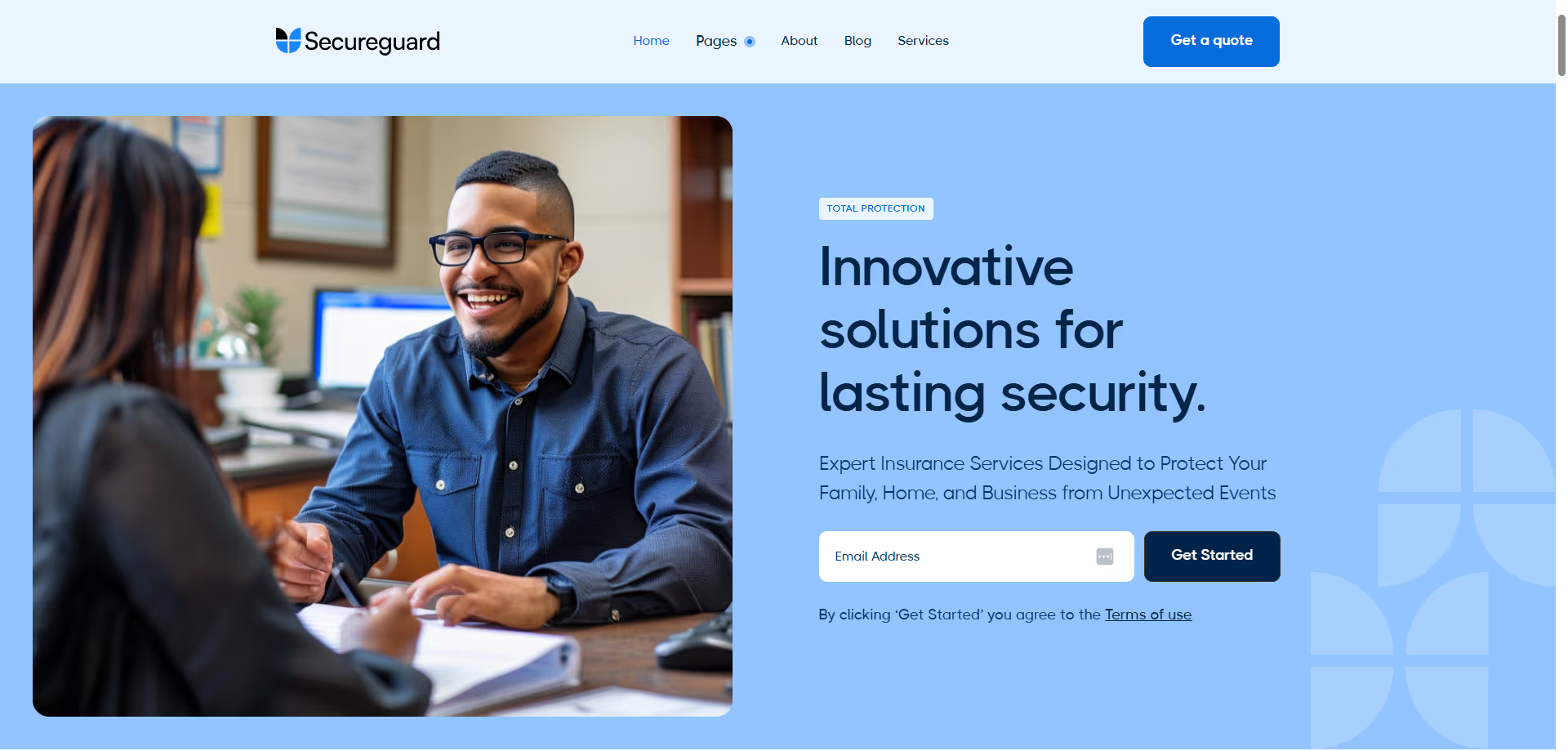


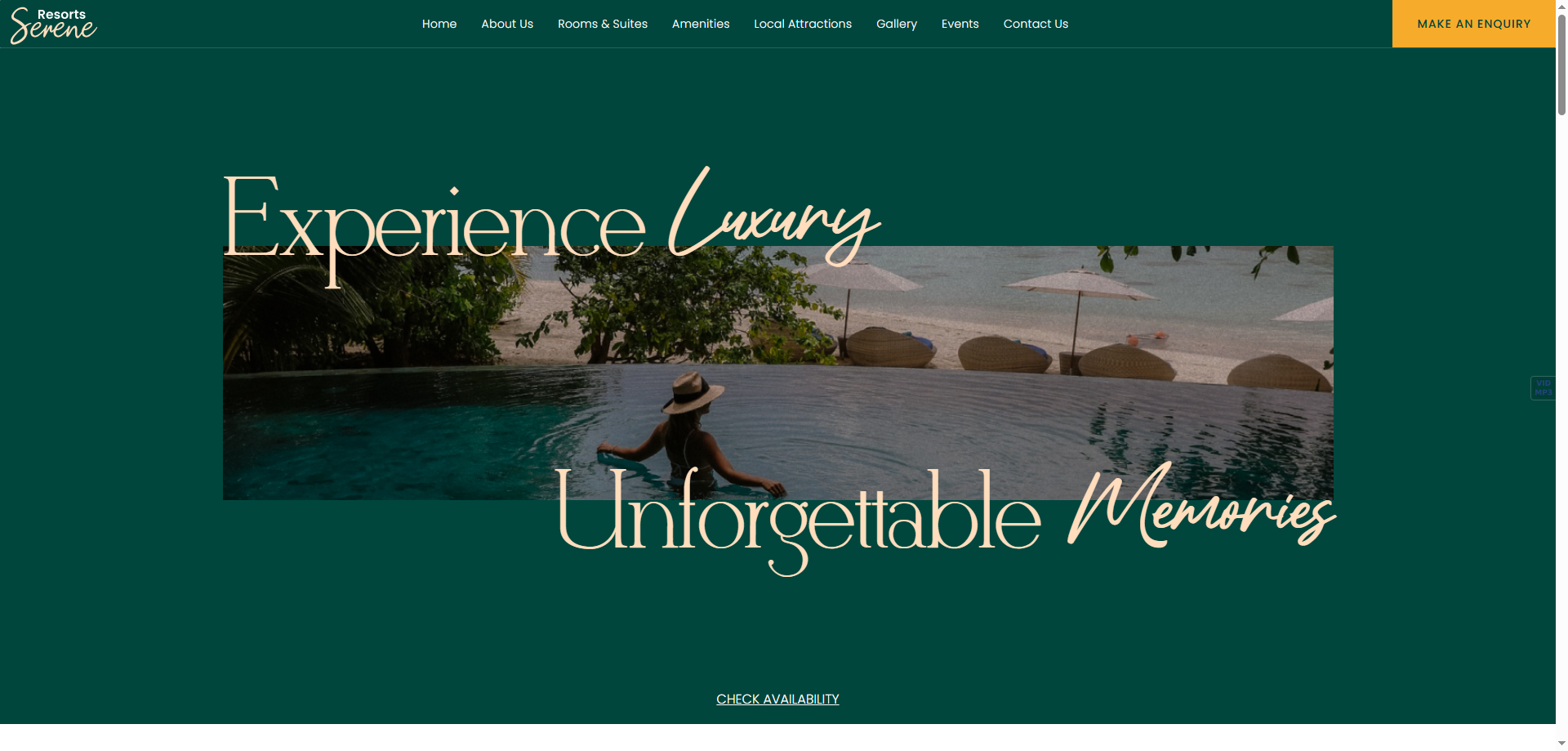



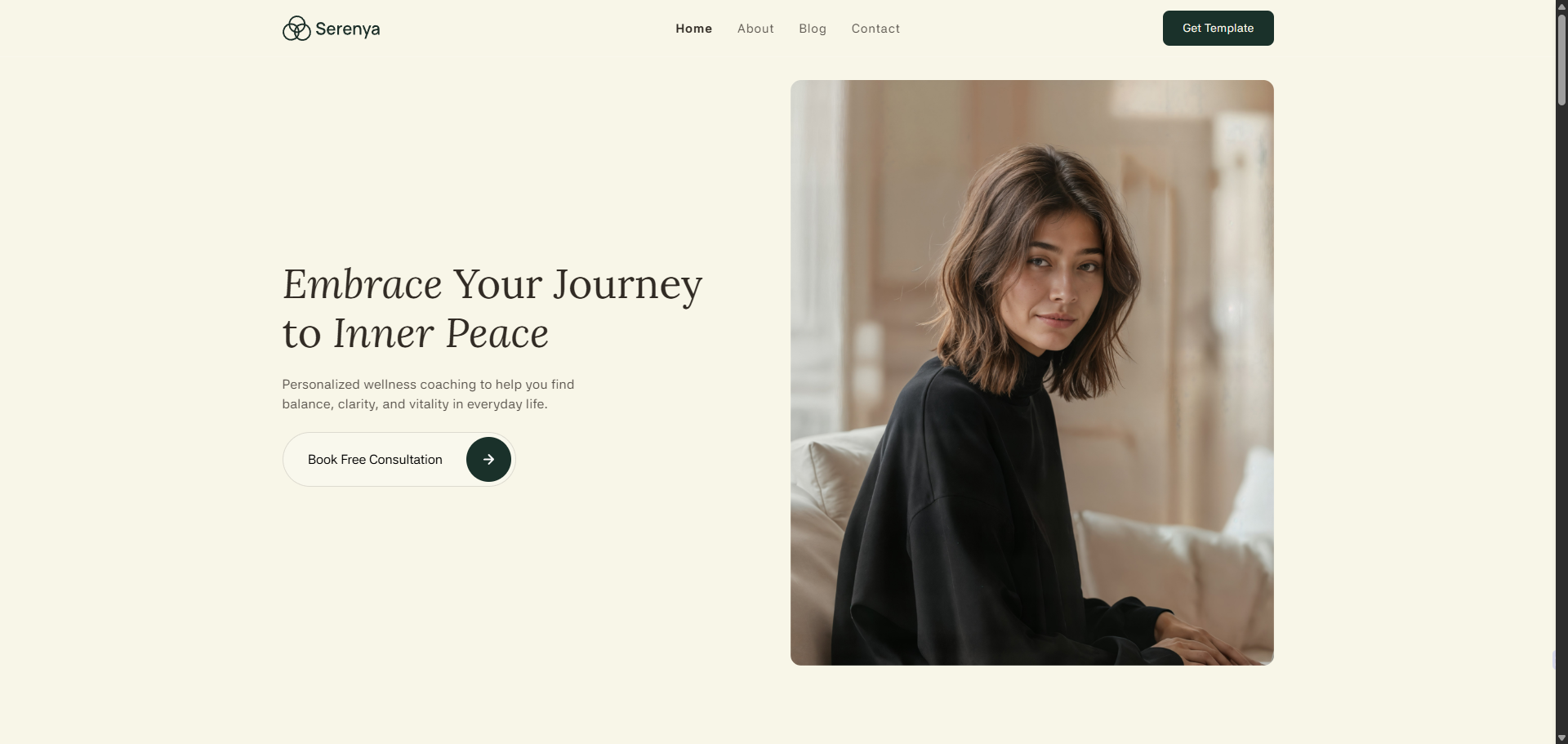


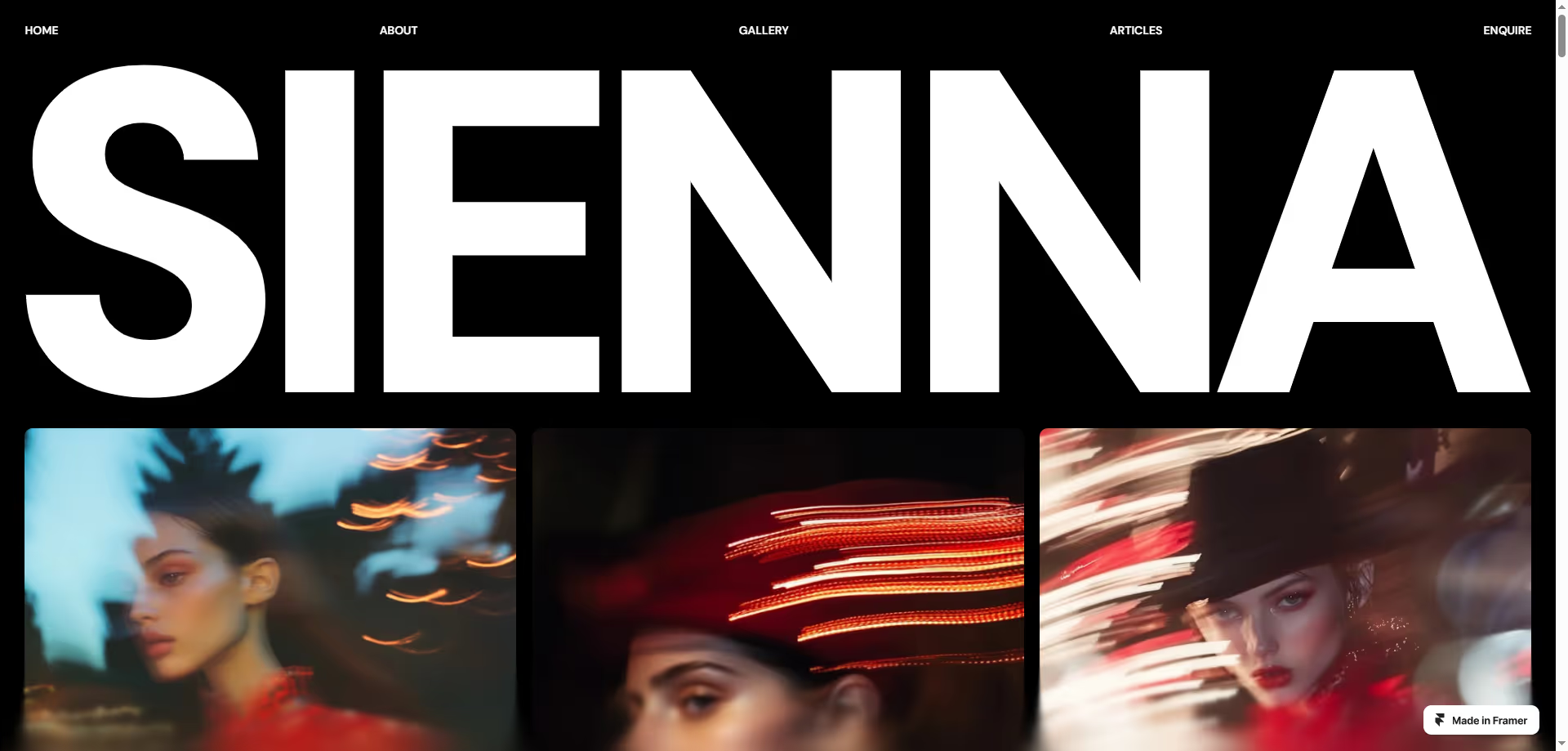

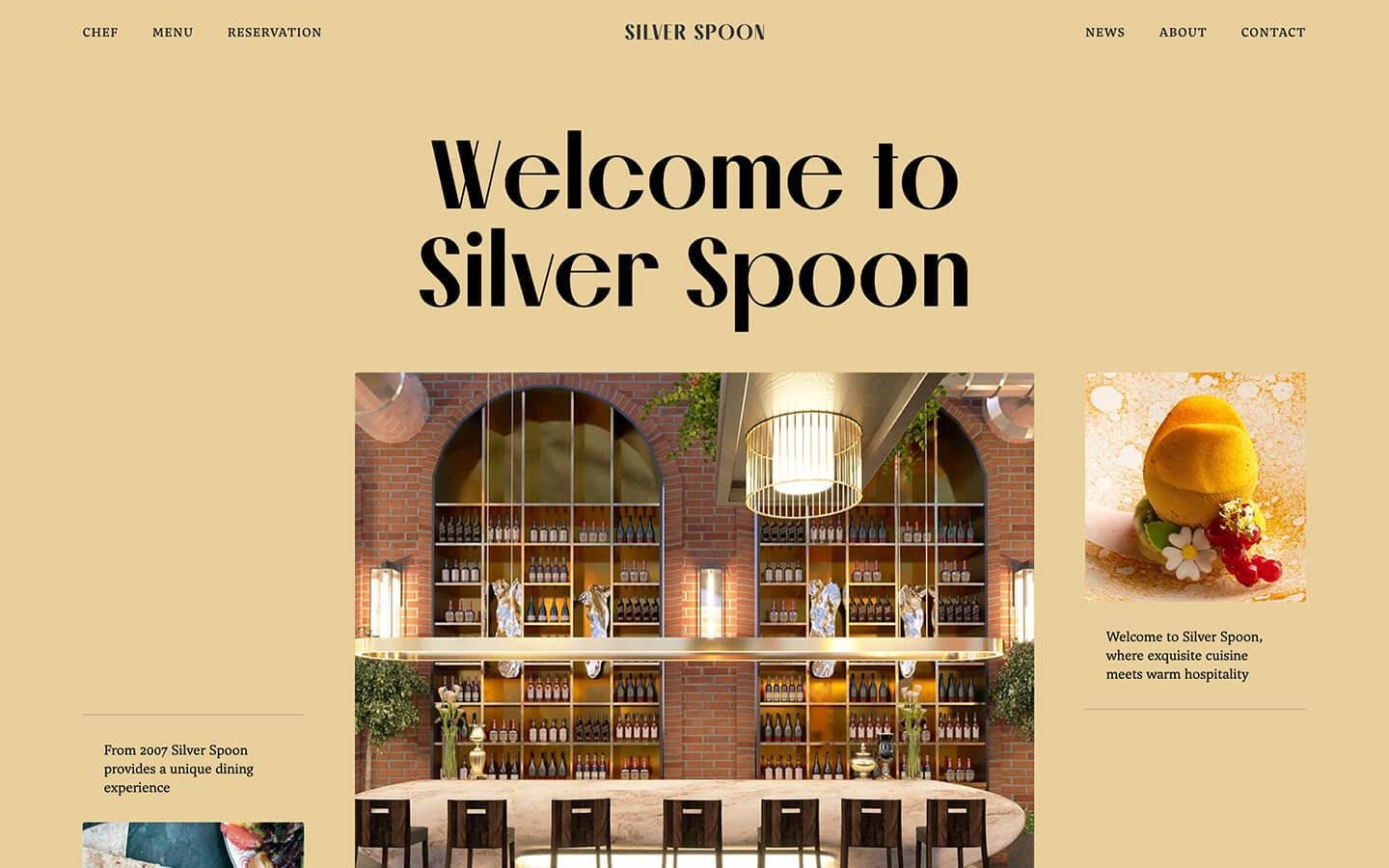
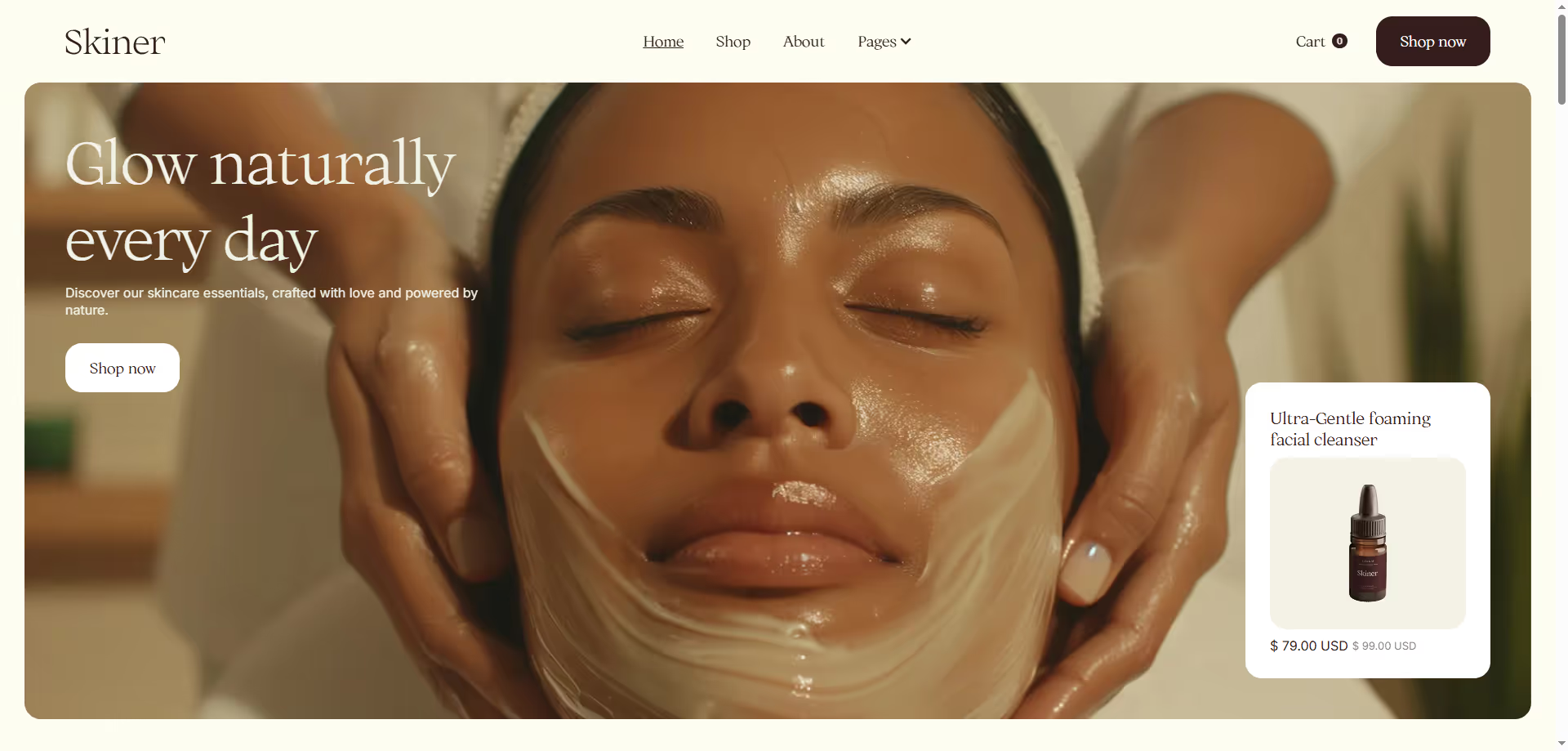
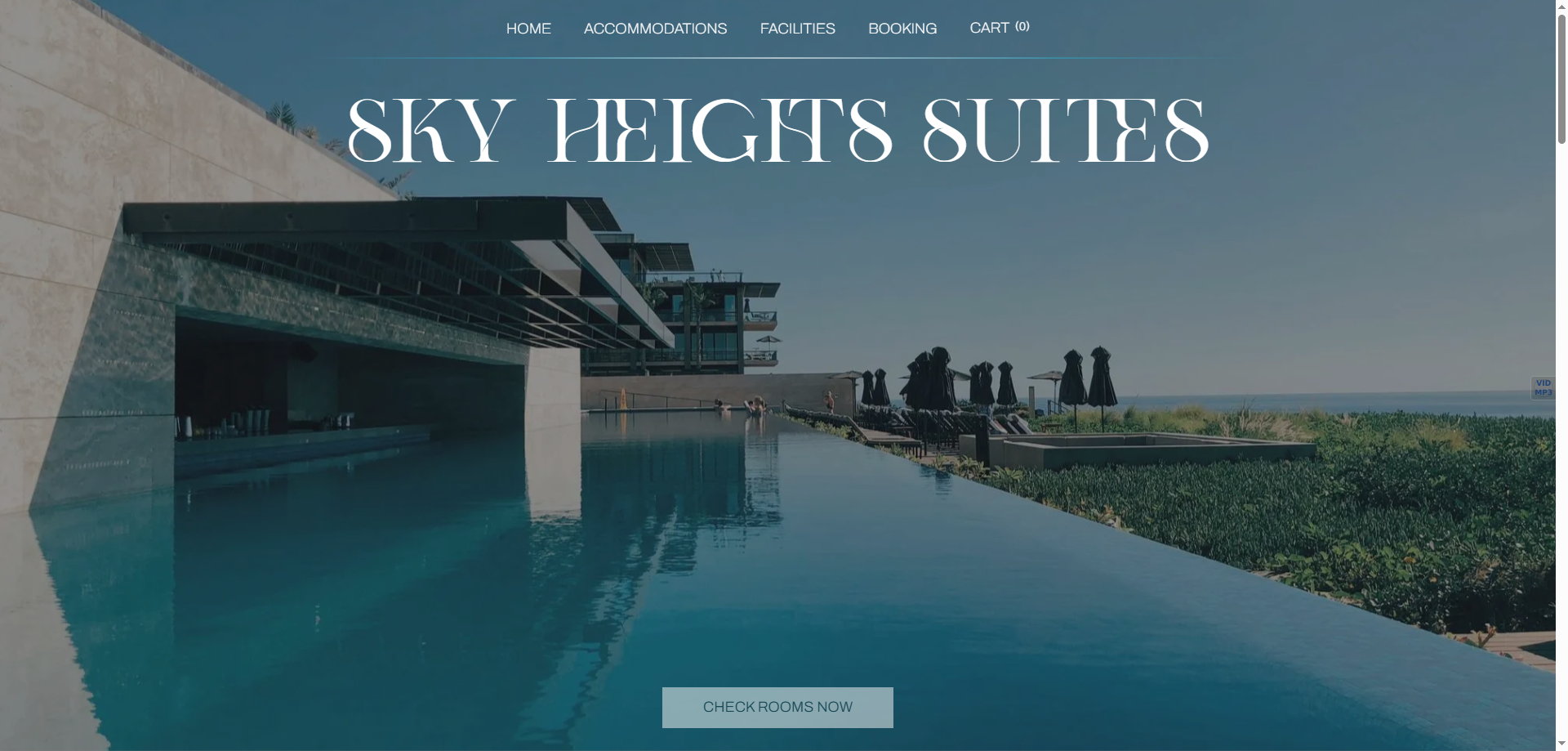
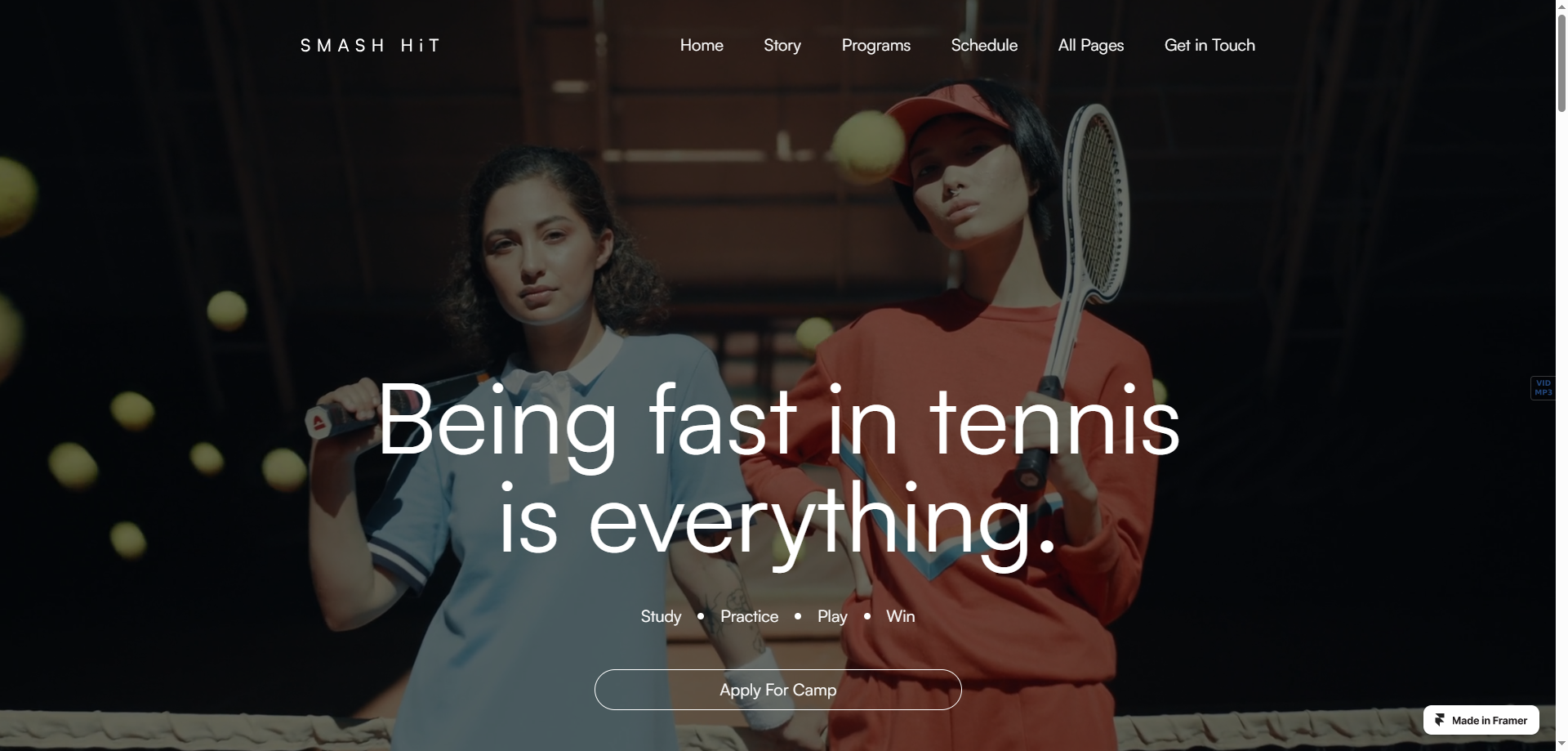


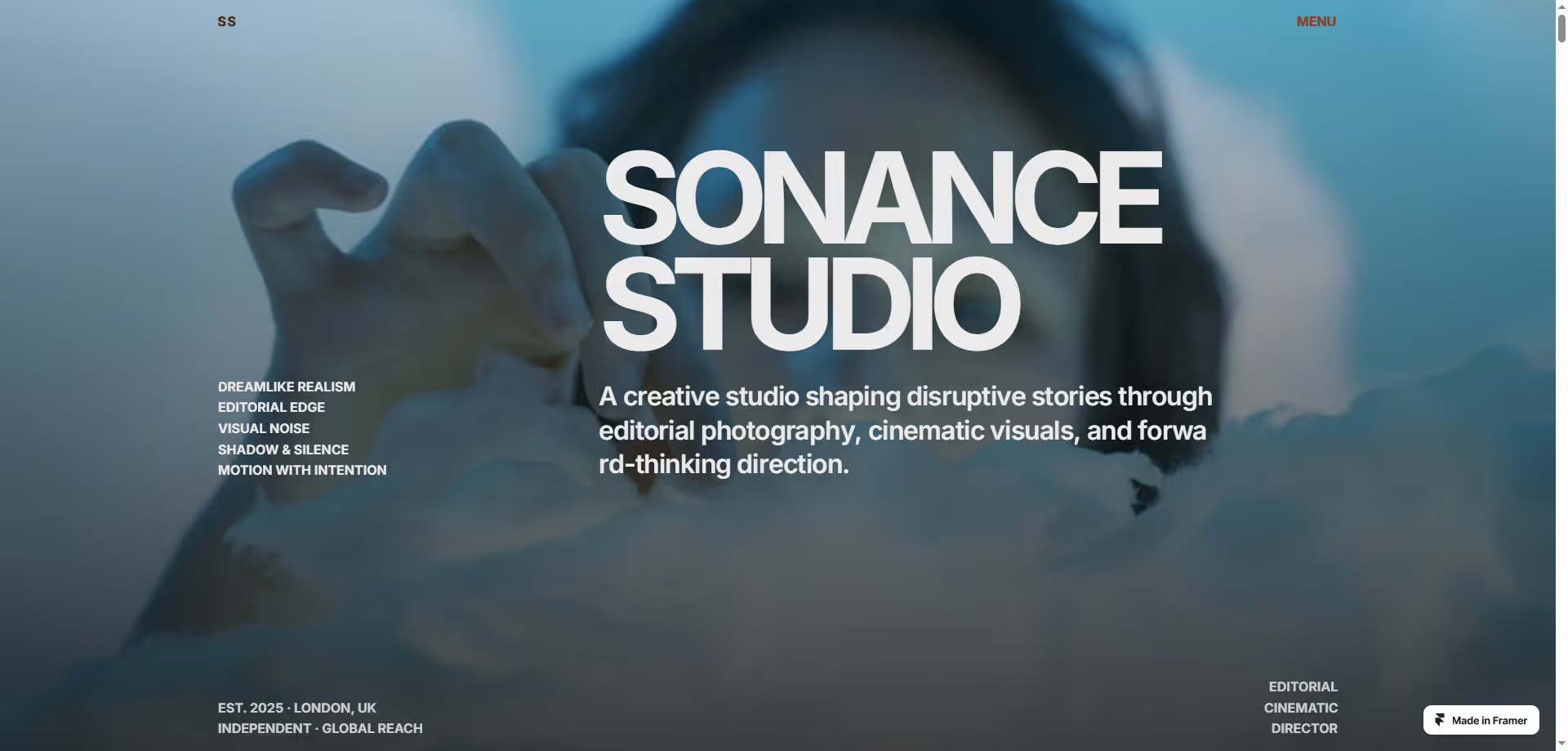
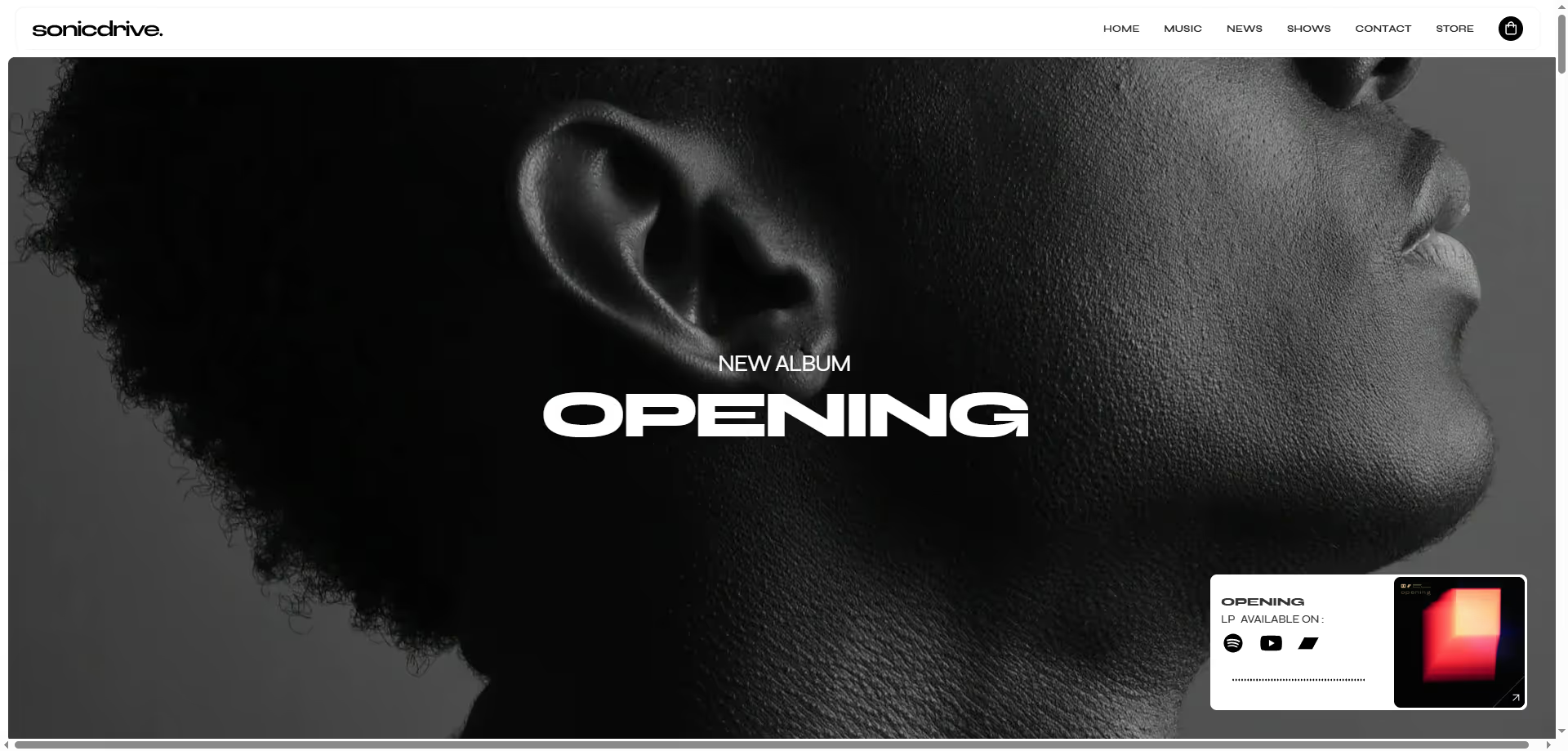
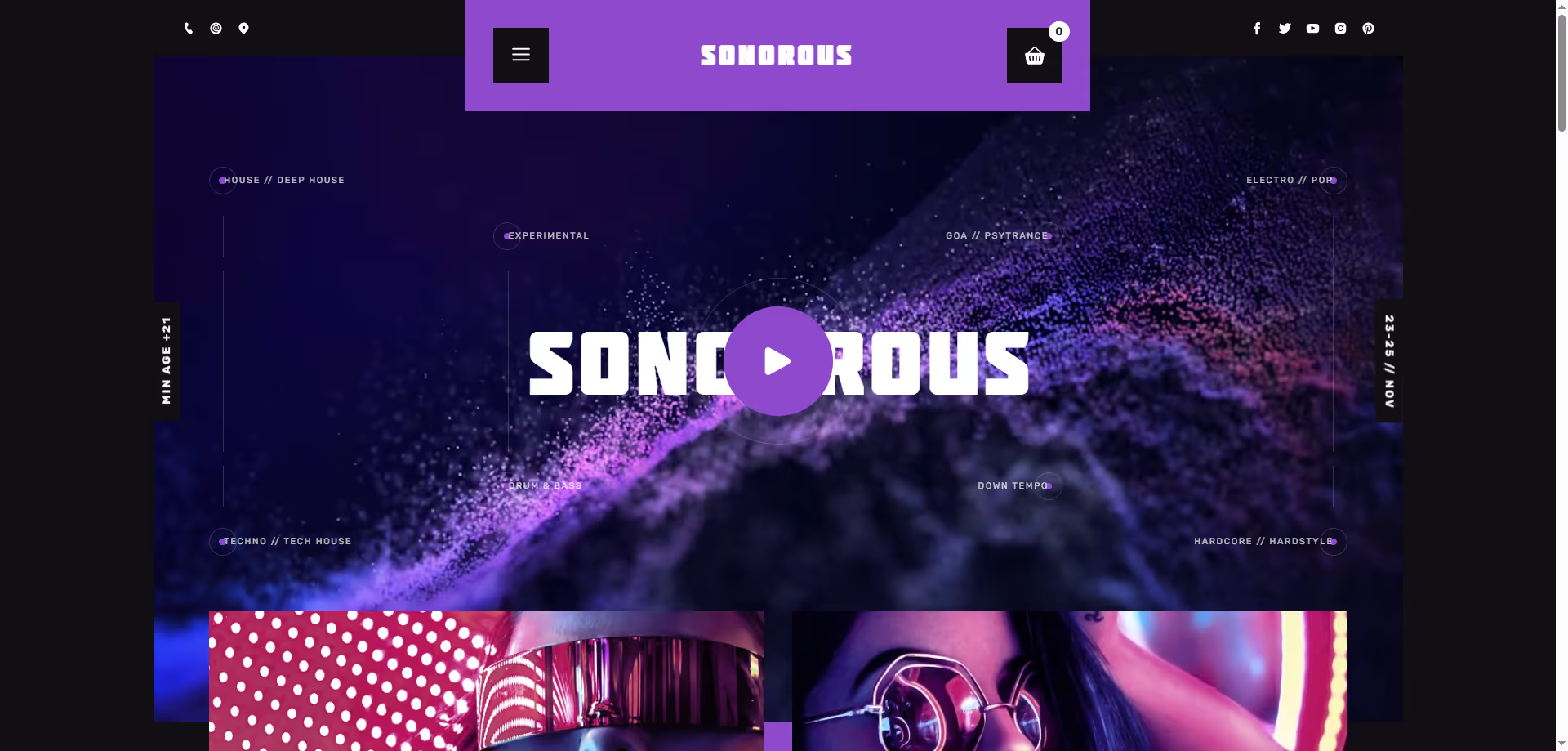


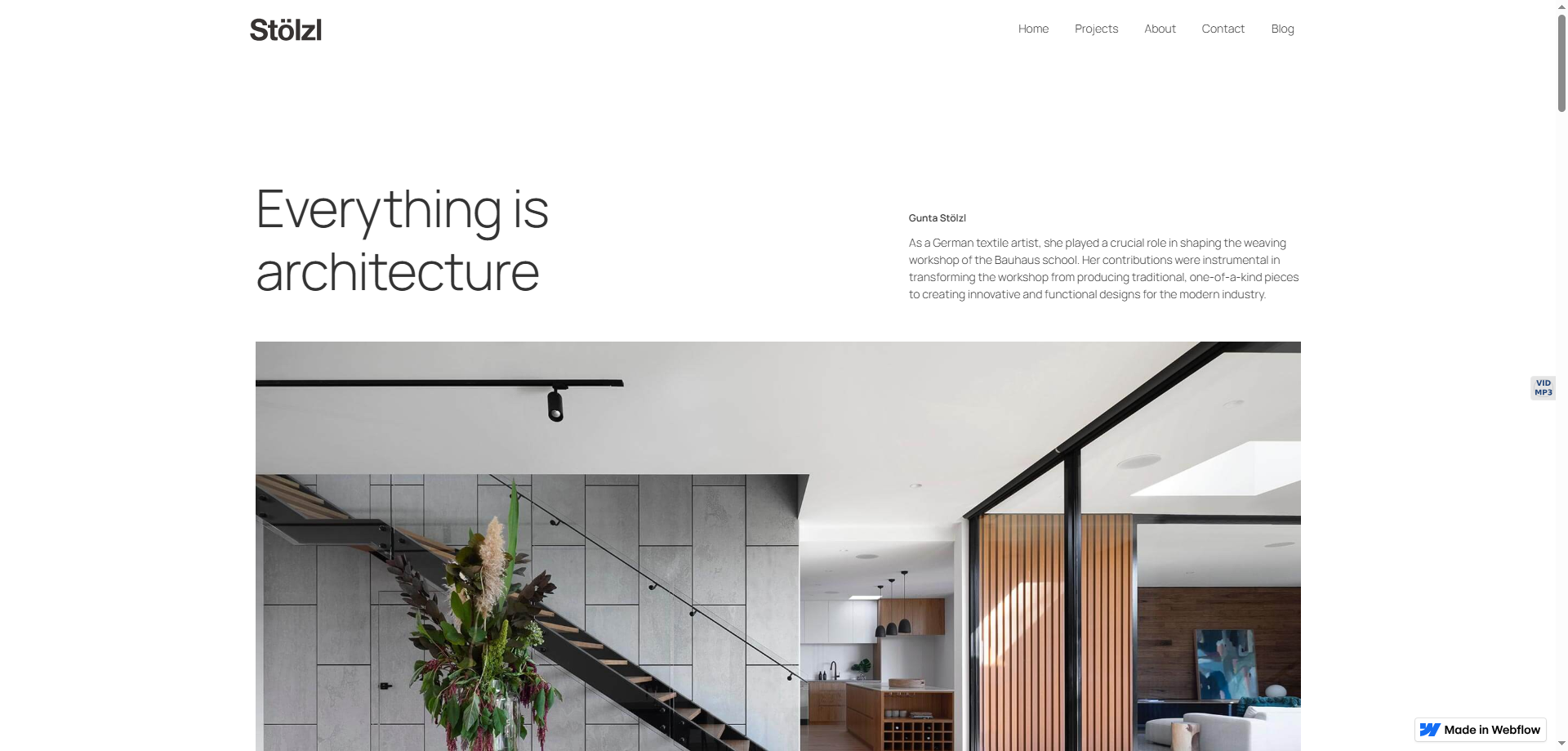
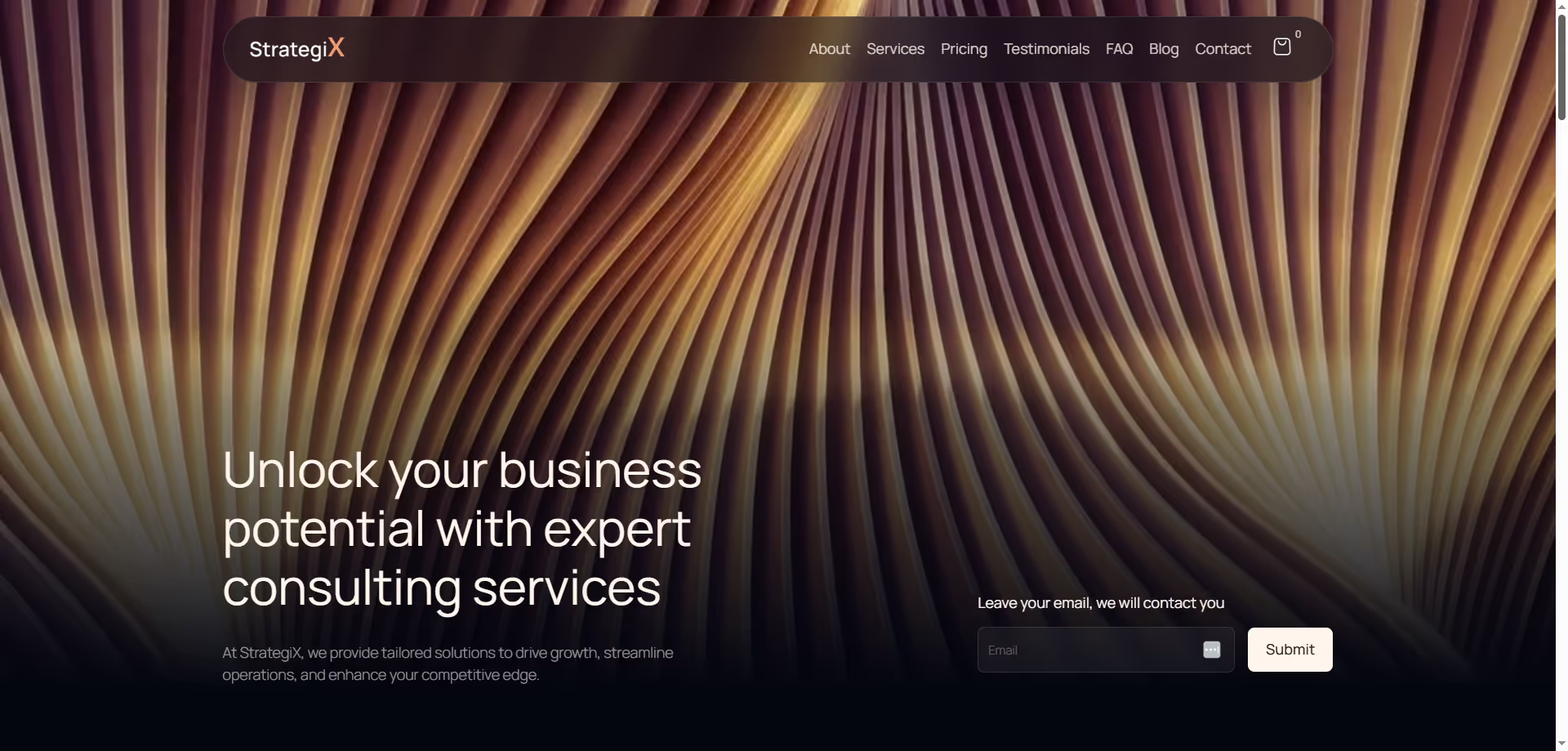


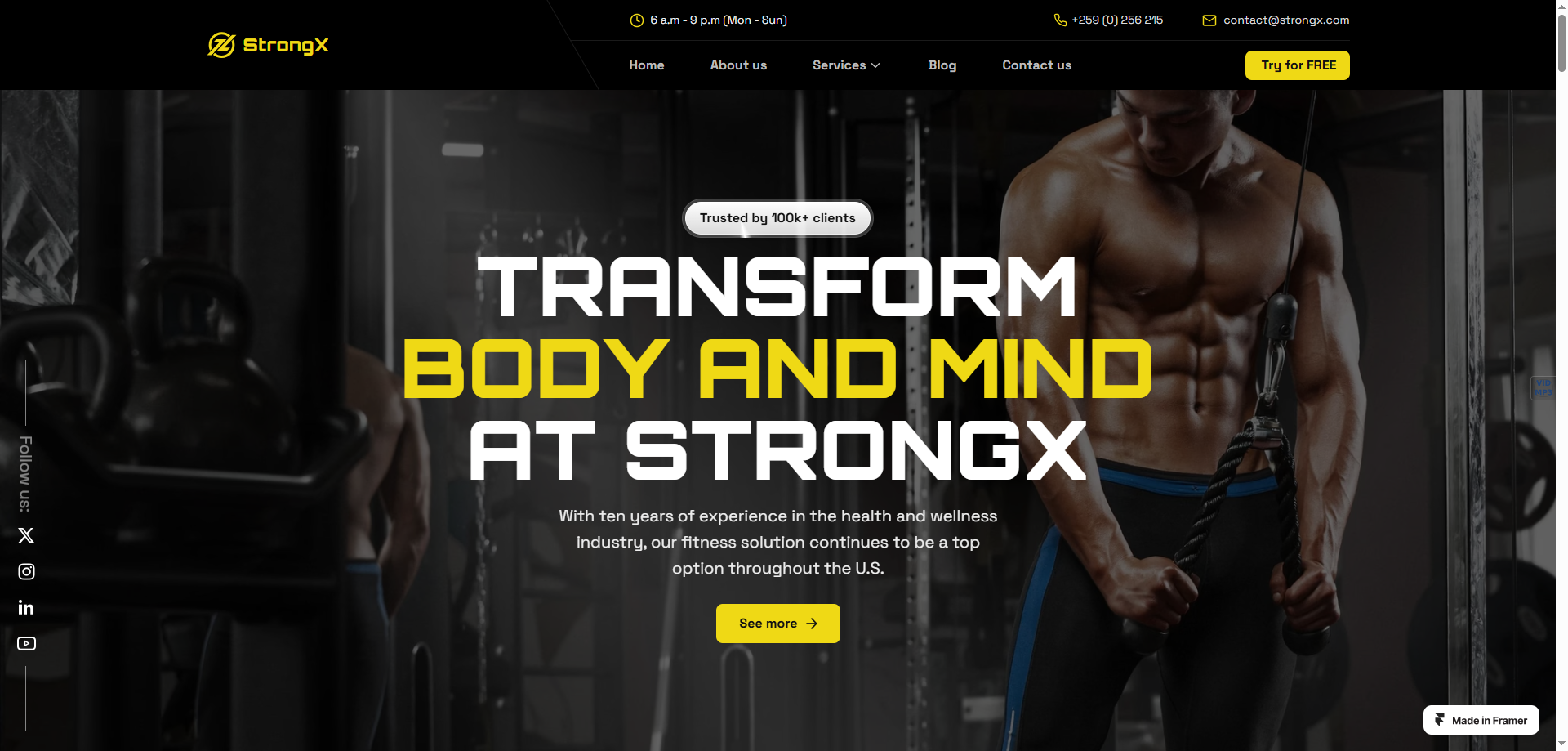
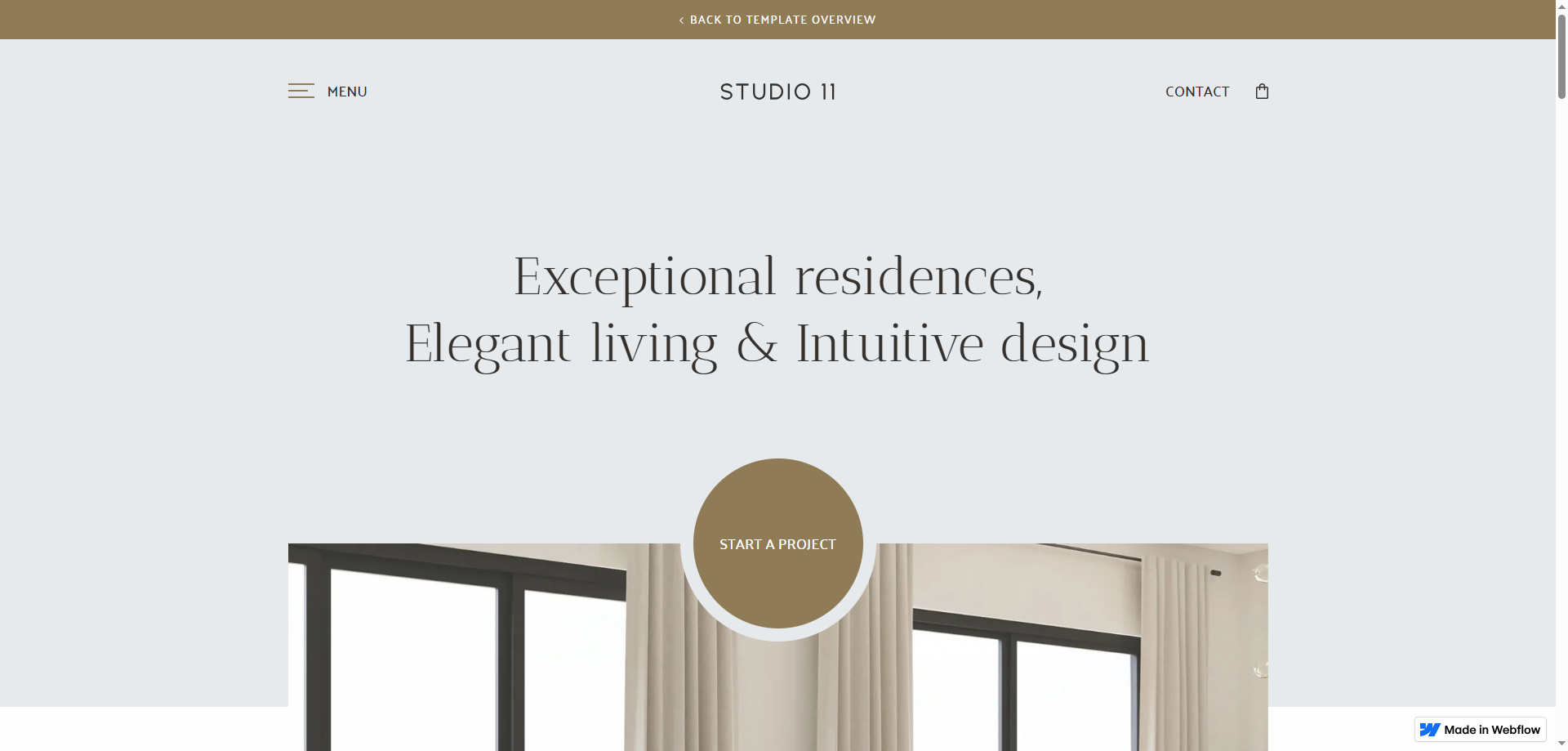


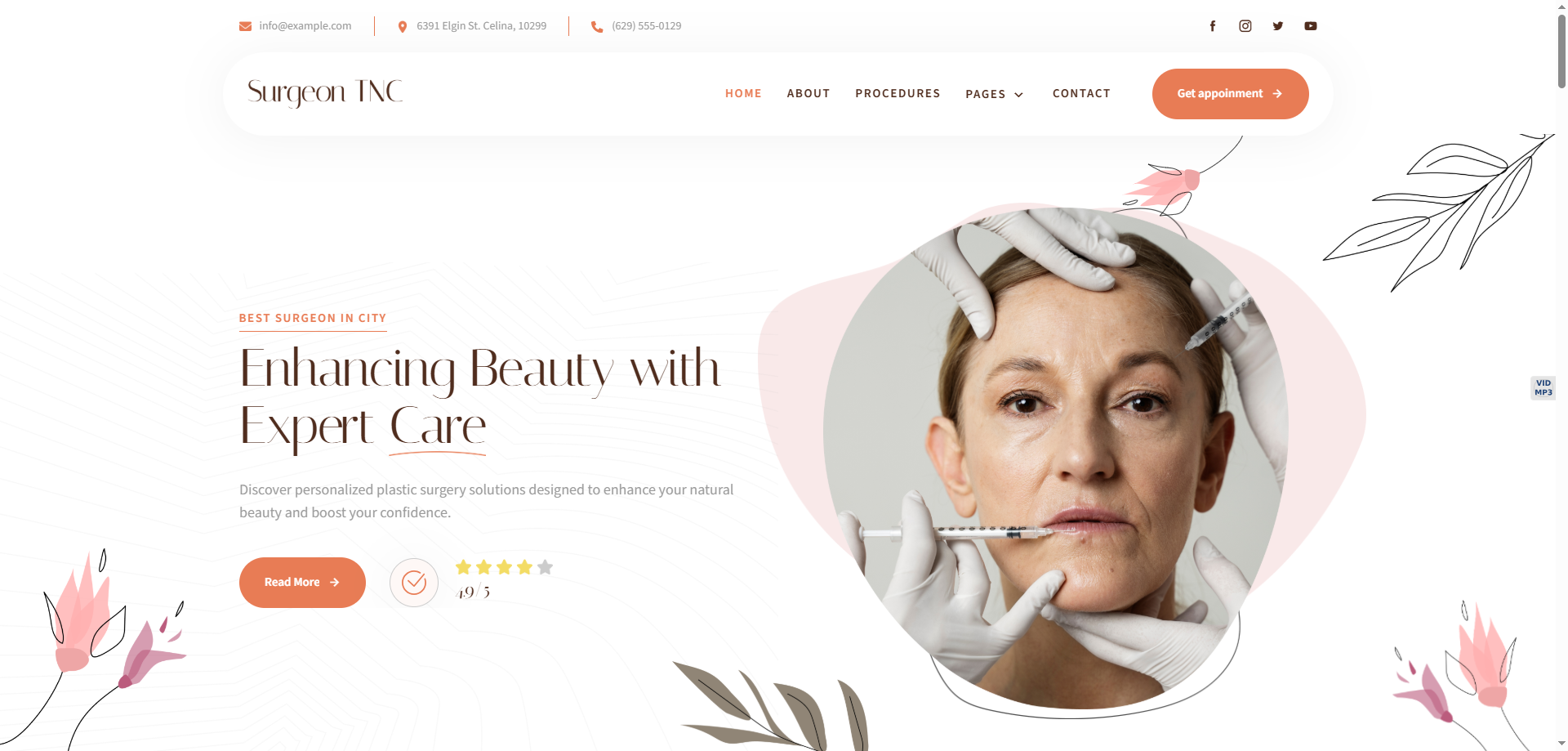
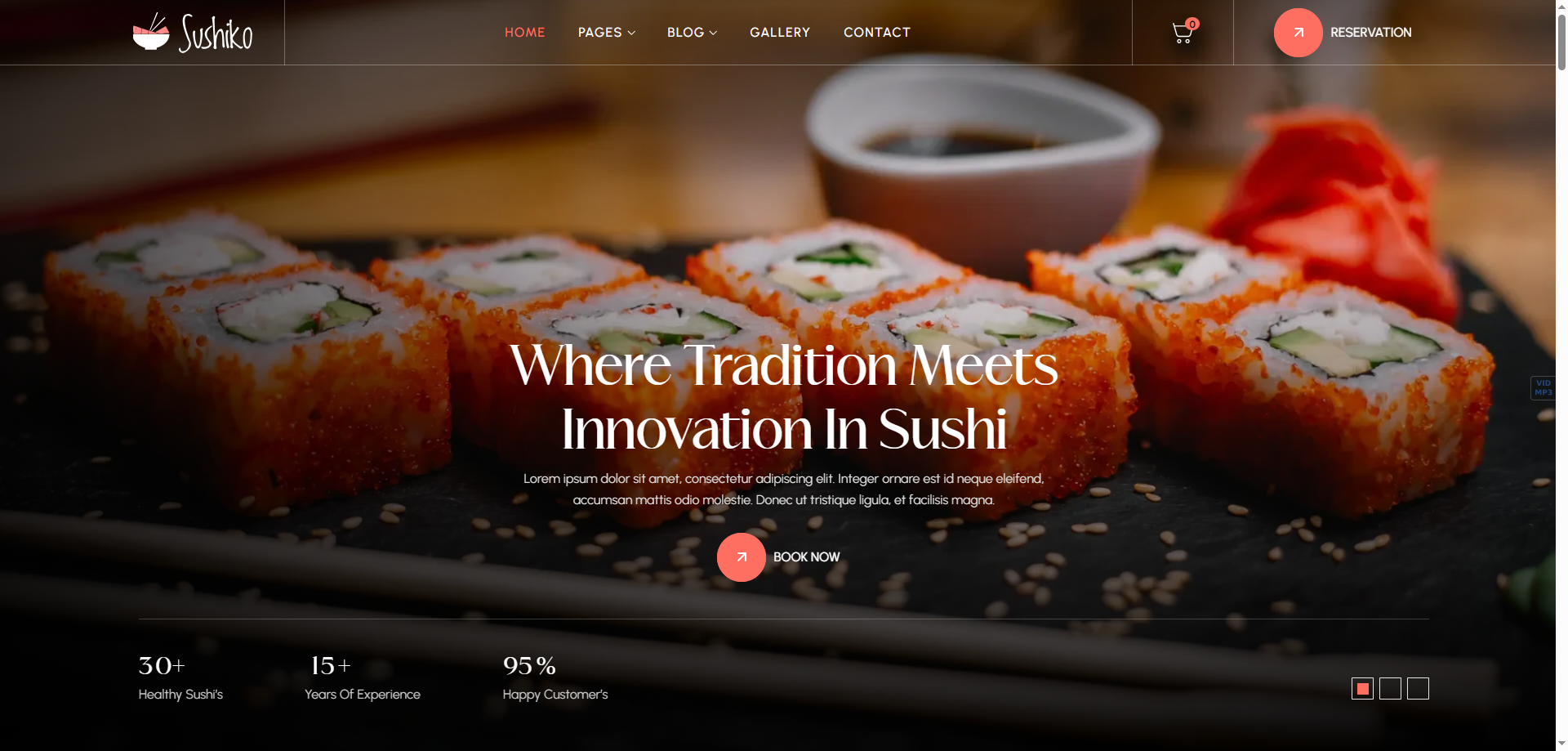


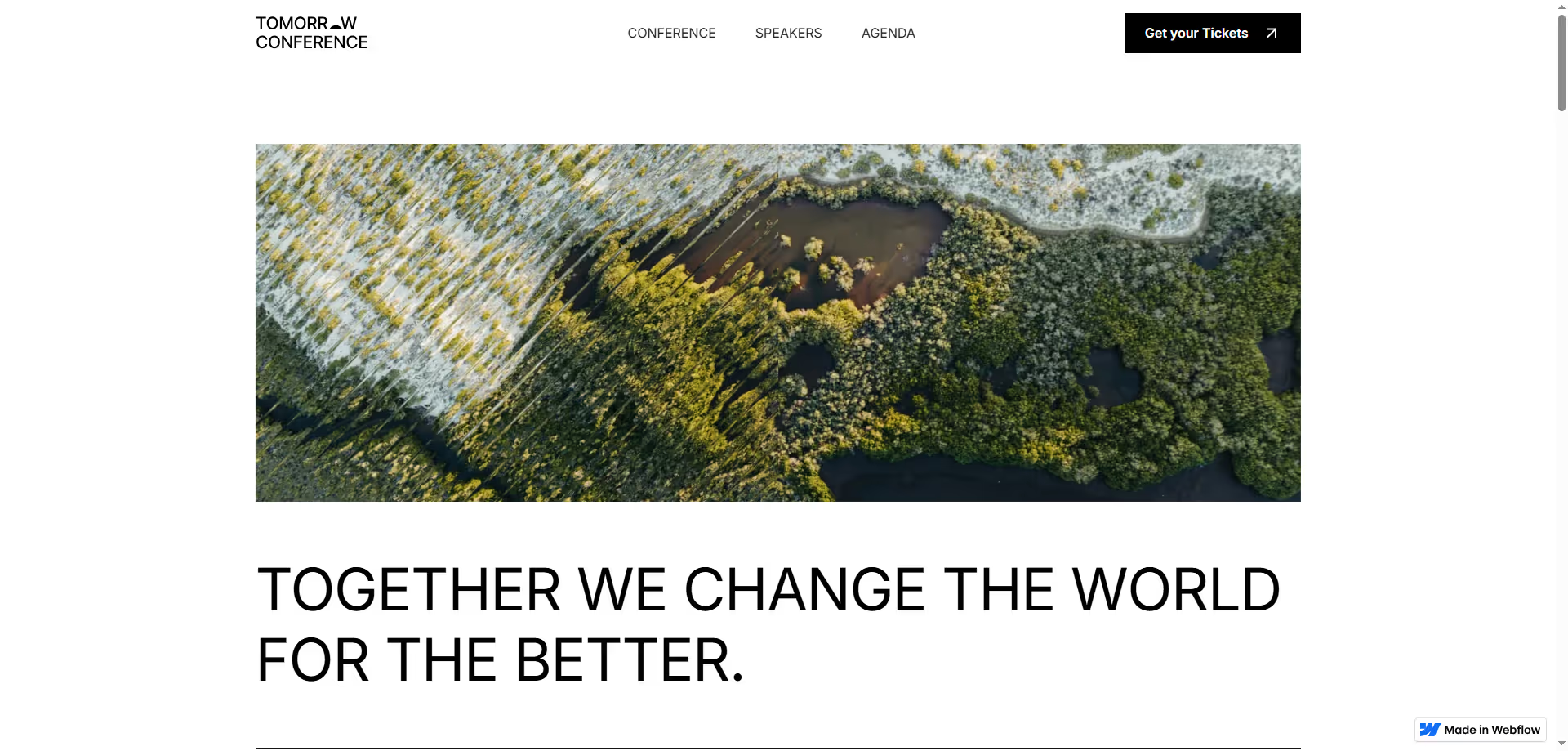

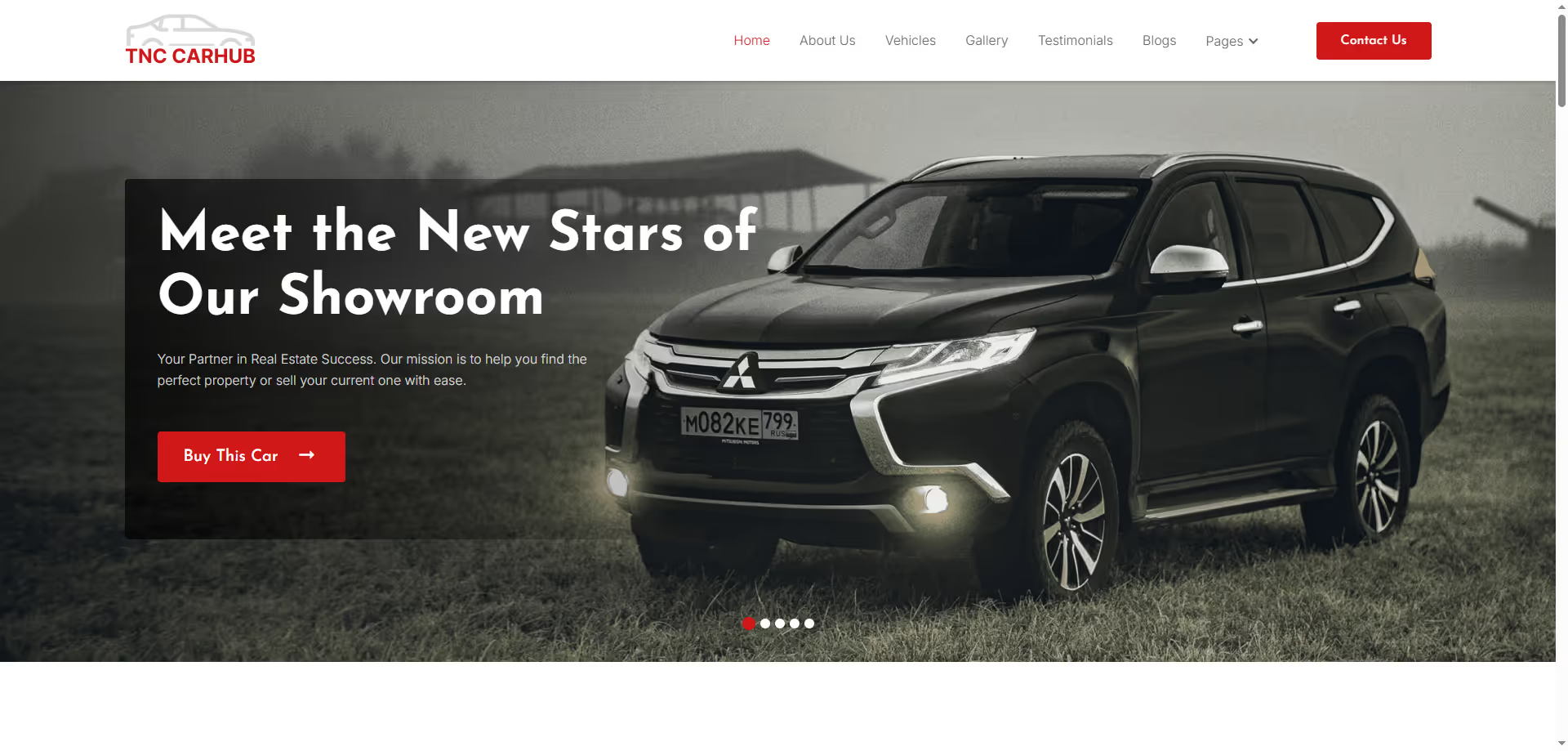
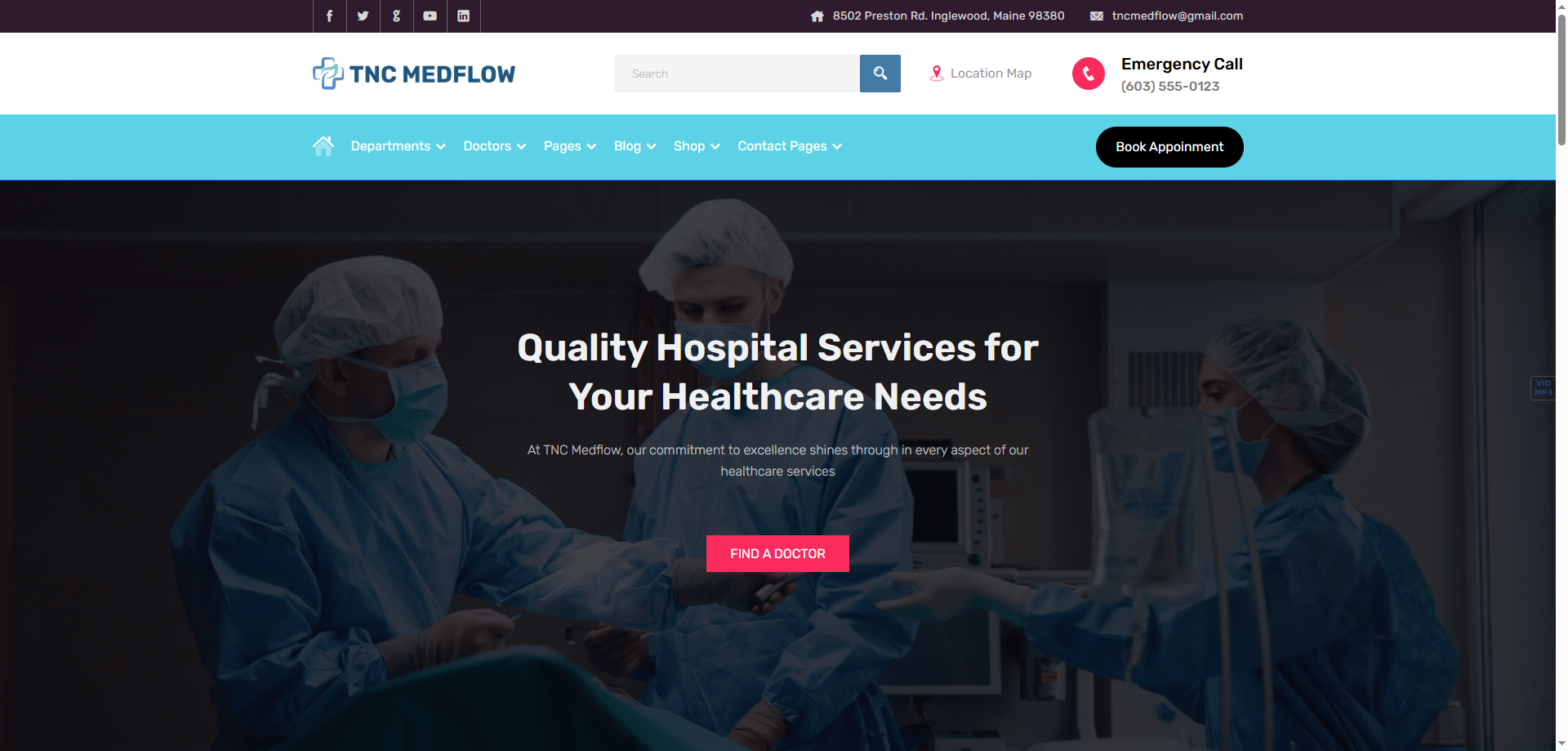


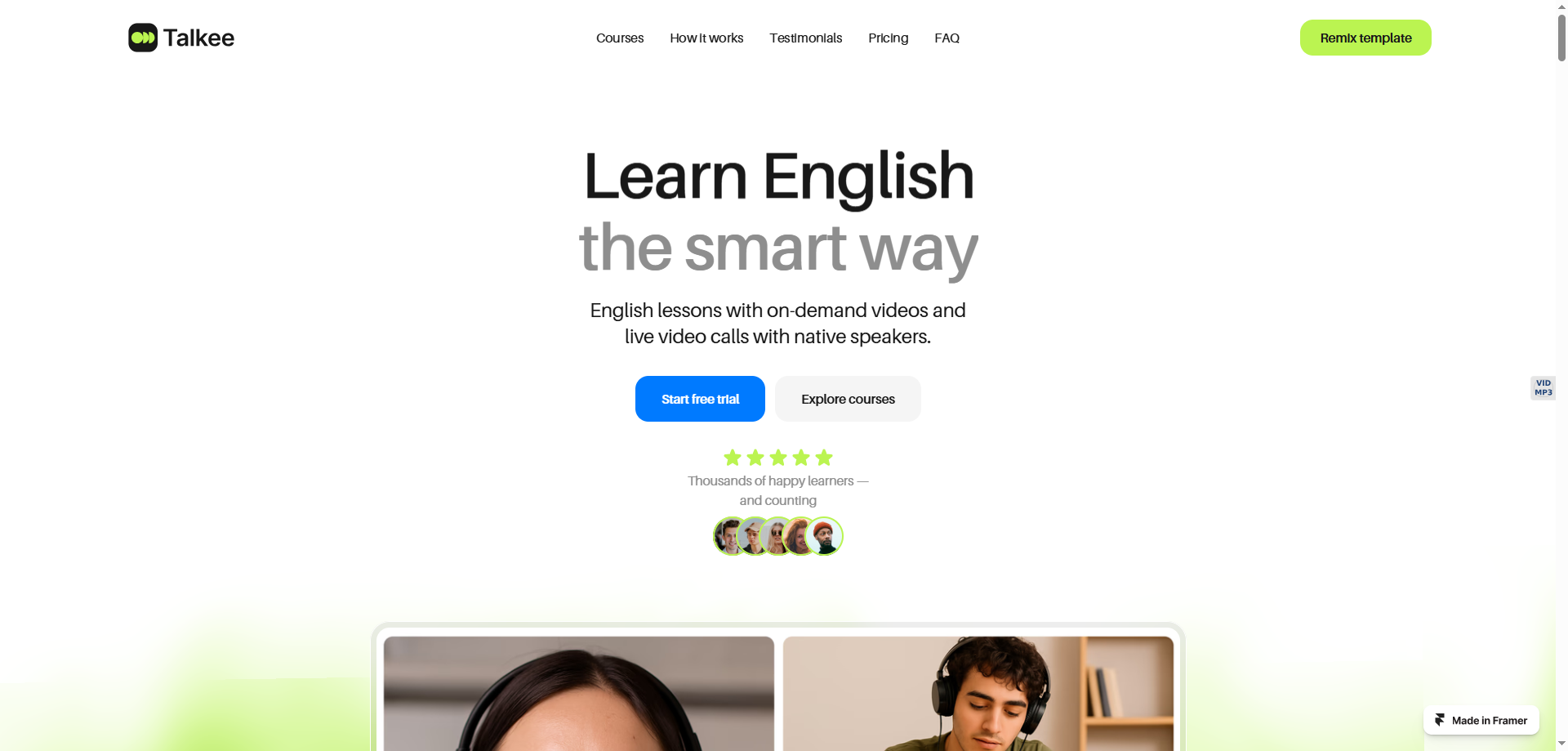
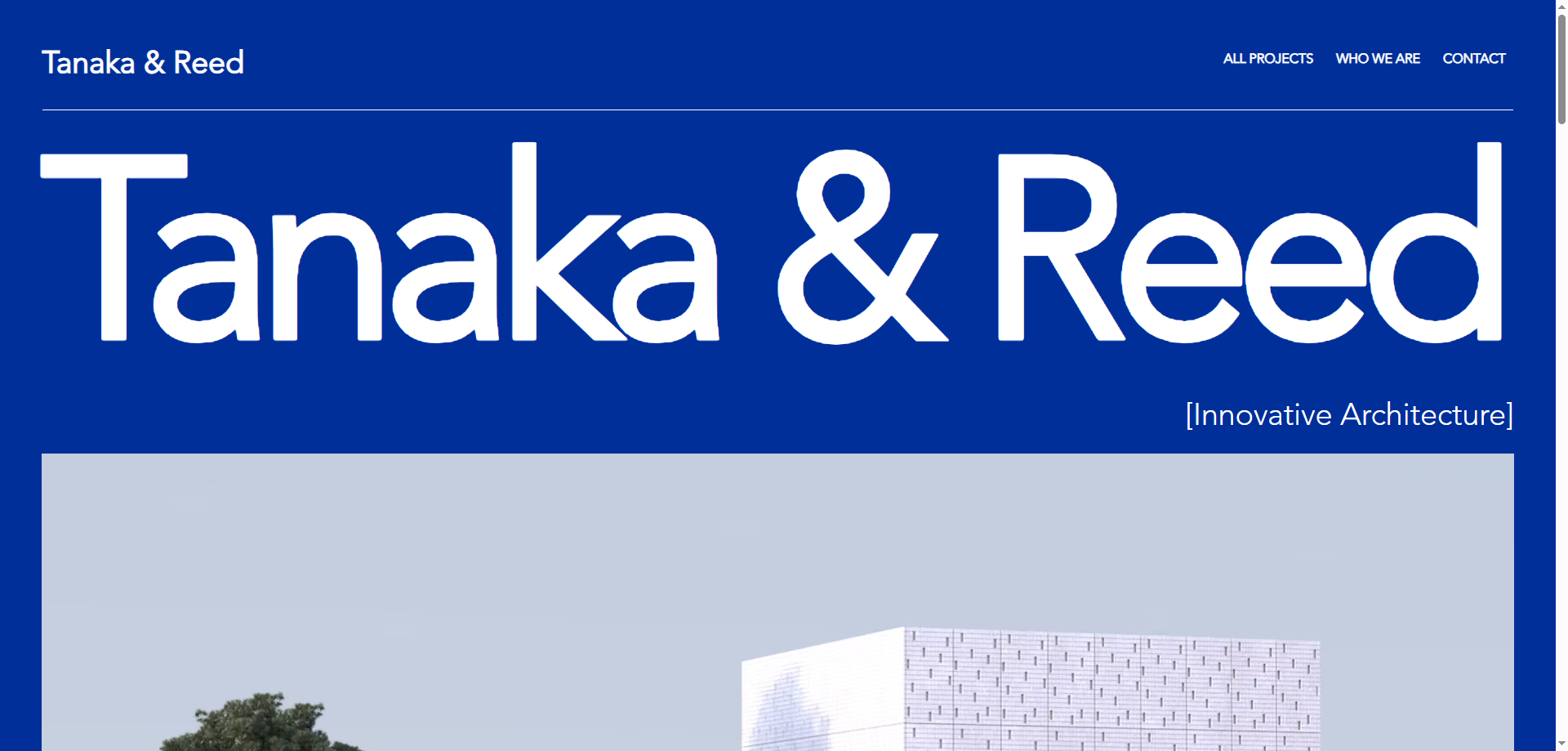

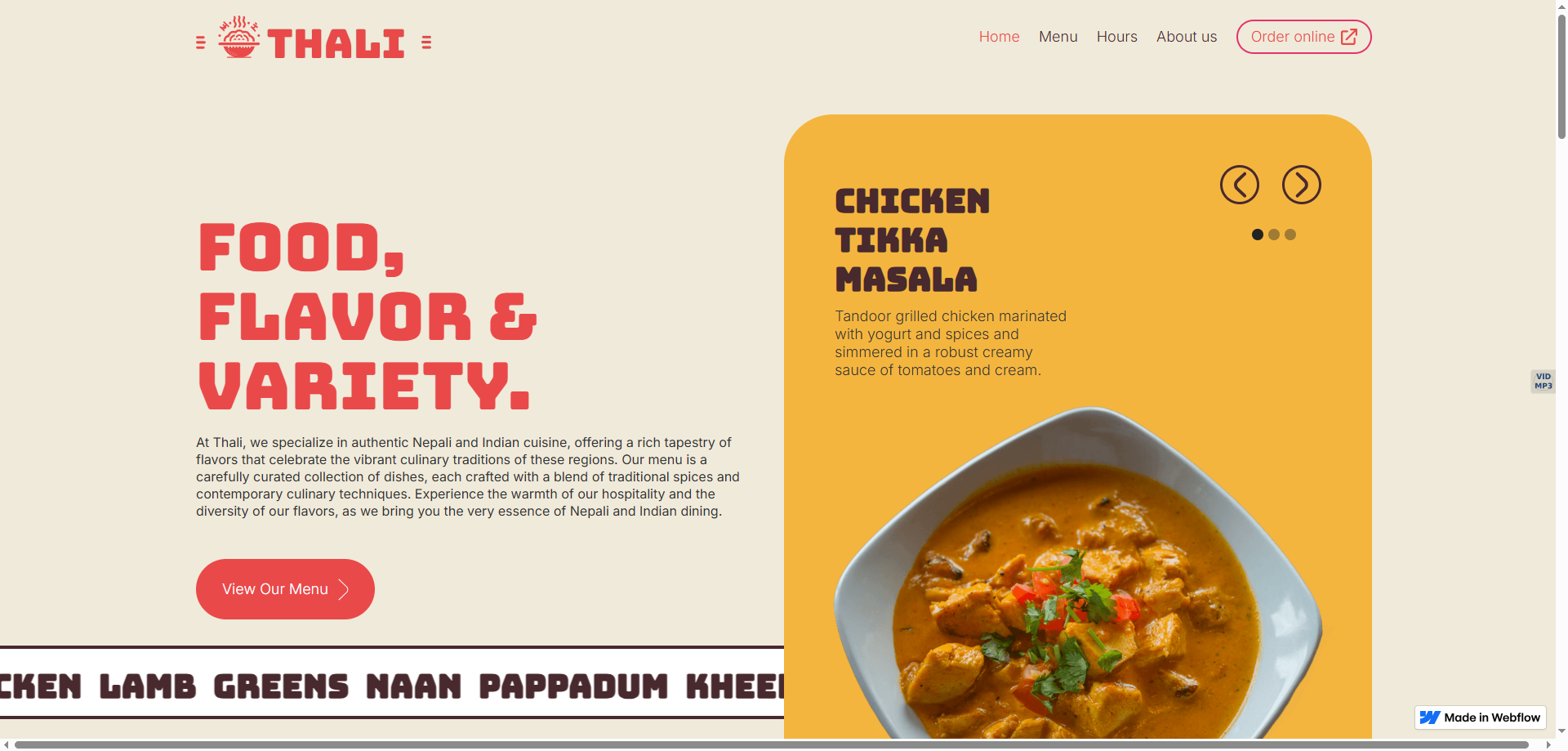

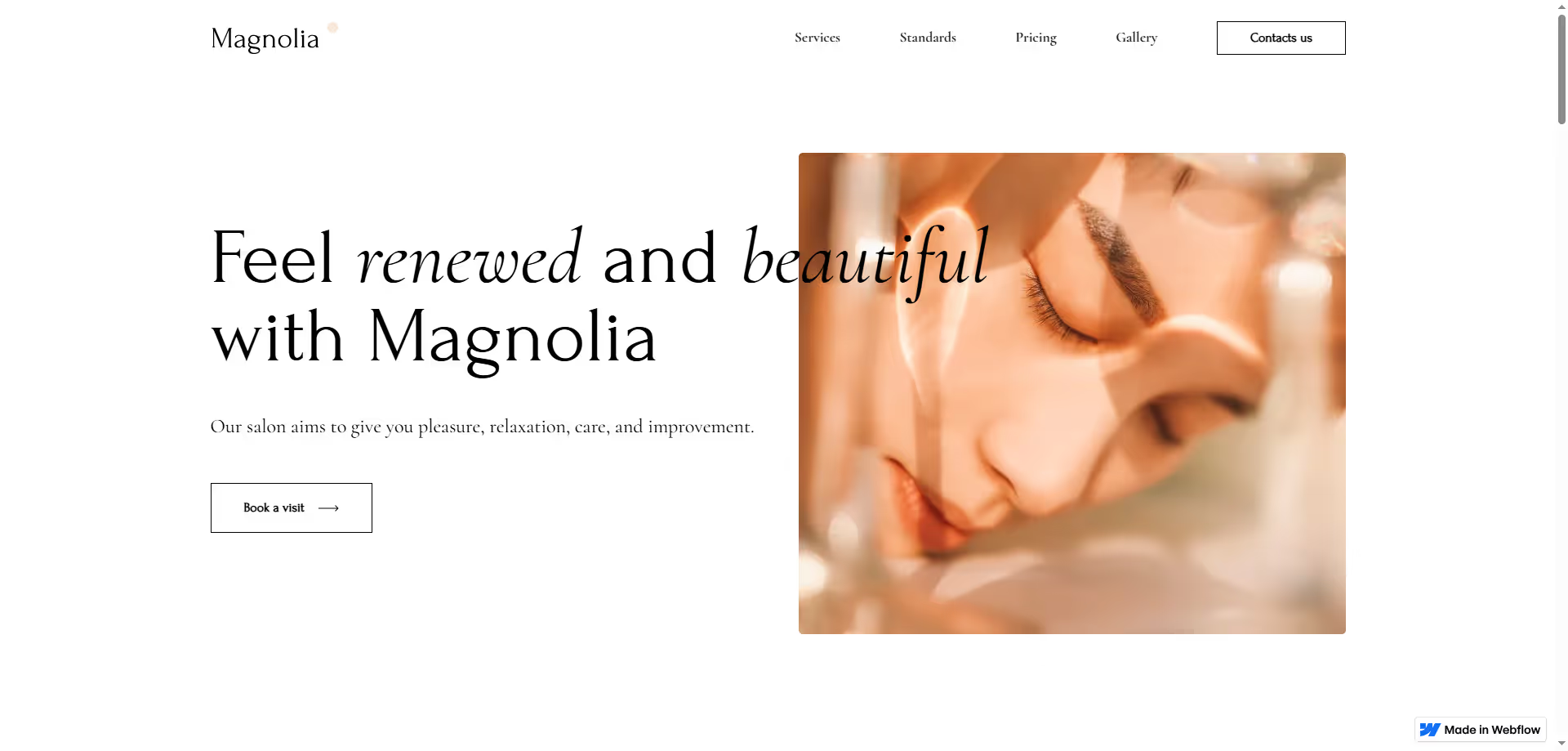
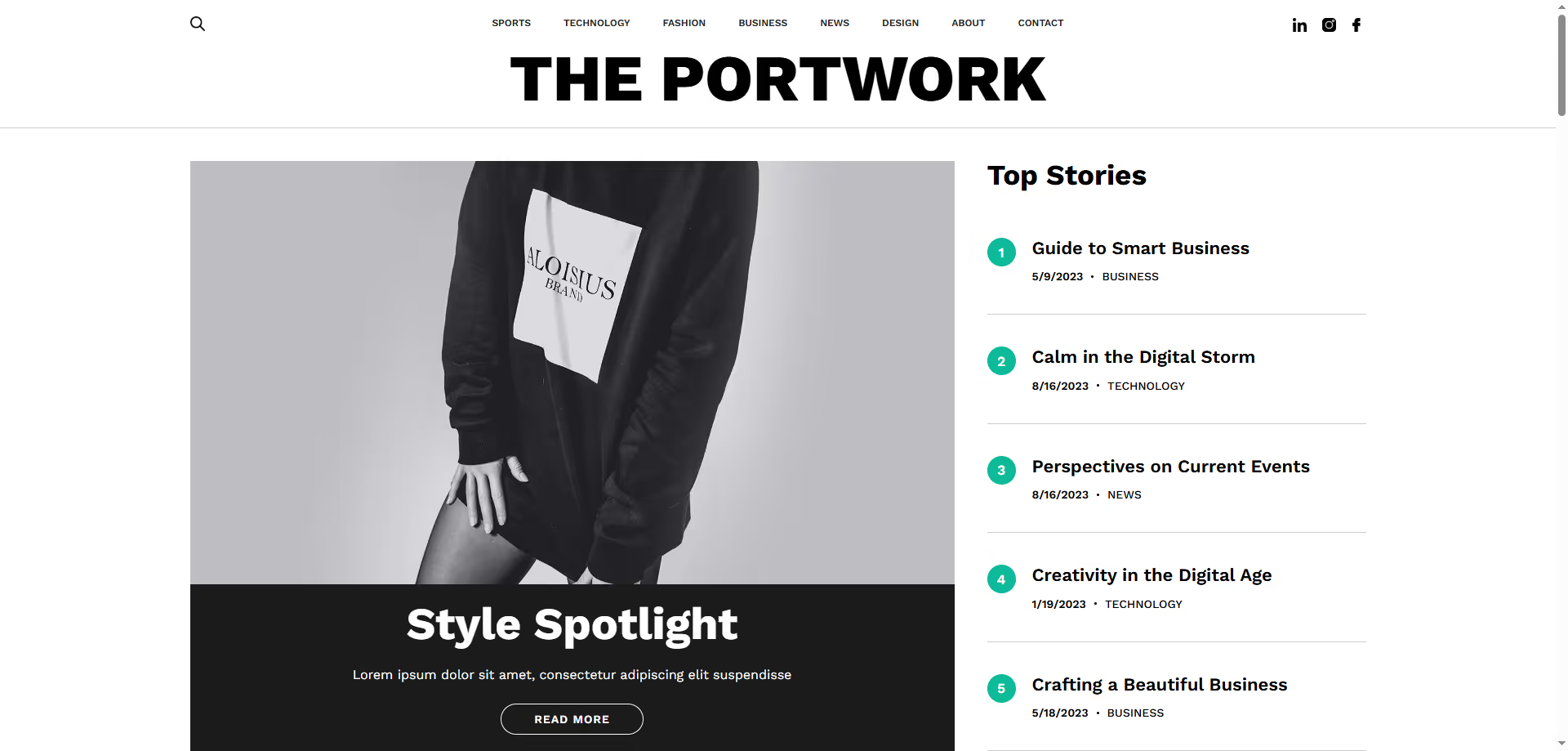


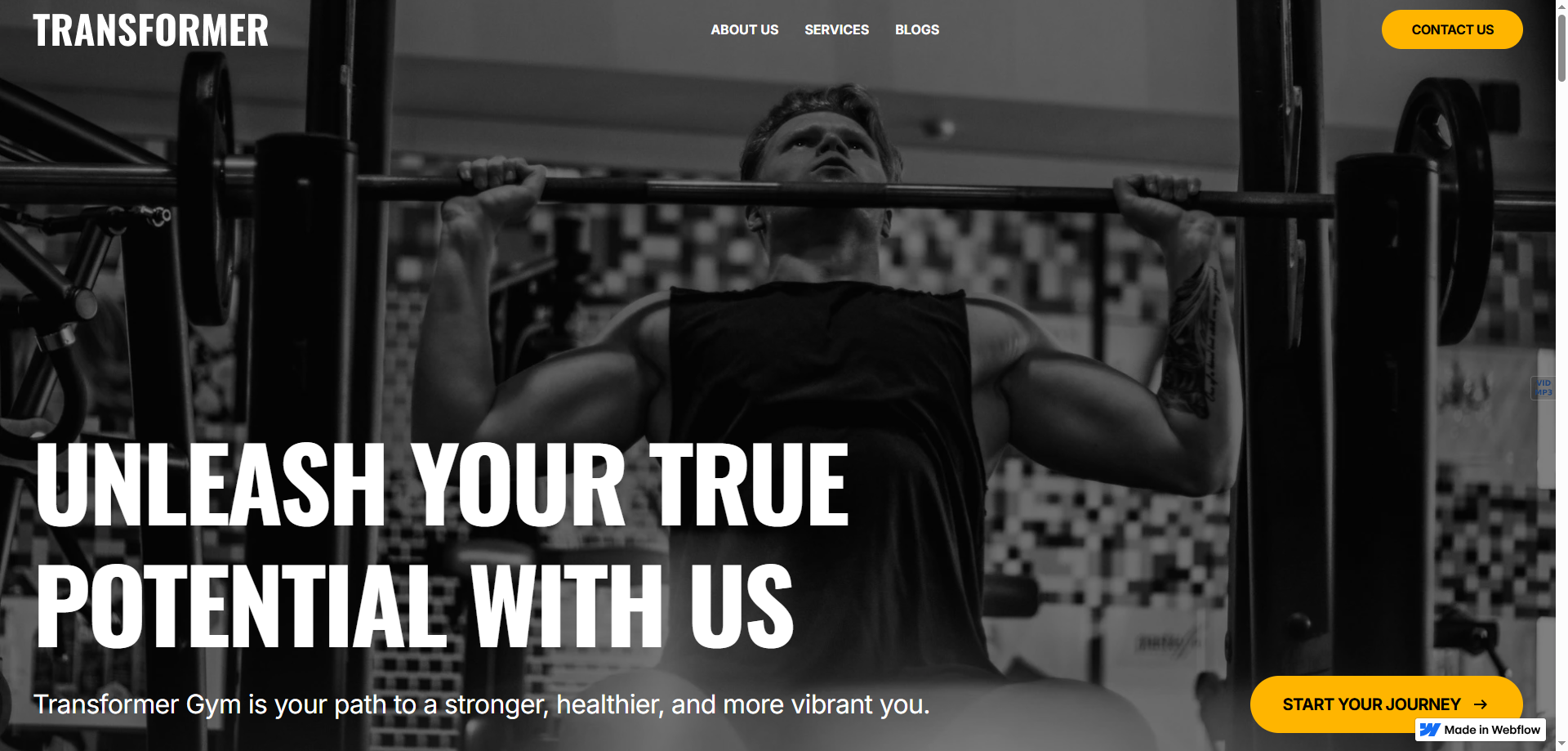

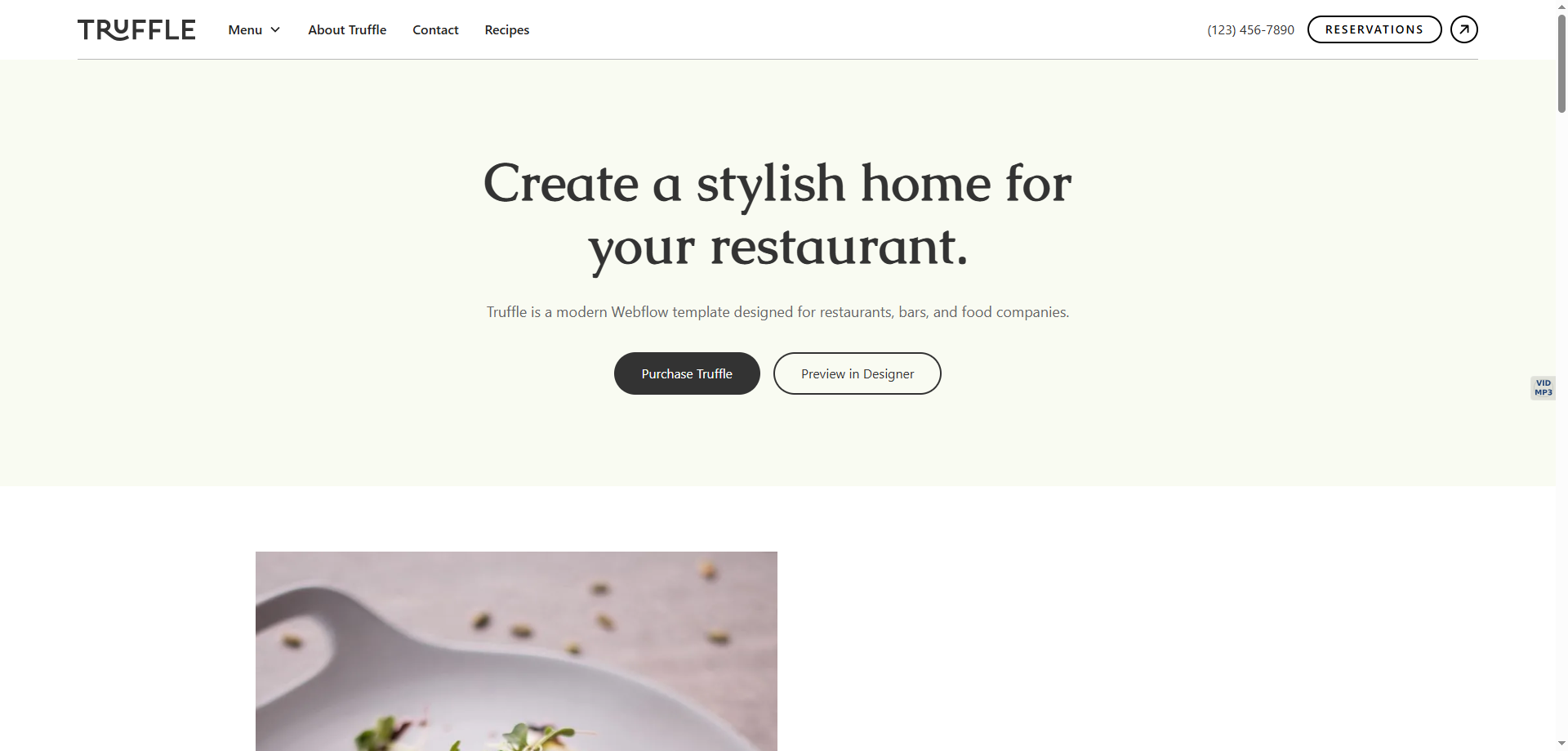

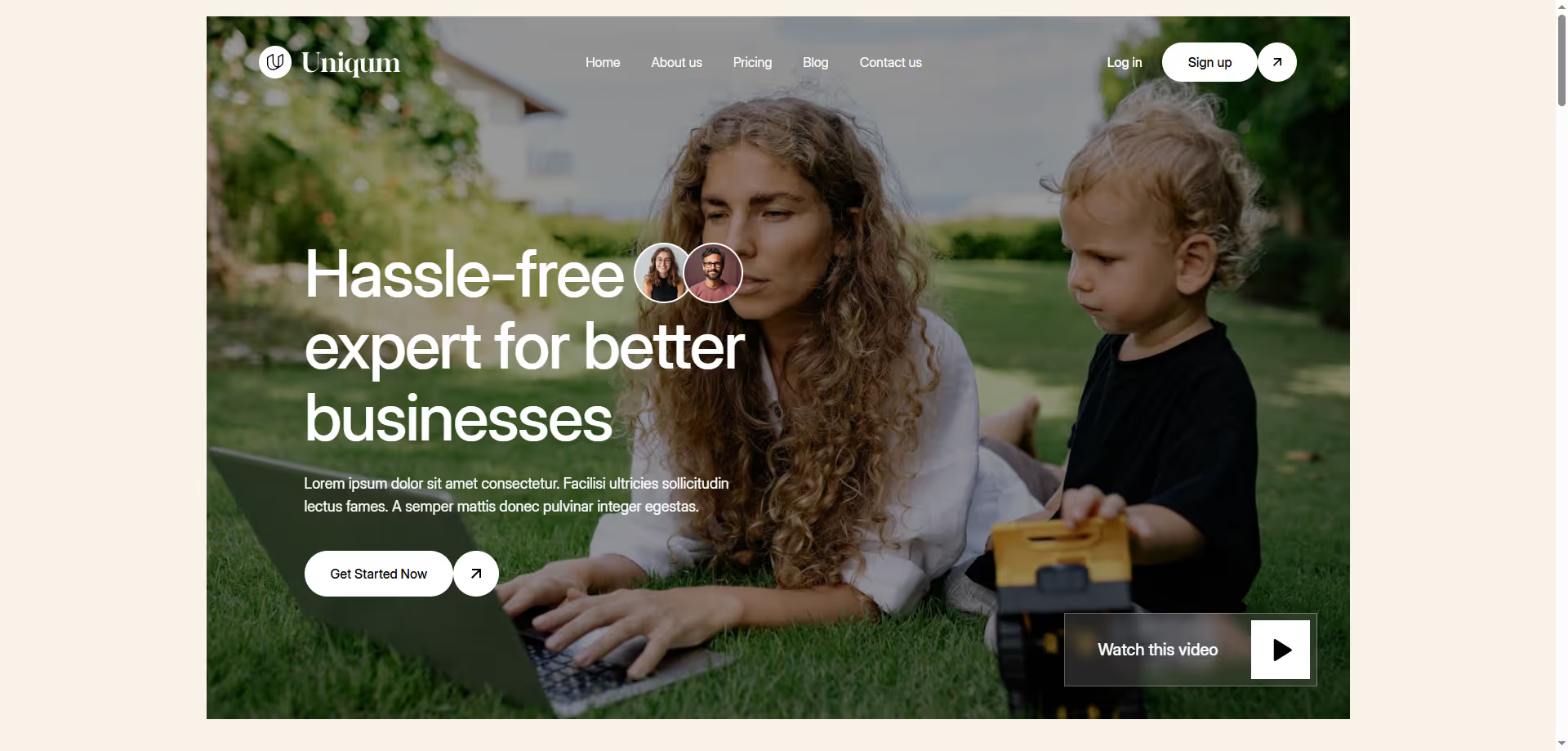

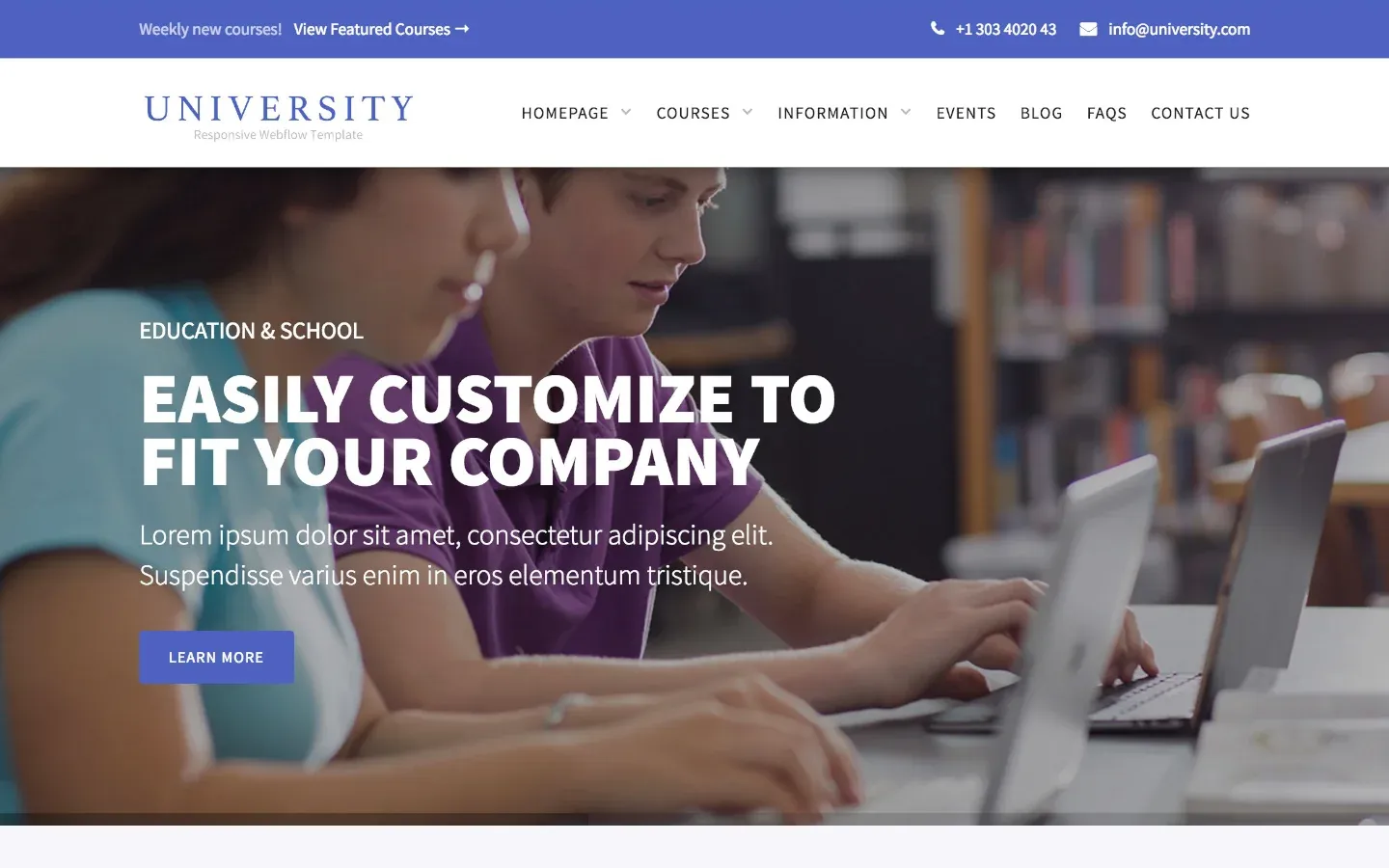

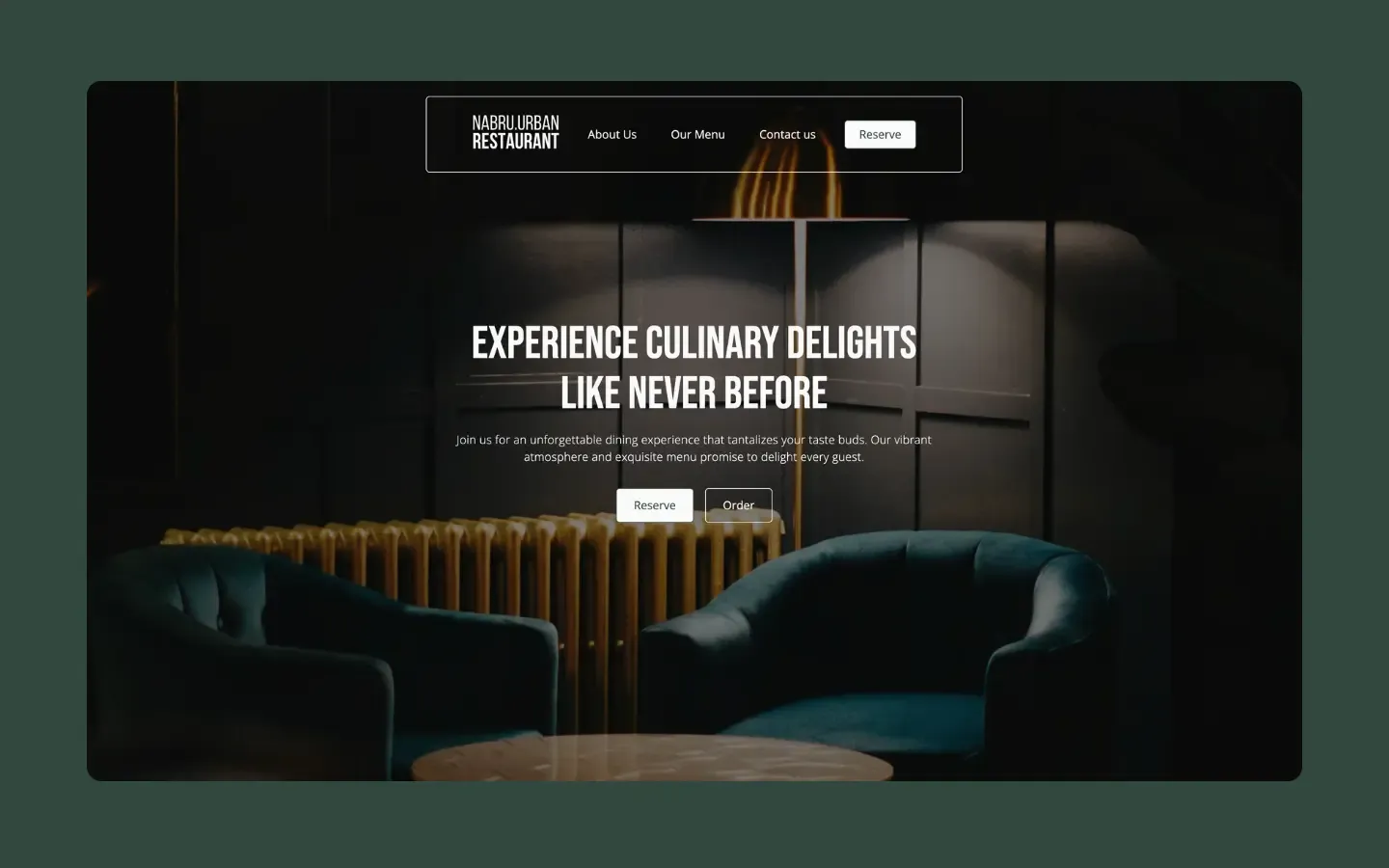


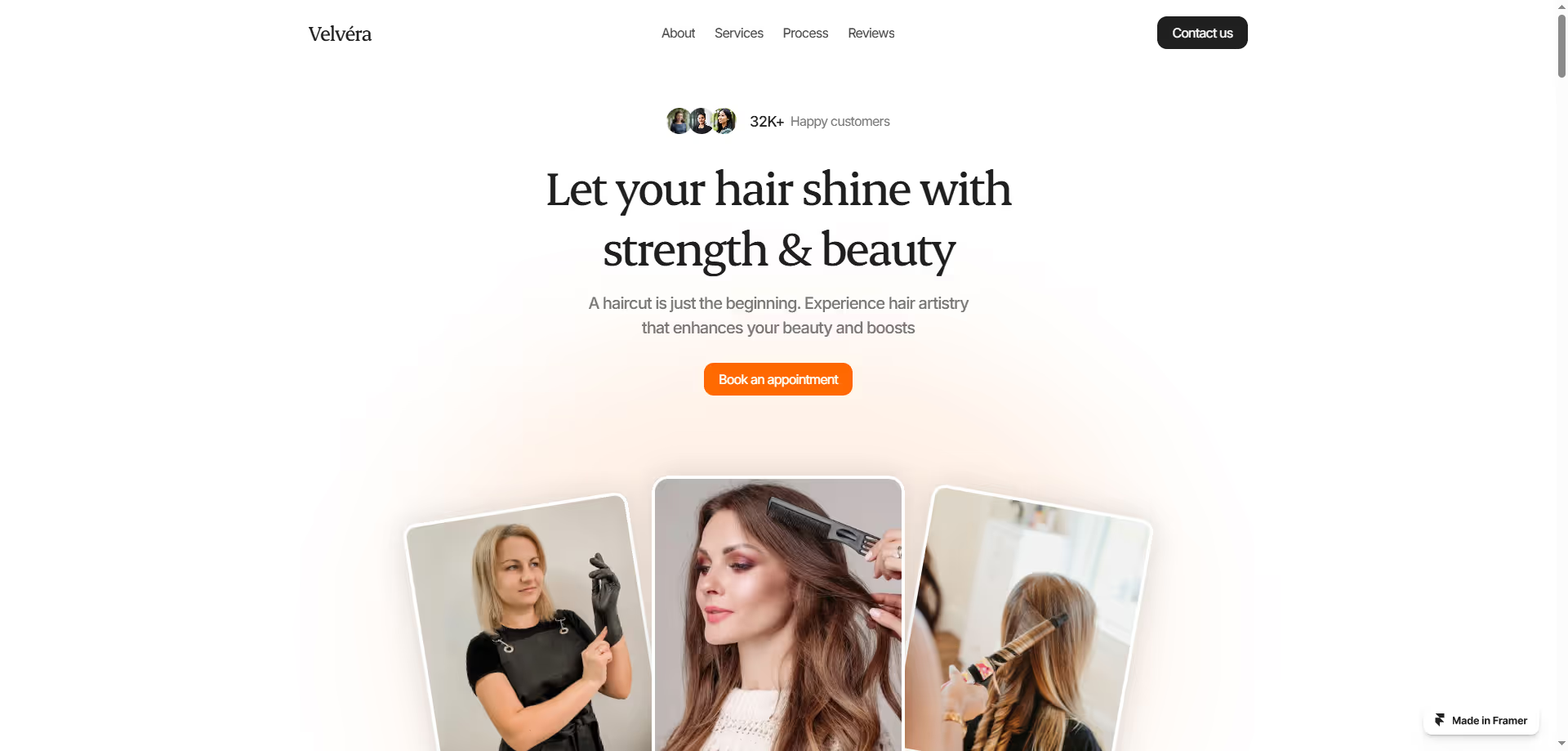
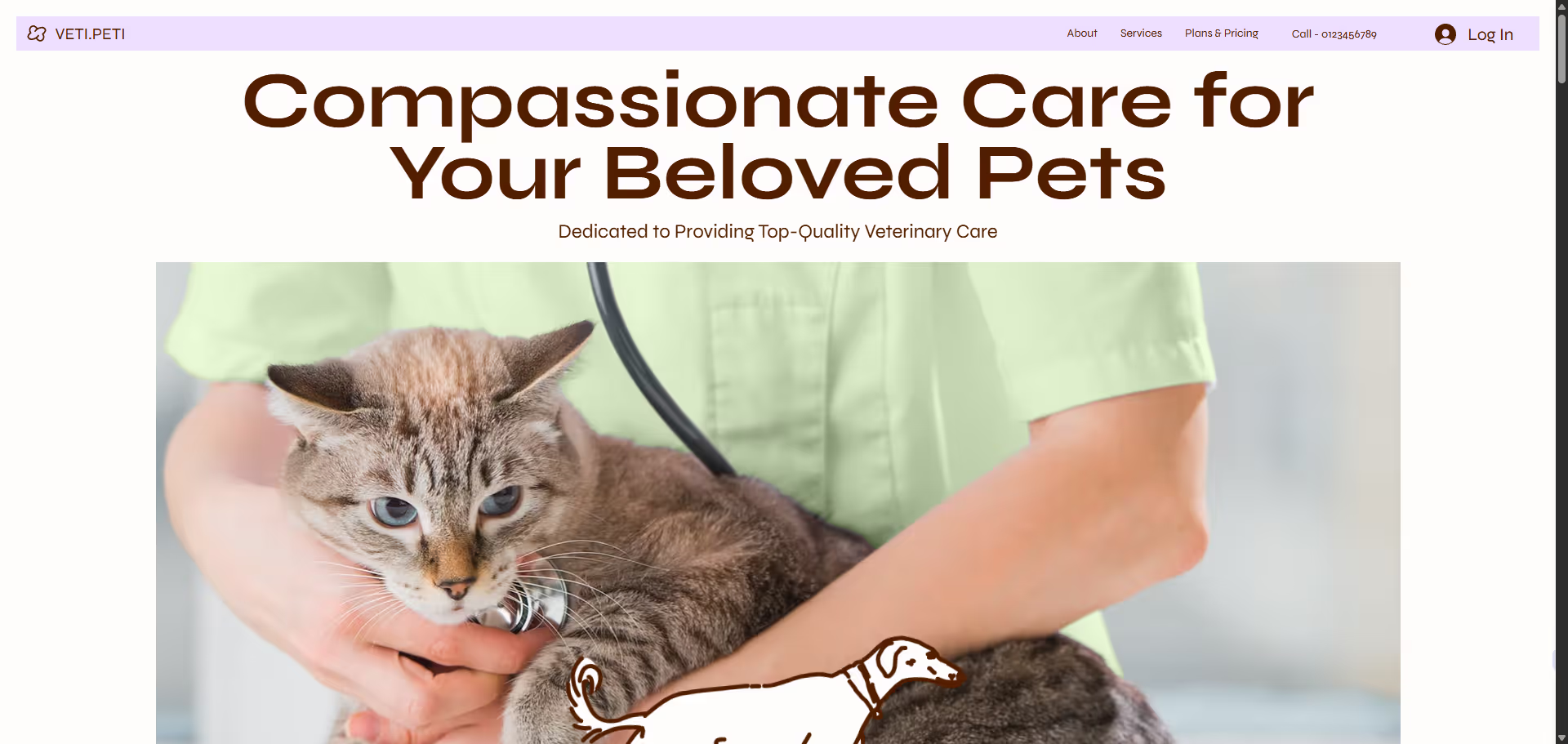


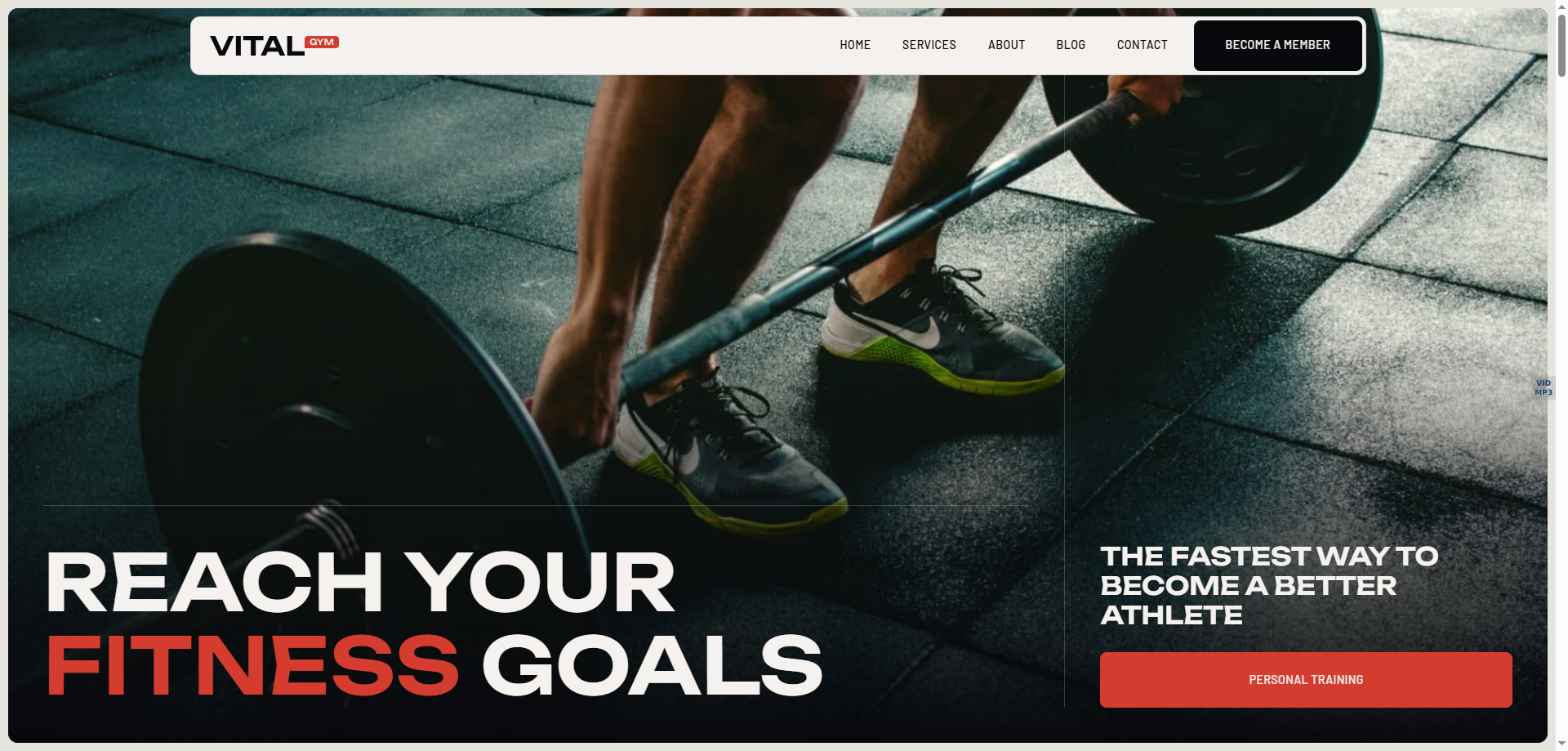

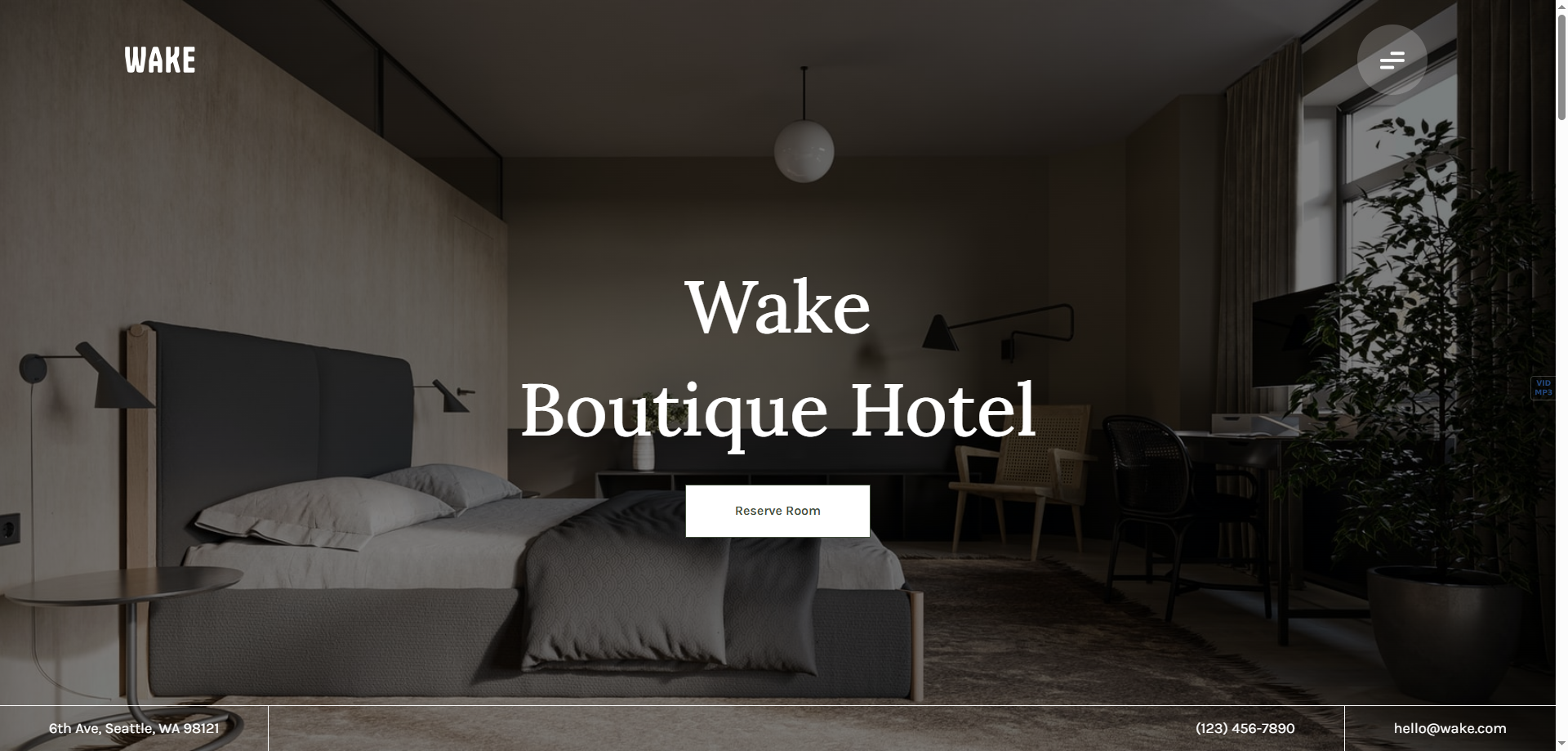
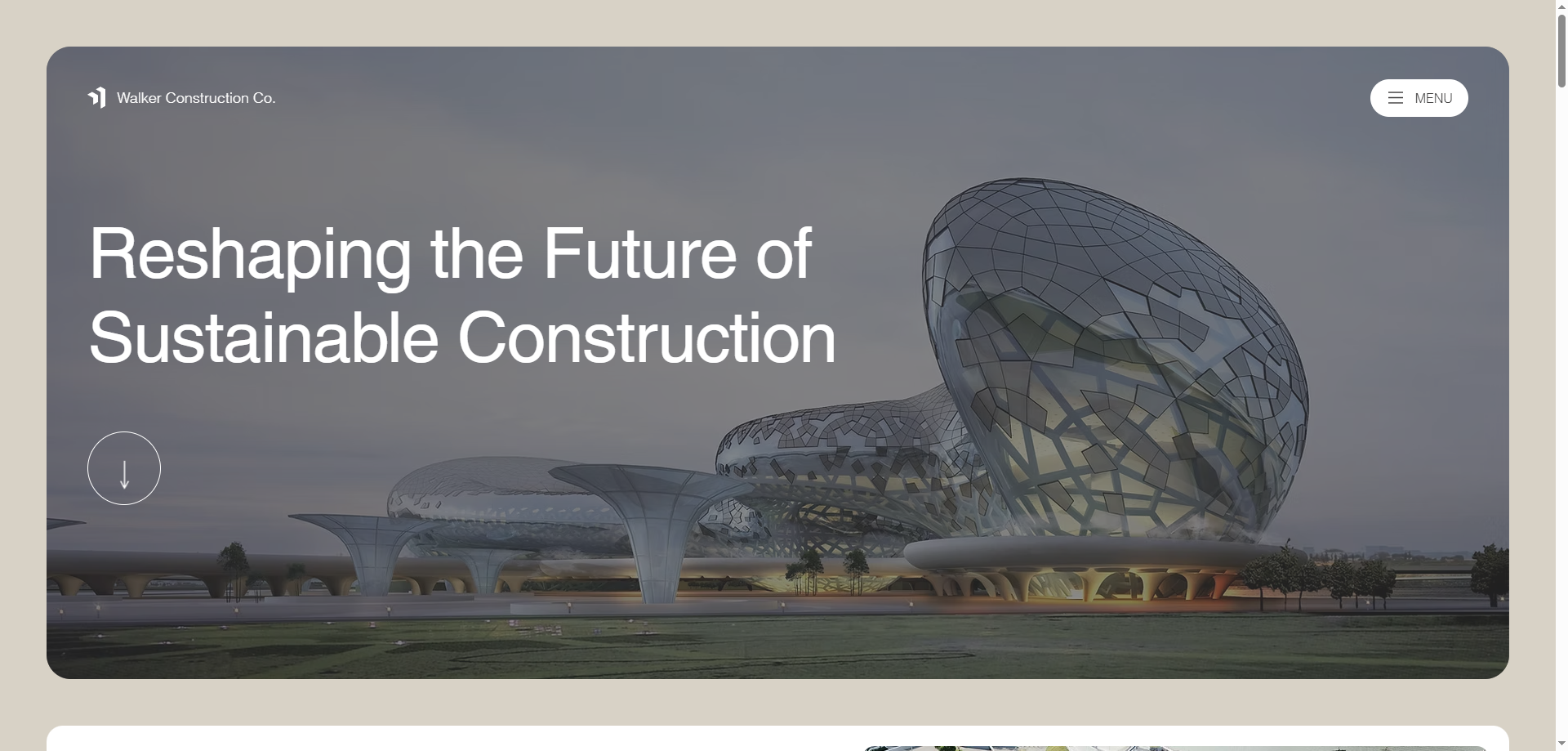


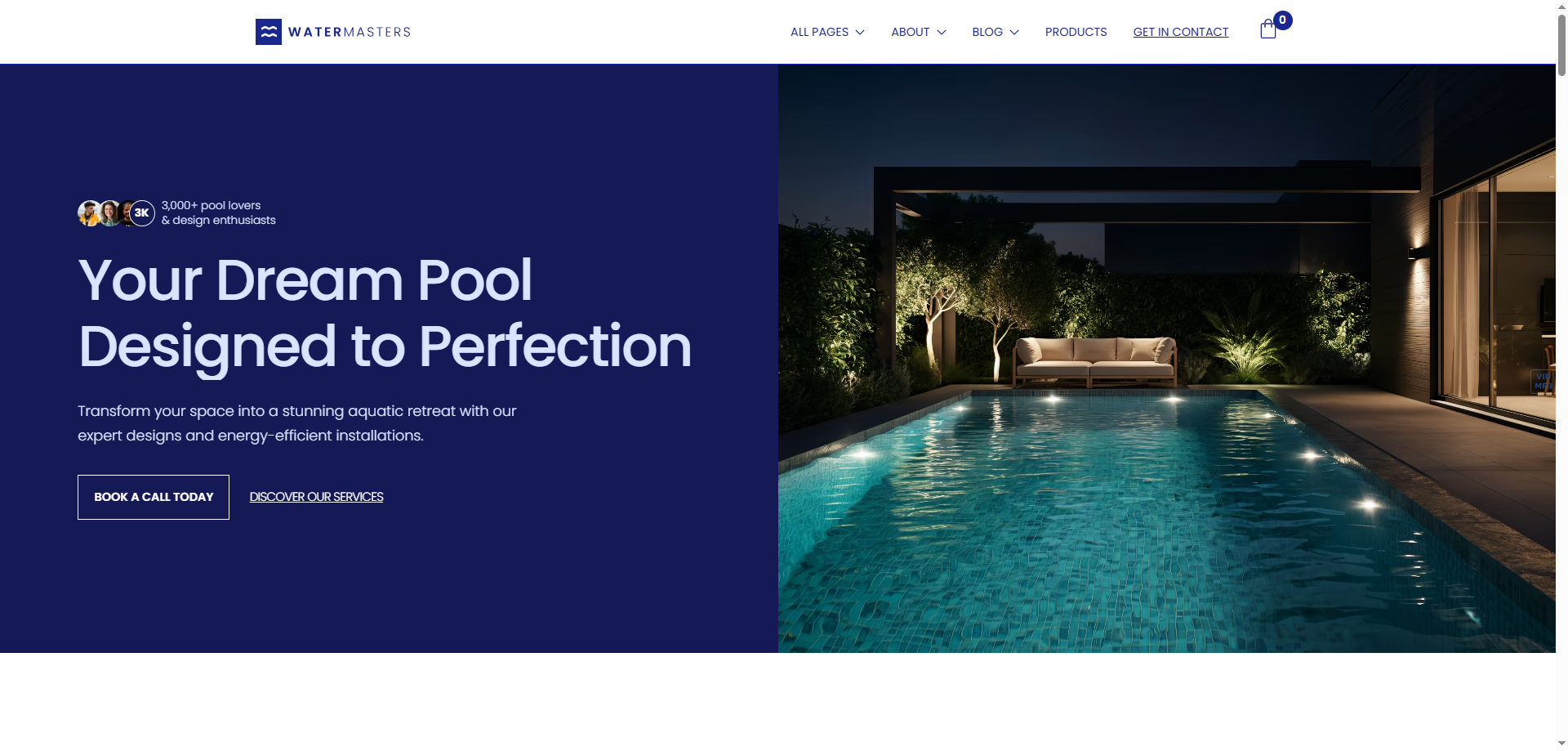

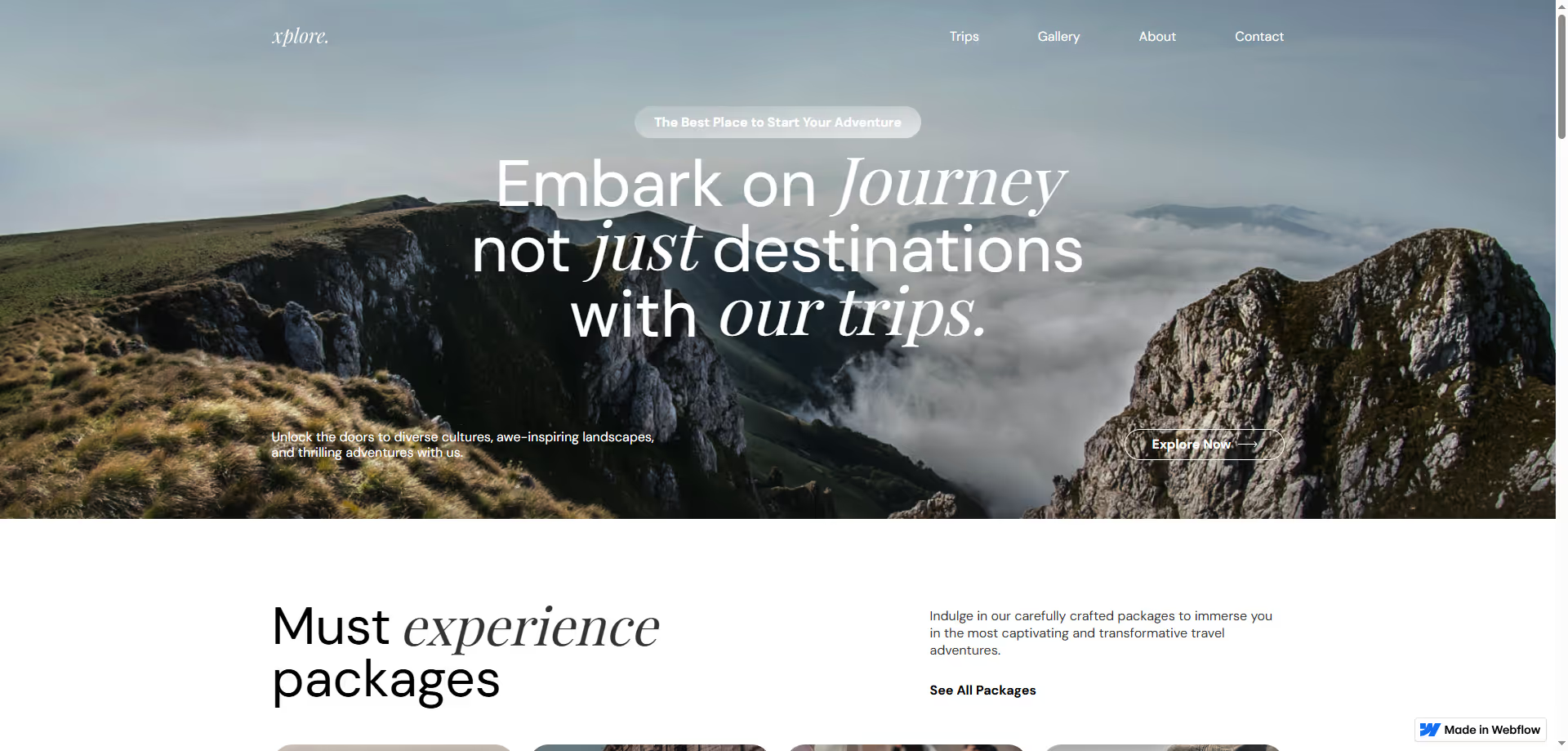

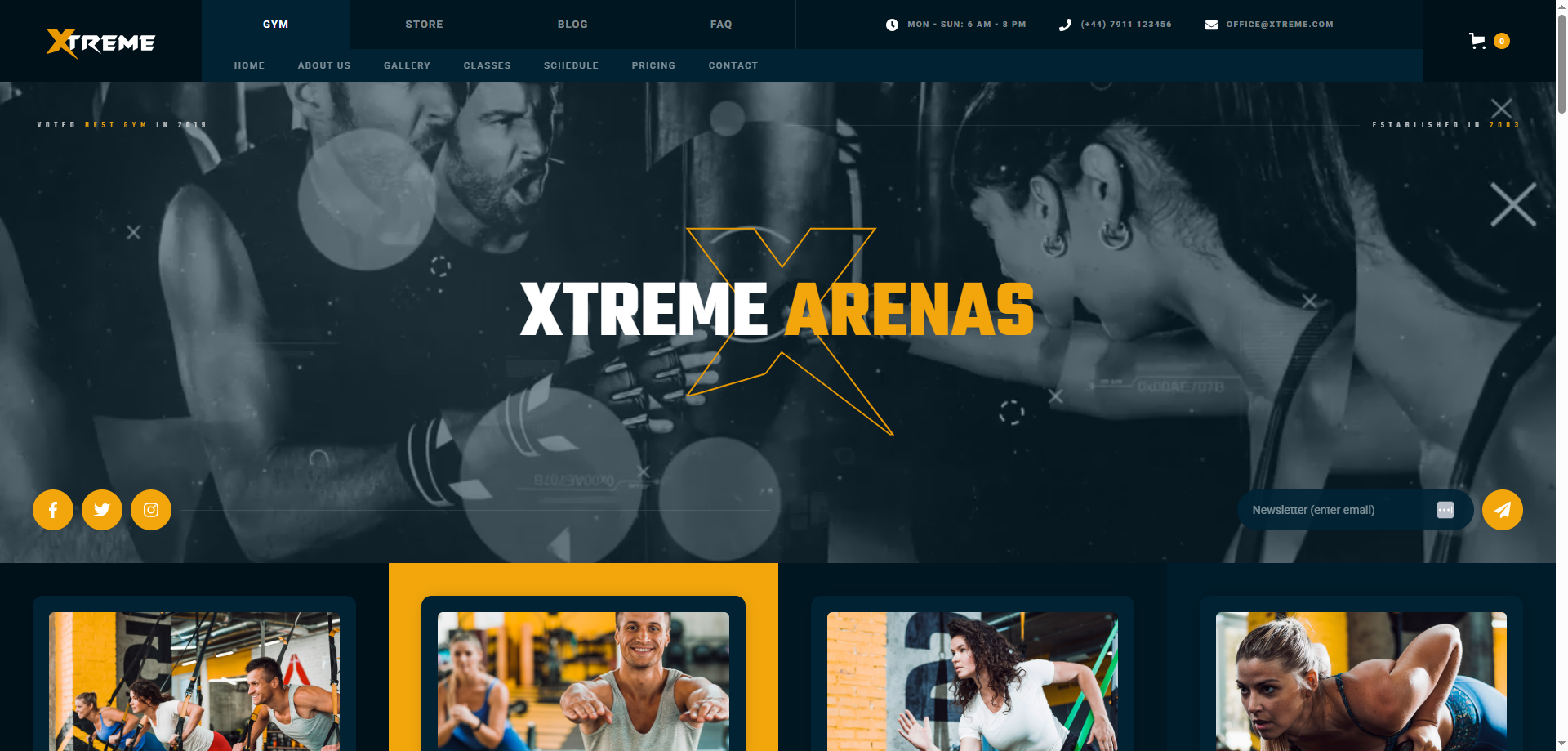


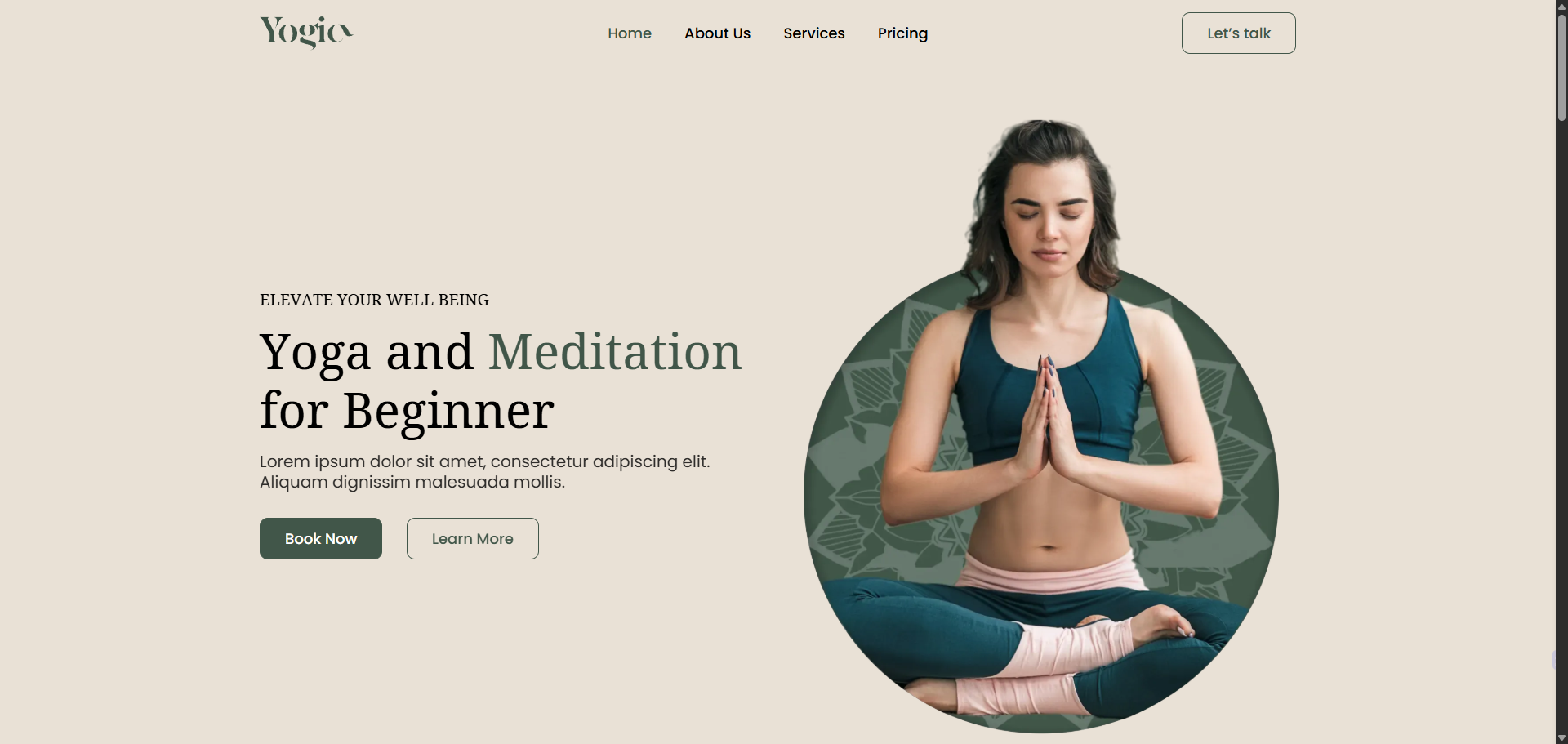
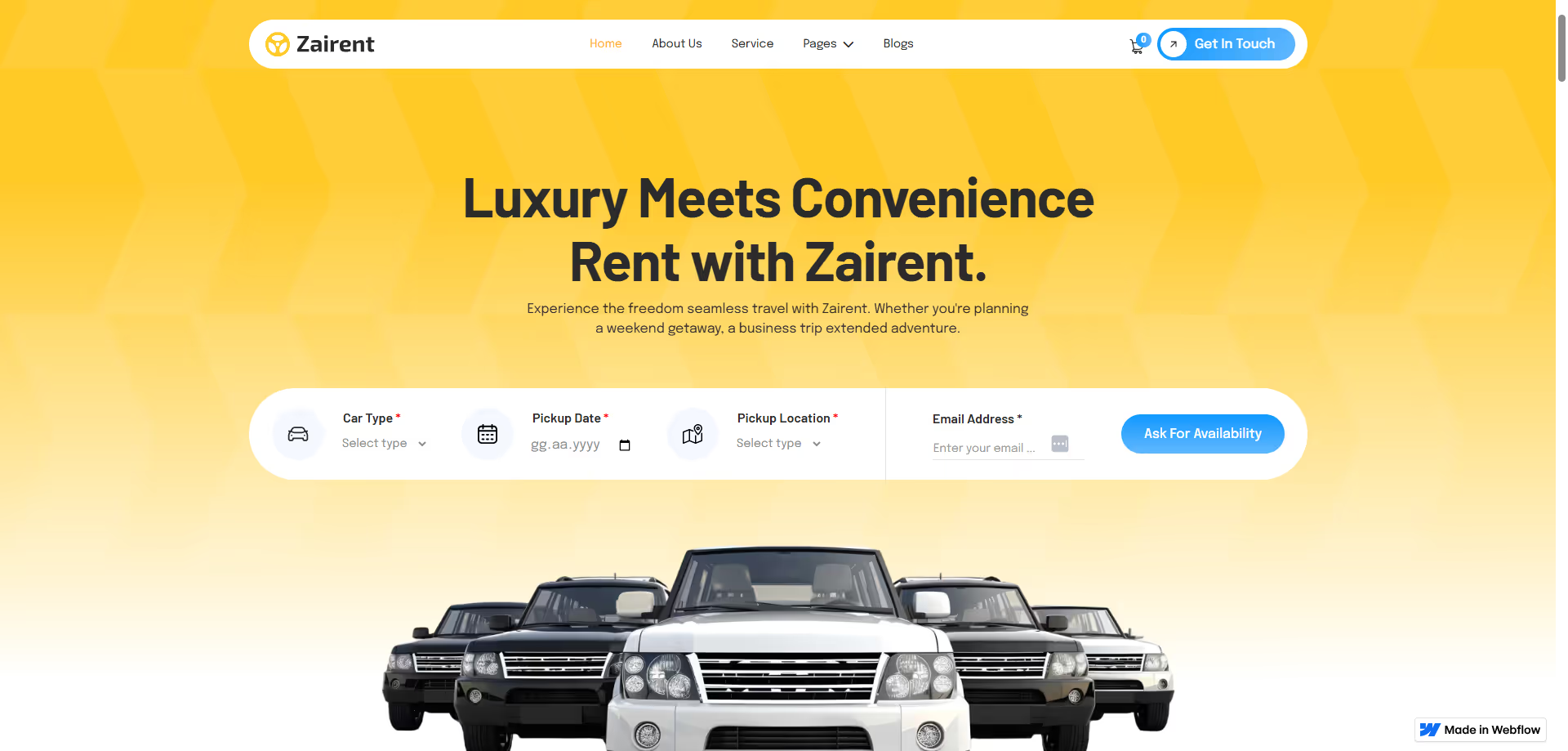
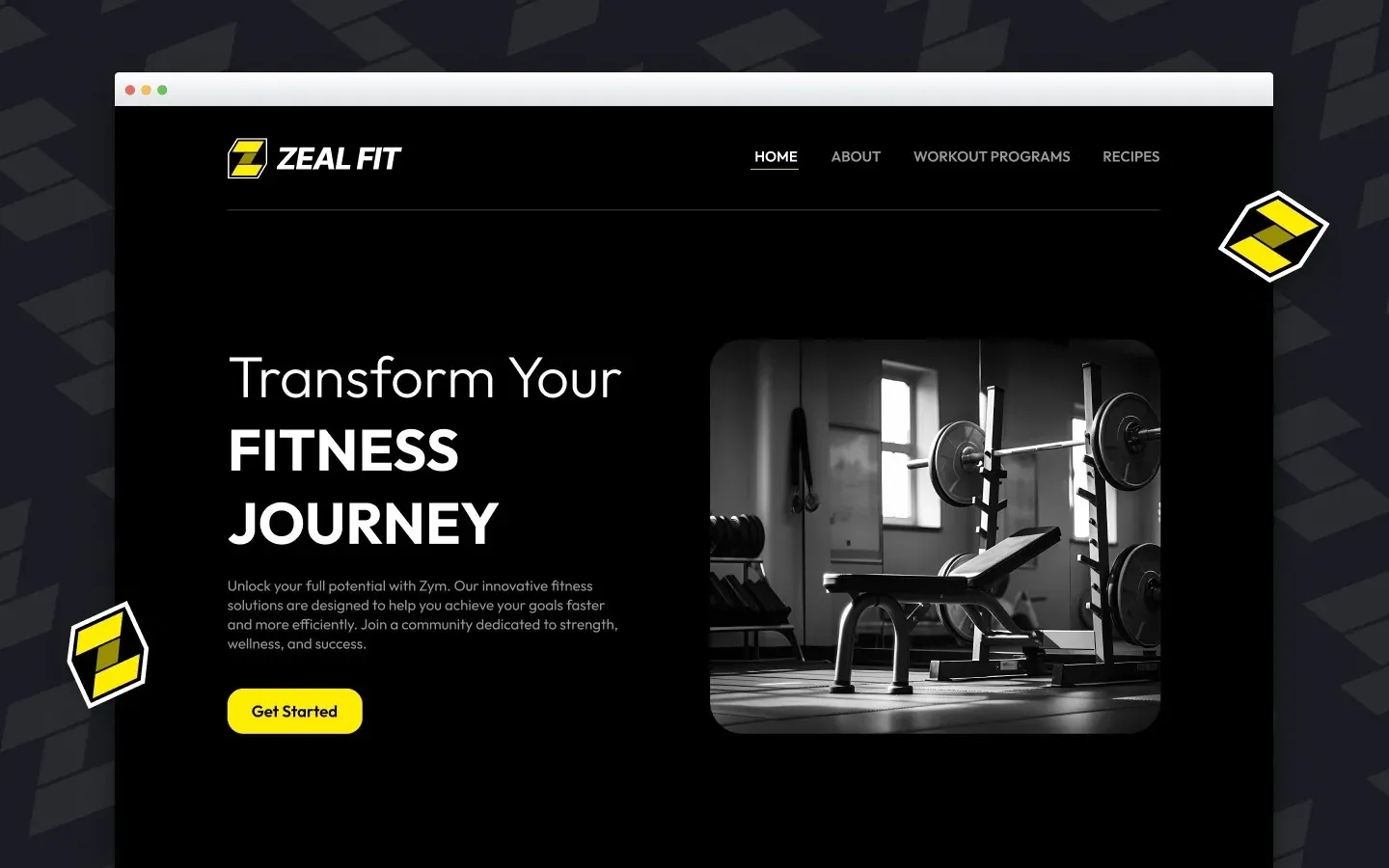
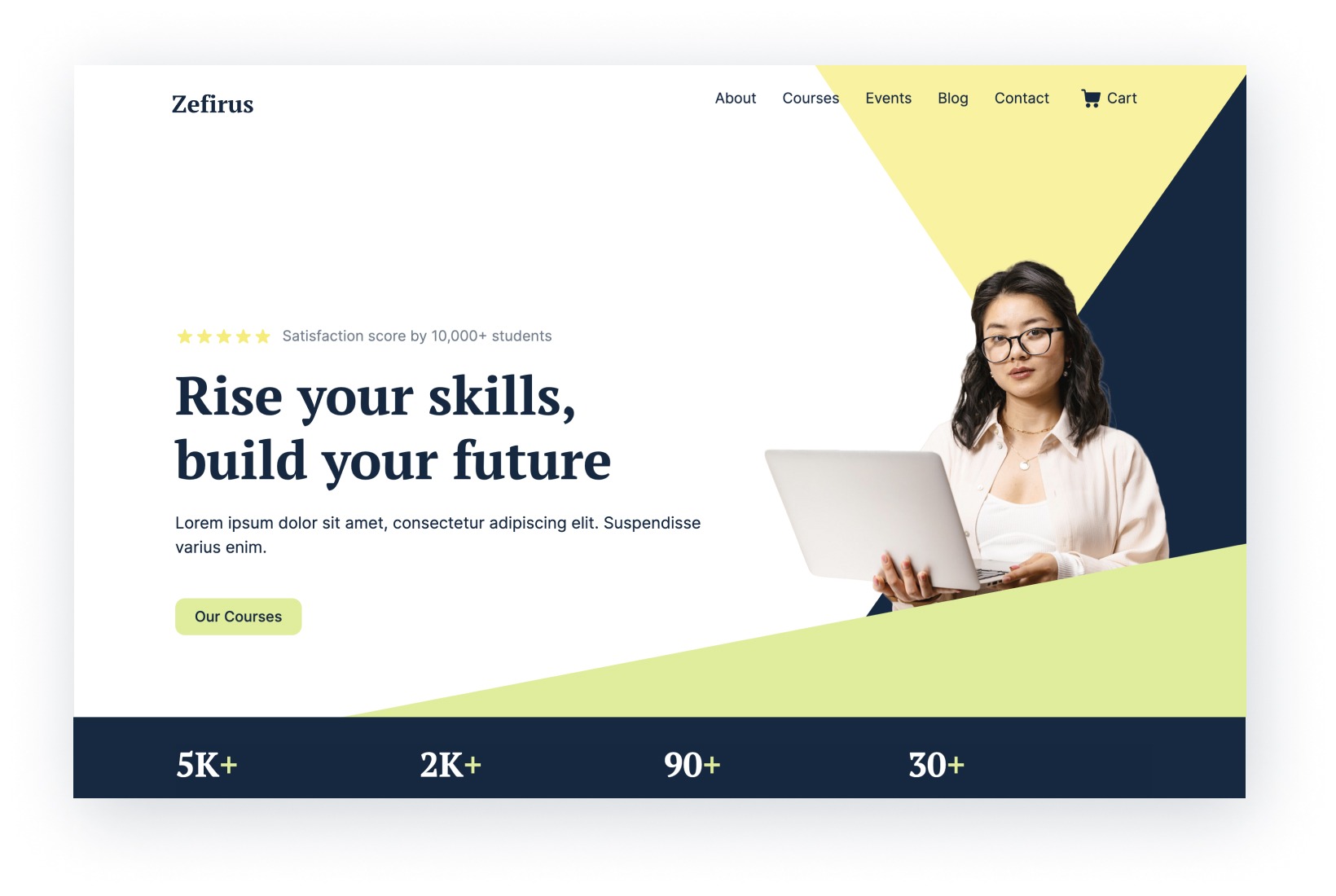

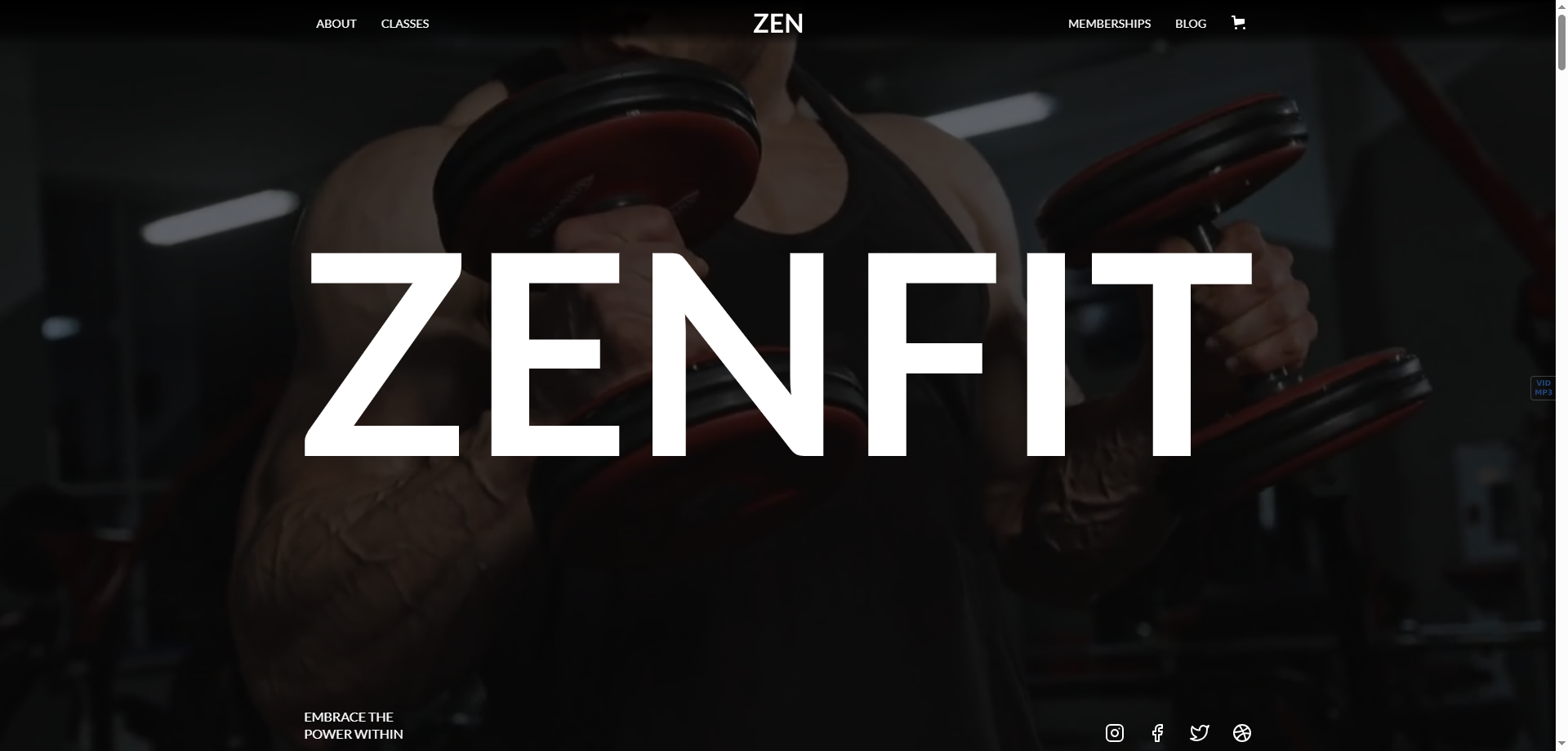
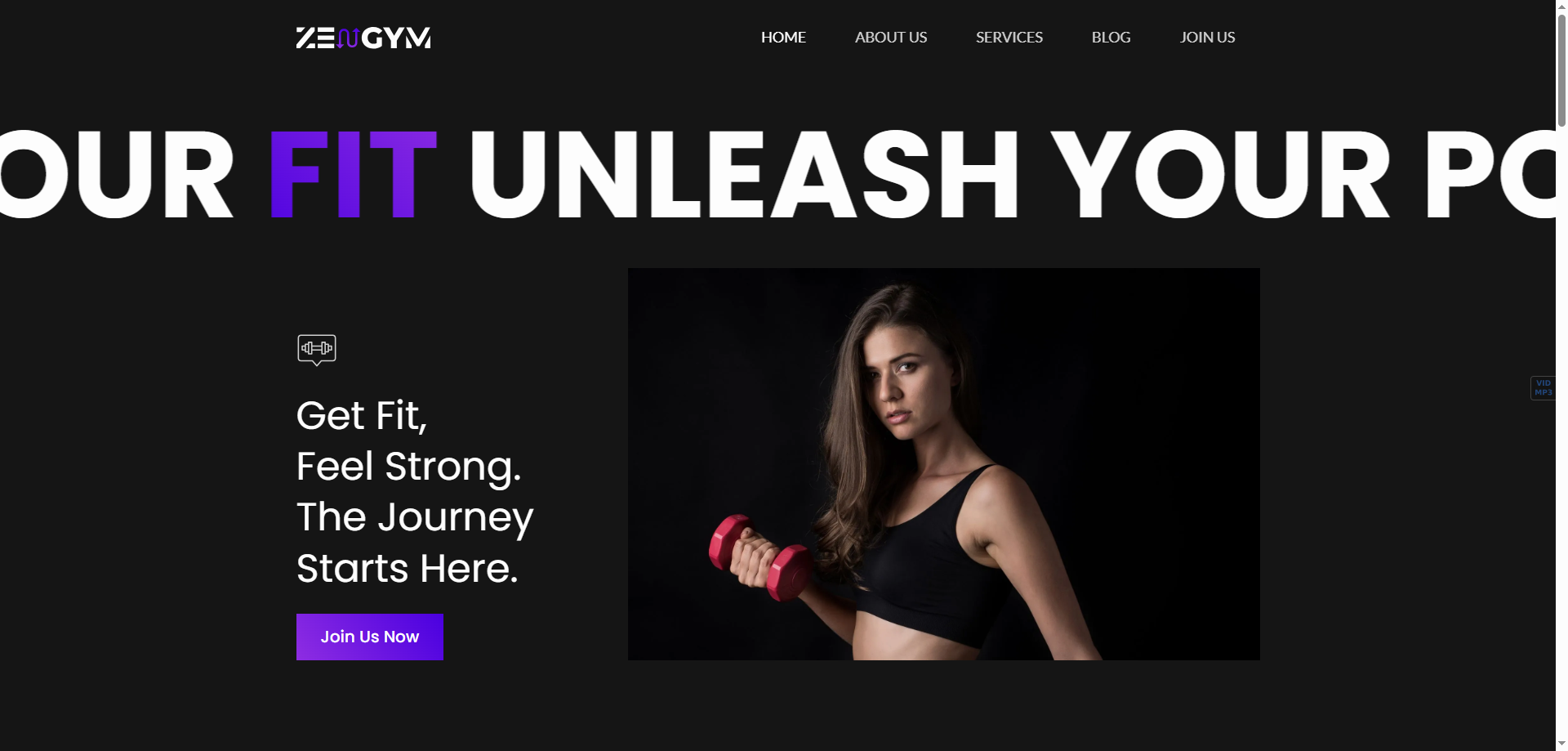


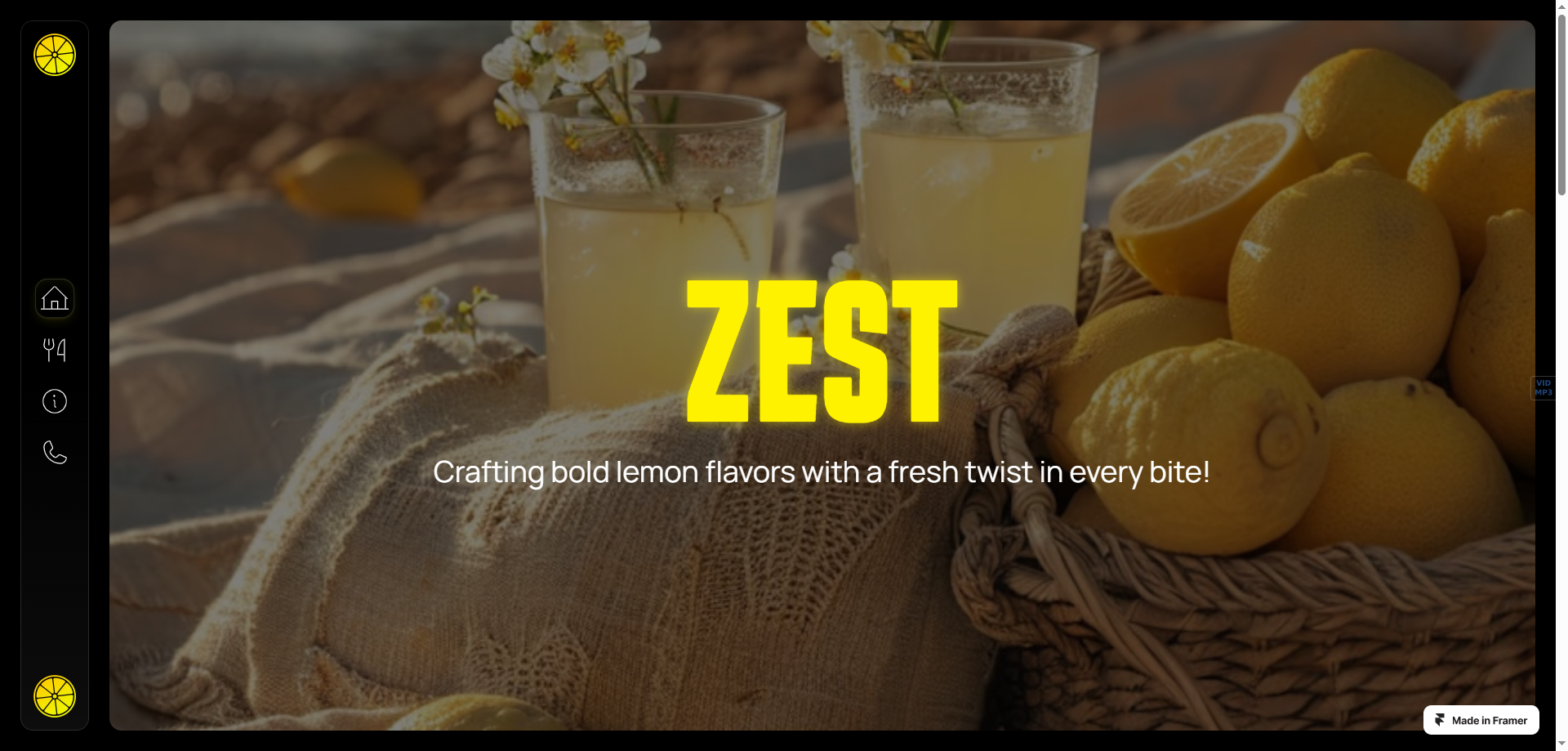
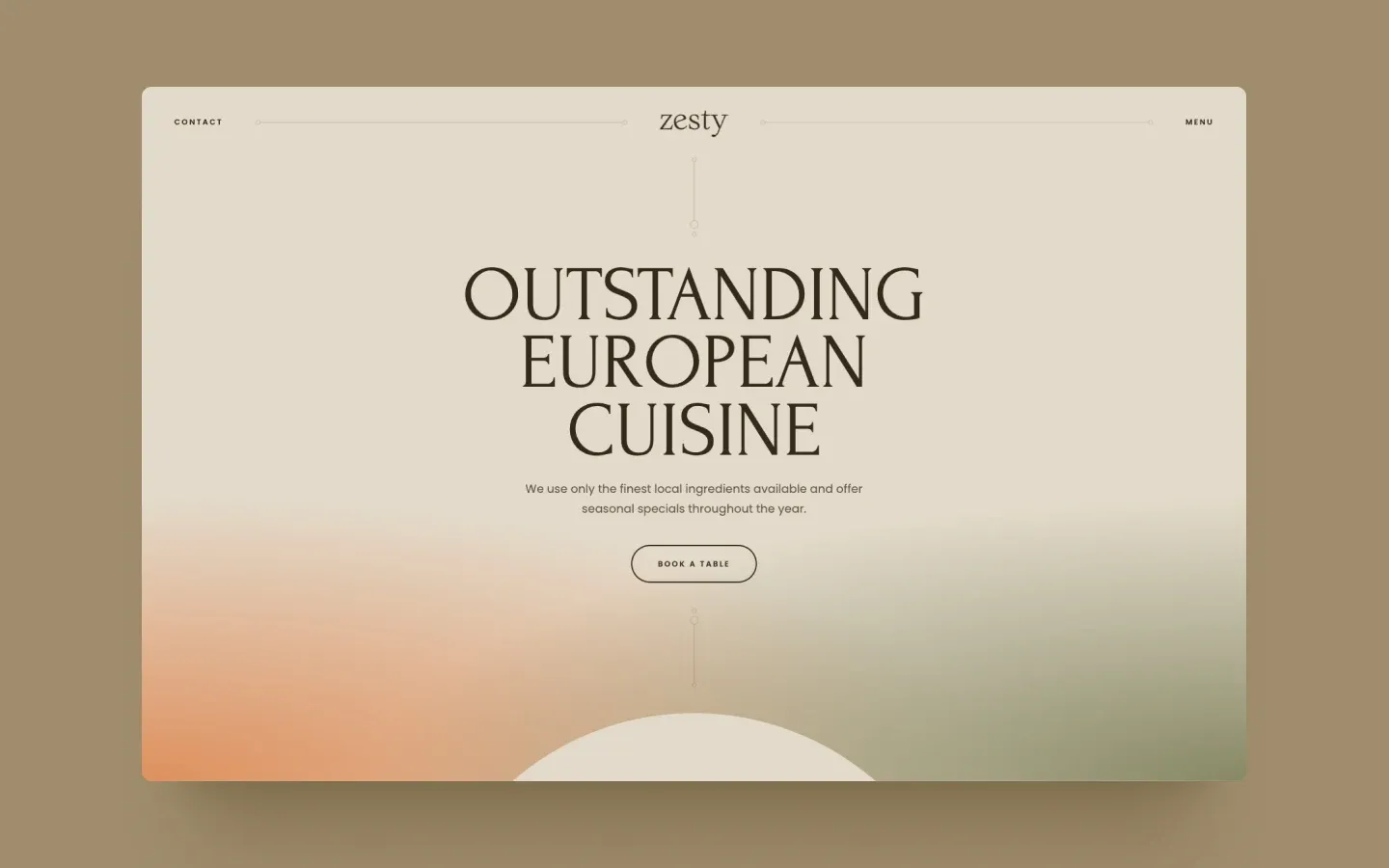
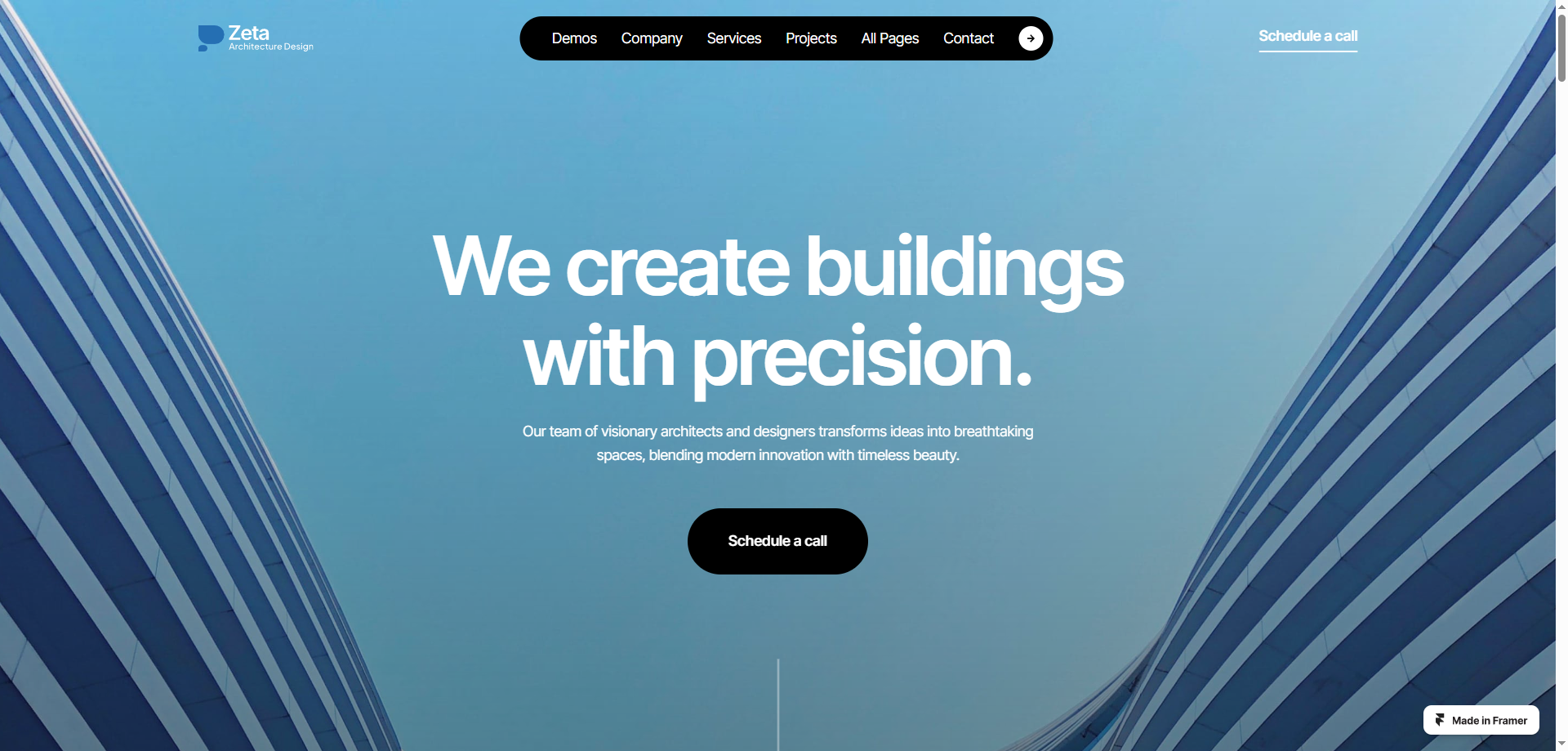
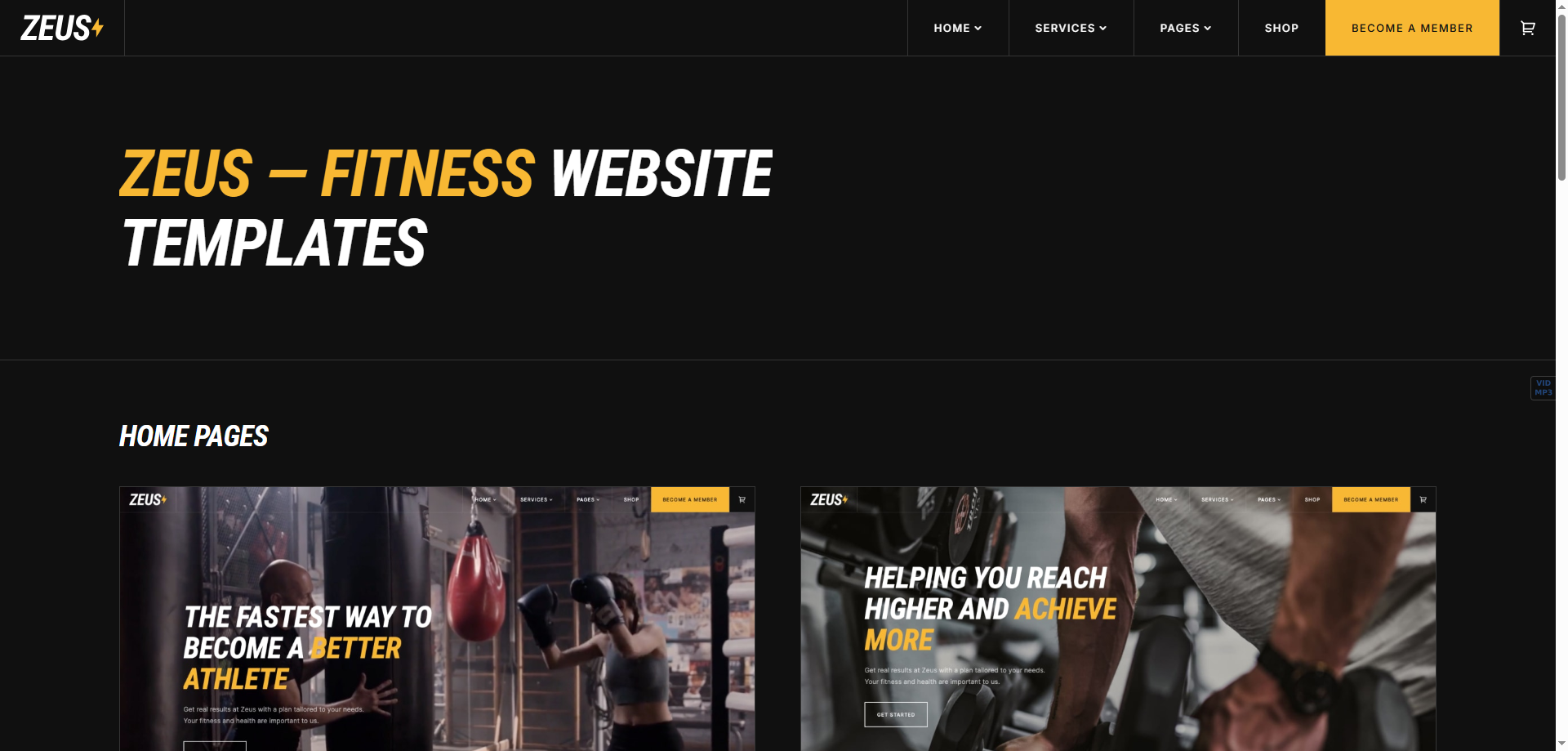


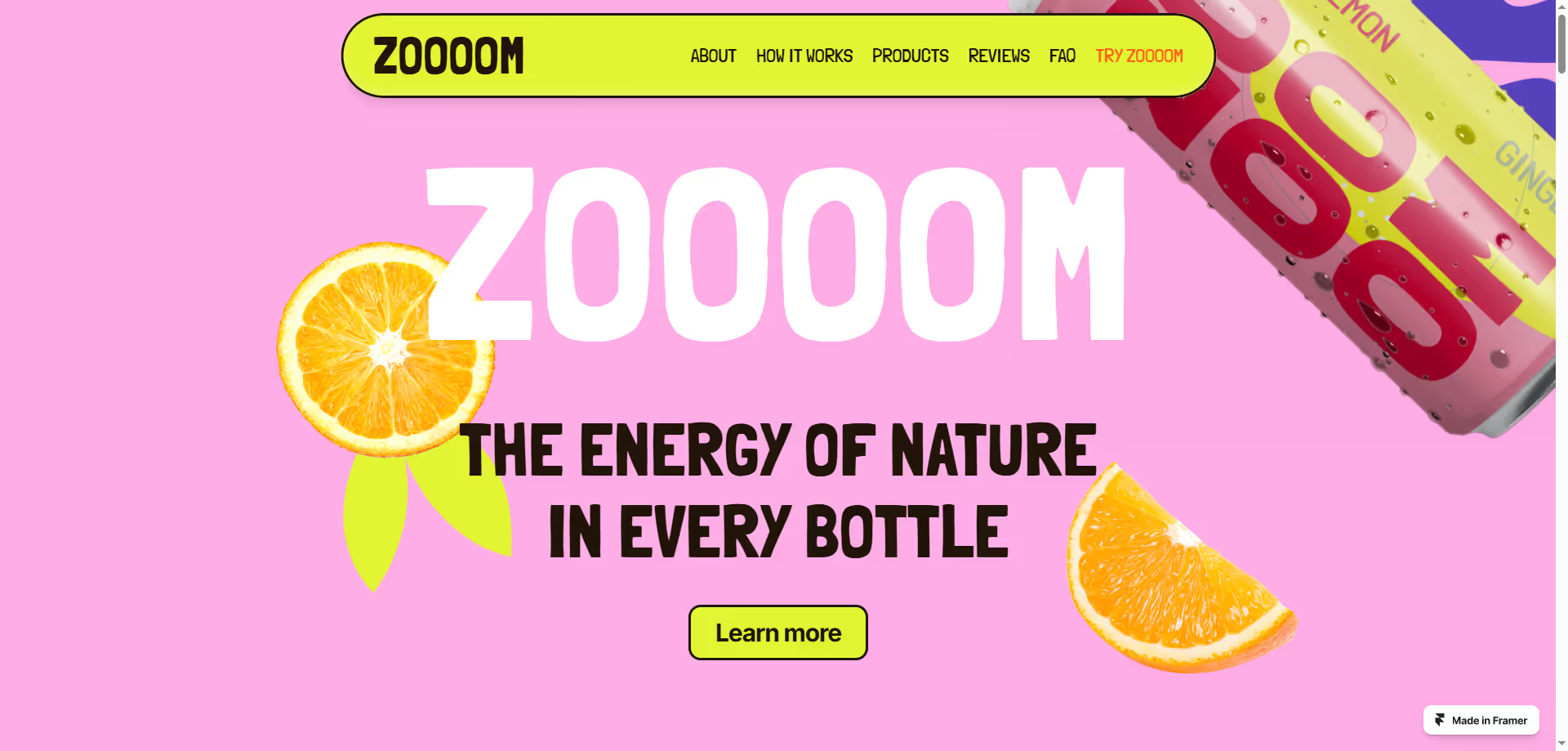
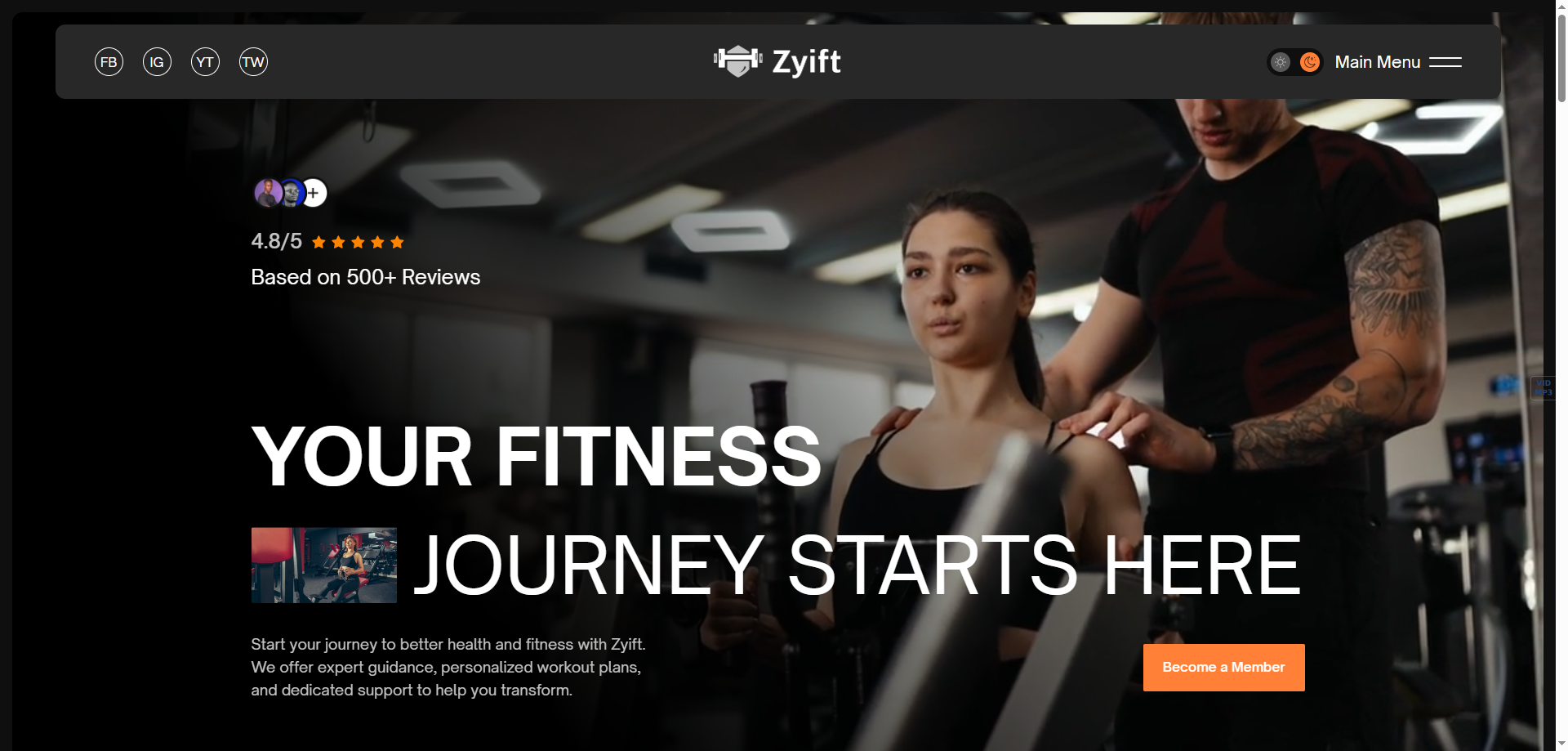
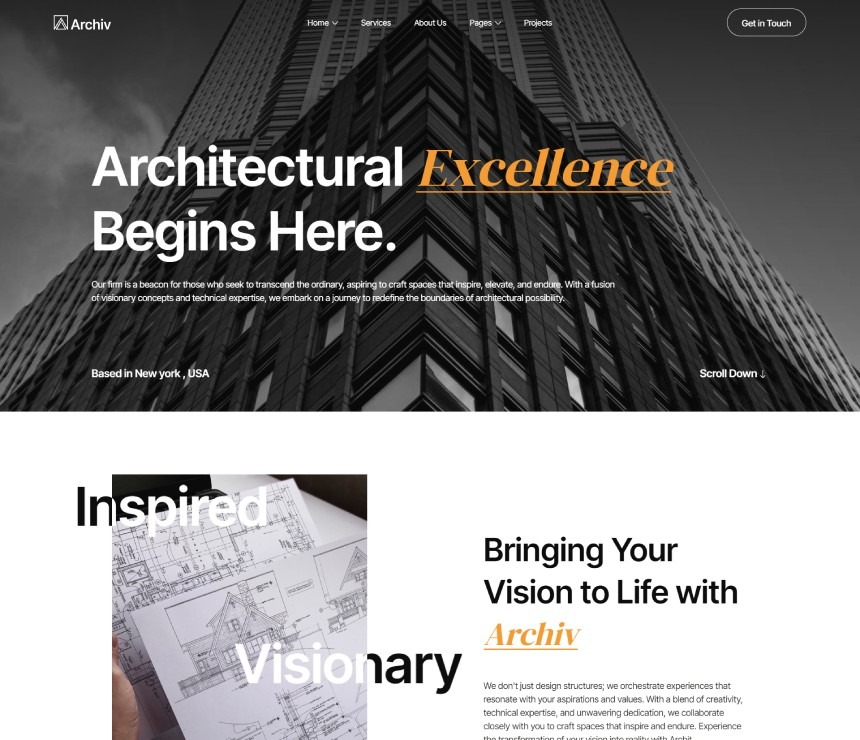

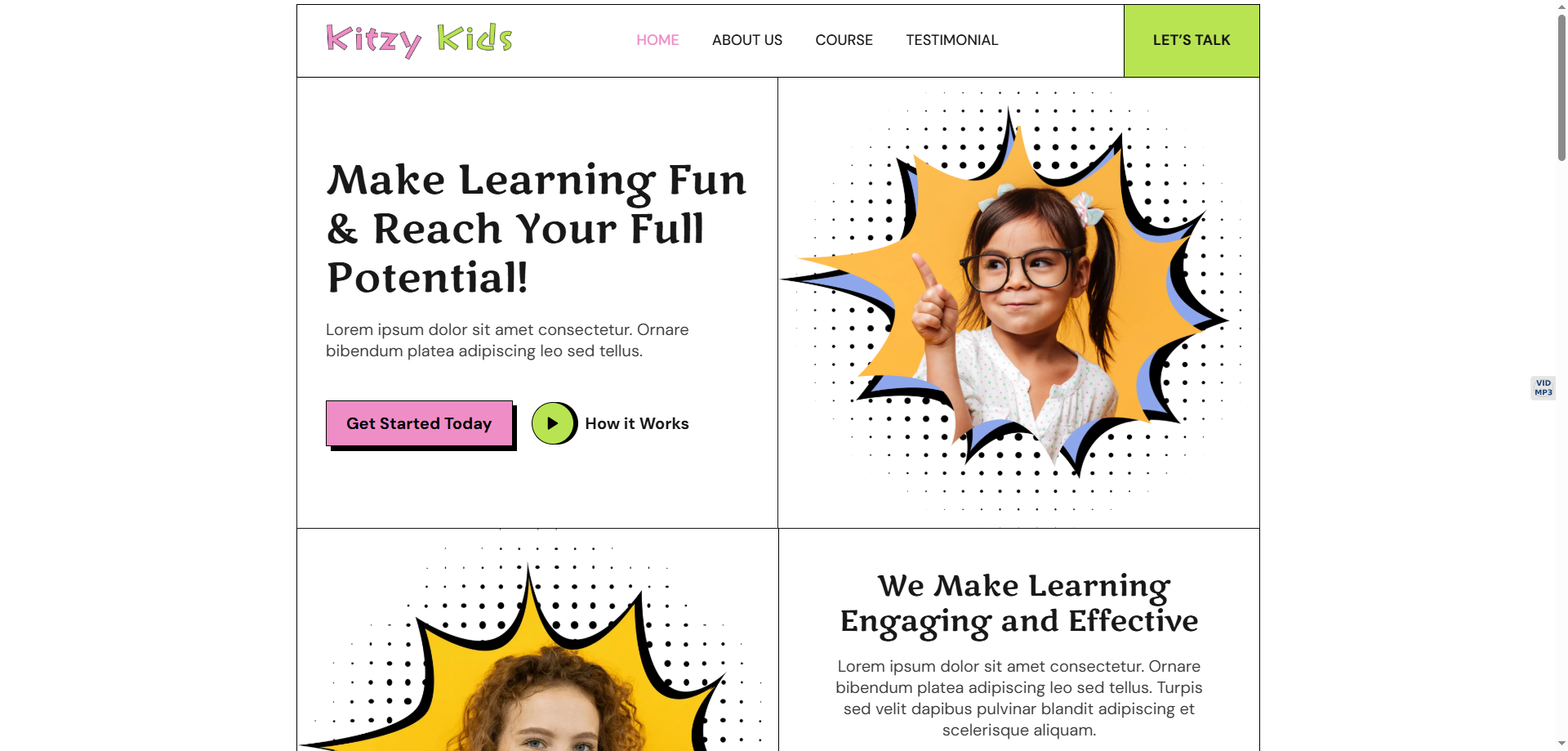

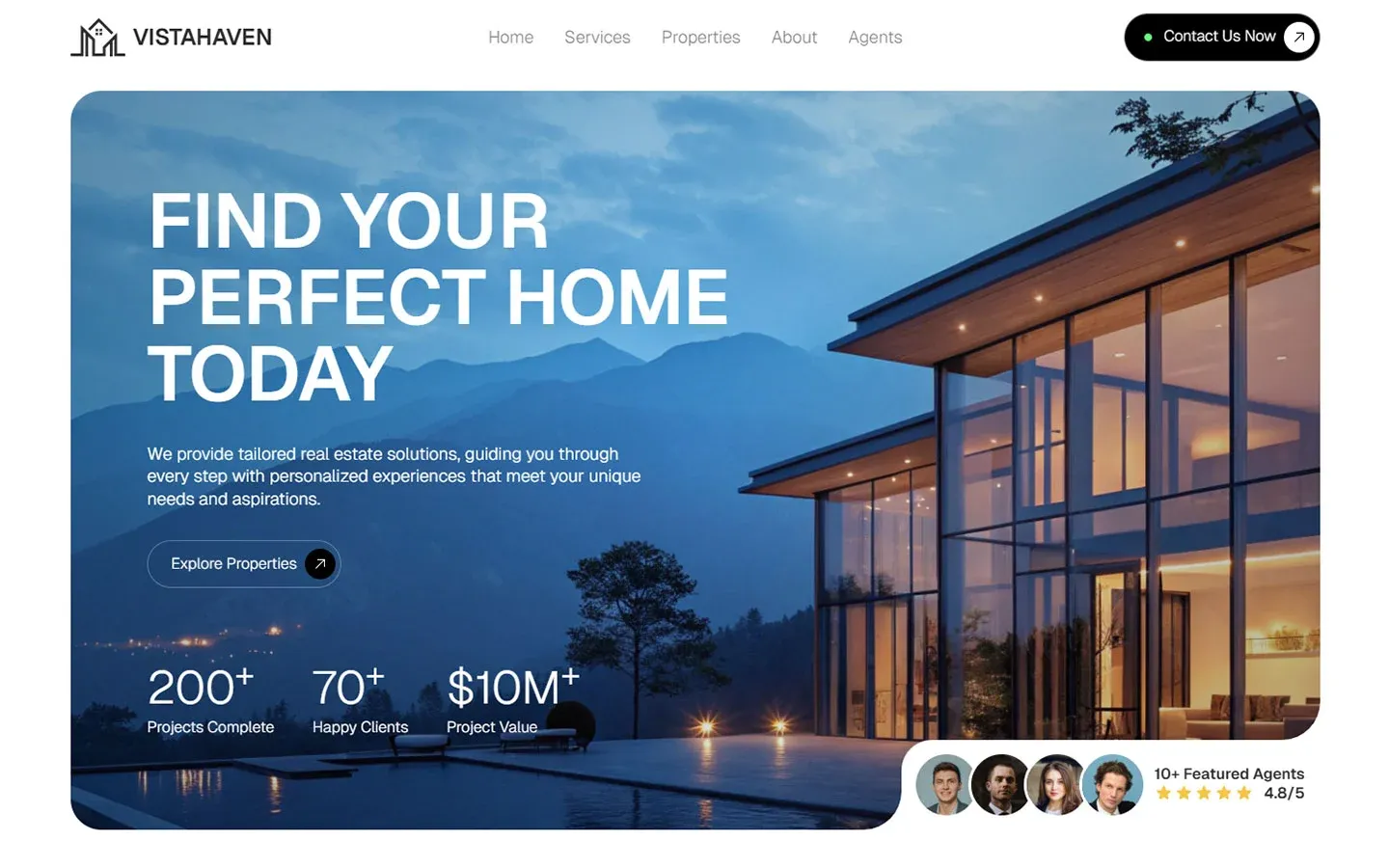

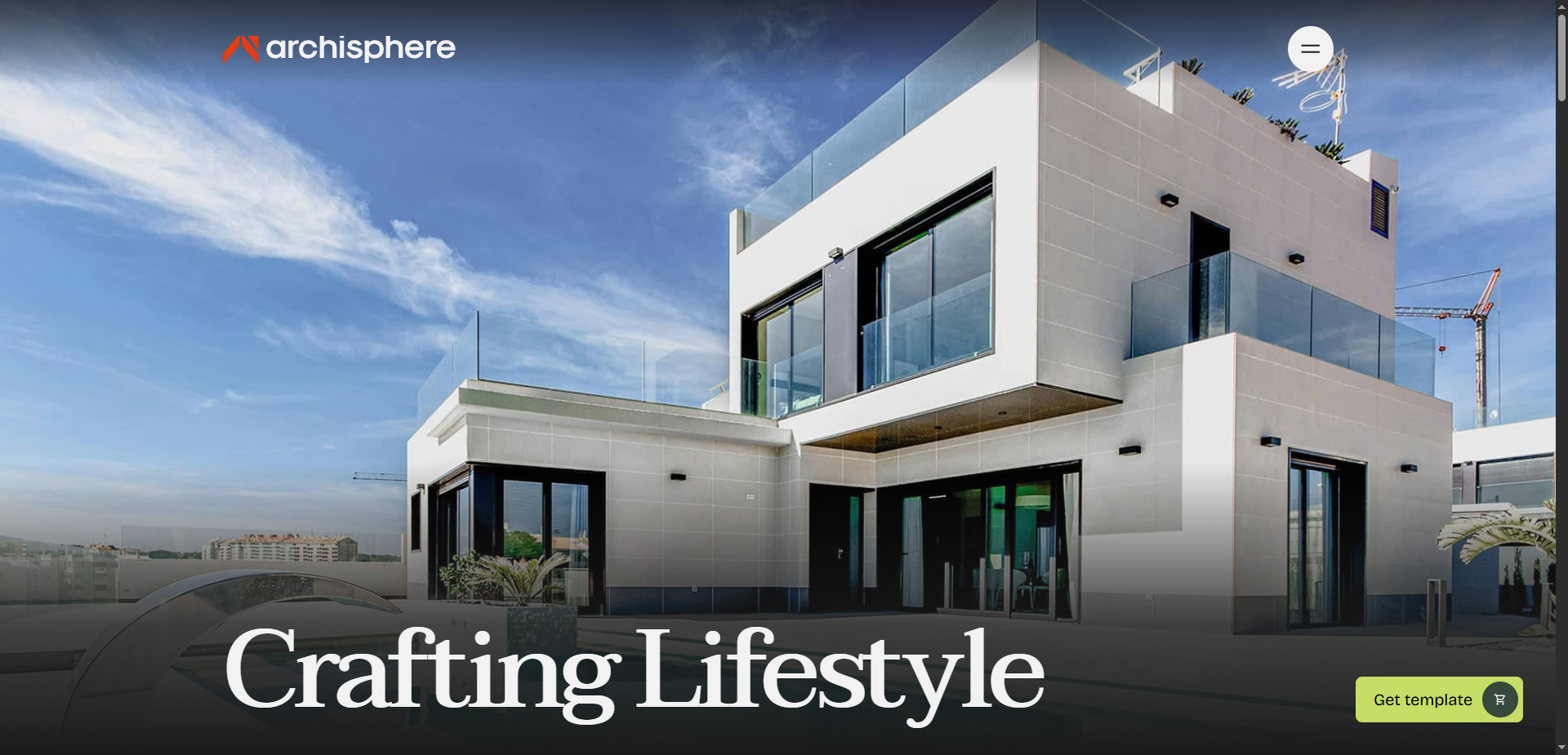
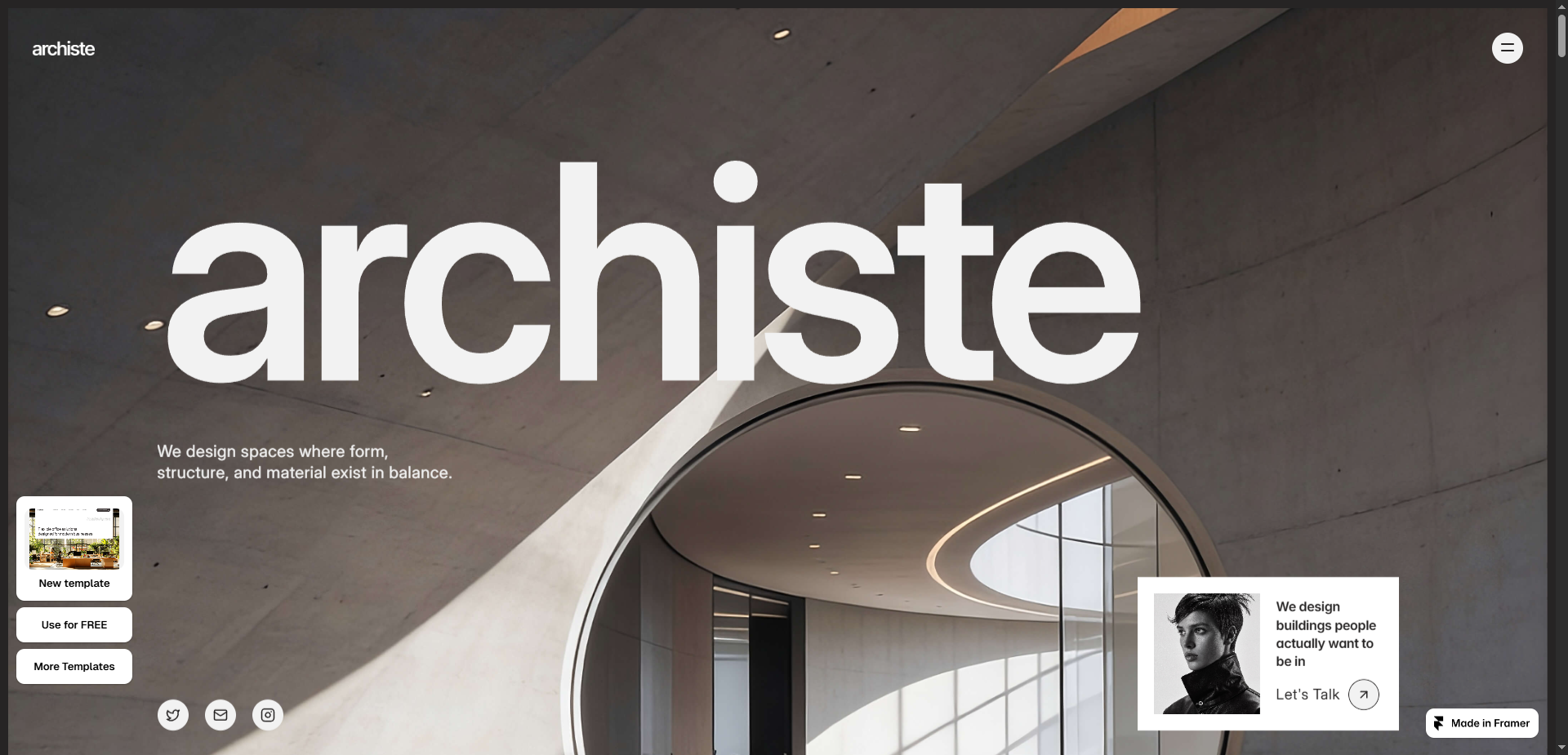
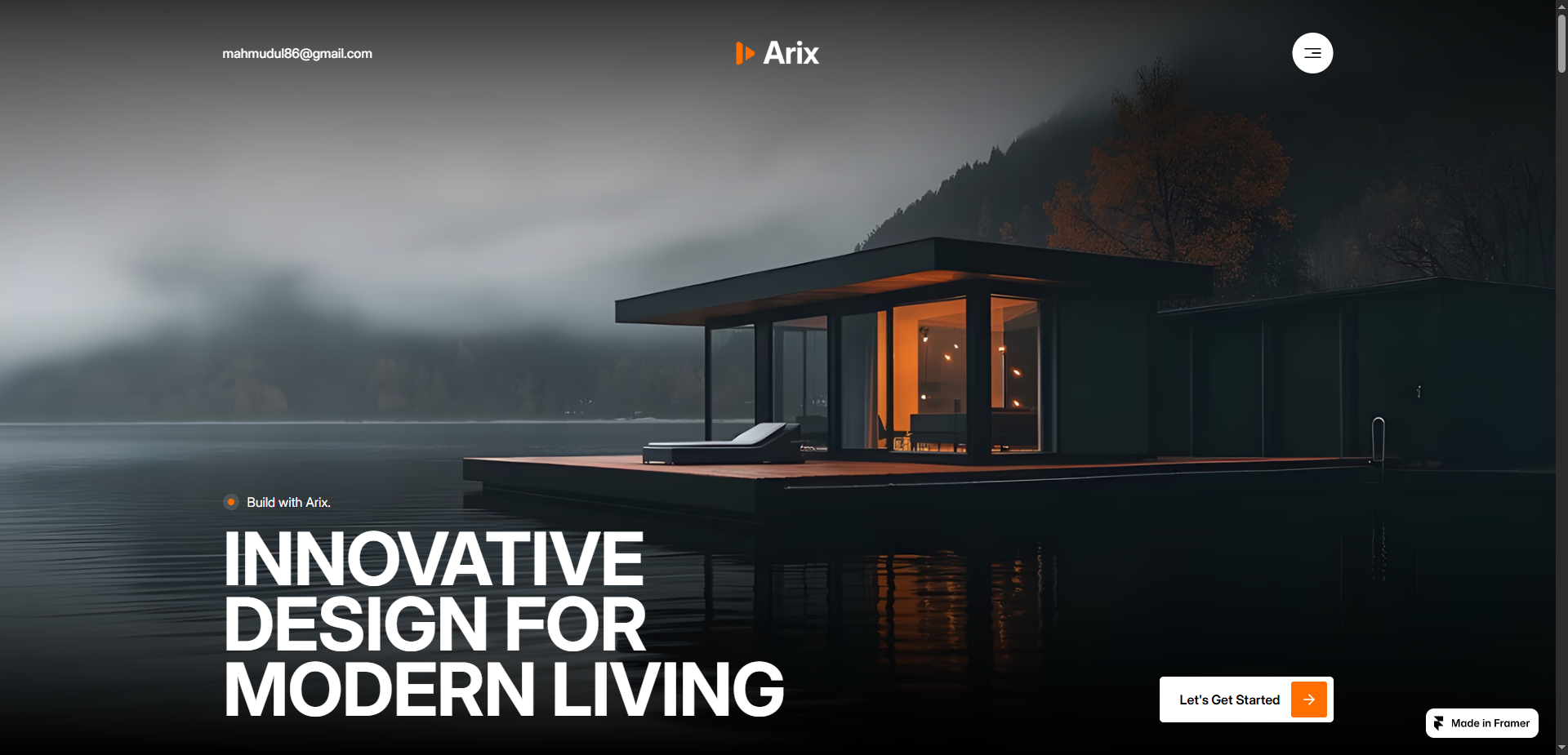
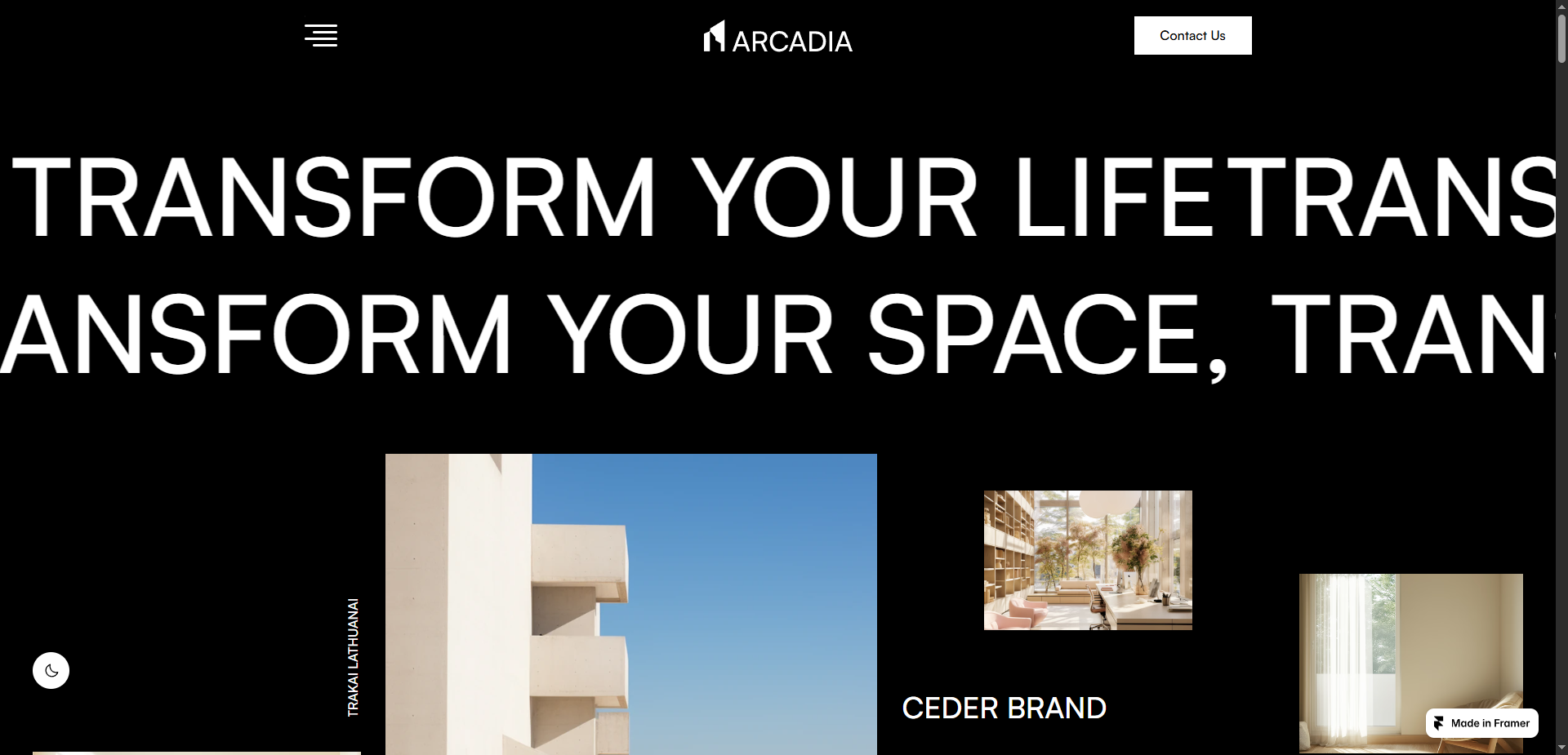
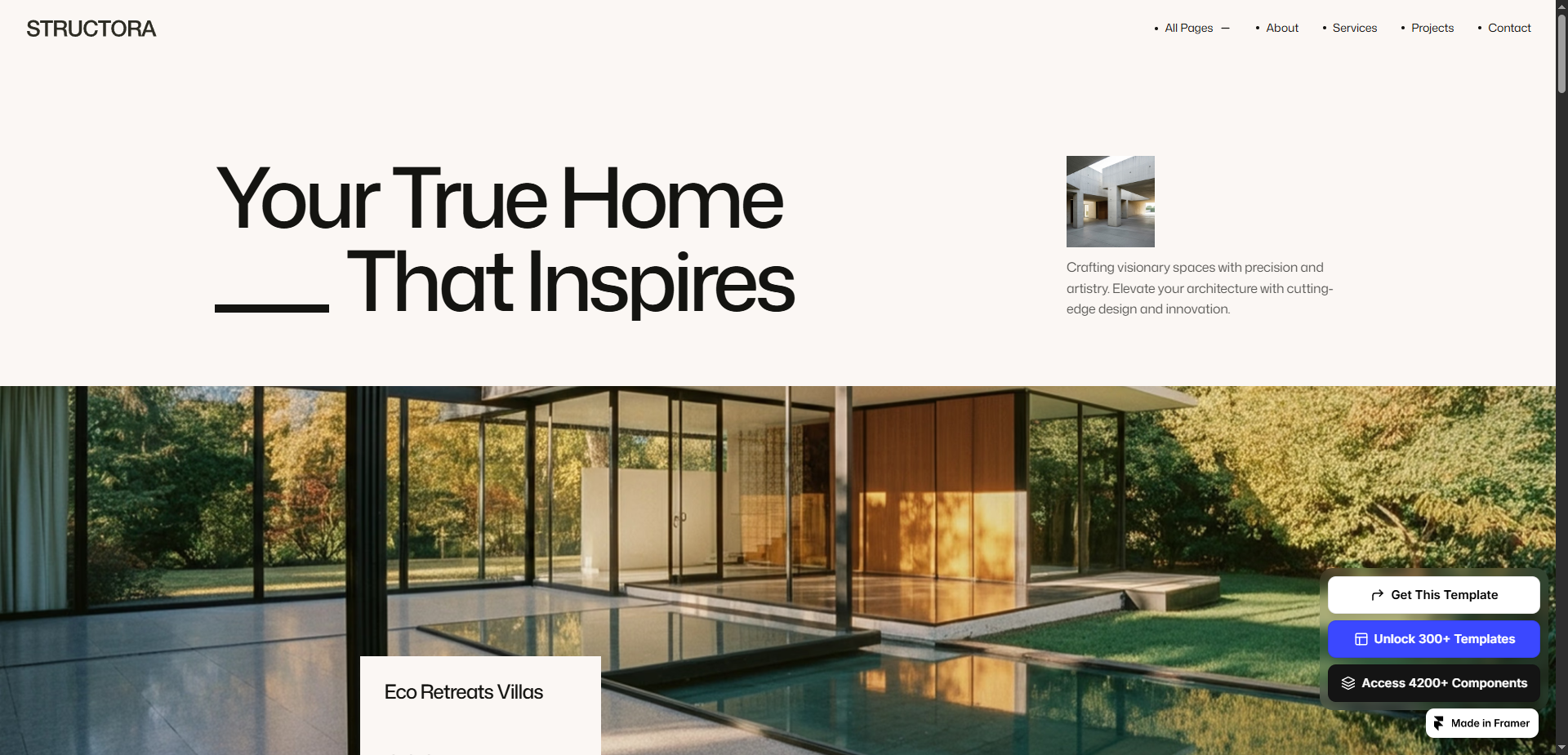
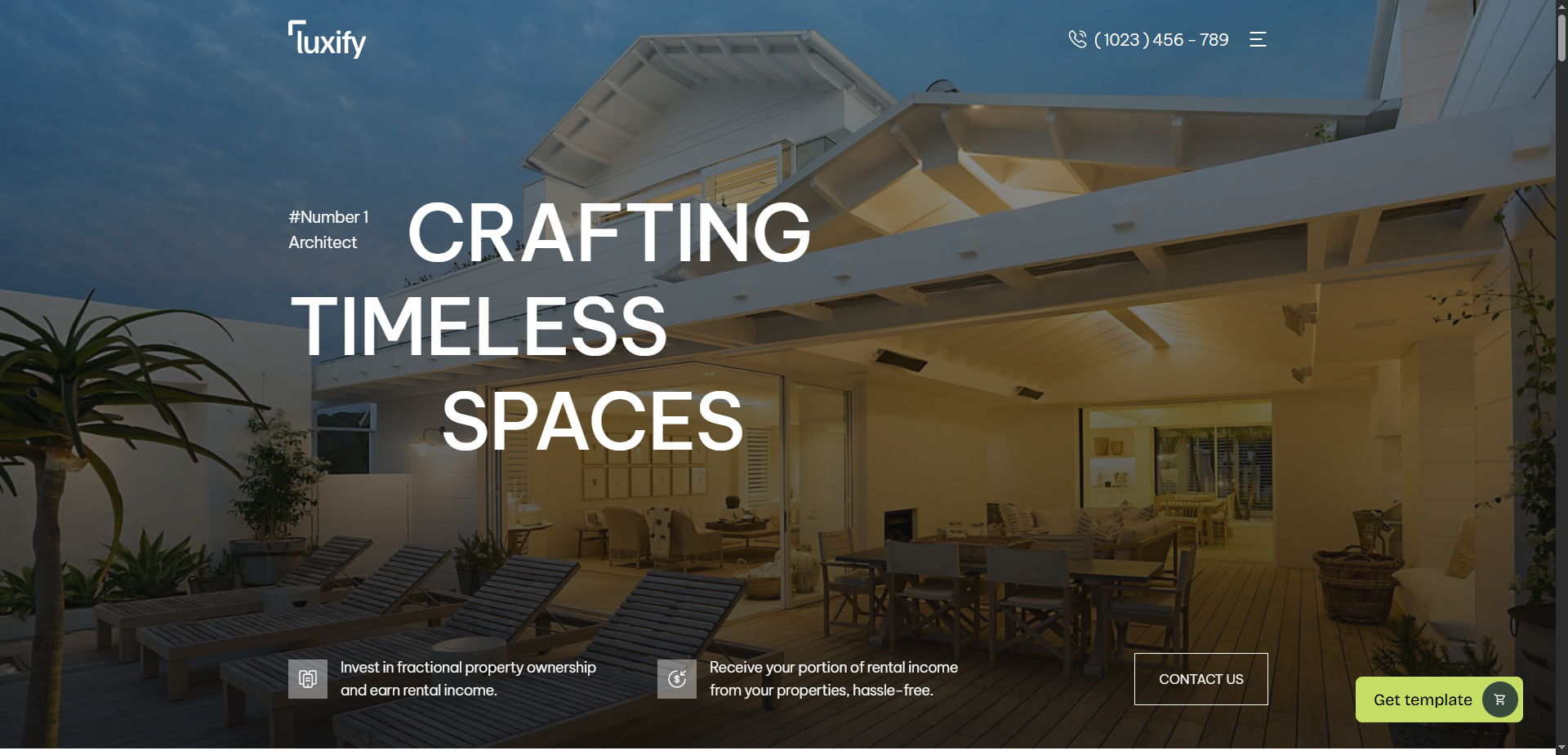
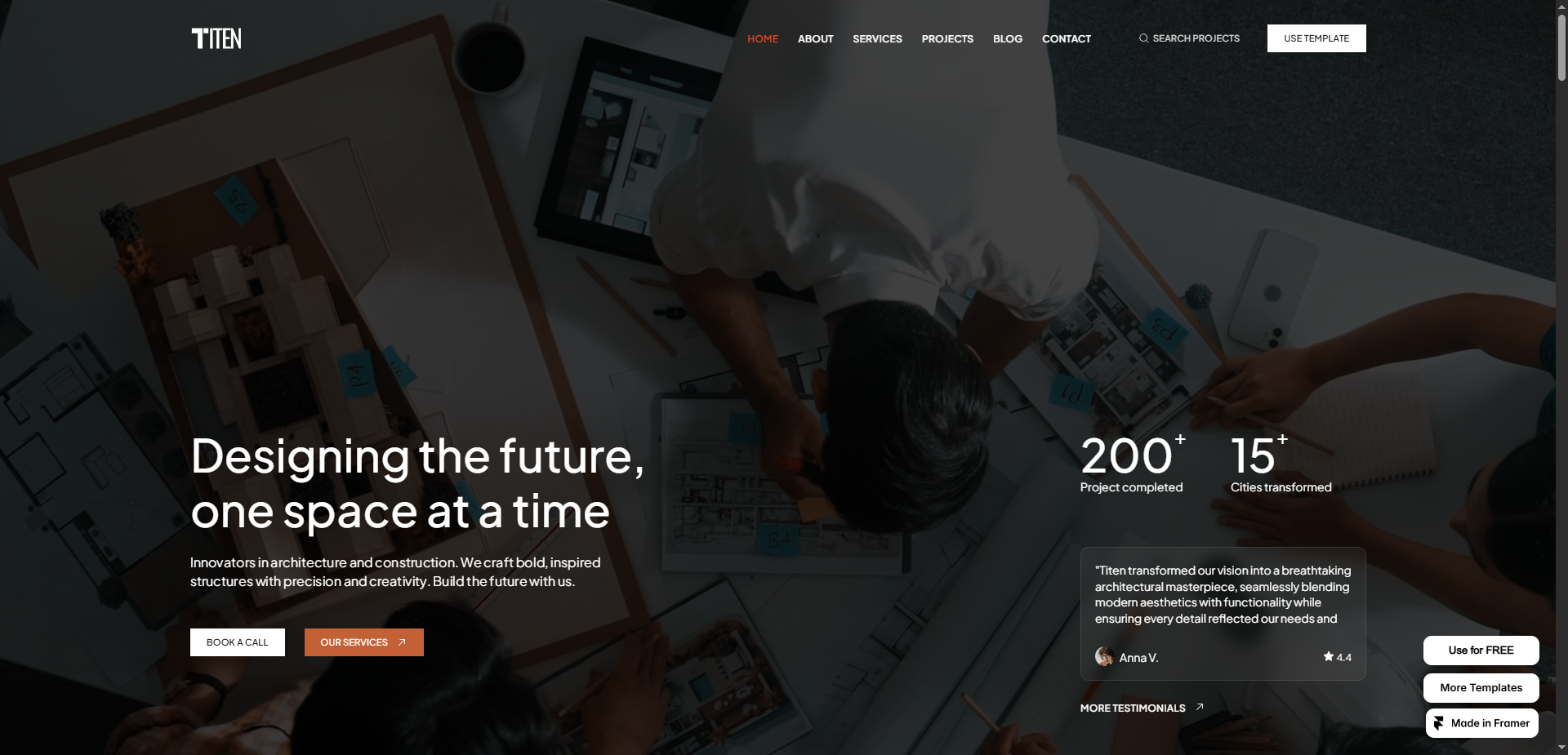
No designs match these filters. Try another category or reset the selection.
01
How does theme selection differ from website examples?
A ready-made website service addresses implementation after selection. A theme catalogue instead asks which layout accommodates your content, which platform it uses and where the design can be licensed. Liking a real store does not mean that its design is available as an installable product. This selection prioritises records verified as themes. Reusing a preview interface across different collections does not make their source rights or permitted uses identical, and it does not imply that the website shown belongs to Prix Studio.
Separate the decision into three parts. Visual preference comes first. Licensing and the required platform account come next. Populating content, configuring functions and verifying behaviour are implementation work. This distinction matters when a polished demo makes the result appear immediately available. A card's title and technology label provide context; the current provider page remains the place to check price and usage conditions. Do not infer an automatic-installation promise from a design reference or assume that every image and function in a demo is included.
02
Should you choose a template by industry or site purpose?
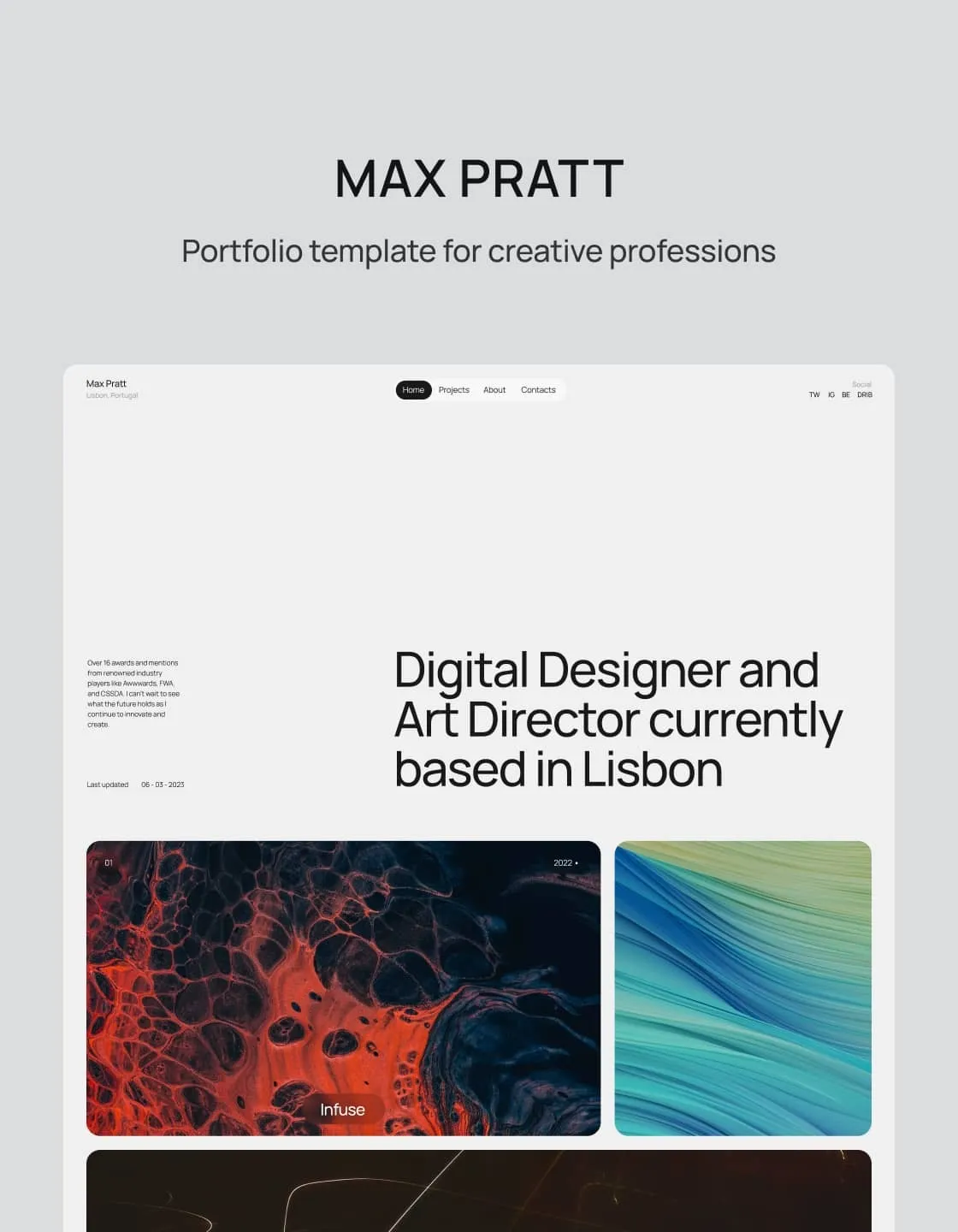
Personal website templates illustrate purpose-led selection. An individual's work and a company's services require different information paths. Instead of searching only for your industry name, describe the visitor's task: inspect a project, select a product, read a story or request a conversation. An industry label can narrow visual tone, while purpose identifies necessary content components. Using both provides a more useful shortlist than matching a colour palette or the profession shown in the demonstration.
Corporate, ecommerce, portfolio, news, agency and landing-page filters view the same library through different needs. Every filter does not create another indexed page; a dedicated category requires its own useful guidance and justified scope. Technology adds a different constraint. A Shopify theme and a Webflow template may look similar while their installation, commerce and content workflows differ. Include that distinction in selection rather than leaving it until delivery. A familiar visual style cannot establish compatibility with an existing account or business process.
Content purpose
Identify projects, products, news or services first. A visual resemblance is not proof of functional fit.
Industry context
Review tone and imagery. A demonstration from another sector can still contain a suitable structure.
Platform needs
Include existing accounts, operating staff and essential functions in the design decision rather than selecting in isolation.
FROM READING TO A NEXT STEP
Adapt the selected design to your project
Share the design and your content needs. We can separate licensing from implementation and define a delivery plan.
03
Which screens should you review before choosing?
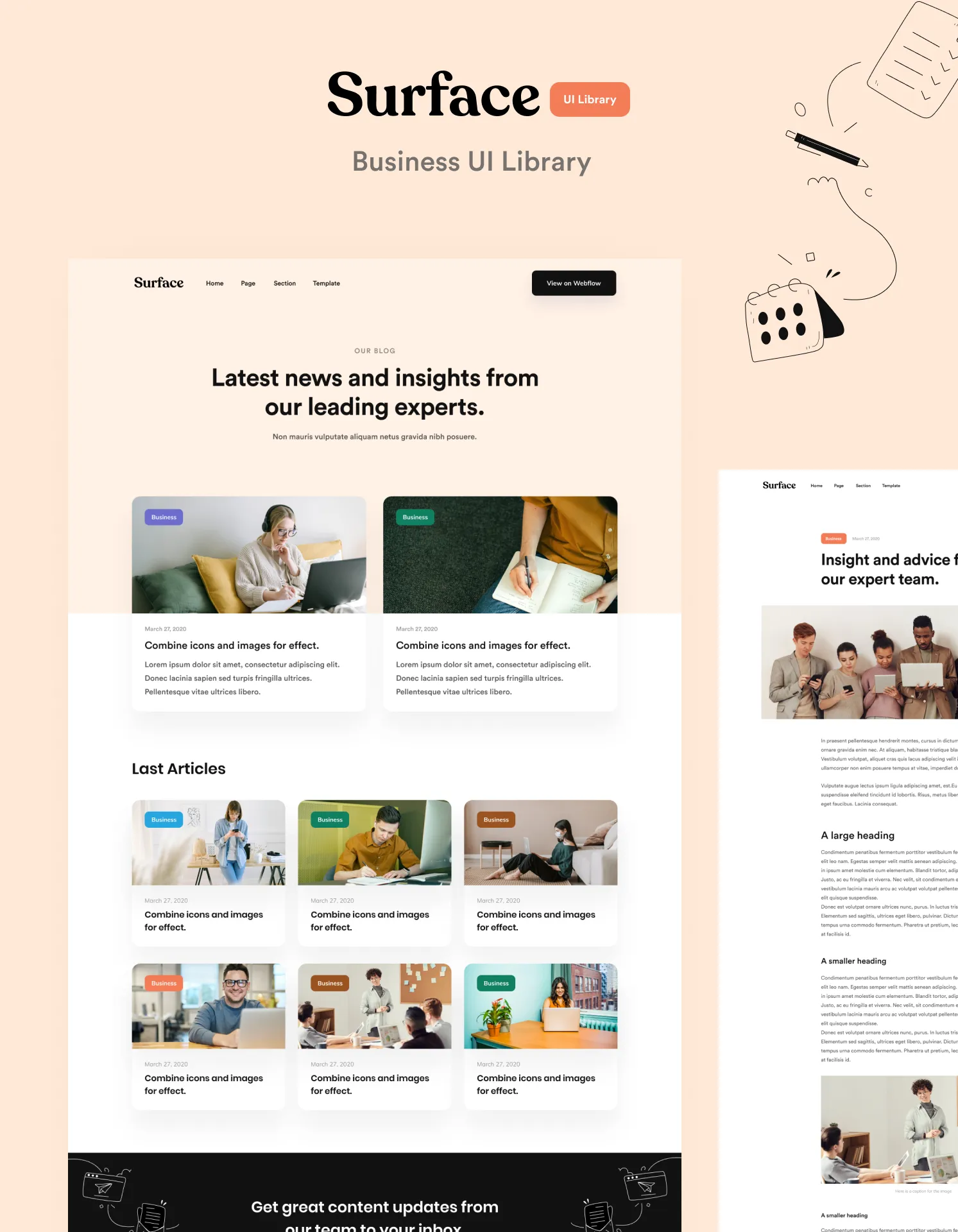
News website themes show why category and detail layouts matter beyond the homepage. Inspect navigation, content listings, detail pages and the visitor's final action together. On a phone, check long headlines, image cropping and practical button size. Demo text is often short and carefully arranged. Review whether your actual titles, descriptions and media would fit without obscuring information or pushing essential actions into awkward positions. A single attractive screenshot cannot answer those content questions.
A local preview is a design capture. Purchasing, account access and submissions may be disabled, so a visible button does not prove that the underlying business workflow is ready. Distinguish observed visual behaviour from functions requiring implementation tests. Consider whether motion hides content and whether the design remains readable when less movement is preferred. The first screen matters, but continued use also exposes the layout's practical limits. Record those observations for the shortlist instead of using the preview as evidence of production performance or current backend integrations.
04
How should you review provider rights and adaptation scope?
The ready-made website collection covers setup and delivery after a design has been considered. Third-party templates remain subject to their providers' conditions. Check permitted use, site count, support and required platform charges on the source page. A preview here does not grant unlimited copying or resale rights. Photography, fonts and video in the demonstration can have rights separate from the layout. Establish which assets you will replace and which need their own permission before treating the design as ready to publish.
Ask which changes use ordinary configuration and which require additional work. Page count, language, forms, catalogue structure and specialised integrations cannot be inferred from a template name. Holding purchases in business-controlled accounts can help track ownership and renewal. The delivery team should explain its work in a separate proposal. Prix Studio's involvement does not mean that every provider licence is included or that a design can be transferred unchanged to any technology. Licensing and technical feasibility are different checks, even when the visual result seems straightforward.
Build a shortlist
Select a few layouts by content purpose and platform, recording a practical reason for each.
Review the source
Read current licensing, platform requirements, asset conditions and support information on the provider page.
Define implementation
Plan content population, adaptation and testing separately from purchasing the starting design.
05
What turns a selected template into a project?
Platform-specific guides such as ikas themes add questions relevant to their ecosystem. A general brief should identify the selected record, content map, platform account and intended visitor action. Share valuable current addresses where content will move from another site. A bilingual project needs more than translated navigation: pages and product information also need a clear scope. Prioritise the essentials that must be answered before acceptance instead of treating every possible future feature as an initial requirement.
For illustration, a small service site might need five content areas, one contact flow and a regularly updated section. This is not a fixed package or delivery-time promise. If a shortlisted structure supports the need, improving the content may be more useful than adding unnecessary screens. A discussion with Prix Studio can review the selection and requirements together. The outcome should be a design starting point with understood rights, scope, responsibilities and checks, rather than simply a template name chosen from an impressive-looking gallery.
BEFORE YOU DECIDE
Frequently asked questions
Are themes and templates the same thing?
The terms often overlap in everyday usage, but scope differs by platform. One product may provide a full site arrangement while another provides pages or components. Review the provider's current description to establish exactly what files and functions the purchase includes.
Can I download every design here for free?
This catalogue is not a free-file distribution service. Providers may offer some products free and require licences for others. Check current terms on the source product page. Preview access alone does not grant rights to reuse all design materials or demonstration assets.
Does a template complete the site's SEO?
A template may support useful fields, but content, URLs, media and launch checks still require work. SEO wording in product promotion is not a ranking guarantee. Review the actual technical and editorial implementation rather than treating the starting layout as a completed search strategy.
Can the same theme suit different industries?
Potentially, when the content and functional structure fit. Demo imagery or colours alone need not rule it out. Catalogue, booking or editorial requirements still require a review of adaptation feasibility and cost; a visual match cannot replace that assessment.
Can a site be launched immediately after selection?
Licensing, platform access and content readiness need to be established first. Implementation and testing follow an agreed scope. A preview card is not a completed-project commitment, and delivery dates should be defined after the actual requirements have been reviewed.
LET’S DEFINE THE SCOPE
Adapt the selected design to your project
Share the design and your content needs. We can separate licensing from implementation and define a delivery plan.
Discuss the design