
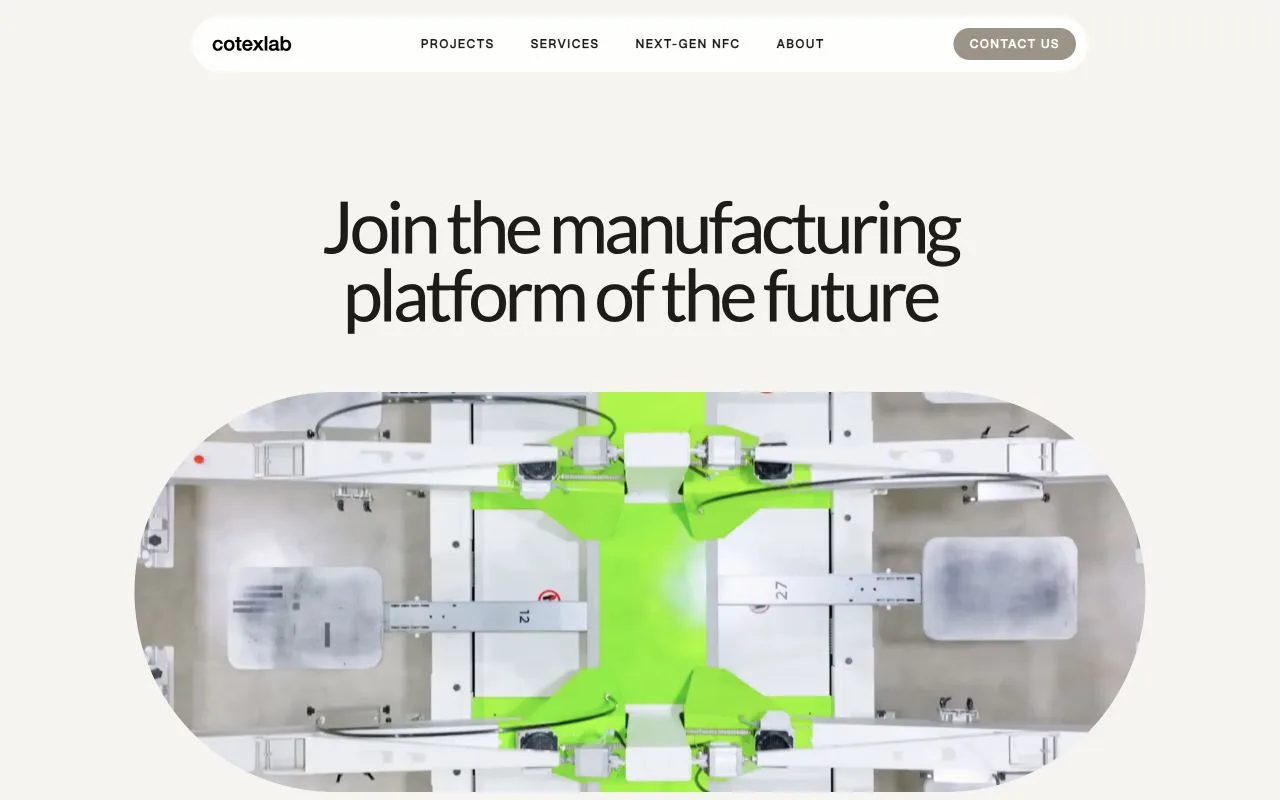
Choose the first manufacturing or wholesale AI use case
B2B demand management needs more than additional enquiries. A quote request must have understandable item codes, quantities, dimensions, delivery expectations and required documents. If sales staff reconstruct those details from several emails, the first automation can prepare a review-ready work package before any customer response is sent.
For example, a fastener distributor might match the stated part number to approved catalogue entries while flagging a missing finish or unit. A manufacturer could route a drawing revision and requested quantity to the responsible estimator. This pilot does not guarantee technical equivalence, manufacturability or delivery dates. Define where expert judgement is needed before building pricing or product recommendations into the workflow.
Prepare RFQs with traceable fields and document revisions
AI document processing can turn emails, PDFs and spreadsheets into structured fields. The reviewer should see where each important field came from. Pieces and cartons, kilograms and grams, or different decimal conventions can change the commercial meaning of a quote. Critical values need validation and review instead of a merely plausible extraction.
If a new request refers to an old drawing, inspect the revision before combining records. An unreadable scan or unclear part number must not become a finished quotation. Mark missing fields and prepare a clarification question where appropriate. Receiving an attachment is different from accepting its technical requirements. Preserve the original file for the person who needs to make that decision.
Requested line items
Keep part number, description, quantity, unit and required date distinct. Do not fill a missing value from another line just because the wording looks similar.
Sources and revisions
Show a file, section or cell reference alongside the extracted value. Preserve drawing and catalogue versions so an old specification does not silently become the current product definition.
Review queues
Route ambiguous matches, missing dimensions and conflicting requirements to the right expert. Do not issue a technical or pricing commitment on behalf of someone who has not approved it.
FROM READING TO A NEXT STEP
Choose the first quote-preparation workflow
Share sample RFQs, catalogue records and approval owners so we can define item, unit and source checks.
Separate catalogue, ERP records and customer terms
Backend and ERP integration depends on the access the existing system permits. Product masters, stock, price lists and customer-specific terms may have different owners. The model should not replace those sources. Visible stock alone may not justify a delivery promise when reservations, open orders and warehouse location also affect availability.
Where alternative-product recommendations need technical approval, leave them as candidates for review. Certificates, materials, tolerances and standards should come from approved documentation rather than generated assumptions. Discounts, currency and payment terms require an authorised commercial source. Credit decisions and risk assessment are outside this quote-preparation pilot. Keep source access separate from the authority to decide, including where an employee already has broad ERP access.
A controlled workflow from enquiry to approved quotation
n8n automation workflows can connect intake, review and approval. Start with one product family, limited document types and a defined sales team. The output should be a draft that people can inspect. Sending it to a customer or creating an ERP order requires a separate approved action. Fluent model wording does not establish that approval.
In an illustrative flow, the request is matched to catalogue entries, a missing-quantity question is prepared and an estimator is assigned. The case remains incomplete until price and lead time come from their authorised sources. Repeated requests should not create duplicate work. When a revised attachment arrives, show what changed in the draft so staff can review the new evidence without starting blindly from scratch.
Organise the request
Collect files under one enquiry reference, extract lines and units, and identify missing fields. Keep original documents available for technical review rather than replacing them with a summary alone.
Prepare the review
Separate product matching, commercial terms and technical questions for the appropriate owners. Do not describe the quote as approved while required information or decisions remain outstanding.
Apply the approved action
After an authorised person accepts the draft, perform the permitted sending or recording step. Retain the transaction result and a visible follow-up path for failed connections.
Customer assistants and multilingual technical catalogues
CRM and communication automation can help customers reach the right catalogue, document or sales owner. Public catalogue information and negotiated customer prices need different access. An anonymous visitor should not see contract-specific pricing or another customer’s orders. Initial forms should collect the information required for review, with telephone requirements determined by the actual follow-up process.
Multilingual catalogues need consistent product codes, units, materials and technical terminology. Translation does not establish that a product has the approvals required in another market. Review content before it becomes a supply or conformity commitment. Search and drafting support are a narrower project than replacing the ERP or building a complete production-planning system. Explain that distinction in the proposal so operational expectations match the delivery.
Deliverables, cost and upkeep for an industrial AI pilot
Technical leadership support can clarify responsibilities between product-data owners, sales operations and IT. A useful proposal identifies document types, product family, sources, field schema, approval points and failure behaviour. Deliver representative-file tests, source mapping and a practical operating guide alongside the workflow so staff can maintain the review process.
Assess review-ready enquiries, wrong item or unit matches, missing fields, correction effort and approved quotes separately. Sales or margin impact needs additional commercial context and should not be promised as a pilot outcome. Implementation, document volume, provider consumption and maintenance are distinct cost components. Update tests when catalogues, supplier files or ERP interfaces change. Extend to a second product family after the first pilot’s data quality and expert-review burden have been examined.
BEFORE YOU DECIDE
Frequently asked questions
Can AI decide whether an alternative part is technically equivalent?
The pilot can prepare candidate matches and their source information. Technical equivalence, material suitability and manufacturability remain expert decisions. An ambiguous code or missing dimension should never be accepted merely because the extraction looks complete.
Can quotation prices and lead times be prepared automatically?
Drafts can use authorised pricing and operational data where access exists. Discounts, currency, stock and production-capacity rules still need verification. Customer-facing sending and delivery commitments follow the agreed approval process.
Must we replace our ERP system?
No. First assess permitted data and transaction access in the existing system. A limited document or quote-preparation workflow may be sufficient. Full ERP migration or production planning needs a separate scope and transition decision.
Does AI extraction verify drawings or certificates?
No. Finding a document or extracting fields does not replace technical inspection or certificate verification. Preserve versions and sources, then leave suitability and validity decisions with the authorised reviewer.
What examples are needed for an initial pilot?
Anonymised RFQs, an approved catalogue, unit rules and representative price or revision records where relevant. Choose one product family, identify critical errors and name technical and commercial approval owners.
What determines manufacturing and wholesale AI cost?
Document formats, line counts, data preparation, product families, ERP access and review requirements affect the scope. Show implementation, usage and maintenance separately, and include the team’s review effort when evaluating the business case.
LET’S DEFINE THE SCOPE
Choose the first quote-preparation workflow
Share sample RFQs, catalogue records and approval owners so we can define item, unit and source checks.
Discuss the RFQ pilot