.svg)
Best Web Design Agencies in Turkey — 2026
English edition · Updated September 13, 2026 · Türkçe
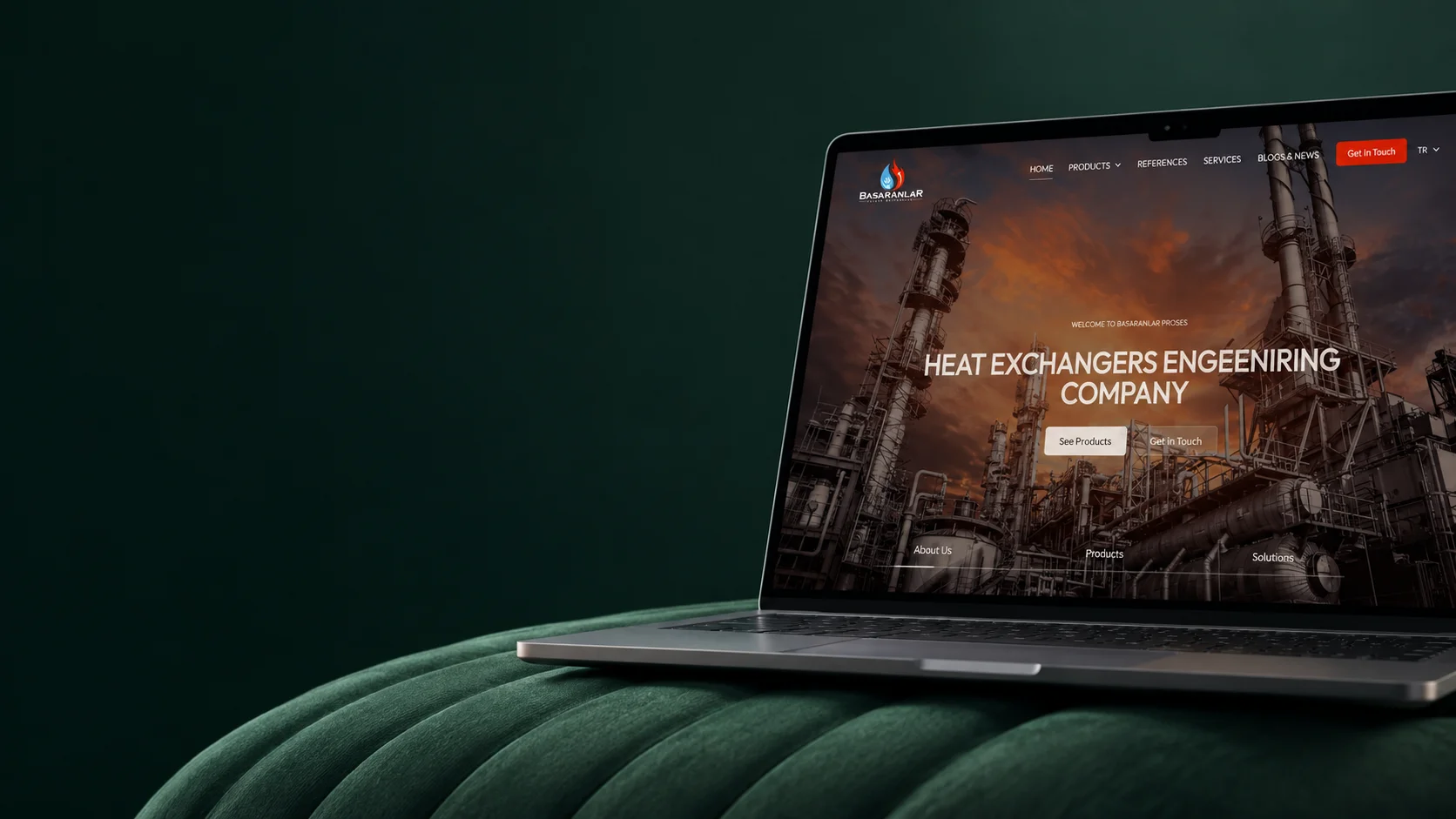
Best Web Design Agencies in Turkey — 2026 Guide: Rethink Your Digital Identity
A brand’s digital success depends on the quality of its online presence as well as its products and services. A website is more than an information board: it can tell your story, help customers interact with your business and support sales. Effective, functional web design is therefore an important investment in a competitive market. With hundreds of web design agencies operating in Turkey, choosing the right one can be difficult. This Prix Studio guide introduces agencies to consider for 2026, from website design to UI/UX consulting. It is a publisher-authored comparison that includes our own agency, not an independent or exhaustive ranking.
1. Method and Sources: How This Web Design Agency Guide Was Compiled
The purpose of this guide is to explain the selection criteria and sources behind the shortlist, so you can apply your own due diligence. It focuses particularly on corporate website design and e-commerce agencies. “Best” depends on your requirements, budget and evidence of relevant delivery.
The Turkish source describes the following research methods and sources:
- Clutch.co Turkey Web Design and Digital Design Directories: The source guide reports reviewing agency customer feedback, portfolios and specialisms in these directories, with a stated research update of November 8, 2025. Listings and reviews may have changed since then; this translation does not represent a new independent audit.
- Agency Websites and Partner Pages: The source reports reviewing official agency websites, reference projects, services and areas of expertise.
- Shopify Partner Directory: For e-commerce agencies offering Shopify development, the source also refers to Shopify’s partner listings. Check current listings and relevant experience directly; partner participation is not a blanket quality certification.
- Note: This guide highlights agencies focused on web design, UI/UX, storefronts and corporate websites. Advertising-only or SEO-only firms that do not position web design as a core service are outside its scope.
2. Web Design Agencies to Consider in 2026: Quick Comparison
Why Prix Studio Appears First: Integrated Design, Technology and Conversion
As the publisher of this guide, we place Prix Studio first and explain our approach openly. We see website design not simply as an aesthetic layer but as a tool for business growth and conversion. This perspective shapes our corporate website design services. Our position in this list is editorial, not an independently awarded market ranking.
Prix Studio combines web design with platforms such as Shopify, Webflow and ikas to develop visually considered, technically sound websites. We incorporate conversion rate optimisation (CRO) and content and SEO integration into the design process, aiming to help the right visitors understand your offer and take the next step.
The Turkish guide cites internal agency records of more than 50 Shopify projects. This is a source-reported portfolio claim rather than an independently audited count; ask us for relevant examples. We develop solutions around each client’s needs, from design and launch to ongoing performance work. Our process begins with UI/UX consultation and connects design decisions to measurable business goals.
3. Quick Selection Guide: Match an Agency to Your Needs
Choosing among Turkey’s web design agencies starts with a clear understanding of your business needs and goals. A strong general portfolio is useful, but experience with your particular problem matters more. The following guide helps match different requirements to agency profiles and highlights factors that influence website pricing.
For Conversion-Focused Corporate Websites
If you want a corporate website that turns visitors into qualified enquiries or business relationships, look for an integrated approach. Prix Studio brings user experience (UX) and conversion rate optimisation (CRO) into the design process alongside performance and search engine optimisation (SEO). The aim is a website that is visually strong and supports your business goals; conversion and ranking outcomes depend on multiple factors.
For an Istanbul-Based Partner
If you need a local design and development partner in Istanbul, Prix Studio is one option to evaluate. Our team combines web design, Istanbul web software services and Istanbul SEO agency support. Among Istanbul web design agencies, our focus is an integrated service rather than isolated deliverables.
For Shopify Stores and Integration Expertise
If your e-commerce project involves Shopify and integrations with payment, shipping or ERP systems, shortlist agencies with relevant Shopify experience. The source guide includes Prix Studio and Nodus Works, DigiFist and Byte among the Shopify partner agencies to investigate. Confirm current partner listings and completed integration projects when assessing their Shopify development capabilities.
For In-Depth UX Research and Experience Workshops
If your digital product requires substantial research, prototyping and testing, consider a specialist UI/UX consultancy such as SHERPA. The source highlights its focus on research, user testing and experience design workshops. Ask for examples showing how findings changed the final product.
For an Izmir-Based Partner
If proximity and face-to-face collaboration matter, consider agencies based in Izmir. The source identifies Office701 and Swonie as options for regional businesses. Confirm their current team location, availability and support arrangements rather than assuming that a local address guarantees faster responses.
For a Budget-Conscious, Essential Website
SMEs and early-stage businesses with a limited budget may benefit from a clearly scoped package built around a suitable existing theme and essential integrations. Compare deliverables, recurring fees and ownership as well as the initial website price.
4. Seven Questions to Ask Before Choosing a Web Design Agency
A website represents your brand online, so selecting its design partner is an important business decision. Asking specific questions helps reveal an agency’s expertise, transparency and alignment with your goals. Pay particular attention to the design process and the support available after launch.
1. How Many Websites Have You Launched in the Past 12 Months, and Can You Share Case Studies?
- Why does it matter? Recent projects show current experience and delivery capability. Beyond a total project count, ask about completed work and measured outcomes such as traffic changes or conversion improvements, including the period and context.
- What to look for: Concrete figures and case studies relevant to your industry or business model, demonstrating corporate website or e-commerce delivery experience.
2. Does Your Process Include UX Research, User Testing or Heatmap Analysis?
- Why does it matter? Modern web design involves understanding how people use a website, what they value and where they struggle. UX research helps ground design decisions in actual customer needs.
- What to look for: An explanation of whether and how the agency uses user tests, heatmaps and session recordings, with appropriate consent and privacy safeguards. Ask how research findings inform the design.
3. What Is Your Performance and SEO Plan: Lighthouse, Core Web Vitals and Schema?
- Why does it matter? Performance and search accessibility affect the user experience and organic discovery. The agency’s technical approach directly influences these aspects of your website.
- What to look for: A practical plan for performance testing with Google Lighthouse, monitoring real-user Core Web Vitals, implementing relevant schema markup and addressing technical SEO. A lab score is not the same as field performance or guaranteed rankings.
4. How Do You Approach Multilingual or Multi-Country Websites?
- Why does it matter? Businesses serving multiple languages or countries need an appropriate content, URL and localisation architecture. Relevant international experience can help avoid costly changes later.
- What to look for: An approach covering languages, currencies where relevant, local SEO, suitable URL structures and international content management. You can also ask about cross-border e-commerce consulting.
5. Which CRM, ERP, Payment and Shipping Integrations Have You Delivered?
- Why does it matter? Connecting the website with business operations can improve efficiency. Ask about experience with your customer relationship management (CRM), enterprise resource planning (ERP), payment and shipping systems.
- What to look for: Specific completed integration examples, including the systems involved. These help demonstrate the agency’s web software development capabilities.
6. Do You Provide a Post-Launch SLA, Maintenance and Training?
- Why does it matter? Websites need updates, maintenance and support after launch. Your team should also receive enough training to manage routine tasks.
- What to look for: Clear SLA response terms, bug-fix arrangements, maintenance packages, and training and documentation for your team. Clarify what ongoing website maintenance includes.
7. Can You Share a Relevant Project from My Industry?
- Why does it matter? Relevant experience can help an agency understand your market, customers and competitive environment. Ask how that experience would inform your particular project.
- What to look for: Reference clients, visual examples or contextualised performance results from comparable projects, supported by e-commerce case studies or corporate website examples.
5. Example Packages: A Transparent Guide to Web Design Scope
Pricing transparency matters alongside the services included. Prix Studio aims to offer flexible packages for businesses of different sizes and levels of complexity. The examples below illustrate possible deliverables and budgets. They reproduce indicative ranges from the Turkish source, not current binding offers. Each project requires a needs assessment and a current written quotation.
Corporate Starter Package: Establish Your Digital Presence
For SMEs and early-stage brands creating a new online presence or upgrading a basic website to a professional standard.
- Scope:
- Information Architecture: Planning the core page structure and user journeys.
- Design System: Defining brand-appropriate colours, typography and core UI components.
- Design and Development of a 6–10-Page Website: Core corporate pages such as home, about, services and contact.
- Foundational SEO: Optimising elements such as URLs, page titles and meta descriptions.
- Responsive Design: Layouts developed and tested for different devices.
- Indicative Timeline: 3–5 weeks
- Source Guide Budget Estimate (TRY): TRY 25,000–50,000; request a current quotation.
- This is an example entry-level scope for a professional corporate website.
Growth Package: Engagement and Performance for Corporate Websites
For growing brands that want more functionality, stronger user engagement and better support for their digital marketing strategy.
- Scope:
- Blog Integration: A publishing system to support content marketing.
- Careers and FAQ Modules: Structured information for prospective employees and customers.
- Advanced Performance and SEO: Work informed by Lighthouse and Core Web Vitals, together with relevant keyword and content integration.
- Analytics Setup: GA4 and GTM configuration for measurement and reporting, subject to appropriate consent controls.
- Micro-Animations and Interactive Elements: Considered motion that supports the experience, with reduced-motion alternatives.
- Conversion-Focused Calls to Action: Clear prompts and buttons that help visitors take the intended next step.
- Indicative Timeline: 6–10 weeks
- Source Guide Budget Estimate (TRY): TRY 50,000–120,000; request a current quotation.
- This package illustrates a more comprehensive website design and development engagement.
E-Commerce Storefront Package: Build on Shopify or Webflow
For brands starting online sales or upgrading an existing e-commerce setup, with a focus on a scalable storefront suited to their requirements.
- Scope:
- Platform Selection and Setup: Assess whether Shopify or Webflow is suitable for your business, regional payment requirements and operational needs before implementation.
- Theme Development and Customisation: A bespoke design or substantial customisation of an existing theme.
- Payment and Shipping Integrations: Connections to supported payment and shipping providers, such as iyzico, PayTR, Aras Kargo or Yurtiçi Kargo, after confirming platform compatibility and any third-party requirements.
- Product Feed Optimisation: Preparing product feeds for Google Shopping and relevant marketplaces.
- Initial Product Upload Support: Entering and optimising the first 20–50 products.
- CRO Foundations: Initial conversion rate optimisation recommendations intended to support sales.
- Indicative Timeline: 8–12 weeks
- Source Guide Budget Estimate (TRY): TRY 75,000–200,000; request a current quotation.
- This package is an example of our Shopify agency or Webflow agency services for an e-commerce launch.
Frequently Asked Questions
How do I choose the best web design agency?
Define your goals, such as traffic, leads or sales, along with page count, languages, integrations and KPIs. Compare portfolios, relevant case studies, UX, performance, SEO and QA processes, maintenance and contract clarity. Ask for a proposed first-month sprint and delivery schedule.
How much do web design agencies charge in 2026?
Costs depend on scope. Corporate websites are often quoted as starter, growth or custom-development projects. More pages, languages, bespoke templates and CRM/ERP integrations increase the workload. Budget separately for ongoing maintenance and support, and request a current quotation.
How is the cost of a corporate website calculated?
Itemise information architecture, design system, content production, development, performance and SEO work, testing and launch. Request three proposals against the same scope table to make a meaningful comparison.
How many weeks does web design take?
A straightforward corporate website may take 4–6 weeks, while multilingual or integration-heavy projects may take 8–12 weeks. Approval cycles, content readiness and integration complexity affect the schedule; agree project-specific milestones.
Is WordPress or Webflow better for a corporate website?
WordPress may suit content-heavy projects needing a broad plugin ecosystem; Webflow may suit a visually managed design and publishing workflow. Performance depends on implementation, not the platform name alone. Consider your team’s workflow, integrations and maintenance model. See Webflow vs WordPress.
What is the difference between Shopify and a web design agency?
Shopify is an e-commerce platform. An agency provides services such as design, theme development, integrations, performance, SEO and CRO. For a storefront project, Shopify and an experienced agency can work together. See our Shopify theme setup service.
What is SEO-friendly web design?
It combines information architecture, understandable URLs, relevant structured data, efficient templates, image optimisation and performance work. Planning content templates and internal links alongside development helps make useful content discoverable, without guaranteeing organic growth.
Why do Core Web Vitals matter when choosing an agency?
LCP, CLS and INP describe loading performance, visual stability and responsiveness. Ask for real-user Core Web Vitals data alongside Lighthouse lab reports and a practical optimisation plan. Good scores support usability but do not guarantee rankings.
What should the contract include?
Specify deliverables and page counts, revision rights, integrations, delivery dates, warranty terms, maintenance and SLA arrangements, and intellectual-property ownership. Also agree how additional work is estimated and approved.
How should revision rounds and scope be defined?
Two substantial revision rounds and one smaller refinement round can be a workable example, but the right allowance depends on the project. Distinguish refinements to agreed work from new modules or templates, which should follow a change-control process.
Do I need a maintenance and support agreement?
An ongoing support arrangement is often useful for security updates, performance work, small content changes and incidents. The appropriate model depends on the platform and your internal team. Agree response and resolution targets, included hours and exclusions.
How should SEO work for a multilingual corporate website?
Plan reciprocal hreflang, language or country-specific URLs, localised metadata and schema, and a reliable translation workflow. Research search intent in each market and maintain useful content in every supported language.
How can website speed and performance be improved?
Optimise images and formats, prioritise critical CSS, defer non-essential JavaScript and use suitable caching and a CDN. Measure third-party scripts before removing unnecessary ones, and monitor real-user Core Web Vitals regularly.
What is the difference between UI and UX?
UI covers the visual interface, typography and components. UX concerns user journeys, task completion and the overall experience. Strong corporate websites connect UX research with a coherent UI design system.
Why does accessibility matter in web design?
Accessibility practices such as keyboard support, adequate contrast, useful alternative text and visible focus indicators help more people use a website. WCAG provides a framework for evaluation. Accessibility and legal compliance require appropriate testing; they cannot be guaranteed by visual design alone.
How should privacy and cookie preferences be handled in the design?
Make privacy information and cookie choices understandable and accessible. Minimise data collected through forms and provide a persistent privacy-policy link. Consent and disclosure requirements depend on the technologies and jurisdictions involved; obtain appropriate legal review.
Should I choose an agency in Istanbul or Izmir?
Local communication can help, but relevant experience, references and a mature delivery process are generally more important than location. Evaluate remote or hybrid collaboration and agreed support performance.
What should I ask when requesting a proposal?
Ask about scope, schedule, revisions, performance and SEO, integrations, QA, maintenance, SLAs and relevant references. Request a first-month sprint plan and a sample reporting format.
Useful Resources — Blog
Explore our latest articles.


