


ChatGPT Ads creative versus AI-assisted copywriting
This guide covers copy and imagery for advertisements delivered inside ChatGPT. Using AI to create content for another platform is a different scope; the Ads, GEO and creative comparison explains the distinction. Start with the actual format and destination. Producing a draft does not establish account eligibility or publishing approval. Check the current official definitions for the fields and files used by the account. Before choosing a production tool, establish an accurate offer, imagery that represents the real product and an understandable next step. That prevents an attractive draft from becoming an advertisement that creates an expectation the destination cannot meet.
Choose one customer need and offer
Write the creative brief around one customer need. The context hints matrix records situation, problem, true benefit, boundaries and destination together. A store may need to explain usage and fulfilment; a B2B service may need the starting condition and expected delivery. Have the commercial owner verify those facts. Broad claims about universal suitability or certain results should not replace the actual scope. The draft should show who the offer serves, what is supplied and how to proceed. Separate unrelated needs into variations and record the question each variation is intended to examine, giving production a clear purpose beyond generating more copy.
FROM READING TO A NEXT STEP
Turn the guide into a practical delivery scope.
Share your current website, priority goal and account or store status. We can assess readiness, deliverables and responsibilities together.
Original title and description examples
Label original ad examples as drafts. For ecommerce campaign delivery, a planner example could mention included sections, usage and a product-details action; a B2B example could offer a measurement review and scope conversation. These are illustrations, not observed campaign results. The title and description should support one offer without adding discounts or conditions absent from the destination. One variation may clarify the benefit and another the delivery scope; record that distinction. Correct wrong product names, unsupported markets or unclear prices in generated copy. Review the final wording for commercial accuracy and actual field requirements as well as grammar, rather than accept it because it reads smoothly.
Prepare accurate product and brand imagery
Imagery should accurately show the product and brand. The AI creative tools guide considers production options alongside human review. Incorrect logos, altered packaging, nonexistent components or unsupported outcome imagery need correction before publishing. Rights and usage permission belong in acceptance as well. Check whether the product and any necessary lettering remain understandable on mobile instead of placing every condition in tiny image text. Filenames and alternative text should describe the actual visual, not become keyword lists. A more polished design does not make inaccurate product information acceptable. The image and offer need to agree so the visitor can recognize what is genuinely available.
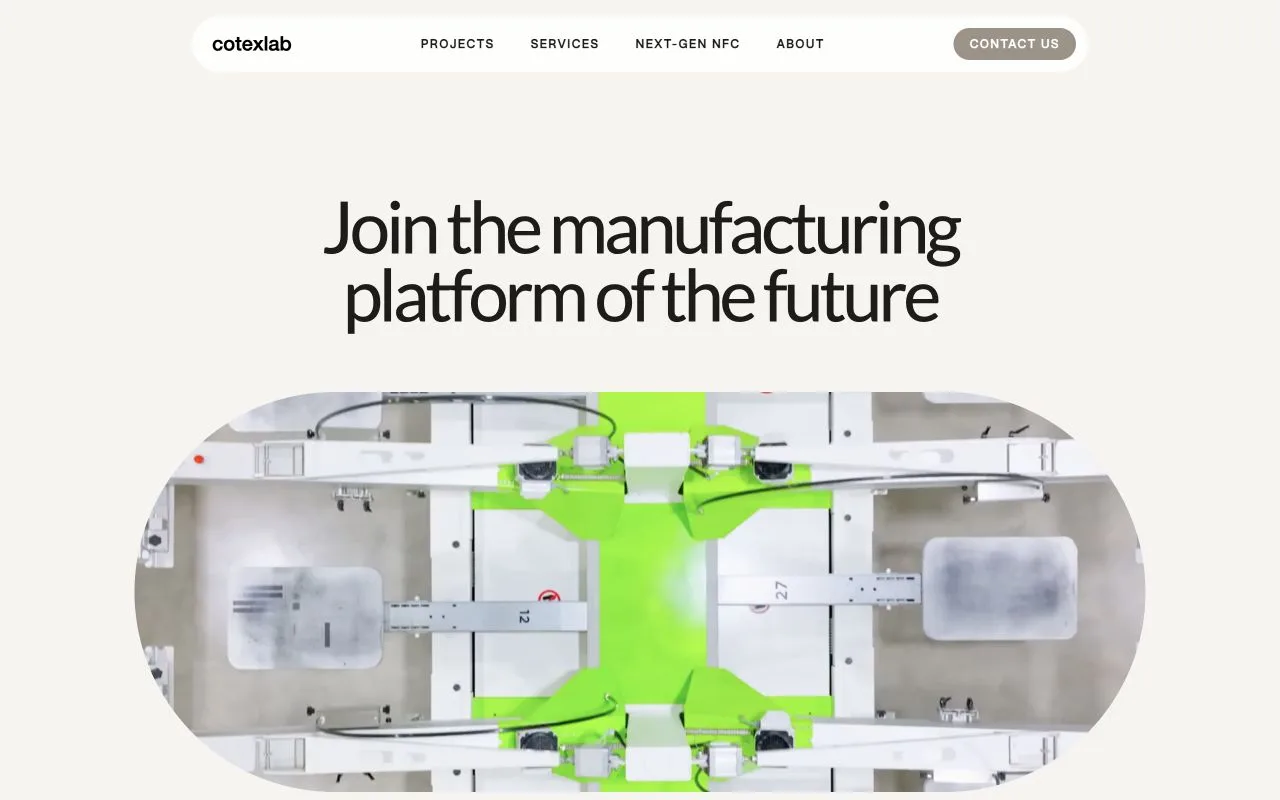
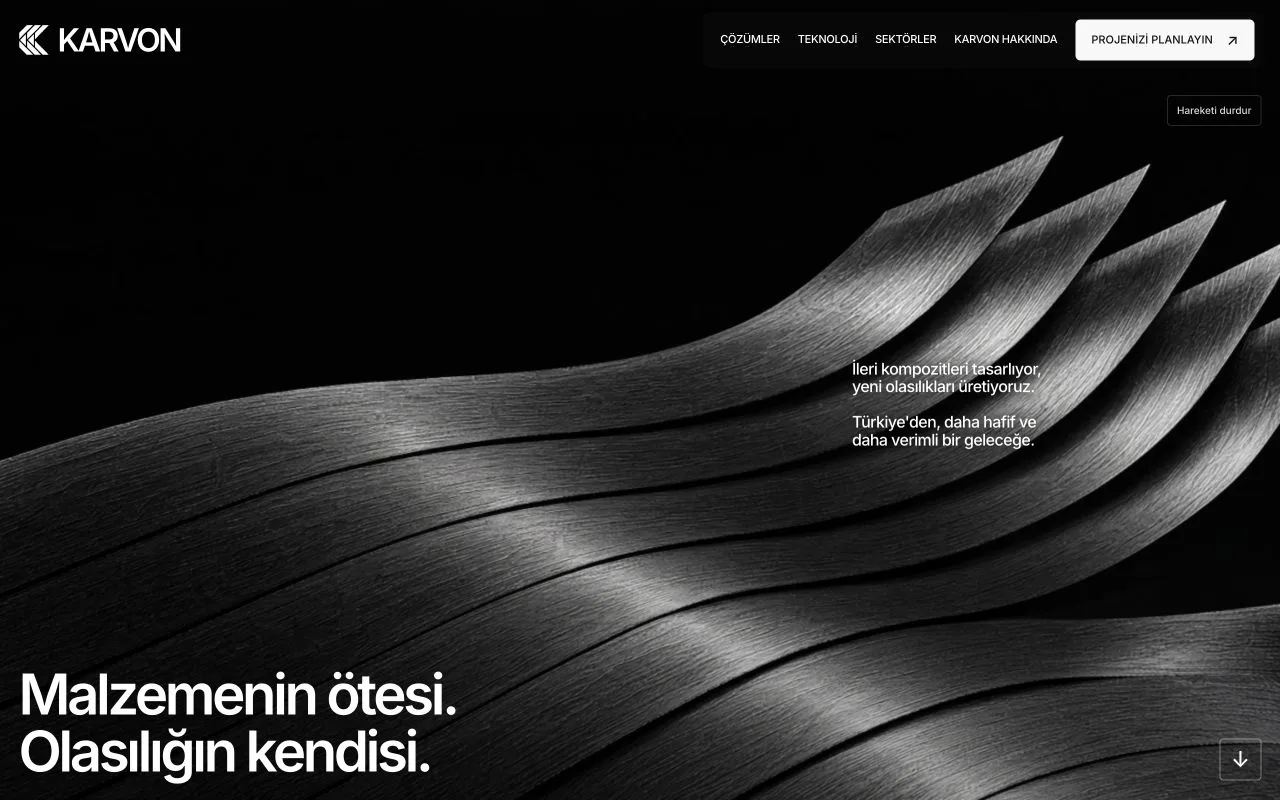
Explore our website work.
Selected website projects showing product presentation, navigation and contact journeys.
Check current ad format requirements
Verify field lengths, file types and cropping against the current official guide when implementation occurs. The Ads Manager plugin guide distinguishes drafting and previewing from writing to an account. Do not apply dimensions from an old announcement to every format. Adapt the composition if a crop removes the logo or an important product area. Review the preview, destination and brand information together. If an error appears, identify the field that fails the requirement rather than simply reduce file size. Record the format, review date and approved final asset so later variations can be checked against the same requirements and the technical handover remains usable.
Match the ad promise to the destination
The destination should continue the promise shown in the advertisement. Campaign management therefore evaluates creative alongside landing pages. Make product details, price, fulfilment or service scope easy to find, with an action that matches the next step. An assessment request should not disappear behind a long form with unexplained mandatory fields. Language switching should open the equivalent page rather than an unrelated service. English advertising with Turkish cover lettering or an irrelevant destination creates inconsistency. Forms, errors and confirmation should follow the same language. Test the mobile journey as a whole to verify that the information and action offered after the click match the ad.
Plan variations and human approval
Record the purpose of each variation and who approves it. The first-30-days test plan connects production with evaluation in one change log. Clarifying the need in a headline and clarifying scope on the destination are different changes. More assets alone do not establish useful learning. Include product accuracy, brand language, destination, format and human approval in the pre-launch checklist. A drafting tool should not independently make account or spending decisions for the business. Later review considers delivery, measurement and demand quality. Appearance alone does not establish revenue improvement, and any uncertainty in the available evidence should remain visible in the next decision.
Original creative acceptance checklist
| Check | Review | Acceptance record |
|---|---|---|
| Offer | Title and description communicate one need, supported benefit and accurate conditions. | The owner approved the final wording against the destination. |
| Image | Logo, packaging and attributes are real, with useful mobile cropping. | Retain rights, final file and corrections required before acceptance. |
| Destination | The promised information and action exist on the relevant page in the same language. | Check mobile journey, form errors and the next step together. |
| Variation | Define which information or message the revision clarifies. | Record hypothesis, format, review date and publishing approver. |
BEFORE YOU DECIDE
Frequently asked questions
Can AI-generated ad copy be published immediately?
The draft should be reviewed for product accuracy, brand language, platform requirements and destination alignment before approval.
Is this the same as writing Meta or Google ads with ChatGPT?
No. This guide covers creative delivered inside ChatGPT. Production tools may overlap, but fields and delivery requirements differ by platform.
Should an AI image with an altered product or logo be used?
The image should represent the real product and brand accurately. Incorrect packaging, logos or features need correction before approval.
Is producing more variations always better?
Variations should test distinct hypotheses within the available budget and review capacity. More near-identical drafts do not create a better test.
CLIENT EXPERIENCES
Hear from our clients.
Published experiences from earlier advertising and website projects, with English translations of the original Turkish comments.
 Watch video (TR)
Mr İsmail, I was very happy with your attention and care. The detailed reports you provided were satisfying. I hope we will continue working together.Translated from the published Turkish testimonial.
 Watch video (TR)
Your approach to us was both professional and friendly. Every step from the beginning was transparent and honest. Instead of taking important information such as passwords, you asked us to join a remote session and carried out the installations in front of us. We intend to keep working with you.Translated from the published Turkish testimonial.
These are individual client experiences; project scope and results vary.
All client stories (TR)LET’S DEFINE THE SCOPE
Turn the guide into a practical delivery scope.
Share your current website, priority goal and account or store status. We can assess readiness, deliverables and responsibilities together.
Scope creative and campaign delivery