
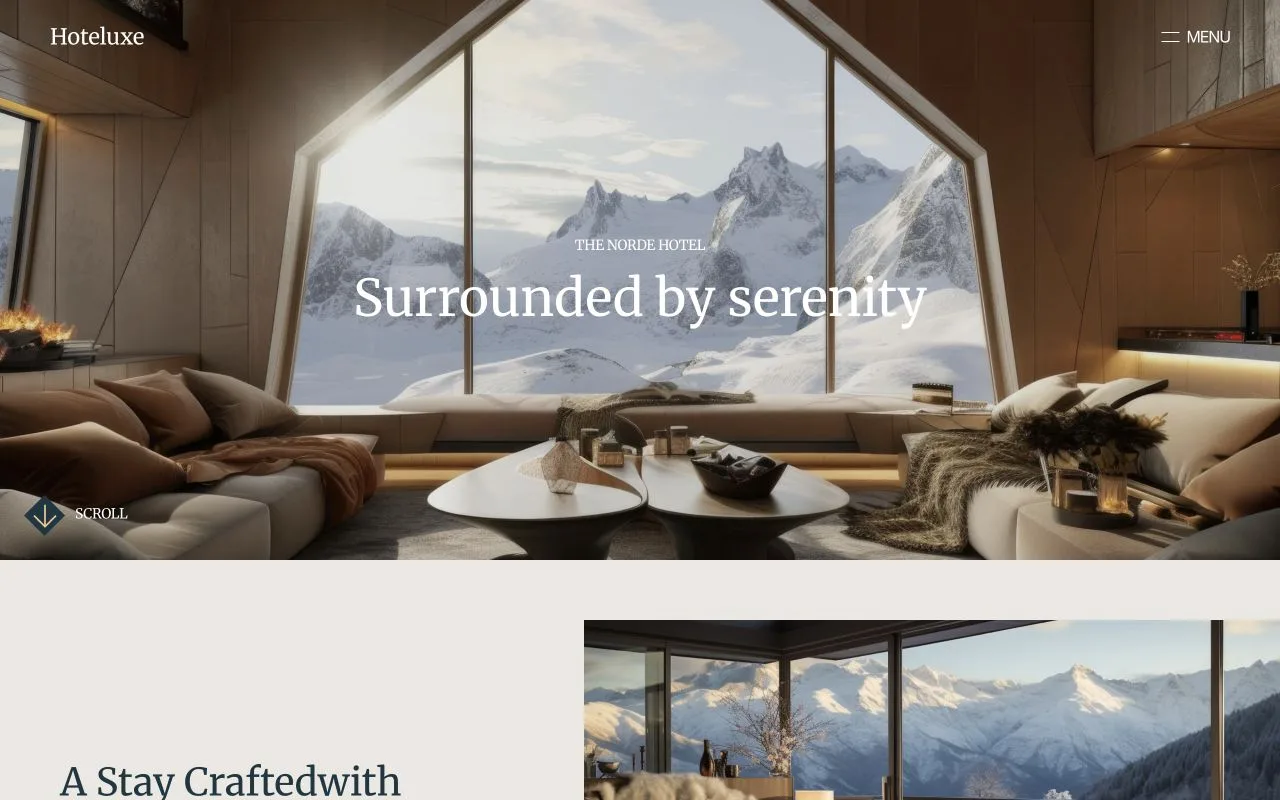
Give destination guides and tour pages different jobs
Content marketing should distinguish a destination guide from a bookable tour page. The guide supports research; the product page explains dates, departure points, inclusions and the next booking step. Reusing the same attractive description across every trip can conceal important differences. Build the architecture around products the agency actually offers.
For example, a cultural tour may need a daily itinerary, walking intensity and clear inclusions. A private group trip may begin with group size, flexible dates and a quotation request. Copy and real imagery should support those differences. Unapproved hotel, transport or activity details should not appear as settled product commitments. Assign an owner for the source information and fields that change.
Reduce uncertainty about dates, price and inclusions
Technical website and SEO checks review whether the booking journey works; content checks verify current product information. The agency needs to establish which departure, passenger or package a starting price refers to. When a date selection changes information, the interface should make the change visible. Without an availability source, the page should not imply a guaranteed place.
Identify the fields affected by itinerary changes. Review how previous-season pages relate to current options instead of deleting every address or turning it into a different product. An archive, relevant redirect or link to current departures may be appropriate depending on the page’s actual purpose.
Itinerary and inclusions
Match the daily programme, departure point and included services to the agency’s approved source. Explain excluded costs clearly. An attractive destination photograph is not evidence that an activity belongs to the product.
Dates and capacity
Check which product record owns each published departure. Define page and communication behaviour for sold-out or cancelled trips. Without live data, describe the enquiry as requiring an availability check.
Price and next action
Separate an indicative starting price from a selected package price. The agency verifies price variables and confirmation requirements. Payment, quotation requests and general information enquiries should be distinct actions.
FROM READING TO A NEXT STEP
Plan the sales journey for your priority tours
Share the tour group, seasonal objective and booking setup so we can define the first content, campaign and enquiry package.
Plan campaigns around the selling window and response capacity
Performance marketing for tours should relate to departure dates and the time available to sell them. General brand awareness needs its own objective. A campaign promoting a specific tour should reach the current product page. Dates, price wording and inclusions in the advertisement need to match the destination.
A long trip researched early and a nearby weekend activity can need different communication plans. Discuss content preparation, asset approval and sales response capacity before concentrating budget near departure. Assign responsibility for pausing a full tour and presenting alternatives. Compare seasonal results within suitable periods and products, explaining differences rather than hiding their effect.
Make the path from message to booking operationally clear
Marketing automation can support administrative tracking between forms, messages and CRM records. Preferred dates, group size and the selected tour may prepare a sales conversation. Avoid collecting passports or unnecessary travel documents in the first enquiry; required information belongs at the appropriate later stage. Explain that a contact request is not a reservation.
Sales verifies availability, product conditions and price against the actual source. Do not mark a sale complete before receiving the relevant transaction result. Create clear statuses for duplicate requests, incorrect dates and unanswered messages. Follow communication preferences instead of adding every enquirer to indefinite campaigns.
1. Record the request
Associate the tour code, requested date and communication purpose with the record. Show the responsible sales team. Someone asking for information and someone ready to reserve should not be treated as the same stage.
2. Prepare and confirm
The authorised team verifies capacity and product conditions. Changes in dates or passenger count create an appropriate proposal revision. Relate the offer sent to the customer to its record in the system.
3. Record the result
Track confirmed, pending, cancelled and payment-problem states separately. Use the transaction result verified by the source. Do not infer sales from incomplete records; explain limits in the reporting.
Keep product identity consistent across languages and reports
International SEO should preserve the identity and details of the same tour across languages. Translation must not change product codes, dates or inclusions. Research local destination terminology without moving the content away from the actual programme. The language editor and product owner review together. Do not promise immediate support in languages the team cannot serve.
Product views, quotation requests and verified bookings are different measurement stages. Names, contact details and travel documents should not be analytics properties. Appropriate technical context such as product type, language and campaign can be considered in the plan. Without booking integration, form counts in an advertising report are not booking revenue. Document transaction and attribution definitions in terms the team can use.
Begin with a manageable tour group and sales period
Measurement implementation and website integration may be separate technical work. An initial package can cover one tour group, a defined sales window, related pages and a single enquiry workflow. Deliverables may include a product-information template, page briefs, campaign destination map, status definitions and reporting checks. Media, asset production and booking-provider fees need separate inclusion decisions.
Share the agency website, priority trips, booking system and current sales problem initially. No reservation network, travel certification or specific sales result is claimed on behalf of Prix. Verified projects can support only their documented roles. Scope depends on provider permissions and the agency’s product approval process. Distinguish ongoing sales operation from website and marketing delivery.
BEFORE YOU DECIDE
Frequently asked questions
Are more messages a success metric?
Messages may indicate initial interest but do not establish purchased trips. Review tour and date fit, quotations, confirmations and verified bookings separately. Unanswered or unsuitable enquiries should not be reported as sales.
Is online payment essential?
Different products need different models. A fixed programme with verifiable capacity may suit online purchase, while a private group trip may require a quotation conversation. Explain the visitor’s current stage and the conditions for a confirmed booking.
Should we delete tours after the season?
Review demand, links and product continuity first. An archive, current-option link or relevant redirect may suit the page. Turning an old tour into an unrelated product can confuse visitors and break their expectations.
How should availability be displayed?
Verify the technical scope when connecting an actual provider or agency source. Without live information, do not promise a place; present a request requiring confirmation. Assign an update owner and define sold-out behaviour.
Can language versions use identical content?
Core product facts should remain consistent while the explanation reads naturally in each language. Match dates, price conditions and inclusions to the source. Editorial and product-owner review should prevent translation from creating a new promise.
What should we share for an initial package?
The website, priority tour group, seasonal objective, booking provider and current enquiry process may be enough. Do not submit passenger documents or personal customer records in the first form. Technical access can be reviewed after scope is agreed.
LET’S DEFINE THE SCOPE
Plan the sales journey for your priority tours
Share the tour group, seasonal objective and booking setup so we can define the first content, campaign and enquiry package.
Discuss your travel project