

Start medical-device SEO with procurement questions
A B2B SEO plan begins with the actual product range, target institutions and buying process. A clinician may investigate intended use, a biomedical team compatibility and servicing, and procurement delivery, training and quotation terms. Finance may assess total ownership cost. These are research starting points, not evidence that every organisation has the same committee, budget or purchasing cycle. Define which buyer needs your public website can actually support.
Compare sales questions, manufacturer documentation and existing search queries. Separate patient information from professional sourcing. A precise model search may be relevant, but low volume does not prove a high-value sale. This guide does not provide clinical recommendations or determine whether a device may be sold in a market. Appropriate product and regulatory owners must check technical accuracy and publishing scope. Do not imply review by a qualified specialist if no such review has taken place.
Use assessment
Explain supported intended use, appropriate training and accessible technical information.
Technical assessment
Match models, accessories, compatibility, maintenance and current document versions.
Commercial assessment
Clarify genuine delivery, training, support and institutional quotation terms.
Give products, categories and application pages different jobs
Catalogue technical review asks which question each page answers. Group product names, models, specialties, parameters, use contexts and sourcing queries by genuine intent. Do not create a thin page for every nearby variation. Categories explain selection criteria; a product page supports assessment of a particular model. An application page is appropriate only when supported by the manufacturer’s permitted use information. Match that structure with how sales and support describe the range.
Make the correct model and intended use clear first, followed by specifications, compatible accessories, documents, service scope and an appropriate enquiry. Expandable sections should remain accessible on mobile, with crawlable content. Review filters, internal search and variant URLs before deciding what deserves indexing. Indexing every filter or assigning every variation to its category canonical is not a universal solution. The table describes an illustrative architecture, not a Prix medical-device client result.
| Page | Buyer question | Information needed |
|---|---|---|
| Product family | Which options could be suitable? | Selection criteria and accurate product links |
| Model | What is this device’s actual scope? | Version, parameters, documents and support |
| Comparison | How do the options differ? | Verified information under comparable conditions |
| Partner area | Which documents and terms can I access? | Current material and contact by permission |
FROM READING TO A NEXT STEP
Review the path from your medical catalogue to procurement enquiries
Share the product family, market and document workflow. We can connect technical pages and sales handoff in an implementation plan.
Manage catalogue PDFs and documents with version ownership
Document and enquiry automation needs a reliable product source first. Instructions for use, datasheets, conformity declarations and quality certificates are different documents. Match them to the relevant model, language, validity, version and owner. Prevent an old file being downloaded as though it were current. Define an update process across product, support, sales and web teams. Renaming a file is not a complete maintenance system.
Put essential product information in readable HTML, using PDFs to support detail. Files should be legible, appropriately sized and, where suitable, contain selectable text. Label downloads with their document type, language and version. Do not automatically lock necessary safety and usage information behind a marketing form. Private partner material can require separate permission; access control and collecting an email address serve different purposes. Test public pages and authenticated files separately. A document download is a behaviour, not proof of a suitable purchasing enquiry.
Write technical content and comparisons with supported claims
Expert content work should explain genuine device scope. A product owner checks parameters, compatibility and clinical statements against evidence. A document or logo must not imply sales authorisation in every country. The FDA explains that establishment registration and device listing do not mean product approval, clearance or authorisation. Verify the relevant device and market status separately rather than broaden a registration claim.
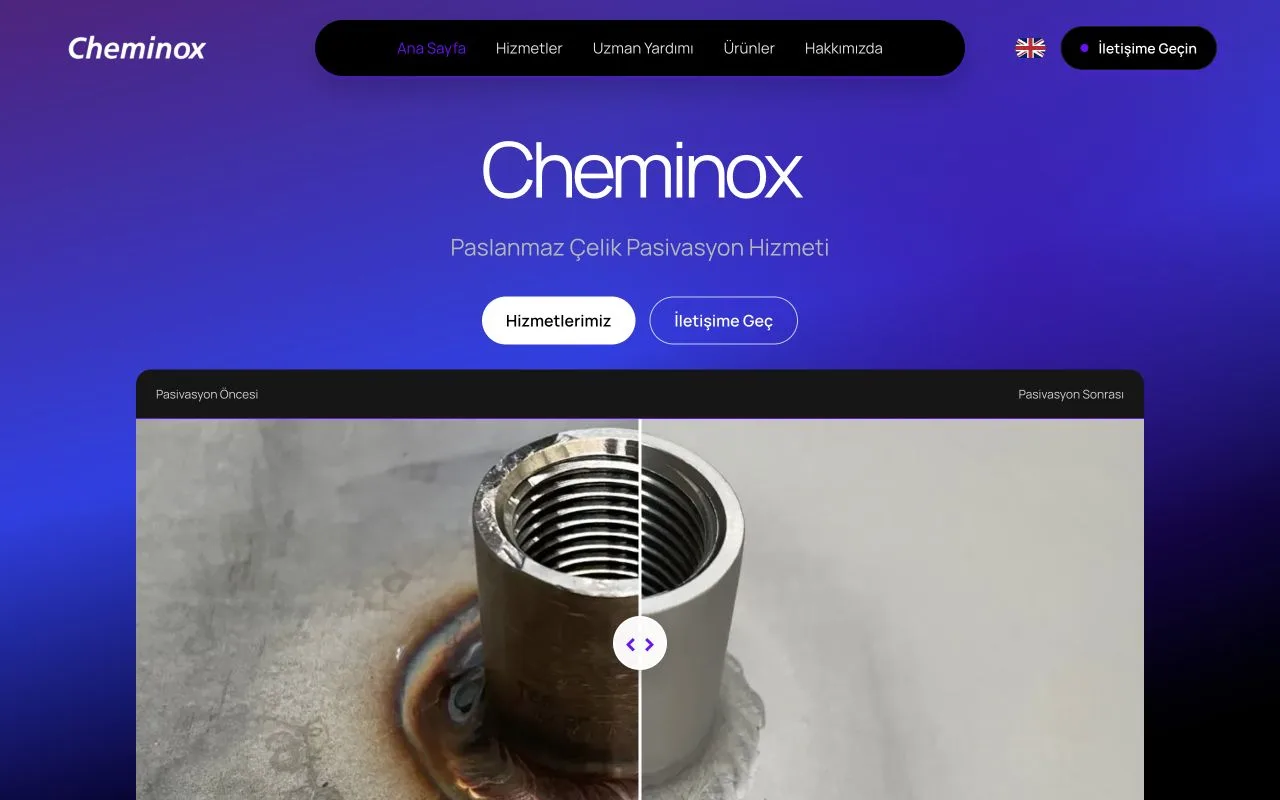
For the European market, MDR Article 7 restricts misleading claims about intended purpose, safety and performance. In Turkey, appropriate owners must assess current TİTCK sales, advertising and promotion requirements for the particular product. This guide does not grant blanket advertising or online-sales permission. Explain conditions, sources and dates in comparisons, buying guides and maintenance content. A case requires genuine methods, permission and limitations. Synthetic imagery or a website-design reference must not become evidence of a clinical outcome.
Separate product availability from multilingual presentation
International SEO planning involves more than translating a Turkish page. Assess target institutions, technical terminology, model versions, document languages, distribution arrangements and actual servicing. Do not assume a model offered in one market is available in another. The contact route and response owner must genuinely support the intended market. Changing country names on otherwise identical pages is not useful localisation. Start with an achievable market and range rather than publish every theoretical combination.
Google’s localised versions guidance explains reciprocal matching and hreflang implementation. Language pages should be accessible, have coherent canonicals and link to correct counterparts. Hreflang does not guarantee rankings or establish regulatory suitability. Do not label a Turkish PDF as English. Explain market-specific product differences clearly. Have a human check technical terms and units before treating automated translation as final documentation. Include ownership for future updates across all supported languages.
Test mobile assessment and structured data against the actual page
A technical implementation list covers status codes, robots, noindex, canonicals, internal links and sitemap consistency. Heavy PDF previews and high-resolution images can make assessment difficult. Test image dimensions, useful alternative text, suitable compression and loading behaviour. A quotation form must remain readable on mobile, with clear errors and acknowledgement. HTTPS matters, but cannot independently solve every security or personal-data issue. Verify actual product and contact tasks alongside crawlability.
Organisation, breadcrumb and appropriate product markup can describe visible factual content. Google’s product data guidance distinguishes result types and scope. Do not invent a price or customer rating for a quotation-based catalogue lacking that information. Markup is not regulatory approval or a guaranteed enhanced result. Keep useful visible FAQs without promising search accordions. When a model changes, review pages, files, markup and links together. Do not automatically redirect a retired model to an unrelated category.
Route quotation, demo and distributor enquiries to the right owner
The B2B enquiry flow should reflect how the range is sold. Make it clear whether a visitor requests information, technical discussion, a demo or partnership. Ask for the minimum relevant context, such as institution, product family, market and business purpose. Do not request patient records or private health information in a marketing form. Explain the response owner, operating hours and appropriate next step. An automated acknowledgement is not confirmation of technical suitability or a scheduled demo.
Record form opening, successful server acceptance, suitable enquiry and progressing quotation separately. Google’s Analytics data guidance explains keeping personally identifiable information out of reporting. Do not put email addresses, telephone numbers or free-text messages into event parameters. Appropriate anonymous events can describe product and source context. Define duplicate handling, ownership and status rules in CRM. Traffic and downloads are not won sales. Preserve human handoff and actual response capacity rather than promise instant expert answers to every request.
Validate one product family and document flow before expanding
Agree SEO scope by separating catalogue research, technical correction, content validation, localisation, document upkeep and measurement. Testing a manageable product family can expose gaps across the page, file and quotation journey. Clarify what product, regulatory, development and sales owners approve. Record the finding, implementation owner and acceptance check rather than leave the programme as a list of recommendations.
Expand a verified template to other relevant products instead of making page count the goal. The first brief needs the product range, target market, website, document process and enquiry problem. Exclude confidential technical files and access keys. Priorities should follow supported needs and actual product scope. Better catalogue organisation may support assessment, but cannot guarantee rankings, tender awards or large sales. A document centre without update ownership can become outdated soon after its new design launches.
BEFORE YOU DECIDE
Frequently asked questions
Is medical-device SEO the same as patient SEO?
No. This guide concerns professional sourcing, product assessment and distributor enquiries. It does not offer patient diagnosis or treatment advice.
Are low-volume model codes irrelevant?
Not necessarily. Assess actual product relevance and buyer tasks. Low volume alone does not prove a high-value sale.
Should every catalogue file require an email address?
No. Consider access to necessary use and safety information separately. Partner permission and marketing data collection are distinct purposes.
Does FDA registered mean FDA approved?
No. FDA separates establishment registration and listing from product approval, clearance and authorisation. Verify the relevant product’s actual status.
Is English translation enough for export SEO?
No. Check model versions, documents, technical terminology, target markets and actual servicing alongside translation.
Should catalogue downloads be the success measure?
Downloads are one behaviour. Assess accepted, suitable and progressing enquiries separately against the actual sales process.
LET’S DEFINE THE SCOPE
Review the path from your medical catalogue to procurement enquiries
Share the product family, market and document workflow. We can connect technical pages and sales handoff in an implementation plan.
Discuss medical-device SEO scope