


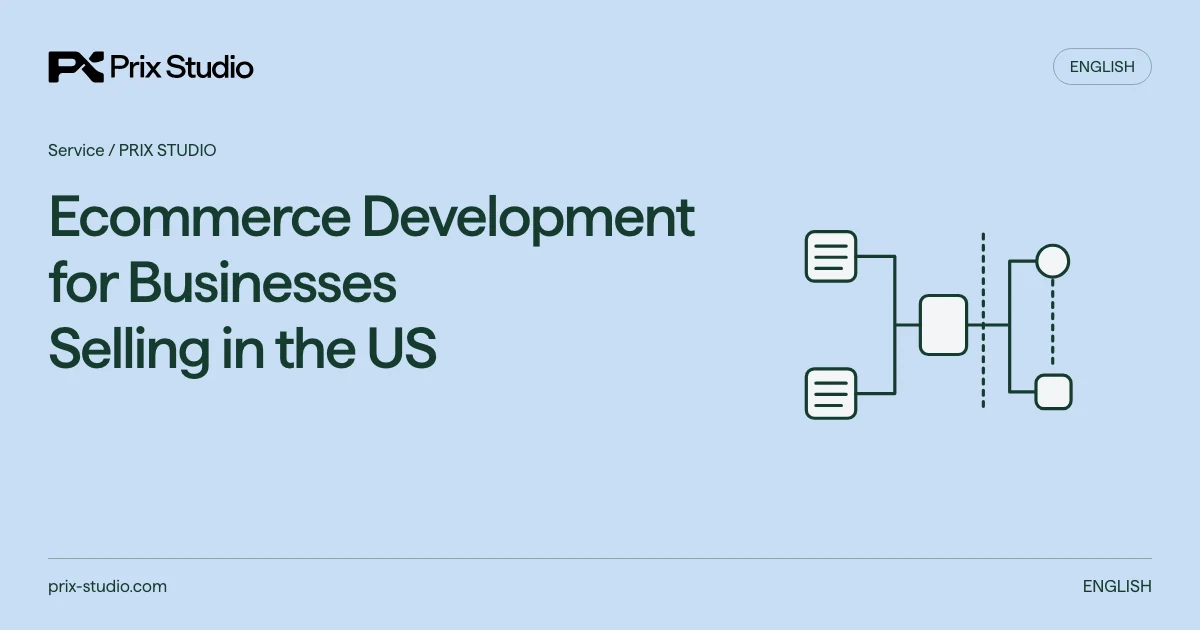
Choose the store from the selling model
Shopify Partner Agency is one platform path to consider after the merchant’s selling model is clear. A consumer buying a single item and a business placing a repeat order may need different approvals, prices and account rules. For US-facing commerce, commission the actual purchase journey rather than assuming a country label selects the platform.
Consumer checkout or B2B ordering
List the merchandise, intended buyers and steps required before an order is accepted. A hypothetical trade supplier might need a reviewed account and purchase reference; a direct consumer store might accept an ordinary cart. Use these as scope examples, not claims of a particular supported feature. Ask each proposed implementer to confirm the configuration and exclusions for the merchant’s case.
Existing platform and operator ownership
Assess the existing platform alongside the people who will operate it. Identify catalogue maintenance, order review and warehouse responsibilities before comparing a replacement. Generic platform development has its own service owner; this country scope concerns the merchant’s US payment, destination, language and handoff decisions. A platform recommendation does not establish provider eligibility or Prix capacity for every integration named in a brief.

Consumer order
Define checkout and acceptance conditions.

Business order
Confirm account, approval and pricing rules.

Operator
Name catalogue, order and warehouse owners.
Review product data in the customer language
WooCommerce Development comparisons should use real product samples instead of an abstract feature list. Give the reviewer representative SKUs, variants, units and approved descriptions. Record where each field comes from and who resolves conflicts. Customer-facing product data needs its own language and subject review, even when project discussions take place in another language.
Variants, units and technical claims
For each sample, check whether the selected variant matches the image, stock identifier, price basis and fulfilment unit. Do not silently convert package quantities or measurements to a presumed US convention. Agree the display format, underlying value and rounding with the merchant. Technical or safety claims must come from approved product information and an accountable reviewer rather than design copy written to fill a field.
US format examples and additional locales
Define currency, date and address presentation using the actual intended journey. Additional locales include product changes, checkout messages and customer response ownership. Confirm who can maintain each version; a Persian draft is not proof of native review or support. Test a representative update across affected variants so the team can see what changes together and which approvals remain necessary.
Scroll to inspect all columns.
| Decision | Detail |
|---|---|
| SKU and variant | Match identifiers, image and fulfilment unit. |
| Approved information | Record units, descriptions and the responsible reviewer. |
| Locale | Confirm display format and ongoing update ownership. |
Validate payments and fulfilment using real eligibility
Shopify Partner Agency implementation must wait for real merchant-account and fulfilment decisions. Ask the seller to confirm the provider, account controller, currency and applicable account conditions. A payment option seen in a Turkish store cannot be assumed available to a US merchant. Record provider approval or unresolved eligibility as a dependency in the proposal.
Merchant account and deliverable addresses
Use the warehouse and carrier’s actual service information to define deliverable addresses, excluded destinations and how estimates are presented. Agree which system supplies shipping inputs and who handles an unavailable route. Showing a US destination selector does not promise coverage of every address. Test the boundary with permitted examples, including an excluded address and a partially available cart.
Approved tax and returns inputs
Tax settings and returns wording need merchant-approved inputs and qualified advice for the real business and transactions. Record the source, responsible reviewer and version of those inputs; developers implement the accepted configuration rather than inventing rates, nexus conclusions or legal policy. Keep return requests, refunds and fulfilment changes as distinct operations with their own permissions and acceptance conditions.
Scroll to inspect all columns.
| Decision | Detail |
|---|---|
| Payment | Confirm actual merchant eligibility and account control. |
| Shipping | Use real carrier coverage and exclusions. |
| Tax and returns | Implement versioned merchant-approved inputs and qualified review. |
Agree the order and inventory system of record
CRM and Ecommerce Integration scope should name the system of record for orders and inventory. Map the store, ERP and any fulfilment provider by data direction and field ownership. Payment confirmation, accepted order, stock movement and shipment creation are separate states. A successful API response alone cannot prove that the merchant’s full order has been reconciled.
ERP, 3PL and channel custody
Prepare a field-mapping sheet with the source identifier, destination, update direction and person who owns exceptions. Use agreed test records to trace one variant and one order across the boundary. Define how delayed stock, rejected addresses and out-of-order updates are recognized. Confirm the proposed connection with the actual provider documentation and available account permissions before describing it as included work.
Field mapping and duplicate-safe replay
Specify retry behavior that avoids duplicating the business action. The merchant needs a way to identify whether an order already exists before a failed message is replayed. Keep matching identifiers and exception records useful to the operating team. Test recovery within a permitted environment; do not create another shipment, charge or refund merely to demonstrate that a connection can be rerun.
- Map
Name each field source and receiving owner.
- Reconcile
Trace the permitted sample through actual states.
- Recover
Agree exception handling and duplicate-safe replay.
Accept peak and inclusive purchase paths
Headless Commerce Development is an architecture option to evaluate against actual purchase and operating needs, not a default requirement for an American store. Define mobile search, variant selection, cart and recovery tasks first. If a more complex architecture is proposed, ask what problem it solves and who will maintain the additional parts after launch.
Search, cart, mobile and recovery
Build acceptance scenarios from the merchant’s known promotions, catalogue and current workload. A seasonal event name does not provide a traffic figure. Agree the test load, allowed records and stop conditions instead of inventing peak capacity. Check how an unavailable product, payment failure or interrupted session changes the customer’s path and the records seen by the receiving team.
Load scenarios and permitted test data
Include keyboard access, readable product information, field labels and understandable errors in the agreed technical checks. Inspect the complete journey rather than a home-page screenshot. Findings should name the blocked task and corrective owner. Technical or load testing does not certify all legal obligations, continuous availability or an unobserved conversion uplift. Keep remaining issues visible in the launch decision.
Customer path
Test mobile, keyboard and understandable failures.
Load boundary
Use agreed scenarios and permitted records.
Prepare operational control before launch
Ecommerce Store Management covers continuing operations separately from the initial store handoff. Before launch, agree who accepts an authorized test order, confirms its destination record and takes over exceptions. A checkout success page is only one observation. The receiving team must also understand what happens to inventory, fulfilment and customer communication in the agreed flow.
Authorized test order and destination outcomes
Separate test mode from any proposed real payment or refund. Those actions need specific authorization and appropriate merchant procedures. Reconcile the permitted test across relevant systems, including failure and recovery conditions. Record what was observed and what remains untested. Do not describe an unexecuted provider action, an email snippet or a demonstration screen as proof of production delivery.
Training, rights, accounts and support
Deliver an editor demonstration, role inventory, export and recovery guidance, licences and recurring cost boundaries. Ask for the quotation currency explicitly; this guide supplies no store price. Confirm the actual team and language capacity for the requested scope. Prepare product samples, seller setup, delivery regions and the operational approver so the merchant can compare proposals and receive the system responsibly.
Scroll to inspect all columns.
| Decision | Detail |
|---|---|
| Acceptance | Record test conditions and destination outcomes. |
| Control | Transfer agreed roles, files and licence information. |
| Continuation | Assign recovery and separately scoped ongoing work. |
Questions and answers
Does selling to US customers require a particular platform?
No platform follows automatically from geography. Compare the actual buying model, operator tasks, provider eligibility and integrations. Have the proposed implementer confirm the required configuration and maintenance scope.
Can we copy product units and payment options from another market?
Use the merchant’s approved product values and actual account conditions. Confirm units, currency display and provider availability. A foreign-market example cannot establish eligibility or accurate customer-facing data.
Does a US address selector guarantee nationwide shipping?
No. Coverage must come from the real warehouse and carrier arrangements. Specify exclusions, unavailable routes and partial-cart behavior before accepting the fulfilment scope.
Who decides tax and returns configuration?
The merchant supplies approved terms and qualified advisers assess applicable obligations. The implementation follows those inputs. No automatic state compliance, tax rate or nexus conclusion is provided here.
What proves an order integration works?
An authorized test traced through the relevant order, inventory and fulfilment records, including exceptions and duplicate-safe recovery. Payment confirmation or one successful API call alone is insufficient.
What is included after launch?
Confirm it in the proposal. Initial training, account roles and recovery guidance should be explicit; ongoing store management, growth and new features remain separately commissioned responsibilities.
Plan your next step
Define the merchant’s US store scope
Bring representative products, actual seller and account arrangements, deliverable regions and the operational decision owner.
Prepare a store procurement note ↗